REVIEW · LONDON
London: Serial Killers of London Guided Walking Tour
Book on GetYourGuide →Operated by Brit Icon Tours · Bookable on GetYourGuide
London’s shadows get a guided walk. This tour takes you through the crime-scene locations and period photos that connect famous cases to real streets and real fear in London.
I especially like the way the guide, Declan, keeps things moving with questions and interaction, not just a lecture. You also get a clear through-line about what police did during the manhunts and how investigators, motive, and opportunity all fit together.
One heads-up: the subject is deeply disturbing, and the walk runs rain or shine. If you’re sensitive to graphic crime or you prefer upbeat sightseeing, this one may feel like too much.
In This Review
- Key things to know before you go
- Starting at Barbican: finding Declan and getting ready for a prompt departure
- How the 2-hour route tells the story of 11 killers
- Case highlights: the Dennis Nilsen and Peter Sutcliffe storyline
- What the photos and crime-scene descriptions really add
- Law enforcement lessons: manhunts, motive, and why justice took shape
- Who this walking tour suits best (and who should skip it)
- Price and value for about $22 per person
- Should you book this London serial killer tour?
- FAQ
- Where is the meeting point for the London Serial Killers walking tour?
- How early should I arrive?
- How long is the tour?
- What language is the tour guide speaking?
- How many serial killers are covered on the tour?
- Does the tour run in rain?
- Is the tour suitable for people with mobility impairments?
- Is there free cancellation?
Key things to know before you go
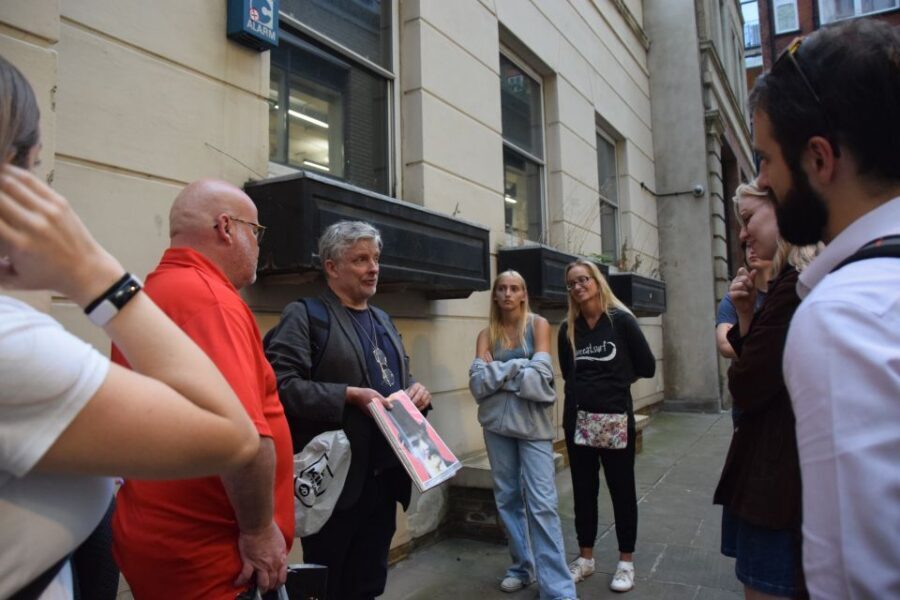
- Meeting at Barbican with Declan’s sign: you’ll meet outside the only exit at Barbican Underground.
- 2 hours, walking-focused: the whole experience is a guided stroll, with the tour leaving promptly.
- 11 serial killers covered: you’ll get a broad sweep, not a single case.
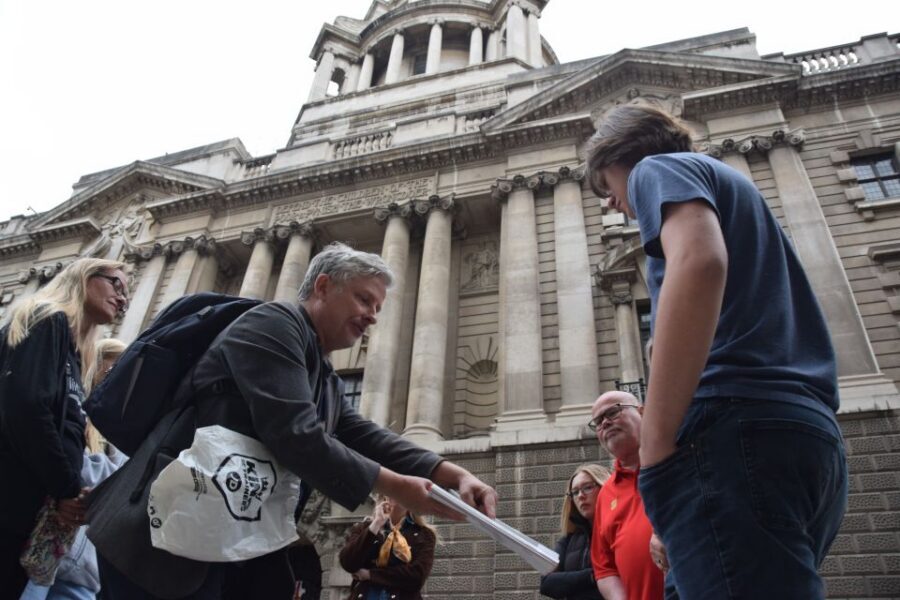
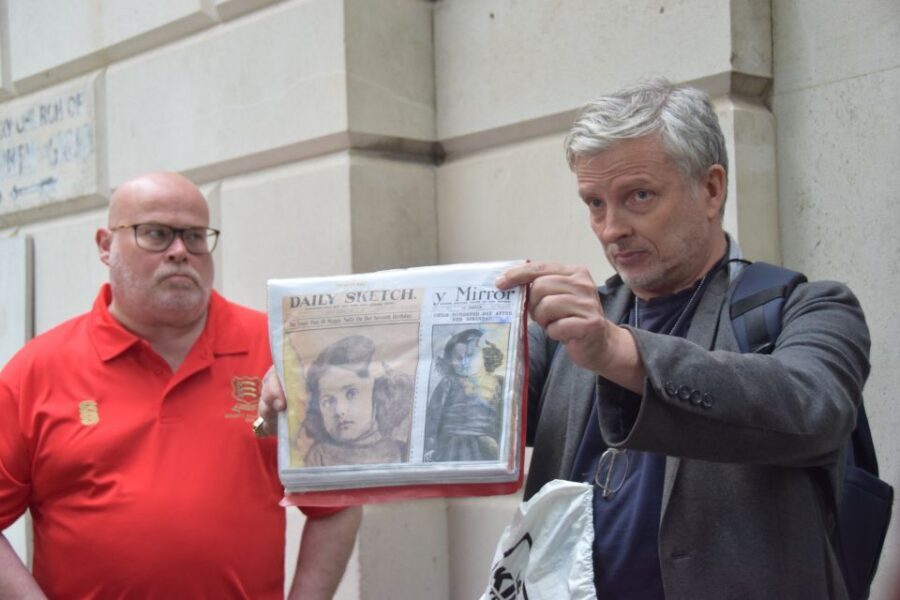
- Photos and case-style storytelling: you’ll see historical images and supporting materials as you move.
- Police investigations get real attention: you learn about law enforcement efforts that led to justice.
- Not for everyone: it’s not suitable for people with mobility impairments, and the topic can be emotionally heavy.
Starting at Barbican: finding Declan and getting ready for a prompt departure
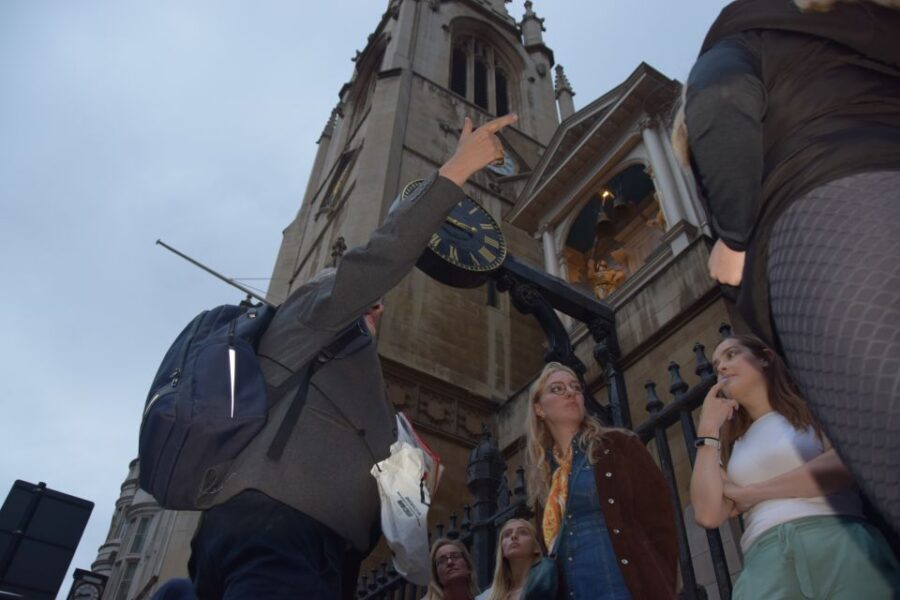
You start at Barbican Underground, and the key detail is easy but important: arrive at least 15 minutes early because the group leaves promptly. Your meeting point is outside the station’s only exit, and you’re looking for Declan’s sign on his rucksack on the ground.
This matters more than it sounds. Tours built around walking and case locations can’t wait for late arrivals, and the timing is part of the experience. If you want the first parts of the story to land cleanly, you need to be in place when the guide kicks off.
If you’re booking for a specific evening, you’ll also like that you can reserve now and pay later, and you can cancel up to 24 hours in advance for a full refund. That flexibility helps when London weather is unpredictable, or when you’re juggling other plans near the City.
Finally, know the temperature reality: this is rain or shine. Bring a light rain layer even if the sky looks friendly. You’ll be outside the whole time.
You can also read our reviews of more walking tours in London



How the 2-hour route tells the story of 11 killers
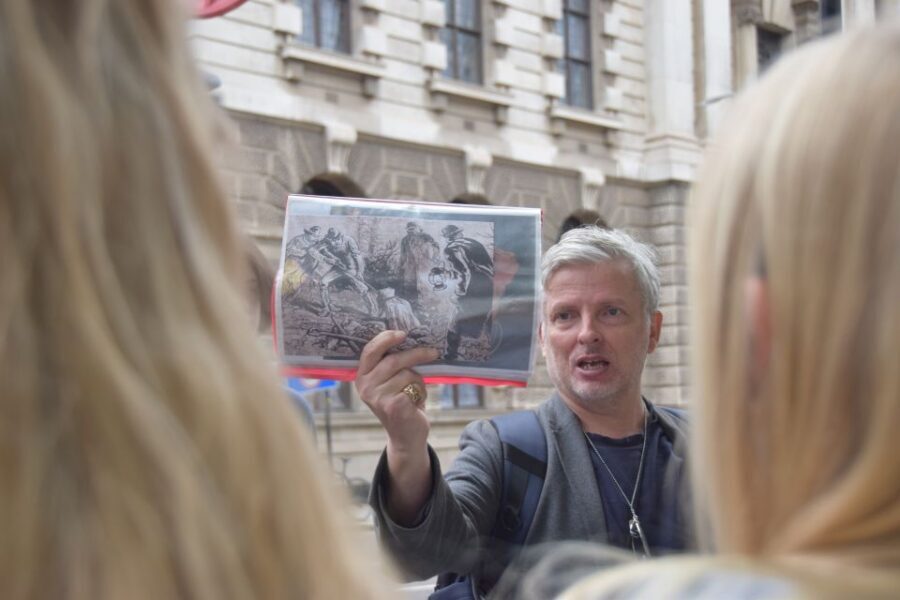
The format is simple: you walk, you stop, you listen, and you look at materials that match what you’re standing near. Over the 2 hours, the guide builds a timeline of sorts—starting with well-known names and then expanding across 11 notorious serial killers tied to London and its surroundings.
What makes the route feel more “real” is how it’s anchored to places. Instead of hearing the cases in the abstract, you’re shown areas that connect to former crime scenes, with detailed descriptions and supporting photos. It’s the difference between learning about a case in a book and hearing it near the corner where it happened.
You’ll also get an emphasis on the human side of investigation. The guide explains psychological and social factors that may have contributed to someone becoming a serial killer, and you’ll hear how police built cases, compared patterns, and pursued leads.
Still, there’s a practical expectation to set with yourself. Because it covers a wide range of cases in a short window, you shouldn’t expect every location to receive the same depth. If you’re the type who wants full legal-meets-forensic detail for each person, you may find some stops only briefly explained. The payoff is the big picture: how patterns, evidence, and urgency shaped London’s response.
Case highlights: the Dennis Nilsen and Peter Sutcliffe storyline
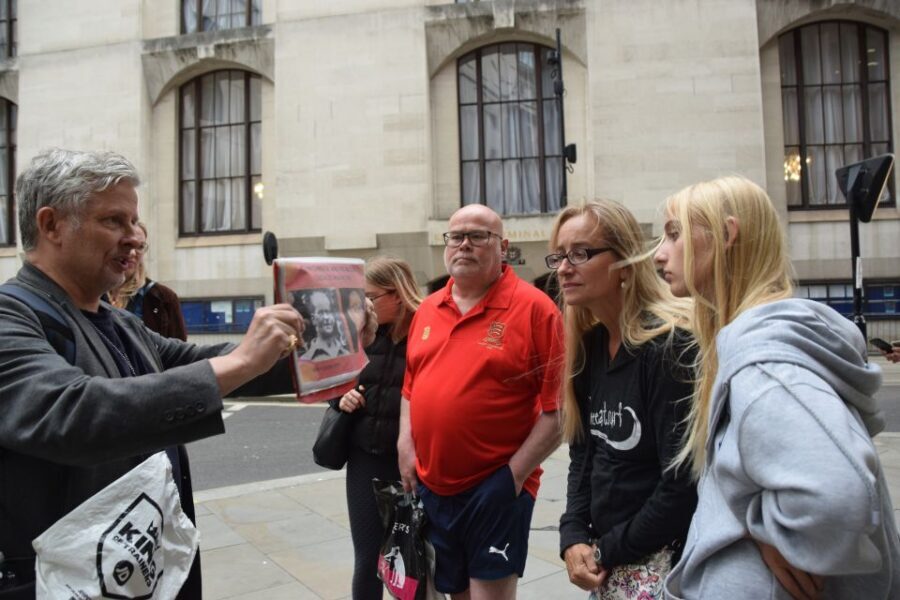
Two names come up early in the tour experience: Dennis Nilsen and Peter Sutcliffe. The starting phase is designed to orient you fast—who they were, what crimes are associated with them, and how their cases affected London.
From there, the guide moves you from name and method to context: what authorities were dealing with, why it took time to connect patterns, and how public fear changed the atmosphere around the hunt. This is where the walking part helps, because your brain maps stories onto street geography.
A good sign of this tour’s structure is that it doesn’t stop at the killer. You’re led to the questions that naturally follow: How did police interpret clues? What do investigators do when they suspect a pattern but can’t prove it yet? What happens when time, media pressure, and limited information collide?
One caution for your expectations: a couple of people have flagged that the guide’s approach can feel more performative than clinical in some moments, and that the level of background explanation for photos varies. That doesn’t mean the tour is unreliable—it just means you should go in prepared for a guided story style, not a courtroom-style breakdown.
What the photos and crime-scene descriptions really add
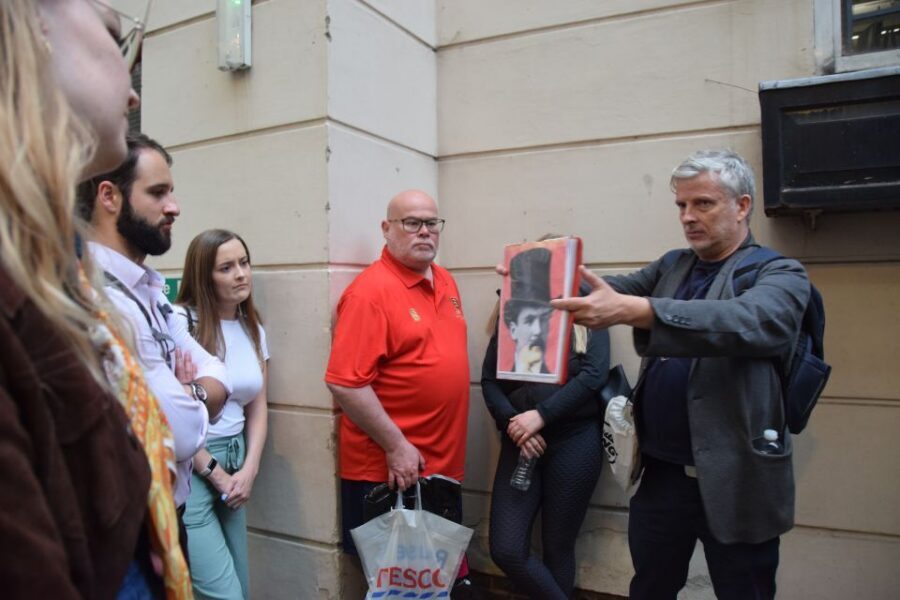
A standard walking tour gives you landmarks and maybe a couple of museum-style facts. This one adds something extra: you’re shown historical photos and provided detailed descriptions tied to the locations you visit.
In practical terms, the photos do two things. First, they help you picture the scenes before modern London softened everything with new facades and street-level changes. Second, they create a rhythm: stop, look, connect, then move on.
That visual element is especially useful when you’re learning about multiple cases. It helps you keep the story from turning into a blur of names. Instead of memorizing, you build mental anchors: place + image + explanation.
The other practical element is how the guide handles storytelling materials. You may notice a difference between what’s described in depth and what’s supported mostly through imagery and a lighter explanation. If you like your information layered—context, timeline, why investigators made certain decisions—you’ll likely enjoy the way Declan prompts thinking and checks in with the group.
If you’re very sensitive to crime details, you’ll want to take control early. You can decide your comfort level before you book, and you can also step back if a moment feels too heavy. The tour itself is clearly labeled as not suitable for everyone because the material is disturbing by nature.
Law enforcement lessons: manhunts, motive, and why justice took shape
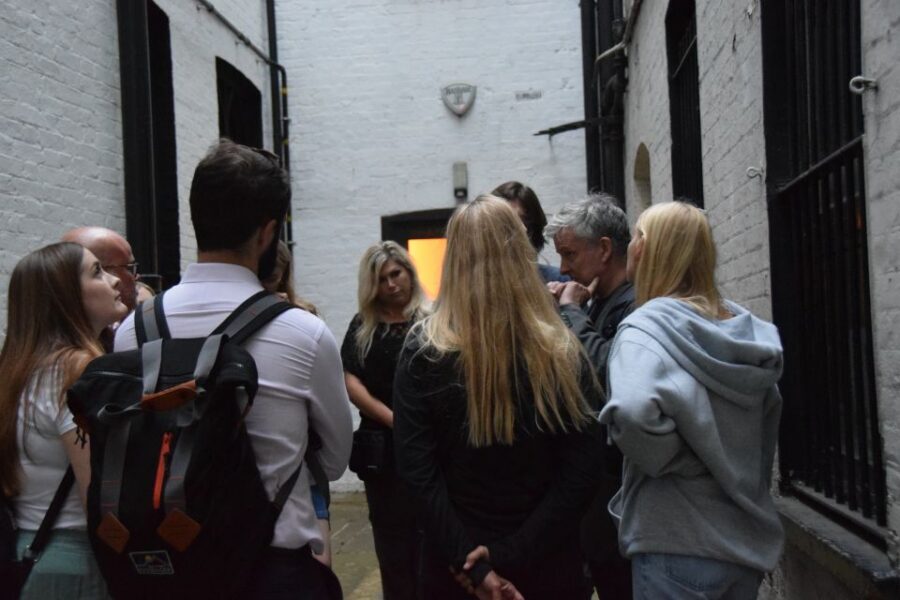
One of the strongest elements of this tour is the focus on what police actually did. Yes, you’ll learn about the killers’ motivations and methods, but the tour keeps returning to law enforcement efforts and the manhunts that brought suspects to justice.
That police focus changes the tone. It turns the experience from pure horror into a story about investigation under pressure. You’ll learn how detectives worked to connect incidents, how they navigated uncertainty, and how persistent searching can eventually turn suspicion into evidence.
This angle also gives you a better understanding of why London’s response mattered to the wider public. Serial crime affects more than just direct victims—it pulls at community trust and changes daily life. Hearing the investigation side helps you see the fear as something the whole city had to live with while police tried to catch the culprit.
There’s also a respectful balance in how the tour frames psychology and social factors. Instead of reducing everything to evil, you get a look at how patterns and opportunity can feed into a person’s behavior—and how investigators tried to stop further harm.
For me, this is the part that makes the tour feel like more than a novelty. You leave with a sense of how complex these cases are and how hard it is to build certainty while the danger still exists.
You can also read our reviews of more guided tours in London



Who this walking tour suits best (and who should skip it)
This is a walking tour in public areas, and it’s built for people who like crime storytelling with real-world locations. It’s a solid fit if you enjoy dark London tales, detective-style narratives, and you want to see areas you might miss on a normal route.
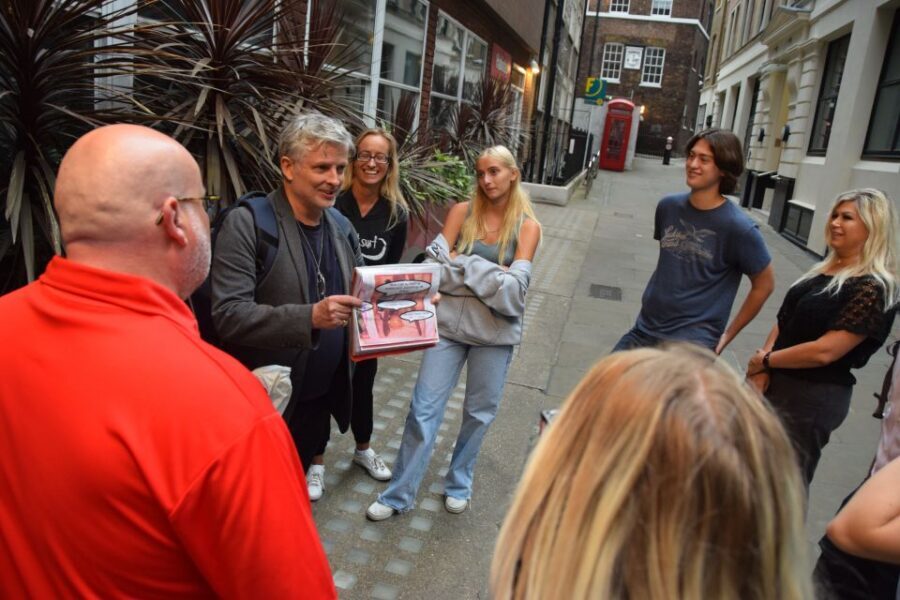
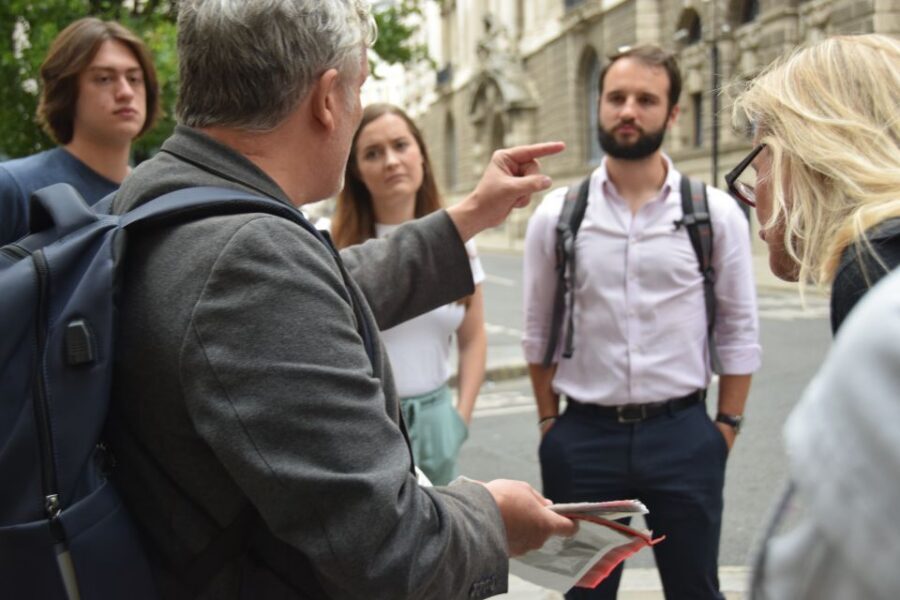
It’s also a good match if you like interaction. Declan’s style is engaging, and the tour encourages questions and keeps you mentally switched on. Even for groups with mixed interest levels, the interactive approach can make the story feel like a live conversation instead of a scripted monologue.
But it’s not for everyone. The tour’s subject is deeply disturbing, and that’s not a gentle theme. If you’re sensitive to violence, crime details, or psychological descriptions that hit too close to home, take that seriously.
Accessibility is also limited: the tour is not suitable for people with mobility impairments. Since it’s a walking experience, that restriction is a dealbreaker for some visitors.
Finally, weather matters. Rain can make streets slick and walking less pleasant. If you’re prone to discomfort outdoors, bring proper rain protection and shoes you can trust.
Price and value for about $22 per person
At around $22 for a 2-hour guided walking tour, the value depends on what you want most.
If you want a guided walk that hits 11 serial killers, uses photos, and ties stories to locations, this price can feel fair. You’re paying for a person (the guide), a curated route of stops, and the time it takes to explain context and police response. Since it runs only two hours, you also get a concentrated experience rather than committing a half-day or full-day.
If you’re expecting a classroom-quality, fully sourced briefing for every single stop, you might feel it’s not detailed enough for that standard. Some visitors have described uneven background explanations behind images, and a more opinion-leaning presentation style in places. That doesn’t automatically mean the tour is bad—it just means the delivery is story-forward.
My take on value: you’ll likely feel satisfied if you treat this as an atmospheric guided walk focused on narrative and investigation, not as a forensic seminar. The best way to judge fit is to ask yourself if you want the big-picture London case web. If yes, the time and price line up.
Should you book this London serial killer tour?
Book it if you like guided storytelling with real locations, you’re curious about police investigations, and you want to see a part of London you might not naturally wander through. If you enjoy interactive tours and you can handle disturbing subject matter, this one looks like a strong use of an evening.
Skip it if crime details tend to sit with you for days, if you’re not comfortable with psychologically heavy themes, or if walking for two hours is hard for you. Also skip if you want strictly clinical, deeply documented answers at every stop—this is shaped as a guided narrative, and the depth can vary by moment.
One last practical tip: go in with a plan for comfort. Wear layers, bring rain protection, and choose your emotional boundaries before you start. If you do that, you’ll get the best version of what this tour offers: a guided walk through London’s dark investigative side, with places and photos that make the stories feel close to the pavement.
FAQ
Where is the meeting point for the London Serial Killers walking tour?
You meet outside the only exit at Barbican Underground station. You’ll see Declan’s sign on his rucksack on the ground.
How early should I arrive?
Arrive at least 15 minutes early because the tour leaves promptly.
How long is the tour?
The walking tour lasts 2 hours.
What language is the tour guide speaking?
The tour is guided in English.
How many serial killers are covered on the tour?
The tour covers 11 notorious serial killers.
Does the tour run in rain?
Yes, it takes place rain or shine.
Is the tour suitable for people with mobility impairments?
No, it is not suitable for people with mobility impairments.
Is there free cancellation?
Yes. You can cancel up to 24 hours in advance for a full refund.