REVIEW · LONDON
London: Soho Rock and Roll Walking Tour
Book on GetYourGuide →Operated by Brit Music Tours · Bookable on GetYourGuide
Soho turns rock history into real streets. I love how this Soho rock and roll walking tour connects famous songs to specific corners of London, including the era around Bohemian Rhapsody. I also like that you get the Swinging 60s vibe while walking through key music streets like Carnaby Street and Tin Pan Alley.
One thing to plan for: it’s a walking tour, and it’s not suitable for people with mobility impairments. You should also expect an extra cost for a tube ticket during the stop connected to Abbey Road.
In This Review
- Key Things You’ll Notice on This Soho Rock Tour
- Why Soho Is the Right Place for a Rock ’n’ Roll Walk
- Getting Oriented at Dominion Theatre (and Why It Matters)
- Carnaby Street and the Swinging 60s Soundtrack
- Tin Pan Alley: Where Songs Got Made, Not Just Sung
- The Home of British Rock and Roll (Legends on the Map)
- Bohemian Rhapsody and the Recording-Side Connections
- Abbey Road Transfer: The One Extra Ticket to Budget
- What Two Hours Costs (and Why $22 Still Makes Sense)
- The Guide Makes the Difference (Spencer’s 60s Energy)
- Who This Tour Fits Best (and Who Should Consider Alternatives)
- The Practical Side: Shoes, Language, and How to Pace Yourself
- Should You Book This Soho Rock and Roll Tour?
Key Things You’ll Notice on This Soho Rock Tour

- Bohemian Rhapsody recording connections brought to life on London streets
- Carnaby Street and its Swinging 60s influence on style and sound
- A walk through Tin Pan Alley, tied to the songwriting engine of the city
- Stops focused on where UK rock and roll legends lived, performed, and died
- A 2-hour format that keeps you moving without feeling rushed
Why Soho Is the Right Place for a Rock ’n’ Roll Walk

Soho is where London’s music industry took shape in the public eye. You can feel the layering of eras as soon as you start walking: pop and rock from the 60s, punk energy later on, and the long shadow of bands that made the city their base.
What I like about this tour concept is that it treats music like something physical. You’re not just hearing names and dates. You’re seeing the sort of streets where working musicians and the people around them would have crossed paths—promoters, writers, performers, and fans looking for their next favorite sound.
You’ll also get a clear sense of how wide the UK scene really was. The tour frames rock alongside blues, pop, and punk. That matters because a lot of classic rock stories get told like they’re separate lanes. Here, they connect on the same London sidewalks.
You can also read our reviews of more walking tours in London



Getting Oriented at Dominion Theatre (and Why It Matters)
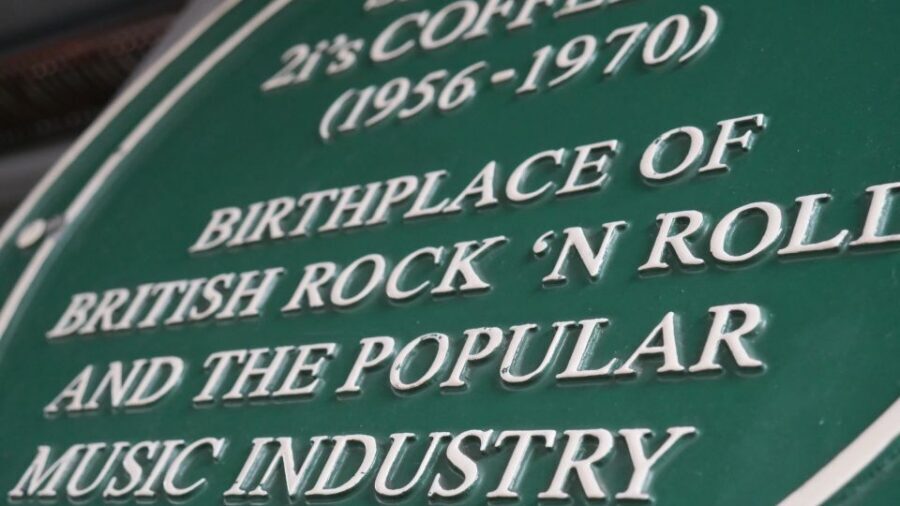
The tour starts outside the Dominion Theatre, near Tottenham Court Road. If you’re using the Underground, you take Exit 2 of Tottenham Court Road Station and head to street level.
That might sound like a tiny detail, but it’s one of the best things you can do on a first day in London: start with a clear, easy landmark. Dominion Theatre is simple to find, and Tottenham Court Road is a hub for getting to other parts of the city afterward.
The 2-hour timing also helps. You’ll cover enough ground to feel like you explored Soho rather than just did a quick highlight loop. At the same time, this isn’t an all-day commitment. It’s the kind of activity that fits well if you’re also doing museums or seeing a show later.
Carnaby Street and the Swinging 60s Soundtrack
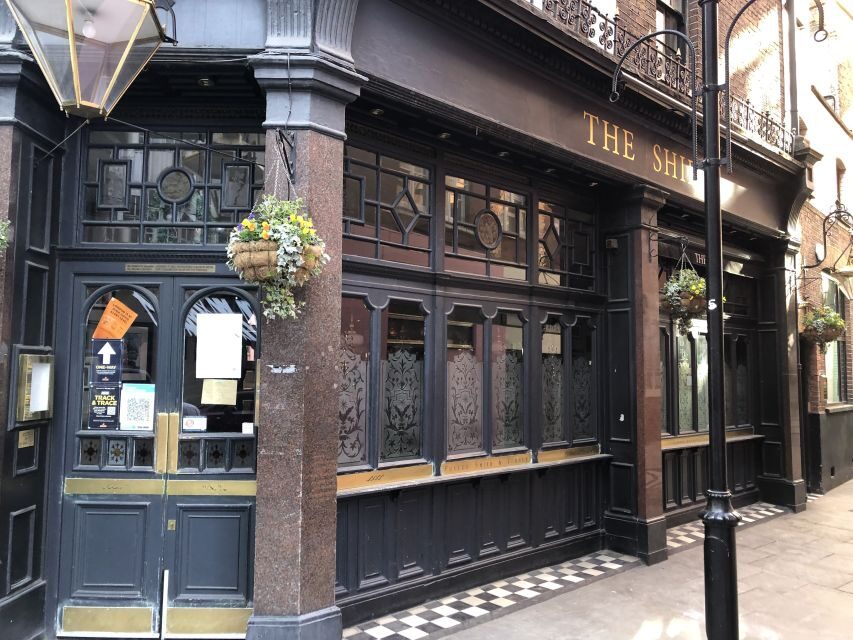
Carnaby Street is one of those London locations where style and music have always seemed glued together. On this tour, it isn’t treated like a storefront stop. You’ll connect Carnaby Street to the bigger Swinging 60s story—when London’s pop culture hit a global volume.
Why it works on foot: the street layout makes the era feel less like a textbook and more like a place you could picture people walking through in real time. You’ll see it as a stage for trends, and you’ll hear how that energy fed into the music world.
If you care about the visual side of rock’s evolution—fashion, attitude, stage presence—this is a good moment on the route. It sets up the rest of the walk, because the tour’s wider focus is on how London shaped the sound, not just how bands sounded.
Practical tip: wear comfortable shoes. Carnaby Street is easy to enjoy, but it’s also easy to overdo when you start slowing down for photos.
Tin Pan Alley: Where Songs Got Made, Not Just Sung
Tin Pan Alley is famous for songwriting energy. On this tour, you’ll walk down London’s famous Tin Pan Alley and learn what it meant for the industry.
Here’s what I find useful about a stop like this: it reminds you that hit records don’t come from nowhere. They come from writers, publishers, and the daily grind of turning ideas into music that sells.
This part of the tour also gives you a better way to listen when you get back to your hotel. You stop thinking about songs only as performances and start thinking about them as products of a system—people writing, pitching, refining, and chasing the next big hook.
If you’re a classic rock fan who likes the behind-the-scenes side—how the industry worked, not just who the biggest stars were—this is one of the most satisfying segments.
The Home of British Rock and Roll (Legends on the Map)
One of the tour’s strongest promises is that it focuses on the places where rock legends have lived, performed, and died in London. That sounds broad, but on a good walking tour it becomes specific through context.
This is where Soho’s “legend footprint” angle clicks. The tour name-checks a stack of major acts tied to the UK rock and roll story, including The Sex Pistols, Queen, Led Zeppelin, The Rolling Stones, The Who, Jimi Hendrix, The Beatles, and more.
You’ll learn about how musicians and singer-songwriters gathered in London to make their name. That’s a key theme, because it explains why so many different rock styles overlap here. Rock wasn’t a single genre in one corner. It was a moving conversation across musicians, scenes, and influences.
Also, the tour’s framing helps you understand why the city matters. London wasn’t just a backdrop. It was a magnet. If you care about authenticity—seeing the real geography where the music orbit happened—this is the kind of structure that pays off.
A balanced note: walking tours typically show streets and exterior locations rather than behind-the-scenes access. The value here is context and direction, not entering private venues.




Bohemian Rhapsody and the Recording-Side Connections
The tour highlights connections to where classic tracks like Bohemian Rhapsody were recorded. That’s a big deal for fans because it shifts the vibe from history to craft.
Recording connections do something that site-seeing alone can’t. They make you picture the work behind the myth. You can listen differently when you know a song’s story is tied to real London spaces—where studios, producers, and musicians were clustered during key periods.
Even if you don’t memorize every detail, the tour’s approach helps you keep the bigger idea in mind: London’s rock scene wasn’t only about live performance. It was also about the technology and facilities that helped transform songs into what you hear today.
If you like your rock facts grounded—less legend-making, more real-world connections—this is one of the headline reasons to choose this tour.
Abbey Road Transfer: The One Extra Ticket to Budget
The tour includes a tube-related component connected to Abbey Road, but you need to buy your own tube ticket to travel there while on the tour.
This is the one logistics detail I’d flag early, because it affects your budget. The tour price is $22 per person, and that’s good value for a guided 2-hour walking experience. But transport adds a small extra cost you’ll want to factor in so you don’t get surprised halfway through.
Still, I like that the tour gives you the path toward Abbey Road rather than treating it as a separate, disconnected side trip. If you’re in London for a short visit, it helps you squeeze more meaning into your day.
What Two Hours Costs (and Why $22 Still Makes Sense)
At $22 for about 2 hours, this tour hits a sweet spot for classic rock fans. You’re paying for more than walking. You’re paying for someone to connect the dots between streets, scenes, and famous songs.
A walking tour at this price often includes the biggest value element: interpretation. When a guide ties Carnaby Street, Tin Pan Alley, Soho landmarks, and legend-related locations into one route, you start getting a narrative instead of a list.
The live guide also matters. English-language storytelling keeps the flow moving, and the route stays tight enough to cover key areas without burning your whole day.
In other words: for the cost, you’re mostly buying context and momentum. If that’s what you want, $22 is a fair deal.
The Guide Makes the Difference (Spencer’s 60s Energy)
The reviews you’ll see attached to this kind of tour tend to focus on one thing: the guide’s enthusiasm and detail. In particular, Spencer gets mentioned for loving the 60s lifestyle and for sharing strong stories tied to what you’re walking past.
That matters because rock history can turn into trivia fast. A good guide keeps it human. You should feel like the walk is about the music scene as a living thing—people chasing work, sounds changing quickly, and London acting like a magnet for new styles.
If you’re lucky enough to have Spencer, you can expect a tour that leans into the spirit of the era, not just the facts. And if you’re any kind of classic rock nerd, that storytelling style is exactly what makes a short walking tour worth your time.
Who This Tour Fits Best (and Who Should Consider Alternatives)
This is ideal if you:
- Love classic rock and want the London geography behind the music
- Enjoy the stories behind pop culture, like the Swinging 60s link to modern fame
- Want a focused, 2-hour plan without the stress of a full-day itinerary
It’s not a great fit if you:
- Need mobility accommodations, since it’s stated as not suitable for people with mobility impairments
- Want an indoor or sit-down experience, because this is built around walking
If you’re traveling with kids or teens, it can work well if they already like rock music and enjoy stories. If they need lots of breaks, plan that they may get tired.
The Practical Side: Shoes, Language, and How to Pace Yourself
This tour runs with a live English guide. That’s helpful if you want to ask questions and keep the pace smooth through Soho’s streets.
You’ll also want to bring comfortable shoes. Two hours on London pavement doesn’t sound long until you’re wearing the wrong soles or you stop too often for photos.
One more pacing thing: Soho is photo-friendly, so the best way to enjoy it is to let the guide do the talking first, then take your photos while you’re naturally passing the spots. That keeps the tour feeling like a guided experience instead of you constantly catching up.
Should You Book This Soho Rock and Roll Tour?
I’d book it if you want a compact way to understand why Soho mattered to British rock and roll—from the songwriting side to the legend footprint around famous bands. The $22 price point is solid for a guided 2-hour walk, especially if you care about the connections to recordings like Bohemian Rhapsody and you want to see how Carnaby Street and Tin Pan Alley fit into the bigger scene.
I’d hesitate if walking is a problem for you, or if you strongly dislike the idea of needing your own tube ticket during the tour. Also, if you’re expecting museum-style depth with indoor stops, this is more street-level storytelling than formal exhibits.
If you’re a classic rock fan doing London on a tight schedule, this tour is the kind of plan that turns a few streets into a real music map. And that’s the whole point.