REVIEW · LONDON
London: Westminster WW2 Tour & Churchill’s War Rooms Ticket
Book on GetYourGuide →Operated by City Wonders Ltd. UK · Bookable on GetYourGuide
Churchill’s secrets are underground. This 2.5-hour Westminster WWII tour pairs a guided walk past key government landmarks with reserved entry to the Churchill War Rooms, where you tour the bunker that ran Britain during the Blitz. I like how the day connects the public face of London with what was happening just below the surface.
My other favorite part is the way the experience teaches you to see the war as a system: people working shifts, deciphering communications, mapping movement, and making decisions with alarms going off overhead. The one thing to plan for is that the War Rooms can feel tight and busy, so the audio tour works best when you stay patient and keep adjusting your spot as crowds shift.
In This Review
- Key highlights you should care about
- Westminster WWII tour in 2.5 hours: what you’re really buying
- Meeting point at Westminster Station: how to show up without stress
- Downing Street to the Cenotaph: the Westminster walking portion that sets the story
- Exile in London: what you learn between the monuments
- Churchill and Roosevelt on the street: the relationship you actually need
- Entering Churchill’s War Rooms: preserved command under pressure
- Audio guide and crowds: how to make the self-paced portion work
- The walking guide: what made people rave about the experience
- Price and value: is $59 a fair deal for Churchill’s War Rooms?
- Practical tips: timing, comfort, and what to pack
- Who should book this Churchill War Rooms and Westminster tour
- Final verdict: should you book?
- FAQ
- Where does the tour meet?
- Is Westminster Abbey included in the ticket?
- Is the Churchill War Rooms tour guided or self-guided?
- How long is the experience?
- What audio and equipment are included?
- Is it suitable for wheelchair users or limited mobility?
Key highlights you should care about
- Westminster landmarks in walking order: Downing Street, Parliament, Westminster Abbey area, plus the Cenotaph as your turning point.
- Exile stories tied to specific sights: You hear how London hosted governments and monarchs forced out of Europe.
- Churchill and Roosevelt, not as myths: You get the real relationship framed around wartime decisions and communications.
- Churchill War Rooms preserved like 1945: Rooms stay exactly as they were when lights were switched off, with period details like weather signs.
- Audio guide inside the bunker: You wander at your own pace in the maze, while your headsets help you hear the street guide clearly.
Westminster WWII tour in 2.5 hours: what you’re really buying
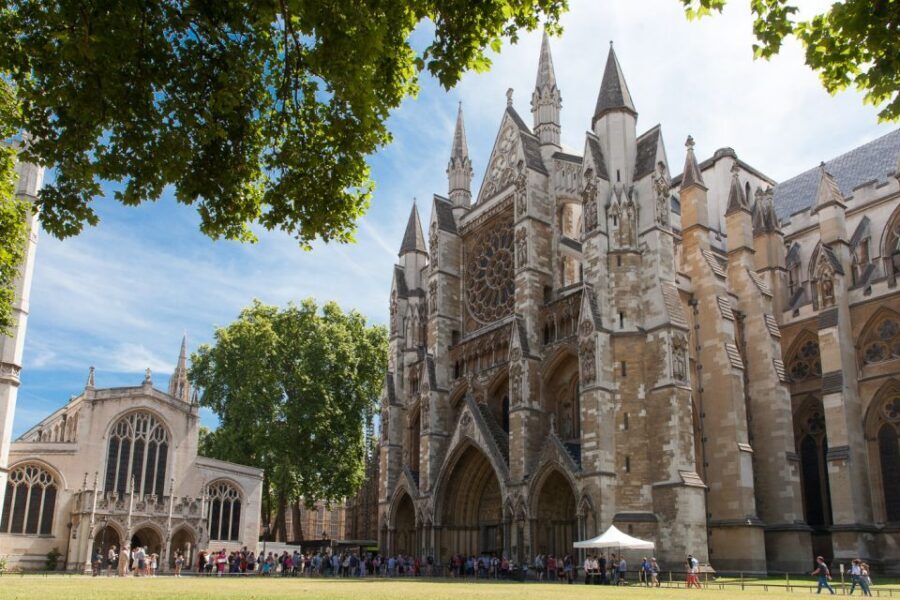
For about $59 per person, you’re getting two different kinds of value in one block of time: context and access. The walking portion gives you the political geography of Britain at war, then the War Rooms ticket gives you the physical geography—corridors, desks, and rooms built for command under pressure.
The schedule is compact, so you should expect a steady pace: about an hour of guided walking and photo stops, then roughly an hour and a half to explore the Churchill War Rooms on your own with the audio guide. If you’re the type who slows down for details, you can usually stay inside longer once you’re there, since there’s no sense of needing to rush right after entering.
A few more London tours and experiences worth a look


Meeting point at Westminster Station: how to show up without stress
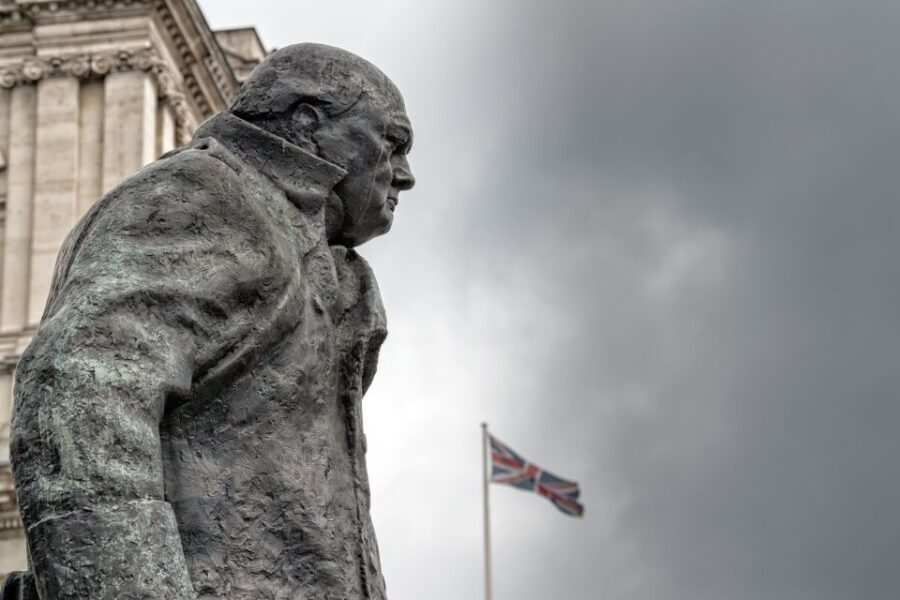
You meet your guide outside Westminster Station (follow signs for Exit 2 Victoria Embankment), then take the stairs up to street level. The group gathers at the top of the stairs behind the statue of Boadicea on a chariot.
That matters because the day starts near major traffic and major sights. If you arrive early, you’ll have time to regroup and find your group spot before the guide begins the walking history.
Bring comfortable shoes. This is a walking-first tour, and the War Rooms portion is time spent moving through tight underground spaces.
Downing Street to the Cenotaph: the Westminster walking portion that sets the story

The guided walk is the mental warm-up. You start in the Westminster area and move from landmark to landmark as the guide explains what each place meant during WWII-era stress and decision-making.
Here’s what you can expect along the way:
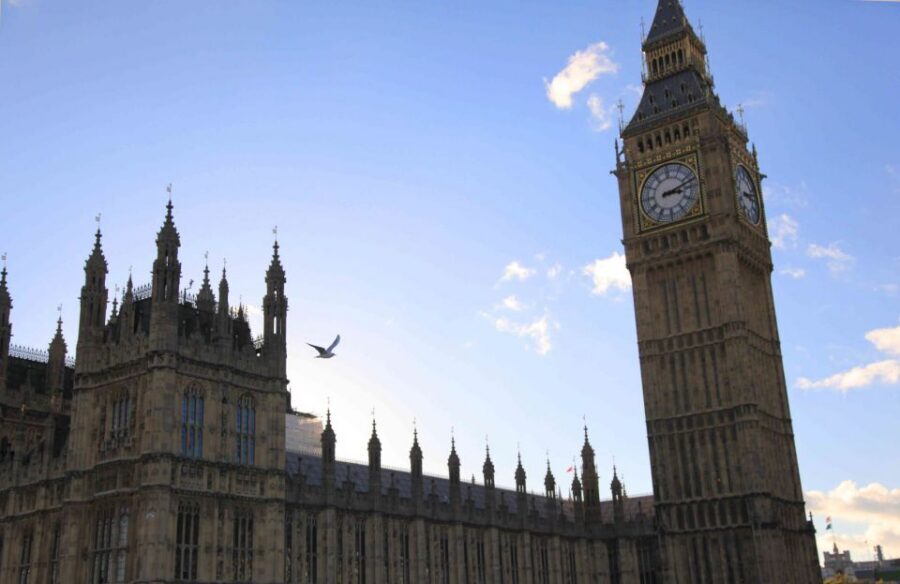
- Big Ben photo stop: More than a postcard moment. It helps you orient the “modern” London skyline against the reality of wartime bombing and disruption.
- Houses of Parliament photo stop: The guide connects government in public view with the need for command capability underground.
- Westminster Abbey area photo stop (view only): You’ll see it as part of the setting, but you won’t go inside on this tour.
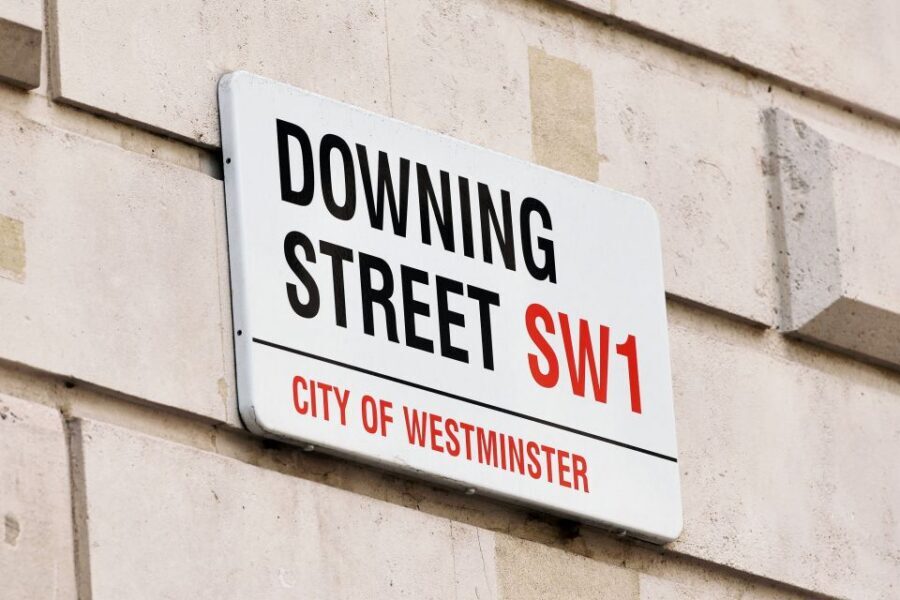
- 10 Downing Street photo stop: You’ll also hear a story tied to Churchill walking through the original door later inside the War Rooms experience.
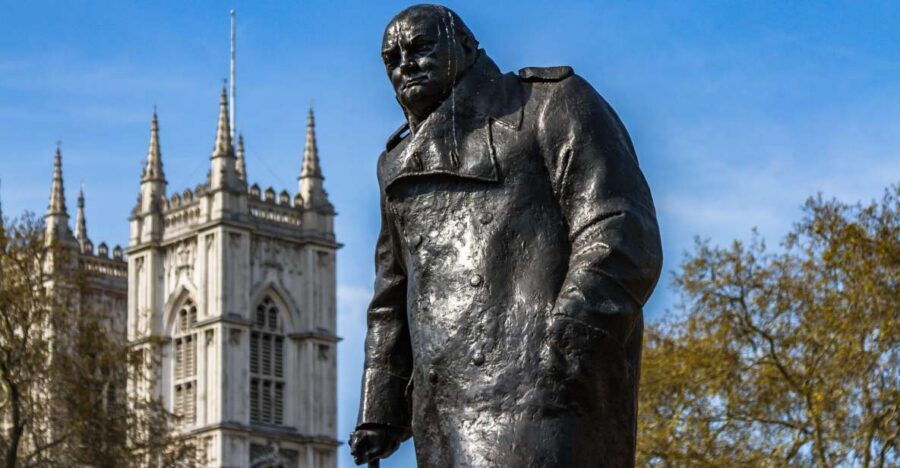
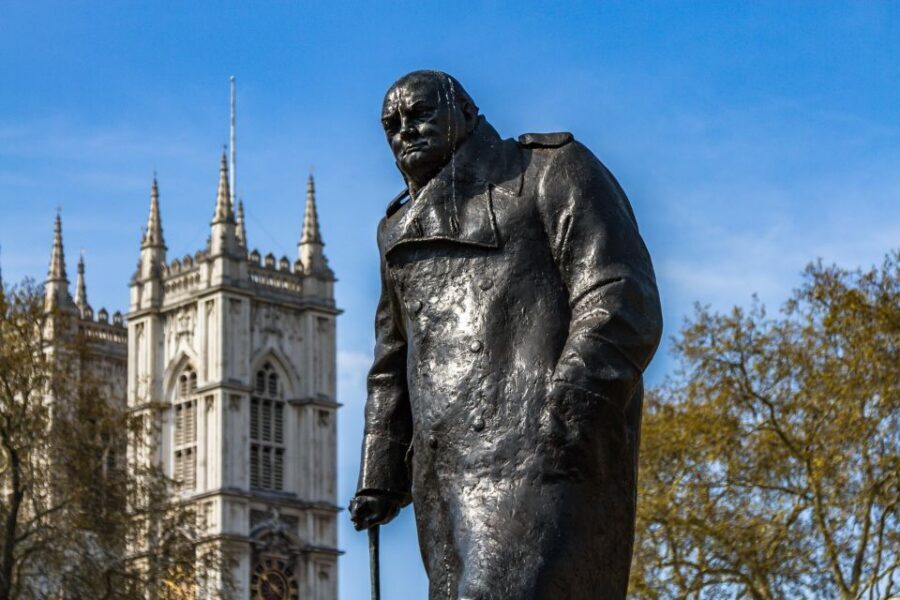
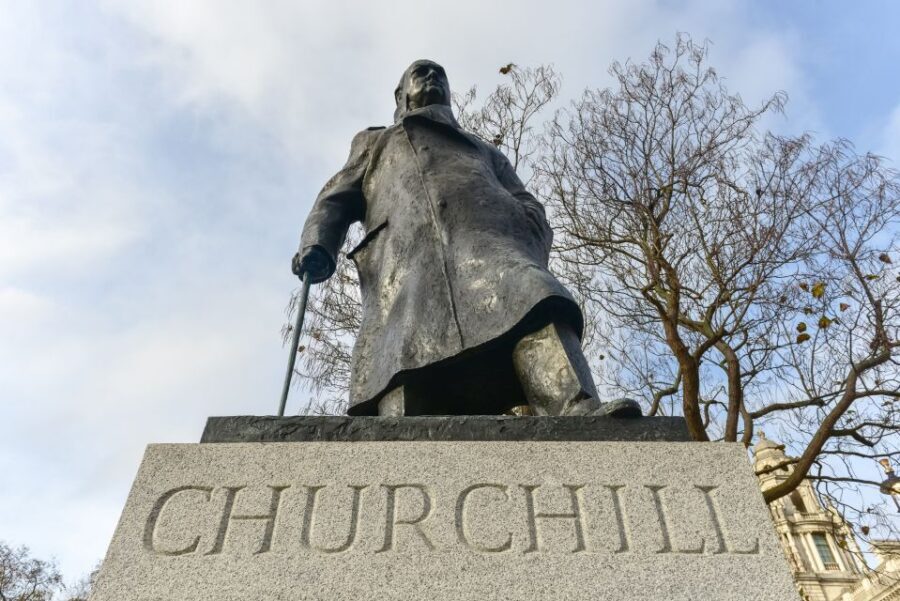
- Churchill statue and the Women of WWII monument: These stops help shift the focus from leaders-only to a broader wartime picture.
- Cenotaph as the end point of the walk: It’s the emotional bridge from “how decisions were made” to “what those decisions cost.”
One practical note: headsets are provided. London traffic and crowds can make it hard to hear a guide at street level, and the headset system fixes that.
Exile in London: what you learn between the monuments
A big part of this tour’s pull is that it refuses to treat the war like a single-country story. You learn how Westminster became home to governments and monarchs forced into exile in London as Germany overtook nations across Europe.
On the street, this changes how you interpret what you see. Westminster isn’t just pretty stone or official buildings. It becomes a place where foreign leaders and displaced administrations had to function amid air raids, shortages, and constant uncertainty.
This context is also where the Churchill material clicks. It’s easier to understand why Churchill’s government needed a secure command center—because London wasn’t only fighting. London was hosting.
Churchill and Roosevelt on the street: the relationship you actually need
You’ll hear about Churchill’s special relationship with President Roosevelt, and the guide frames it in wartime terms rather than vague hero worship. The point isn’t just who liked whom. The point is how allied leadership fed decisions when information was incomplete and time was short.
Even better, this theme continues underground. Later, inside the War Rooms, the tour focuses on wartime communications, including the Transatlantic Telephone Room, where Churchill could connect directly with Roosevelt.
If you like WWII history that feels operational—maps, messages, and timing—this storyline is one of the most satisfying threads of the whole experience.


Entering Churchill’s War Rooms: preserved command under pressure
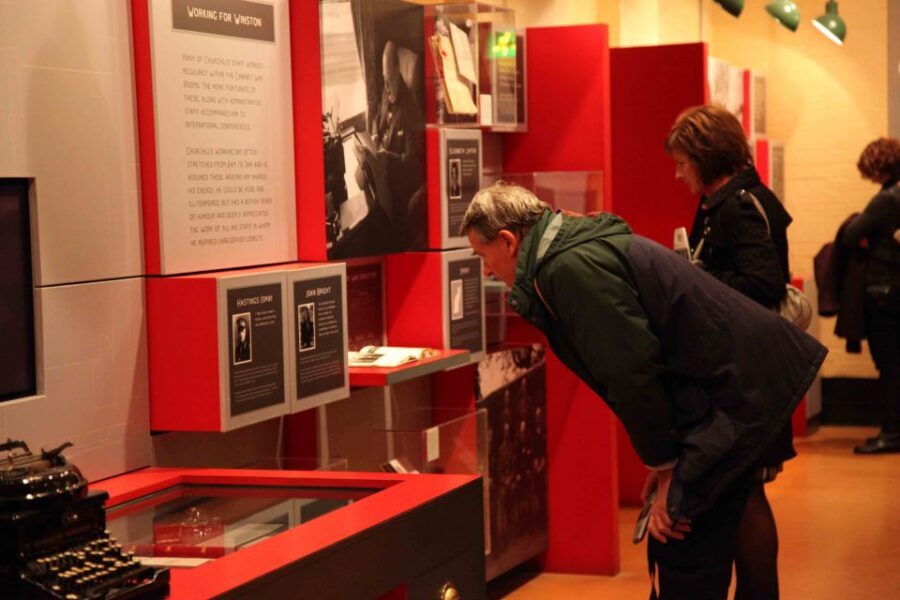
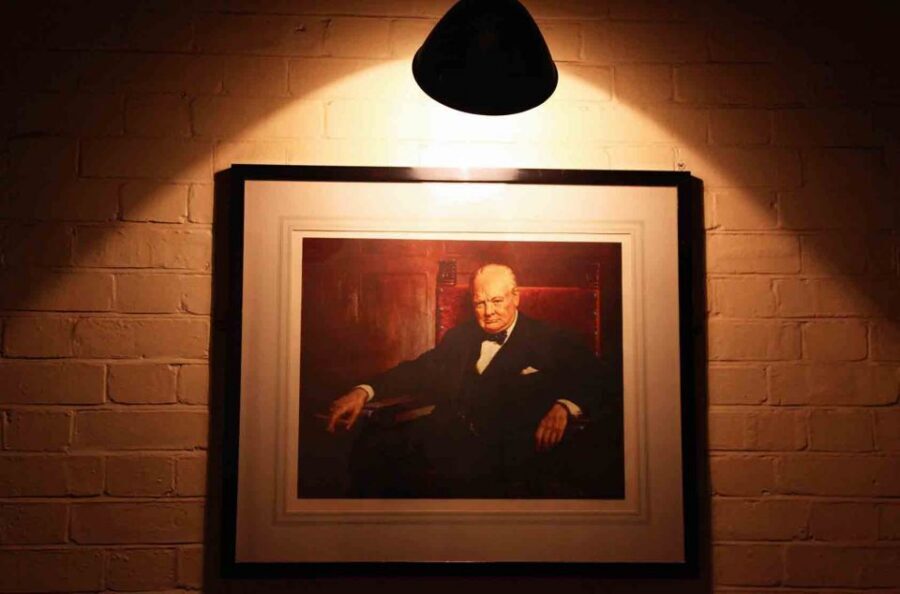
Once you arrive at the Churchill War Rooms, you switch modes from walking-guide storytelling to self-guided exploration. You get a reserved ticket and an audio guide, and the tour becomes quieter, slower, and more tactile.
The War Rooms are known for staying exactly as they were on the day the lights were switched off in 1945. That preservation detail changes the vibe. Instead of a modern reconstruction, you’re walking through spaces that feel like they stopped mid-task.
What to look for:
- The maze of underground rooms used for planning: The space layout helps you understand how command flowed. You’re not just looking at artifacts; you’re moving through workstations and decision areas.
- Audio of Churchill’s wartime speeches: This adds the human voice to the machinery of government.
- Decoding and mapping stories: The audio guide explains how communications were intercepted, enemy messages were deciphered, and army movement was tracked.
- Sun lamps and daily reality: You’ll learn how workers used primitive sun lamps for vitamin D, and how even families had limited knowledge of what the work actually involved.
- The kitchen and domestic life underground: War rooms weren’t only for conferences; there were practical routines too.
- The Transatlantic Telephone Room: This is where your Roosevelt story turns from street talk into a physical setting.
- The original door to 10 Downing Street: Seeing this inside helps you connect the bunker world back to the familiar surface world.
I like that the audio guide doesn’t treat Churchill as a statue. It ties him to rooms, tools, and moments where leadership had to respond to real-time events.
Audio guide and crowds: how to make the self-paced portion work
This part is mostly self-guided, which is a good thing—until you hit two realities: crowds and audio mixing. The War Rooms are popular, and the underground layout can get tight. If you find your audio timing feels off while you’re standing in a busy spot, move a few steps before trying to listen again.
Some groups have reported needing to troubleshoot audio briefly during the walking portion (like changing channels and returning), so don’t panic if you don’t hear perfectly at first. A simple adjustment usually fixes it.
Inside the bunker, stay flexible:
- Pick a spot, listen for a minute, then reposition if the room gets packed.
- If you’re with family or friends, agree on a meeting point so no one gets left behind in the maze.
And yes, plan for the physical feel. Even with the preserved rooms, there’s no avoiding the fact you’ll be walking underground among other people.
The walking guide: what made people rave about the experience
The driving force of the walking portion is the guide. Across the many experiences tied to this tour, the pattern is clear: guides bring humor and real storytelling, and they manage the group so you don’t get lost between monuments.
You might get a guide like Paul (praised for being knowledgeable and funny), Michael (called out for engagement and depth), Maggie (noted for making the tour informative and enjoyable), Andy (praised for humor plus answering questions), or Lee (highlighted for strong commentary about Churchill and Westminster).
Since your guide can vary, don’t worry if your history style differs from theirs. The format is designed to work either way: the headset keeps you on track, and the guide’s job is to connect each stop to the war story.
Price and value: is $59 a fair deal for Churchill’s War Rooms?
At $59, the best way to judge this ticket is not by comparing it to one single thing. You’re paying for:
- Reserved entry to Churchill’s War Rooms
- The walking tour through Westminster’s WWII landmarks
- Audio guide access inside the bunker
- Headsets so you can actually hear the guide at outdoor stops
The War Rooms themselves would be the main cost even on a standalone visit. What you’re adding here is the guided street-to-bunker bridge. That bridge is what makes the underground spaces click. Without it, you’d still see a remarkable bunker, but you might miss why these exact Westminster sites mattered.
Also, some people have found the price is close to a plain War Rooms outing when you factor in the guided walk. The key value isn’t that it’s cheap. It’s that it’s structured, timed, and easy to follow.
Practical tips: timing, comfort, and what to pack
A few practical things will make your experience smoother:
- Comfortable shoes are non-negotiable. You’ll be on your feet during the walking portion, then walking through underground rooms.
- Avoid baby strollers; they’re not allowed.
- If you have mobility needs, this may be a tough fit. The tour isn’t suitable for wheelchair users and people with mobility impairments.
- Expect a mix of photo stops and learning moments. You don’t need to be a photographer, but you should be ready to pause at big sight lines.
Food-wise, there’s a cafe inside the War Rooms, and it’s a helpful option if your exploration runs longer than expected.
Who should book this Churchill War Rooms and Westminster tour
This tour is a great match if you want WWII history that stays grounded in places. You like Churchill, you like Roosevelt, and you want the story tied to real rooms and real government spaces—not just dates and names.
It also works well if you enjoy “how it worked” history:
- communication lines
- planning under threat
- deciphering enemy messages
- the physical design of command
It’s less ideal if:
- you want a fully accessible experience
- you don’t like crowded enclosed spaces
- you only want a quick museum stop without walking
It’s also a better adult-style activity than a kid-focused day, since the content is political and wartime-driven.
Final verdict: should you book?
If you’re doing Westminster anyway, I think this is a smart way to connect the surface landmarks to the underground decision-making world of WWII. The guided walk gives you the map for your brain, and the War Rooms give you the physical map.
Book it if you want Churchill and WWII through a “place-first” lens, especially if you enjoy a guide who mixes humor with clear explanations. Skip it only if walking and tight indoor spaces are major issues for you, or if you’re looking for an entirely surface-level sightseeing day.
FAQ
Where does the tour meet?
Meet your guide outside Westminster Station. Use signs for Exit 2 Victoria Embankment, walk up to street level, and look behind the statue of Boadicea on a chariot.
Is Westminster Abbey included in the ticket?
No. You’ll see Westminster Abbey from the outside area, but a visit inside Westminster Abbey is not included.
Is the Churchill War Rooms tour guided or self-guided?
The War Rooms portion is self-guided. You explore at your own pace with an audio guide after entering.
How long is the experience?
The total duration is about 2.5 hours, typically split between a guided Westminster walking portion and time inside the War Rooms.
What audio and equipment are included?
You get headsets for the guided walking portion, and you also receive an audio guide for the Churchill War Rooms.
Is it suitable for wheelchair users or limited mobility?
No. The experience is not suitable for people with mobility impairments or wheelchair users, and baby strollers are not allowed.