REVIEW · YORK
York’s Snickelways Story Walking Tour
Book on GetYourGuide →Operated by York AD · Bookable on GetYourGuide
York has secret lanes worth hunting. A snickelways story walk turns York’s back streets into a living map, with quirky names and practical street logic you can actually see and follow. I especially like how the guide brings the city’s smallest lanes to life, with Ross’s fun, fact-packed storytelling as you move through places most people pass without noticing.
My other favorite part is the stop-and-look pace. You’ll spend time at spots like Bookbinder’s Alley and Grape Lane, where the architecture does the talking and you’ll find plenty of angles for great photos. One thing to consider: the route includes narrow passages, cobblestones, and uneven ground, and it runs rain or shine—so comfy shoes and an umbrella are not optional.
If you’re up for a walk that’s equal parts history and detective work, this is a smart way to get more from a short visit to York.
In This Review
- Key things I’d plan around
- High Petergate and the moment the city changes
- What snickelways are really about (and why the names matter)
- Bookbinder’s Alley, Starre Yard, Coffee Yard, and Grape Lane
- Swinegate, Patrick Pool, Finkle Street, and Three Cranes Lane
- Mad Alice Lane, Hornpot Lane, and the Shambles
- Whip Dog Lane and Whip-Ma-Whop-Ma-Gate: the names you’ll talk about after
- Lady Peckett’s Yard: the ending you’ll remember
- Ross’s guiding style: fast facts, humor, and real street safety
- How long is enough time, and what it feels like on your feet
- Who this tour suits best (and who should think twice)
- Price and value: why $18 can be a bargain in York
- Should you book York’s Snickelways Story Walking Tour?
- FAQ
- Where do I meet for the York’s Snickelways Story Walking Tour?
- How long is the tour?
- Is the tour rain or shine?
- Is there a guide, and what language is it in?
- What should I bring?
- Are there any restrictions on what I can bring or do?
- Can I cancel and get a refund?
Key things I’d plan around
- Meeting at High Petergate across from Guy Fawkes Inn, outside St Michael Le Belfrey (don’t meet inside)
- Quirky snickelways names explained, including Whip Dog Lane and Whip-Ma-Whop-Ma-Gate
- Street-to-street storytelling across Bookbinder’s Alley, Starre Yard, Coffee Yard, and Grape Lane
- Back-street social history focus as you pass Swinegate, Patrick Pool, Finkle Street, and Three Cranes Lane
- A strong final payoff at Lady Peckett’s Yard, with the walk ending in something visually impressive
- 90 minutes of momentum led by Ross, with lots of time for questions
High Petergate and the moment the city changes
This tour starts in a very workable place: meet on High Petergate, directly across from Guy Fawkes Inn, in front of St Michael Le Belfrey church. Do not go inside the pub or the church. Your guide is easy to spot—most likely in tweed with a neck tie—so you can get your bearings fast and stop fussing with directions.
From the first minutes, the goal is simple: stop seeing York as only its main roads. Snickelways are the city’s shortcut lanes and side-door connections, and the tour helps you understand where they fit and why people used them.
Practical tip: if you’re arriving early, take 3–4 minutes just to scan the area outside the church and along High Petergate. That little routine helps you remember the surroundings later, when the tour threads you into those narrower lanes.
You can also read our reviews of more walking tours in York
What snickelways are really about (and why the names matter)
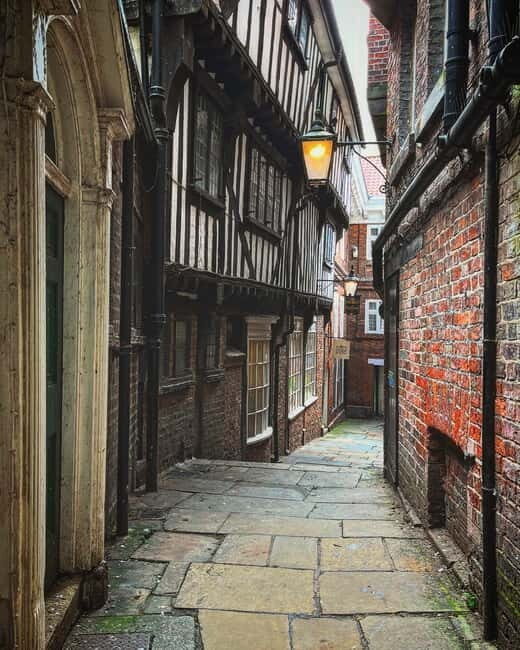
York’s snickelways aren’t random alleyways. They’re small passages that connected everyday destinations—work, homes, businesses, and busy routes—often in ways that avoided the main thoroughfares.
What I like about this tour is that it treats the names like clues. You’re not just told that a lane has an odd label. You learn how the names came about and what they might mean, which gives you a better mental model for what you’re walking through.
This matters because once you understand how the lanes function, you start spotting patterns everywhere: where people could cut through, where access seems too indirect for modern life, and how York’s tight urban design lets buildings and yards connect in clever ways.
And yes, the names are a huge part of the fun. Expect to hear and re-hear the oddballs: Whip Dog Lane and Whip-Ma-Whop-Ma-Gate. Even if you only remember the sound of them, that’s the point—you’ll remember where they are and why that label stuck.
Bookbinder’s Alley, Starre Yard, Coffee Yard, and Grape Lane
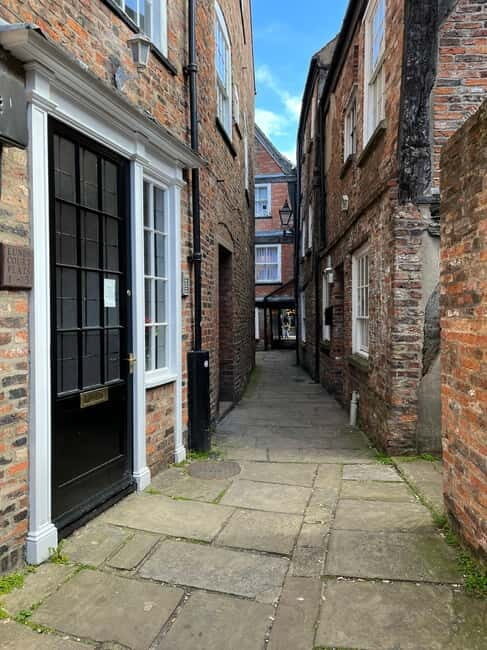
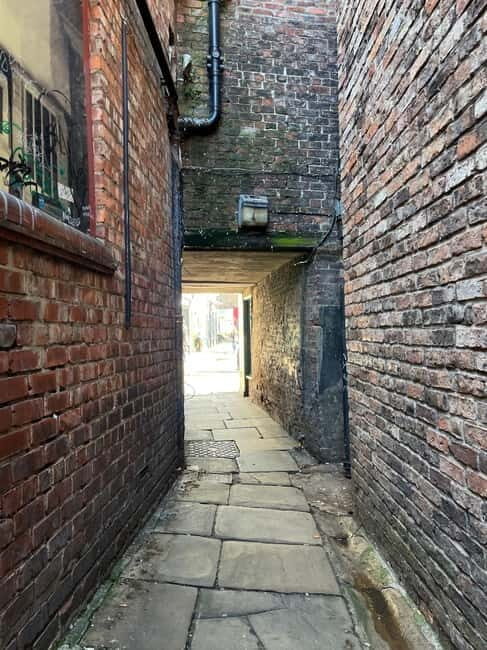
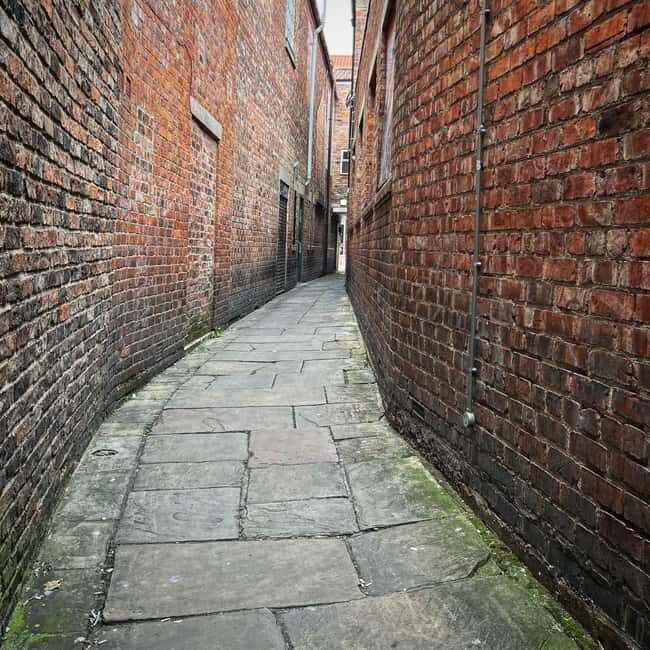
This is where York starts feeling like a film set made of stone and wood. Bookbinder’s Alley is the kind of place where the buildings seem to lean inward, creating an immediate sense of scale. It’s also a good spot to focus on transitions: how quickly the city goes from street frontage to back access, and how quickly it returns to light.
Starre Yard and Coffee Yard offer that “wait, how do you even reach this?” feeling. Yards like these are the reason York’s snickelways matter. They show you that the city wasn’t only about grand buildings and busy main roads; it was also about workaday movement through shared spaces.
Then you get Grape Lane, which is ideal for people who love details. The kind of architecture you see here rewards slow looking. If you’re trying to nail Instagram-worthy shots, these yards give you natural frames—lines of brickwork, narrow sightlines, and doorways that look great even in dull weather.
Watch your footing, though. These lanes often combine cobbles with tight turns. That’s not a deal-breaker, but it’s why the tour asks for comfortable shoes.
Swinegate, Patrick Pool, Finkle Street, and Three Cranes Lane
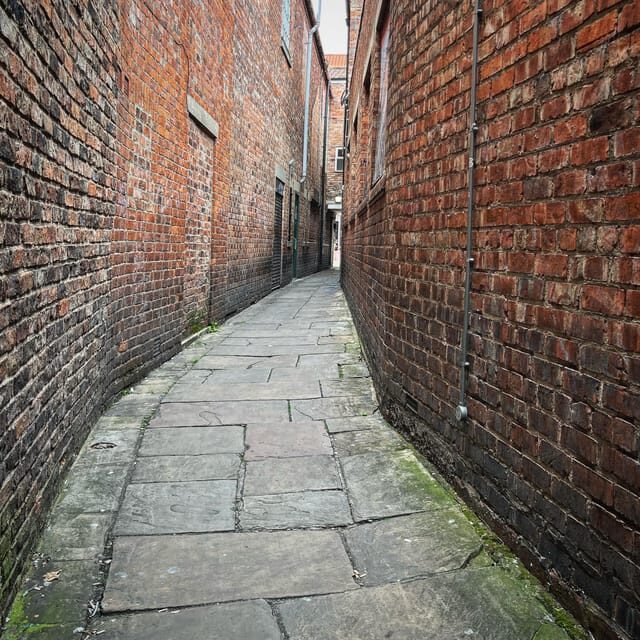
Once the tour moves into areas like Swinegate and Finkle Street, the story shifts slightly from architecture-first to life-and-lane-first. These names connect you to York’s working rhythm—where people moved, where businesses clustered, and how the city’s layout shaped daily choices.
Patrick Pool is one of those spots that makes you look twice. The name alone is interesting, but the payoff is learning how these small places fit into larger travel routes and social patterns. This is also the zone where the “story walk” part becomes most obvious: the guide connects what you see with what the lane helped people do.
Three Cranes Lane brings that same vibe, but with a more dramatic sense of place. It’s a good stop for photography because you can often capture the lane’s length and the way light hits the buildings at the end.
If you’re the type who enjoys learning how people used space before modern conveniences, this section will feel satisfying. You can almost map the past onto your walk, step by step.
Mad Alice Lane, Hornpot Lane, and the Shambles
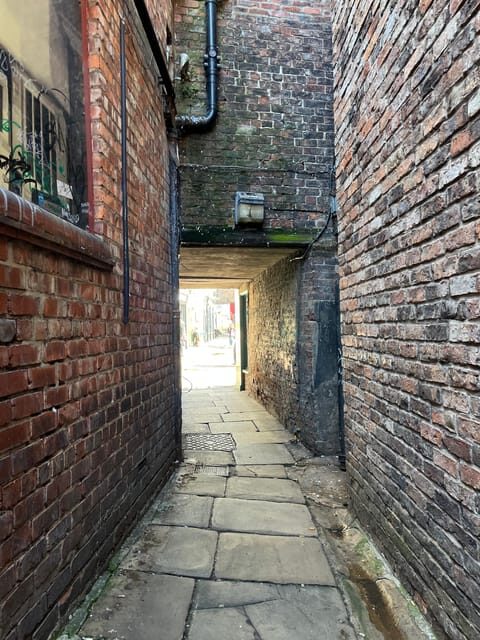
The Shambles is famous, but this tour treats it differently than the usual “look up and take a quick photo” rhythm. You’ll connect it to nearby, smaller passages so it doesn’t feel like a stand-alone landmark. Instead, it becomes part of a network.
Mad Alice Lane and Hornpot Lane bring you back to the tour’s core theme: names and their meaning, plus what those names suggest about how the streets were used and remembered. Even if you’re not chasing folklore, the explanations give you a clearer sense of how York’s identity formed—piece by piece, lane by lane.
Mature-theme note: some parts deal with mature themes, and parental discretion is advised. The tour doesn’t flag this as a problem for most people, but it’s worth knowing so you can judge suitability for younger kids.
This section is also a reminder of why the tour works well at the 90-minute mark. You get enough time in a few concentrated pockets to understand them, without ending up exhausted from constant relocation.


Whip Dog Lane and Whip-Ma-Whop-Ma-Gate: the names you’ll talk about after
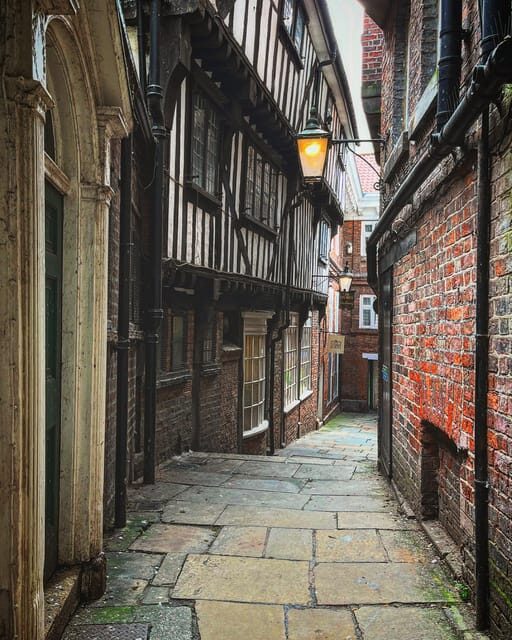
I love the way this tour doesn’t treat the weird names as jokes only. You hear the story behind them, and that turns each lane into a mini lesson.
Whip Dog Lane and Whip-Ma-Whop-Ma-Gate are perfect for that. They’re memorable because they’re unusual, but they also make you pay attention. When a place has an unforgettable name, you’re naturally more alert to where it is, what connects to it, and how narrow the passage feels compared to the main streets.
If you’re traveling with someone who normally zones out on “history tours,” this is where you can win them over. The language alone keeps people engaged, and the explanations give it substance.
Tip for photos: these are often tight spots. Keep your camera ready, but don’t rush—half the best shots come from stepping back slightly to catch the lane lines without blocking other walkers.
Lady Peckett’s Yard: the ending you’ll remember
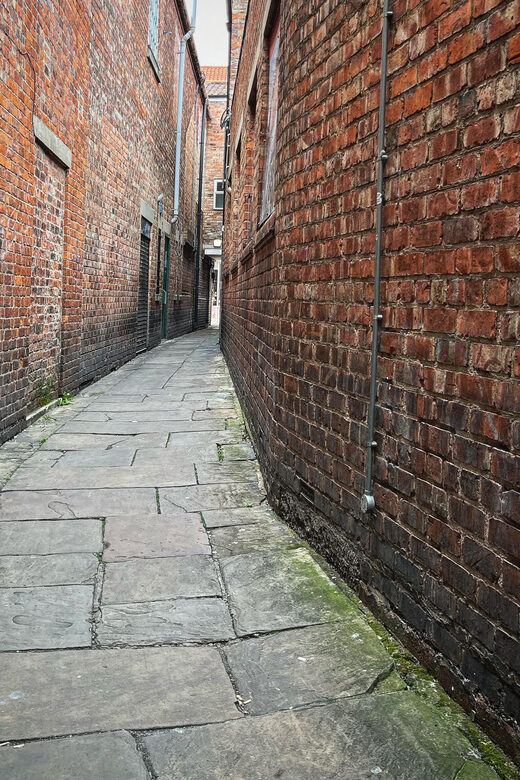
The tour finishes in Lady Peckett’s Yard, and it’s a strong close. Yards like this tend to feel both enclosed and theatrical—like York’s back side is finally showing off.
This ending matters because it gives you a visual “final frame.” After spending time threading through narrow passages, you get a payoff that makes the whole route feel intentional. You’ll likely pause longer here than you expect, because it’s the kind of place where the architecture holds your attention even after the guide moves on.
If you want to keep the momentum going after the tour, use this moment to decide what you’ll revisit later. York is best when you return with sharper eyes, and this ending gives you a clear anchor.
Ross’s guiding style: fast facts, humor, and real street safety
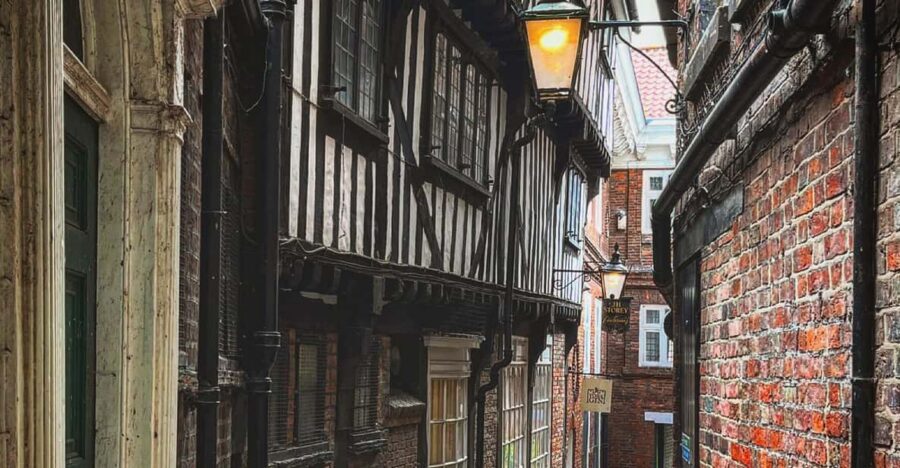
A huge part of why this tour gets top marks is the guide himself. Ross brings the city’s back streets to life with stories that are colorful and entertaining, and the walk stays moving.
What stands out in the experience is the balance: the guide shares lots of facts and anecdotes, but also keeps an eye on safety as you cross busy streets and navigate narrow passageways. That’s important on a route like this, because you’re not in a wide pedestrian plaza for most of the time.
I also appreciate the way the tour stays approachable. You can ask questions, and the answers fit what you’re standing in front of. It’s not just a lecture—more like you’re walking with someone who loves York and knows how to point out the details that usually slip by.
How long is enough time, and what it feels like on your feet
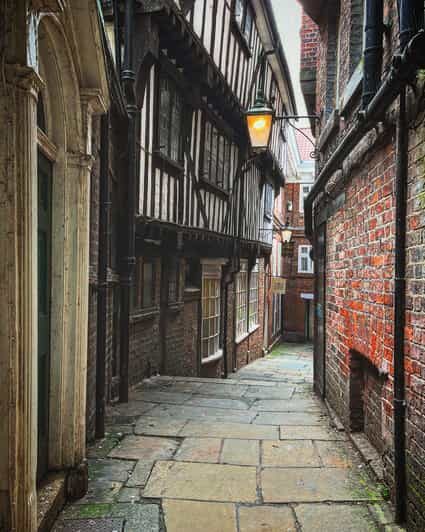
The tour runs about 1.5 hours. For York, that’s a smart length. Long enough to feel like you truly changed how you see the city, short enough to keep you fresh for other stops.
Expect lots of turning, short sightlines, and frequent “look here” moments. It feels like a story you walk through, not a checklist you rush through.
Bring an umbrella. It runs rain or shine, and York weather can switch moods fast. Rain doesn’t ruin the tour, but it does make cobbles slick—so plan accordingly.
Who this tour suits best (and who should think twice)
This tour works for all ages in general, and dogs are welcome if they’re well behaved. It also keeps things flexible in tone, with humor and stories that can work for first-time York visitors and repeat visitors alike.
But the route includes narrow passages, cobblestones, and uneven pathways. The tour is listed as wheelchair accessible, yet you should still plan realistically: uneven and tight areas can be challenging even if access is possible in principle. If you or someone in your group has mobility limits, it’s worth checking details before you go.
Also consider the moderate physical level requirement. If you’re comfortable with a steady walk and short climbs or uneven ground, you’ll be fine. If not, you might prefer a more open streets tour.
Price and value: why $18 can be a bargain in York
At about $18 per person for a 90-minute guided walk, this is strong value. You’re paying for guided time, plus the guide’s research and storytelling that makes York’s street details make sense instead of staying random.
Most visitors spend money on big-ticket sights. This is different: you’re paying to see the city’s structure and social story, and that can enhance everything you do afterward—museums, markets, the Shambles, even just walking back to your hotel.
It also helps that the tour has a small-group feel. That makes it easier to hear the guide, ask questions, and get personal attention when you’re trying to spot a tiny passage you might otherwise miss.
Should you book York’s Snickelways Story Walking Tour?
If you like walking tours with real payoffs—names that have meaning, lanes that connect to how people lived, and photo-worthy corners you can actually find again—book it. This is a high-value use of 90 minutes, especially if it’s your first visit or you want to see York beyond the usual highlights.
Skip it if you strongly dislike uneven ground, tight passageways, or you need a fully stroller-friendly route with no cobbles. And if you’re traveling with kids, keep the mature-theme note in mind so you’re comfortable with what the guide covers.
FAQ
Where do I meet for the York’s Snickelways Story Walking Tour?
Meet on High Petergate, across from Guy Fawkes Inn in front of St Michael Le Belfrey church. Please do not meet inside the pub or the church.
How long is the tour?
The tour lasts about 1.5 hours.
Is the tour rain or shine?
Yes, the tour takes place rain or shine.
Is there a guide, and what language is it in?
Yes, it’s a live tour with an English-speaking guide.
What should I bring?
Wear comfortable shoes and bring an umbrella and weather-appropriate clothing.
Are there any restrictions on what I can bring or do?
Alcohol and drugs are not allowed.
Can I cancel and get a refund?
Yes. Free cancellation is available up to 24 hours in advance for a full refund.
If you want, tell me when you’re visiting York (month is enough) and what kind of walking you’re comfortable with, and I’ll suggest the best time to fit this into your day.