REVIEW · YORK
York: J&M’s City Sightseeing and History Walking Tour
Book on GetYourGuide →Operated by J&M York City Walking Tours · Bookable on GetYourGuide
York’s history walks right up to you. This J&M guided walk ties together Romans, Vikings, and royal power with the streets you can see today, from York Minster to the Shambles. What I really like is the focus on why York defended itself, plus the guide’s dry humour that keeps facts moving. One thing to plan for: the route includes heights and uneven streets, so you’ll want grippy shoes and a head for stairs.
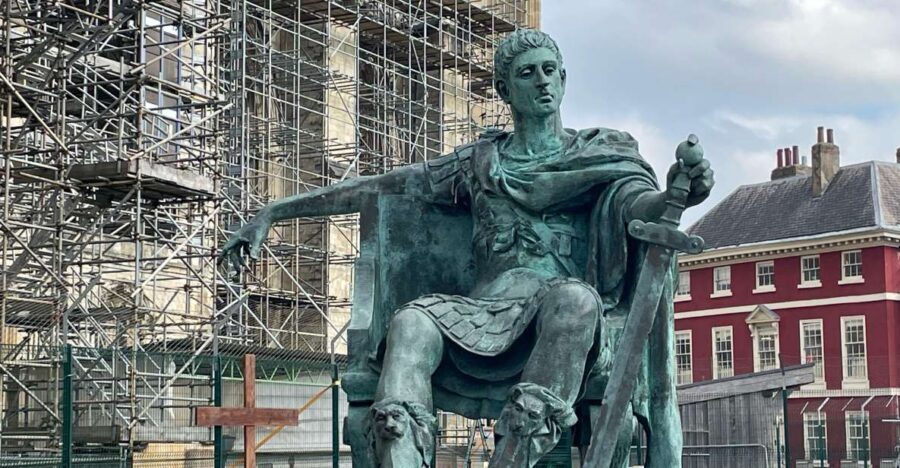
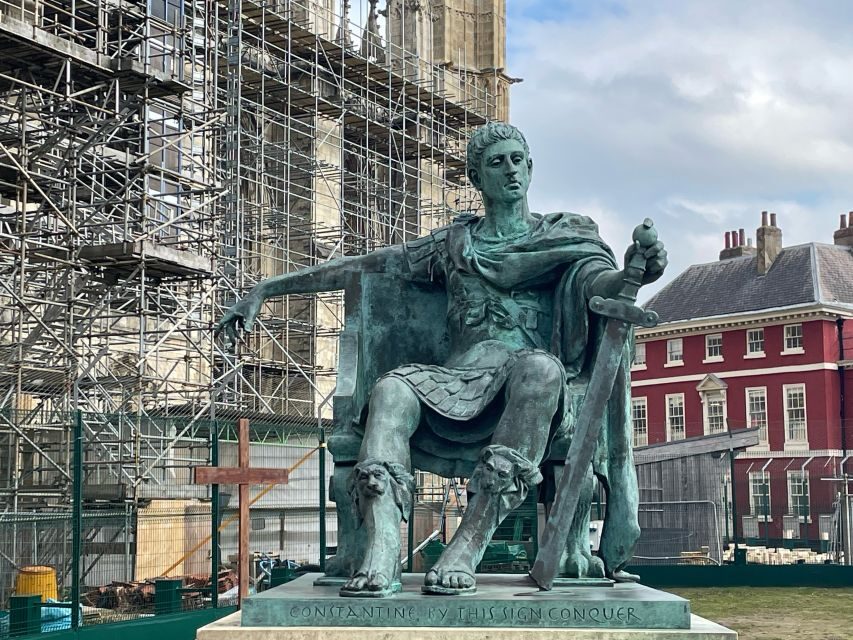
You start in a very specific spot: by the statue of Constantine the Great on the south side of York Minster, opposite the Roman Column. If you trust map apps, you might get sent to the wrong side—so follow the landmark directions and arrive on time. It’s a tour designed for first-timers and return visitors alike, with plenty of myth-busting and story threads you’ll still notice after the walk ends.
In This Review
- The Big Value: What $16 Buys You in York
- Getting There: The Constantine Statue Meeting Point (No Guesswork)
- Constantine to the Minster: The Opening That Sets York’s Timeline
- Ogleforth, St Cuthbert’s House of Prayer, and Black Swan: Small Stops With Real Payoff
- York’s “Royal Square” Moments: King’s Square and the Skill Behind the Skyline
- The Shambles Walk: Medieval Street Life You Can Still Feel
- Merchant Adventurers’ Hall: Guilds, Trades, and How York Got Strong
- Clifford’s Tower and York’s Defences: Why the City Walls Still Matter
- Jorvik Viking Centre and All Saints’ Pavement: Ending With Viking York and the Street-Level View
- The Guide Factor: Humour, Clear Speaking, and Room for Questions
- What to Wear and Bring (Because York Changes the Weather Fast)
- Who This Tour Fits Best
- Should You Book J&M’s York City Sightseeing and History Walking Tour?
- FAQ
- Where is the meeting point for the tour?
- What time does the tour depart?
- Does the tour run in bad weather?
- Is the walking route wheelchair accessible?
- Is the route flat and easy to walk?
- What language is the guide?
- How much is it and how long is the tour?
- Is there free cancellation?
The Big Value: What $16 Buys You in York
At $16 per person for a full guided day-style sightseeing route, the value is how much context you get per stop. York can look like a pile of famous sights, but the tour’s structure turns those sights into evidence for how the city changed—who ruled, who built, and how ordinary people lived alongside it.
The pacing is also a big part of the bargain. You don’t get stuck in lectures. You get short guided stops, quick transitions, and enough time to ask questions, especially at the places people usually rush past on their own.
And yes, it’s funny. Not silly-funny, but that dry, story-teller humour that helps your brain keep the names straight: emperors and kings, plus figures like Robert the Bruce and Oliver Cromwell.
Getting There: The Constantine Statue Meeting Point (No Guesswork)
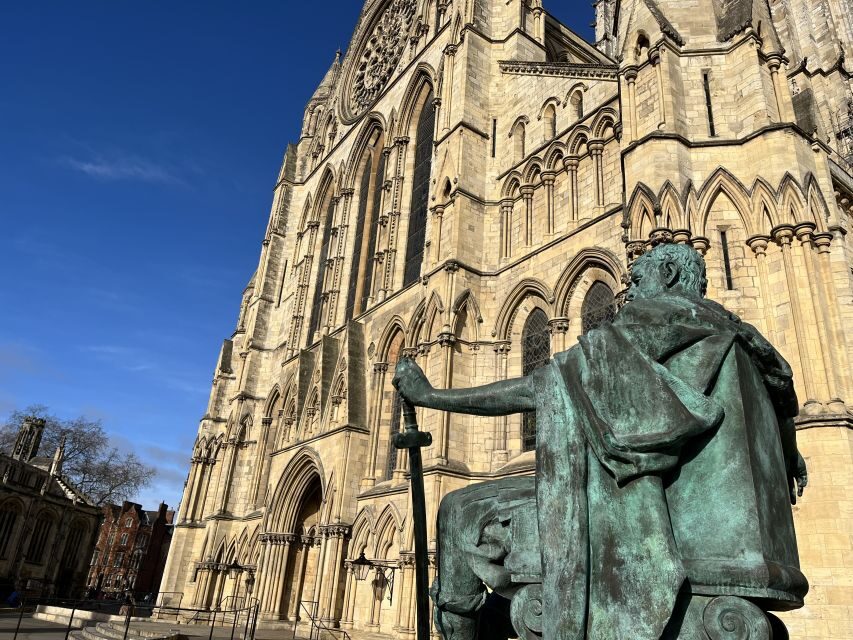
The tour meeting point is easy once you know the trick. Go to the south side of York Minster, stand by the statue of Constantine the Great, and look across toward the Roman Column. Above the cathedral doors, find the circular rose window as your visual cue.
This matters because the tour departs on time and can’t wait for latecomers. If you’re trying to sprint in from the other side of Minster, you’ll feel stressed for no reason. Give yourself extra buffer and use the landmark approach.
You can also read our reviews of more walking tours in York
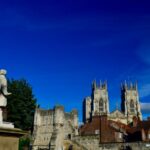
Constantine to the Minster: The Opening That Sets York’s Timeline
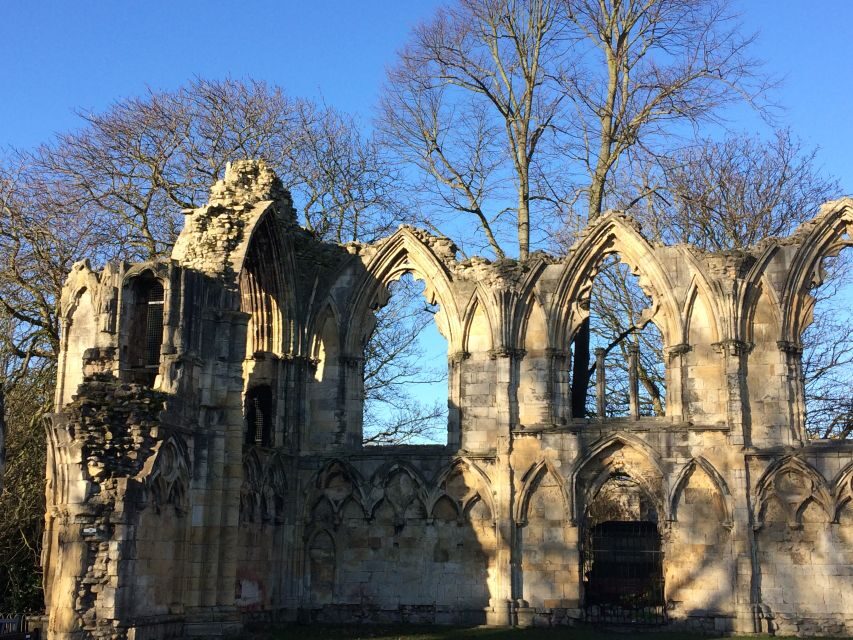
Starting at Constantine puts you in the right mindset from the first minute. You begin with the era that helps explain York’s early identity—Roman York’s influence is the baseline, and the guide uses it to frame what comes later.
Then you move into York Minster for a guided visit. It’s not just about admiring a famous building. The way it’s presented connects architecture and power: who had money and influence, what they chose to build, and how that choice still shapes the skyline today.
If you like history that feels grounded instead of abstract, this is a good opening. You get story momentum right away, then you keep walking to the next clue.
Ogleforth, St Cuthbert’s House of Prayer, and Black Swan: Small Stops With Real Payoff
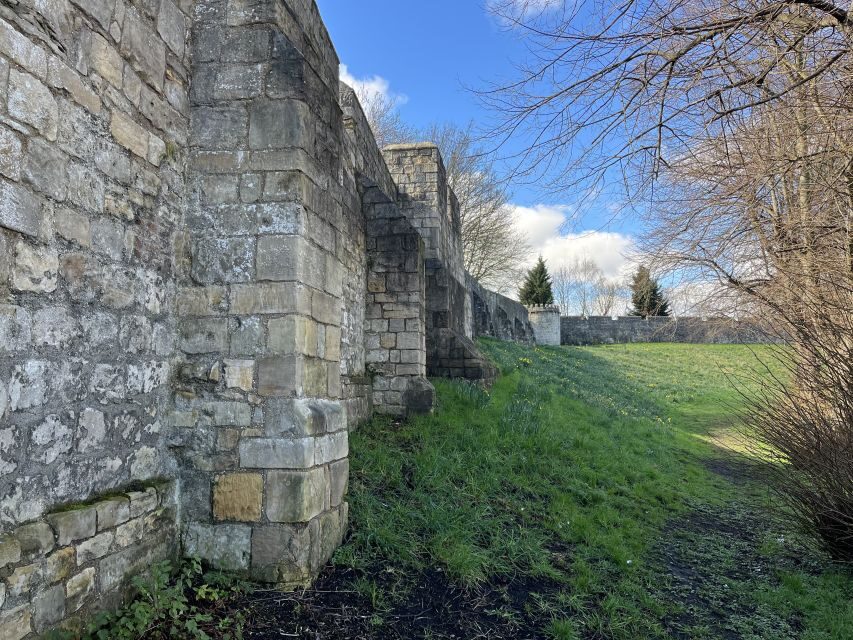
A lot of guided walks waste time on long explanations. This one does the opposite: it uses brief stops to sharpen your attention.
- Ogleforth is there to help you read the city’s edges, not just its postcard center.
- St Cuthbert’s House of Prayer adds a different angle, showing how places of faith fit into York’s everyday pattern of life and power.
- Black Swan works as a quick waypoint where the guide can shift from big names to how ordinary life sits alongside major events.
These are quick guided moments, so you won’t feel bogged down. But they add up. By the time you hit the bigger sights, you’re already thinking like the guide—what you’re seeing, what it replaced, and what it suggests about the people behind it.
York’s “Royal Square” Moments: King’s Square and the Skill Behind the Skyline
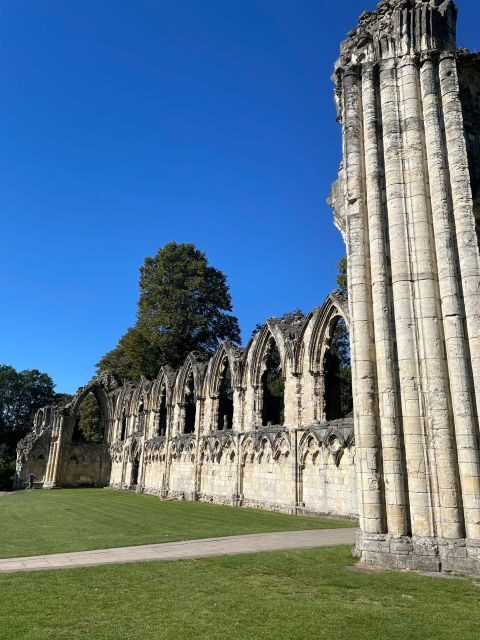
At King’s Square, the tour leans into the idea that York wasn’t shaped only by rulers on paper. It was shaped by decisions made in real places—where authority showed up, where it was visible, and where it could be challenged.
Then you start picking up the thread of craftsmanship. The guide connects the skyline to the skills that built it, including the trades and guild activity that helped York become one of Britain’s most powerful cities. It’s a shift that many self-guided walks miss: you stop seeing buildings as scenery and start seeing them as work.
If you enjoy “how things were made” stories—masonry, urban layout, the practical choices behind impressive structures—this section is where the tour starts paying off in a deeper way.
The Shambles Walk: Medieval Street Life You Can Still Feel
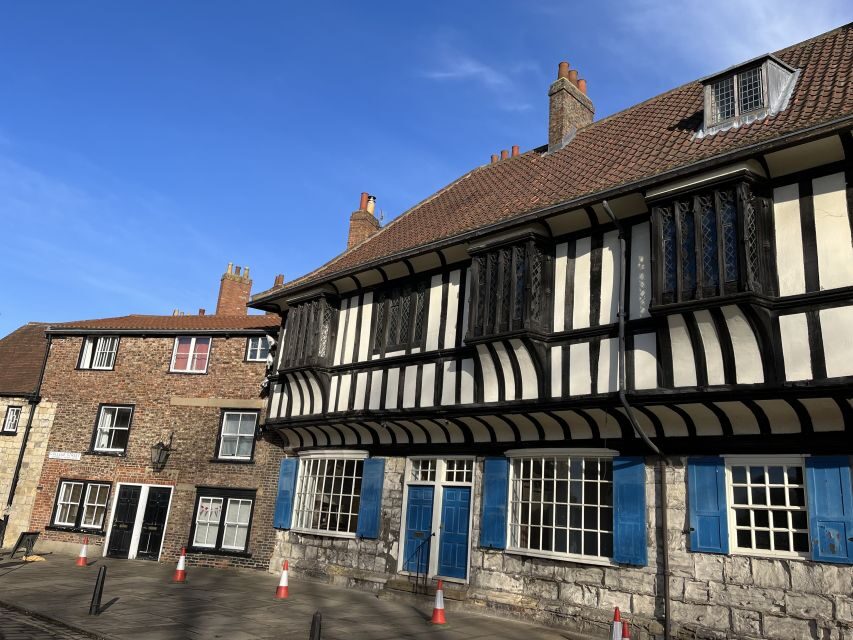
You’ll walk the Shambles, one of York’s most famous medieval streets. On your own, it can feel like a photo stop. With a guide, it becomes something more useful: a street that helps you imagine daily life, markets, and the kind of city rhythm that kept going through centuries.
The tour also uses myth-busting here, which is a fun trick for keeping attention. Instead of accepting the usual explanations, you get nudged to question what you’ve heard and to look at the physical place differently.
It’s a good moment for families too. Kids tend to light up when a guide turns history into something visual—street shape, building purpose, and the everyday “why” behind the dramatic parts.
You can also read our reviews of more city tours in York

Merchant Adventurers’ Hall: Guilds, Trades, and How York Got Strong
Next comes Merchant Adventurers’ Hall, another place where York stops being just old and starts being systemic. The guide connects it to the trading world that fed York’s growth and power.
You’ll hear the logic of how commerce helped fund projects and how those projects changed what you see today. It’s also where the tour’s “ordinary people mattered” theme becomes concrete—because merchants and workers weren’t just side characters. They shaped the city.
If you’re the type who likes to understand what’s behind the view, this stop is worth it. It gives you a framework you can carry into the final stretches, where York’s defence and Viking layer make even more sense.
Clifford’s Tower and York’s Defences: Why the City Walls Still Matter
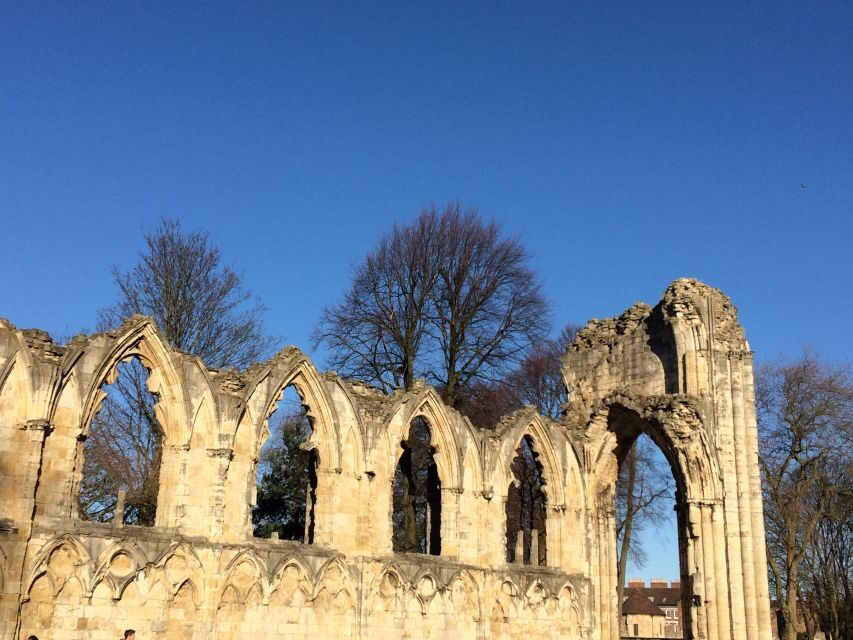
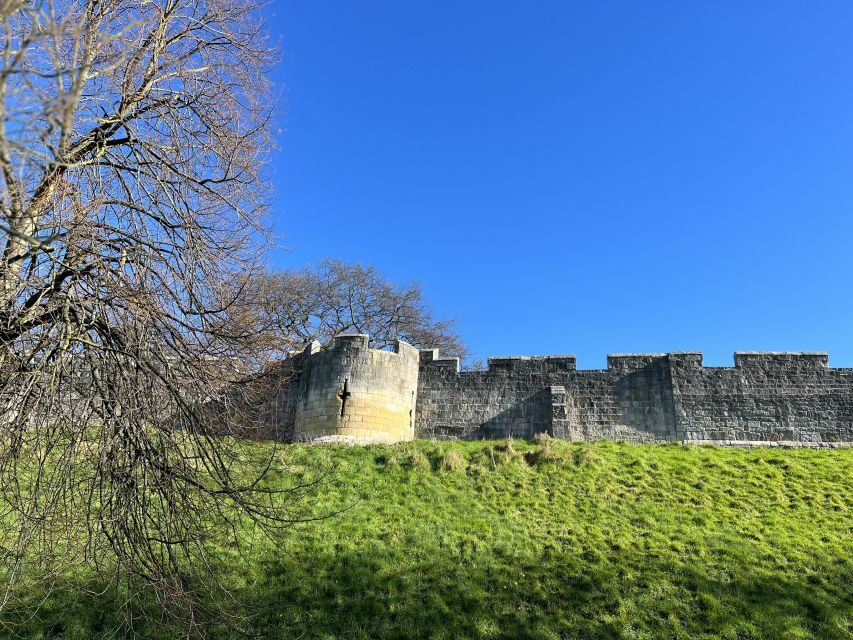
One of the signature highlights is the chance to climb the city’s defences and learn how York defended itself through time. The walk shifts tone here: you’re no longer just learning about buildings. You’re learning about strategy.
Clifford’s Tower is part of that story, giving you a tangible sense of height and control—why a city would choose elevation, stone, and visibility for protection. The guide connects these physical features to historical events and changing threats, so the walls feel like active decisions rather than a static monument.
Practical note: this is where the tour’s “heights and uneven streets” reality shows up. Take it slow, hold steady on any steps, and plan to enjoy the effort. When you look out after climbing, it helps the city click into place in your mind.
Jorvik Viking Centre and All Saints’ Pavement: Ending With Viking York and the Street-Level View
The tour doesn’t end on a wall-top high. It returns to “what the city was like” thinking.
The itinerary includes a guided visit to Jorvik Viking Centre, built around Viking York. This is where the Roman-to-medieval-to-Viking storyline feels complete, because you’re not just hearing names—you’re stepping into a Viking-focused interpretation of the city.
Then you finish at All Saints’ Pavement. This ending location is a smart way to close the loop. By the time you reach it, you’ve already walked key spots that explain why York looks the way it does. Ending on a street-level, walkable note makes it easy to keep exploring on your own afterward.
If you like building a route you can repeat later, this ending helps. People often use this kind of guided structure to learn shortcut patterns and mental maps for where to go next.
The Guide Factor: Humour, Clear Speaking, and Room for Questions
A tour can have great sights and still feel dull. Here, the guide style seems to be a major reason people rate it so highly.
Names that come up in the guide descriptions include Nick and Liam, and the consistent themes are: clear delivery, a dry sense of humour, and answers that go beyond the script when you ask follow-up questions. You’re not stuck with one-way storytelling.
You’ll also notice that the tour keeps moving without rushing. That balance matters in York, because the best photo spots and the most interesting street corners don’t line up neatly with a timed schedule. The guide’s job is to keep you oriented while still giving you a chance to look closely.
What to Wear and Bring (Because York Changes the Weather Fast)
The tour happens in all weathers. That means you should treat it like a proper walking day, not a quick stroll.
I recommend:
- Grippy walking shoes for uneven streets and any step-heavy sections.
- A warm layer you can add or remove, since cold grey days are still part of the experience.
- A light rain jacket just in case. Even when it’s not pouring, York weather can be damp.
If you’re sensitive to heights, don’t ignore the warning. The route includes climbs, and some parts are easier if you move at your own pace.
Who This Tour Fits Best
This is a strong choice if you want more than a list of landmarks. You’ll like it if you care about:
- how York changed from Romans and Vikings to medieval power
- why the city walls and major buildings mattered
- stories that connect big historical names to real streets and real people
It also seems to work well for families with history-curious kids. Multiple ages show up in the feedback, and the humour plus variety of eras helps keep attention from drifting.
If you’re short on time, you’ll still get a lot. And if you’re revisiting York, the myth-busting angle can make the city feel new again.
Should You Book J&M’s York City Sightseeing and History Walking Tour?
Book it if you want a guided route that explains why York looks the way it does, not just what to photograph. The mix of major hits (like York Minster and the Shambles), Viking York via Jorvik, and the defence-focused city walls and Clifford’s Tower makes this one of the more story-driven ways to see the city.
Skip it or go in with extra caution if you struggle with uneven streets or heights, or if you’re expecting a flat, relaxed stroll with no stair climbing. The weather factor means you’ll also need to dress for being outside.
FAQ
Where is the meeting point for the tour?
Meet next to the statue of Constantine the Great on the south side of York Minster, opposite the Roman Column. Look for the circular rose window above the doors of the cathedral, and note that map apps may lead you to the wrong side.
What time does the tour depart?
The tour departs on time and cannot wait for latecomers, so it’s best to arrive a bit early.
Does the tour run in bad weather?
Yes. The tour takes place in all weathers.
Is the walking route wheelchair accessible?
The tour is wheelchair accessible.
Is the route flat and easy to walk?
No. The tour includes heights and uneven streets.
What language is the guide?
The guide speaks English.
How much is it and how long is the tour?
It’s priced at $16 per person and is listed as a 1 day experience.
Is there free cancellation?
Yes. You can cancel up to 24 hours in advance for a full refund.