REVIEW · LONDON
London’s Ghosts & Gruesome Past Nighttime Walking Tour
Book on GetYourGuide →Operated by Tours by Foot · Bookable on GetYourGuide
London gets under your skin after dark. This London Ghosts & Gruesome Past Nighttime Walking Tour turns grim facts into a tight, story-driven route through places tied to medicine, executions, and the Underground’s supposed hauntings. I love the way it pairs big-name sites like Smithfield Market with smaller, eerie details (like the Mind the gap moment at Farringdon) that make you look at familiar streets differently. I also like that it’s guided by a professional storyteller and scholar, with reviews singling out Matt’s entertaining, passionate style—ideal if you want spooky history without a lecture feel. One possible drawback: the tour leans into the gruesome side as much as the ghostly, so if you’re hoping for mostly light-on-gore thrills, this may feel heavier than you expect.
The route is only about 2 hours, but it packs a lot into the old bones of London—churchyards, Victorian-era hospital stories, and dark court history—so you’ll need to stay engaged the whole time. You’ll be walking after dark through real neighborhoods, not themed sets, which is part of the value, but it also means you should dress for a proper night out.
If you want to step off the standard sightseeing track and spend your evening with a guide who really knows how the stories connect, this is one of the stronger options for an after-dark London experience.
In This Review
- Key points to know before you go
- Ghosts, executions, and Victorian medicine: what this tour is really about
- Price and timing: is 49 dollars worth 2 hours at night?
- The opening at Farringdon: where the Underground gets personal
- Smithfield Market: the executions that shaped a whole neighborhood
- Charterhouse Square: plague, survival, and why doctors tried anyway
- St Bartholomew the Great: 900 years of churchyard stories
- Sir William Wallace Memorial: Scotland at war, England’s memory of it
- Holy Sepulchre Church: empty pits and the grave-robbing economy
- Old Bailey finale: England’s worst serial killer, and why not Jack the Ripper
- Ending near St Paul’s Cathedral: how to keep the story going
- Who should book this tour (and who should skip it)
- Quick FAQ
- FAQ
- Where does the tour start?
- How long is the tour?
- How much does it cost?
- Is this tour good if I want ghosts and not gore?
- Who guides the tour?
- What are some key stops on the route?
- Does it include time in and around historic medical sites?
- Can I cancel for a refund?
- Is the tour wheelchair accessible?
- Are there multiple start times?
- Final verdict: should you book it?
Key points to know before you go
- Farringdon Station Mind the gap moment tied to a girl’s ghost story and the Underground
- Smithfield Market stop linked to public executions that carried on for centuries
- 900-year-old St Bartholomew the Great churchyard stories that mix the living and the dead
- Holy Sepulchre Church empty pits that hint at a grim grave-robbing economy
- Old Bailey finale focused on England’s worst serial killer, and why it is not Jack the Ripper
- Matt the guide stands out in reviews for storytelling that feels both informative and fun
Ghosts, executions, and Victorian medicine: what this tour is really about
This is not a generic haunted walk. It’s a guided night route through London’s darker systems—how people punished bodies, treated sickness, and profited from death. The theme is simple but effective: London’s underbelly wasn’t just superstition. It was also hospitals, markets, prisons, and public spectacle.
You get three big story lanes running through the tour. First: the “body economy,” where the dead mattered more than you’d think (grave robbing, medical desperation, and the kinds of things people believed might help them recover). Second: the punishment lane, with execution history and the legal machinery behind it. Third: the ghost lane, including Underground folklore that gets tucked into the route like a recurring hook.
The balance is what makes this tour work. Even when the subject is gruesome, the guide keeps it grounded in specific places: you’re standing where events happened, not just hearing a vague legend. That kind of place-based storytelling is exactly why short walking tours can feel memorable.
And yes, it’s spooky. But it’s also historical—think Victorian hospitals, older churches, and the kind of London where plague pits and graveyards are not “background.” They’re the main characters.
You can also read our reviews of more walking tours in London



Price and timing: is 49 dollars worth 2 hours at night?
At $49 per person for about 2 hours, you’re paying for two things: a certified guide plus a dense route with multiple stops that most sightseeing groups skip. If you normally spend a lot of time bouncing between landmarks in daylight, this is a different use of your time. You’re paying to get the connections between sites—why Smithfield mattered, how churchyards overlap with medical stories, and how the Old Bailey finale ties the whole evening together.
Is it a bargain? It depends on your style. If you love haunted history and you’ll actually listen closely, you’ll likely feel like you got your money’s worth because the tour covers a lot of high-impact locations: Farringdon, Smithfield Market, Charterhouse Square, St Bartholomew the Great, Holy Sepulchre Church, and the Old Bailey area, finishing near St Paul’s Cathedral.
If you prefer a light, airy ghost tour with minimal gore, the price might feel steep. One review specifically pointed out a wish for more ghosts and less gruesomeness. So use that as your calibration point: this is meant to be thrilling, not sanitized.
The opening at Farringdon: where the Underground gets personal
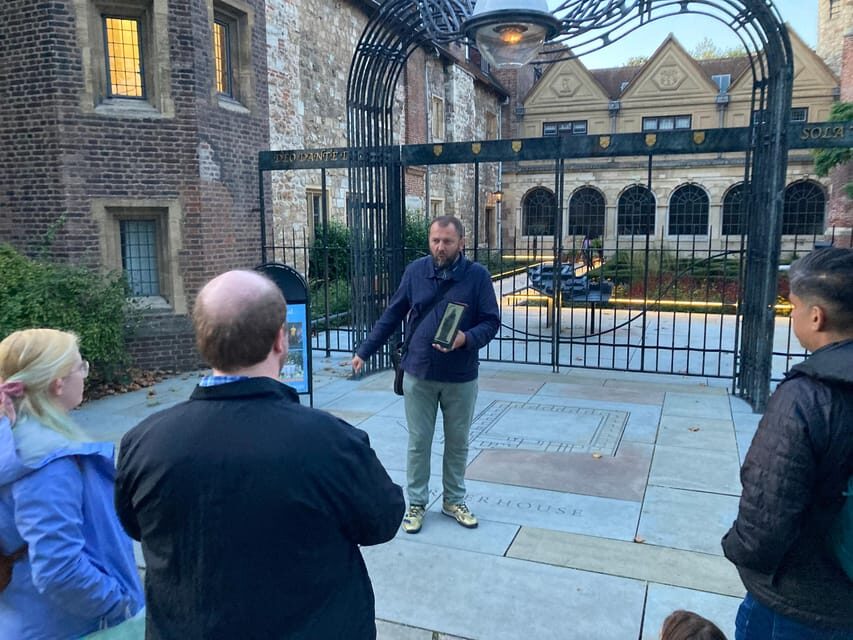
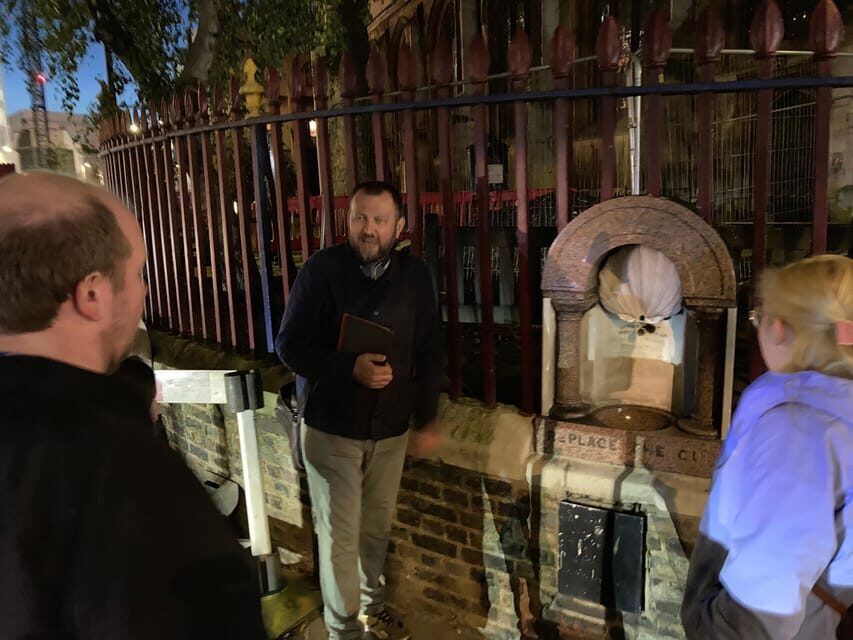
Your night starts around Farringdon Underground Station, with the guide meeting you just outside the station entrance area between the new and old stations. The tour’s early promise is clear: you’re not just walking past buildings—you’re being guided into stories connected to where people actually move every day.
A standout element here is the Mind the gap theme linked to a ghost story at the station. It’s a smart piece of storytelling because it uses something everyone recognizes (the Underground announcement) and turns it into a clue for the tour’s bigger folklore thread: London’s ghosts aren’t stuck in old cemeteries. They’re part of the modern routes too.
What I’d watch for as you’re listening: this is the moment when the guide sets the pace. If you’re going to tune in, do it here. Once the tour lands you at Smithfield and the plague-related sites, you’ll want to be fully present so the connections make sense.
Smithfield Market: the executions that shaped a whole neighborhood
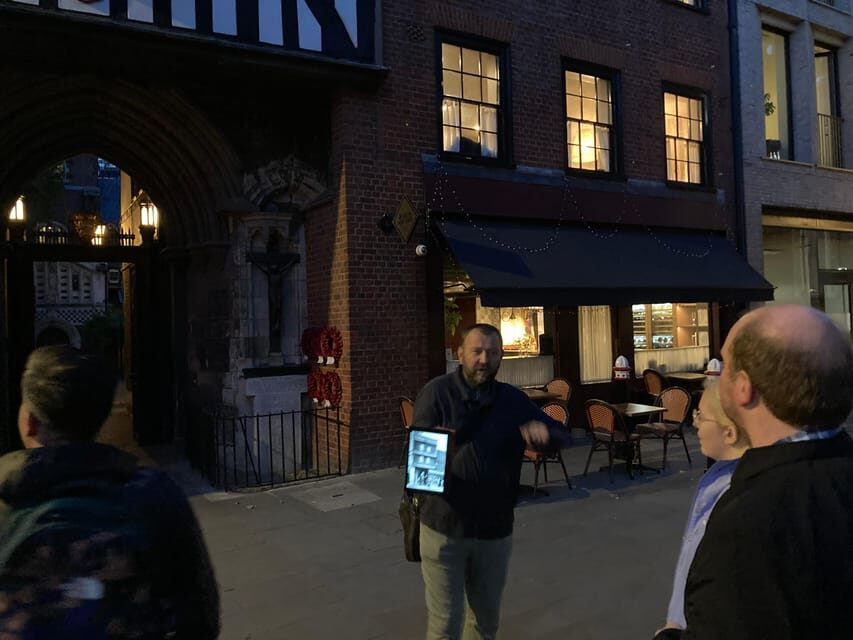
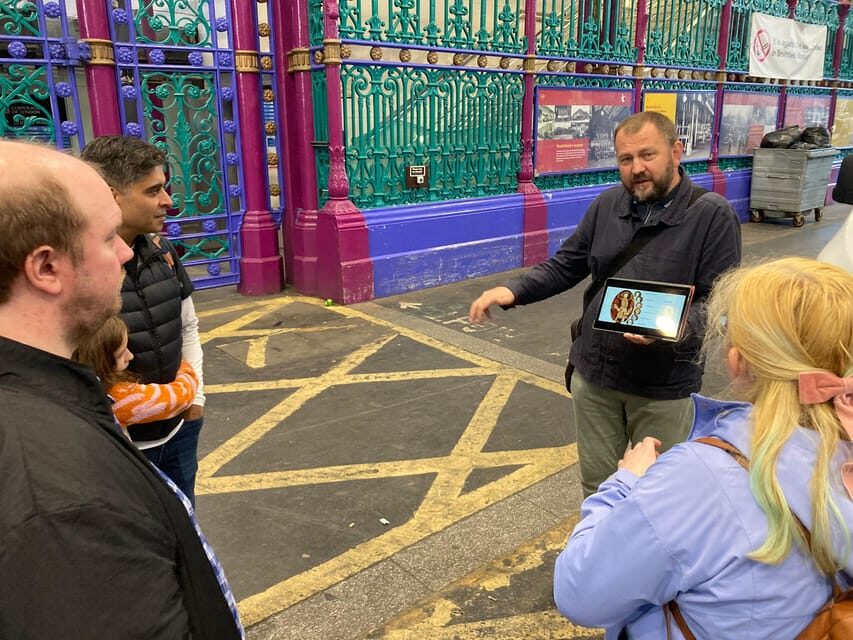
After the station start, you head to Smithfield Market, where the emphasis is on public executions that happened there for centuries. This is one of those London locations that can feel surprising because it is now known as a market area—but the history behind it is about punishment at street level.
This stop matters because it explains how law and violence were designed to be seen. The guide doesn’t treat it like a distant tragedy. Instead, you’re shown how the place functioned as a long-running stage for punishment, with heroes, martyrs, and other people caught in the machinery.
A practical note: even if you’re not squeamish, this kind of history can hit harder at night because the setting is darker and quieter than daylight. That’s not a negative. It’s part of why nighttime storytelling works so well—you’re more likely to feel the gravity.
Charterhouse Square: plague, survival, and why doctors tried anyway
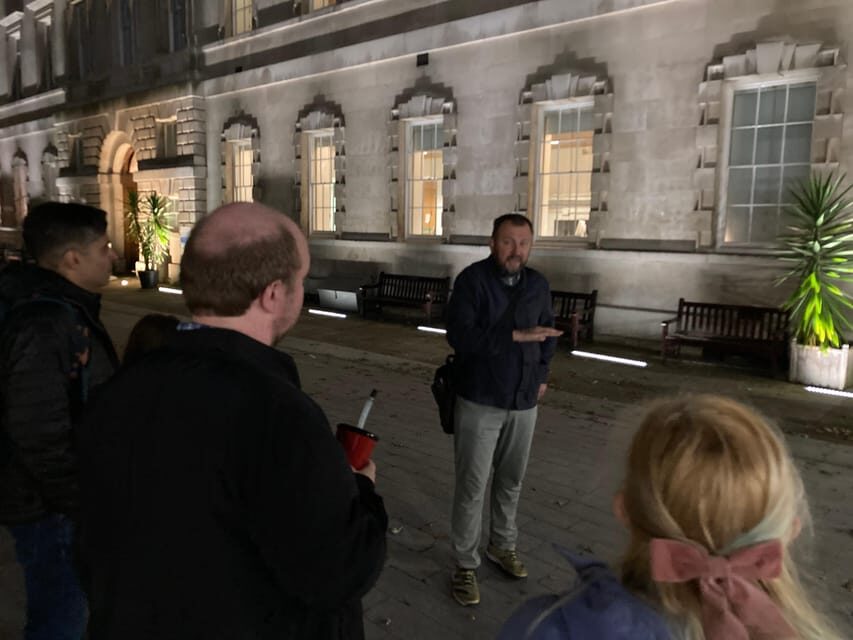
From executions, you pivot into Charterhouse Square, a peaceful park sitting amid busy London. That contrast is one of the tour’s best tricks. You’re in greenery and calm, but the story lane is disease.
Here, you learn how plagues changed London, how deadly they could be, what doctors attempted to do, and what happened to those who survived. The point of this stop isn’t to scare you with old death counts. It’s to show you the limits of medicine at the time and why people latched onto desperate ideas.
This is also a good time to catch your breath, because the tour then starts moving back into places where the dead and their handling become a major theme. If you’re the kind of person who likes your fear to come with context, this is where you get it.



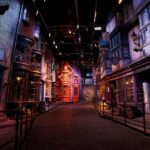

St Bartholomew the Great: 900 years of churchyard stories
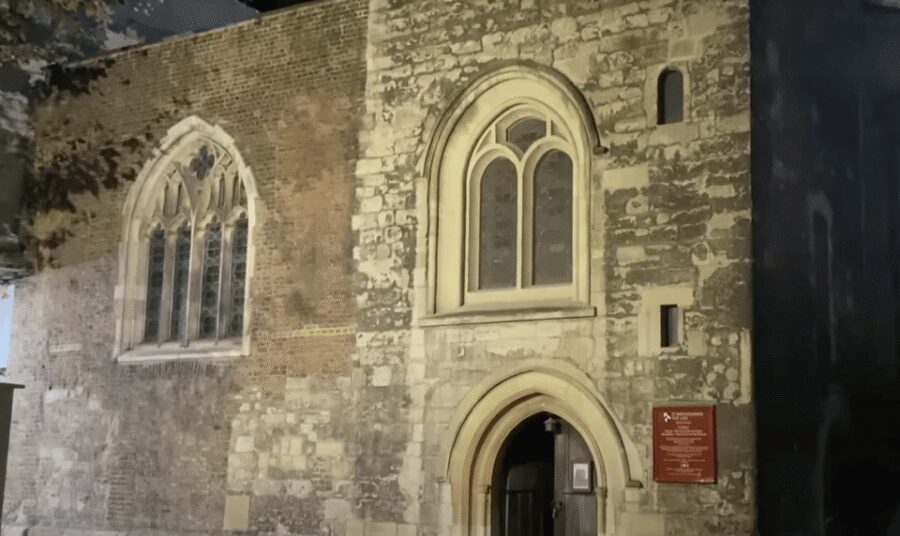
Next up is St Bartholomew the Great, a church with about 900 years of service connected to both the living and the dead. The tour frames it as a place where tombstones and burial stories sit side by side, which makes it feel less like a museum and more like walking through a living timeline.
This stop includes stories around famous burial history and even details about the church founder. The value here is that you see how religious space and burial space were tangled with London’s medical and social realities.
If you’re expecting pure ghosts, you might find that this stop feels more like historical atmosphere. That’s actually a plus. It helps the ghost stories land with more weight later, because you’re learning what people believed about bodies and where they ended up.
Sir William Wallace Memorial: Scotland at war, England’s memory of it
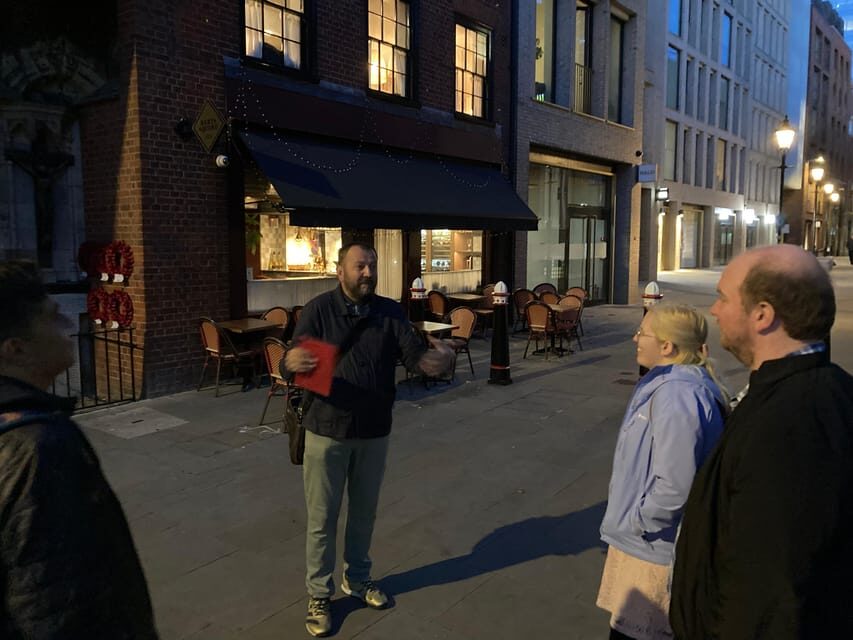
The tour then visits the William Wallace Memorial. This is where the route goes back further into Britain’s wars, showing how England and Scotland clashed and how one Scottish freedom fighter remains in memory at this spot.
Why this belongs on a ghosts and gruesome past tour: William Wallace’s story is tied to the kind of public punishment the tour has already been describing. Even if you don’t know the details going in, you’ll feel the emotional bridge between battle-era legends and execution-era realities.
As a listener, pay attention to how the guide handles this transition. Good guides don’t just list names and dates. They show you how different parts of history feed the same themes: power, fear, and public messaging.
Holy Sepulchre Church: empty pits and the grave-robbing economy
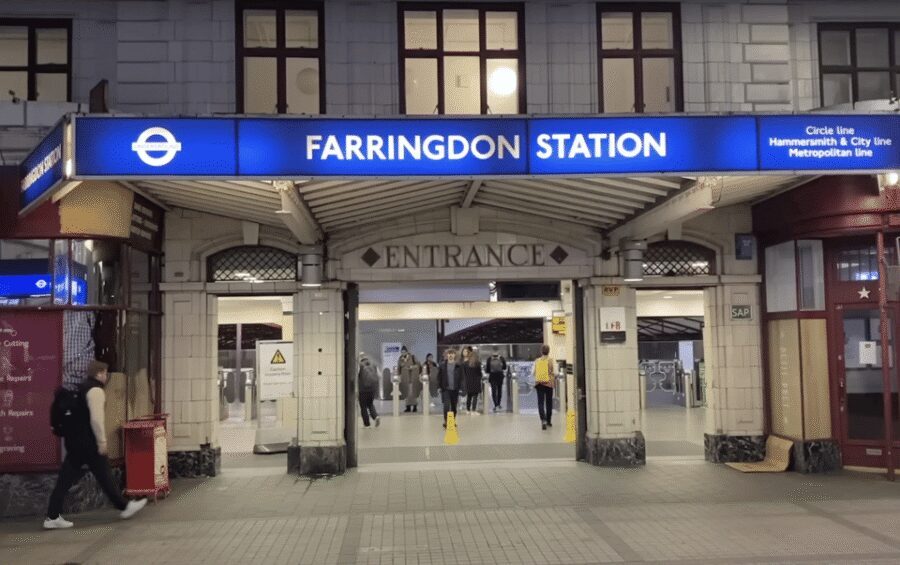
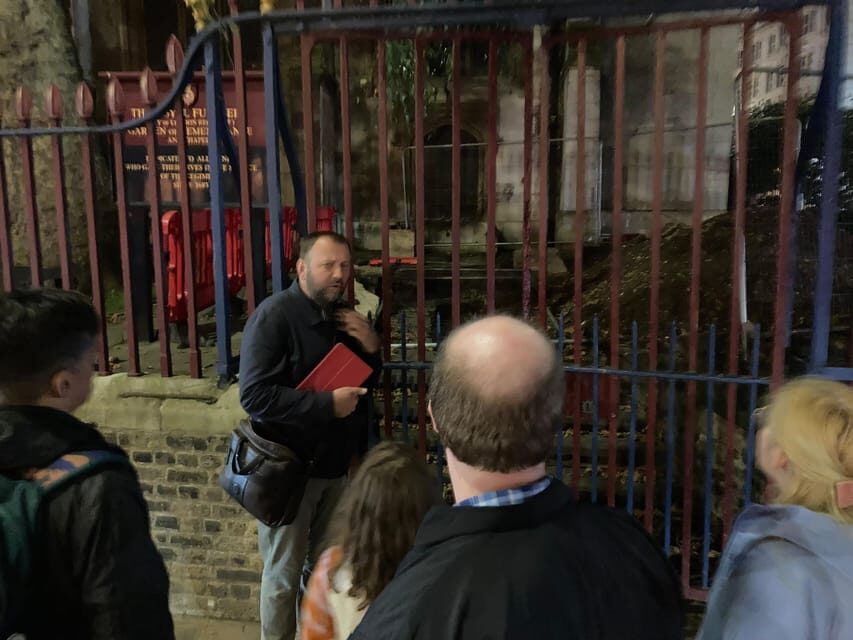
At Holy Sepulchre Church, the story shifts again. The tour points to something missing in the churchyard: empty pits that recall how, over two hundred years ago, people made a living by taking dead bodies from graves and selling them.
This stop ties directly into the broader theme of the tour: the belief that you can get something out of death—whether that’s profit, medical experimentation, or the desperate hope of cure. The guide also connects this story to what came before (the hospital material) and what came after (a pub you pass on the way), using the route itself like a puzzle board.
If you’re someone who cares about why cities feel weirdly layered, this is a great moment. London isn’t just old. It’s old in a way that leaves physical reminders: pits, burial ground, and buildings that still shape where people walk today.
One caution: this stop is likely the most intense in terms of the gruesome premise. Even if you’ve handled darker history before, give yourself a second to settle before the final courthouse segment.
Old Bailey finale: England’s worst serial killer, and why not Jack the Ripper
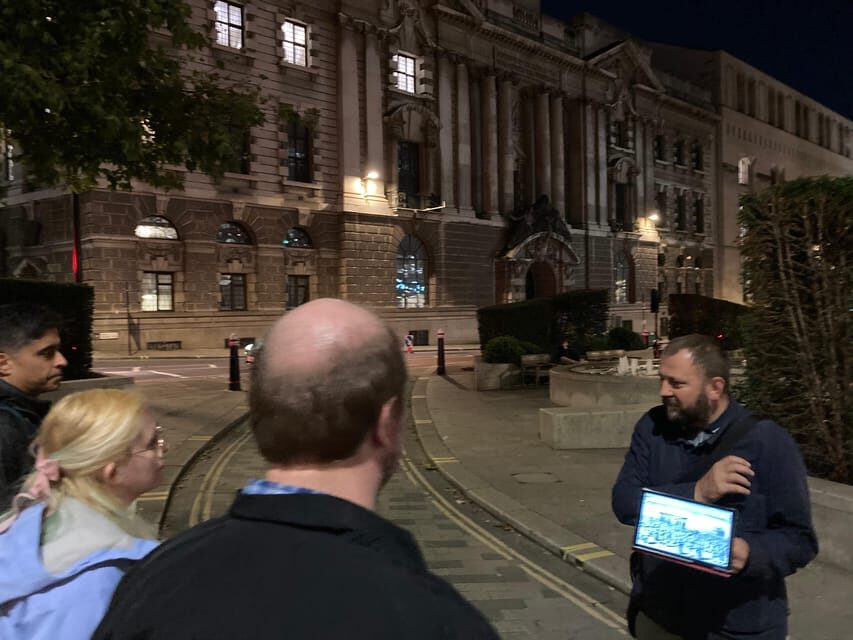
The tour reserves its heaviest storytelling for the end at the Old Bailey, London’s legendary courthouse area. This is where the guide introduces England’s most prolific serial killer, and explicitly frames the story away from Jack the Ripper.
That detail matters because it sets expectations. If you arrive thinking you’ll get a Jack-the-Ripper reenactment, you might feel slightly surprised. But the payoff is that the tour is offering a different thread—one that’s more specific and, for many people, more shocking because it’s not the default famous name.
The Old Bailey setting also makes the story feel stronger. Courthouses are about judgment and record-keeping. Pair that with serial-killer history and the tone shifts from horror to something more chilling: the sense that institutions processed something beyond what the public could handle.
If you like true-crime history mixed with place-based narrative, this is the segment most likely to stick with you after the walk ends.
Ending near St Paul’s Cathedral: how to keep the story going
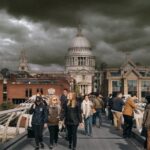
The route finishes around St Paul’s Cathedral. Even if the tour’s final walk is just the last stretch, it helps you close the loop: you finish near one of London’s most recognizable landmarks, but now you see the city as a network of hidden pathways and long memory.
This is where I’d suggest you do a simple thing: as you walk away, look back at the route you just covered and pick one stop that you want to understand more. Then use that stop as your anchor for the next part of your London day—another museum visit, a different walk, or a pub-and-people-watching break where the guide’s connections start feeling real.
Who should book this tour (and who should skip it)
Book it if you want:
- Nighttime history that mixes real locations with a strong storytelling voice
- A guide who can turn heavy material into a coherent 2-hour route
- Stops tied to executions, plague-era London, and grave-robbing medical history
- A finale that takes on serial-killer history headfirst, with the Old Bailey as the setting
Consider skipping or choosing another option if:
- You prefer ghosts that feel more like atmosphere than anatomy
- You get uneasy with stories involving the dead being handled for profit or medical purposes
- You want a tour focused mostly on supernatural events without gruesome context
One more decision helper: if you’re choosing between “spooky but light” and “spooky and dark,” this tour is clearly in the second bucket. That’s not a flaw—it’s the point.
Quick FAQ
FAQ
Where does the tour start?
You meet your guide outside Farringdon Underground Station, in front of the main station entrance/exit between the new and old stations.
How long is the tour?
The tour lasts about 2 hours.
How much does it cost?
The price is $49.00 per person.
Is this tour good if I want ghosts and not gore?
The tour focuses on ghosts and gruesome past history. One review noted a wish for more ghosts and less gruesomeness, so it may feel heavy if you’re aiming for mostly ghost stories.
Who guides the tour?
It’s led by a professional, certified guide with live storytelling in English.
What are some key stops on the route?
The tour includes Smithfield Market, Charterhouse Square, St Bartholomew the Great, Holy Sepulchre Church, and ends at/near the Old Bailey, with the route finishing near St Paul’s Cathedral.
Does it include time in and around historic medical sites?
Yes. The itinerary and description focus on places connected to older hospitals and the grim medical stories around bodies and healing.
Can I cancel for a refund?
Yes. The tour offers free cancellation up to 24 hours in advance for a full refund.
Is the tour wheelchair accessible?
The activity is listed as wheelchair accessible.
Are there multiple start times?
The listing says starting times depend on availability, so you should check availability to see starting times.
Final verdict: should you book it?
If you like your London spooky with real grounding—churchyards, courthouses, plague-era leftovers, and the kind of history that explains why the city feels haunted even without supernatural proof—then this tour is a strong pick. The big selling point is the storytelling quality, with Matt specifically praised for being informative and entertaining.
Just go in with the right expectation: this is not only ghosts floating through fog. It’s also executions, grave-robbing, and serial-killer history framed at night. If that sounds like your kind of evening, book it. If you want light chills only, you might prefer a gentler ghost walk.