REVIEW · LONDON
London: Winston Churchill and London in WWII Walking Tour
Book on GetYourGuide →Operated by Urban Saunters Ltd · Bookable on GetYourGuide
WWII turns Westminster into a living timeline. You’ll walk past the big names—Big Ben, Parliament, Westminster Abbey, and Downing Street—while your guide reframes them as places tied to fear, resolve, and strategy. It’s a focused walk that ends where Churchill’s command decisions were made, without turning it into a museum lecture.
I love how the tour leans on storytelling instead of dates. Guides named like Nathan, Richard, Francis, Rosie, Amber, and Babs are repeatedly praised for making the war feel human, including pilots’ biographies and everyday life under pressure.
A possible drawback: you’re outside for most of the landmarks, and entrance tickets aren’t included, so if you want to go inside places like Westminster Abbey or Churchill’s War Rooms, you’ll need to plan extra time and cost.
In This Review
- Key Things You’ll Notice On This WWII Westminster Walk
- Why Westminster Feels Different When You Track the War
- Meeting Point at Westminster Station (Exit 2) and How to Start Smoothly
- Battle of Britain Memorial: Setting the Wartime Tone Before the Landmarks
- Houses of Parliament and Westminster Abbey: Seeing Grand Stone as Wartime Space
- Downing Street, Whitehall, and the Cenotaph: Power With a Weight
- Ministry of War and Whitehall Corridor: Understanding Why This Area Mattered
- Big Ben Views and Route Flow: What “Not Too Much Walking” Can Feel Like
- Churchill’s War Rooms Finish: Explore On Your Terms (But Plan for Tickets)
- Price and Value: Is $39 Worth It for 1.5–3 Hours?
- Who Should Book This Westminster WWII Tour?
- Should You Book This WWII Westminster Walking Tour?
- FAQ
- How long is the London Winston Churchill and WWII Walking Tour?
- Where do I meet the guide?
- Is this tour private or shared?
- What’s included in the price?
- Are entrance tickets included for the landmarks or Churchill’s War Rooms?
- What should I bring?
- Is the tour suitable for wheelchair users or mobility impairments?
- Are food and drinks included?
- Are large bags or luggage allowed?
- Can I cancel for a refund?
Key Things You’ll Notice On This WWII Westminster Walk
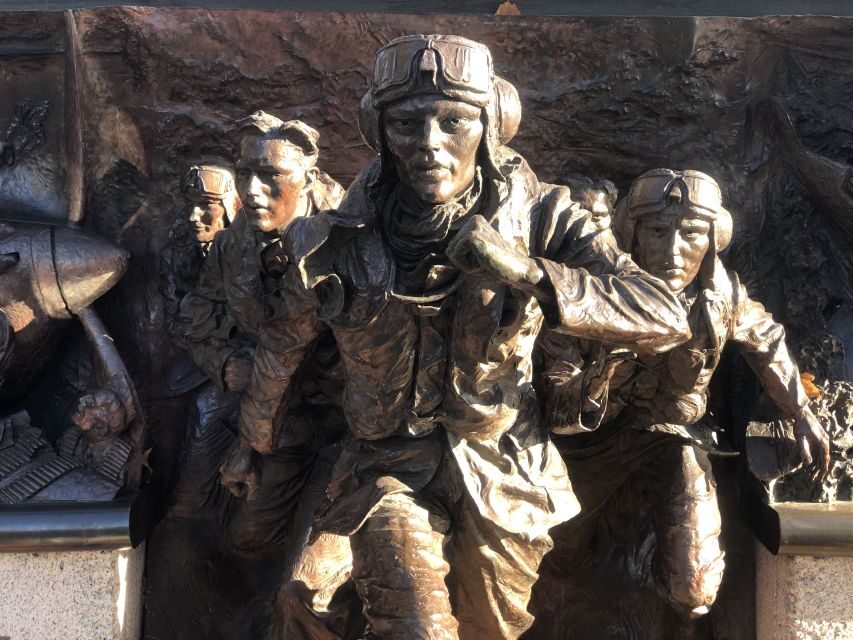
- Battle of Britain memorial start: you set the tone at the RAF monument before the Westminster landmarks begin to make sense
- War seen through power and policy: your guide connects Parliament and Whitehall to how wartime Britain actually ran
- Big Ben, Westminster Abbey, Downing Street, and Whitehall: the classics, but explained with wartime context
- Cenotaph and everyday reality: you don’t just get strategy—you get the human cost
- Ministry of War focus: it helps you understand why this part of London mattered so much
- Ends at Churchill’s War Rooms: you finish at the doorstep, then decide if you want to go in
Why Westminster Feels Different When You Track the War
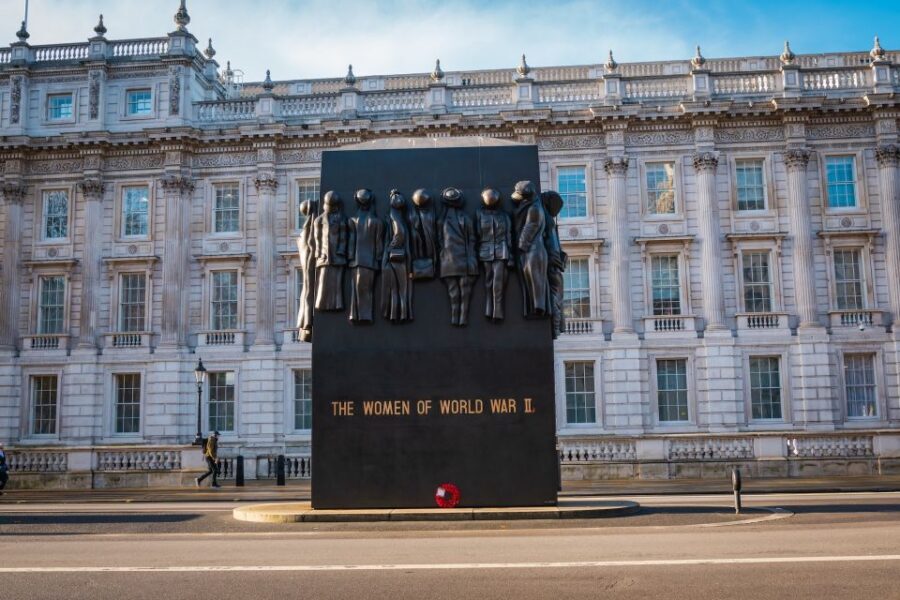
Westminster is usually sold as postcard London: grand buildings, famous addresses, and famous views. This walk shifts that lens. You’ll still recognize the landmarks, but you’ll start seeing them as set pieces in a real wartime drama—broadcast schedules, cabinet decisions, morale, and loss.
I like that it’s not trying to cover everything in London. It keeps the scope tight: the Houses of Parliament area, the Abbey zone, the Cenotaph/Whitehall corridor, and then the finish at Churchill’s command center. That focus makes the stories land harder, because the buildings stay in front of you while you learn what they meant.
The other thing that helps: your guide isn’t only talking big history. The strongest moments lean into details people often skip—pilot stories, small anecdotes, and the way leaders and ordinary citizens shared the same tense atmosphere.
You can also read our reviews of more walking tours in London



Meeting Point at Westminster Station (Exit 2) and How to Start Smoothly
Your tour meets outside Westminster Station at Exit 2, near the statue called Boadicea and Her Daughters. The group meets at the top of the stairs on Victoria Embankment, next to that statue, and your guide will be holding an orange Urban Saunters sign.
This matters more than it sounds. Westminster Station exits can be confusing when you’re looking up at street-level signs while also trying to find your group. If you arrive a few minutes early, you’ll avoid the stress that comes from trying to locate the right stairway and the right landmark in a busy area.
Once you meet up, expect your guide to quickly set the stage: how this part of London functioned during WWII, why Westminster became so central, and what life under siege meant for people moving through the city every day.
Battle of Britain Memorial: Setting the Wartime Tone Before the Landmarks
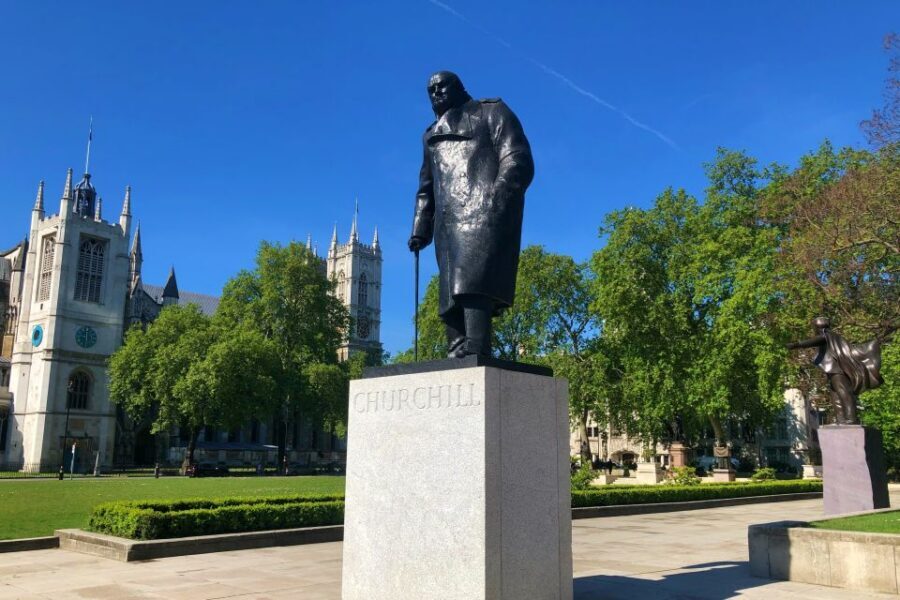
The tour kicks off outside the Monument to the RAF, which commemorates those involved in the Battle of Britain. Starting here is smart. It’s a reminder that the war wasn’t abstract—it was fought in the air, and it shaped what people felt on the ground.
From this point, the walk becomes a chain of connections. You’ll hear how Britain coped, how strategy was shaped, and how the atmosphere of the city changed when the threat was real and ongoing. It’s also a great warm-up stop, because you’re not yet dealing with the busiest landmark crowds.
Bring comfortable shoes. This is a walking tour around Westminster, and the time you spend on your feet adds up—even if the pace is meant to keep things moving without rushing.
Houses of Parliament and Westminster Abbey: Seeing Grand Stone as Wartime Space
As you head toward the Houses of Parliament and the Westminster Abbey area, you’ll get a rare mix: architectural grandeur plus wartime purpose. The key is how your guide ties what you’re looking at to what was happening behind the scenes.
You’ll see Big Ben during the walk, and you’ll likely hear how this Westminster core area was entwined with government leadership during WWII. The stories are meant to make the buildings feel less like monuments and more like operational space—places where decisions, speeches, and policy had to keep working even as Britain faced constant pressure.
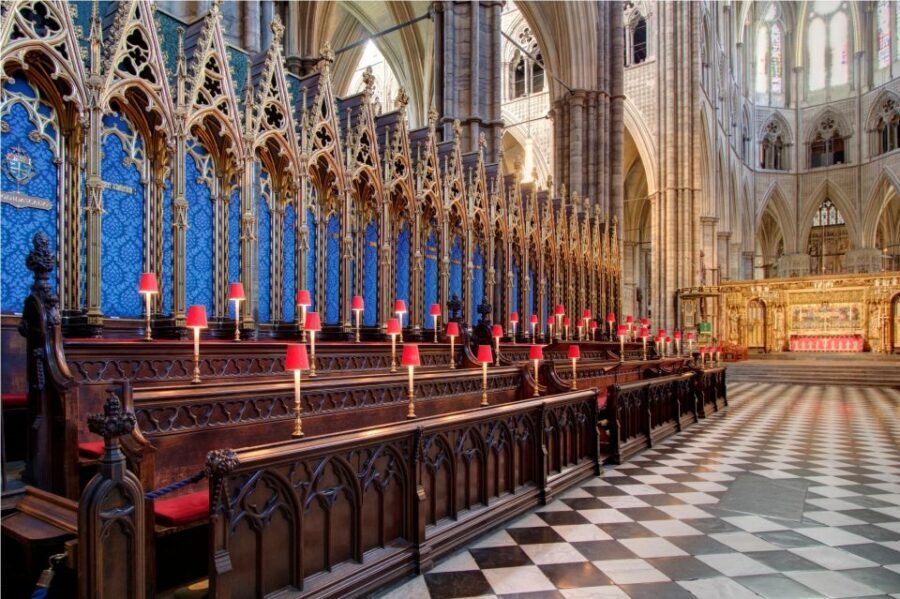
Westminster Abbey is another highlight zone. It’s a landmark that can feel distant if you only view it as a tourist site. Here, it’s presented through a wartime lens, so you can connect the meaning of the space with what it represented during the era.
Practical note: entrance tickets to the named monuments aren’t included. So if you want to go inside Westminster Abbey (or any other landmark along the route), plan that separately. The walk is built for the exterior-and-explanation experience.
Downing Street, Whitehall, and the Cenotaph: Power With a Weight
Downing Street and Whitehall are instantly recognizable on a walk, but you’re not just seeing famous addresses. This part of the route frames them as command space—where the national story was being managed at the top, while the country endured the war’s daily strain.
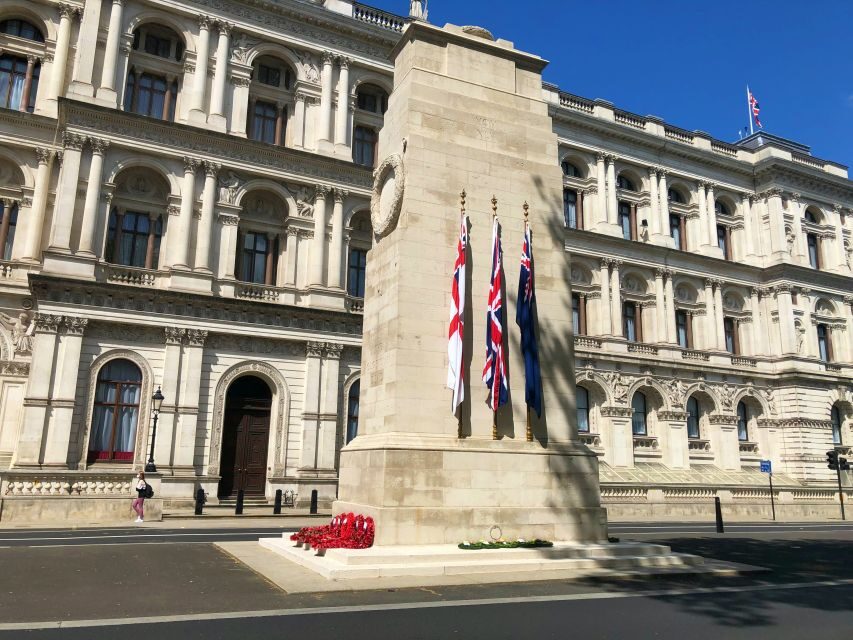
The Cenotaph is a good emotional pivot in this kind of walk. It helps balance the tour’s political focus with loss and remembrance. Even if you’re not the type to memorize WWII dates, you’ll likely catch the point: a city under siege becomes a city carrying grief, routine disruption, and morale battles in the same streets.
Guides on this tour are often praised for explaining in clear, story-ready ways, and for injecting British humor at the right moments. That combination helps here. When the subject matter becomes heavy, humor and anecdote can keep the tour moving without turning it into a lecture.




Ministry of War and Whitehall Corridor: Understanding Why This Area Mattered
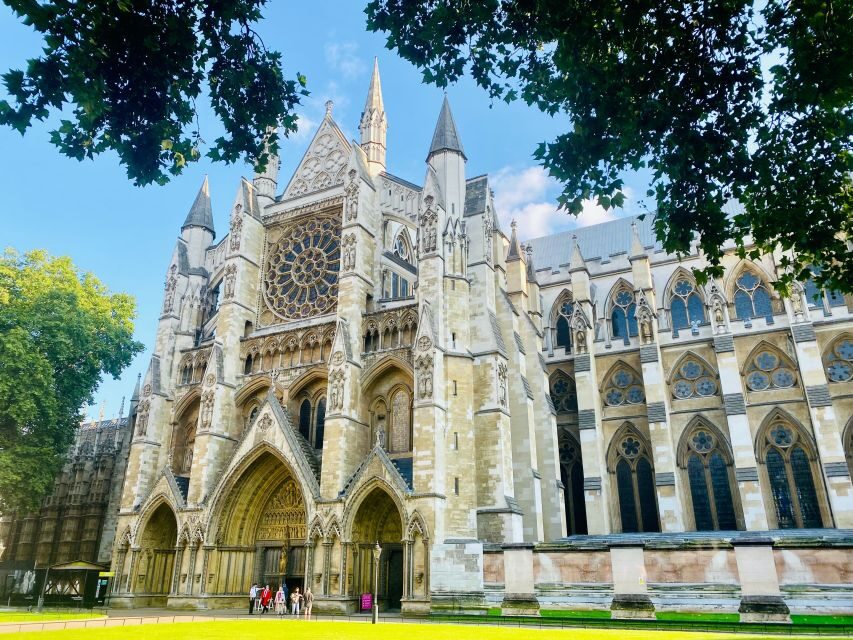
One of the tour’s strongest selling points is the way it uses Westminster landmarks to build a map of wartime administration. You’ll visit the Ministry of War area as part of the route, and that stop helps you connect the dots between what leaders said and what government had to do day to day.
This is where I think the walk is most useful for people who want more than surface-level WWII. You’re not only learning about Churchill and battles. You’re learning how London functioned as a nerve center—how priorities were set, and why so many key institutions clustered in this part of the city.
You’ll also get a better sense of the reality of life for millions at the time. That theme keeps popping up in the tour’s descriptions: Britain coping wasn’t only about big speeches. It was about systems, persistence, and the strain of everyday life.
Big Ben Views and Route Flow: What “Not Too Much Walking” Can Feel Like
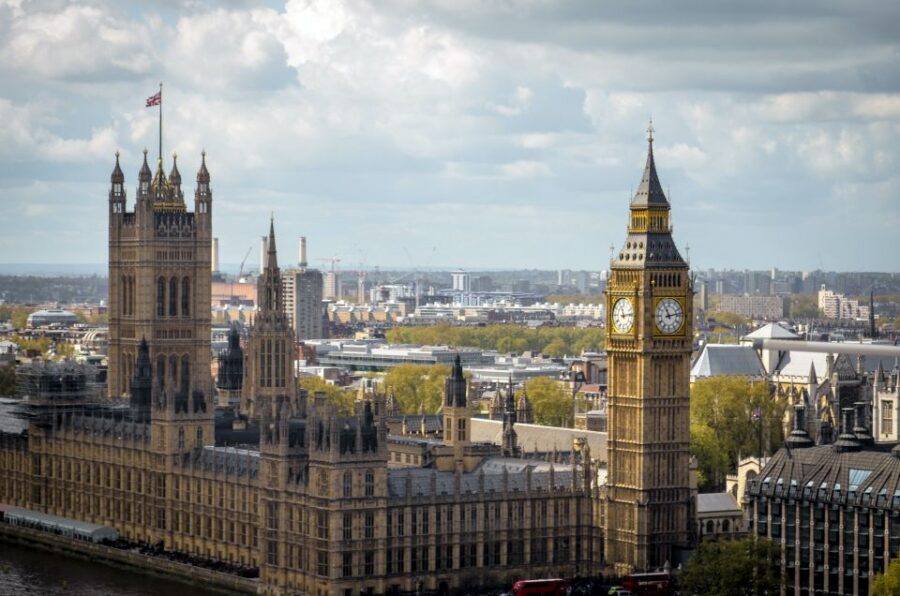
The tour is set up as a walking experience, but it isn’t designed to be an all-day hike. You’ll spend the bulk of your time moving between closely grouped Westminster sites—especially around Parliament and Whitehall—so most people can keep their energy for the guided storytelling.
That said, comfort still matters. You’ll be on sidewalks and steps, and you may need to stand for short periods at stops. If you’re the type who gets tired quickly in city walking tours, wear shoes with solid grip.
Also, keep an eye on bags. Luggage or large bags aren’t allowed. If you have bulky luggage, plan to store it elsewhere so you don’t end up stressed at the meeting point.
Churchill’s War Rooms Finish: Explore On Your Terms (But Plan for Tickets)
The walk finishes outside Churchill’s War Rooms. Your guide will leave you there if you want to explore further. This is a great payoff moment because you end at the place tied directly to Churchill and the cabinet’s wartime work.
But entrance tickets to Churchill’s War Rooms are not included. So you have two options:
- If you already have a timed ticket, you can step right into the next phase.
- If not, you can still use the finish point to learn from the setting and then decide later.
I like this format because you stay flexible. If you’re running on energy, you can keep it simple and just enjoy the exterior and final explanation. If the stories hooked you, you can extend the visit inside the War Rooms on your schedule.
Price and Value: Is $39 Worth It for 1.5–3 Hours?
At $39 per person, the value comes from the ratio of guided time to what you actually get: a live, English-speaking local guide focused on WWII in a high-impact area of London.
Here’s the honest math. The tour includes the walking guide portion (about 1.5 hours for some departures, up to 3 hours depending on the schedule), but it doesn’t include entrance tickets to the landmarks or to Churchill’s War Rooms. So if you’re planning to go inside multiple sites, your total trip cost could rise after the tour.
Still, the money often makes sense if:
- You want a guided explanation that helps you understand what you’re looking at.
- You don’t want to piece together WWII context on your own.
- You like story-driven history, especially with personal details like pilot biographies and human-scale anecdotes.
It can feel expensive if you expect ticketed museum access as part of the base price. But if you treat this as an excellent orientation to the WWII story across Westminster, it’s a solid use of limited time.
Who Should Book This Westminster WWII Tour?
This tour fits best if you:
- Like history told with scenes and people, not just facts.
- Want a concentrated Westminster route tied to WWII.
- Plan to spend extra time at Churchill’s War Rooms afterward (since the tour ends right outside).
- Prefer a walking format around famous landmarks where the guide does the connecting for you.
It’s not the best match if you need wheelchair access or have mobility impairments, since it’s not suitable for wheelchair users or those with mobility impairments. It also isn’t built for luggage-heavy travel.
If you’re traveling with teens or adults who enjoy military history stories, this style of guide-led narrative tends to land well—especially because it mixes Churchill-era leadership with everyday wartime life.
Should You Book This WWII Westminster Walking Tour?
I’d book it if you want your Westminster visit to feel like more than sightseeing. The big win here is how the tour turns iconic buildings into a clear storyline about WWII—starting with the Battle of Britain memorial, moving through Parliament/Abbey/Downing Street/Whitehall, and ending at Churchill’s War Rooms.
I’d skip or rethink it if you specifically want included entry tickets and a full museum experience within the price. Since the tour ends outside the War Rooms and doesn’t bundle monument admissions, you’ll need to add that planning yourself.
If your goal is to understand WWII Westminster fast, with a guide who brings the era to life, this is a strong choice.
FAQ
How long is the London Winston Churchill and WWII Walking Tour?
The duration is listed as 1.5 to 3 hours, depending on the starting time.
Where do I meet the guide?
Meet outside Westminster Station at Exit 2, at the top of the stairs on Victoria Embankment next to Boadicea and Her Daughters Statue. The guide will hold an orange Urban Saunters tour sign.
Is this tour private or shared?
You can choose between a shared group tour or a private walking tour.
What’s included in the price?
Included is a 1.5-hour guided walking tour of Westminster and an English-speaking local expert guide.
Are entrance tickets included for the landmarks or Churchill’s War Rooms?
No. Entrance tickets to named monuments are not included, and Churchill’s War Rooms entrance is also not included.
What should I bring?
Wear comfortable shoes for walking around Westminster.
Is the tour suitable for wheelchair users or mobility impairments?
No. It’s not suitable for people with mobility impairments or for wheelchair users.
Are food and drinks included?
No. Food and drinks are not included.
Are large bags or luggage allowed?
No. Luggage or large bags are not allowed.
Can I cancel for a refund?
Yes. Free cancellation is available up to 24 hours in advance for a full refund. You can also reserve and pay later, per the listing details.