REVIEW · LONDON
London: World War II History in London Private Guided Tour
Book on GetYourGuide →Operated by Rosotravel UK · Bookable on GetYourGuide
WWII still shapes London streets. This private guided tour turns famous landmarks into a storyline, with Churchill War Rooms at the center and a walking route that makes the war feel close to home. I especially like the structure: you get the outdoor sites first, then you step underground to see where key decisions were made.
Two things I really like are the expert, licensed guide (with live commentary in multiple languages) and the practical pace that helps you actually connect the dots as you walk. One possible drawback: the shortest 2-hour option is only the walking portion, so you won’t include the Churchill War Rooms or the Imperial War Museum unless you choose a longer slot.
In This Review
- Key highlights I’d plan around
- WWII in London hits different when you walk it
- How the 2-, 4-, and 7-hour options change the experience
- The 2-hour private walking tour
- The 4-hour option with Churchill War Rooms
- The 7-hour option with Imperial War Museum + War Rooms
- Whitehall and Westminster: the walking route that gives you a spine
- Royal Air Force and Royal Naval Division Memorials
- The former War Office building exterior
- The Cenotaph and the price of memory
- Westminster Palace exteriors: visible damage, silent reminders
- Churchill’s statue in front of Parliament
- Churchill War Rooms: the underground site where urgency becomes real
- What you’ll experience there
- Imperial War Museum (7-hour option): museum storytelling that covers people, not just battles
- What’s especially worth your attention
- The Holocaust Gallery: heavy subject, serious context
- Free permanent exhibition only
- Price and value: what you’re paying for at $279 per person
- The guide experience: why pacing and clarity matter here
- Practical tips so your day goes smoothly
- Who this tour is best for
- Should you book this London WWII private tour?
- FAQ
- What does the tour include at each time length?
- Do I get skip-the-line tickets for the Churchill War Rooms?
- Is the Churchill War Rooms skip-the-line entry guaranteed without waiting?
- Do I need to pay for the Imperial War Museum?
- How long is the private tour?
- How many people is the private group?
- What languages are available for the guide?
- Where does the tour start?
- When will I receive tour details?
- Can I cancel, and can I book without paying right away?
Key highlights I’d plan around
- Skip-the-line Churchill War Rooms in the 4- and 7-hour options (time-slot entry matters)
- Guided walking route through Whitehall and Westminster-area WWII sites you can’t easily piece together alone
- Churchill-focused storytelling with his statue, the War Office building exterior, and the Battle of London context
- Imperial War Museum add-on on the 7-hour option, including 6 floors and the Holocaust Gallery
- Private group format so your guide can slow down for questions in your language
WWII in London hits different when you walk it
London can look timeless—then you start seeing how often it was targeted, and how much the city had to adapt. This tour is designed for that mental switch. You’re not stuck in a lecture hall. You’re outside, moving from monument to monument, and every stop has a reason: who was involved, what happened, and why it mattered.
I like tours that keep history tied to place, and this one does that well. You walk through areas tied to British government and military leadership, then you zoom in on Winston Churchill and the underground machinery of war. If you enjoy modern history, this is the kind of experience that makes you look at London differently after you leave.
You can also read our reviews of more guided tours in London



How the 2-, 4-, and 7-hour options change the experience
This is really three tours in one booking. Pick your time based on how much you want to see inside museums.
The 2-hour private walking tour
This version is all about the street-level WWII story. You’ll cover notable memorials and landmarks such as the Royal Air Force Memorial and the Royal Naval Division Memorial, plus the former War Office building exterior (the British government department responsible for administering the national army).
You’ll also pass major sites tied to national mourning and wartime damage: the Cenotaph and the exteriors of Westminster Palace, which were significantly damaged in WWII bomb attacks. You’ll finish the Churchill thread with a visit to Churchill’s statue in front of Parliament.
Best for: a focused intro if you’re short on time and you still want the big names and key locations.
The 4-hour option with Churchill War Rooms
Add one of the most important WWII sites in London to the walking route: the Churchill War Rooms. This is the underground center where Churchill and the British government directed WWII. The skip-the-line tickets are included here, which matters because entry lines can eat up time you’d rather spend underground.
Best for: anyone who wants the “show me where decisions happened” part, not just the surface landmarks.
The 7-hour option with Imperial War Museum + War Rooms
This is the full day plan without pretending it’s a full day. You start at the Imperial War Museum, then move on to the Churchill War Rooms, and finish with London’s war memorials.
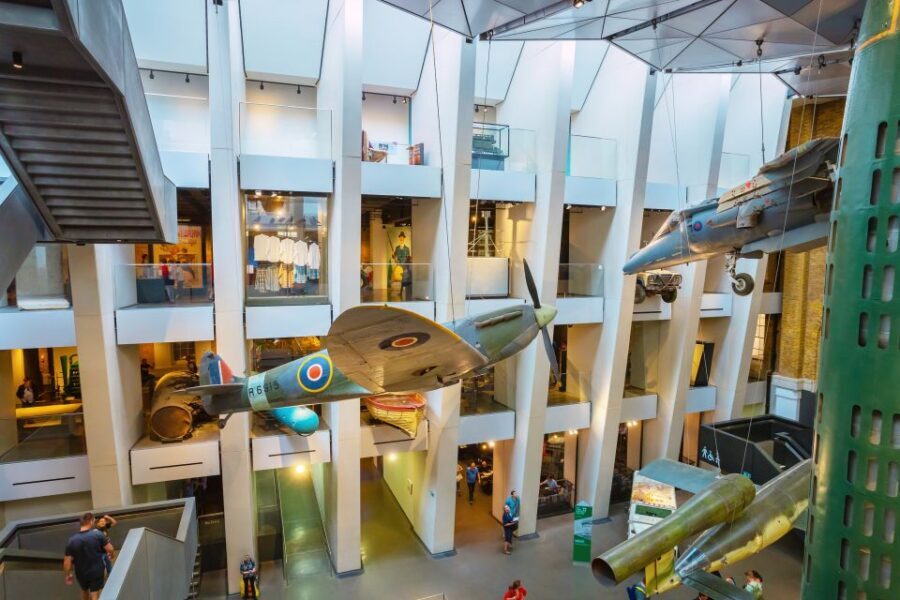
At the museum you’ll get guided commentary as you explore 6 floors. The exhibitions are geared toward both World War I and World War II, with stories that cover a wide range of war experiences, from pilots to nurses. You may see historic aircraft, armoured vehicles, and military uniforms, and you’ll also have access to the Holocaust Gallery, which explains the Nazi crimes against humanity and the world’s response.
Important note for planning: the free admission included with this option is for the permanent exhibition only.
Best for: history fans who want context before stepping into the underground command center.
You can also read our reviews of more private tours in London





Whitehall and Westminster: the walking route that gives you a spine
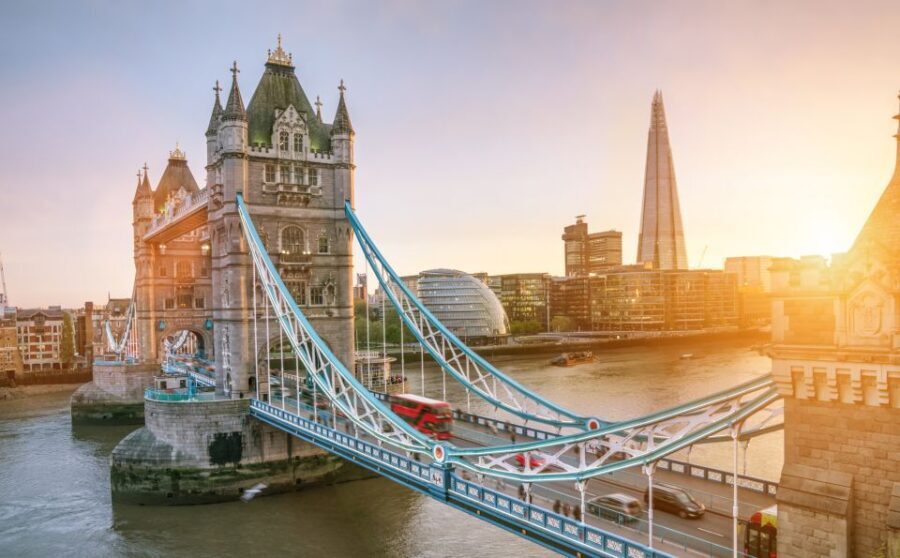
The route works because it clusters the story. You’re moving through the kinds of places where leadership, planning, and public memory intersect.
Here’s what you’ll be looking at, and why it’s worth your attention:
Royal Air Force and Royal Naval Division Memorials
These aren’t random plaques. They’re visual reminders that WWII in London wasn’t just battles at sea or in the air—it was coordination across services, with civilians and leadership living under constant threat.
If you care about the Battle of Britain context, the Royal Air Force Memorial is a natural fit. It helps you anchor the war in who fought and what the defense of Britain actually meant on the ground.
The former War Office building exterior
You won’t be going inside here on the walking tour, but seeing the building exterior gives the story a real-world administrative backbone. The War Office was the government department tied to administering the national army, so it connects policy to people and mobilization.
This stop is great if you like the nuts-and-bolts side of WWII, not only the hero speeches.
The Cenotaph and the price of memory
The Cenotaph is where wartime loss becomes official national grief. Even if you’ve seen it before, a guided walk changes how you read it. Instead of a single moment, you start seeing it as part of the long aftermath—how Britain holds onto the war even decades later.
Westminster Palace exteriors: visible damage, silent reminders
This is a sobering part of the route. The tour points you to the exteriors of Westminster Palace, damaged by WWII bomb attacks. It’s one of those “you can see the past if someone points it out” moments.
That’s a key reason to take a guide: they help you notice what you’d otherwise walk past.
Churchill’s statue in front of Parliament
This stop is designed to be more than a photo op. You’ll hear about Churchill’s role as Prime Minister during WWII and his wider war achievements, then you’ll see him where British political history is literally on display.
I like that the walking route keeps circling back to Churchill so the underground War Rooms don’t feel like a random add-on later.
Churchill War Rooms: the underground site where urgency becomes real
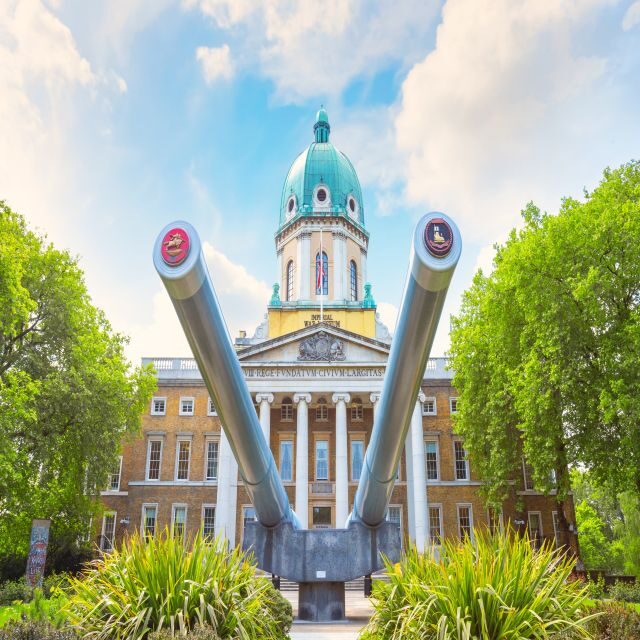
If you’re picking between options, the Churchill War Rooms are the main reason many people choose longer time slots. Even if you know the basics of WWII, this is where you see how command operated day-to-day.
The tour includes skip-the-line tickets for the 4- and 7-hour plans, and that’s more than convenience. It protects your time, especially if you’re combining museum visits. Skip-the-line here also comes with a catch: your entry is tied to a specific time slot, so you need to arrive on time at the meeting point so you don’t lose your window.
What you’ll experience there
The War Rooms are described as a top-secret underground center where Churchill and the British government directed WWII. In plain terms, you’re stepping into a physical environment built for decisions under pressure.
The best part of going with a guide is that the place doesn’t stay abstract. You don’t just look at rooms—you understand what the setting meant. I also like that the tour framing connects the War Rooms back to what you saw outside, especially the government-administration angle from the War Office stop.
Imperial War Museum (7-hour option): museum storytelling that covers people, not just battles
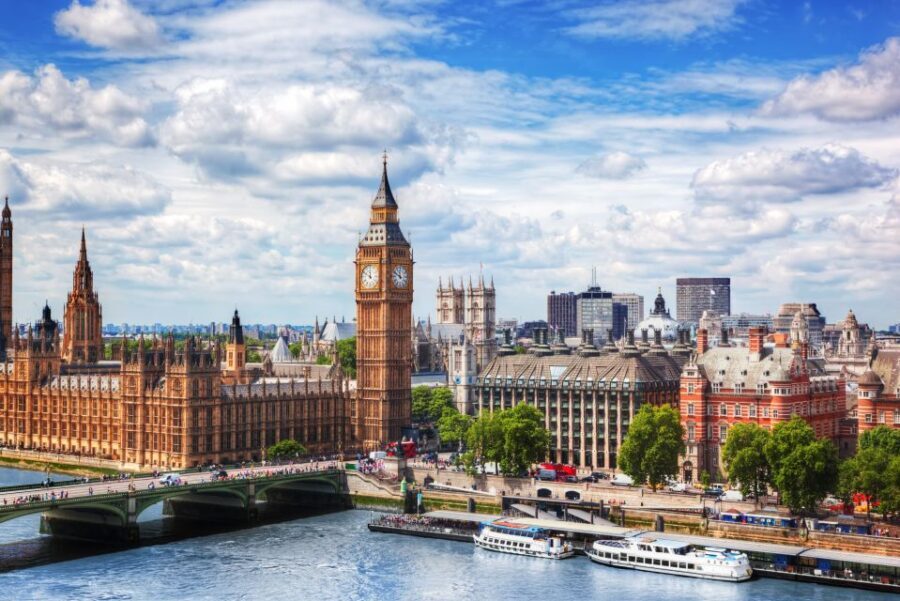
If the War Rooms are the command center, the Imperial War Museum is the big picture. On the 7-hour plan you’ll get live commentary while you explore 6 floors, with exhibits spanning World War I and World War II.
What’s especially worth your attention
You’ll hear authentic stories of British war heroes, including pilots and nurses. That matters because WWII wasn’t only generals and aircraft. It was also logistics, medical care, and day-to-day service roles that shaped outcomes.
You may also see historic objects like aeroplanes, armoured vehicles, and military uniforms, which help you move from names to tangible reality.
The Holocaust Gallery: heavy subject, serious context
The museum includes the Holocaust Gallery, which showcases in detail the extent of Nazi crimes against humanity and the world’s response. This is not a light stop. Plan your energy accordingly, and give yourself space to process.
One practical tip: if your day is already packed with emotional content, consider whether this is the best time for you. The 7-hour option is more intensive, and the museum is where you’ll feel it.
Free permanent exhibition only
Make a note of how the included entry works. The free admission is for the permanent exhibition only. If you’re the type who wants every temporary special exhibit, you might need to plan additional paid entry beyond what’s included.
Price and value: what you’re paying for at $279 per person
At $279 per person, you’re not paying for just walking and standing near monuments. You’re paying for a private, licensed, history-focused guide and the protected time value of skip-the-line entry for specific options.
Here’s how I’d judge the value:
- If you choose the 4- or 7-hour plan, the Churchill War Rooms skip-the-line can be worth real money in saved time, especially on busy entry days.
- The 7-hour option can be a strong value if you want both the museum context and the War Rooms. You’re getting guided time through multiple floors and major WWII themes, plus the Holocaust Gallery access through the included museum entry setup.
- If you only need the street-level intro, the 2-hour walking tour can still be a smart spend because you get the key WWII landmarks arranged into a coherent storyline. But you should know what you’re skipping: no War Rooms, no Imperial War Museum.
Also keep in mind a pricing detail that affects groups: for the 4- and 7-hour tours, one licensed guide can lead a group of 1 to 10 people due to museum regulations. If your group requires more than one guide, pricing can increase accordingly.
The guide experience: why pacing and clarity matter here
This kind of tour lives or dies on the guide. You’re hearing names, dates, and wartime connections while walking through a real city with real distractions. The good guides keep it crisp and human.
In the feedback you’ll see a pattern: people liked the pace and the friendly, professional delivery from guides such as Phil Scott / Philip. When a guide has that calm momentum, you spend less time mentally sorting facts and more time connecting the meaning of each place.
Another practical plus: the tour offers live commentary in a range of languages, including English, plus options like Spanish, French, German, Italian, Polish, Russian, Japanese, and Chinese. If language comfort matters to you, this is a big quality-of-life feature.
Practical tips so your day goes smoothly

You’ll be on foot for the walking sections, and you’ll be indoors for War Rooms and/or the museum depending on the option. That means your success comes down to basic planning.
- Bring comfortable shoes. The route includes major landmarks spread across the Westminster/Whitehall area.
- If you’re doing the 4- or 7-hour plans, treat the Churchill War Rooms time slot like a reservation. Be early at the meeting point so your entry doesn’t get awkward.
- If you’re doing the 7-hour option, expect a longer museum segment. The Holocaust Gallery can feel intense, so plan a slower pace inside and don’t rush the explanations.
- Check the email you’ll receive the day before the tour for important details tied to your specific booking and meeting point.
Who this tour is best for
I’d point you toward this experience if you’re:
- A first-timer who wants the core WWII story in London without piecing together multiple tickets and maps
- A Churchill fan who wants the surface landmarks plus the underground command center
- Someone who likes modern history tied to real places—monuments, government buildings, and memorials
I’d reconsider if you:
- Have very limited time and only want a quick hit of outdoor sites, since the 2-hour option skips the War Rooms and museum
- Want to focus entirely on one museum or one theme and don’t want any walking between stops
Should you book this London WWII private tour?
Book it if you want London WWII in a guided, structured format, with the most important indoor stop—Churchill War Rooms—available via skip-the-line entry on the 4- and 7-hour options. It’s also a great pick if you value a guide who can connect the city’s WWII landmarks into a single story rather than a list of facts.
Skip it (or choose the shorter option) only if you already plan to visit the War Rooms and Imperial War Museum on your own and you’re comfortable building your own route. Otherwise, the private guided setup is exactly what you want: less searching, better context, and a day that makes the war feel understandable rather than just distant.
FAQ
What does the tour include at each time length?
The walking route and number of attractions depend on the option you choose. The Churchill War Rooms and the Imperial War Museum are not included in the 2-hour option. They are included in the 4-hour (War Rooms) and 7-hour (Imperial War Museum + War Rooms) options.
Do I get skip-the-line tickets for the Churchill War Rooms?
Yes, skip-the-line tickets for the Churchill War Rooms are included only for the 4-hour and 7-hour options. The 2-hour option does not include those skip-the-line tickets.
Is the Churchill War Rooms skip-the-line entry guaranteed without waiting?
The tickets are reserved for a specific time slot, so it’s important to arrive on time at the meeting point. Arriving late can affect your reserved entry.
Do I need to pay for the Imperial War Museum?
For the 7-hour option, free admission to the Imperial War Museum is included, but it covers the permanent exhibition only. The 2- and 4-hour options do not include admission.
How long is the private tour?
The activity length ranges from 2 to 7 hours, based on the option you book.
How many people is the private group?
The tour is a private group. For the 4- and 7-hour tours, museum regulations allow 1 licensed guide to lead a group of 1–10 people. If you exceed that, more than one guide may be needed.
What languages are available for the guide?
The guide is available in Spanish, French, German, Italian, Polish, Russian, Japanese, Chinese, and English.
Where does the tour start?
The meeting point may vary depending on the option you booked.
When will I receive tour details?
You should check your email the day before the tour to receive important information.
Can I cancel, and can I book without paying right away?
Yes. There is free cancellation up to 24 hours in advance for a full refund, and you can reserve now & pay later (book a spot and pay nothing today).