REVIEW · OXFORD
Oxford’s famous and secret wonders in Italian
Book on GetYourGuide →Operated by Renata Lanzoni · Bookable on GetYourGuide
Oxford hides stories in plain sight. In just two hours, this Italian-guided walk strings together the university origins, iconic landmarks, and lesser-known streets so Oxford feels personal, not textbook.
I especially like how Renata Lanzoni turns big-name places into real-world scenes: Oxford Castle, Carfax Tower, Radcliffe Square, the Bodleian area, and the route past the Sheldonian and Clarendon building. I also like the tone—punctual, organized, and fun—so the city’s famous personalities land in your head as people, not footnotes.
One thing to consider: this is a walking tour with sightseeing, and entry tickets aren’t included, so you’ll mostly enjoy key sights from the outside or via viewpoints and street-level context.
In This Review
- Key highlights that make this tour worth your time
- Starting at the Randolph Hotel and getting your bearings fast
- Oxford Castle: where the city’s power shows up in stone
- Carfax Tower and the city’s nerve center
- Oxford’s Saxon layer: Saxon tower and Saxon walls
- The covered market stop that makes Oxford feel real
- Radcliffe Square: Oxford’s classic postcard with a purpose
- Admiring the Bodleian area and the university face you can actually access
- Sheldonian Theatre and Clarendon building: grand design, less fuss
- Bridge of Sighs: the short stop that still hits
- Turf Tavern and Broad Street: where Oxford culture shows up daily
- What you really learn: famous personalities made understandable
- Price and value for a 2-hour private walk up to 5
- Who this tour suits best (and who might want something else)
- Should you book it?
- FAQ
- What language is the live tour guide?
- How long is the experience?
- Where do we meet?
- Is this a private group?
- What’s included in the price?
- What is the cancellation policy?
Key highlights that make this tour worth your time
- Renata Lanzoni’s Italian narration keeps the story moving, with humor and clear explanations
- University origins explained at street level, not just in theory
- Iconic Oxford landmarks in a tight route: Oxford Castle, Carfax Tower, Radcliffe Square, Bodleian area, Sheldonian/Clarendon viewpoints
- Lesser-known stops you’d likely skip on your own, including the Saxon tower and Oxford’s Saxon walls
- Oxford Covered Market and Broad Street for the everyday Oxford vibe, not only “college postcards”
- Bridge of Sighs and Turf Tavern to connect architecture with the personalities linked to the city
Starting at the Randolph Hotel and getting your bearings fast
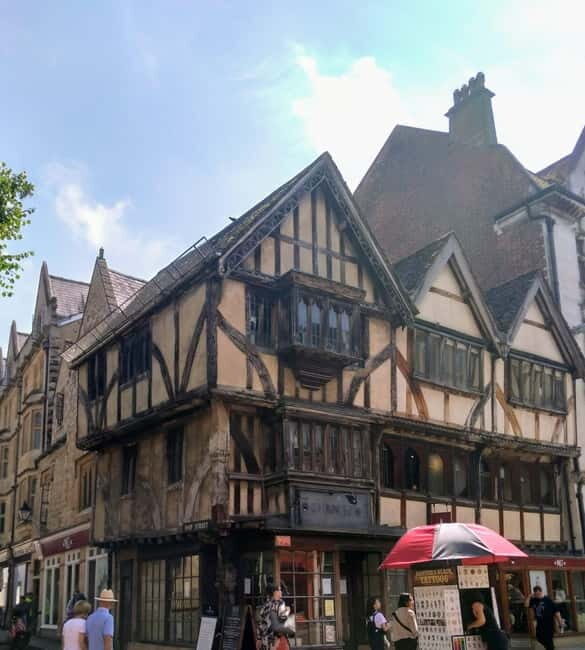
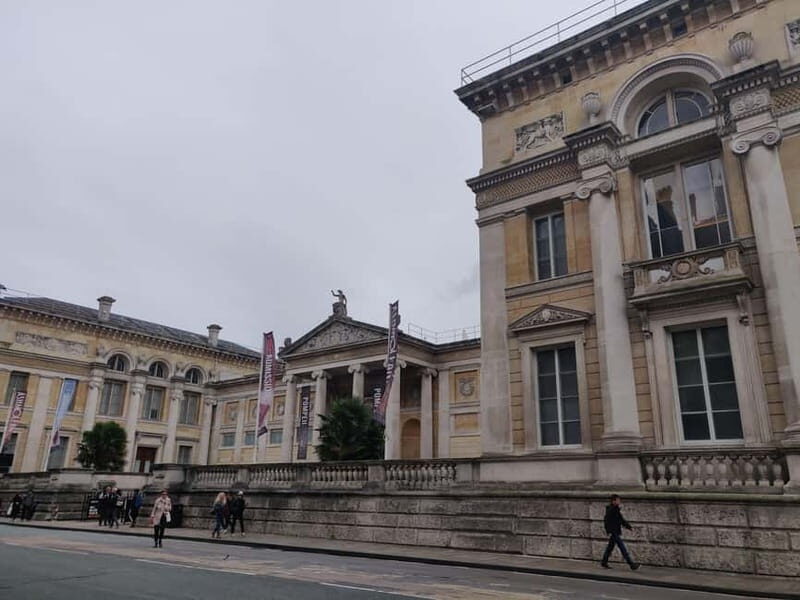
Meet outside the main entrance of the Randolph Hotel in Beaumont Street, right in front of the Ashmolean Museum. That’s a smart launch point because you’re already near major sights, and you can orient quickly before your feet start doing the work.
In a short 2-hour window, orientation matters. This tour is designed so you don’t waste time figuring out which way the city “wants” you to walk. You’ll move through Oxford’s core, where old buildings compress into a small area and the stories overlap—university life, monarchy-era Oxford, and everyday city trade.
You can also read our reviews of more tours and experiences in Oxford.



Oxford Castle: where the city’s power shows up in stone
You’ll start by heading to Oxford Castle. Even if you don’t go inside, the exterior is worth it because it’s one of the clearest markers of Oxford’s long history of control and change—how the city grew, defended itself, and reinvented what it meant to be Oxford.
What I like about starting with a place like this is the mental shift it creates. Instead of beginning with the most famous university image, you begin with the city’s “system” and its authority. Then everything else you see—towers, squares, libraries—feels less like random architecture and more like a chain.
Carfax Tower and the city’s nerve center
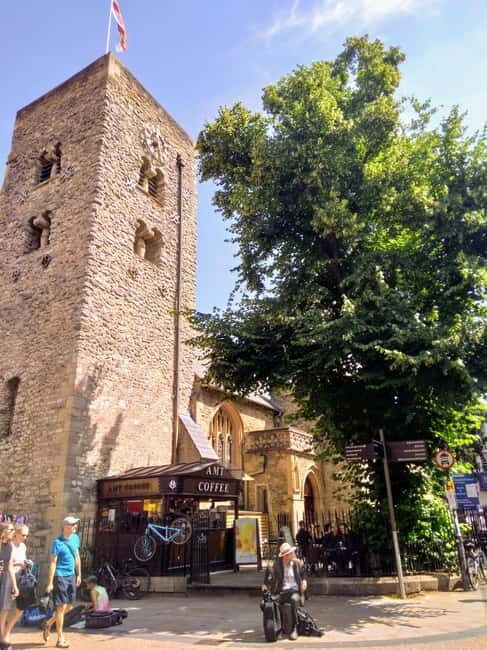
Next comes Carfax Tower. This is one of those Oxford points that helps you understand the city’s layout. When you stand there, you can start to picture how Oxford’s streets funnel movement and attention toward the center.
It’s also a good stop for the guide’s larger theme: how Oxford became Oxford. You’re learning the origins of the most famous university while standing near the kind of landmark that anchored public life. In other words, this isn’t just “look at the tower.” It’s “see why the tower mattered.”
Oxford’s Saxon layer: Saxon tower and Saxon walls
A standout part of this tour is the time spent on the Saxon tower and the Saxon walls. These stops do something useful: they stretch your idea of Oxford back before the university brand was the main headline.
I like this section because it helps you spot how the city kept its older bones while adding new ambitions on top. You’re not just seeing medieval Oxford; you’re also seeing the continuity that makes walking there feel different from many other historic cities.
And yes, you’ll see it in motion. You’re walking, not sitting. That matters, because architecture reads differently when you’re moving along it, turning corners, and watching how walls and tower lines shape what you can see next.
The covered market stop that makes Oxford feel real
You’ll pass and visit Oxford Covered Market. This is where the tour stops being only academic and becomes more human. It’s a market, so it brings you into the everyday rhythm of Oxford: shopping, food smells, quick conversations, and the sense that the city is still alive, not frozen in a brochure.
This stop also gives you contrast. The university buildings are grand and formal. The market is practical. When you switch between those moods in a short walk, your mental picture of Oxford gets sharper.
Practical tip: since food and beverages aren’t included, plan to snack later if you want. But even if you don’t buy anything, the market is a great moment to slow down and absorb the texture.





Radcliffe Square: Oxford’s classic postcard with a purpose
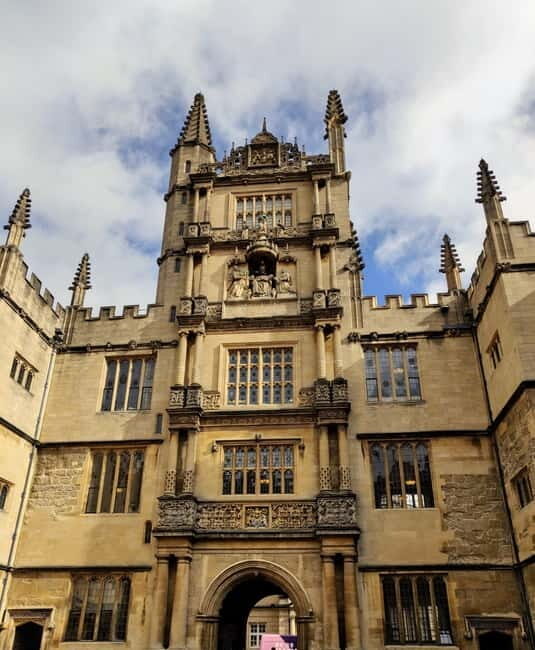
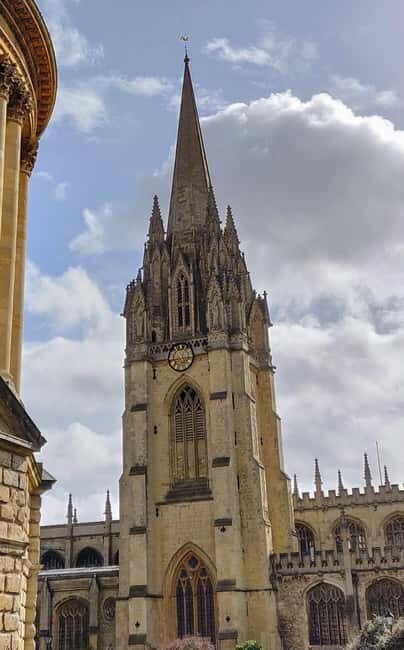
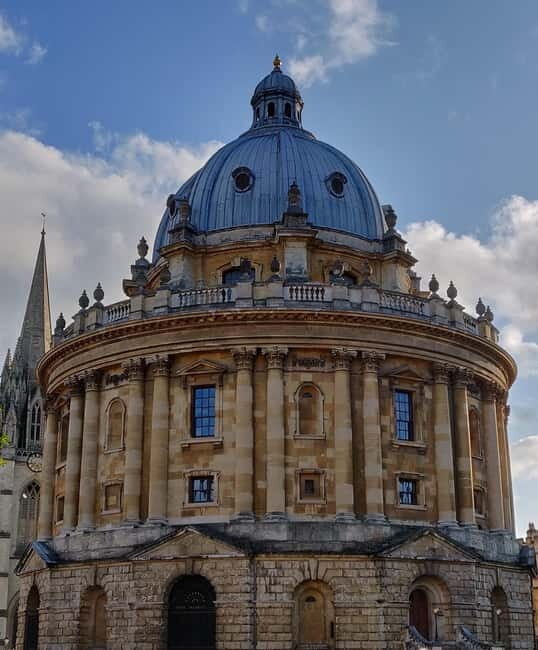
Then you reach Radcliffe Square. This is a key Oxford square because it visually reinforces how the city planned space around learning and ceremony. It’s the kind of place where you can feel how “universities” grew into public symbols.
At this stage, your guide’s storytelling becomes especially useful. You’ll connect famous buildings and institutions with real people and the forces behind their rise. The square isn’t just a view—it’s a stage.
You’ll also see the route tie into the next landmarks, including views toward the University Library. Even from outside, those buildings carry weight. The guide helps you read what you’re looking at, so you’re not just collecting photos.
Admiring the Bodleian area and the university face you can actually access
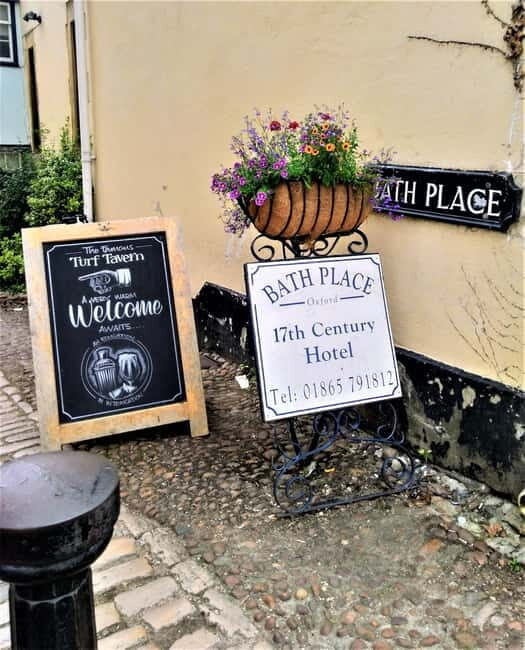
You’ll have a stop for the Bodleian Library. With this kind of walking tour, you shouldn’t expect a long museum-style visit, and you’re also told that some major sights are admired from the outside. Still, standing where a library like this dominates the scene changes how you understand Oxford.
The Bodleian name itself signals the university’s scale and seriousness. The guide’s job here is to translate the symbolism. Why was it built? What did it represent for Oxford as an institution? You’ll get those connections, in a way that feels grounded instead of abstract.
If you’re a photo person, this stop will reward you. But even if you’re not, it’s one of those “look up and then look again” moments.
Sheldonian Theatre and Clarendon building: grand design, less fuss
You’ll also see the Sheldonian Theatre and the Clarendon building, with a focus on exterior viewing. These stops are valuable because they show Oxford’s “performance culture”—the way the university built spaces meant to host public life, not only lectures.
There’s a practical advantage to the approach here. Since this tour is only two hours, you get to experience multiple anchor points without getting stuck waiting in lines or spending too much time away from the walking rhythm.
You may not go inside, but you’ll still learn what makes these buildings meaningful in the Oxford story you’re building. If you later decide you want interior access, you’ll know what to aim for.
Bridge of Sighs: the short stop that still hits

Next is the famous Bridge of Sighs, Oxford. It’s quick in a route like this, but it carries a lot of meaning because it’s recognizable and tied to the way Oxford treats tradition and drama.
This is where I think the guide’s style matters most. A “photo stop” can be empty, but a story stop turns it into understanding. You’ll get context about why landmarks like this became part of Oxford’s world-famous image.
Also, a small humor note: even when a place is famous, you don’t always need to worship it. You just need to understand it. That’s the tone this tour tends to keep.
Turf Tavern and Broad Street: where Oxford culture shows up daily
You’ll pass the Turf Tavern, then continue along Broad Street. This section is important because it shifts you from university architecture into city culture. Oxford isn’t only libraries and theatres. It’s also pubs, street life, and long-running local habits.
I like this part of the walk because it gives you a “you are in Oxford right now” feeling. You’re not just imagining old scholars; you’re seeing the spaces where community and conversation keep going.
If you like history but also want reality, this is your payoff area. You’ll walk away with a more balanced sense of Oxford—formal and informal in the same loop.
What you really learn: famous personalities made understandable
The highlights mention understanding the realities behind world-renowned personalities, and that’s what makes this tour more than a scenic circuit. Instead of listing names, the guide connects people to places and moments—so you understand why Oxford became influential and why certain stories spread beyond England.
And because the tour is Italian, you also get a different rhythm. Language shapes attention. You’ll likely notice different details—how the guide frames roles, the way questions and answers land, and how the city’s character comes through in narration.
In short: you’re not only seeing Oxford. You’re getting the human reasons behind the buildings.
Price and value for a 2-hour private walk up to 5
The price is $202 per group for up to 5 people for a 2-hour tour. On the surface, that sounds like a “private tour cost,” but it’s actually a practical value if you’re traveling with a partner or a small family and you want real guidance instead of wandering and guessing.
Here’s the math you should think about: you’re paying for a local, live guide to keep the route tight and meaningful. With a short time window, that’s what you’re buying—time saved, confusion avoided, and context delivered while you walk.
Two more value points:
- The route is compact, so you get a lot of major Oxford names without a long travel transfer between areas.
- The guide’s tone is designed for questions, which matters a lot when you’re curious about how Oxford works as a city, not just a university brand.
Who this tour suits best (and who might want something else)
This tour is a great fit if you want:
- a short Oxford experience that still feels story-driven
- Italian narration (and a guide who can keep it engaging)
- a small-group pace where you can ask questions without feeling rushed
It may not be the best choice if you’re hoping for a long, ticket-based museum itinerary. Since entry tickets aren’t included, and some sights are viewed from outside, you’ll get more “street understanding” than “inside deep visits.”
Should you book it?
If your goal is to understand Oxford quickly—university origins, key landmarks, and the city’s personality—this is a strong booking. The biggest reason is the combination of tight timing (2 hours), small private group energy, and Renata Lanzoni’s storytelling style that blends facts with humor and keeps the walk moving.
Book it if you like tours that help you read the city as you walk. Skip it if you only want major interior ticket stops. Otherwise, you’ll finish this loop with Oxford feeling less like a checklist and more like a place with reasons behind the famous faces.
FAQ
What language is the live tour guide?
The live tour guide speaks Italian.
How long is the experience?
The tour lasts 2 hours.
Where do we meet?
You meet outside the main entry of the Randolph Hotel, in Beaumont Street, in front of the Ashmolean Museum.
Is this a private group?
Yes. It’s a private group for up to 5 people.
What’s included in the price?
The price includes a tourist guide. Food and beverages are not included, and entry tickets are not included. Tips aren’t included either.
What is the cancellation policy?
You can cancel up to 24 hours in advance for a full refund.