REVIEW · LONDON
Secret Old London Walking Tour
Book on GetYourGuide →Operated by Fun London Tours · Bookable on GetYourGuide
London’s history is close enough to touch. Medieval churchyards, plague-level grimness, and Roman leftovers all sit just off the Tube, and a good guide stitches the whole story together as you walk. I love the atmosphere of St Bartholomew the Great’s setting and the way you’re taken to streets that still feel stubbornly old. You also get the fun-and-serious payoff of dark moments placed exactly where they happened, not just explained at a distance.
What I especially like is the focus on specific places you’d miss on your own: the quiet feel of Charterhouse Square contrasted with the Black Death, Smithfield as a principal execution zone, and the shell of a church destroyed in the Blitz. I also like that guides such as Rosie and Pepe are praised for making the City of London snap into place in your mind.
The one drawback to plan for is the subject matter. This walk leans into guts-and-gore themes like plague and executions, so it’s not for everyone’s comfort level. Also, because it’s only 1.5 hours, you may want a bit more time if you’re the type who likes stopping for photos and reading stone-by-stone.
In This Review
- Key Things You’ll Notice on This Walk
- A Medieval Plague to Roman Layers Walk in 1.5 Hours
- Barbican to Charterhouse Square: Calm Surfaces, Black Death Roots
- Smithfield’s Jousts and Executions: London’s Principal Public Stage
- St Bartholomew the Great: A Medieval Church You Can Spot From Movies and Sherlock
- The Blitz Church Shell and a Memorial Park Moment
- Roman Ampitheatre Perimeter: Finding the Old City Beneath New Streets
- What the Best Guides Do on This Tour (And Why It Matters)
- Price and Value: Is $26 for 1.5 Hours a Good Deal?
- Who Should Book This Walk (And Who Might Skip It)
- Should You Book Secret Old London?
- FAQ
- How long is the Secret Old London Walking Tour?
- Where do I meet the guide?
- How much does it cost?
- What’s included in the price?
- Is the tour wheelchair accessible?
- What should I bring?
- Are pets, video recording, or large bags allowed?
Key Things You’ll Notice on This Walk
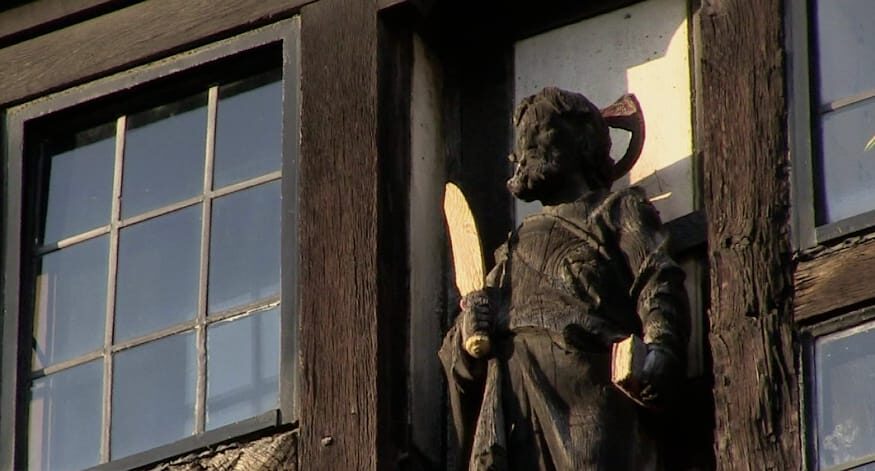
- Old London streets with real survival value: you’ll pass areas that still carry medieval/Tudor scars
- Barbican to Charterhouse Square: a calm square with a Black Death past
- Smithfield’s serious history: medieval jousts and public executions in one area
- St Bartholomew the Great: a major medieval church used as a film and TV location
- Blitz church shell + a memorial park stop: visible evidence of the 20th century in a very public way
- Roman amphitheatre perimeter: you’ll learn what to look for in the layers underfoot
A Medieval Plague to Roman Layers Walk in 1.5 Hours
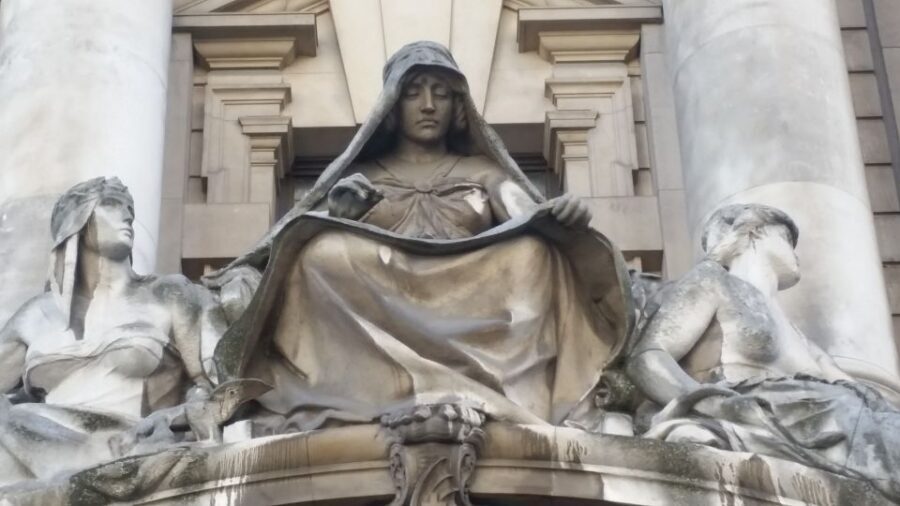
If you think you know London, this tour is the kind that makes you rethink what you’ve been walking past. It’s a focused 1.5-hour loop through the City of London and nearby spaces where the past doesn’t sit behind ropes. It’s right there: churchyards, squares, memorials, and street corners that have carried centuries of use.
You’ll start outside the Barbican Underground Station and move toward Charterhouse Square. From the first steps, the tour’s charm is the contrast. You’re in a modern pocket of London, but you keep getting pointed toward places where people once feared disease, watched punishments, and rebuilt after destruction. That contrast is the point. It turns history from something you read into something you look at.
I also like that this walk is led by live English-speaking guides. In reviews, names like Jess, Jeremy, Rosie, and Pepe come up with the same theme: they bring the details to life with clear, story-driven commentary. In other words, you’re not just following a route; you’re getting the why behind the stonework and street layout.
You can also read our reviews of more walking tours in London



Barbican to Charterhouse Square: Calm Surfaces, Black Death Roots
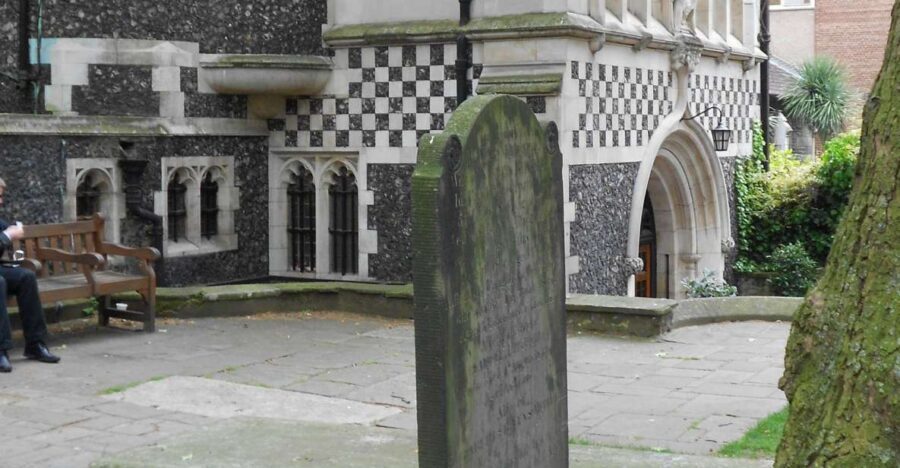
You’ll begin at street level outside the Barbican Underground Station and start heading toward Charterhouse Square, an open space that feels peaceful now. The tour’s first real lesson is how misleading that calm can be.
Charterhouse Square was a major dumping ground during the Black Death. The contrast is powerful: a place that reads like a breather today becomes a place of dread when you hear what happened here centuries ago. I like tours that do this, because it helps you understand how cities function. London wasn’t only grand palaces and famous monuments. It was also logistics, sickness, and burial—often with horrifying speed.
What you’ll do on the ground: you’ll stop and take in the square’s layout, then connect it to the story. Even if you don’t remember every date, you’ll walk away with a stronger sense for how urban spaces were reused and repurposed over time.
Practical note: since this is a walking tour through open spaces and streets, you’ll want comfortable shoes and layers. The route isn’t described as having lots of indoor shelter, so think ahead for weather.
Smithfield’s Jousts and Executions: London’s Principal Public Stage
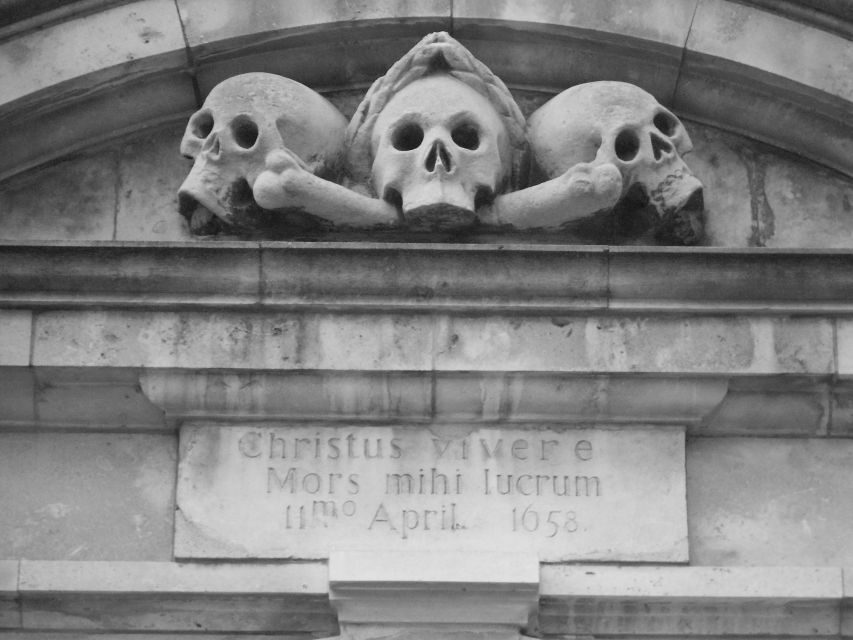
From Charterhouse Square, the tour shifts into Smithfield territory. This is where the tour’s darker side becomes part of the day. Smithfield is described as a place for medieval jousts and also for grisly executions, including stories tied to famous names like William Wallace (often associated with Braveheart).
This area helps you picture old London as a performance space as much as a living space. Public punishment wasn’t hidden. It was watched. The tour even pushes you to imagine the terror of being there in real time, which can be uncomfortable, but it’s also exactly what makes the history feel real rather than abstract.
I find Smithfield one of the most important stops on the walk because it connects three threads:
- medieval civic life (events like jousts),
- brutal public justice, and
- the idea that public spaces served many purposes at once.
If your comfort line is low, this is the part where you’ll feel the tone most. If your comfort line is fine, it’s also where the tour tends to “click,” because the surroundings match the stories.
St Bartholomew the Great: A Medieval Church You Can Spot From Movies and Sherlock
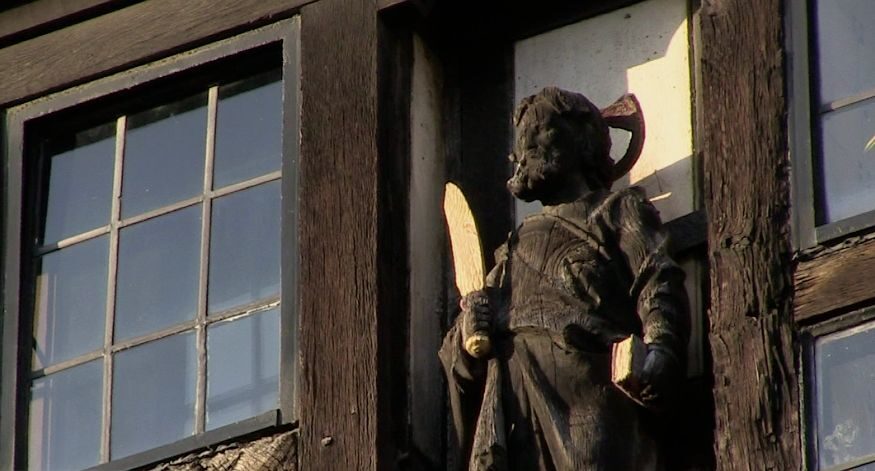
Between Charterhouse Square and Smithfield sits St Bartholomew the Great, one of the standout medieval churches on this route. It’s the kind of church you notice even when you’re not trying, because the setting has that older-world gravity.
This church also has pop-culture visibility, since it’s been used in movies like Four Weddings and a Funeral and in projects such as Sherlock Holmes. That matters more than you might think. Even if you’ve never visited, you can often recognize the vibe of a place that’s been filmed. It’s a shortcut for your brain.
What I like about this stop is how it anchors the walk. After plague grounds and execution stories, the church is a reminder that people still built, worshipped, and kept community life going. And because this is a medieval church, details like its age and architecture help you grasp how long some traditions lasted.
A heads-up: since the tour is only 1.5 hours total, you won’t have time to wander deep inside at length (nothing in the provided info guarantees extra time for long interior stops). You’ll likely be there for viewing and interpretation, so bring a mindset of “quick stops, big context.”
The Blitz Church Shell and a Memorial Park Moment
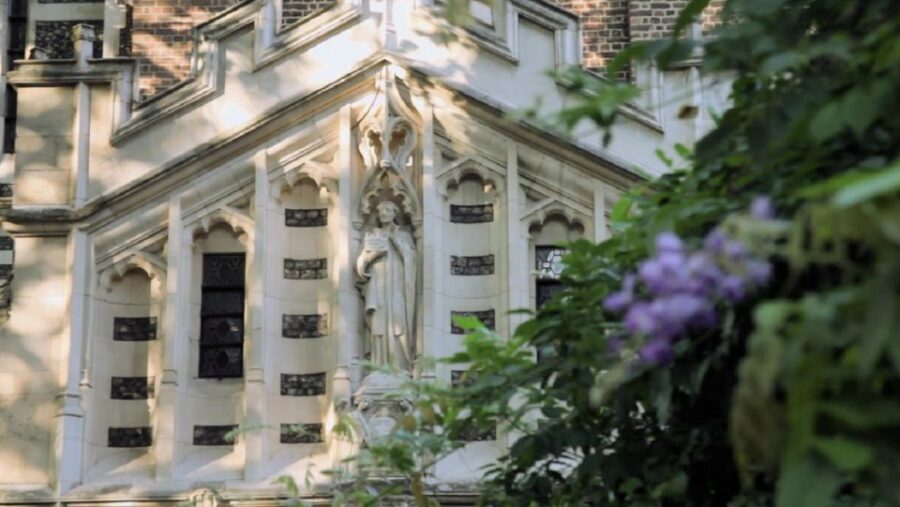
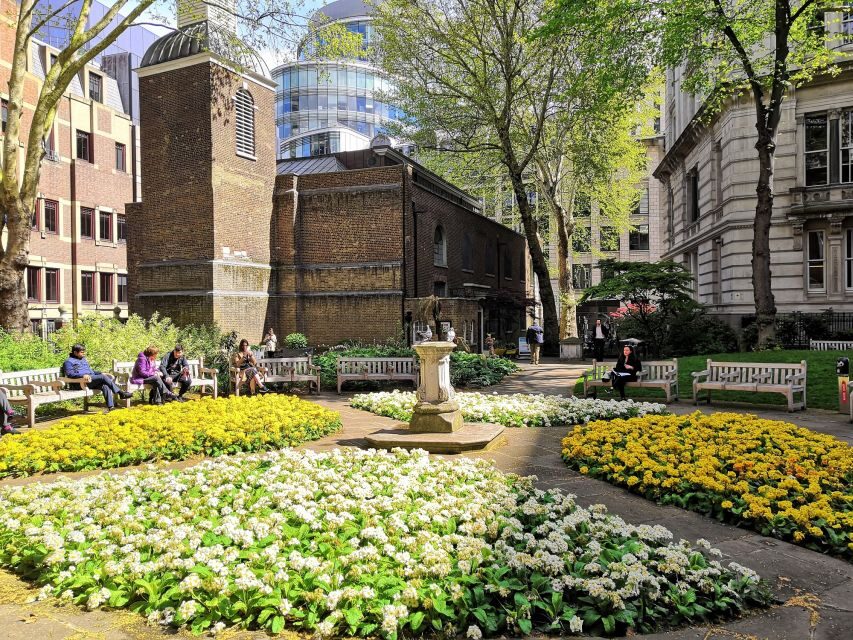
One of the most striking elements on the route is the shell of a church destroyed in the Blitz. This is history in layers: not just medieval London, but 20th-century destruction and the physical reminder that London kept absorbing shocks.
Even if you’re not a history nerd, this kind of stop lands emotionally because the damage is visible. The tour uses it to show how the city’s story isn’t only about the far past. It’s also about recovery and how communities leave traces where they used to stand.
Then you’ll move into a park area that includes a touching memorial tied to heroic self-sacrifice. The specific focus of the memorial isn’t spelled out in the details you provided, but the intent is clear: it’s a moment that shifts the tone from spectacle and fear toward remembrance.
I like that kind of pacing. A tour that only goes dark can flatten the day. Adding memorial space helps you leave the walk with perspective rather than only adrenaline.




Roman Ampitheatre Perimeter: Finding the Old City Beneath New Streets
As you continue, you’ll also get pointed toward the perimeter of a Roman amphitheatre—a location that sounds almost invisible when you’re standing there without guidance. This is one of the reasons guided walking tours can feel better value than big-name attractions. You learn what to look for.
The idea here is simple: London is layered. Roman-era buildings and civic spaces didn’t vanish politely. They were built over, adapted, or left partial traces. When your guide shows you where the perimeter is, the modern streets stop feeling random. They start feeling like a map laid down over older maps.
For me, this is the “street-level archaeology” part of the walk. It also gives you something you can carry forward. After the tour, you’ll likely start spotting other traces in the City of London: not full ruins everywhere, but the shape of old decisions surviving in layout.
What the Best Guides Do on This Tour (And Why It Matters)
The biggest repeating praise across the guides is less about fancy storytelling and more about delivery: guides make the past feel close. People highlight that the commentary is lively, the pace is well managed, and the guide connects history to more than one angle—architecture, politics, even word history.
If you care about value, this is where it shows. The tour includes just the guide, no extras listed like entry fees or transport. That means the guide’s quality is the product. And based on the strong ratings, the guides here tend to:
- keep the walk moving at a good speed,
- make multiple time periods feel connected rather than like separate trivia,
- and tailor the vibe so it feels fun without losing seriousness.
One small consideration: with only 1.5 hours, you may not get long time for standing still to absorb everything visually. If you’re the type who likes stopping repeatedly for photos and reading signage, it may feel slightly fast in parts. Still, the tight timing is also why this walk works as a “do it now” experience rather than a half-day project.
Price and Value: Is $26 for 1.5 Hours a Good Deal?
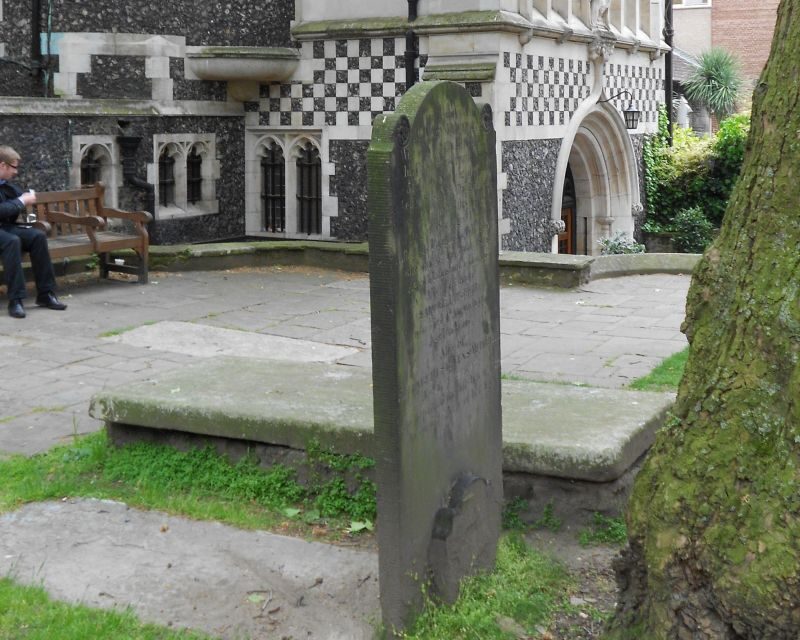
At $26 per person for a 1.5-hour walking tour, you’re paying for a guide and a route built around specific stops: medieval churchyard atmosphere, plague-ground context, public execution sites, a Blitz shell, memorial space, and a Roman amphitheatre perimeter.
Here’s how I judge the value: you’re not only paying for facts. You’re paying for position. A Roman perimeter or a Blitz church shell is much more meaningful when someone tells you what to look at and why it matters. You’re also spared the time it would take to research these precise spots and turn them into a coherent story.
Two practical value notes:
- Refreshments are not included, so bring water if you want it.
- This is outdoors and on foot, so comfortable shoes matter. If your feet hurt, you’ll feel like you paid for pain rather than history.
Overall, for short-time visitors and also for locals who want a new perspective, this kind of pricing usually makes sense—especially if you like narrative tours with real atmosphere.
Who Should Book This Walk (And Who Might Skip It)
This tour fits you best if you want:
- a focused hit of medieval and Tudor London,
- history placed at street level, not in museums,
- and a guide who talks in a way that makes places feel alive.
It’s also listed as suitable for all persons over 12, which helps you gauge your audience.
You might skip it if you want only light, family-friendly sightseeing. The tour theme includes plague and executions and asks you to imagine the fear at a major execution site. If that’s not your mood, choose something gentler.
One more match check: it’s English only, so if you prefer another language, you’ll need to look elsewhere. Also, rules are clear: no pets (guide dogs allowed), no luggage or large bags, and no video recording.
Should You Book Secret Old London?
I’d book it if you want an efficient way to see the City of London’s darker layers and you like guides who turn real places into real stories. The route is packed with high-impact stops for such a short time: Charterhouse Square’s Black Death context, Smithfield’s grim public history, St Bartholomew the Great with its medieval presence and film connections, a Blitz church shell, and the Roman amphitheatre perimeter that helps you read the modern street grid differently.
I’d hesitate if your ideal London day is mostly cheerful and low-emotion, or if you know you get uncomfortable with plague and execution themes. In that case, pick a calmer historical walk.
FAQ
How long is the Secret Old London Walking Tour?
The tour lasts 1.5 hours.
Where do I meet the guide?
You meet outside Barbican Underground Station.
How much does it cost?
It costs $26 per person.
What’s included in the price?
The tour includes a live tour guide.
Is the tour wheelchair accessible?
Yes, it is listed as wheelchair accessible.
What should I bring?
Bring comfortable shoes.
Are pets, video recording, or large bags allowed?
Pets are not allowed (except guide dogs). Video recording is not allowed, and luggage or large bags are not allowed.
If you want, tell me your travel month and whether you’re okay with darker history, and I’ll suggest the best time of day and what to pair it with nearby so your day feels smooth.