REVIEW · ST ANDREWS
St Andrews: Golf Origins and Old Course History Tour
Book on GetYourGuide →Operated by St Andrews Tours · Bookable on GetYourGuide
Golf history you can actually walk. This Old Course history tour tracks how golf evolved in St Andrews, with standout stops like the Swilkan Bridge photo shoot and a look at rare golfing images (including details about the bridge itself). One key consideration: the guide speaks fast English, and this tour is not for people who need slow talking or translation.
I really like the pace for a short visit: 75 minutes that moves you through the most famous angles of the Old Course, from big Links views to the finishing photo moment. You meet outside Hotel du Vin St Andrews, and the tour runs promptly, so arriving a few minutes early matters.
In This Review
- Why This St Andrews Old Course History Tour Feels Different
- Getting Oriented at Hotel du Vin and the Links Start
- Links Views, the 18th Green, and What the Ground Teaches
- The 1st Tee, Royal and Ancient Clubhouse Backdrop, and Course Rules
- Walking Past the 1st and 18th Fairways: Strategy You Can See
- Road Hole Memories and Why Stories Matter Here
- Swilkan Bridge Photo Shoot: The Icon, the History, and the Timing Rule
- Finishing at Jigger Inn: A Pint View You Can Claim
- What I’d Pay Attention To Before You Book
- Who This Tour Is Best For
- Should You Book This St Andrews Golf Origins Tour?
- FAQ
- Where does the tour start?
- How long is the St Andrews Golf Origins and Old Course History tour?
- Is the tour suitable for young children?
- Is the Swilkan Bridge photo stop available on tournament days?
- Do I need to speak English?
- What should I wear or bring?
- Is luggage drop-off provided?
- Is alcohol allowed during the tour?
Why This St Andrews Old Course History Tour Feels Different
Most golf tours in St Andrews tell you what to see. This one explains how the game became what it is, using the Old Course as your timeline.
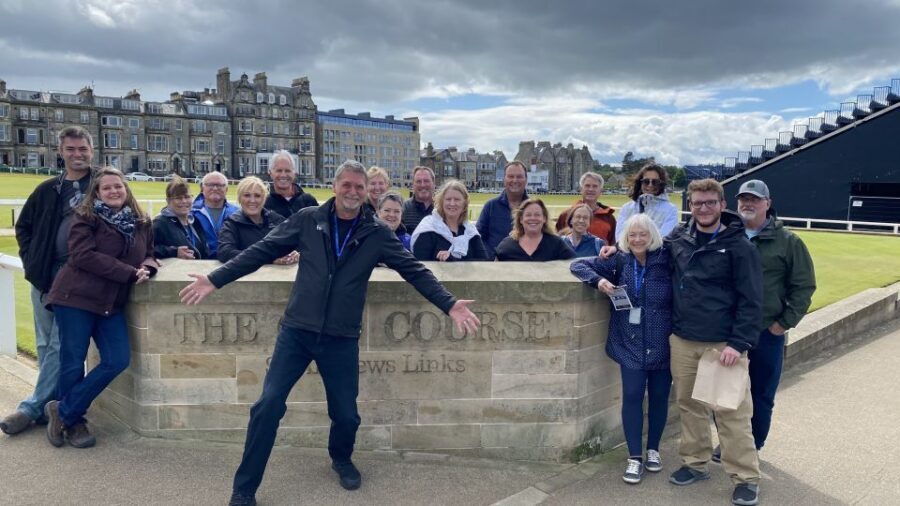
What makes it work is the blend of place + story. You’re not just looking at iconic spots like the 18th green or the 1st tee. You’re learning why those spots matter to how golf developed—both on the ground and in the culture around the sport. It’s also built for photos, without turning the tour into a selfie sprint.
And yes, you get the Swilkan Bridge moment—just not on tournament days—plus a strong focus on the evolution of the course and the Open, not just the big-name champions.
Getting Oriented at Hotel du Vin and the Links Start
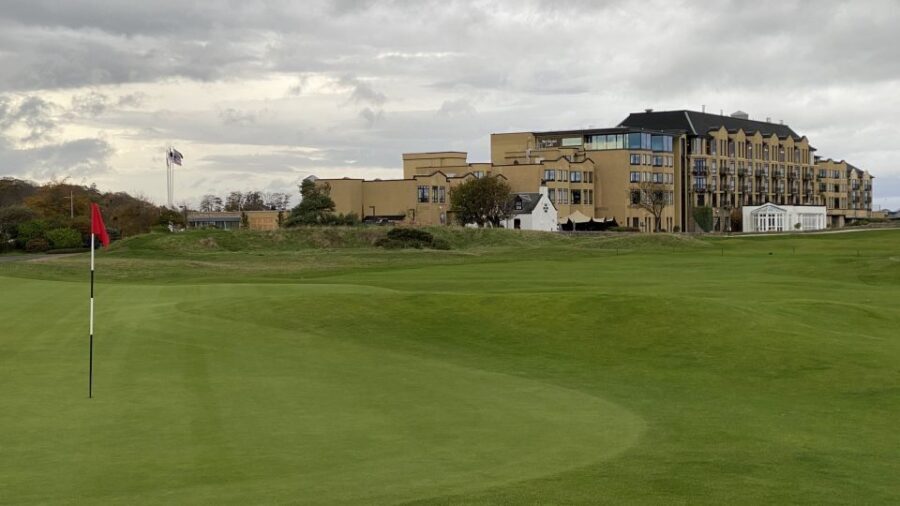
The tour starts outside Hotel du Vin St Andrews on The Scores. This matters more than you might think. That area is close enough to the Old Course that you can connect “town” with “golf” fast, and you’re not spending the first part of the tour on transit.
From the beginning, you’ll be oriented to how St Andrews sits on the Links land. The guide takes you through panoramic views of the Links with its six golf courses (and notes that four are on Links land). Even if you’re not a serious golfer, that wide-open setting helps you understand why St Andrews golf has always felt different: wind, bounce, ground texture, and long sightlines all shape strategy.
Practical tip: wear comfortable shoes and be ready to walk on uneven ground. This is not a “slow stroll with stops for snacks” kind of tour.
You can also read our reviews of more historical tours in St Andrews

Links Views, the 18th Green, and What the Ground Teaches
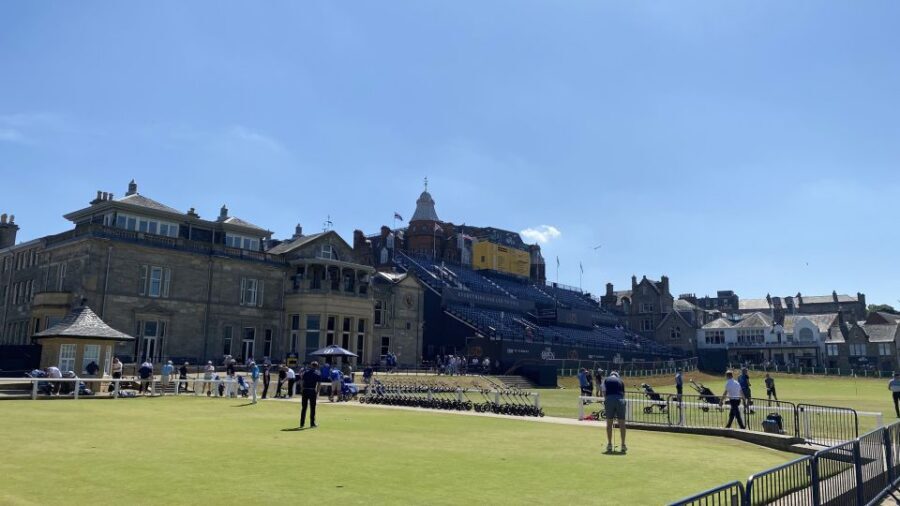
One of the best parts is how the tour frames the Old Course’s layout before it plunges into detail. You get a feel for the course as a living system rather than a set of famous landmarks.
You’ll see the 18th green, and you’ll understand why it’s such a symbol. The key idea is that the Old Course didn’t become “the Old Course” by accident. Its character comes from the way the terrain behaves and how the course evolved alongside the sport.
A point I liked from the tour experience: the guide brings up how undulating the 18th fairway is, and why the 1st fairway is notably flat. Those two contrasts help you “read” the course quickly—like learning a local dialect, not just memorizing hole names.
The 1st Tee, Royal and Ancient Clubhouse Backdrop, and Course Rules
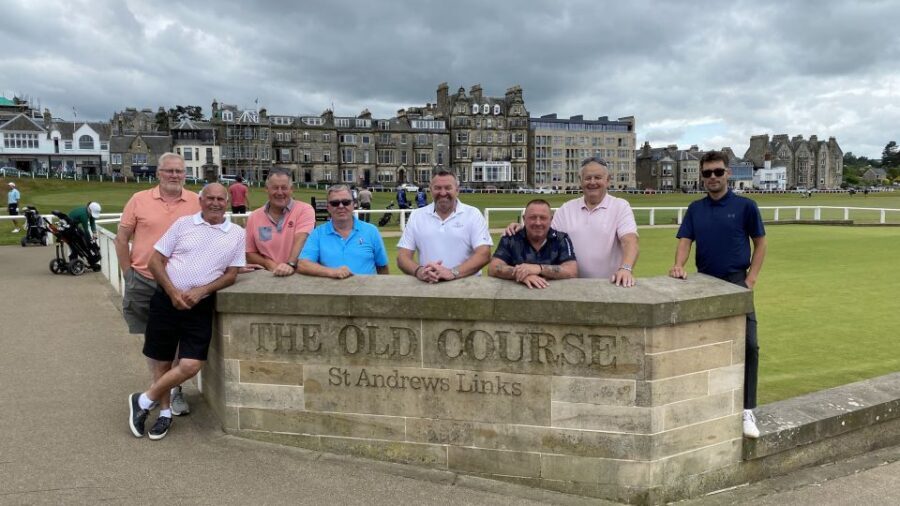
Next you move toward the heart of the Old Course drama: the 1st tee, with the Royal and Ancient Clubhouse in the background. This is where the story stops being abstract. The guide ties the club’s role to the evolution of the game, and you’ll hear how St Andrews became the gravitational center for golf development.
If you’ve only seen the Old Course from a distance, this part makes it real. You’re standing where golfers start their rounds, and the guide uses that position to explain how course design, tradition, and competition formed together.
Photo note: this is a great area for pictures that show the course context, not just close-ups of grass.
Walking Past the 1st and 18th Fairways: Strategy You Can See
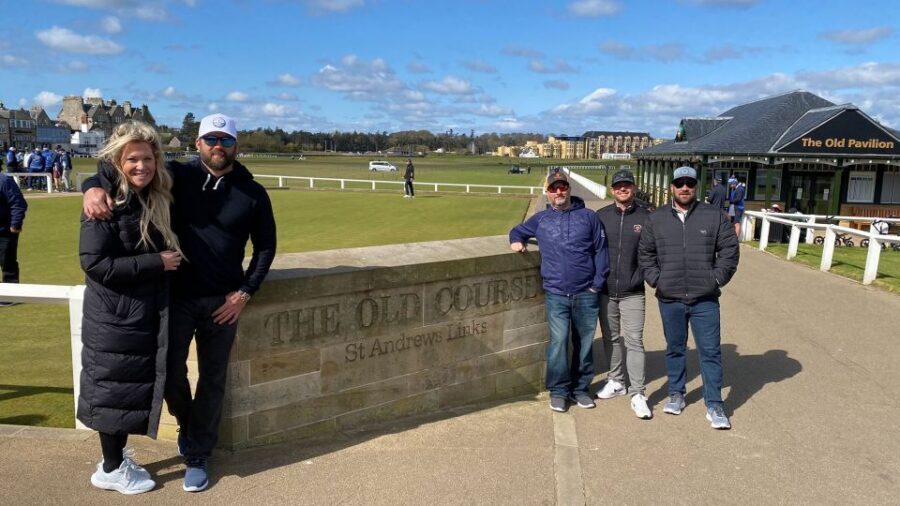
A big selling point is that you don’t just stand beside the Old Course—you actually walk parts of the 1st and 18th fairways, including a crossing as part of the experience. That’s more than a sightseeing perk. It gives you a tactile sense of slope and ground texture that you just can’t get from photos.
Important reality check: live play can be happening, so you need to watch out for golf balls during play. You’re walking at your own risk, so keep your head up and your eyes open.
Who this suits best: if you enjoy learning through motion—walking a route, spotting details, and mentally “replaying” what you learned—you’ll get a lot from this segment.
Road Hole Memories and Why Stories Matter Here
The tour doesn’t treat the Road Hole like a name on a scorecard. It’s used as a narrative anchor—how St Andrews tension, risk, and reward became part of golf’s identity.
You’ll get Road Hole memories and stories tied to how people experienced the course historically. I like this because it turns the Road Hole from a trivia item into something you can feel. Even if you’ve never played the Old Course, you can understand why it’s famous once you’re walking through the surrounding perspective.
This is also where the guide’s humor and storytelling style often kick in. Several visitors specifically mention that their guide, often Richard, kept the tone light while still packing in history.


Swilkan Bridge Photo Shoot: The Icon, the History, and the Timing Rule
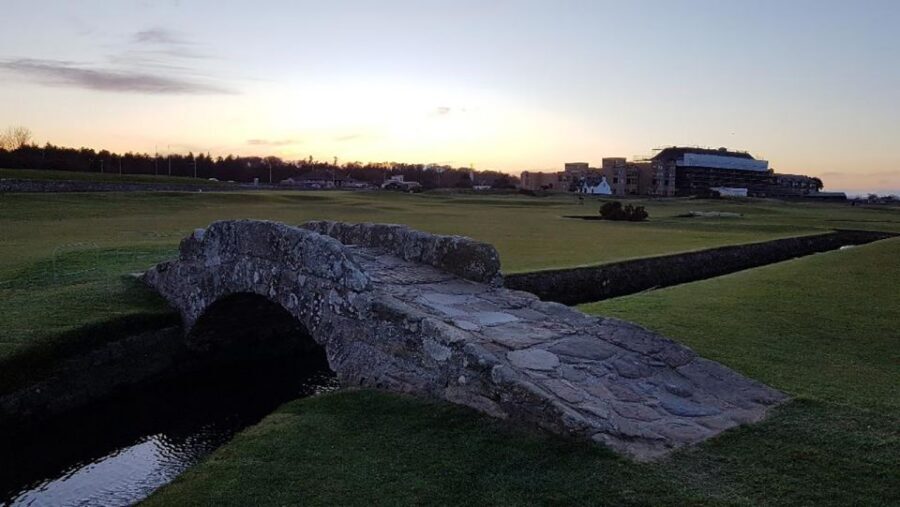
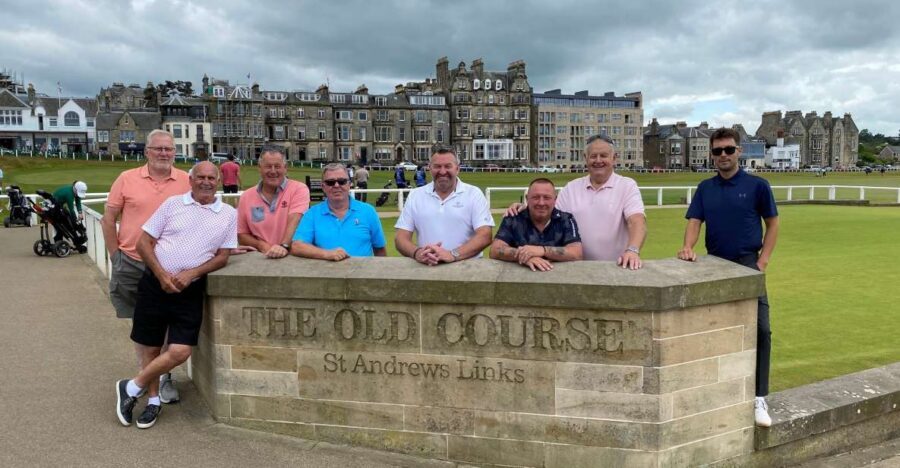
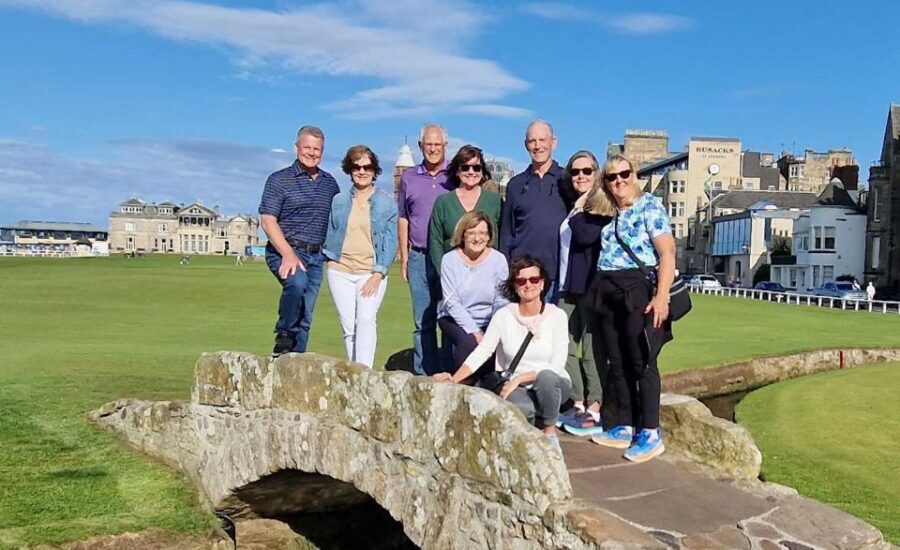
The tour’s photo highlight is the Swilkan Bridge stop. On most days, you can do a proper photo shoot here, but there’s one timing rule: the photo moment is excluded on tournament days.
What makes this stop especially fun is the way it’s used in the story. You’ll see rare golfing images and learn about details that connect the bridge to golf’s evolution. One of the most memorable pieces of information from the tour experience is that you’ll get context on the bridge’s original height—the kind of fact that makes you see the landmark differently.
The guide also takes time to photograph people at the iconic spots. Many visitors mention getting pictures that they keep as souvenirs, not just quick snapshots.
If you care about photos, bring a good camera posture: wait for the guide’s timing, stand where they instruct, and don’t rush. The bridge is famous, but the tour makes sure you also capture the story of it, not just the view.
Finishing at Jigger Inn: A Pint View You Can Claim
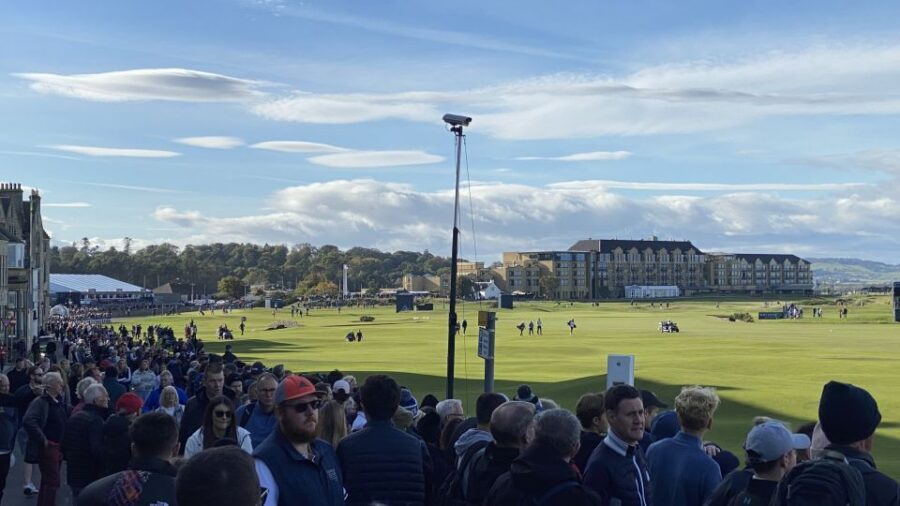
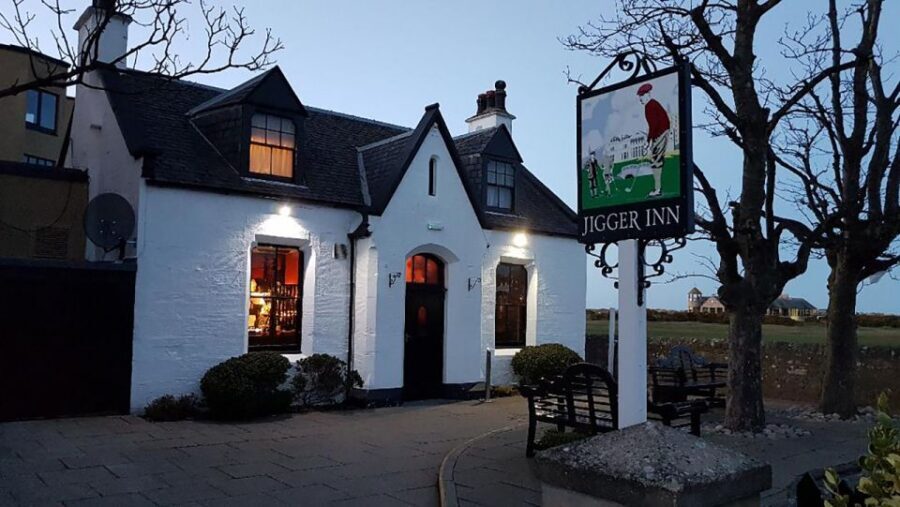
You finish at the Jigger Inn. This is a classic St Andrews pairing: course history plus the everyday social culture around it.
One important note: refreshments at Jigger Inn aren’t included. Also, no alcohol should be consumed on the tour. But finishing here is still valuable. You’ll know where you are on the map and what you just learned, so ordering afterward feels like part of the same experience rather than a random stop.
If you’re the type who likes to keep the story going over lunch, this finish sets you up well. It’s also a good spot to take one last look back toward the course after you’ve walked it.
What I’d Pay Attention To Before You Book
At about $20 per person and 75 minutes, this tour is strong value because you get three things that many paid tours don’t deliver together:
- A professional local guide who tells the story in a way that clicks quickly.
- Iconic access by foot, including walking segments of the Old Course fairways.
- Photo moments at places like Swilkan Bridge, with time set aside for pictures.
The main drawback isn’t the walking or the price. It’s the communication requirement. You need a fluent command of English. Speaking slowly or translating doesn’t work here. If you rely on assistance to follow conversation, you might struggle to get the full value.
Also, this isn’t set up for everyone physically. The tour isn’t suitable for people with walking difficulties, and that includes those using walking aids (like crutches or frames), plus wheelchair users. Hearing-impaired people may find it tough, since the tour is built around spoken narration.
Who This Tour Is Best For
You’ll likely love this if you:
- Are a golf fan who wants the Old Course to mean more than famous names.
- Like learning through specific places and short, structured walking routes.
- Want a photo-forward experience with real context at Swilkan Bridge and other landmarks.
You might want a different option if you:
- Need an accessible route or slower pace for mobility reasons.
- Prefer tours that are more visual and less dependent on fast spoken English.
If you’re going with someone who isn’t into golf, this can still work, because the guide connects course evolution to St Andrews as a real town with real traditions. It’s easier to care once you see the human stories behind the grass.
Should You Book This St Andrews Golf Origins Tour?
Book it if you want a short, high-impact St Andrews experience that ties the Old Course to the origins and evolution of the game. The Swilkan Bridge photo stop, the rare historical imagery, and the way the guide connects layout to golf history make it worth your time.
Skip it (or choose carefully) if English narration is a barrier for you, or if walking on uneven ground and around live-play conditions is a problem. For the right fit, this is one of the best ways to spend an hour-plus in St Andrews—because you leave with a mental map, not just a collection of photos.
FAQ
Where does the tour start?
All tours meet outside Hotel du Vin St Andrews, at 40 The Scores, St Andrews KY16 9AS, UK.
How long is the St Andrews Golf Origins and Old Course History tour?
The tour duration is 75 minutes.
Is the tour suitable for young children?
Children under 5 years are not suitable. Children under 16 must be accompanied by an adult.
Is the Swilkan Bridge photo stop available on tournament days?
No. The Swilkan Bridge photo shoot is excluded on tournament days.
Do I need to speak English?
Yes. A fluent command of English is essential. Speaking slowly or translating does not work on this tour.
What should I wear or bring?
Wear comfortable shoes. You’ll be walking around the Old Course area.
Is luggage drop-off provided?
No. Luggage drop-off is not included.
Is alcohol allowed during the tour?
No. No alcohol should be consumed on the tour. Anyone under the influence of alcohol may be asked to leave without a refund.