REVIEW · ST ANDREWS
St Andrews: Guided Walking Tour, 12pm, 2pm daily
Book on GetYourGuide →Operated by St Andrews Tours · Bookable on GetYourGuide
St Andrews gets personal on foot. This guided walking tour with author and town historian Richard Falconer turns key sights into a story you can follow, from royal gossip to medieval landmarks. I especially love how the route hits the big highlights without feeling like a checklist, and I like having wireless audio so I can actually hear the details at every stop. One thing to flag: the tour moves at a steady walking pace and needs fluent English, so it’s not a good fit if you walk slowly or rely on translation.
You start in the historic center and end on the Old Course area for that classic golf-photo moment. Along the way, you’ll see the colleges of Scotland’s oldest university, plus places tied to famous figures, from Mary Queen of Scots to later royalty. The main drawback is practical: if you have mobility limits, back problems, or need a very slow pace, you’ll likely feel rushed—especially later when the golf course is part of the walk.
In This Review
- Key points to know before you go
- Why this St Andrews walking loop works so well
- Meeting at The Bothy: timing, pace, and what to bring
- Richard Falconer’s style: stories you can match to what you see
- Stop-by-stop: what you’ll experience along the way
- St Mary’s College and the university “front door”
- School of History: medieval context as you walk past
- St Andrews town quarter and St Leonards School (pass by)
- The Pends and the feel of the waterfront approach
- St Andrews Harbour: where you get the town-world view
- St Andrews Cathedral: the city’s spiritual and political center
- St Andrews Castle: the power layer
- St Salvator’s College: universities aren’t just classrooms
- Back through St Andrews streets: the tour’s connective tissue
- The Old Course: golf history and a classic photo moment
- Swilcan Bridge: where the tour turns into photos
- What’s included (and what you can expect to pay attention to)
- Price and value: is $20 a good deal here?
- Who this tour suits best (and who should skip it)
- Should you book St Andrews Guided Walking Tour with Richard Falconer?
- FAQ
- What times are the St Andrews guided walking tours?
- How long is the tour?
- Where do I meet the tour?
- Does the tour provide audio?
- Is the tour in English only?
- Is it suitable for people with mobility issues or walking difficulties?
- What should I wear or bring?
Key points to know before you go
- Richard Falconer tells it like a local author with clear, fluent storytelling that connects sites to the people who shaped them
- Wireless audio with a whisper-style earphone makes larger groups feel manageable and keeps narration easy to follow
- Old Course + Swilcan Bridge photo moment gives you a perfect end point for golf fans and camera lovers
- Royal timeline spans centuries from Pictish kings to Mary Queen of Scots and later royal visitors
- You cover both town power and university life with stops around the colleges and medieval quarters
- Not for slow walkers or mobility needs the pace and terrain matter here
Why this St Andrews walking loop works so well
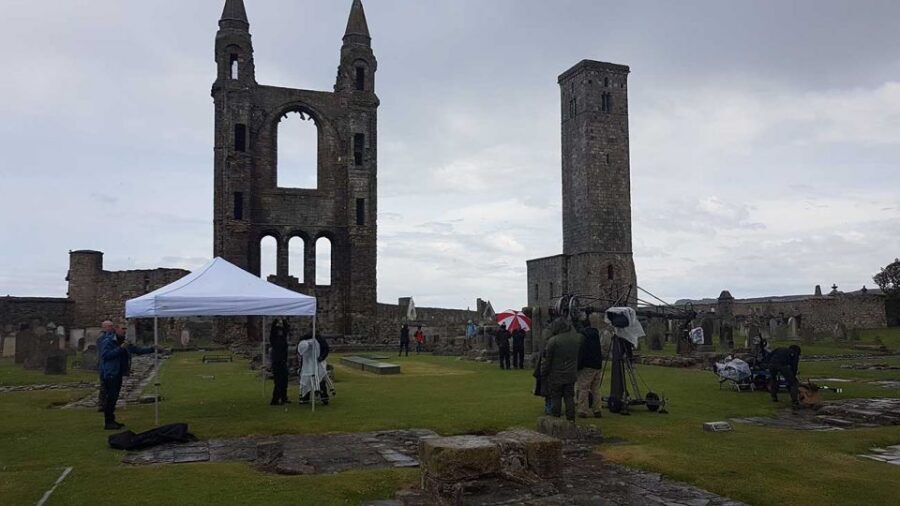
St Andrews is one of those places where the streets look simple until you learn what’s hidden in the corners. This tour is built to fix that. You don’t just see pretty buildings—you get a sense of why St Andrews mattered, who lived here, and how the town’s religious and royal connections shaped everyday life.
The walk is also smart because it ties the university and town together. You’ll spend time around the oldest university colleges, then shift into the historic center with cathedral and castle sites, then finish in the golf-world zone. That arc helps you understand the full personality of St Andrews instead of keeping it in separate mental boxes.
If you’re an independent traveler, this is the kind of tour that makes your own exploring easier afterward. Once you’ve walked the core route and learned the “who did what, when,” you can return on your own and recognize details you’d otherwise miss.
And yes, the guide is the big reason. Richard Falconer is an author and historical expert, and the tour benefits from that skill: he explains without turning the day into a lecture.
You can also read our reviews of more walking tours in St Andrews
Meeting at The Bothy: timing, pace, and what to bring
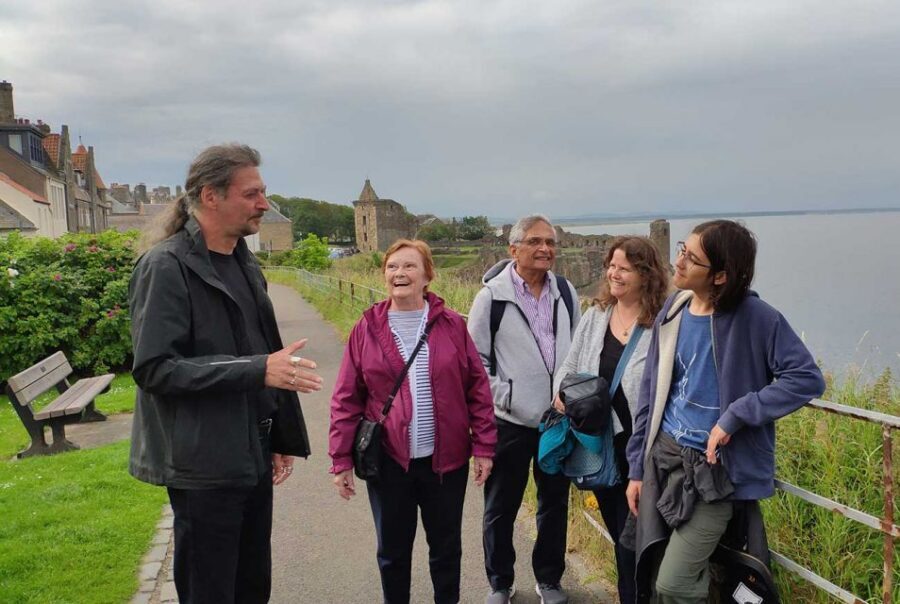
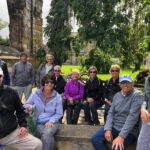
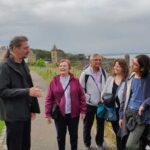
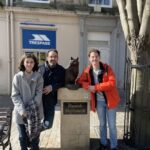
You meet outside The Bothy restaurant on Church Square in St Andrews (KY16 9NN). It’s the former Dolls House Restaurant, and you’ll be looking for the operator’s name board in front of the restaurant behind Holy Trinity Church. The tour leaves promptly at the scheduled time, so show up early enough to settle your group and get oriented.
This is a walking tour, not a bus tour with stops. You should bring comfortable shoes, plus weather-appropriate clothing because it runs rain or shine. If weather turns severe, the tour may be canceled, with a refund or a rescheduled option offered.
A practical point: this experience is conducted in English, and it’s designed for people who can follow spoken English without needing someone to slow down or translate. If you’re unsure about your fluency, that’s the biggest “before you book” consideration.
Richard Falconer’s style: stories you can match to what you see
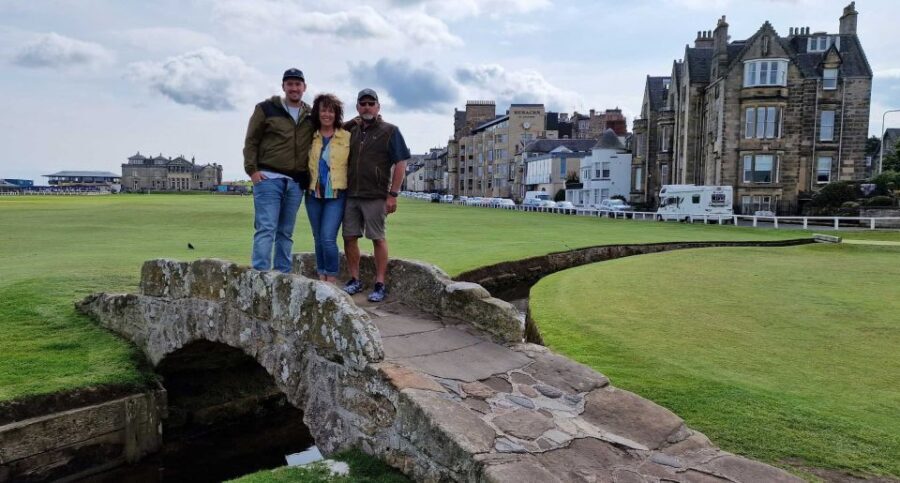
One of the most praised parts of this tour is the guide himself. People consistently highlight Richard Falconer’s excellent knowledge and the way his route choices make it easier to hit many areas of interest in one go.
That matters because St Andrews can be visually confusing if you’re self-guided. Buildings are close, streets curve, and the same stones pop up in different contexts. A guide who can explain what you’re looking at—while walking—helps you form quick mental connections.
Richard’s storytelling also covers the big theme of royalty and power. You’ll hear about rulers and figures across time, including Mary Queen of Scots, plus later royal visitors such as Prince William and Kate. The tour also discusses the dramatic moment when The Crown came to town, which gives you a helpful lens for understanding why certain institutions mattered.
He doesn’t just name-drop. He links people to the physical places you’re standing near, so the day feels like a guided narrative rather than a series of photo stops.
Stop-by-stop: what you’ll experience along the way
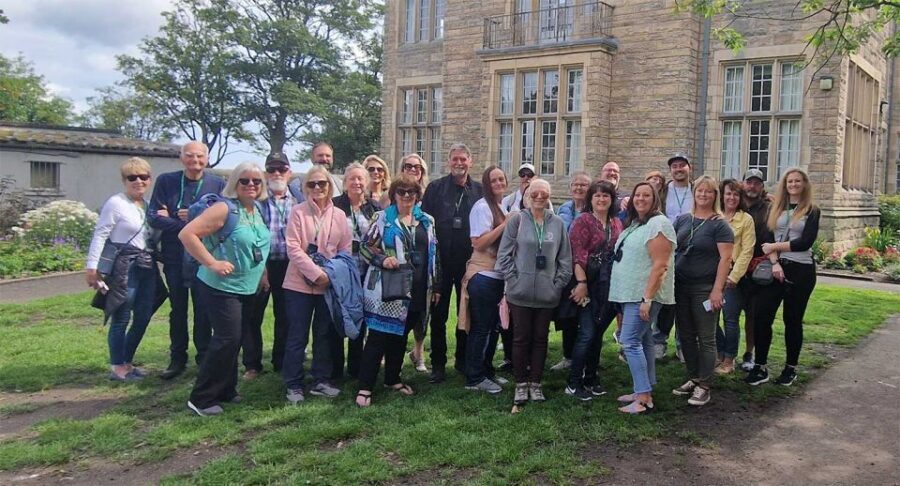
St Mary’s College and the university “front door”
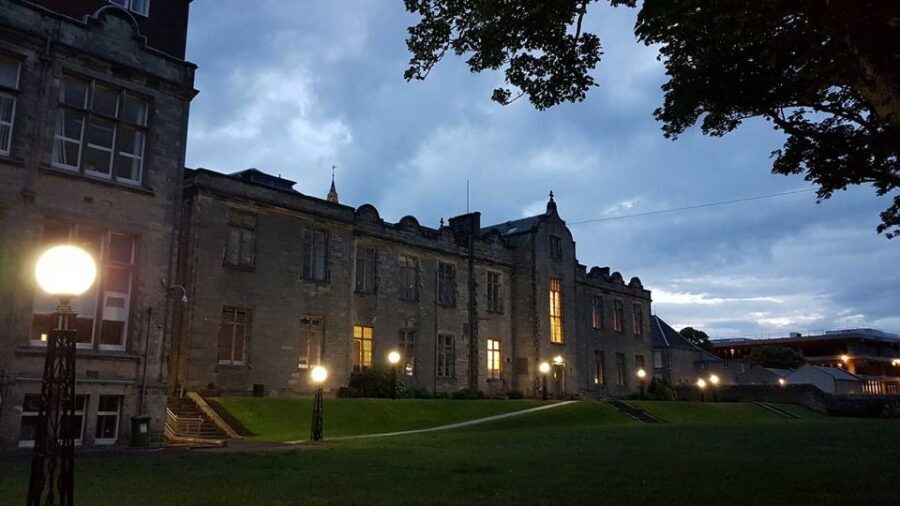
Early on, you’ll head to St Mary’s College, with a photo stop and time to visit. This is the part of the day where the tour starts telling you what St Andrews was built around: learning, influence, and the long-running presence of scholarship.
Even if you don’t plan to tour university buildings on your own later, this stop gives you an anchor point. After you see the college setting, you’ll have a better sense of how the university shaped the town’s identity.
Photo stop plus narration is a good combo here because you’re learning the visual language of the area. Notice how the buildings sit and how the streets feel like they were designed for foot traffic over centuries.
You can also read our reviews of more guided tours in St Andrews

School of History: medieval context as you walk past
Next is the School of History (a photo stop and pass by). This part is less about standing still and more about building context as you move. The guide uses these transitions to connect medieval themes to what comes next.
If you like history that explains cause-and-effect rather than only dates, these quick stops are actually useful. You don’t get lost because the narration keeps steering you back to what matters.
St Andrews town quarter and St Leonards School (pass by)
Then you’ll walk through St Andrews town and see St Leonards School as a pass-by. This is where you start noticing how the historic town layout supports the kinds of stories you’re hearing. It’s also where the tour begins to feel like a real stroll through neighborhoods, not a museum route.
The value here is pacing. The tour balances “stand and look” moments with moving moments, so you’re not stuck outdoors waiting at every corner.
The Pends and the feel of the waterfront approach
You’ll stop at The Pends for a photo stop and sightseeing. This area is a strong example of why walking tours are better than quick point-to-point sightseeing. You get a sense of the town’s flow toward the harbour and how the streets connect different areas of life.
Then you continue toward the water, and that shift matters. St Andrews wasn’t only a university and cathedral town. The harbour angle adds a practical layer to the story.
St Andrews Harbour: where you get the town-world view
At St Andrews Harbour, you’ll have a photo stop, visit, and sightseeing walk. This is one of the places where the tour really helps you understand St Andrews as a working, connected community.
If you care about how places function—not just how they look—this harbour section is a good chunk of the experience. You can also use the photo moment wisely: if the light is good, it’s a natural time to grab photos before you move deeper into the heavier historic buildings.
St Andrews Cathedral: the city’s spiritual and political center
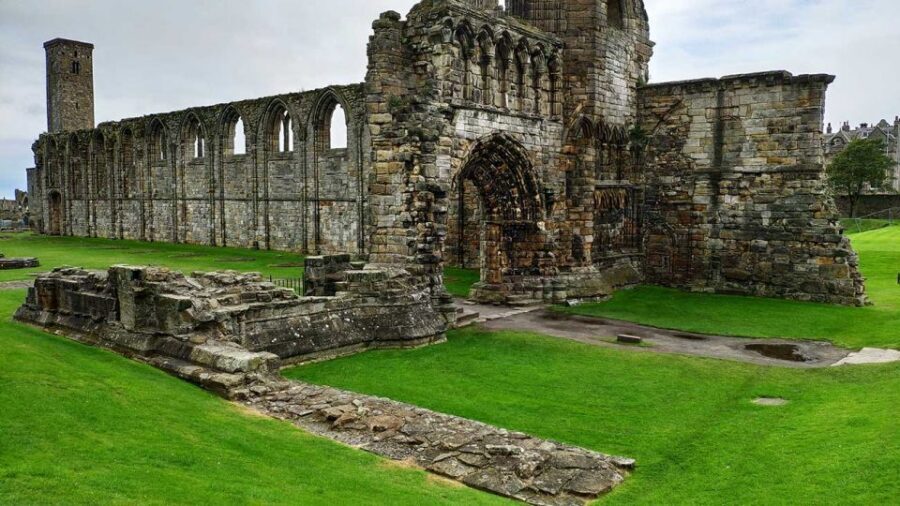
Next up is the Cathedral (called St Andrews Cathedral in the tour details), with a photo stop, visit, and sightseeing. Cathedral sites tend to feel “quiet” until someone explains what was going on nearby. Here, you’ll get narration that frames the cathedral area in the broader city story.
It’s also a spot that helps you understand how the town’s religious importance tied into political authority—especially with the royal themes the guide threads through the day.
If you’re tired, this stop is a good reset point. Visiting is different from just looking through a window. Take a moment to slow down, listen, and absorb.
St Andrews Castle: the power layer
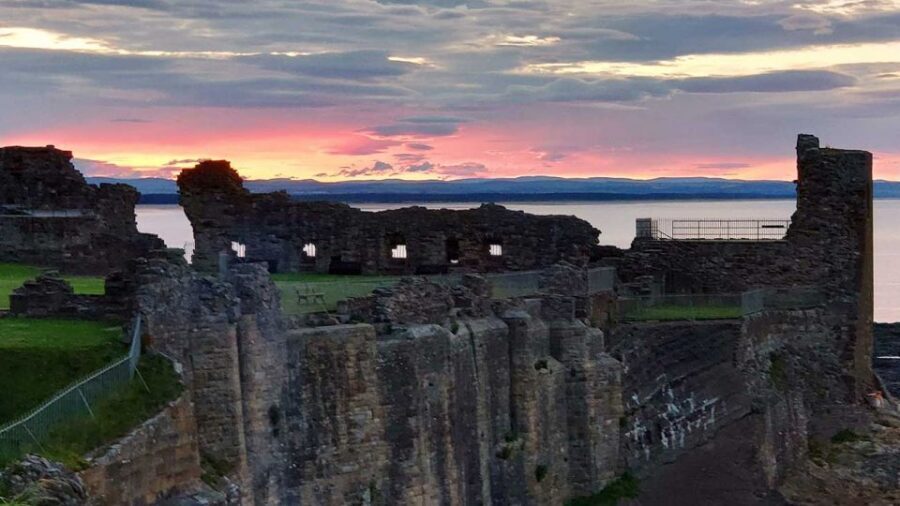
After the cathedral comes St Andrews Castle, with a photo stop and sightseeing. This section adds another layer to the story: not just faith and learning, but fortitude and control.
Even if you don’t have deep medieval military interest, castle grounds often make the medieval narrative easier to picture. The guide’s historical context helps you see why these sites were built and why they mattered.
St Salvator’s College: universities aren’t just classrooms
Then you’ll reach St Salvator’s College for a photo stop, visit, and sightseeing. This is where the university life theme clicks into place. You can start to see the feel of Scotland’s oldest university and how these colleges shaped community rhythms.
What I like about this stop is how it balances beauty with meaning. You’ll have enough context now that the buildings don’t feel like random “old structures.” They feel like part of an ongoing institution that influenced the town for centuries.
Back through St Andrews streets: the tour’s connective tissue
There’s time for another walk segment around St Andrews as you move toward the golf part of the experience. This is the tour’s connective tissue. It prevents the day from jumping abruptly from college history to golf-world finale.
Also, it’s a good moment to pace yourself. If you’ve been photographing and listening hard, this is where you can adjust your stamina before the last stretch.
The Old Course: golf history and a classic photo moment
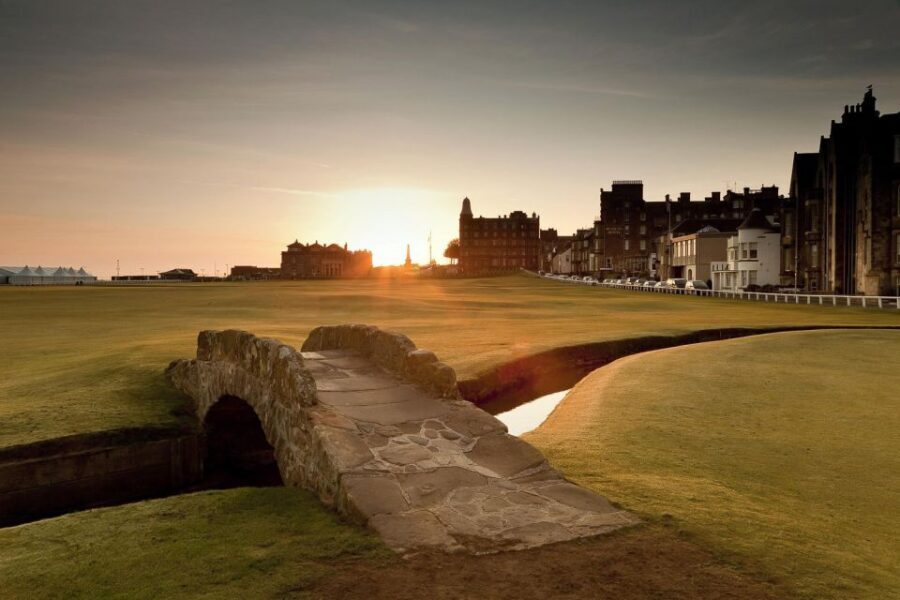
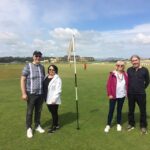
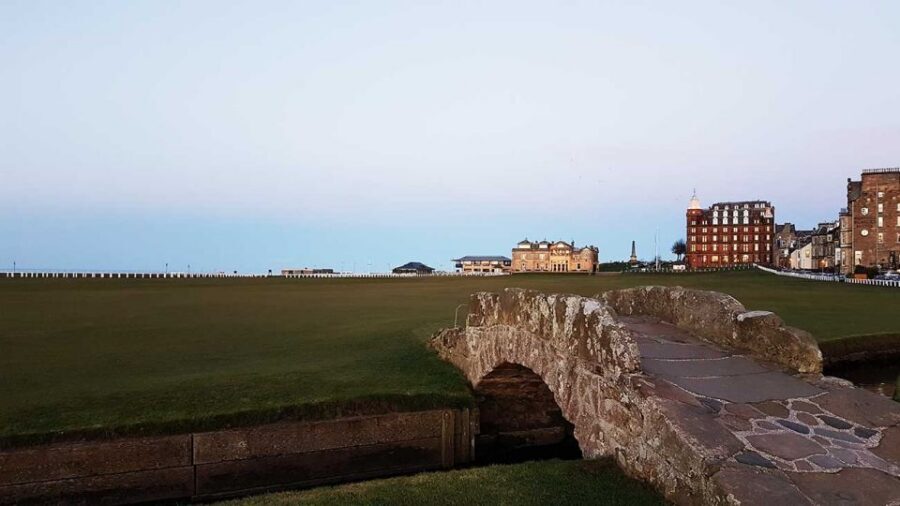
Finally you reach the Old Course, St Andrews for a photo stop, visit, and sightseeing. This is the big finale for golf fans. The tour explains how the resources of the Links helped transform St Andrews into the Home of Golf, and that framing makes the Old Course more than a destination.
One key consideration: the golf course portion is later in the tour. If you’re not used to walking on uneven ground or long distances, keep that in mind when you book. The tour is not suitable for people with walking difficulties, and it’s also not ideal for those with back problems or low fitness.
If you can handle the pace, the Old Course stop is where you’ll feel the tour earned its ending. You’re closing on something iconic, with context instead of just a signboard.
Swilcan Bridge: where the tour turns into photos
Your tour finishes at Swilcan Bridge. This is the photo opp highlighted in the tour experience, and it’s a satisfying end point because you’re not just leaving the historic area—you’re creating a souvenir moment.
After the finale, the activity ends back at the meeting point, so you’ll end where you started, without needing to figure out transit on your own.
What’s included (and what you can expect to pay attention to)
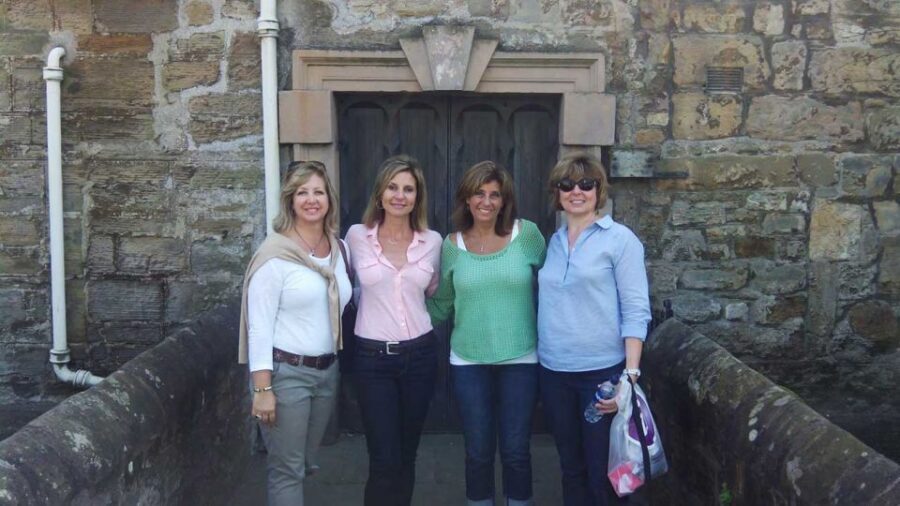
This tour includes a professional guide/author/historian. You don’t need to arrange anything extra to enjoy the narration.
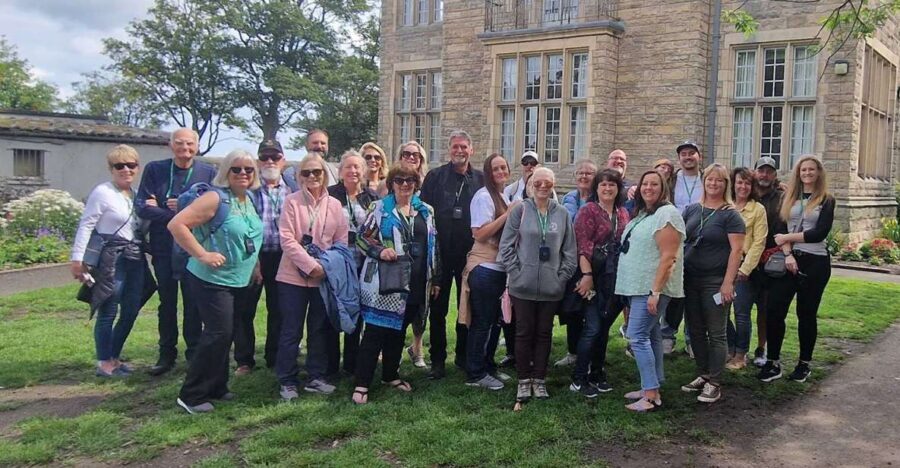
The standout practical inclusion is the personal wireless audio receiver and whisper earphone for larger groups. That makes a real difference in a walking setting. You’re not forced to crane your neck or rely on the guide projecting over street noise.
The tour also doesn’t just focus on one theme. It covers town, harbour, cathedral, palace/castle-type power sites, university colleges, and the Old Course, plus stops connected to specific historical references like the Scotland’s meridian line and the former seat of the Knights Templar in Scotland. You’ll also hear about Queen Mary’s House.
You’ll be best off if you listen for the connections. When the guide links a story to a spot you just saw, it makes St Andrews feel like a timeline you can walk through.
Price and value: is $20 a good deal here?
At $20 per person for about 105 minutes, this is one of those prices that only makes sense if the guide is strong—and the guide is. You’re paying for expertise, a curated route, and audio support so everyone can hear.
Here’s what you’re really buying:
- A fast orientation of the core St Andrews historic areas
- Help placing the university, cathedral/castle, and harbour into one coherent story
- Built-in time for photos at key spots, including Swilcan Bridge
- A guide who can explain why events mattered, not only what buildings look like
If you’re planning to explore St Andrews for more than a few hours, this kind of guided walk is a smart way to save time later. It’s also a good value if you want to focus on enjoying the town rather than researching each site yourself.
If you only want to see one attraction and you’re comfortable reading signs, you might not need a guided hour-and-a-half. But if you want context and clean route guidance, this price is easy to justify.
Who this tour suits best (and who should skip it)
You’ll enjoy this tour most if you:
- Like history that’s explained while you walk, not just read later
- Want a structured orientation across town + university + Old Course
- Can follow fluent English narration
- Can handle moderate walking and uneven historic surfaces
It’s not suitable for people with walking difficulties, including those who walk slowly, or for mobility impairments and wheelchair users. It also isn’t suitable for people with back problems, and it’s not intended for those with low fitness.
There are also health and conduct constraints. The tour takes place rain or shine, but it isn’t suitable for people with a cold. Alcohol and drugs aren’t allowed, and unaccompanied minors aren’t allowed.
If you have kids, the tour includes that participants under 5 can go for free, but it isn’t suitable for children under 2.
Should you book St Andrews Guided Walking Tour with Richard Falconer?
Book it if you want the fastest way to understand St Andrews without getting tangled in details. The combination of Richard Falconer’s storytelling, a route that covers the main historic zones, and the audio setup makes it feel smooth and worth your attention. The Old Course and Swilcan Bridge photo finale is also a strong payoff.
Don’t book it if your biggest priority is a relaxed stroll at your own pace, or if you need translation or very slow walking. The tour has firm requirements around pace, English fluency, and mobility limits, and the golf course segment comes later.
If you can meet those needs, this is one of the best ways to turn St Andrews from “scenery” into “a place with a plot.”
FAQ
What times are the St Andrews guided walking tours?
The tour runs at 12pm and 2pm daily.
How long is the tour?
The duration is 105 minutes.
Where do I meet the tour?
Meet outside The Bothy restaurant on Church Square, St Andrews, KY16 9NN (formerly Dolls House Restaurant), behind Holy Trinity Church. Look for the operator’s name board in front of the restaurant.
Does the tour provide audio?
Yes. The tour includes a personal wireless audio receiver and whisper earphone for larger groups.
Is the tour in English only?
Yes. The tour is live guided in English, and participants need a fluent command of English. Speaking slowly or translating does not work for this tour.
Is it suitable for people with mobility issues or walking difficulties?
No. It’s not suitable for walking difficulties (including walking slowly), mobility impairments, wheelchair users, or people with back problems.
What should I wear or bring?
Bring comfortable shoes and weather-appropriate clothing. The tour runs rain or shine, but it may be canceled due to severe weather.