REVIEW · LONDON
Tate Britain London: Private Guided Tour – 3 Hour
Book on GetYourGuide →Operated by ArtGuides · Bookable on GetYourGuide
A good gallery visit can feel like a lot of looking and not enough understanding. This private Tate Britain tour is different because you get a real guide’s storyline, plus the freedom to linger. I love the private, bespoke pacing for up to five people, and I love the way the guide turns famous paintings into clear context you can actually remember. One drawback: it’s built around close listening and discussion, so it’s not the best fit for hearing or visual limitations.
You’ll meet at the front entrance with a card in hand, then spend about three hours moving through highlights across centuries. Expect British art from the 16th century through contemporary works, with a guide who can tailor the route if your interests run toward Turner, portraits, or modern experimentation. If you’re hoping for temporary exhibitions, plan separately, since those are not included.
In This Review
- Key highlights you’ll feel right away
- Why Tate Britain feels easier with a private guide
- Meeting by the Thames: how the tour actually starts
- What you’ll see: British art from 16th century to contemporary
- Turner time: why the Turner holdings often steal the show
- A historian’s tone: anecdotes, context, and better questions
- The pace and route: how to get value from only 3 hours
- What’s included versus what’s not: temporary exhibitions
- Price and value: $263 per group for up to five
- Who this Tate Britain private tour suits best
- Should you book this private Tate Britain tour?
- FAQ
- How long is the Tate Britain private guided tour?
- What group size is this private tour for?
- Who leads the tour?
- What parts of the Tate Britain collection will we see?
- Are temporary exhibitions included?
- Where do we meet the guide?
- Is the tour wheelchair accessible?
- Can I cancel and get a full refund?
- Is there an option to reserve now and pay later?
Key highlights you’ll feel right away
- Private group for up to five: More conversation, less wandering, better questions.
- 3 hours with an expert art historian: Clear context plus art-world storytelling.
- Range from 1500s to modern day: You get a big sweep of British art in one go.
- Turner-focused attention: The Turner holdings often take center stage on these tours.
- Bespoke pacing: You can slow down for details that catch your eye.
- Temporary exhibitions not included: You’ll stick to the main collection highlights.
Why Tate Britain feels easier with a private guide

Tate Britain is the kind of museum where you can walk in for a quick look and still leave with questions. A private guided tour helps you avoid the most common problem: seeing lots of paintings without a clear thread connecting them.
This experience is built for that thread. You’re not just being shown “important works.” You’re getting the why behind them, with history of the gallery’s collecting and how each artist fits into a bigger story. I like that this stays human scale: a friendly guide, a small group, and time to ask follow-ups.
It also makes the museum feel more usable. With three hours, you can target what matters most to you instead of trying to triage everything on your own. That’s especially helpful at Tate Britain, where the collection covers centuries and styles that can feel like whiplash if you don’t have a guide connecting the dots.
You can also read our reviews of more guided tours in London



Meeting by the Thames: how the tour actually starts
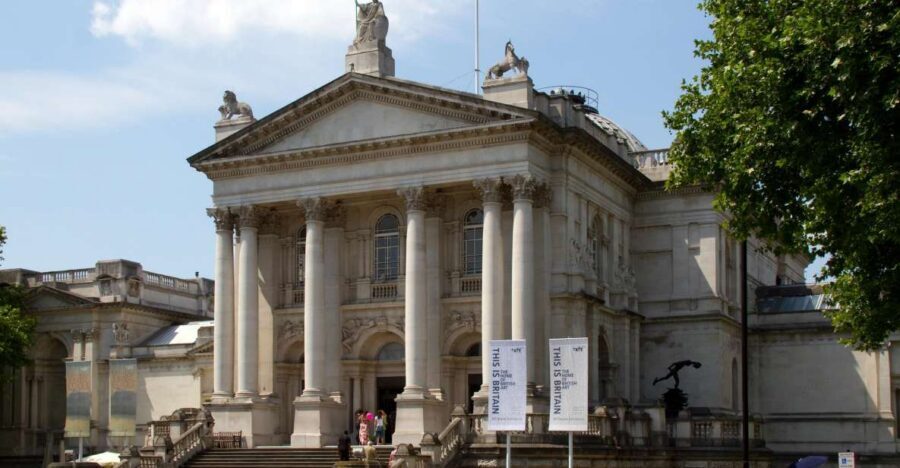
You meet at the front entrance overlooking the River Thames. Your guide will have a card printed with your name, which is a small detail, but it cuts down on stress at the start. For a London museum visit, that matters because you’re already navigating crowds, walking distances, and your own timing.
Once you’re inside, the tour format stays flexible. It’s a private, bespoke setup, so you’re not stuck in a rigid script where everyone must move at the exact same pace. If you want more time on portraits or want to spend longer with one era, you can. If you’re more into technique than biography, you can steer the conversation that way.
There’s also a practical comfort point: the experience is wheelchair accessible, so it’s designed to work for mobility needs. On the flip side, it’s not suitable for visually impaired or hearing-impaired people, so you’ll want to keep that limitation in mind when you’re deciding.
What you’ll see: British art from 16th century to contemporary
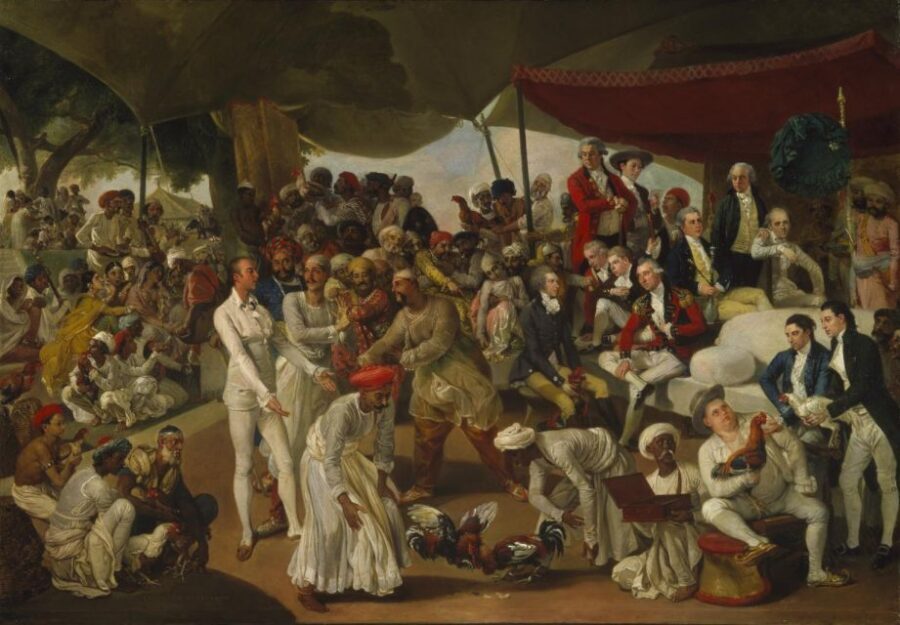
The heart of the tour is a guided walk through Tate Britain’s collection highlights, with the guide weaving together style, context, and collecting history. You should expect a broad sweep: from the 1500s all the way to works that feel more like modern art culture than old master tradition.
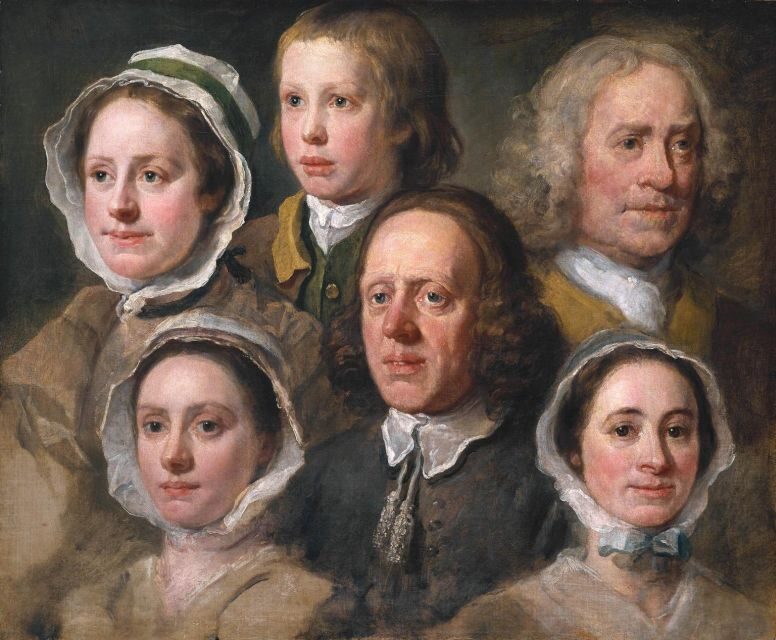
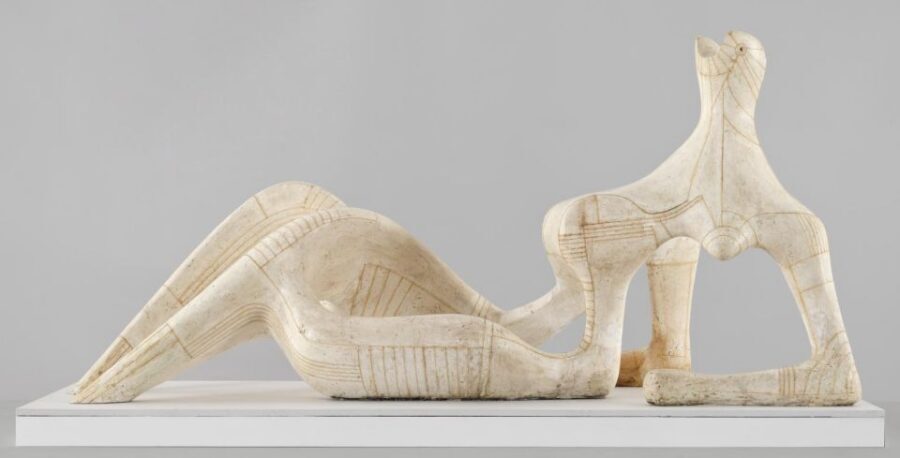
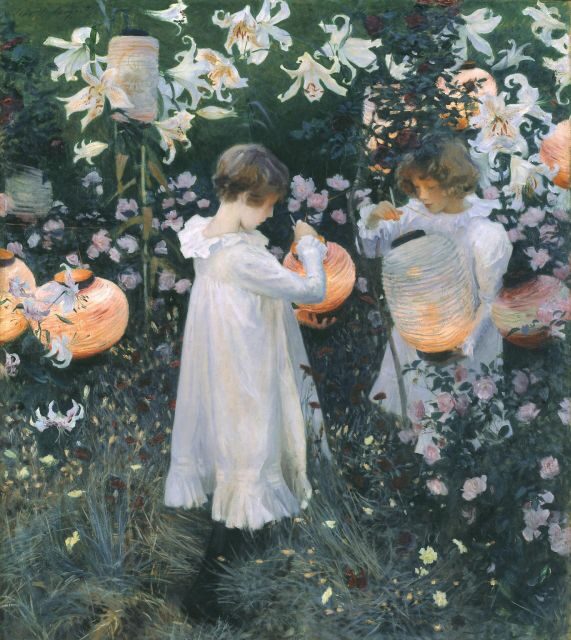
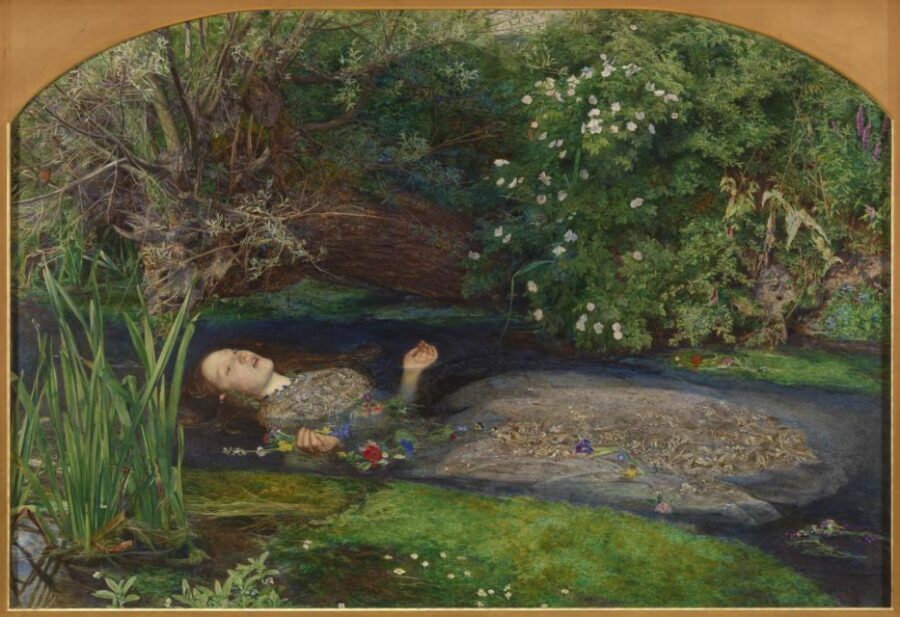
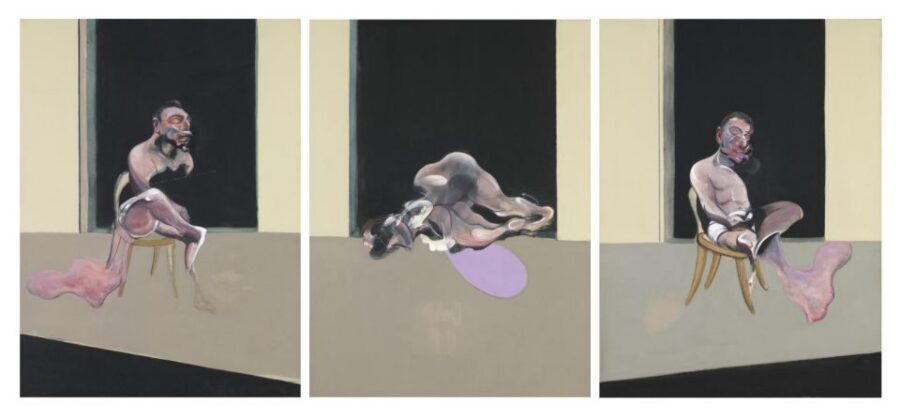
The guide’s selection is built around famous British names you’ll recognize, plus deeper context that makes them more than names on a wall. Artists you may encounter include Rubens, Van Dyck, Lely, Kneller, Hogarth, Canaletto, Reynolds, Gainsborough, Turner, Sargent, Millais, Blake, Bomberg, Bacon, Freud, Epstein, Hockney, Moore, and others.
What matters isn’t just the list. It’s how the tour connects eras. For example, you get the sense of how British painting evolved in subject matter, portrait style, and public taste. You also get a feel for how artists responded to their moment, whether they were painting grand scenes, documenting society, or pushing modern form.
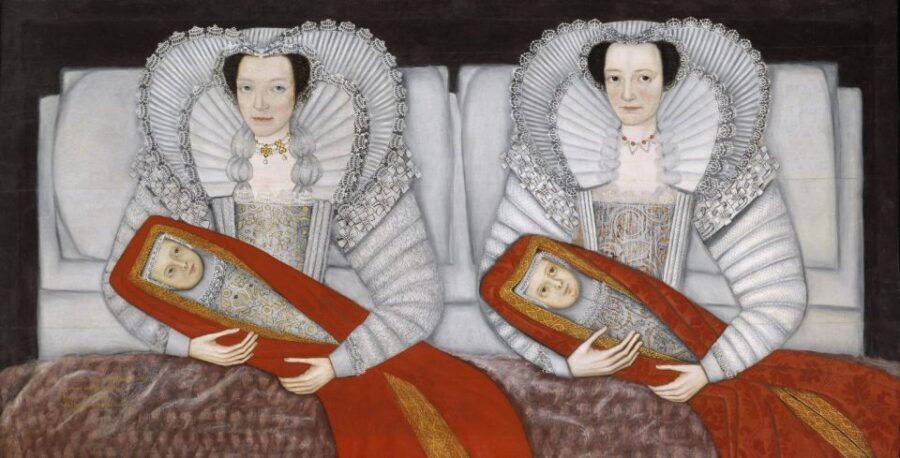
A good example is the portrait tradition. When a guide gives you context, you start noticing things you’d normally miss: how sitters wanted to be seen, what symbolism was doing, and how composition guides your eye. That kind of attention changes the whole experience, turning “pretty picture” into “I get what the artist was doing.”
Turner time: why the Turner holdings often steal the show
If there’s one reason this tour earns consistent praise, it’s how the guide handles the Turner collection. Turner can be a tricky artist for self-guided viewing because his work rewards patience and close watching. A guide helps you look at the same painting longer, but without turning it into homework.
On these tours, Turner tends to be more than one quick stop. The guide typically uses Turner as a way to explain shifts in technique and the emotional logic behind the images. You start noticing how light, atmosphere, and brushwork carry meaning, not just scenery.
This is also where the tour’s art-history storytelling becomes obvious. You’re not only seeing Turner as a famous name. You’re seeing why he mattered to later British art and how his style connects to broader cultural changes.
If you already love Turner, you’ll likely feel the extra attention. If you’re not sure you love Turner yet, this is one of the best ways to find out. With time and explanation, many people “get” Turner in a way they can’t from a quick scan.
A historian’s tone: anecdotes, context, and better questions

The tour is led by an art historian who’s both expert and entertaining. In practice, that means two things. First, you get clear context without getting buried in academic language. Second, you get anecdotes that help you remember what you saw.
One of the strongest effects is how the guide makes works feel connected instead of isolated. British art can look like separate eras in a museum, but with a good guide it starts to feel like a continuous conversation across centuries. You learn why certain styles became popular, how artists were trained, and how patrons and collectors shaped what survived and what rose to prominence.
You’ll also want to ask questions, because the private format makes questions feel normal, not disruptive. If you ask, the guide can adjust. If you want to focus on a theme, the tour can be tailored to your interest.
A small but telling detail from past experiences: the guide’s explanations can pull in other museum-goers, simply because the commentary is that engaging. That’s a sign you’re getting more than standard “label reading.” You’re getting a narrative you can actually follow.
You can also read our reviews of more private tours in London






The pace and route: how to get value from only 3 hours
Three hours sounds long until you’re standing in a gallery with strong paintings everywhere. The value of this tour is that you don’t waste time trying to decide what’s worth your energy.
You can move at your own pace, but the guide still keeps you on track to see a meaningful set of highlights. With a private group of up to five, it’s easier to stop, look closely, and then keep going without the pressure of a large group schedule.
Here’s how to get the most out of your three hours:
- Pick one or two “musts” ahead of time, like Turner or portraits, so the guide can aim your route.
- Ask questions when something looks strange. That’s usually when the most interesting context comes out.
- Don’t rush the best works. If you spend extra time on the right paintings, you’ll leave with more than a checklist.
The other pacing advantage is group size. With fewer people, the guide can respond to what you’re actually reacting to. That’s how you end up understanding why a work looks the way it does.
What’s included versus what’s not: temporary exhibitions
This private tour focuses on the main collection experience. Temporary exhibitions are not included, and they require pre-booked tickets at extra cost.
That’s a good setup for two reasons. First, it keeps your three hours concentrated on the collection highlights you can reliably plan for. Second, it avoids the common problem of spending time negotiating entrance for a special exhibit when you still want to see the collection.
If you’re the kind of visitor who likes to plan around current special shows, you can still do that. Just treat it as an add-on, not the core plan.
Price and value: $263 per group for up to five
At $263 per group (up to five), this tour is priced like a premium private experience. The real value depends on how you use the group size.
If you fill the group, the cost works out to about $52.60 per person, which suddenly looks more reasonable compared with other guided options. If it’s just one or two of you, the per-person cost rises, and you should be clear-eyed about what you want: do you want an art historian’s full attention and a route shaped around your interests, or do you prefer a cheaper, more general approach?
For me, the best argument for this price is time and focus. You’re paying to compress centuries of context into three hours, with an expert who can explain what you’re looking at and adjust when your interests change. That can be worth real money if you care about understanding art more than just seeing it.
Also, you’re getting a small-group setting, not a crowded audio-headset experience. That difference is big in a museum.
Who this Tate Britain private tour suits best
This tour fits best if you want British art explained in a way that feels conversational but solid. It’s ideal for people who:
- Love art history and want context for big names
- Want help choosing highlights without doing research beforehand
- Prefer a guided pace that you can slow down or steer
- Are especially interested in Turner or British portraiture and painting traditions
It may be less suitable if you need formats designed for visual or hearing access needs, since the tour is not marked as suitable for visually impaired or hearing-impaired visitors.
Wheelchair accessibility is supported, which is a big plus if mobility is part of your planning.
Should you book this private Tate Britain tour?
I’d book it if you want a guided story, not a self-guided scavenger hunt. The combination of private group size, an art historian who can explain and entertain, and a route that typically emphasizes the Turner collection makes it a smart way to enjoy Tate Britain in a shorter visit.
Skip or reconsider if your main goal is to see a lot of temporary exhibitions, since those are not included. Also think twice if you need a different accessibility format than what’s offered here.
If you like learning as you go and you want your time in Tate Britain to feel purposeful, this is a strong choice.
FAQ
How long is the Tate Britain private guided tour?
The tour lasts around 3 hours.
What group size is this private tour for?
It’s a private tour for up to five people.
Who leads the tour?
A live art historian guide leads the tour in English.
What parts of the Tate Britain collection will we see?
You’ll see highlights across British art, from the 16th century through contemporary works, including artists such as Turner, Reynolds, Gainsborough, Sargent, Bacon, Freud, Hockney, and Moore (among others).
Are temporary exhibitions included?
No. Temporary exhibitions are not included and require separate pre-booked tickets.
Where do we meet the guide?
You meet at the front entrance overlooking the River Thames, and the guide has a card printed with your name.
Is the tour wheelchair accessible?
Yes, the tour is wheelchair accessible.
Can I cancel and get a full refund?
Yes. Free cancellation is available up to 24 hours in advance for a full refund.
Is there an option to reserve now and pay later?
Yes, you can reserve now and pay later to keep travel plans flexible.