REVIEW · WINDERMERE
The Brontes, Wuthering Heights & Jane Eyre Tour
Book on GetYourGuide →Operated by English Lakes Tours · Bookable on GetYourGuide
Moorland air and literary clues, all in one day. I love the way this tour builds a story map, starting with a guided Haworth walk where the high street still feels Brontë-era. I also like the parsonage details—where you can picture Charlotte, Emily, Anne, and Branwell living and writing—plus the extra stops that connect to both Jane Eyre and Wuthering Heights.
It’s a long day (9 hours) with a mix of time outdoors and walking, so you’ll want sensible shoes and a coat for changeable weather.
Key things I’d prioritize
- Small-group discussions (limited to 6) make the story go from facts to real context
- Haworth on foot feels unchanged, not like another staged heritage stop
- Parsonage Museum and Graveyard put the Brontës’ daily life front and center
- Wycoller Hall ruins give you a clear Jane Eyre link through Ferndean Manor inspiration
- Yorkshire Dales countryside driving turns the scenery itself into part of the plot
In This Review
- A Brontë day that feels like a story map, not a lecture
- The Yorkshire drive to Clapham: scenery first, then the Lowood connection
- Haworth’s high street walk: the place that still reads like a Brontë novel
- Brontë Parsonage Museum and graveyard: where the writing life becomes real
- Haworth landmarks for Wuthering Heights: Black Bull Inn and the moor mindset
- Wycoller Hall ruins: the Jane Eyre stop that pays off
- The Yorkshire Dales village stop: the ordinary that makes the novels believable
- Price and value: what $254 buys in a small-group day
- Guide energy and safe pacing: why the day doesn’t feel chaotic
- Who should book this Brontë tour, and who might want to skip it
- Should you book this Brontë, Wuthering Heights & Jane Eyre Tour?
- FAQ
- How long is the Brontë tour?
- What’s included in the tour price?
- How large is the group?
- What language is the tour guide?
- What should I wear or bring since the weather can change?
- Is the tour suitable for young children?
A Brontë day that feels like a story map, not a lecture
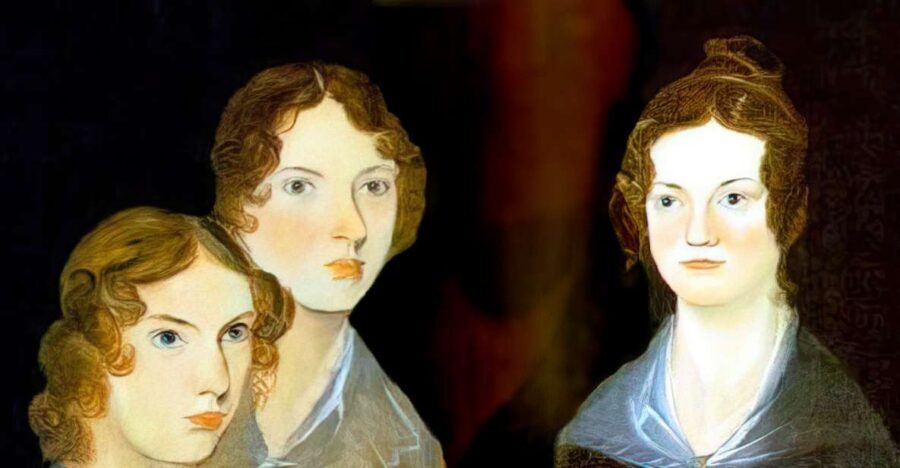
This tour works because it doesn’t treat the Brontës like glass-case relics. You spend the day in the same kind of places that shaped the books: moorland, village streets, and the rough edges of Victorian life. The best part is the pacing. You get time to look, walk, ask questions, and still make it to multiple literary “proof points” without feeling rushed.
I also like that it connects the novels to geography in plain language. You’re not just hearing names and dates. You’re seeing why the settings matter—bleak moors, strict routines, small-town life, and the emotional pressure of industrial Yorkshire where, as the tour framing puts it, death feels close and freedom feels far.
The Yorkshire drive to Clapham: scenery first, then the Lowood connection
You’ll start with a drive through the Yorkshire countryside and Yorkshire Dales. It’s one of those routes where the car ride is part of the experience, not just transport. The tour plan builds in a stop in Clapham, described as ageless—useful if you want a break before the literary intensity of Haworth.
Clapham is also where the tour makes a clever move for Jane Eyre fans. The Brontë sisters’ school is tied to the inspiration for Lowood School. That matters because it gives you something to hold onto while you later walk Haworth and visit the Brontë Parsonage. Instead of feeling like you’re jumping between random locations, you get a consistent idea: education, discipline, and control show up in the novels because they were lived, not invented.
One more practical bonus: by the time you reach Haworth, you’ve already seen countryside rhythm—fields, lanes, and the kind of atmosphere that makes the moors feel believable.
You can also read our reviews of more tours and experiences in Windermere.


Haworth’s high street walk: the place that still reads like a Brontë novel
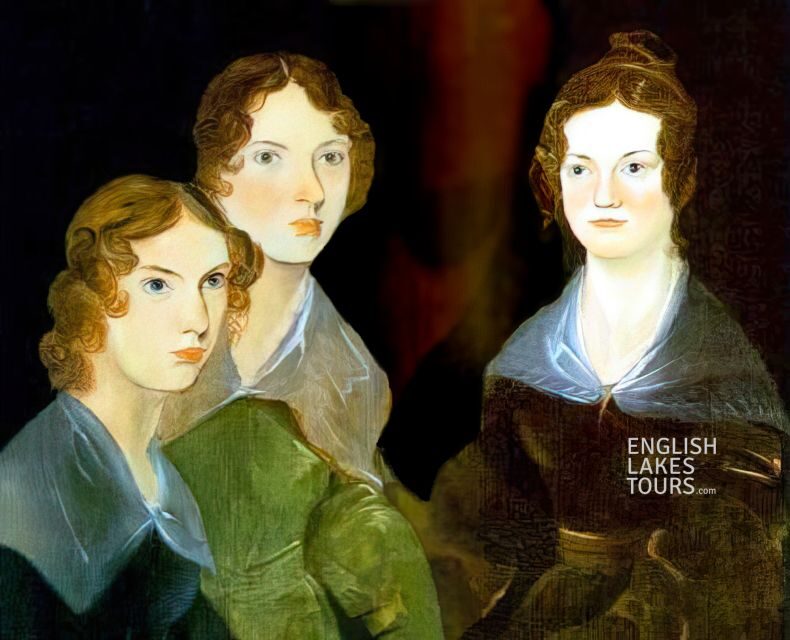
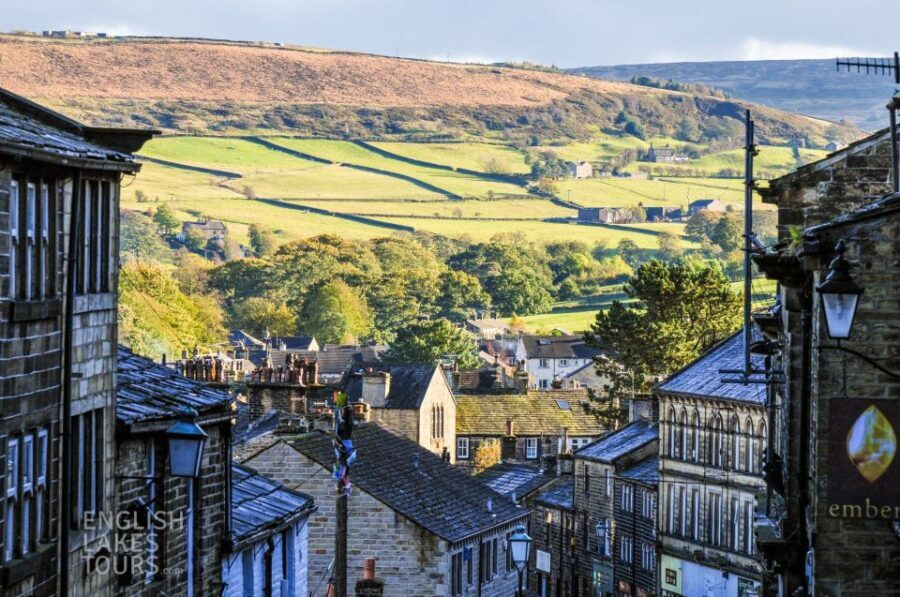
Haworth is the emotional core of the day. The tour includes a guided walk around the village, and the key detail is that Haworth is described as hardly changed since the Brontës lived there. That’s not just a marketing line; it’s the reason this stop works so well. When streets and storefronts don’t feel modernized beyond recognition, you can actually picture scenes without forcing it.
During the walk, you’ll focus on the everyday locations that shaped the books. You’ll wander along the high street, which helps the day shift from “museum time” to “human scale.” Even if you only know one Brontë novel, Haworth is a place you can read as a character: small, constrained, and dramatic all at once.
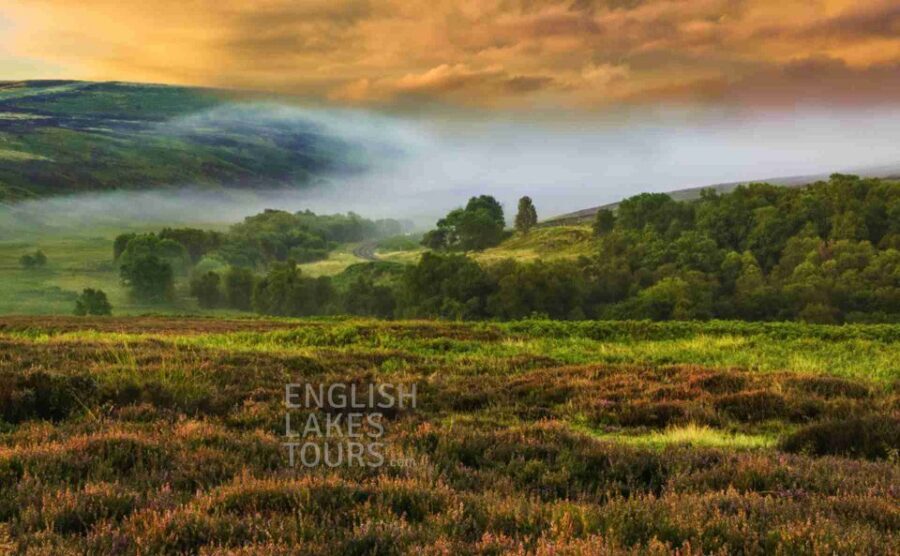
The tour also sets up what’s coming next by highlighting mood. You’ll be encouraged to breathe the chilly moorland air and look out toward the wild, dramatic views associated with Wuthering Heights. If you’re the kind of reader who likes to know why a landscape feels the way it does in the text, this walking time is where that clicks.
Brontë Parsonage Museum and graveyard: where the writing life becomes real
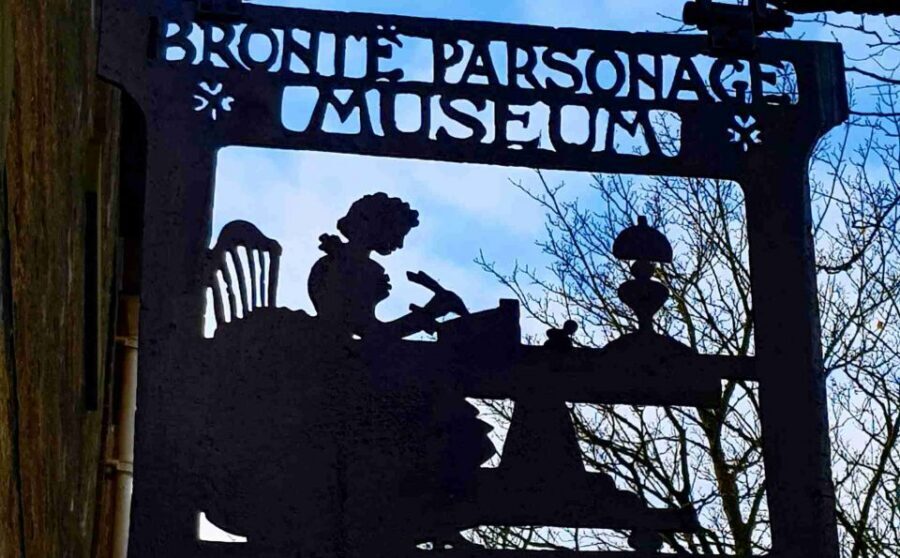
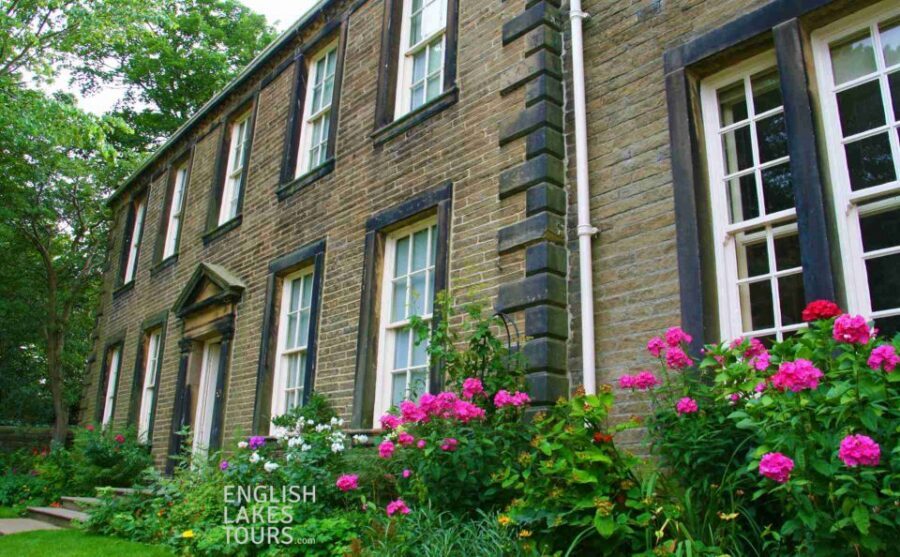
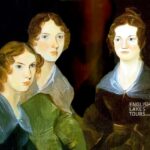
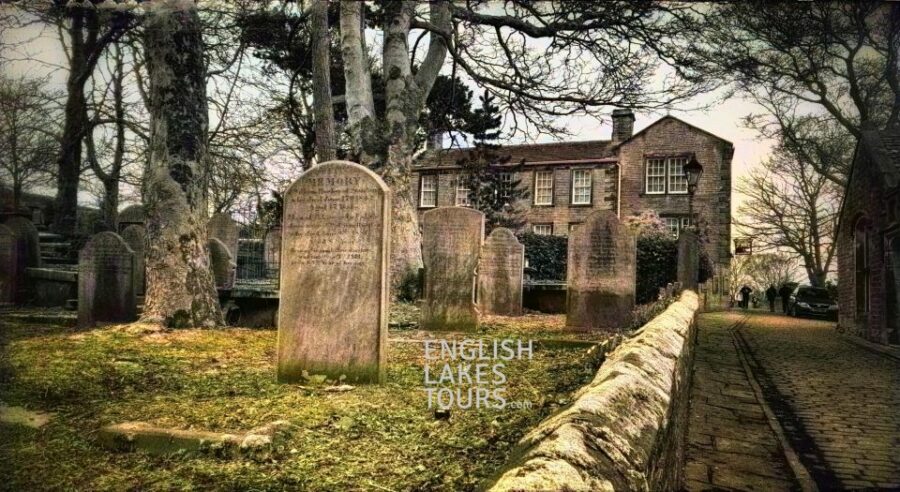
After the street walk, you go to the Brontë Parsonage Museum and Graveyard. This is the “quiet power” part of the tour. Instead of chasing only famous literary sites, you get to see where the Brontës lived with their father, Reverand Patrick Brontë.
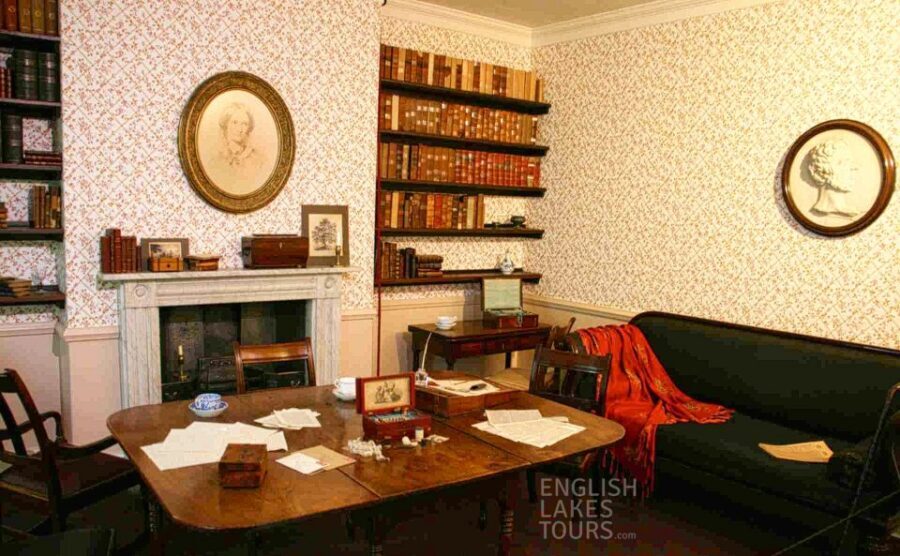
The museum experience is framed around the authors and their family life—where they sat and wrote Wuthering Heights, Jane Eyre, and The Tenant of Wildfell Hall, and what life in that era looked like in industrial Yorkshire. The value here is how personal it makes the stories. When you understand the pressure and routines of daily life, the emotion in the books stops feeling theatrical and starts feeling earned.
A practical note: museum time can be a little slow if you’re rushing or if you don’t like spending time standing inside. If you’re the opposite—if you enjoy lingering with details—this stop will likely be a highlight.
Haworth landmarks for Wuthering Heights: Black Bull Inn and the moor mindset
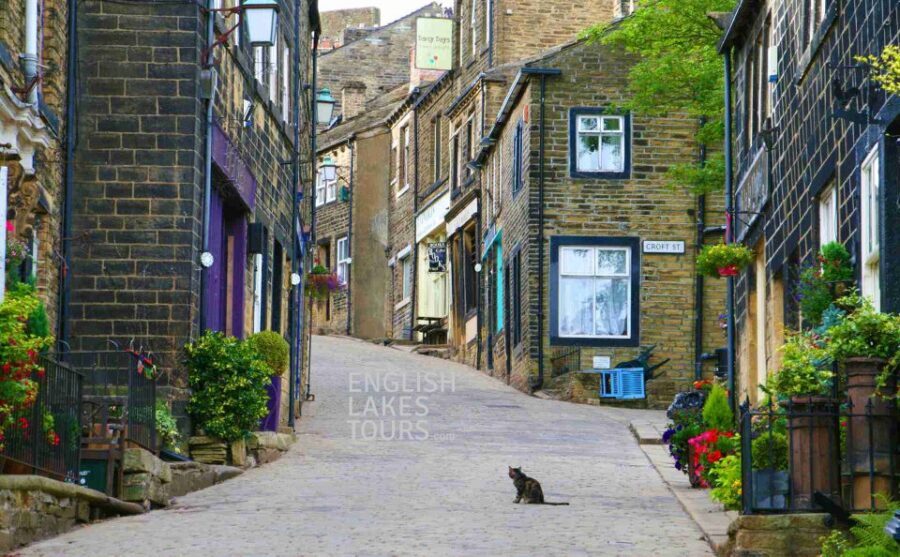
The tour doesn’t stop at the parsonage. It threads the broader Haworth world into the day, including two stops with strong Branwell connections: the Black Bull Inn, and an old apothecary where Branwell is described as buying laudanum.
That’s a heavy detail, and it’s handled as part of the Brontës’ reality in industrial Yorkshire—where the edge between hardship and tragedy can feel thin. You don’t get only romance. You get consequence.
This is also where the tour nudges you to shift your imagination from “tour mode” to “story mode.” You’re asked to gaze over the wild moorland landscape tied to Wuthering Heights. Even if you’re not a moorland expert, you can feel the difference in atmosphere once you connect the visual with the emotional tone of the novel.
If you like literary tourism, this is the kind of day where the locations help you interpret scenes you already know.
Wycoller Hall ruins: the Jane Eyre stop that pays off
Then comes a different kind of atmosphere: Wycoller Hall. The tour calls it romantic and gothic ruins, and it’s presented as a visual and emotional model for Ferndean Manor in Jane Eyre.
Ruins are tricky on tours. Sometimes you get a quick photo and a shrug. Here, the point is the link—how a particular kind of place helps build a particular kind of feeling in the story. You’re not only looking at broken walls; you’re being guided toward the “why” behind the novel’s sense of danger, isolation, and tension.
This stop also balances the day. Haworth is village and home life. Wycoller Hall is open air and dramatic structure. Together, they give you a fuller picture: the Brontës didn’t write in a single mood. They moved between domestic life and harsh landscapes, between confinement and escape.



The Yorkshire Dales village stop: the ordinary that makes the novels believable
One of the smarter elements of this tour is that you don’t spend the whole day in the shadow of famous names. You also visit a typical Yorkshire Dales village as a contrast point.
That matters because the Brontës’ world wasn’t only literary glamour. It was work, routines, neighbors, and the constant background hum of industrial life and local community. When you see a village that feels like everyday Yorkshire, you get a better sense of why the novels’ struggles feel so grounded.
In other words, this isn’t only about visiting famous “set pieces.” It’s about understanding the social temperature of the place. The tour’s countryside driving and village stops help you feel the setting as a lived environment rather than a stage.
Price and value: what $254 buys in a small-group day
At $254 per person for a 9-hour experience, you’re paying for more than transport. The tour is fully escorted and guided, it includes entrance to the parsonage at Haworth, and it runs as a small group limited to 6 participants. That combination is the main reason the price can make sense.
If you try to DIY this, the cost often creeps up fast once you factor in guided interpretation time, entry fees, and the fact that some of these places are easier to manage with a driver who knows the roads. Also, Brontë sites are more meaningful with context. A good guide helps you connect the dots between education, home life, hardship, and the novels’ emotional logic.
The small-group format also seems to be a true value add, based on what people praised: the chance for discussions and the feeling that the guide can answer questions without rushing.
Guide energy and safe pacing: why the day doesn’t feel chaotic
A big part of whether a literary tour feels enjoyable is how it’s led. People highlighted guides who bring real energy and detail, with safe driving and strong commentary about both Brontës and the Yorkshire Dales geography.
In particular, names like Tim and Gillian come up in positive ways—Tim for careful road handling and Gillian for deep insight. That’s the kind of pairing that helps you relax: you can look out the window, listen to the story, and focus on the stops rather than managing logistics in your head.
You’ll also appreciate the guide’s ability to talk through the material in a way that supports different comfort levels. One of the nicest notes from the provided feedback is that questions were welcomed even when English wasn’t perfect—so you don’t have to worry about feeling left out.
Who should book this Brontë tour, and who might want to skip it
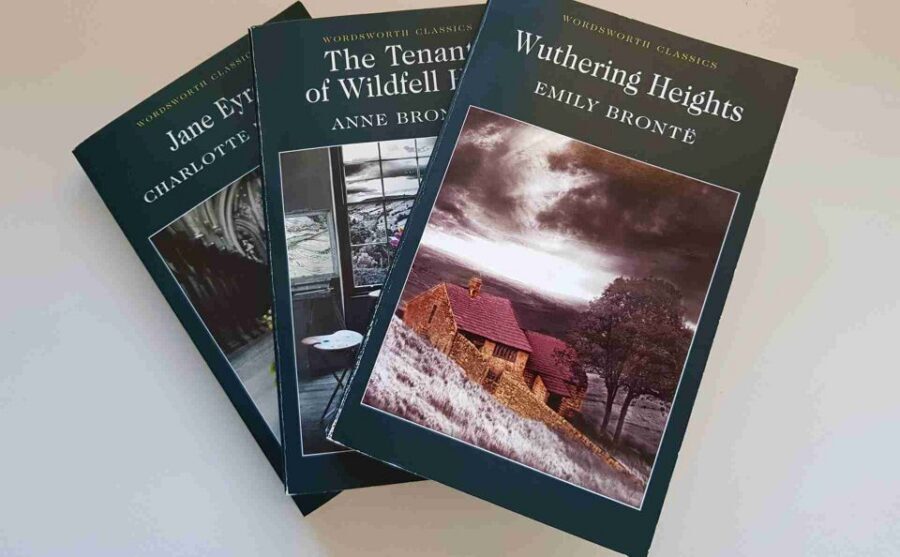
This tour is a great fit if you:
- Love Brontë fiction and want the settings explained through real places
- Enjoy guided walking and small-group discussion
- Like connecting literature to geography, not just ticking off attractions
- Want a day that balances Haworth with moor mood and ruins
It may be less ideal if you:
- Don’t like spending time outdoors in changeable weather
- Need a tour that avoids walking or standing for long stretches
- Are traveling with children under 7, since it’s noted as not suitable for them
Should you book this Brontë, Wuthering Heights & Jane Eyre Tour?
If you’re choosing between a “just show me the sights” day and a day that helps you understand what you’re seeing, I’d lean toward booking this one. The best reason is the way it links locations to the novels: Lowood through the school connection in Clapham, Ferndean Manor through Wycoller Hall, and the Haworth core through the parsonage, graveyard, and village walk.
Also, the small-group size is genuinely practical. With only up to 6 people, the day stays conversational instead of assembly-line.
If you’re the kind of reader who cares about why a place feels bleak, strict, romantic, or tragic, you’ll likely come away feeling like the stories have more texture.
FAQ
How long is the Brontë tour?
The tour duration is 9 hours (570 minutes).
What’s included in the tour price?
The tour includes a fully escorted and guided experience, plus entrance to the parsonage at Haworth.
How large is the group?
The group is small, limited to 6 participants.
What language is the tour guide?
The live tour guide is English.
What should I wear or bring since the weather can change?
A coat and sensible shoes are recommended because weather can be changeable.
Is the tour suitable for young children?
It is not suitable for children under 7 years.