REVIEW · LONDON
The Old City of London – Guided Walking Tour 12 guests 2,5h
Book on GetYourGuide →Operated by Babylon Tours London · Bookable on GetYourGuide
London’s layers show up fast on foot.
This guided Old City of London walk is interesting because it strings together Roman defenses, medieval power, and iconic landmarks into one logical story—so the streets feel like a timeline you can actually navigate. I like the way the guide brings famous fiction moments to real stone at Temple Church, and I also love the Roman angle: you’re not just sightseeing, you’re tracing how London was defended long before the medieval skyline. One thing to consider: it’s a moderate walk, and some major stops can’t be entered due to security, so you’ll get viewpoints and guided context more than inside tours everywhere.
The highlight for me is the storytelling quality. The guide (Colin on at least one run I’m drawing from) explains details from different angles, which makes each stop feel connected instead of like a checklist. The tour is set up for a small group feel (the operator notes a max of 8 people per tour, even though this specific session is listed for 12), which is great if you like questions and clean pacing. Weather won’t stop it, but rain and cobblestones mean you’ll want to dress for walking.
Also, keep your logistics simple. Bring a valid photo ID, wear comfortable shoes, and plan for no large bags or luggage—this is a streets-and-stops kind of tour, not a transit-heavy ride day. If you hate walking, this won’t be your best match, and if you’re hoping for lots of interior access, go in knowing some entrances are limited.
In This Review
- Key highlights I’d prioritize
- Following the Roman line that still guides the City
- Temple Church: Knights Templar stonework and Da Vinci Code vibes
- St Bride’s and the walk toward St Paul’s Cathedral
- St Mary-le-Bow, Guildhall, and the City that runs on institutions
- Monument to the Great Fire: learning the disaster behind the rebuilding
- Thames stroll and the Tower Bridge versus Millennium Bridge moment
- Reaching the Tower of London: iconic, even from outside
- Price and value: is $61 for 2.5 hours a good deal?
- Who this walking tour fits best
- Should you book the Old City of London guided walking tour?
- FAQ
- Where does the tour start?
- How long is the guided walking tour?
- What’s included in the price?
- Is food or drink included?
- What do I need to bring, and can I bring a big bag?
- Is it accessible for wheelchair users?
Key highlights I’d prioritize
- Roman London wall context: See how a wall built in 220 AD shaped what the City became
- Temple Church, Knights Templar stories: Real history with big Da Vinci Code energy
- St Paul’s Cathedral moment: The dome is a must, plus the Charles and Diana 1981 connection
- City-of-London landmarks on one route: St Mary-le-Bow, Guildhall, and the Bank area
- Great Fire symbolism: The Monument area gives you the why behind the rebuilding
- Bridge comparison walk: Tower Bridge versus the more recent Millennium Bridge
Following the Roman line that still guides the City
The tour starts in the Temple area, around Temple Station, and that matters. You’re basically stepping into the mindset of an early fortified settlement, then moving forward so quickly that London’s centuries start to feel less confusing. A major theme is the Roman settlements and the wall built in 220 AD, which is still visible in parts—meaning you can look for physical traces that survived when everything else got rebuilt.
What I love here is the practical way the guide frames it. Instead of dumping dates, you learn what the Roman wall did for everyday people: it shaped where movement was controlled, where crossings and hubs made sense, and why later London would build right on top of older patterns. Even if you’re not a hardcore archaeology person, you’ll come away with a mental map: this isn’t just history, it’s planning.
There’s also an immediate “orientation” benefit. When you walk in the City, it’s easy to feel like you’re in an office maze. This tour gives you a thread—Roman defense, medieval institutions, then the modern financial district—so you can later walk the area on your own without feeling lost.
You can also read our reviews of more walking tours in London



Temple Church: Knights Templar stonework and Da Vinci Code vibes
From the start, the route leans into story-driven landmarks, and Temple Church is the big one. You’ll have a short photo stop and then a guided visit and walk-through focused on what the place meant after the Romans. This is where the Knights Templar connection shows up, and the guide also ties in scenes that fans recognize from The Da Vinci Code—but the payoff is that you learn what’s grounded in real medieval life versus what’s just popular interpretation.
Here’s the practical angle: Temple Church is a rare stop where you can see how London’s religious and political power intersect. The Knights Templar were not just “mystical monks.” They were part of the medieval web that linked wealth, authority, and urban networks. If you’re into medieval architecture or you’ve ever wondered why certain old churches feel unusually important, you’ll get it here.
One small consideration: some sites in this part of the City can have limited access from the inside due to security rules. You might still get plenty of guided value without full entry, but go with the mindset that you’re paying for the guide’s explanation as much as the building itself.
St Bride’s and the walk toward St Paul’s Cathedral
You’ll continue onward with another church stop: St Bride’s Church for photos and a brief guided look. It’s a smaller-feeling stop compared with what comes next, but I like it because it breaks up the itinerary so the day doesn’t feel like nonstop grand monuments. Churches here act like historical waypoints, and the guide uses them to keep the story moving through centuries.
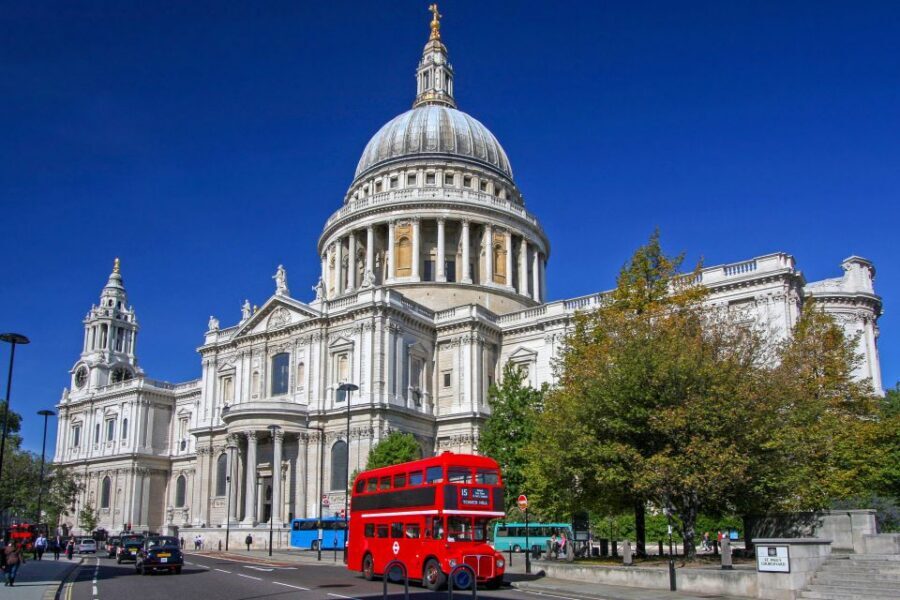
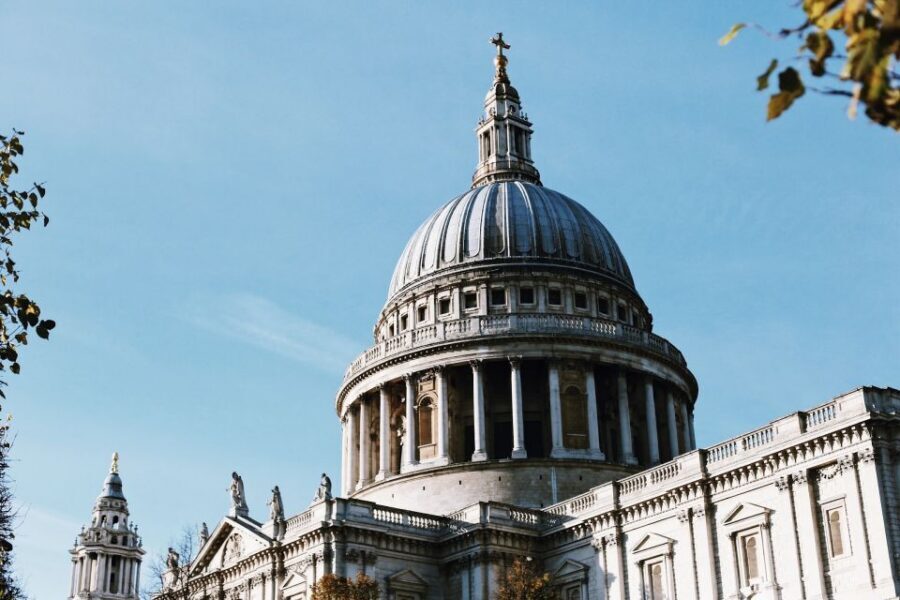
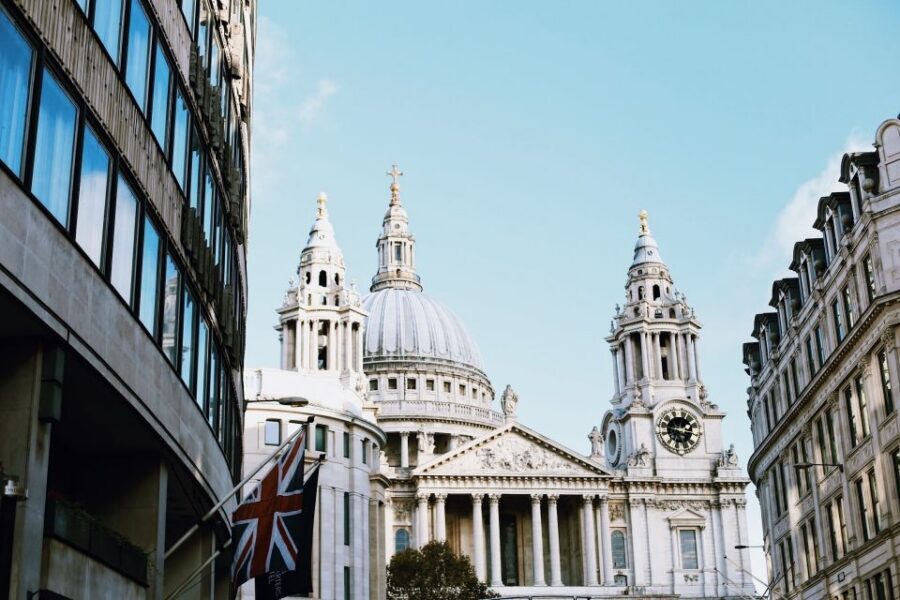
Then comes St Paul’s Cathedral—and yes, it’s the kind of place where even people who claim they don’t care about cathedrals get that instant wow feeling. The tour includes a photo stop and guided sightseeing, and you’ll focus on the cathedral as a domed centerpiece of London’s skyline. There’s also a pop-culture and modern-history detail you’ll hear: St Paul’s was the wedding hall to Charles and Princess Diana in 1981. That detail helps anchor the building in more than “old stone”—it’s tied to living memory.
Can you expect inside access? The tour format doesn’t guarantee it, and you should assume that at least some attractions won’t be entered from the inside because of security measures. Still, the guided context plus the views around it are usually what make this stop work.
Bring your best walking posture. This is not a “slow sit and sip” day. Between stops, the guide keeps you moving enough to maintain momentum but not so fast you feel rushed.
St Mary-le-Bow, Guildhall, and the City that runs on institutions
Next you’ll hit St Mary-le-Bow Church, which is another guided photo-and-walk stop. This part of the Old City route is about more than churches; it’s about how a city governs itself. By the time you reach Guildhall, London, you’re in the realm of civic power—London doesn’t just have monuments; it has institutions that shaped daily life.
Then you’ll visit the area around the Bank of England with a photo stop and guided explanation. Even if you don’t go inside (and you may not), being shown where the City’s modern financial identity sits in relation to older London is surprisingly useful. It’s like the guide hands you a map overlay: medieval and Roman foundations under a later layer of governance and commerce.
What makes this section valuable is the contrast. You start seeing that London’s power structures weren’t invented yesterday. They evolved—sometimes through destruction, often through rebuilding, and almost always through location. If you like “why is this here?” questions, this is where you’ll get answers.
Monument to the Great Fire: learning the disaster behind the rebuilding
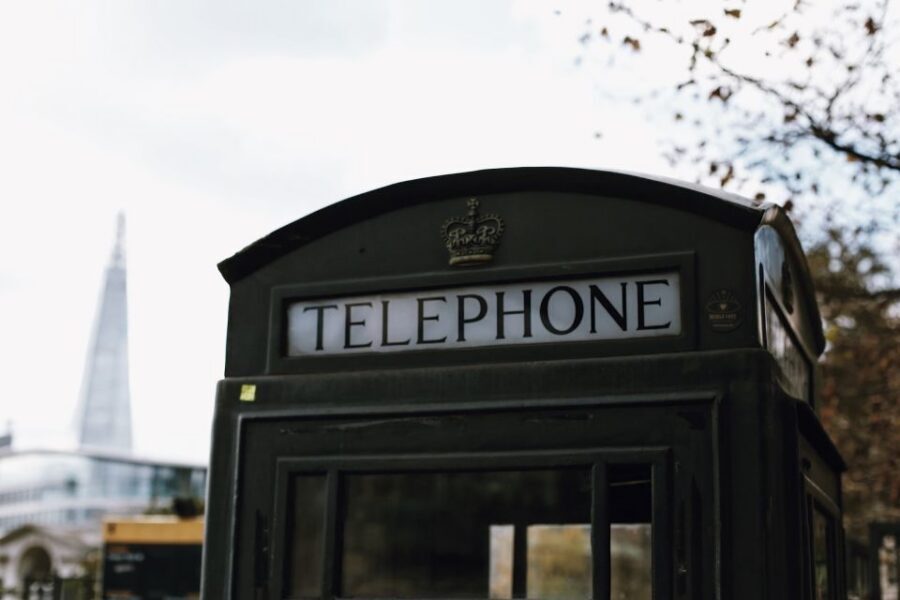
The Monument to the Great Fire of London is another guided photo stop with explanation. This is the kind of site where it’s tempting to just look and move on, but the tour gives you the narrative link between disaster and urban change. The guide connects the Monument’s shadow to how the Great Fire forced a rethinking of the city’s layout and structures.
Even if you already know the basic event, I’d still recommend this stop for the way it fits into the larger timeline. The tour is basically doing a century-by-century compression:
- Roman defense logic
- medieval power and religious institutions
- the transformation forced by catastrophe
That means the Monument isn’t just a standalone landmark. It becomes the moment where London’s future direction hardens.
Bring water here if you can. You’ll have had a bit of walking already, and the route keeps moving rather than turning into a long break.
You can also read our reviews of more guided tours in London





Thames stroll and the Tower Bridge versus Millennium Bridge moment
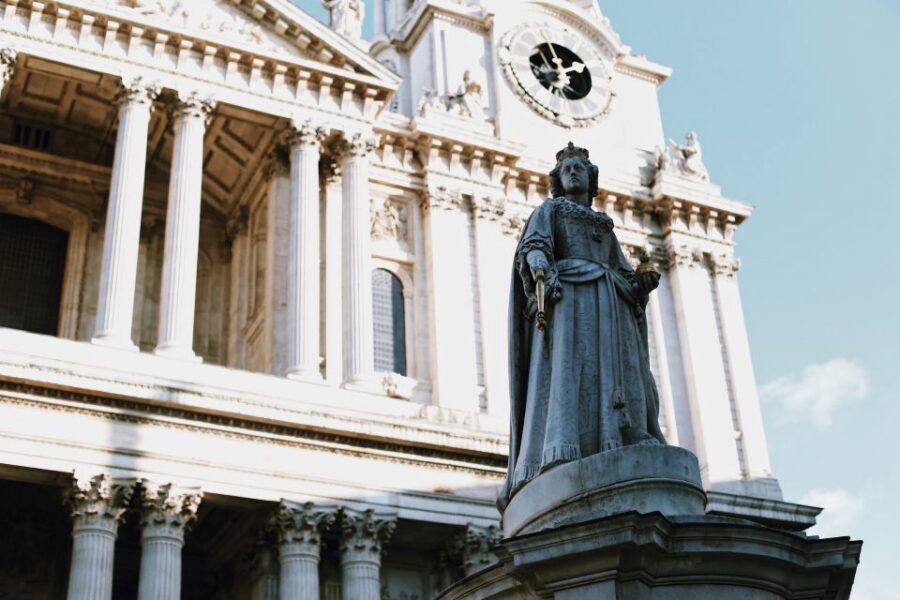
After the City’s institutional core, the tour shifts toward the river. You’ll stroll the River Thames, and this is where the walk becomes practical in a different way: the guide helps you plan your route out of the City. That’s a real travel skill, because leaving the central maze can feel hard if you haven’t been taught where the “easy exits” are.
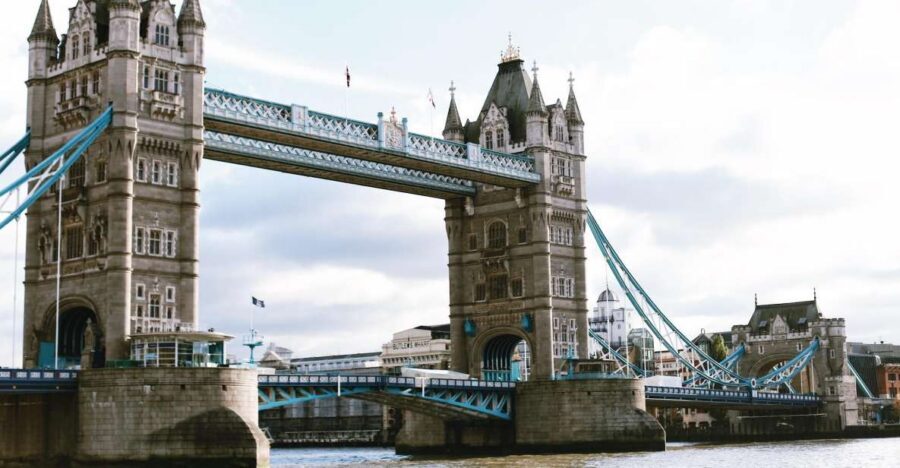
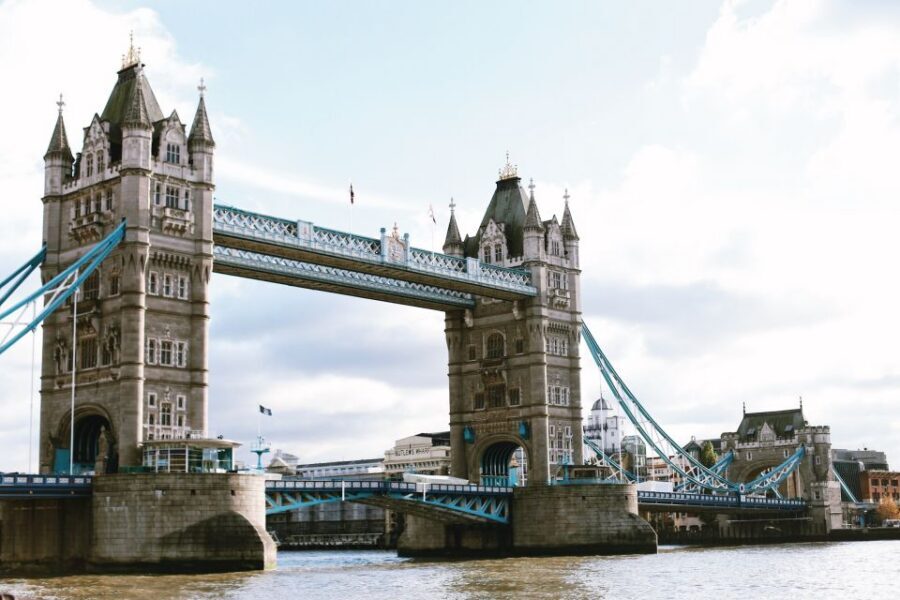
Then you get the bridge comparison, and I love this part because it’s not just photo op energy. You’ll see Tower Bridge, with guided sightseeing, and you’ll also compare it to the more recent Millennium Bridge. This works especially well if you like understanding how engineering and design reflect their time periods. Tower Bridge feels like a grand statement from an earlier era; Millennium Bridge reads as modern, minimal, and sleek. Seeing them close enough to compare makes the contrast stick.
Expect more short stops and photo moments than long lingering. That’s the tour’s style: learn, walk, look, move on.
Reaching the Tower of London: iconic, even from outside
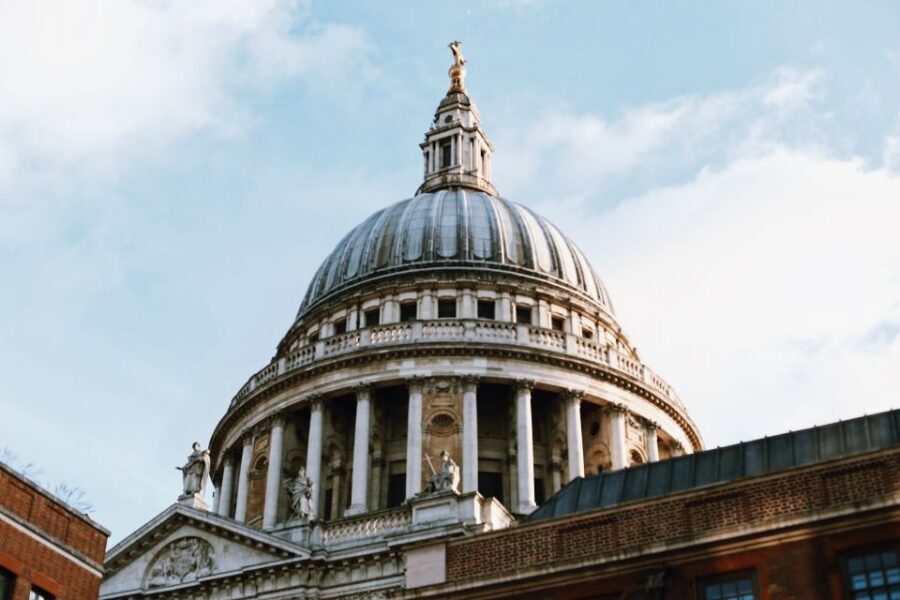
The final major landmark is the Tower of London. You’ll have a photo stop and guided tour/sightseeing focus here. Even if you don’t go inside, it’s a high-impact ending because you’re taking in one of the most instantly recognizable castles in the world while the guide ties it back to the earlier medieval arc of the day.
The tour specifically brings you through the Middle Ages when the Tower rose over the City, so by the time you arrive, it feels earned—not random. The Tower becomes the culmination of the theme: London’s authority structures got bigger, louder, and more fortified as the centuries progressed.
If you’re the type who wants to keep going after the tour ends, you’ll be in a great position to do it. You’ll know what to look for and what questions to ask when you return—because the guide has already given you the storyline.
Price and value: is $61 for 2.5 hours a good deal?
At $61 per person for about 2.5 hours with a professional local guide, this tour is priced in the “you’re buying expert navigation” category rather than the “you’re buying museum access” category. That’s important.
Here’s the value logic I’d use:
- You get multiple major landmarks in one walking arc (Temple Church, St Paul’s area, City institutions, Great Fire Monument, Tower Bridge, Tower of London).
- You get interpretation that connects Roman, medieval, and modern layers instead of treating them as separate stops.
- You’re helped with route planning around the densest tourist/office area, which can save you time later.
What you’re not buying: food and beverages, and you shouldn’t assume full inside visits everywhere. That’s why the guide’s explanation becomes the main product, and it sounds like that’s exactly what they deliver—at least on runs with Colin, where the storytelling from different angles is singled out as the reason the tour felt fascinating.
If you’re short on time in London, this kind of guided “Old City storyline” can beat self-guided wandering. If you already know London deeply and hate guided narration, you might find it less necessary.
Who this walking tour fits best
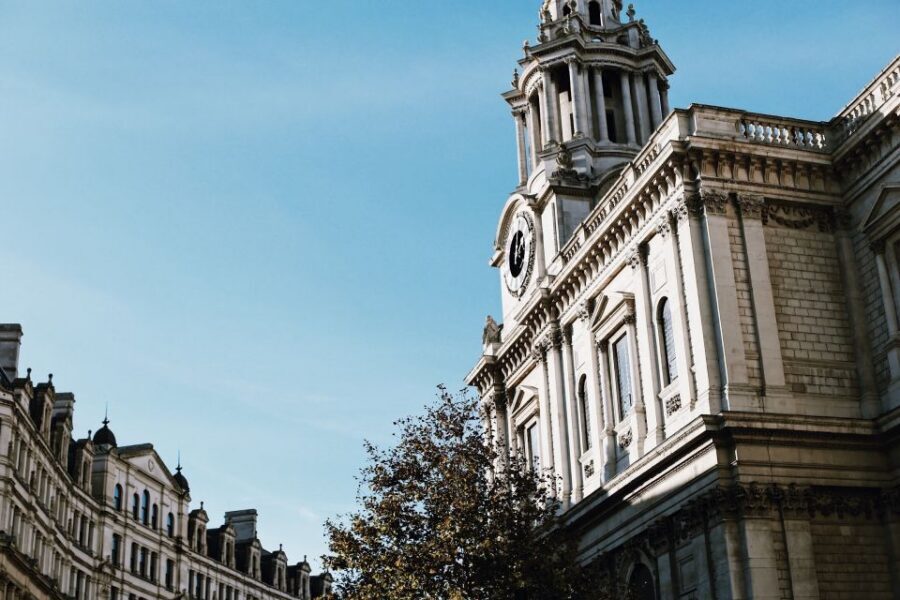
This tour is a strong fit if you:
- want a 2–2.5 hour hit of major Old City sights without doing separate bookings
- enjoy history that’s tied to real buildings, not just general facts
- like a guide who connects recognizable culture references (like the Da Vinci Code Temple Church link) to real context
- don’t mind a moderate walking day in all weather
It’s also a good “first London orientation” for people who want to understand how the City works before branching out on their own.
It’s not ideal if you:
- need wheelchair accessibility. The information provided is inconsistent: it notes wheelchair-friendly tours are available only upon request, but also says this tour isn’t suitable for wheelchair users. If mobility needs are a factor, contact the operator before booking.
- hate walking on uneven pavement and tight city sidewalks
- expect long indoor museum-style time at each stop
Should you book the Old City of London guided walking tour?
If you want to see Roman traces, medieval power, and the Tower area in one organized route, I’d say yes. The biggest reason is the structure: the guide turns scattered landmarks into a timeline you can remember. Stops like Temple Church and the Great Fire Monument make more sense when you’ve heard the story in order, and the Tower Bridge vs Millennium Bridge comparison gives you a modern design contrast that feels fresh.
Book it if you’re the type who enjoys questions, photos, and practical “how to make sense of this city” guidance. Skip it if you’re hoping for lots of inside access or you’re not up for walking in changing weather.
FAQ
Where does the tour start?
The meeting point may vary depending on the option you book. One listed start option is Temple Station.
How long is the guided walking tour?
The duration is about 2 to 2.5 hours (listed as 2.5 hours).
What’s included in the price?
It includes a professional local tour guide and the tour time (about 2 to 2.5 hours).
Is food or drink included?
No. Food and beverages are not included.
What do I need to bring, and can I bring a big bag?
Bring a passport or ID card. The tour does not allow luggage or large bags, so pack light.
Is it accessible for wheelchair users?
Wheelchair-friendly tours are listed as available upon request only, but this tour is also noted as not suitable for wheelchair users, so you should confirm with the operator before booking.