REVIEW · ENGLAND
Walking tour of Lancaster – Execution Slavery Industry
Book on Viator →Operated by Walking tour of Lancaster - Execution Slavery Industry · Bookable on Viator
A good story starts at a prison wall. This 3-hour walk through Lancaster strings together execution-era trials and the city’s links to the slave trade, with stops that are easy to spot and understand even if you have limited time. I like the way the route packs major landmarks into one outing, and I also like the small-group feel capped at about 20 people.
The main thing to consider is simple: expect lots of stopping, standing, and walking on uneven streets, so dress for weather. If you book a day in cooler months, double-check the day and time carefully so you do not show up when that particular operating schedule is paused.
In This Review
- Key Things to Know Before You Go
- Why This Lancaster Execution and Slavery Walk Works in Limited Time
- Meeting Point at Castle Approach: Get Your Bearings Fast
- Lancaster Castle: Trials, Prisoners, and the Stories Behind the Stone
- Saint George’s Quay on the River Lune: When the Quayside Made Money
- Judges’ Lodgings: The Oldest House, Witchcraft, and Ownership
- Church Street and the Missing Prince: Power, Rumors, and England’s Story
- Market Street: Royal Pages, a Shoe, and 300 Years Apart
- Dalton Square: Murder Solved by Forensics and a Bonus Tied to Slavery
- Lancaster Canal, White Cross Mill, and the Storey Brothers
- Penny’s Almshouses: Still in Use, Still Tied to How Charity Was Funded
- The Storey: Donations, Education, and a University-Style Tradition
- Price, Timing, and Group Size: Is $20.81 Good Value?
- Guide Style and Pacing: How Barrie Keeps Dark Topics Moving
- Who This Tour Is Best For
- Should You Book This Lancaster Tour?
- FAQ
- How long is the walking tour?
- Where does the tour meet?
- What language is the tour offered in?
- How much does it cost?
- Is there an admission fee at the stops?
- How big is the group?
- Is the tour suitable for most people?
- Are service animals allowed?
- What happens if the weather is poor?
Key Things to Know Before You Go
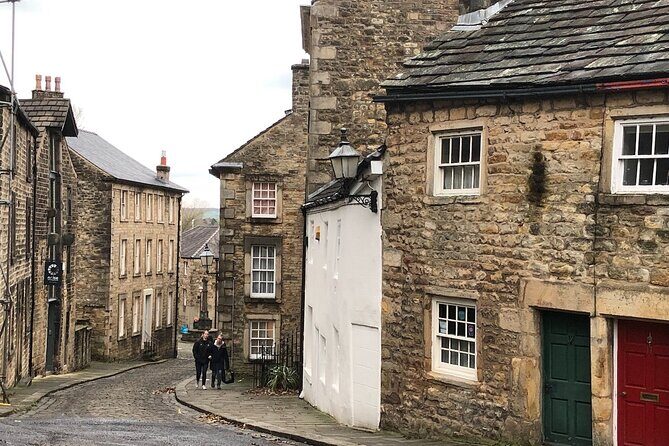
- Small group (up to 20) keeps the chat friendly and the pace manageable
- Free entry at every stop means you pay once and see a lot
- Start at Lancaster Castle so you can get oriented fast in the city center
- A single route ties together politics, crime, punishment, and profit across centuries
- Barrie-style storytelling turns grim subjects into clear, understandable chapters
- 3 hours moves quickly, with frequent short stops rather than long museum time
Why This Lancaster Execution and Slavery Walk Works in Limited Time
Lancaster can feel like one of those places you either rush through or miss entirely. This walk is built for the middle ground: you get a structured tour of the city without needing a car or multiple tickets. The duration is about 3 hours, and the route is concentrated around central Lancaster, so you keep momentum.
The value starts with what you actually pay for. At about $20.81 per person, you’re not buying a pile of museum admissions. Each of the major stops is marked as free at the point of visit, so your money goes toward interpretation and time with the guide. Add in the mobile ticket, and it’s a low-friction way to understand what you’re looking at.
One more practical plus: this is offered in English and capped at a maximum of 20 people. That size matters. It’s large enough for a lively group, but not so big that you get lost in the crowd when questions come up.
You can also read our reviews of more walking tours in England


Meeting Point at Castle Approach: Get Your Bearings Fast
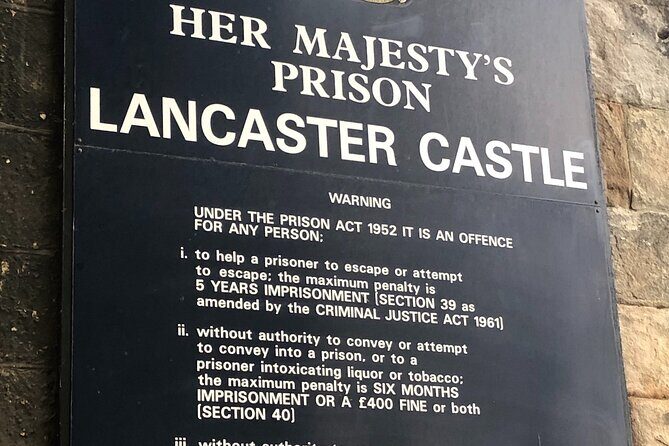
Your walk begins at Castle Approach, Lancaster LA1 1YN, in front of the castle area. If you are new to Lancaster, this is smart. People often find city center meeting points confusing. Here, your starting landmark is a big, obvious anchor.
You also get an immediate mood set. This isn’t a casual stroll where you mostly admire buildings. You’re starting at a place tied to imprisonment, trials, and the machinery of punishment. That matters because it frames how you read the rest of the route. Once your brain clocks that the city has always had power struggles, you notice how often later stops echo that same theme—justice, authority, and money.
And yes, the walking is gentle in the sense that it is not a strenuous hike. But it is still a walking tour with standing at points of interest, so plan for a “cool down” afterward.
Lancaster Castle: Trials, Prisoners, and the Stories Behind the Stone
The first stop is Lancaster Castle. Even if you only see part of it on the day, the guide’s focus makes it more than an impressive facade. You’ll learn about the castle’s place in history and what happened inside—famous and not-so-famous prisoners, trials, and executions.
This is where the tour earns its darker title. Instead of just naming dates, it helps you connect the castle to a broader system: how courts worked, who had power, and why punishment was public enough to become part of community memory. It is also a useful entry point if you want context for later discussions of guilt, law, and civic authority.
Practical note: this stop is brief (around 20 minutes) and includes the idea that admission is free. Don’t plan to use this time like a full museum visit. Think of it as orientation plus story-setting.
Saint George’s Quay on the River Lune: When the Quayside Made Money
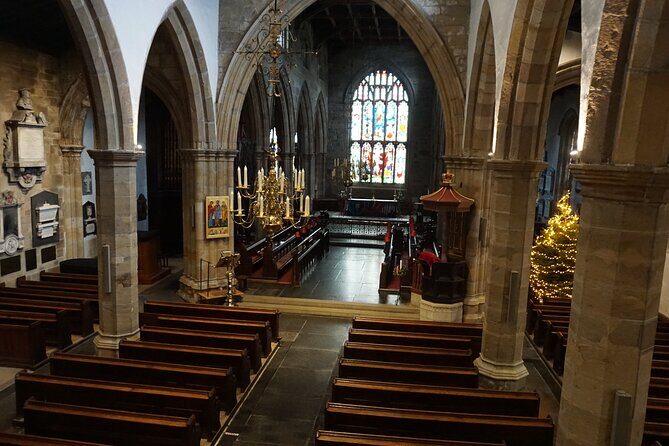
Next up is Saint George’s Quay, an eighteenth-century harbor setting along the River Lune. This stop is short—about 15 minutes—but it carries heavy weight because it links Lancaster to the international slave trade.
The value here is how the guide turns a waterfront you might otherwise treat as scenery into an economic stage. Ships, docking, and trading become part of the story. You’re not just looking at buildings; you’re looking at a route that would have mattered to real profit and real harm.
There’s also a human element. You’ll hear about characters connected with this area. That helps you avoid the trap of thinking slavery is only abstract history. It was business, and it had local links.
If you are the kind of traveler who likes seeing how global history shows up in local streets, this stop will click fast.
Judges’ Lodgings: The Oldest House, Witchcraft, and Ownership
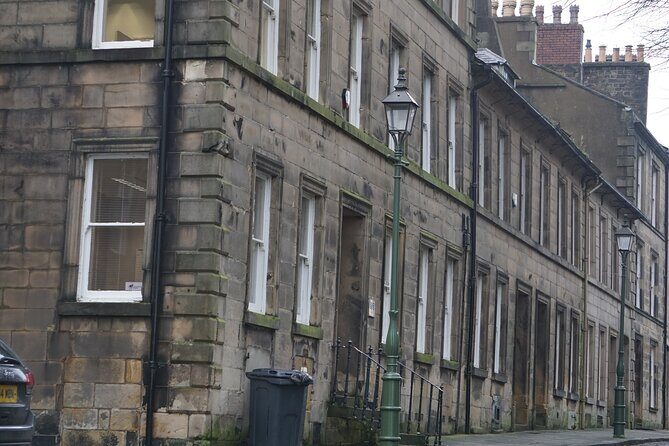
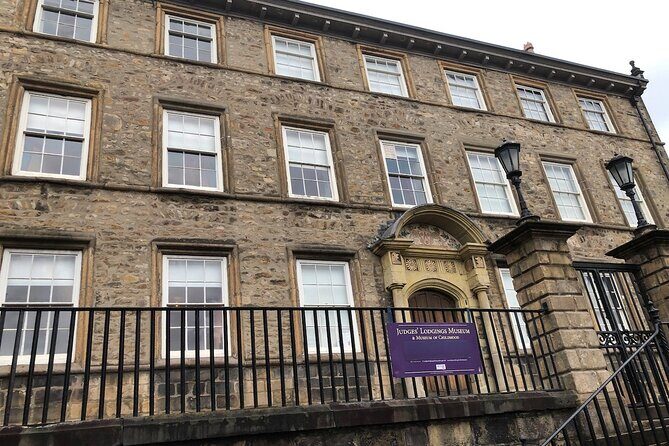
At Judges’ Lodgings, you’ll step into the oldest house in Lancaster. The tour gives you a quick but pointed look at who it was owned by and how it connects to witchcraft stories.
This is one of those stops that feels a bit unfair at first glance—how can a single house carry crime, law, and superstition? The guide’s job is to make that connection feel normal. It reflects how people in earlier centuries explained danger and misfortune. Courts and belief systems weren’t separate worlds; they influenced each other.
Because the stop is only about 10 minutes, you won’t walk away with a full textbook lesson. But you will leave with a better sense of why fear and authority often traveled together in old cities.





Church Street and the Missing Prince: Power, Rumors, and England’s Story
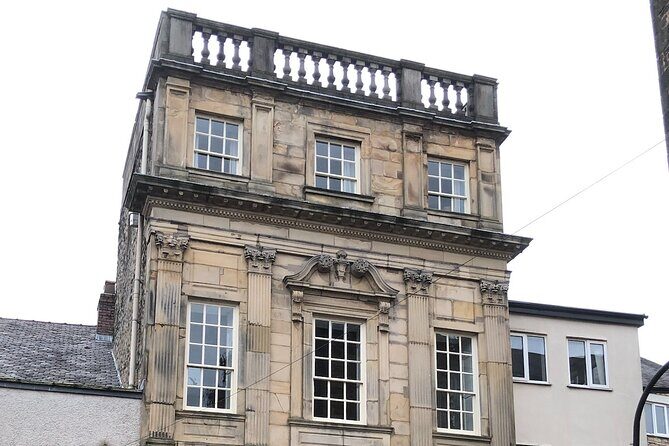
On Church Street, the tour shifts to a lighter kind of mystery: a prince goes missing. You’ll hear some stories about a potential king of England.
This is not just “royal gossip.” It’s a way to see how rumors, succession politics, and local memories can take on a life of their own. Even when you cannot verify every detail, stories like this show what people cared about and what they feared.
The stop is short (about 10 minutes), so treat it as a cultural snapshot. You’re picking up narrative threads that help you understand why royal myths can be sticky in places like Lancaster.
Market Street: Royal Pages, a Shoe, and 300 Years Apart
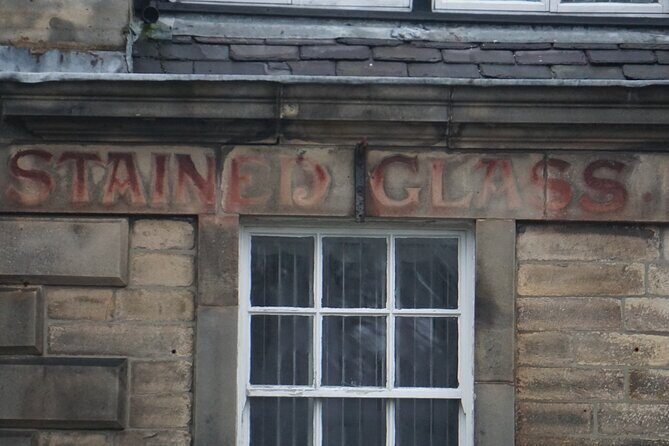
In Market Street, you’ll get two royal-related stories separated by roughly 300 years—one where a prince raises a banner, and another where someone loses a shoe.
Yes, that sounds odd. That’s why it works. The guide uses humor and odd details to keep you engaged, then ties it back to how monarchic power filtered into daily life. Even if the stories are theatrical, the underlying theme is civic identity: people remembered rulers, symbols, and public moments.
At about 10 minutes, this is the kind of stop where you learn more than you can list later. But it will stick. If you are tired of tours that only talk about wars and dates, this stop is a welcome change of pace.
Dalton Square: Murder Solved by Forensics and a Bonus Tied to Slavery
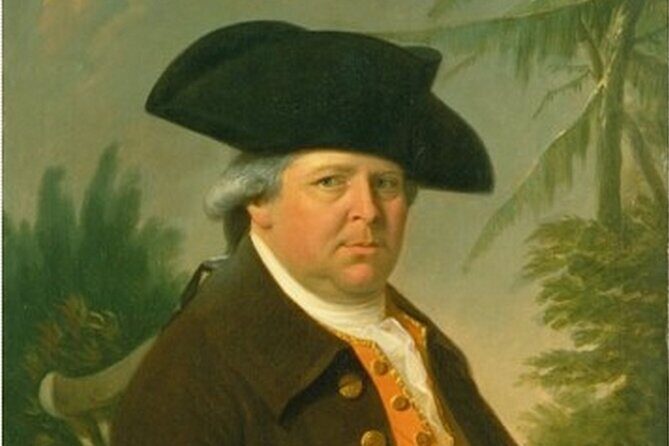
Dalton Square is where the tour goes for the big emotional turn. You’ll hear about a murder, the idea of a government bonus, and how the case relates to slave owners—along with the first murder solved by forensic science.
This is the most challenging stop on the route because it forces you to hold two truths at once: science and progress can exist beside brutal systems of exploitation. The guide’s job is to keep both threads clear—why forensics mattered, and how profit structures could reward slave ownership.
The stop is also about 10 minutes, so again, it’s not a long academic session. What you get is a mental jolt and a better vocabulary for talking about how “advances” historically coexisted with harm.
If your travel style is about making history concrete, you’ll likely remember this square more than the castle.
Lancaster Canal, White Cross Mill, and the Storey Brothers
Next comes Lancaster Canal, with specific attention to the White Cross Mill and the Storey Brothers. This stop (around 10 minutes) helps balance the earlier heavy themes with the story of industry and trade closer to home.
Canal history is often told as pure economics—goods moved, businesses grew, towns prospered. Here, the guide adds local names and context, so it feels less like a generic Industrial Revolution brochure. You get a sense of how Lancaster’s waterfront and waterways weren’t just for shipping people’s suffering; they were also infrastructure for work and growth.
If you’re connecting the dots between the city’s role in trade and its later industrial development, this is the place where the pieces begin to fit together.
Penny’s Almshouses: Still in Use, Still Tied to How Charity Was Funded
Penny’s Almshouses offer a different kind of history: how communities cared for people, and how that care was financed. You’ll learn who founded the almshouse and how it was funded, and you’ll see that it still functions today.
This stop works because it shifts the lens from punishment and profit to everyday survival and community responsibility. You are still in a moral story, but it’s a local one: how Lancaster tried to support vulnerable residents using systems of funding and buildings that endured.
Even with only about 10 minutes here, the point lands. The almshouses feel like a bridge between past and present, which is exactly what you want in a short walking tour.
The Storey: Donations, Education, and a University-Style Tradition
The final stop is The Storey, an educational institute founded by donations. It’s described as becoming a forerunner to the university tradition in the city.
After the darker stops, education can feel like a reset button. But it’s not random. The tour’s structure suggests a pattern: Lancaster developed institutions over time—law, trade, charity, and learning. Each one shapes how people live with one another.
This stop is about 10 minutes. You’ll get the basics and then you can follow the threads on your own if you want to research further.
It also gives you a satisfying wrap: the city isn’t only a stage for crime and commerce. It produced systems meant to improve lives and skills.
Price, Timing, and Group Size: Is $20.81 Good Value?
At $20.81 per person for about 3 hours, this is strong value if your goal is understanding more than ticking off sights. You are paying mainly for the guide’s interpretation and the curated route. The stops themselves are listed as free for admission, which helps the math.
Timing is another quiet advantage. This is often booked around 19 days in advance on average. That suggests it’s a popular afternoon slot, and you’ll likely want to reserve rather than hope.
Group size also affects value. With up to 20 people, you get a real “walk-and-talk” feel. The guide can keep pace, and you’re less likely to be stuck far away when you ask something.
The one caution is weather and comfort. The tour requires good weather, and you should expect you will be outside for the full outing. Dress accordingly and bring something to handle cold damp air if you’re going in shoulder season.
Guide Style and Pacing: How Barrie Keeps Dark Topics Moving
A standout detail from the experience is the guide, named Barrie in multiple accounts. He’s described as delivering facts with humor and energy, and he does not treat the material like a lecture. The storytelling approach helps because the subject matter is heavy: trials, executions, and slavery trade connections are not light topics.
Pacing seems to be part of that. The walking is described as gentle, but the day still ends with real fatigue because there’s plenty of standing around at each stop. Think of it as about 3 hours of city-center movement plus short interpretive moments, not a slow meander.
If you want a tour where you feel guided but not rushed, this structure generally fits the bill. You also pick up extra suggestions during the walk, which is helpful because it gives you a shortlist for what to return to later.
Who This Tour Is Best For
This walk is a good match if you want:
- a fast way to understand central Lancaster without bouncing between multiple venues
- context for why the city’s waterfront and institutions matter
- a guided route that connects crime, punishment, industry, charity, and education
It may be less ideal if you want quiet, mostly self-paced sightseeing. This tour moves through short stops that rely on listening. It also includes dark material—execution-era stories and slavery trade connections—so it’s not a tour built to keep things light.
Should You Book This Lancaster Tour?
Book it if you like your history with a clear thread. The route links obvious sites, like the castle and the quay, to less obvious themes, like forensics, witchcraft, and the economics around slave ownership. That mix is unusual for a short walking tour, and it’s also where the value shows.
Skip it only if weather and standing time would spoil your day, or if you prefer purely visual sightseeing with minimal talking. Otherwise, this is a strong way to get real understanding of Lancaster in one afternoon, especially if you are using Lancaster as part of a wider Lancashire trip.
If you do book, my practical advice is to arrive a bit early at the Castle Approach meeting point and wear grippy shoes. Then go in ready to listen. The city’s story is not polite, but it is fascinating, and the guide does a good job helping you follow it stop by stop.
FAQ
How long is the walking tour?
It runs for about 3 hours.
Where does the tour meet?
The meeting point is Castle Approach, Lancaster LA1 1YN, UK, and the tour ends back at the meeting point.
What language is the tour offered in?
The tour is offered in English.
How much does it cost?
The price is $20.81 per person.
Is there an admission fee at the stops?
The stops listed for the walk are marked as admission ticket free.
How big is the group?
The tour has a maximum of 20 travelers.
Is the tour suitable for most people?
The information provided says most travelers can participate.
Are service animals allowed?
Yes, service animals are allowed.
What happens if the weather is poor?
The experience requires good weather. If it’s canceled due to poor weather, you’ll be offered a different date or a full refund.