REVIEW · LONDON
3-Hour City of London Walking Tour
Book on GetYourGuide →Operated by VIP London Tour · Bookable on GetYourGuide
London’s most dramatic centuries walk right up.
This short, guided route is a fast way to connect big landmarks with the stories that made them matter. I like that you cover St. Paul’s (rebuilt after the Great Fire) and the Tower of London area (William the Conqueror through Anne Boleyn) in just three hours, with expert narration tying it all together.
Two things I’d watch for here are the change of scenery—from cobbled lanes to the broad drama of the Strand—and the way the guide frames key dates like the Great Fire and the Great Plague so you don’t just see buildings, you understand why people feared and celebrated them. One possible drawback: the plan includes cobbled paths and a mix of streets, and while the route is only 3 hours, you should wear comfortable, grippy shoes and be ready for uneven ground.
In This Review
- Key things to know before your 3-hour City of London walk
- Meeting at 10:00 and using a double-decker to set the pace
- Strand and Fleet Street: the street-level story of news and power
- St. Paul’s Cathedral: why it matters and what to look for
- The oldest districts: Great Fire and Great Plague stories in walking form
- Across the Millennium Bridge to Borough Market and Southwark Cathedral
- Golden Hinde II and Drake connections near the river
- Tower of London area from London Bridge station: palace, prison, execution
- Price and value: is $376 per group worth it?
- Who should book this London walk?
- Should you book this 3-hour City of London walking tour?
- FAQ
- How long is the 3-Hour City of London Walking Tour?
- Where do I meet the guide?
- Is this a private tour?
- How many people is the group priced for?
- What major sights will I see?
- Is transportation included in the price?
- Are museum tickets included?
- What languages is the guide available in?
- Where does the tour end?
- What if I need to cancel?
Key things to know before your 3-hour City of London walk
- Private group up to 2 people means you get more attention and more flexibility in questions.
- Meet at 10:00 at your hotel reception and end at London Bridge station—easy for planning the rest of your day.
- You’ll pass through Strand and Fleet Street, once home to Britain’s major newspapers until the 1980s.
- You’ll see river views from the Millennium Bridge area and get a stop at Borough Market and Southwark Cathedral.
- The tour includes Golden Hinde II, linked to Sir Francis Drake’s famous ship.
- St. Paul’s Cathedral is a core moment: the highest point in London for over 1,400 years and a centerpiece of national events.
Meeting at 10:00 and using a double-decker to set the pace
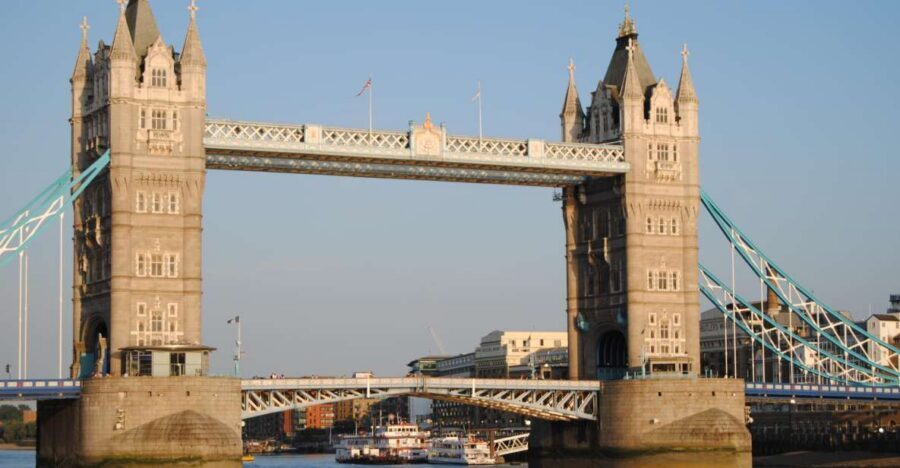
You’ll meet your guide at 10:00 right at the reception area of your centrally located hotel, then get underway with a mix of riding and walking. The pacing matters on a 3-hour tour: a quick bus segment helps you cover ground, while the walking parts keep it personal and story-driven.
One thing I’d plan for is that transportation isn’t listed as included, even though the day includes riding a double-decker bus. In practice, this usually means you should confirm what fare (if any) you personally need to cover. If you’re trying to budget tightly, this is worth checking before you go.
Because this is a private group, you also avoid the “herding cats” feeling that can happen in bigger tours. You’ll still do a fair amount of walking, but it’s a controlled route with a guide who can slow down if you’re stopping for photos or questions.
You can also read our reviews of more walking tours in London



Strand and Fleet Street: the street-level story of news and power
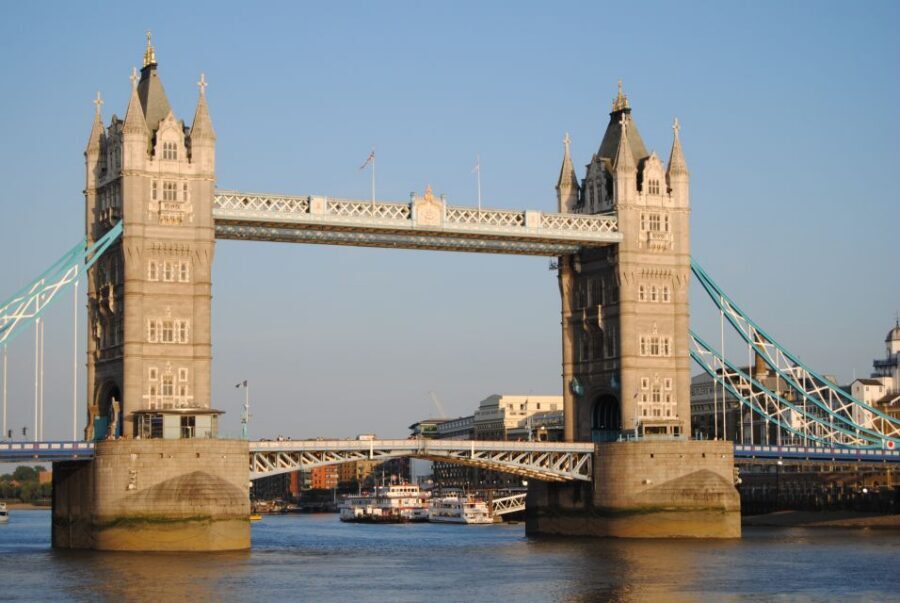
The first big walk is through London’s famous media corridor. You’ll head toward the Strand and Fleet Street by moving from bus to cobbled lanes and alleyways. That small detail—cobbled ground—changes the feel immediately. It turns “sightseeing” into a more lived-in walk, like you’re moving through older London rather than zooming past it.
This is where the guide’s context really pays off. These streets weren’t just glamorous addresses; they were the home of Britain’s major newspapers until the 1980s. That timeline is more than trivia. It helps you connect why certain buildings and corners feel important even when modern London looks different than it did a few generations ago.
If you like history you can point to on the street, this part works well. The guide’s job is to connect the physical setting to the human stuff: who had the platform, who shaped public opinion, and how a city’s power networks can live right in the street names.
A practical tip: bring a phone you can use offline. On this route, you’ll be close to busy central streets, and it helps to map “where you are” even if your guide is driving the story.
St. Paul’s Cathedral: why it matters and what to look for
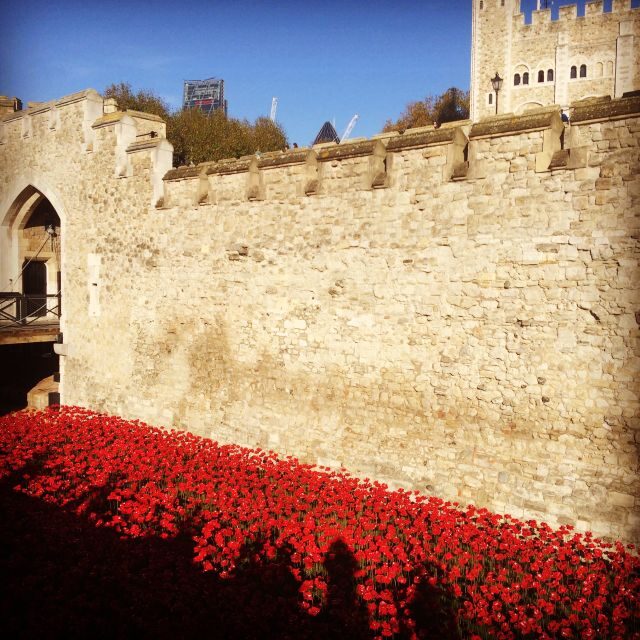
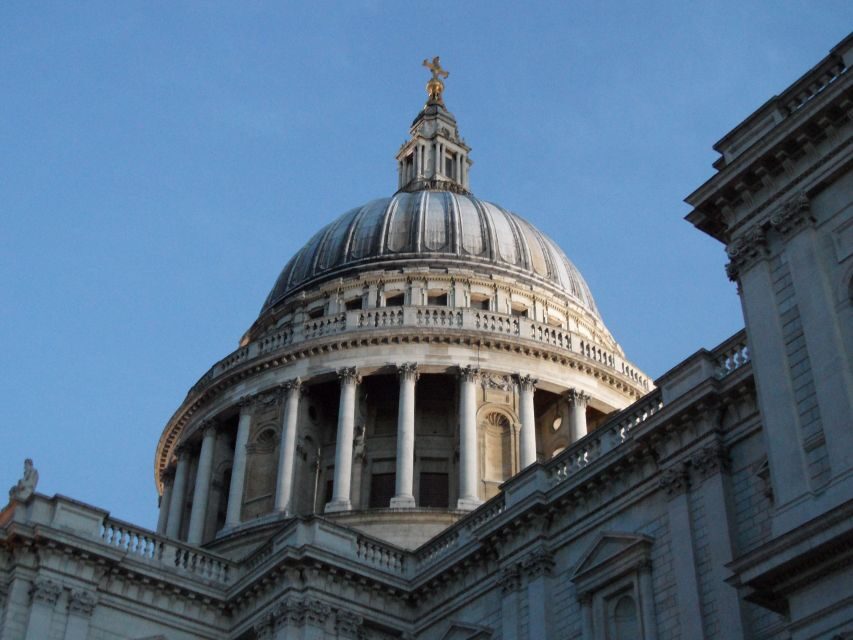
St. Paul’s is the centerpiece moment, and it’s not just famous for being famous. You’ll hear how it was rebuilt after the Great Fire of London, and how it became a stage for major national events, including the wedding of Charles, Prince of Wales, and Lady Diana Spencer.
Here’s the key value for your trip: St. Paul’s sits in the middle of the city’s turning points. The guide uses it as a reference point to talk about the Great Fire—the event that reshaped the city—and also about the Great Plague, which killed a third of London’s population. In other words, you’re not only looking at architecture; you’re seeing why London changed its mind about safety, rebuilding, and community survival.
One detail that sticks with me: St. Paul’s was the highest point in London for over 1,400 years. When you hear that, the building stops being a random skyline object. It becomes a long-running landmark that people could orient themselves around for centuries.
If you’re the type who enjoys asking questions, this is a good segment to do it. The story links are strong here: fire leads to rebuilding, rebuilding leads to symbols, and symbols lead to ceremonies like the one in the late 20th century.
The oldest districts: Great Fire and Great Plague stories in walking form
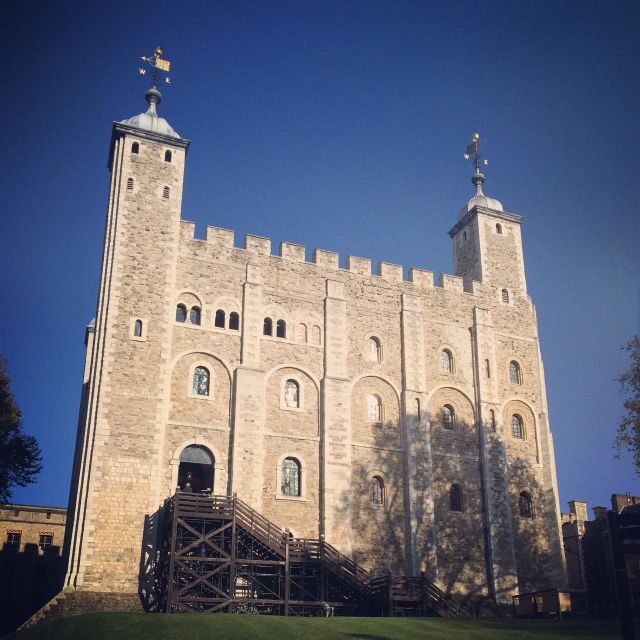
As you move through London’s oldest district, the narration connects events that feel far apart—fire, plague, rebuilding—so they stop feeling like separate textbook chapters. The Great Fire story is tied to the way London physically restructured after disaster. The plague story is darker and more personal, with a clear statistic: it killed a third of the population.
Walking between street corners is a good way to absorb this kind of information because you’re constantly shifting vantage points. You’re also learning in “real space,” not just listening through a single viewpoint.
A consideration: if you’re visiting during a day with heavy foot traffic, some viewpoints can feel busy. The advantage of having a guide is that they can steer you toward the most sensible angles to take photos and keep moving without losing the story.
Across the Millennium Bridge to Borough Market and Southwark Cathedral
Next comes a change of scenery. You’ll cross the Millennium Bridge, a moment that works both visually and narratively because it reorients you toward the river and the south side’s history. This isn’t a long detour; it’s a quick switch that makes the whole afternoon feel like more than just a straight line of landmarks.
After that, you’ll visit Borough Market and Southwark Cathedral. Borough Market is the kind of place where history and everyday London overlap—so even if you don’t plan to buy anything, you’ll get the atmosphere immediately. Southwark Cathedral adds a more formal, ceremonial mood, and the guide’s narration helps you keep track of why this side of the city mattered.
One note for your planning: marketplaces have opening hours that can vary. There’s at least one negative experience in the mix mentioning a market stop where some vendors were closed, including a meat market. If food markets are part of your “must feel” list, consider building in a little flexibility for the possibility of limited access at the moment you arrive.
You can also read our reviews of more city tours in London




Golden Hinde II and Drake connections near the river
You’ll also see Golden Hinde II, tied to Sir Francis Drake’s famous galleon. This is a smart addition because it anchors imperial-era maritime history to an object you can look at, not just words. For many visitors, the City of London story stays focused on land, laws, and power—this adds the sea component.
Even if you don’t know Drake’s biography already, you’ll likely come away with clearer context: the English urge to expand influence didn’t happen only through politics and paperwork. Ships, trade routes, and naval courage were part of the same story.
If you’re traveling with kids or anyone who gets restless in long explanations, this is a good “visual reset” between bigger set-piece moments.
Tower of London area from London Bridge station: palace, prison, execution
The tour finishes with Tower of London stories near London Bridge station. You won’t need to enter the Tower to understand the theme, because the narration covers how the fortress served as a palace, a prison, and an execution place, starting with the 11th-century stronghold under William the Conqueror.
This is where the tour’s emotional weight lands. The guide connects the Tower’s functions to real people and real events, including Anne Boleyn, Henry VIII’s second wife, who was executed there in 1536.
Even from outside the main areas, this kind of story can change how you see the landscape. A structure like the Tower isn’t just “old.” It’s a machine for power, fear, and consequence—so hearing it explained while standing nearby gives you the right mental image for what those walls represent.
The tour ends at London Bridge station, which is handy. You get a major transport hub for continuing your day without needing extra planning.
Price and value: is $376 per group worth it?
At $376 per group up to 2, this is priced like a true private experience, not a budget group stroll. The value equation here is less about “how many stops” and more about what you get in guidance: a live expert guide, a tight 3-hour arc, and narrative connections that help the landmarks click.
Here’s what justifies the price for many people:
- You’re getting a structured route that hits big names like St. Paul’s and adds the surrounding street history (Strand/Fleet Street) and river context (Millennium Bridge, Borough Market, Southwark Cathedral).
- You’re not just ticking landmarks—you’re hearing how disasters and social upheaval (Great Fire, Great Plague) and political drama (Anne Boleyn and the Tower’s role) connect.
- You’re in control of attention. With a private group, it’s easier to ask questions and get clarifications without shouting over a crowd.
What could reduce value? If your guide’s delivery is hard to follow—one experience mentioned a guide with very low volume and unclear communication—then the same landmarks can feel flat. And if you arrive at a market stop when vendors are closed, you may feel you paid for a part that didn’t deliver the expected “open market” vibe.
My practical take: if you’re comfortable paying for a guided, story-focused private walk and you’re okay with some outdoor walking and cobbles, this is good value. If you want a self-guided checklist of sights, you can likely assemble that cheaper on your own.
Who should book this London walk?
This tour is a great fit if you:
- Want a 3-hour hit of central London history without committing to a full-day plan.
- Prefer private pacing and interactive guidance.
- Like clear, story-based explanations that connect landmarks to the events that shaped London.
It’s also ideal for couples and small groups because the pricing is built around up to two people, and the guide can tailor the narration to what you’re most interested in.
If you’re the type who needs a lot of inside-museum time, you might feel a little restraint here. The tour doesn’t promise museum admissions, and St. Paul’s is the standout cathedral moment, but the plan doesn’t frame itself as a ticket-heavy day.
And if you’re sensitive to uneven surfaces, come prepared. Cobblestones and alleyways are part of the route, so shoes with grip really matter.
Should you book this 3-hour City of London walking tour?
I think you should book this if you want London history explained in a way that makes the streets feel like part of the story—not just a backdrop. The route links St. Paul’s, the newspaper streets, the river, and Tower-era drama into one continuous narrative, and that’s a strong use of a short afternoon.
Before you commit, do two smart checks:
- Confirm what you’ll need to pay for during the double-decker segment since transportation is listed as not included.
- If Borough Market is a major priority, make sure your timing aligns with normal opening patterns, since market conditions can vary.
If those points work for you, the odds are good you’ll come away feeling like you truly walked through London’s turning points—Great Fire recovery, plague-era fear, media-era influence, and the hard edge of the Tower—without getting stuck on “information overload.”
FAQ
How long is the 3-Hour City of London Walking Tour?
It lasts 3 hours.
Where do I meet the guide?
You meet the guide at 10:00 at the reception area of your hotel.
Is this a private tour?
Yes, it’s listed as a private group.
How many people is the group priced for?
The price is per group up to 2 people.
What major sights will I see?
You’ll see highlights including St. Paul’s Cathedral, the Strand and Fleet Street, and you’ll get Tower of London stories near London Bridge station. The route also includes Millennium Bridge, Borough Market, Southwark Cathedral, and Golden Hinde II.
Is transportation included in the price?
No—transportation is not included. The experience description mentions a double-decker bus as part of the day, so you should confirm any fares with the provider.
Are museum tickets included?
No. Museum admission fees are not included.
What languages is the guide available in?
The live guide is available in Spanish, English, French, German, Italian, Russian.
Where does the tour end?
The tour ends at London Bridge station.
What if I need to cancel?
You can cancel up to 24 hours in advance for a full refund, and there’s also a reserve now & pay later option.