REVIEW · LONDON
London: Dr Blood’s Immersive Jack the Ripper Walking Tour
Book on GetYourGuide →Operated by Macabre Tours UK Ltd · Bookable on GetYourGuide
Ripper facts, staged on the streets. I like the professional actor guides in full period character, because the story lands like theatre, not a slideshow. I also love that the walk follows latest research in chronological order, with a clear focus on what police, newspapers, society, and the victims were up against.
One heads-up: this is a real walking tour with frequent street crossings and stops, and it’s not suitable for kids under 14.
In practice, it’s built for people who want more than the usual “three spooky stops and a quick rundown.” You start right outside the Durward St exit of Whitechapel Tube Station and end on Brushfield St near Aldgate East. With a group capped at about 25, you get a chance to ask questions without feeling totally swallowed by the crowd.
In This Review
- Key reasons this London Jack the Ripper tour works
- Starting at Whitechapel: what the first minutes set up
- How Dr Blood’s Jack the Ripper story is told (and why that format helps)
- The guide-in-character method: theatre with a purpose
- Stop-by-stop vibe: what your 16+ locations cover
- 1) Orientation and early Whitechapel context (first stretch)
- 2) The first cluster of murders in sequence
- 3) Police and newspaper reality checks (middle of the walk)
- 4) More murder locations and shifting public fear
- 5) Ending with the full arc and the long shadow it left
- Visuals and the book of misery: how the tour keeps you engaged
- Group size, intimacy, and the question time sweet spot
- Price and value: is $25 actually fair here?
- Weather, clothing, and practical do’s that matter
- Who this tour suits best (and who should skip it)
- Should you book Dr Blood’s Jack the Ripper Walking Tour?
- FAQ
- How long is the London Dr Blood’s Jack the Ripper Walking Tour?
- What does the ticket cost?
- Where do I meet the guide?
- Where does the tour end?
- Is the tour guided and in English?
- Does the tour run in bad weather?
- Are there any restrictions on what I can bring or do?
- Is this tour suitable for children?
Key reasons this London Jack the Ripper tour works
- Actor-guided performance in period costume that keeps you focused while still staying grounded in history
- Six murders covered in full, using the tour’s latest research approach
- A chronological route through the 1888 timeline, so the story makes sense step by step
- Police, newspapers, society, and victims are treated as part of the case, not just scenery
- At least 16 locations on foot, including five actual sites linked to the killings
- Visuals as part of the show, with an aptly named book of misery you’ll reference along the way
Starting at Whitechapel: what the first minutes set up
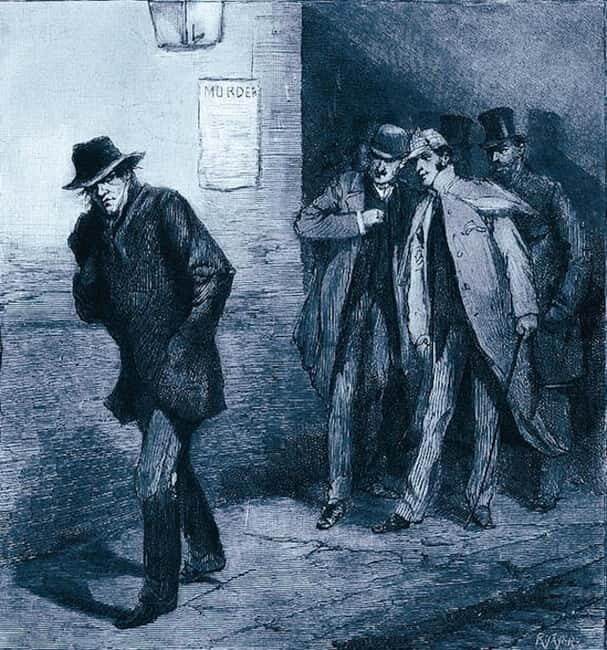
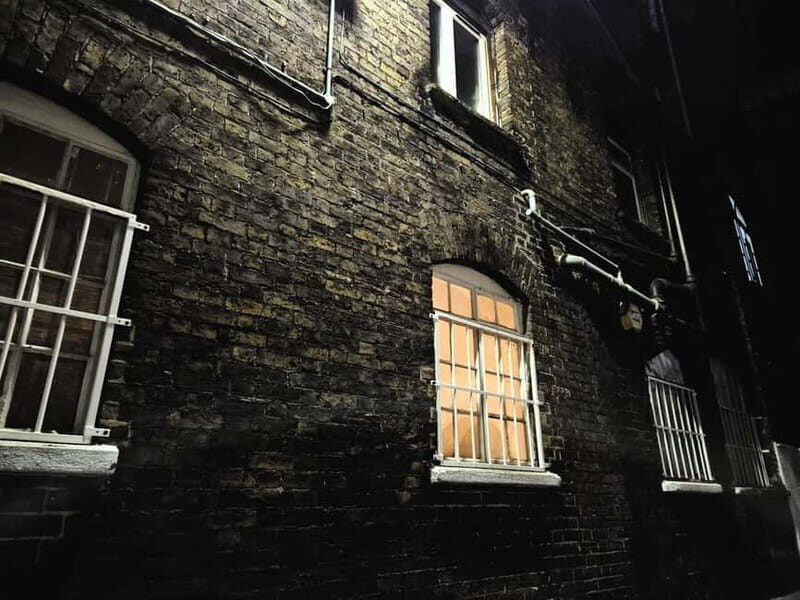
The tour begins right outside the Durward St exit of Whitechapel Station. Your guide stands facing you across the street, in character for the evening. That matters more than it sounds. Instead of starting cold, you get a tone fast: Whitechapel in the late 1800s was crowded, tense, and rough around the edges, and the guide helps you feel what that meant for daily life.
In those opening moments, I like that the format is designed to orient you immediately. You’re not just being told, you’re being guided. And since the tour lasts two hours and covers multiple sites, that early “where are we and why” piece keeps the rest from turning into random stops.
From the start, you should expect a walking rhythm. There’s enough movement that comfortable boots really matter. If you show up in the wrong shoes, the tour stops feeling like entertainment and starts feeling like chores.
You can also read our reviews of more walking tours in London



How Dr Blood’s Jack the Ripper story is told (and why that format helps)
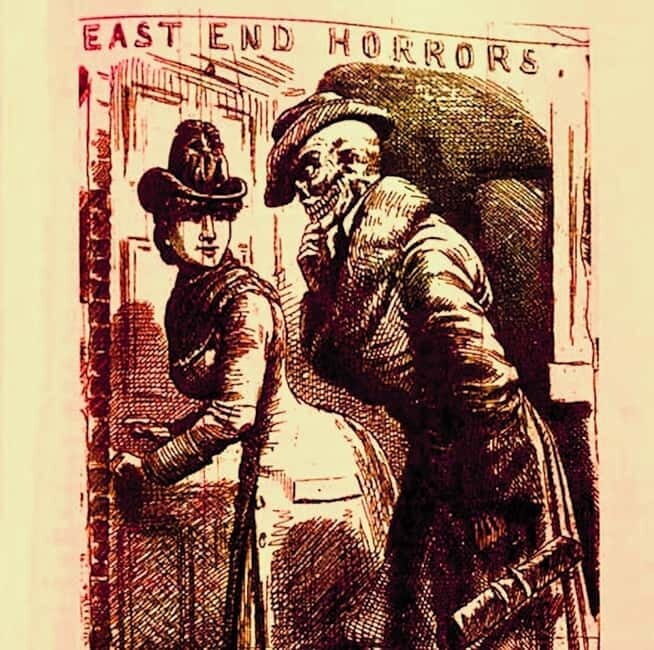
This tour is built around one main idea: the crimes of 1888 are easier to understand when you see them in order, with context attached. So you’ll follow events chronologically, with your guide weaving the timeline into a narrative that covers more than the killings themselves.
That approach is valuable for two reasons.
First, it prevents the usual Ripper-tour problem: you end up remembering only the most famous “beats,” while the rest becomes foggy. Here, the order gives your brain something to hang details on.
Second, you learn the case as society experienced it. You don’t just hear facts about bodies and streets. You get discussion of the police, the newspapers, the people, society, and the victims. In other words, you see why the investigation was so hard, and how public reaction shaped what happened next.
The tour also leans into the idea that these crimes sparked positive changes in society—changes that still affect how we live today. That’s not a “comforting spin.” It’s a reminder that a grim chapter can still push systems to improve.
The guide-in-character method: theatre with a purpose
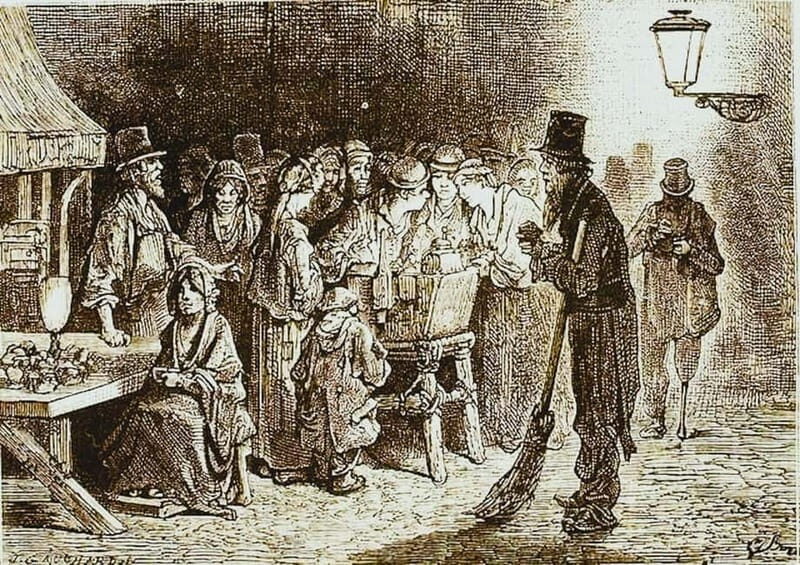
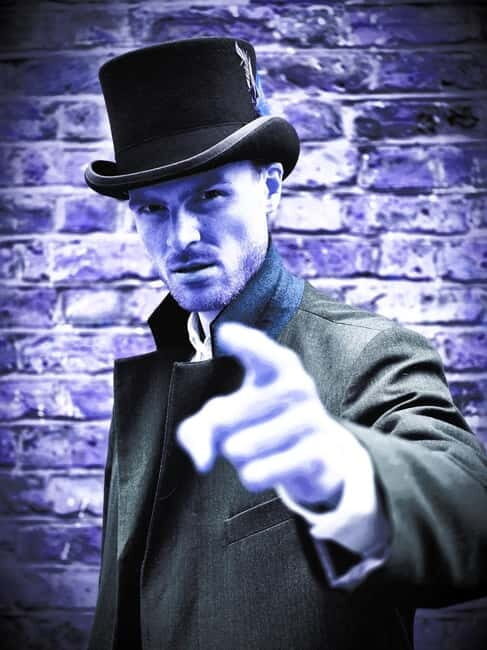
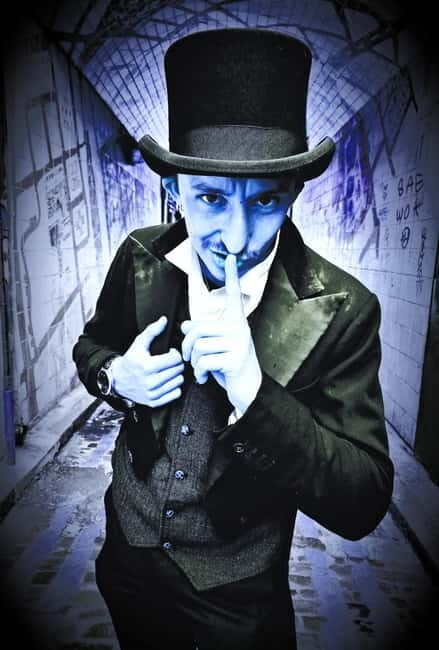
Dr Blood’s uses professional actors, and the guides stay in character throughout. If you’ve ever done a standard walking tour and wished the guide had more presence, this is that fix.
One review highlighted that the guide named Jack was dressed in period costume and that the atmosphere improved even when weather interfered with the full outfit. Another comment praised how the experience never felt scripted, even when the guide did performance-style moments like reading a letter without looking at it. That’s the real point of the theatre here: it keeps you present while the tour gives you structure and explanation.
For you, that means the “hard parts” of the story don’t feel like they’re being dumped on you. Instead, they’re framed. You’re told what people believed, what institutions were dealing with, and what the lived reality of Whitechapel looked like at the time.
Stop-by-stop vibe: what your 16+ locations cover
You visit at least 16 different locations during the walk. The exact addresses aren’t listed in the tour info you provided, so I’ll keep this grounded in what the tour does explain: you’ll move through Whitechapel using main sites tied to the murders, plus places connected to policing, news coverage, and the wider neighborhood context.
Here’s how the tour’s structure typically feels from start to finish:
1) Orientation and early Whitechapel context (first stretch)
The opening part is about setting the scene: late 19th-century Whitechapel, where poverty was visible and the streets carried real consequences. You’ll get a sense of how daily life worked and why the area matters to the murders beyond “it’s the famous district.”
This section is also where the guide’s character work kicks in. It helps you picture the people and the pressures, not just the events.



2) The first cluster of murders in sequence
As the timeline begins, you’ll cover the earliest of the six murders currently attributed to the Ripper. The point isn’t only what happened—it’s how these events were processed in real time, by both authorities and the public.
For you, the value is clarity. When the guide keeps the chronology tight, each case feels like a step forward, not separate trivia.
3) Police and newspaper reality checks (middle of the walk)
At a certain point, the tour shifts from street-level horror to institutional pressure. You’ll hear about the police challenges in dealing with the crimes, and you’ll learn about how newspapers handled the story.
This is a section I’d call “the why it was difficult” part of the tour. It matters because it shows why the investigation wasn’t a clean, modern case file. It was a system under strain, dealing with fear, rumor, and public scrutiny—at a time when tools and procedures were nothing like today.
4) More murder locations and shifting public fear
Next, you move through additional main sites. The tour specifically notes you’ll visit five actual locations connected with the killings. As you walk, the guide ties each stop back to the broader story: how the neighborhood reacted, how people talked, and how fear moved through society.
A practical takeaway: this tour isn’t just “look at the street where it happened.” It’s more like “notice what the street implies about the time.” Even if you can’t picture the exact building from now, the guide helps you frame what the area would have meant then.
5) Ending with the full arc and the long shadow it left
By the time you reach the final stretch, the narrative has worked its way through all six murders and the bigger societal consequences. The tour also emphasizes the idea that these brutal crimes pushed positive change that still shows up in modern life.
The ending location is Brushfield St, just off Commercial St, a few minutes’ walk from Aldgate East Tube Station. That matters for logistics and for closure. You finish away from the Tube bottleneck near Whitechapel, which can make the last moments feel like you’re stepping back into normal London after the story’s intensity.
Visuals and the book of misery: how the tour keeps you engaged
The tour includes extensive use of visuals, including a book of misery. Even if you aren’t a fan of macabre presentation, this is still a smart teaching tool.
Here’s why it works: Jack the Ripper history can get slippery. Dates mix. Details blend. Visuals anchor memory. They also break up walking time with quick references that help you follow the chronology.
If you’re the type who likes to “see it” rather than only hear it, this is a big plus. And since the tour runs in all weathers, visuals inside the narrative pacing help keep the experience from dragging if rain or wind changes your mood.
Group size, intimacy, and the question time sweet spot
A maximum of 25 people keeps things comfortable and immersive, according to the tour info. In plain terms: it reduces the chance that you’ll spend half the walk listening while half the group blocks the speaker.
One provided review mentioned an especially small group—only five people including Jack—which improved the feel and made it easier to ask questions on the way between stops. That’s not guaranteed, because capacity is capped, not promised. But it shows what can happen when the group is small: the guide’s character work and explanations land more directly, and you get real interaction instead of a lecture.
If you hate crowded tours and prefer a more personal pace, this setup is a strong fit.
Price and value: is $25 actually fair here?
At $25 per person for a two-hour walking tour with actor-guides, multiple sites, and visuals, I think the value is solid—especially if you’re comparing it to the cheaper, generic Ripper walks that cover fewer cases or rely on the same tired talking points.
You’re paying for:
- a professional actor who stays in character
- latest research framing and a full six-murder coverage claim
- walking time to 16+ locations, with five actual sites
- structured storytelling that includes police and newspaper context, not just victim-focused description
In other words, it’s not just the price of a route. It’s the price of a guided performance with historical interpretation.
The main value test for you is simple: do you want a story with context, or do you only want the headlines? If you’re in the first group, this feels like a good buy.
Weather, clothing, and practical do’s that matter
The tour runs in all weathers. So plan for damp pavement and chilly wind if you’re visiting in the UK shoulder seasons.
Wear:
- comfortable walking shoes or boots
- weather-appropriate layers
Also note what’s not allowed: bikes, alcohol and drugs, audio recording, and bare feet. Mobility scooters and non-folding wheelchairs aren’t allowed either. If you’re using a wheelchair, confirm your exact needs before booking, because the tour explicitly limits certain mobility devices.
One more practical point: it’s not suitable for children under 14. That’s a helpful filter if you’re traveling with teens and want something age-appropriate for their attention span and comfort level.
Who this tour suits best (and who should skip it)
This is a great fit if you:
- like your London history with a bit of theatre
- want chronology and clear structure
- want the investigation angle: police and newspapers, plus the social context
- prefer small-to-medium groups with room for questions
- are okay with intense subject matter presented respectfully and directly
You might want to skip it if you:
- can’t handle walking for two hours
- need a tour that’s mostly about light entertainment
- are hoping for a child-friendly experience under 14
- require audio recording or specific mobility accommodations that the tour forbids
Should you book Dr Blood’s Jack the Ripper Walking Tour?
If your goal is to understand the Ripper story beyond the surface—who was involved, how information spread, why the investigation was so difficult—then yes, I’d book this.
It’s especially worth it when you want:
- six murders covered rather than a “greatest hits” version
- actor-led immersion that makes the timeline stick
- a route that hits major sites in Whitechapel plus the investigation-and-media context
- a guided experience with visual aids so you’re not just hearing names and dates
If you only want a quick overview or you’re sensitive to dark historical crime narratives, there are other gentler tours. But for most adults who want a structured, story-driven walk through Whitechapel, this one is a strong choice.
FAQ
How long is the London Dr Blood’s Jack the Ripper Walking Tour?
The tour lasts 2 hours.
What does the ticket cost?
The price is $25 per person.
Where do I meet the guide?
Meet at the Durward St exit of Whitechapel Station. The guide will be facing you directly across the street.
Where does the tour end?
The tour finishes on Brushfield St, just off Commercial St, a few minutes’ walk from Aldgate East Tube Station.
Is the tour guided and in English?
Yes. It’s a live tour guide in English.
Does the tour run in bad weather?
Yes, the tour runs in all weathers.
Are there any restrictions on what I can bring or do?
Audio recording isn’t allowed, and items like bikes and alcohol and drugs aren’t allowed. Bare feet are also not allowed.
Is this tour suitable for children?
It’s not suitable for children under 14.