REVIEW · ABERDEEN
Aberdeen’s Ancient Heritage and Folklore Tour
Book on GetYourGuide →Operated by Grampian Escapes & Tours Ltd · Bookable on GetYourGuide
Picts still feel close here. This 7.5-hour Aberdeen-area tour threads Pictish symbols through real sites, with a guide like Jacqueline turning stones and earthworks into stories you can picture. I also like the small-group setup, which makes it easier to ask questions and get your bearings fast on the ground.
The second big win is variety: you’ll walk hill-fort earthworks, spot castle ruins built from older stone, and then move on to major strongholds and circles in the wider northeast. The one drawback to plan for is walking on unpaved paths and grassy, sometimes-steep sections, so sturdy shoes matter and the day may not suit low fitness.
In This Review
- Key Points You’ll Care About
- Why Aberdeen’s Picts Still Feel Personal
- Meeting Point Near William Wallace and How the Day Moves
- Barra Hill Fort: Earthworks You Can Actually Walk
- Dunnideer Castle Ruins and the Stone Circle Nearby
- Rhynie and Tap O’Noth: Scotland’s Largest Hillfort Moment
- Recumbent Circles, the Bass at Inverurie, and Symbol Stones
- Kildrummy Castle Lunch Break and Tomnaverie’s Panoramic Circle
- Folklore Storytelling: How Myths Explain the Stones
- Price and Time: Is $134 Worth It?
- What to Bring and Who This Tour Fits Best
- Should You Book This Aberdeen Folklore and Ancient Heritage Tour?
- FAQ
- How long is the Aberdeen’s Ancient Heritage and Folklore tour?
- Where does the tour start?
- How much does it cost per person?
- Is this tour a small group?
- Is the tour guided and in English?
- Do I need tickets to enter the sites?
- Is lunch included?
- How much walking is involved?
- What should I bring?
- Can I cancel for a full refund?
Key Points You’ll Care About
- Small group limit (7 people) helps the guide slow down and explain
- No entry tickets required, so your money goes to the experience and transport
- Earthworks + standing stones means you’re not stuck looking at things from behind rails
- Pictish carvings get put into context, especially symbols and meanings
- A mix of short photo breaks and 40–60 minute walking stops keeps the day varied
- Folklore storytelling ties belief, power, and place into one route
Why Aberdeen’s Picts Still Feel Personal
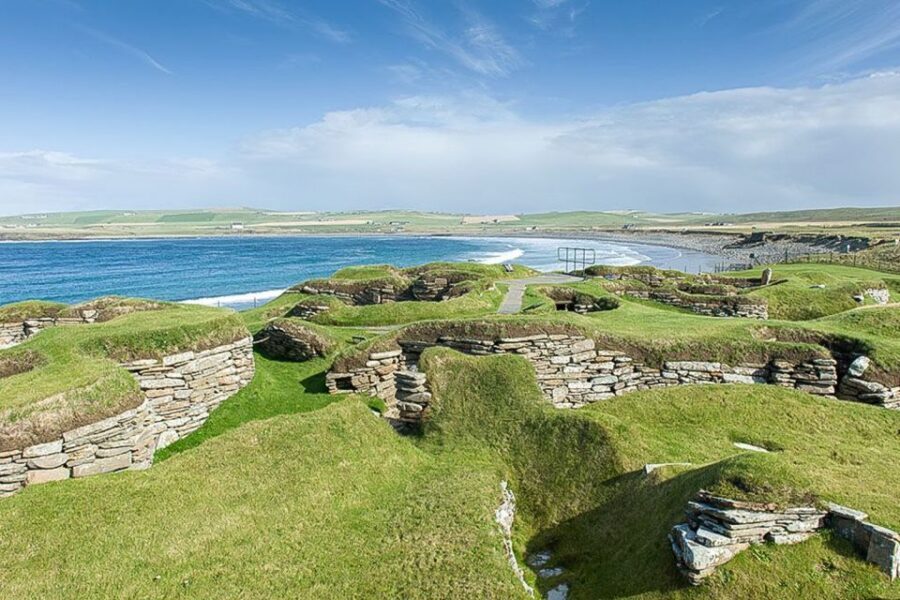
Aberdeenshire has a way of making ancient time feel less like a textbook and more like a landscape you can stand inside. This tour leans into that. You don’t just hear that the Picts lived here; you see where power gathered—fortified heights, stone circles, and ceremonial sites—then connect it to the symbols carved into stone.
What I like is how the guide’s story stays tied to what you’re looking at. A symbol isn’t treated like trivia. It’s treated like a message from people who once had their own worldview, their own politics, and their own language of signs.
You can also read our reviews of more tours and experiences in Aberdeen.

Meeting Point Near William Wallace and How the Day Moves
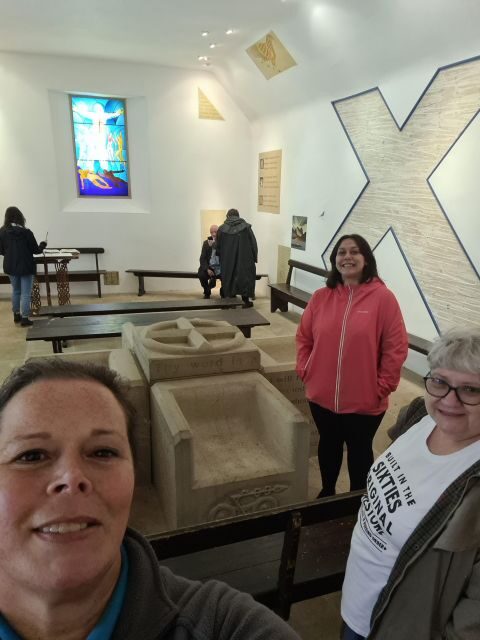
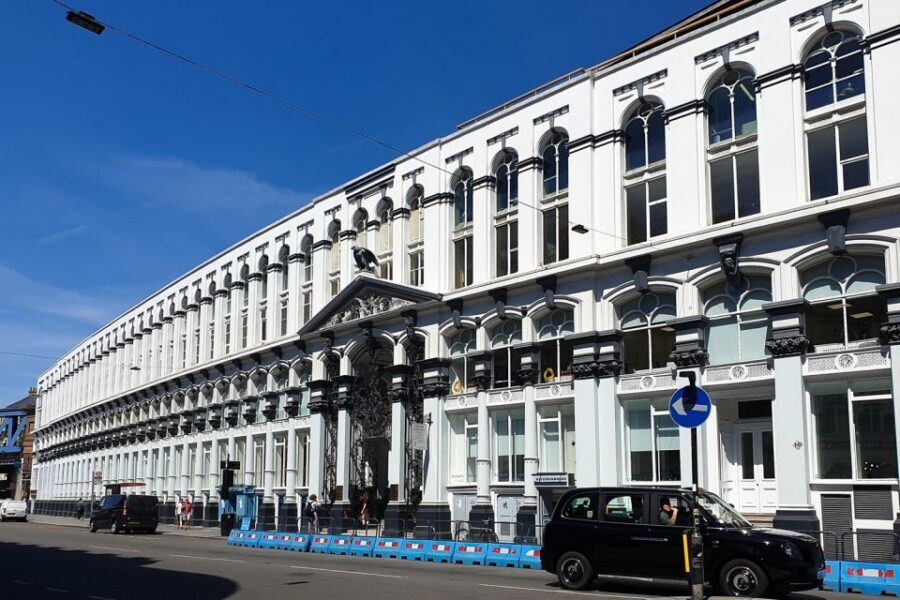
You’ll start by the William Wallace statue by Union Terrace Gardens on Rosemount Viaduct. From there, you travel by van between sites, so you’re not spending your entire day doing long transfers on foot.
The schedule is built around “walk and see” blocks: a longer stop where you’ll get out and move, plus several shorter stops that work well for photos and quick interpretation. The total time is about 7.5 hours, which is a solid day out without getting heavy with museum fatigue.
With a group size of up to 7, you can usually keep up with the pace. Still, it’s wise to remember that some sections include field walking, off-road paths, and hill climbs, even if you choose not to join every optional walk.
Barra Hill Fort: Earthworks You Can Actually Walk
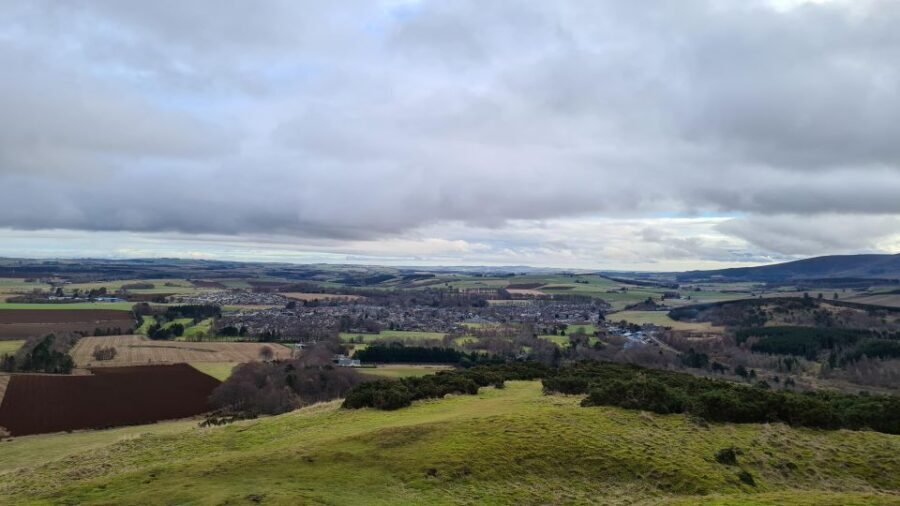
Your first major stop is Barra Hill Fort. This is the kind of site that makes you understand why hill-forts mattered: higher ground, visible boundaries, and practical control of movement through the area.
You’ll walk along earthworks and foundations and start to get a real sense of how early communities formed. The description here is clear: hill forts around Aberdeenshire often sat on higher ground and may have included wooden or stone enclosures that shaped daily life.
This is one of the best stops for “I get it now” moments, because you can measure the scale with your own legs. The main consideration is footwear and weather. You’ll be walking through fields and off-road paths, so you want traction and layers.
Dunnideer Castle Ruins and the Stone Circle Nearby
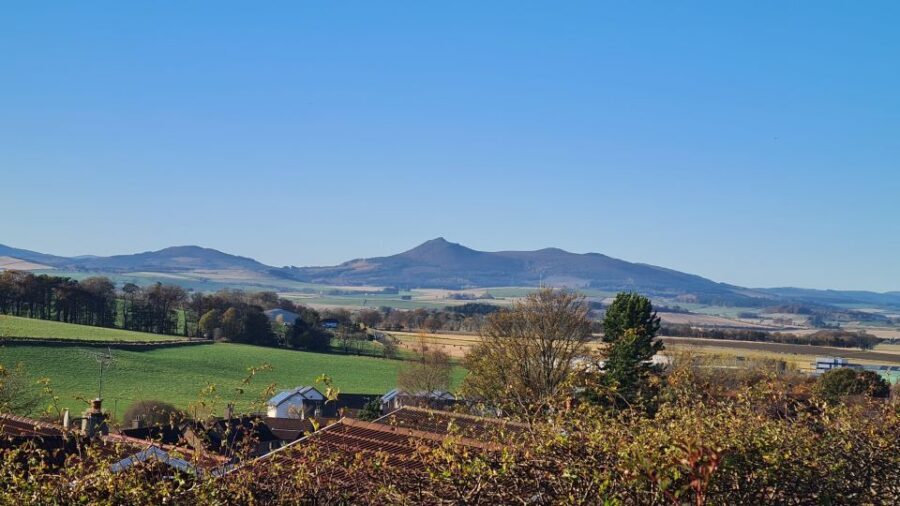
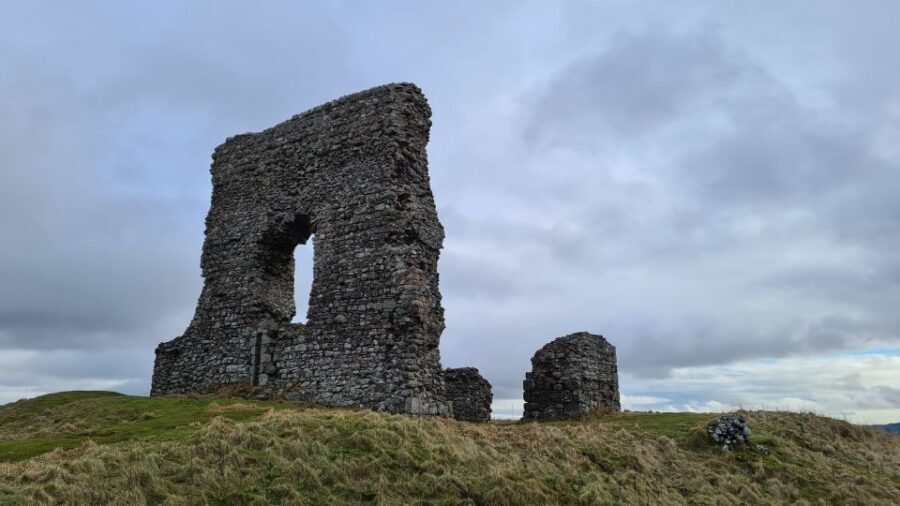
Next comes the ruins of Dunnideer Castle near the village of Insch. It was a tower house dating to around 1260, and it’s especially interesting because it was built partly from remains of an older vitrified hill fort at the same location.
That detail matters. It’s a reminder that people reuse strong ground. Even when empires and kingdoms shift, the places that offered defense and visibility tend to stay valuable.
You’ll also have a connection to the stone circle nearby—the remaining stones of Dunnideer Stone Circle are close enough to spot and photograph as part of the same area visit. Even if your time there is shorter, it gives you a nice “layers over time” feeling: earlier ceremonial stone work, later defensive building.
Rhynie and Tap O’Noth: Scotland’s Largest Hillfort Moment
Rhynie is where the tour starts to feel big—Tap O’Noth is Scotland’s largest hillfort. At its height, it rivaled the largest post-Roman settlements in Europe, and researchers believe it supported a community of over 5,000 residents.
You’ll also get the Pictish angle here beyond the scale. The area has a collection of Pictish carved stones, and you’ll hear more about the symbols and what they may have meant. The symbols matter because the Picts left fewer written records than later groups, so carved stone becomes a kind of cultural map.
One standout is the Crawstane, a lone standing stone once at the center of a settlement. The tour frames it as a site linked to wealth and even far-reaching trade across the Mediterranean. That’s a powerful shift in your thinking: these aren’t just remote ruins. These are places that fit into wider networks.
Plan for a moderate walk time on this stop, and be ready to look up as well as down. When you’re told something was a stronghold, you’ll feel it more when you can see the ground around it.





Recumbent Circles, the Bass at Inverurie, and Symbol Stones
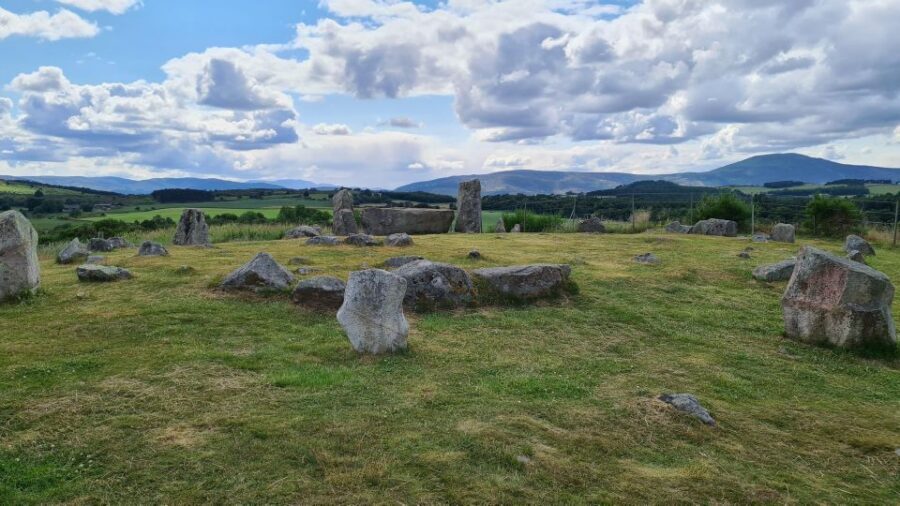
From here, the tour moves into some of Scotland’s best-preserved stone-circle territory—especially recumbent circles. One key stop is Easter Aquhorthies and Loanhead of Daviot Circles, often described as one of Scotland’s best-preserved examples of this stone-circle style.
These monuments date back over 4,000 years, to the late Neolithic or early Bronze Age. A recumbent stone circle is distinctive: a recumbent stone flanked by two tall standing stones, plus a nearly perfect ring of smaller stones around them. If you like archaeology that you can read with your eyes, this is a strong moment.
You’ll also connect to the Pictish early medieval period through symbol stones. Inverurie’s Bass and Symbol Stones offer a layered history: a natural mound shaped into a classic medieval motte in the 12th century, with Pictish stones sheltered in a glass case between the Bass and Little Bass.
And if you’re the type who likes small details that make a big difference, keep an eye out for the Dyce Symbol Stones at St Fergus’ Chapel churchyard near Aberdeen. Dating to around the 6th to 8th centuries, these stones include intricate carvings—mirror and comb, double-disc, crescent, and unique animal figures. The value is that the guide can point out how the symbols relate to Pictish artistry rather than treating them as random scratches.
Kildrummy Castle Lunch Break and Tomnaverie’s Panoramic Circle
After Rhynie, you’ll reach Kildrummy for a lunch break. Kildrummy is a good place for a pause because it helps you reset your brain between different time periods—hill-fort scale, stone-circle design, and then medieval power.
Lunch is on you. The tour stops for lunch, but food and refreshments aren’t included. I’d treat that as part of the planning: bring a plan for what you’ll eat and how much time you’ll want, since the day is structured around site stops.
Later, you’ll visit Tomnaverie Stone Circle. This stop is especially good if you like wide views and clear sightlines. One of the memorable aspects of Tomnaverie is the panoramic view from the circle area, which turns the stones into a viewpoint rather than just a historic object. When the setting matches the monument’s purpose, you start understanding why people chose this location in the first place.
Folklore Storytelling: How Myths Explain the Stones
This tour isn’t only about dates and names. It’s about belief—how folklore and stories helped shape culture and community.
When the guide connects legends to physical places, it stops being abstract. Instead of asking what happened in the distant past, you start asking how people made sense of uncertainty: power, weather, fertility, death, protection. The stones and forts become part of that belief system.
If you’ve ever wished archaeology came with an emotional context, this is where it happens. A good tour guide doesn’t just explain the carvings; they give you a reason to care about them in the first place.
Price and Time: Is $134 Worth It?
At $134 per person for about 7.5 hours, the price feels fair if you compare what you’re getting: a live English guide, van transport between multiple major sites, and a route that keeps you moving rather than parked.
The biggest value boost is this: there are no additional entry tickets required. That removes a common pain point on day trips where costs add up quickly.
The other cost factor is what you don’t get. Food isn’t included, so you’ll want to budget lunch and drinks. Also, the day has a moderate walking component on uneven ground, so plan for that in your comfort level.
For me, the tour lands in a sweet spot: you get a full day of Pictish and ancient-site highlights without spending weeks bouncing between individual attractions.
What to Bring and Who This Tour Fits Best
Bring comfortable shoes, ideally hiking shoes with grip. Water matters, especially if the weather is warm or windy. Wear comfortable clothes that you can adjust in layers, because this part of Scotland can change its mood fast.
Walking poles are sometimes available on the day, but don’t rely on that. If you think they’ll help, bring your own.
Who it suits best:
- People who enjoy walking and short climbs
- Anyone curious about Picts, early medieval symbols, and stone-circle design
- Small-group travelers who like asking questions and getting clear explanations
Who should think twice:
- People with mobility impairments
- People with low fitness
- Anyone who struggles with unpaved paths, grassy terrain, and steep sections
The good news is that the tour notes you’re not required to join every stop walk if you prefer not to. You can still enjoy the history while choosing your comfort level.
Should You Book This Aberdeen Folklore and Ancient Heritage Tour?
Book it if you want a guided day focused on the northeast’s ancient sites, with folklore storytelling that makes the stones feel human. I’d especially recommend it if you enjoy symbol work—mirror-and-comb carvings, disc shapes, crescents, and animal figures—and want those details explained in place.
Skip it if walking over uneven ground sounds like a deal-breaker, or if you’d rather spend a day purely indoors or purely at one single site. This is a “move between strong points” kind of tour, and the outdoors is part of the point.
If you match the walking level, this tour is a strong value: $134 for a small group, van transport, expert guidance, and multiple Pict-focused stops in one day—without entry-ticket add-ons. That’s a pretty efficient way to see a lot of Aberdeenshire’s ancient legacy.
FAQ
How long is the Aberdeen’s Ancient Heritage and Folklore tour?
The tour lasts about 7.5 hours.
Where does the tour start?
It starts next to the William Wallace statue by Union Terrace Gardens on Rosemount Viaduct.
How much does it cost per person?
The price is $134 per person.
Is this tour a small group?
Yes. It’s limited to 7 participants.
Is the tour guided and in English?
Yes, it includes a live English guide.
Do I need tickets to enter the sites?
No. No additional entry tickets are required.
Is lunch included?
No. Food and refreshments aren’t included, and lunch is a stop on the schedule.
How much walking is involved?
There is a moderate amount of walking. Expect unpaved paths or walkways, grassy terrain, and some steep sections. You do not have to participate in every stop walk if you prefer not to.
What should I bring?
Bring comfortable shoes (hiking shoes are best), water, and comfortable clothes. Outdoor clothing for the weather is also recommended.
Can I cancel for a full refund?
Yes. Free cancellation is available up to 24 hours in advance for a full refund.