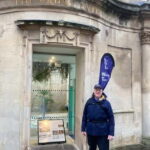
REVIEW · BATH
Bath: Mary Shelley’s House of Frankenstein Entrance Ticket
Book on GetYourGuide →Operated by Mary Shelley's House of Frankenstein · Bookable on GetYourGuide
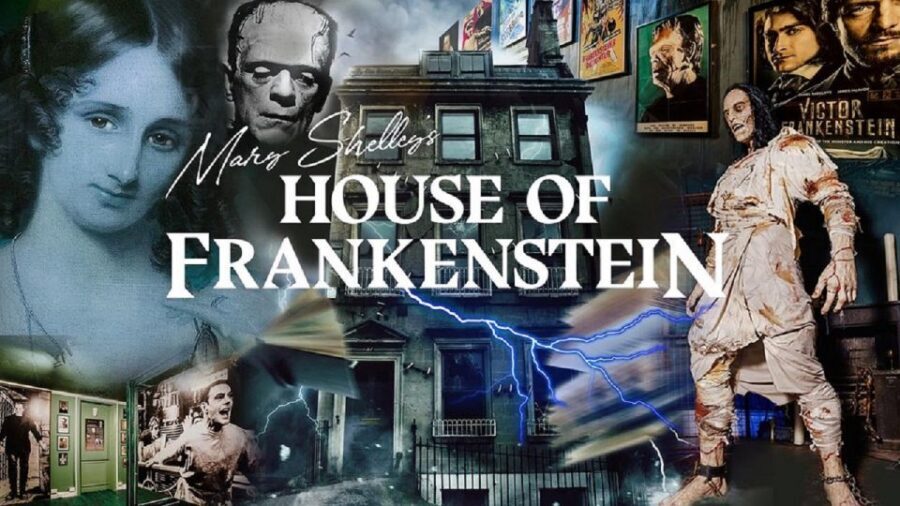
Mary Shelley’s Frankenstein story in Bath hits differently. I love the multi-sensory, upstairs-to-basement setup and the 8ft animatronic Creature that brings her imagined monster to life. It’s set inside a Grade II listed town house, so the whole place feels like you’re walking through a gothic set, not just reading panels.
My other favorite part is how the museum mixes real literary context with pure horror energy. You’ll move through 11 themed rooms with sound scapes and bespoke smells, then you can choose to push your luck with the basement walk-through. The main drawback to consider: this is not a mellow visit. If you have claustrophobia, heart conditions, epilepsy, or trouble with stairs, the experience may not be for you.
In This Review
- Key things I’d plan around
- Why Bath’s Frankenstein story starts inside a townhouse
- How the 4 floors build the story as you climb
- The multi-sensory rooms and the 8ft Creature that steals attention
- The 1910 film screening and pop-culture history without the lecture tone
- Basement walkthrough: the optional part that can run hot
- Escape rooms at the top floor: add-on fun if you want more than the museum ticket
- Ticket value: what $24 gets you in a short Bath window
- Who should book this and who should skip it
- Should you book Mary Shelley’s House of Frankenstein?
- FAQ
- FAQ
- How long does the Mary Shelley’s House of Frankenstein entrance take?
- What is included with the ticket?
- Do I need to book a specific time?
- Is the basement part included or optional?
- Is it suitable for children?
- Is it wheelchair accessible?
- Are food and drinks allowed?
- What’s the cancellation policy?
Key things I’d plan around
- 4 multi-sensory floors in a Grade II listed Bath townhouse that feel like a guided story, not a checklist
- 11 themed rooms with atmosphere details like aromas and sound scapes
- An 8ft Creature animatronic built to match Mary Shelley’s vision
- A 1910 Frankenstein screening room that connects the novel to early film history
- Optional basement walkthrough that can be genuinely scary, plus an on-site gift shop
- Escape rooms are extra if you want more than the museum entry included in your ticket
Why Bath’s Frankenstein story starts inside a townhouse
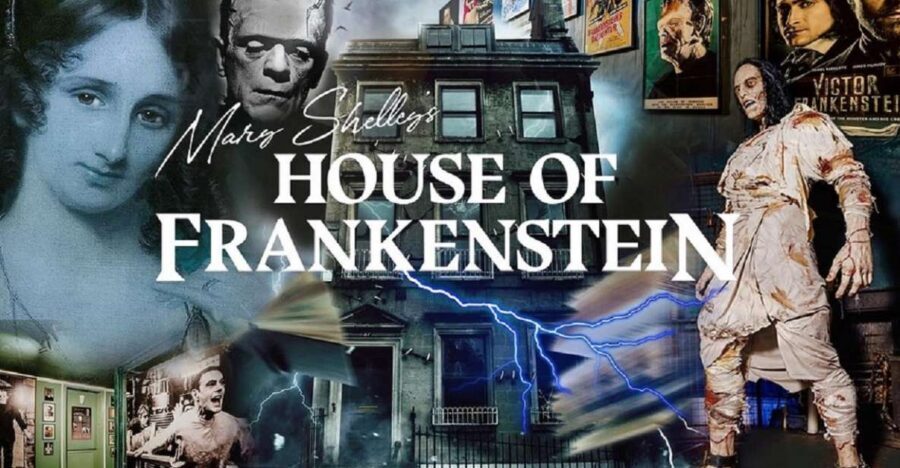
Bath has a way of making literary history feel physical. This experience is built around a simple hook: Bath is the official birthplace of Frankenstein. Mary Shelley wrote Frankenstein while living in Bath in 1816, and this museum uses that fact as the spine of the visit. You’re not just looking at monsters. You’re walking through Mary Shelley’s story and how the book became a global phenomenon.
One practical reason I like this place: it’s easy to fit into a day in Bath. The visit itself tends to move fast because the format is designed to keep you moving floor to floor. That means you don’t end up spending your whole afternoon stuck in one room while the rest of Bath sits there, waiting.
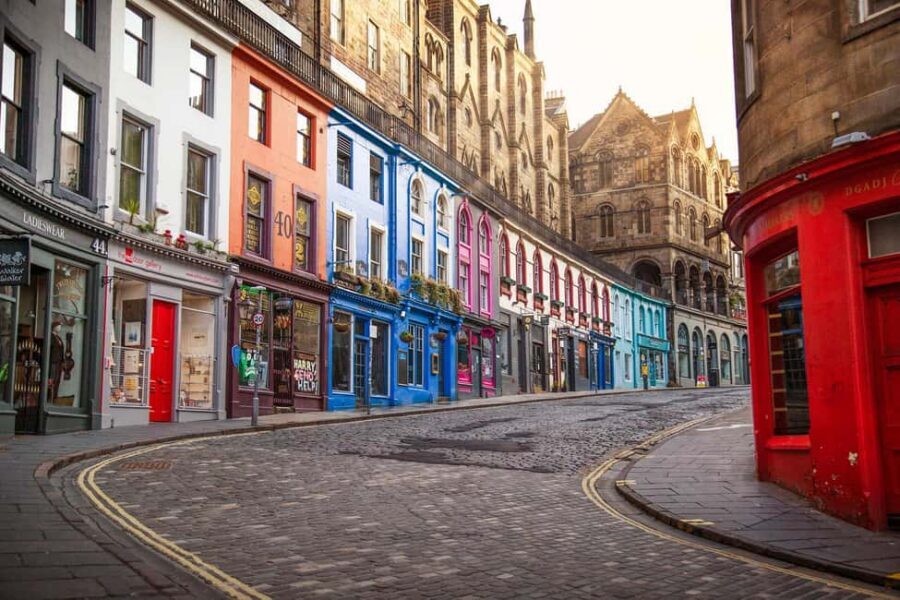
Also, the tone matters. This isn’t a bright, family-friendly science museum. It leans into darkness and horror themes while still keeping literary and historical information in the mix. If you’re in Bath for literary sites like Jane Austen-related stops, you’ll still enjoy the contrast here—the mood is just more Gothic.
A few more Bath tours and experiences worth a look

How the 4 floors build the story as you climb
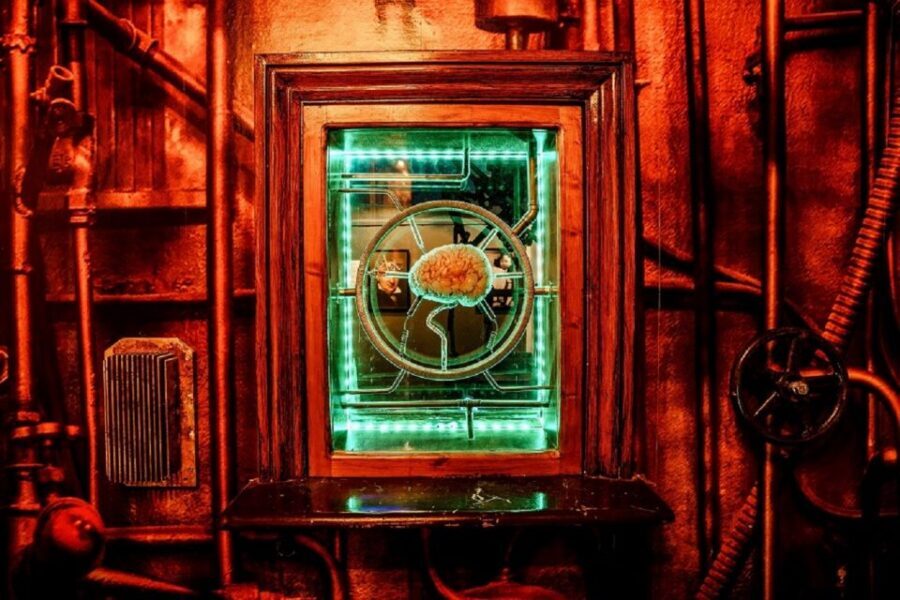
The House of Frankenstein is arranged like a staircase that’s meant to feel like a timeline. You move up through four floors inside a central Bath town house, and the layout is designed to be followed. Once you start, you generally get that sense of progressing through eras—Mary Shelley’s life and mindset at the center, then the novel’s legacy stretching out.
The experience is also structured to keep your senses involved. Instead of saying, here’s a story, the museum cues you with sound and smell for different rooms. That changes the pacing. You don’t just read; you react. Even if you’re not a horror fan, you’ll probably notice how quickly your brain starts filling in the gaps when a room feels wrong.
A small but important thing: expect a climb. Because it’s inside a town house, stairs are part of the journey. Some reviews point out that the basement and the overall set-up can be a challenge if you’re not comfortable with stairs, so plan accordingly.
If you’re short on time, you’ll still get the main arc. If you’re taking your time, the museum gives you enough odd details to slow you down—then you hit the rooms that feel more like “a place” than “an exhibit.”
The multi-sensory rooms and the 8ft Creature that steals attention
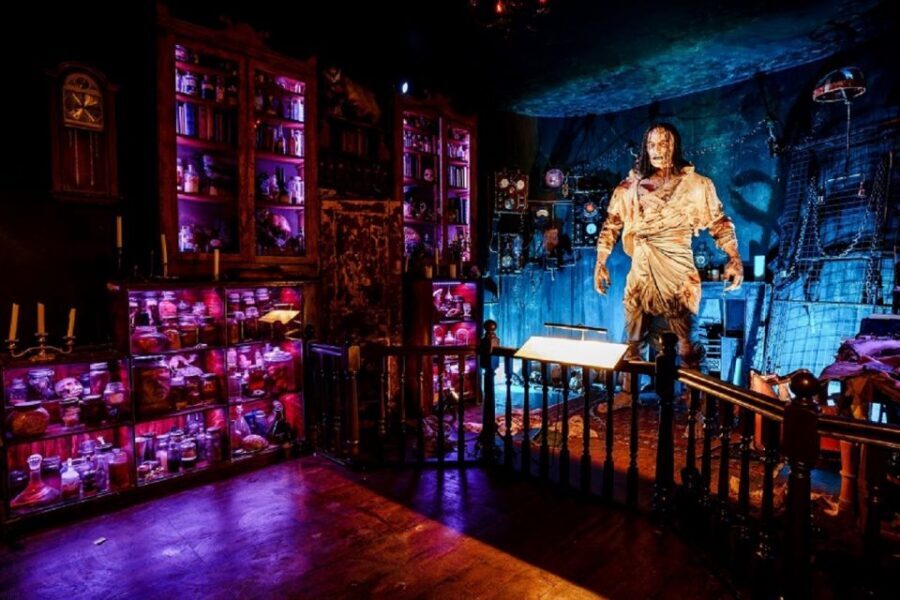
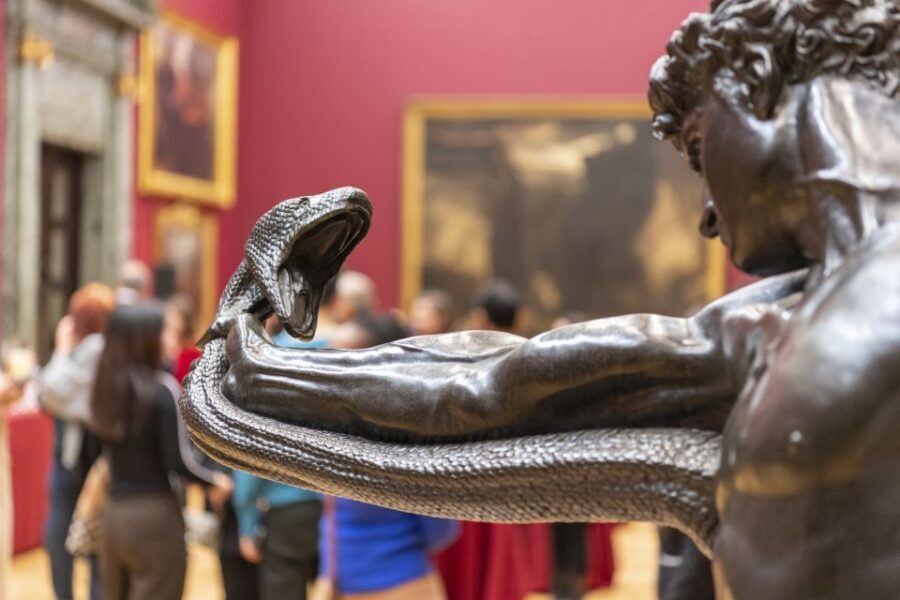
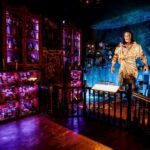
The headline attraction is the world’s first 8ft animatronic recreation of Frankenstein’s Creature as Mary Shelley imagined it. That’s not a small model you can glance at and move on from. It’s the kind of centerpiece that makes other parts of the museum feel like setup and payoff.
What makes it work is the way it’s paired with the museum’s multi-sensory approach. The rooms use atmosphere—aroma and sound scapes—to make the story feel like it’s happening around you. When you combine sensory cues with gothic staging, you get a stronger emotional response than you would from displays alone.
You’ll see themed rooms built to feel like different chapters. One room might emphasize the tragedy around Mary Shelley, while another leans into the monster’s presence and how popular culture later latched onto the character. The overall effect is that the Creature doesn’t feel like a cartoon. It feels like an idea that grew teeth.
And yes, there’s a gift shop. It’s not the main event, but it’s a practical stop at the end if you want something small to take home without hunting for it later.
The 1910 film screening and pop-culture history without the lecture tone
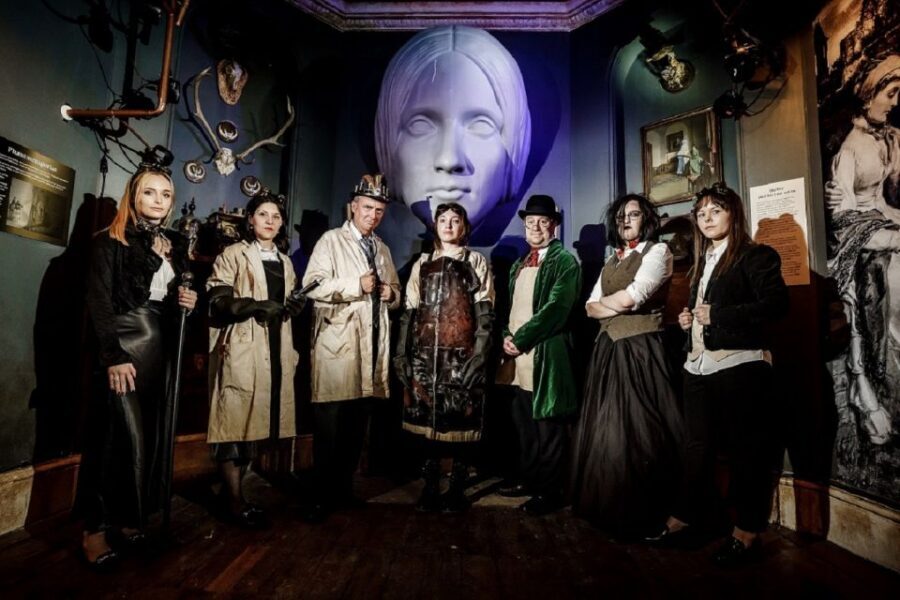
Not every room is strictly about fear. One standout is an intimate screening room showing the first ever Frankenstein film from 1910. That’s a smart choice for a museum like this, because it bridges the gap between a novel and the monster becoming a media character.
If you’ve ever wondered how quickly popular culture can swallow a story and turn it into icons, this gives you that timeline in a concrete way. You’re not asked to do homework. You watch something old and let it connect to what you’ve just seen upstairs.
The museum also includes rooms dedicated to popular culture. That matters because Frankenstein isn’t only a literary text now. It’s a recurring character in film, art, and mass imagination. This museum seems to treat that as part of the story, not as an add-on.
This mix is a big reason I think the place works even if you’re not a die-hard horror person. You get scary set pieces, but you also get context for why the monster matters.
Basement walkthrough: the optional part that can run hot
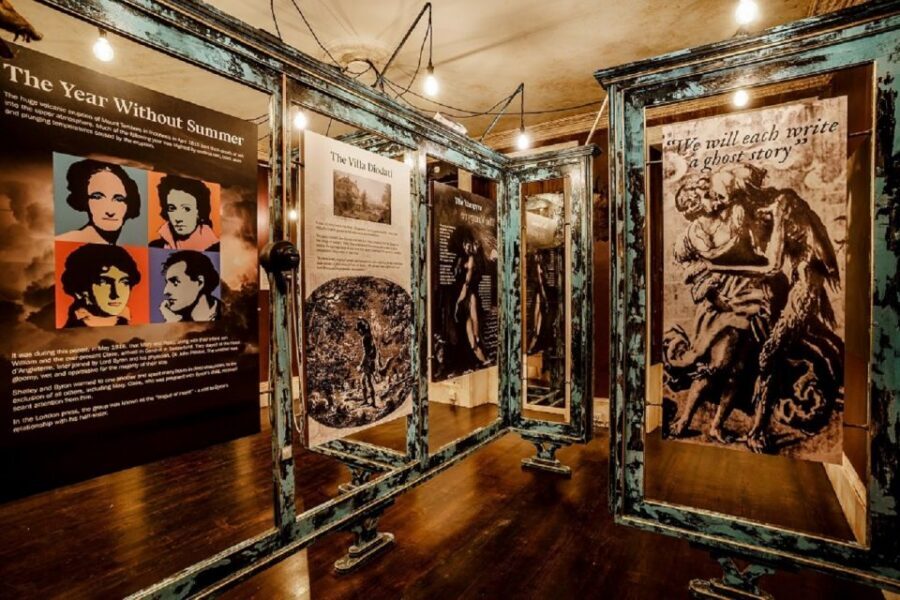
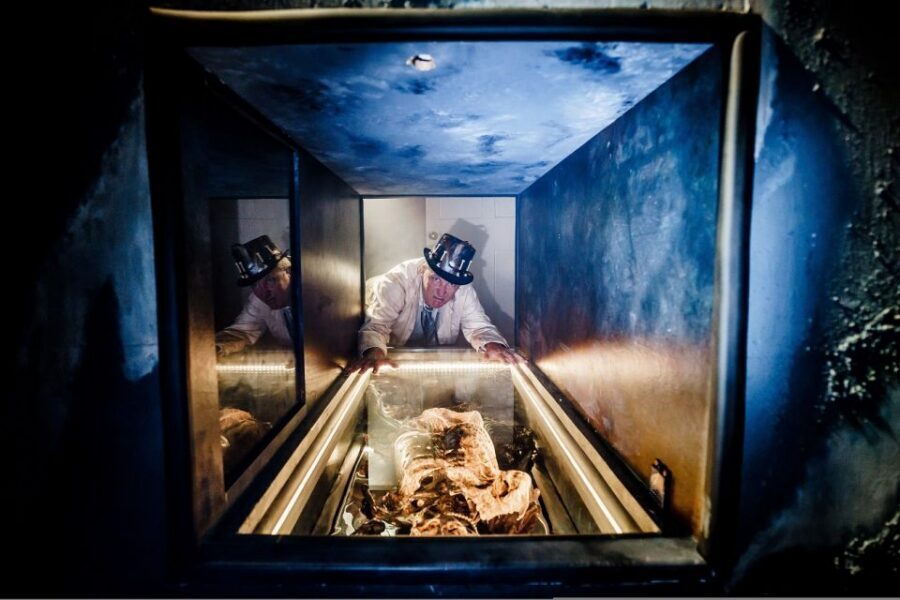
Let’s talk about the creepy walk-through Basement experience, because this is the section that can make or break the trip for some people.
The basement is described as optional, and that’s good advice. Reviews consistently flag it as more intense—dark, scary, and, for some visitors, too much. If you’re hoping for a light, spooky vibe, you might still enjoy it, but if you’re sensitive to horror elements, you’ll want to treat it like optional risk.
You also want to consider physical comfort. The basement is part of the town house experience, and the reviews suggest darkness and intensity can be overwhelming. If you already know you’re uncomfortable with dark spaces or strong scares, you might choose to stay upstairs and get the full museum story without the extra shock.
On the flip side, if you want the most memorable moment, the basement is where that memory tends to stick. It’s the part that feels most like a staged “walk-through” rather than a standard exhibition.


Escape rooms at the top floor: add-on fun if you want more than the museum ticket
Your entry ticket covers the museum experience. It does not include the additional games or escape rooms. Still, the top floor includes escape room options, and that gives you a choice:
- If you want a straightforward museum visit, you can focus on the rooms and the Creature.
- If you crave interaction and problem-solving, you can plan to add an escape room later.
This distinction matters for budgeting and time. Escape rooms take more effort than a museum walk, and they’re extra cost on top of entry. If you’re on a tight schedule, you might skip them and save energy for other Bath sights.
If you do add them, keep your expectations aligned: the museum is story-forward and sensory-driven, while escape rooms are puzzle-driven and more active. Done together, they can make the visit feel fuller, but you don’t need them to have a good time.
Ticket value: what $24 gets you in a short Bath window
At about $24 per person, this ticket is priced like a focused, ticketed attraction—not like a huge multi-hour museum. The museum experience is often around 30–45 minutes, depending on how long you pause and how much you read and re-watch the film room. That length is a feature, not a flaw.
Why the value makes sense: you’re getting a Grade II town house setting, 11 themed rooms with sound and scent work, a major centerpiece animatronic, and a screening room. In other words, you’re not just paying for information. You’re paying for staging, effects, and atmosphere.
Also, the optional basement lets you steer the intensity level. You can choose how much fear you want to add to your day.
One small planning note: opening hours can change, so it’s smart to check before you head over. And since you check in by showing your booking confirmation, bring your confirmation details.
Who should book this and who should skip it
This works best for people who like gothic storytelling, horror vibes, and interactive museum design. I’d also say it’s a strong pick if you want something different from Bath’s more classic day-trip rhythm—its museum-like calm, its river walks, its Georgian streets.
It may not work for everyone. Based on the stated guidance, it’s not suitable for:
- children under 12
- pregnant women
- people with mobility impairments
- wheelchair users
- people with claustrophobia
- people with heart problems
- people with epilepsy
So if you fall into any of those categories, I’d treat the basement and the multi-floor layout as a clear warning sign, even if you’re interested in the story.
If you’re comfortable with stairs and you handle spooky themes well, you’ll likely have an easier time. Many visitors describe the house as easy to follow with clear directional arrows, which helps you keep moving without getting stuck or lost.
Should you book Mary Shelley’s House of Frankenstein?
I think it’s a great booking if you’re in Bath and you want a short, story-driven, sensory experience built around Mary Shelley’s Frankenstein origins. For the price, you get a lot of “made-world” atmosphere: the themed rooms, the film room, and especially the 8ft Creature.
Skip it—or seriously reconsider—if dark, scary walk-through spaces are not your thing, or if you have the listed health or mobility concerns. The basement can push the experience into genuinely intense territory, and it’s optional for a reason.
If you’re deciding between this and another indoor activity on a rainy day in Bath, I’d pick this—because it’s not generic. It feels like a purpose-built Halloween-style museum that also happens to be grounded in the Mary Shelley story.
FAQ
FAQ
How long does the Mary Shelley’s House of Frankenstein entrance take?
The museum experience is described as taking about 30–45 minutes, depending on how much you pause and explore.
What is included with the ticket?
The ticket includes entry to Mary Shelley’s House of Frankenstein (the museum experience). Additional escape rooms or games are not included.
Do I need to book a specific time?
The ticket is valid for 10 days, and you’ll need to check availability to see the starting times.
Is the basement part included or optional?
The basement experience is part of the overall attraction as a creepy walk-through, and it’s described as optional.
Is it suitable for children?
It is not suitable for children under 12.
Is it wheelchair accessible?
It is not suitable for wheelchair users, and people with mobility impairments should not plan on this experience.
Are food and drinks allowed?
Food and drinks are not allowed.
What’s the cancellation policy?
Free cancellation is available up to 24 hours in advance for a full refund. Opening hours can also change.