REVIEW · BATH
Bath: Guided Walking Tour
Book on GetYourGuide →Operated by Bath Walking Tours Limited · Bookable on GetYourGuide
Bath is the kind of city that rewards slow looking, and this guided walk is a smart way to do it. You get a professional, fully-qualified guide who ties streets and stone to the people and events that shaped Bath, with stop-by-stop storytelling built for real conversations. Guides like Jess and Victoria show up with real energy, plus a knack for making architecture feel human.
Two things I really like about this experience are the tight 2-hour structure and the way it’s designed for questions. The tour covers the big icons without dragging, and your guide actively encourages you to ask stuff, test your guesses, and get practical tips on when to revisit certain sights. It also helps that the guides are consistently described as entertaining and engaging, with clear speech and good group management.
One drawback to plan for: it’s about 4 kilometers on foot, and even though the tour is listed as wheelchair accessible, some stretches can feel steep. If you’re using a manual chair, you may need to pace yourself and plan for extra effort.
In This Review
- Key things to know before you go
- Why Bath’s UNESCO sights feel different on a guided walk
- Meet at Abbey Churchyard and get oriented fast
- Royal Crescent: where the guide makes the city feel personal
- The Circus: city planning you can actually feel
- Queen Square: the meaning behind the view
- Pulteney Bridge: a landmark you can appreciate from street level
- Bath Abbey and the tour’s final wrap-up where you can branch out
- Getting the most from a 2-hour, 4-kilometer walk
- What’s included, and what you still need to add
- Price and value: why $26.94 can work well
- Who should book this guided Bath walk
- Quick planning tips for a smooth day
- Should you book this Bath guided walking tour?
- FAQ
- How long is the guided walking tour?
- How far do you walk?
- Where do you meet for the Bath walking tour?
- What are the main sights you visit?
- Is the Roman Baths visit included?
- What language is the tour guide?
- Is the tour wheelchair accessible?
- How does cancellation work?
Key things to know before you go
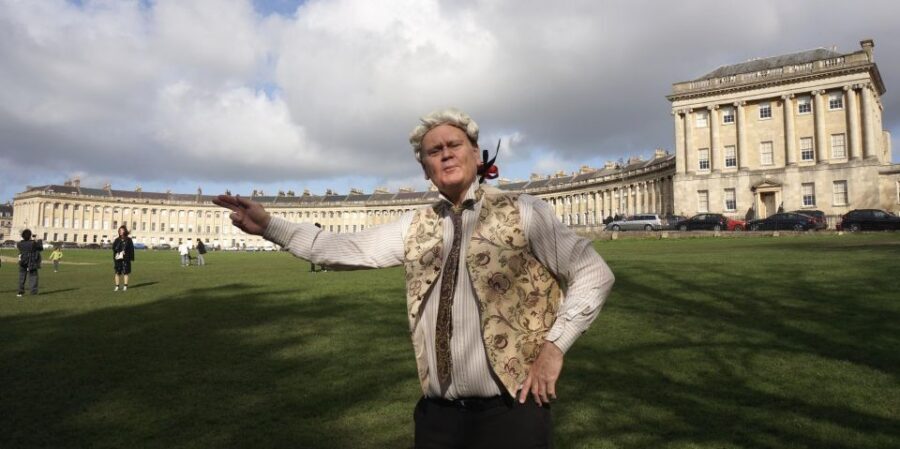
- Unesco-core highlights on foot: Royal Crescent, The Circus, Queen Square, Pulteney Bridge, and Bath Abbey in a single, organized loop.
- A story-driven guide: Guides are described as enthusiastic, funny, and great at turning buildings into scenes from Bath’s past.
- Good group pacing: You’ll see the guide checking that everyone can keep up with both the walking and the information load.
- You do not do the Roman Baths: This walk focuses on the city sights, while Roman Baths entry is not included.
- Ask questions and get timing tips: You’re not just listening; you’re encouraged to interact, and you may get advice for return visits.
- Start and end at Bath Abbey area: Meet at Abbey Churchyard and finish back at the same point.
Why Bath’s UNESCO sights feel different on a guided walk

Bath is famous for its Georgian elegance and its UNESCO World Heritage status, but the difference between seeing buildings and understanding them is huge. On this tour, you’re walking through the city’s most recognizable set-pieces while your guide explains the themes that connect them: how Bath grew, why certain designs were favored, and what all those famous facades were for.
I like that this is not a lecture. The format is designed around short stops where the guide points out what to look at and then adds the story behind it. That makes it easier for you to track what you’re seeing as you go, instead of trying to research afterward with sore feet.
It’s also a good length for a first taste of Bath. Two hours is long enough to cover multiple landmarks, but short enough that you’re not trapped in a full day if you still want time for tea rooms, shopping, or the Roman Baths later.
You can also read our reviews of more walking tours in Bath


Meet at Abbey Churchyard and get oriented fast
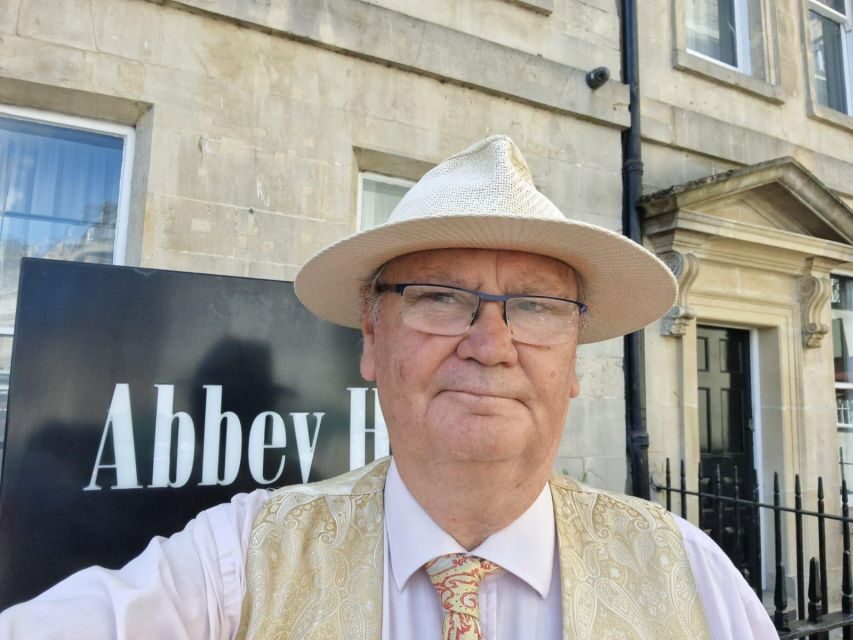
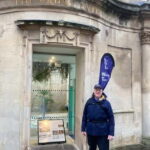
The meeting point is easy to find: Abbey Churchyard, Bath (BA1 1LY). Look for a Blue Badge Walking Tour flag. Since the tour also ends back at the meeting point, you won’t feel stranded when it’s time to break away and explore on your own.
This start location matters because it puts you right in the center of the walking story. Bath Abbey is on the route, so you’re not just starting near a landmark, you’re starting near one of the city’s strongest anchors. By the time you finish, you’re usually in a better position to choose what to see next, because the tour has already placed those major buildings into a broader picture.
One small practical advantage: guides are described as easy to spot at the start and clear about timing. When you’re in a historic city with lots of foot traffic, that saves you time and stress.
Royal Crescent: where the guide makes the city feel personal
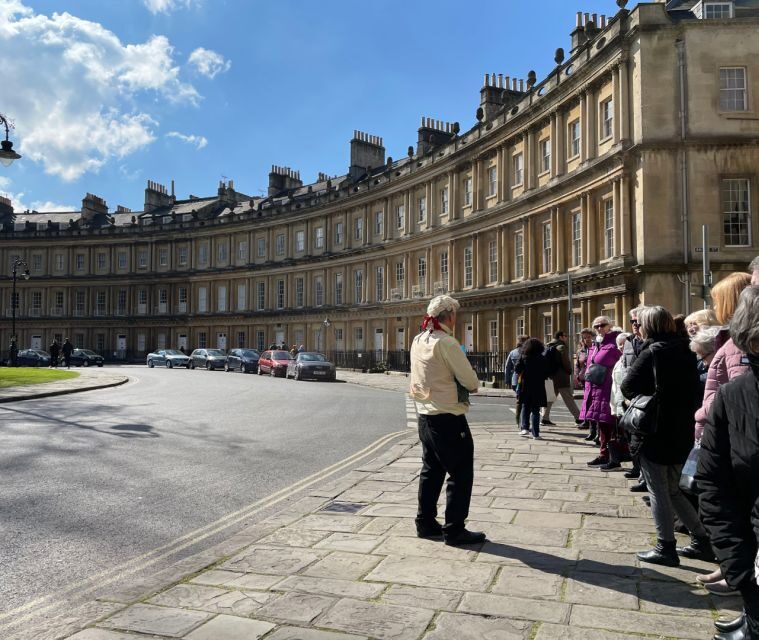
Royal Crescent is one of the headline sights on this walk, and your guide treats it like more than a photo stop. You’ll see it during the walking loop, and the commentary is aimed at helping you understand why it became such a symbol of Bath.
What you’ll likely take away here is how a building’s design reflects the people who wanted to live in it, visit it, or show off their place in Bath’s social world. Your guide explains architecture and history along the way, and Royal Crescent is a key example because it’s visually bold and instantly recognizable.
A practical consideration: this is a walking tour, so you’ll want comfortable shoes. Even if you’re not walking for hours, Bath’s streets can include uneven surfaces and stretches where the grade changes. If you’re prone to fatigue, plan to take breaks when your guide pauses for the next explanation.
The Circus: city planning you can actually feel
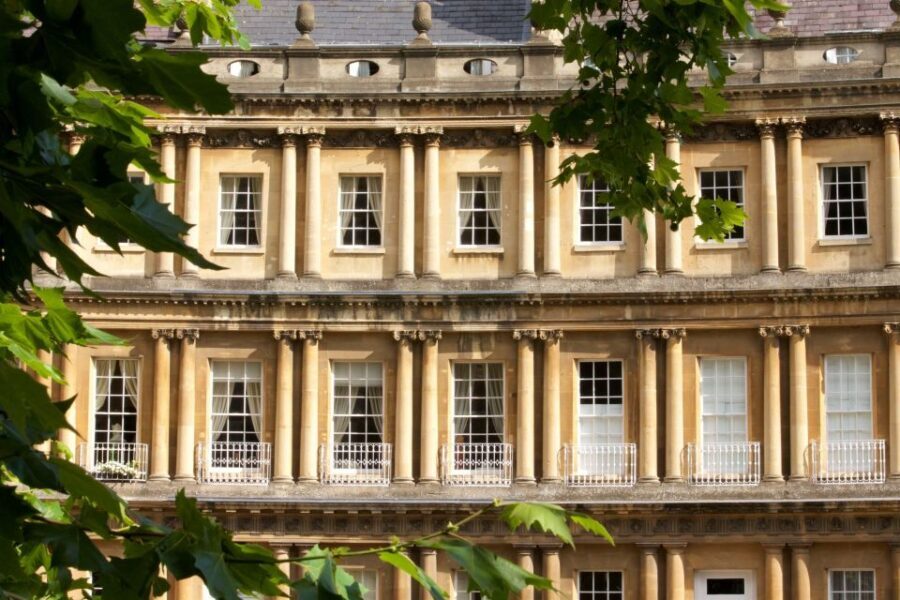
Next up is The Circus. Again, the value here is not the landmark name, it’s the way your guide turns it into a story. You’ll learn what to notice in the design and how the building fits into Bath’s overall development.
I like stops like this because they help you read the city like a map. When you see repeated design choices or a layout that shapes movement, it becomes easier to understand why Bath looks the way it does at street level. It’s the kind of information that you can carry with you the rest of your trip, especially if you plan to wander without a guide afterward.
Also, because the tour is about two hours and includes several major sights, your time at The Circus won’t drag. The guide-style described in the experience focuses on staying lively and keeping momentum, so you don’t lose your rhythm or your attention.
Queen Square: the meaning behind the view
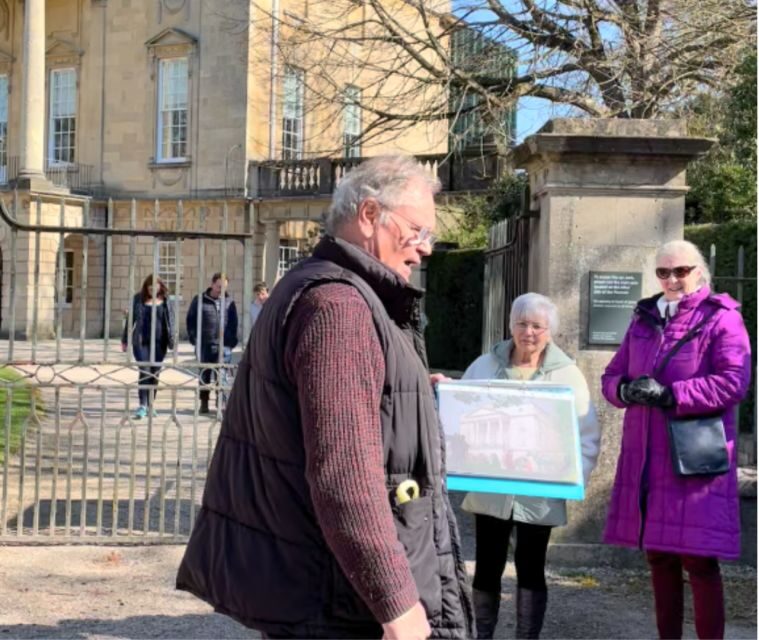
Queen Square is another named stop, and it’s a smart one to include because it shifts the focus from big, dramatic landmarks to the feeling of being in Bath as a lived-in city. Your guide uses each stop to connect the architecture to the events and people that shaped Bath over time.
What I think makes this stop work for most people is that it encourages you to look around, not just at one facade. Even within the 2-hour time window, you get that push to notice how spaces work together: streets, sightlines, and the placement of major buildings in relation to each other.
If you’re the type who likes asking questions, Queen Square is a good place to do it. The guide invites interaction, and the tone described by guests is friendly and conversational, not stiff. That matters if you want to understand details at your own speed.
You can also read our reviews of more guided tours in Bath




Pulteney Bridge: a landmark you can appreciate from street level
Pulteney Bridge rounds out the set of major city icons on this walk. Your guide explains the background and connects the landmark to the wider themes of Bath’s history and development.
This stop is valuable because it’s easy to overlook when you’re sightseeing on your own. From the reviews-style info, the guides have a talent for making landmarks feel connected, not isolated. So instead of seeing Pulteney Bridge as a standalone picture, you’re more likely to understand what role it played in the city’s built environment and why it’s remembered.
One thing to plan for: bridges and river-adjacent areas can feel exposed depending on weather. The tour instructions recommend weather-appropriate clothing, and that’s worth taking seriously in Bath. If it’s wet or breezy, bring layers you can adjust.
Bath Abbey and the tour’s final wrap-up where you can branch out
Bath Abbey is both a major stop on the route and also part of why the meeting point works so well. You’ll see it during the guided walk, and because the tour finishes back at Abbey Churchyard, you naturally return to a central spot for your next move.
This is where the guide wrap-up energy matters. Many guests highlight that the guides are not only enthusiastic but also entertaining story-tellers who keep the pacing strong. In practice, that means you often get a clearer sense of what to prioritize next, whether you want to revisit a viewpoint, explore nearby streets, or shift to a different attraction afterward.
If you’re short on time and worried about missing something important, this ending helps. You’re not just left near the tour start point with no guidance; you’ve been shown a cluster of the most famous Bath sights and the threads that connect them.
Getting the most from a 2-hour, 4-kilometer walk
This tour is about 2 hours and includes roughly 4 kilometers of walking. That’s a sweet spot for visitors who want orientation without committing to a full day. You’ll also want to bring comfortable shoes because the value of a walking tour comes down to whether you can enjoy the stops without aching legs.
A few tactics that help you enjoy it more:
- Arrive a few minutes early so you can settle in at Abbey Churchyard and start with zero rush.
- Ask questions as you go. The tour is designed for interaction, and guides can tailor answers to what you care about most.
- Don’t just stare at the famous buildings. Listen for what the guide says to notice, then take your eyes back to the street-level details right after.
- If you’re planning to return later, ask about best times to revisit specific sights. The tour is set up to share practical timing tips.
You should also keep expectations realistic: this is an overview walk, not an in-depth museum experience. If you want deep interior time, you’ll still need to plan that separately.
What’s included, and what you still need to add
Included is straightforward: you get a guided walking tour with a professional tour guide. That means your main “ticket value” is the guided interpretation and the organized route between major city landmarks.
Not included is Roman Baths entry. So if you’re aiming to see the Roman Baths themselves, you’ll need to add tickets separately. I like that this separation is clear because it helps you plan your day intelligently: you can use the walk as your orientation, then decide how much time you want for Roman Baths afterward.
Price and value: why $26.94 can work well
At $26.94 per person, this walk sits in the category of “small price, big payoff” for many first-time visitors. The key reason is the ratio of time to coverage. In 2 hours, you hit multiple top Bath landmarks and get guided interpretation that’s hard to recreate from a map.
It’s also good value because you’re paying for a person to connect the dots. Bath is photogenic, but without guidance, it’s easy to end up with a pile of unrelated pictures. With a strong guide, the same time turns into context: you understand why places matter and what to look for when you go back later.
That said, if you’re someone who hates any walking time at all, or you already know Bath deeply and just want free roaming, you might prefer to spend that money on an attraction entry instead. But for most people who want a solid introduction, this price-to-time tradeoff is hard to beat.
Who should book this guided Bath walk
This tour is a great fit if you:
- Want a fast, organized way to see Bath’s most iconic sights.
- Like learning through stories, humour, and conversation rather than a quiet lecture.
- Are traveling on your arrival day and want to get your bearings fast.
- Want help prioritizing what to do next without overplanning.
It’s also worth considering if you’re traveling as a couple or solo. The group format still feels interactive because the guide keeps momentum and invites questions.
The main caution is physical. Even with wheelchair accessibility listed, the walk includes about 4 kilometers and may include steeper parts. If you’re using a manual chair or have limited walking ability, plan for extra time and consider your stamina.
Quick planning tips for a smooth day
Before you go, keep these practical points in mind:
- Wear comfortable shoes since you’ll cover about 4 kilometers.
- Dress for the weather. Bath can shift, and you’re outdoors throughout.
- If you’re dependent on exact timing, give yourself a buffer around the meeting point at Abbey Churchyard.
- Bring curiosity. The guide experience described is built around answering questions and encouraging you to test what you think you know.
There’s also a useful mindset for this style of tour: don’t try to absorb everything. Instead, catch the thread that connects multiple landmarks, then let the rest act like seasoning for later wandering.
Should you book this Bath guided walking tour?
I’d book this if you want an energetic, high-energy guided overview of UNESCO Bath’s core landmarks in just two hours. The standout factor is the guide-driven storytelling: guests repeatedly describe guides like Jess and Victoria as enthusiastic, entertaining, and easy to follow, with clear speech and the kind of attention that helps groups stay together.
Skip it only if you already have a very detailed plan that focuses on interiors and you don’t care about architectural and historical context. In that case, you may prefer to spend your time and budget on the Roman Baths or other timed-entry experiences.
If your goal is to understand Bath quickly and then wander confidently, this walk is a strong starting move.
FAQ
How long is the guided walking tour?
The tour duration is listed as 2 hours.
How far do you walk?
You will walk around approximately 4 kilometers during the tour.
Where do you meet for the Bath walking tour?
Meet at Abbey Churchyard, Bath, BA1 1LY. Look for a Blue Badge Walking Tour flag.
What are the main sights you visit?
You’ll see major landmarks including Royal Crescent, The Circus, Queen Square, Pulteney Bridge, and Bath Abbey.
Is the Roman Baths visit included?
No. A visit to the Roman Baths and entry tickets are not included.
What language is the tour guide?
The live tour guide is available in English.
Is the tour wheelchair accessible?
Yes, the tour is listed as wheelchair accessible.
How does cancellation work?
Free cancellation is available up to 24 hours in advance for a full refund.