REVIEW · BATH
Bath: The Bad of Bath Walking Tour
Book on GetYourGuide →Operated by The Bad of Bath · Bookable on GetYourGuide
Bath has a scandal under its glow. This Bad of Bath Walking Tour uses Bath’s top sights to tell the less-polished side of the city’s 1700s world—thieves, gamblers, corruption, and the price of excess—while you circle around the Georgian center.
What I like most is the way the guide makes the places feel personal and real, especially with Simon’s mix of humor and clear storytelling. I also love the value: for $29, you get a guided walk that hits major landmarks like The Royal Crescent, The Circus, and Pulteney Bridge without turning it into a marathon.
One thing to consider: if you want Bath only in postcard, polite mode (think Austen and tea-room calm), the theme leans darker on purpose.
In This Review
- Key highlights that make this tour worth your time
- The Bad of Bath idea: why this theme works
- Bath Abbey to the Georgian center: the 90-minute circular walk
- The Royal Crescent: luxury with a darker shadow
- The Circus: city planning that never stayed innocent
- Pulteney Bridge: where movement meets mischief
- Roman Baths area and Georgian pleasures: the tour’s through-line
- Simon as guide: pacing, humor, and keeping everyone involved
- Weather, timing, and what to bring so the tour stays fun
- Price and value: what you’re paying for
- Who should book this tour?
- Should you book The Bad of Bath Walking Tour?
- FAQ
- What’s the duration of the Bath walking tour?
- Where does the tour start and end?
- Is the tour wheelchair or pram friendly?
- Does the tour include entrance tickets or food?
- What sites are included in the tour?
- Is the tour affected by weather?
Key highlights that make this tour worth your time
- A scandal-led take on Georgian Bath: crimes, corruption, and hidden sins tied to the places you see
- Major landmarks on a gentle loop starting and ending at Bath Abbey
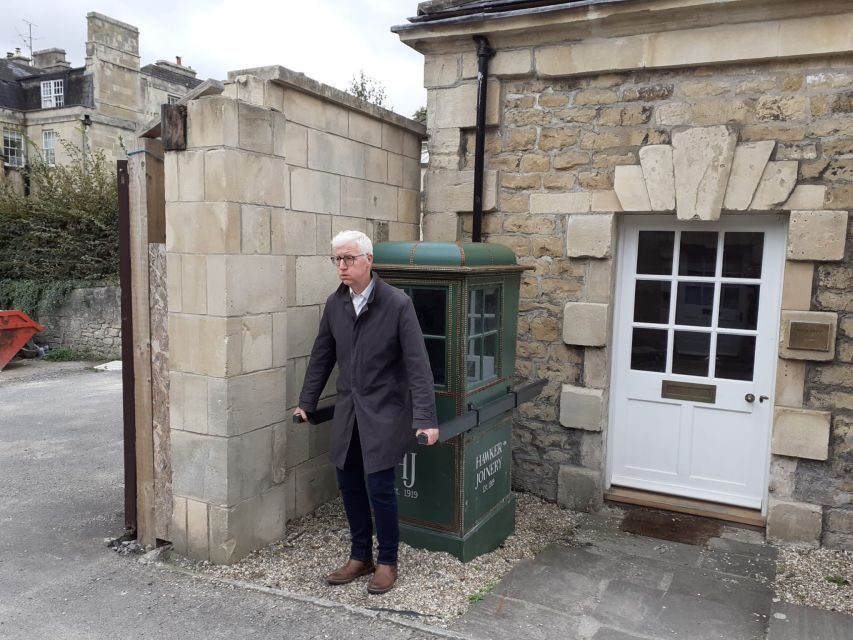
- Simon’s storytelling style: funny, paced well, and built for questions and back-and-forth
- Low-stress walking with a roughly 90-minute route plus time to talk at each stop
- Rain or shine with a plan that still works when the weather turns
- Pram and wheelchair friendly, so more people can enjoy the same route
The Bad of Bath idea: why this theme works
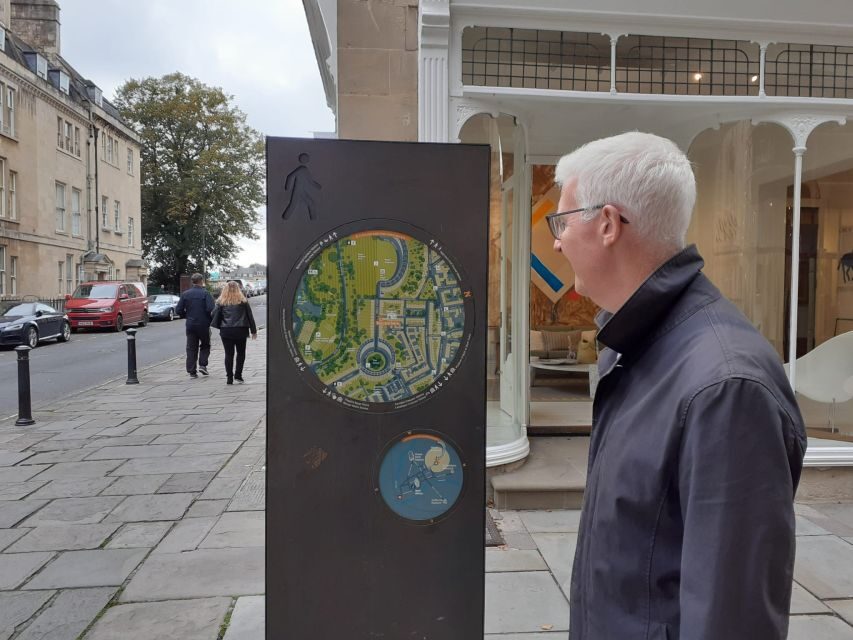
Bath is famous for stonework and spa legends. This tour keeps those landmarks, then flips the spotlight toward what was going on behind the fancy façades—when Bath’s Georgian visitors came for pleasure, gossip, and status, and sometimes left chaos behind.
The result is not a spooky ghost story. It’s closer to social history with teeth: you’ll hear about the human side of Bath, including the temptation, the scams, and the consequences that shaped the city’s reputation.
You also get a clear structure. You’re not wandering with vague points of interest. Instead, the guide uses each location as a jumping-off point for a story, then pulls it back to how Georgian Bath actually worked as a place people visited to enjoy themselves.
You can also read our reviews of more walking tours in Bath


Bath Abbey to the Georgian center: the 90-minute circular walk
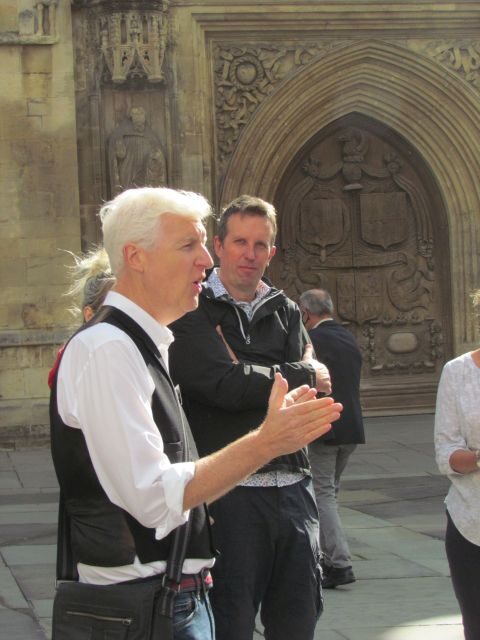
The walk starts and ends at Bath Abbey, which is useful for two reasons. First, it’s easy to orient yourself before you begin. Second, finishing back at the same spot makes the whole experience feel contained, not like you’ve disappeared into the city for hours.
Expect a gentle circular route with the main walking done in roughly 90 minutes. In other words, you can keep the tour as your “one big introduction” to Bath without planning the rest of your day around sore feet.
This tour is designed to be interactive. Even if you’re not the type to ask questions, you’ll likely find yourself answering prompts and comparing your take on Georgian attitudes to enjoyment and excess. That matters, because it turns the tour from a lecture into a shared conversation.
The Royal Crescent: luxury with a darker shadow

You’ll see the Royal Crescent, one of Bath’s most instantly recognizable symbols of Georgian confidence. From a distance, it’s all symmetry and status. Up close, it becomes a stage where the guide connects big architecture to real people and their behaviors.
What makes this stop interesting is the contrast. The crescent represents order and refinement, but the stories you hear around it frame Bath as a magnet for risk-taking—people hunting pleasure, reputation, and advantage.
A practical note: the crescent is an open, public area. That means it’s great for photos, but you might want to mind your footing if the weather is wet. If you’re traveling with a stroller, this is generally manageable thanks to the tour’s pram-friendly approach.
The Circus: city planning that never stayed innocent
Next comes The Circus, Bath’s dramatic curved vision that looks like it belongs to a film set. Here’s the thing: the guide doesn’t treat it like wallpaper for history. It becomes a way to talk about how Bath functioned—how crowds moved, how society performed, and how opportunity shows up in busy places.
The stories lean into the era’s mix of charm and trouble. You’ll hear about scoundrels and the kinds of games (social and otherwise) that high society could get wrapped up in. It’s entertaining, but it also gives you a lens for understanding why Bath’s reputation spread beyond its spa waters.
If you like facts that connect to real streets, this is a good stop. The design of the Circus helps explain how Bath could feel both exclusive and chaotic at the same time.
Pulteney Bridge: where movement meets mischief
Pulteney Bridge is one of those Bath views that makes you pause, even if you’ve seen it in photos before. On this tour, the bridge is more than scenery. The guide uses it to talk about flow—how people moved through the city and how that movement created chances for theft, scams, and sharp dealing.
Bridges are natural story magnets. They link neighborhoods, funnel foot traffic, and force people into contact—perfect conditions for both polite conversation and less-polished behavior. That’s what this stop brings: a sense of place as a system, not just a pretty landmark.
One consideration: bridges and riverside areas can be damp or slippery after rain. You don’t need hiking boots, but bring shoes with grip and take your time in any wet patches.





Roman Baths area and Georgian pleasures: the tour’s through-line
Even when you’re focused on the marquee buildings, the tour keeps circling back to Bath’s Georgian heyday. That means the guide repeatedly connects pleasure and public life: the spa culture, the social scene, and the way status games played out in public spaces.
If you’ve visited Bath before for the Roman Baths viewpoint, you’ll still get value here because the tour doesn’t just repeat what you’ve already heard. It reframes Bath’s famous sites through the lens of conduct—what people did for fun, what they got away with, and what they didn’t.
This is also where the tour’s “sinful” angle becomes more than shock value. You’re learning how a city built for health and leisure could also become a magnet for fraud and opportunism. And you’re seeing why those stories stick in Bath’s identity.
Simon as guide: pacing, humor, and keeping everyone involved
A big reason this tour earns such strong ratings is the guide’s delivery. Simon is repeatedly described as pleasant, enthusiastic, calm, and clear—especially when he uses humor to keep the stories moving.
Pacing matters on a walking tour, and this one is structured to feel lighter than you’d expect. The route is short enough that you’re not counting minutes, but long enough to feel like you’ve covered real ground and seen the key sights.
What also stands out is participation. You may end up in moments where the guide asks questions and encourages debate about Georgian attitudes—how people viewed enjoyment, excess, and social boundaries. That makes the tour feel tailored, even if you’re traveling solo or in a mixed-age group.
Weather, timing, and what to bring so the tour stays fun
This tour runs rain or shine, so plan like you’re in England: be ready for sudden shifts. Bring a light rain layer or waterproof jacket, and pack a small umbrella if you’re comfortable with it in crowds.
Wear comfortable shoes. The walk is described as gentle, but you’ll still be on your feet across several iconic stops. If you’re with a pram or wheelchair, the tour’s accessibility helps, but you’ll still want to keep movement smooth at curb cuts and busier junctions.
For a better experience, come with a flexible mindset. You don’t need to know Georgian history in advance. The tour is built to teach as it goes, with fun facts and story context that connect architecture to human behavior.
Price and value: what you’re paying for
At $29 per person, the value is in three places. First, you get a live guide for about 2 hours total, with the actual walk lasting roughly 90 minutes. That’s enough time to cover famous sights without feeling rushed.
Second, the tour packages guidance and storytelling, not museum time. Entrance fees and food and drinks are not included, so if you want to go inside any paid attractions, budget separately. The tour still works great as an exterior-focused introduction, but you should plan your day with that in mind.
Third, the tone is specific. You’re not buying a generic overview of Bath. You’re paying for a curated angle—crimes, corruption, and the scandalous side of Georgian society—while still seeing the “must-see” landmarks.
Who should book this tour?
Book this if you want Bath to feel human. You like history that explains motives, not just dates. You also want a walking tour that includes top landmarks while still offering a fresh theme.
It’s also a strong choice if you need a wheelchair-friendly or pram-friendly option. The walk is described as suitable for all, and it’s designed to be a gentle circular route rather than a punishing hike.
Skip it if you’re looking for a purely classical, celebratory Bath experience with no talk of wrongdoing or scandal. This tour leans into the darker side on purpose, so it’s best when you’re comfortable with that framing.
Should you book The Bad of Bath Walking Tour?
If you like your sightseeing with personality, I’d book it. The combination of major Bath landmarks, a 90-minute gentle loop, and Simon’s humorous, interactive storytelling makes it a memorable way to understand why Bath became Bath.
It’s also a smart use of time. For a single outing, you get the city’s famous shapes plus a different explanation for what life was like in the Georgian era—so you’ll see Bath twice: once as architecture, and once as a social world with rules, temptations, and consequences.
If that mix sounds like your kind of history, grab your spot and plan to wear shoes you can stand in comfortably.
FAQ
What’s the duration of the Bath walking tour?
The tour lasts about 2 hours in total, with the walking portion described as roughly 90 minutes.
Where does the tour start and end?
It’s a gentle circular walk that starts and ends at Bath Abbey.
Is the tour wheelchair or pram friendly?
Yes. The tour is described as wheelchair accessible and pram friendly.
Does the tour include entrance tickets or food?
No. Entrance fees and food and drinks are not included.
What sites are included in the tour?
The tour includes world-famous Bath sights such as The Royal Crescent, The Circus, and Pulteney Bridge.
Is the tour affected by weather?
It runs rain or shine. You’ll want to bring appropriate rain protection.