REVIEW · LONDONDERRY DERRY
Derry City: The Bloody Sunday Story Walking Tour
Book on GetYourGuide →Operated by Derry City:The Troubles Bogside Walking Tour · Bookable on GetYourGuide
The Bogside remembers. I love that this Bloody Sunday story is told by people directly connected to it, with guides such as John and Noel using lived experience to explain the lead-up, the day itself, and what came after. I also love how the walk threads the Bogside murals into the bigger story, so you’re not just hearing history—you’re reading it on the walls.
One thing to keep in mind: this is emotionally heavy material, and the route is designed to put you close to the reality of what happened, so it’s not a light sightseeing stroll.
In This Review
- Key tour takeaways
- Walking Into the Bogside: What Makes This Tour Different
- Meet Outside the Museum of Free Derry and Start With the Right Lens
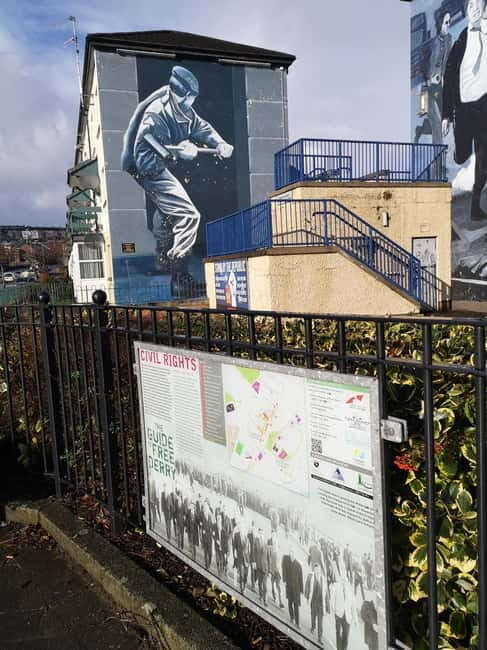
- From Civil Rights to Free Derry Corner: The Lead-Up That Changes Everything
- The Bogside Battle: Understanding Daily Tension, Not Just One Day
- Bloody Sunday in Sequence: What the Day Meant on the Ground
- After the Day: Peace Process and the Widgery and Saville Enquiries
- Bogside Murals: Reading Memory in Paint
- Practical Time and Price: Is $30 Worth 1.5 Hours?
- Who This Tour Fits Best (and Who Might Want Another Option)
- Getting Around: Roads, Weather, and Listening Comfort
- Should You Book the Derry City Bloody Sunday Story Walking Tour?
- FAQ
- Where does the Bloody Sunday Story Walking Tour begin?
- How long is the tour?
- What does it cost?
- What language is the tour offered in?
- Is the tour wheelchair accessible?
- What does the tour cover?
- Can I cancel and get a refund?
- Can I book now and pay later?
- What should I wear?
Key tour takeaways
- Lived connections to Bloody Sunday guide you through the civil rights era and aftermath
- A story with stages, from Free Derry Corner to the day and then the peace process
- On-foot context in the Bogside, where people still point at what mattered and why
- Public enquiries named Widgery and Saville are explained as part of the aftermath
- Bogside murals help you understand how memory and politics live side by side
- 1.5 hours makes this a strong fit for a first visit to Derry City
Walking Into the Bogside: What Makes This Tour Different
Derry City can hit you fast. Even if you only know the basics of Bloody Sunday, the Bogside has a way of turning background facts into something more personal and harder to shrug off.
What makes this tour worth your time is the kind of authority behind the story. This walk is facilitated by someone who is a brother of one of the men killed on that day. And at least some of the guides are locals with survivor experience. That means you’re not hearing a rehearsed script meant for clicks. You’re hearing people who still carry the events in their day-to-day understanding of the area, the anger, the hope, and the long road afterward.
I also like the pacing and tone. More than once, the tour is described as empathetic and impactful, yet surprisingly human—sometimes even with a bit of wry humor. That’s not disrespect. It’s a reminder that people in tough times still laugh, still argue, still live. And when your guide has lived through the Troubles personally, that balance can come through naturally.
You can also read our reviews of more walking tours in Londonderry Derry
Meet Outside the Museum of Free Derry and Start With the Right Lens
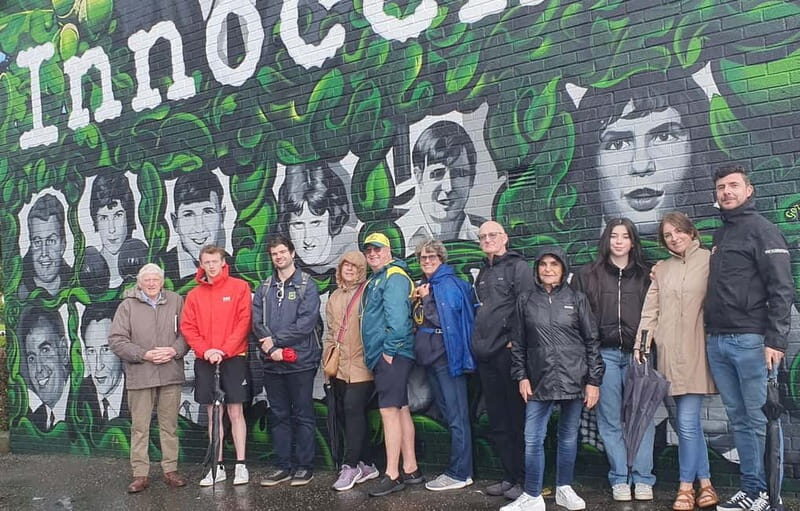
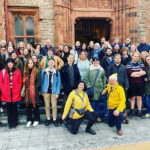
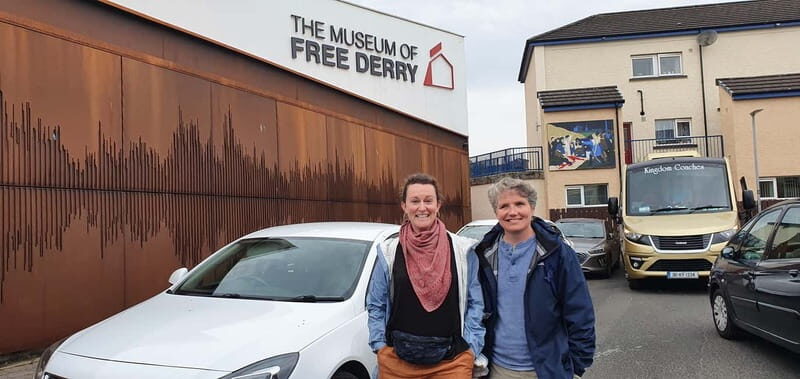
The tour meets outside the Museum of Free Derry. That’s a smart starting point because it sets you up for a story centered on the Bogside community rather than a distant, official version of events.
From the first moments, the tour frames what you’re about to see. You’ll hear about the civil rights era and how tensions built in everyday life—not just as abstract politics, but as pressure that shaped where people stood, what they feared, and what they demanded. If you’ve ever visited a memorial and thought, I get the headline, but I don’t get the cause—this tour is designed to close that gap early.
And because the guides are tied to the history in real ways, you’ll also get a kind of emotional clarity. It’s not just what happened. It’s how it felt to watch the situation tighten, then fracture.
From Civil Rights to Free Derry Corner: The Lead-Up That Changes Everything
A lot of visitors arrive in Derry with a single image in their heads: the day of Bloody Sunday. This tour insists on something more useful: the lead-up.
As you move through the civil rights era portion of the story, you’ll learn how the broader movement shaped local action and local expectations. The tour doesn’t treat the Bogside like a backdrop. Instead, it treats it like an active community responding to what it was demanding and what it believed it deserved.
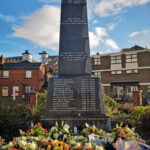
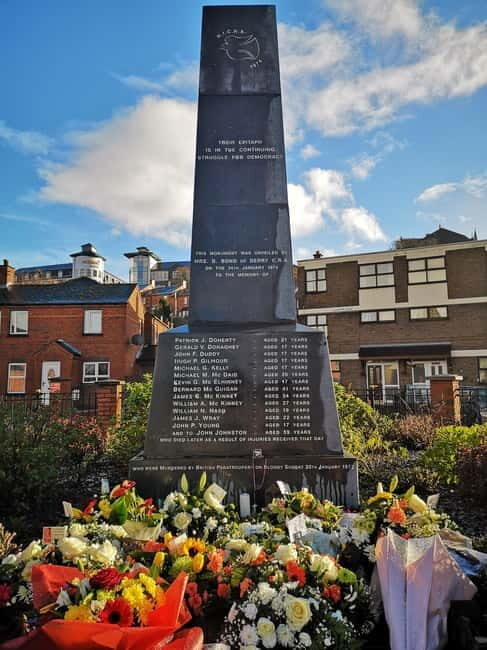
Then you reach Free Derry Corner, one of the best-known symbols of that era. This stop matters because it shows how identity and political hope can be visible in public space. It also helps you understand why the Bogside became such a powerful focal point. You’re not only walking past a site—you’re getting the meaning of why people gathered there and why it became symbolic.
If you’re the type of traveler who likes context before you look at buildings, this section is where you’ll feel it click.
The Bogside Battle: Understanding Daily Tension, Not Just One Day
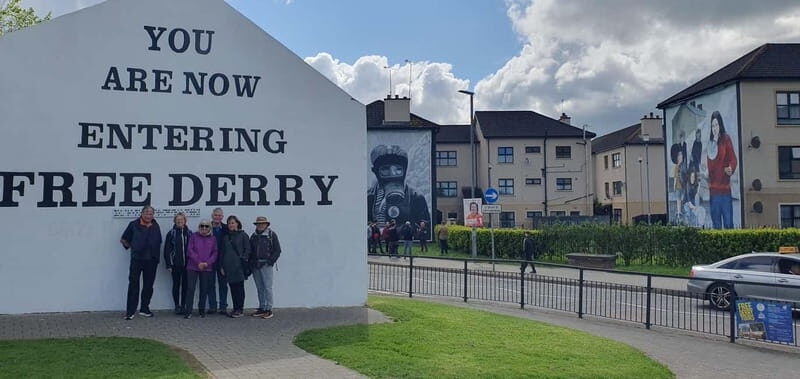
Next comes the Battle of the Bogside portion. Even without getting lost in technical details, this part of the tour helps you see Bloody Sunday as part of a longer conflict cycle.
The value here is that you begin to understand the shape of tension over time. You’re also reminded that the Troubles weren’t a single event; they were a pattern. And patterns create consequences—socially, emotionally, and politically.
This is also where the guide’s lived perspective matters most. When a local who experienced the period explains what it meant to live there, you start hearing the story the way residents did: as something immediate, not remote.
Bloody Sunday in Sequence: What the Day Meant on the Ground
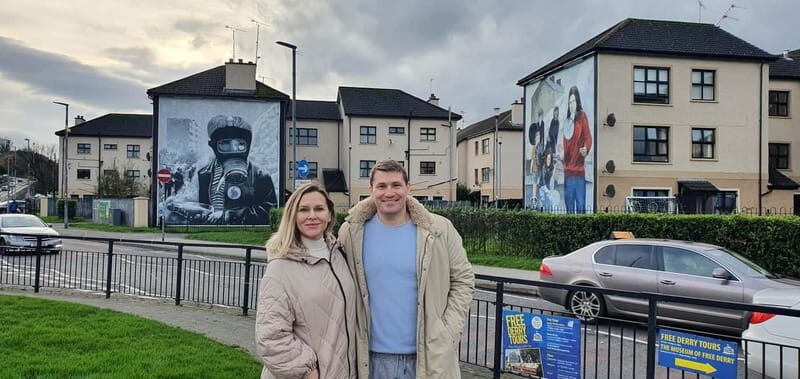
The heart of the tour is, of course, the day of Bloody Sunday itself, plus the events leading into it and the immediate aftermath.
This is the section that most strongly changes how you think. The guides don’t just list what happened. They describe how the day unfolded and what it meant to the community. In the reviews, the strongest praise repeatedly points to the way guides convey emotion because they were affected personally—one reason the storytelling lands harder than standard history narration.
I’ll also say this carefully: if you’re hoping for a neutral, distant retelling that keeps your heart uninvolved, this isn’t that kind of tour. It’s empathetic, and it treats the victims as people with names and meaning. The impact is part of the point.
At the same time, the tour is described as balanced. That’s key. It aims to help you understand motivations and actions across sides, not just score points. That balance is why the tour tends to work for people who come in with curiosity rather than a fixed conclusion.
You can also read our reviews of more city tours in Londonderry Derry


After the Day: Peace Process and the Widgery and Saville Enquiries
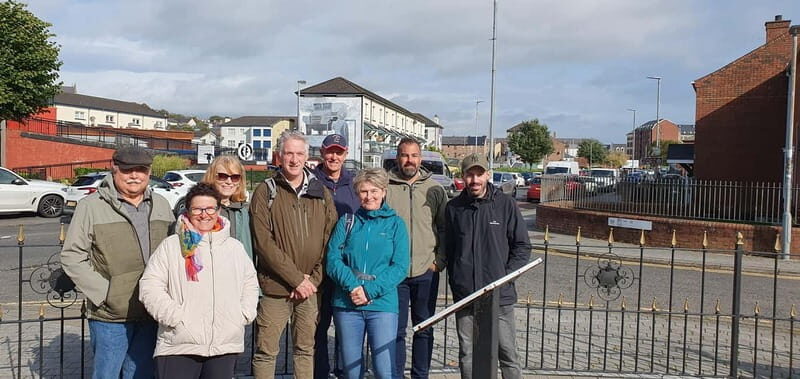
One reason this tour stands out from quick “where it happened” walks is that it doesn’t stop when the shooting stops. It carries the story into what followed.
You’ll cover the peace process, and you’ll also learn about the public enquiries that came after, specifically the Widgery and Saville enquiries. Even if you’ve never heard those names before, the tour’s goal is to make the aftermath understandable.
Why this part matters: peace processes and enquiries are where societies try to answer one painful question—what do we do with truth after violence? Walking through this segment helps you see that Bloody Sunday didn’t end with the day itself. It continued through investigations, debate, public argument, and the long effort to move forward without pretending the past can be erased.
If you want a tour that helps you connect symbolism (murals, corners, memorials) to actual consequences, this section gives you that bridge.
Bogside Murals: Reading Memory in Paint
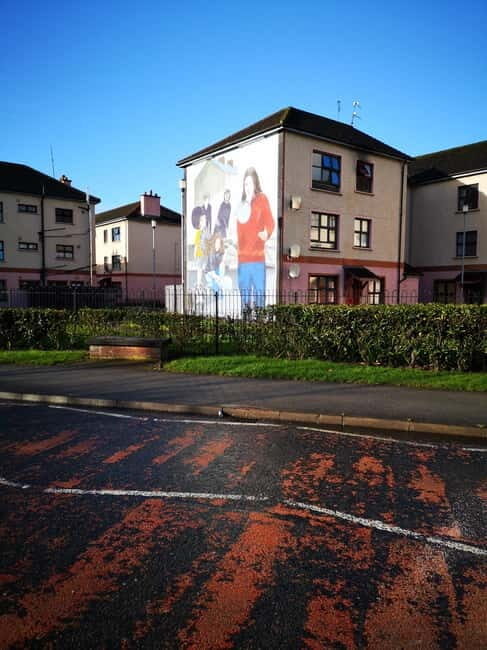
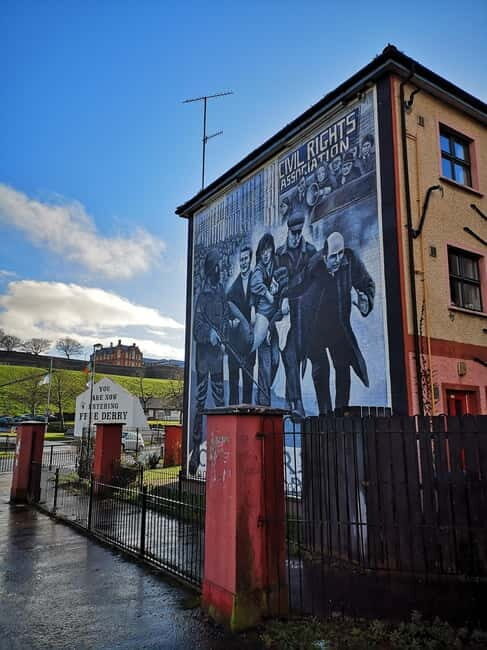
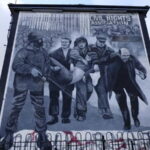
Then comes the stop many people remember most vividly: the Bogside murals.
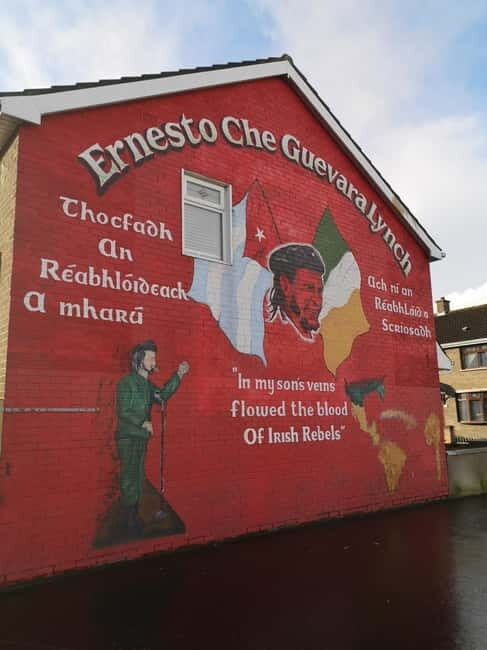
Murals might sound like the easy part of a heavy tour, but here they’re doing real work. They act like community storytelling, visual politics, and emotional record all at once. This is where the guide’s personal connection adds an extra layer: you’re not just learning what the murals depict—you’re learning why the community chose to show it this way and how the paintings function as public remembrance.
In reviews, people consistently highlight the guide leading them through the murals and explaining the background behind them. That matters because murals can look like art to a passerby, but become something else when someone explains the meaning behind specific scenes, symbols, and messages.
If you like travel photos, you’ll take them here. But more importantly, you’ll understand what you’re photographing.
Practical Time and Price: Is $30 Worth 1.5 Hours?
The tour is $30 per person and runs about 1.5 hours. For a walking tour, that’s a fair price—especially because you’re not paying just for movement and narration. You’re paying for access to lived connection and an organized explanation of how the story unfolded.
Here’s how I’d judge the value:
- You get a structured timeline from the civil rights era through Bloody Sunday and into the aftermath.
- You get named reference points you can later spot on your own (Free Derry Corner, murals).
- You get a guide who can answer questions in a grounded way because the topic is personal.
If you’re trying to understand what you’re looking at in Derry’s Bogside—rather than collecting a few photo stops—this price can feel efficient. If you’re only looking for light background and you’re easily overwhelmed by emotional topics, you might find the cost less “worth it.” But for most people visiting Derry for the first time, this format is exactly the right length to make a real dent in understanding.
Who This Tour Fits Best (and Who Might Want Another Option)
This tour is a strong match if you want:
- real context before you judge what you’re seeing in the Bogside
- a story told by people tied directly to Bloody Sunday
- a sequence that covers lead-up, day-of events, and aftermath rather than a single snapshot
You might want to think twice if:
- you prefer strictly neutral history presentations and minimal emotion
- you’re short on time and only want quick highlights
And since the tour is described as sometimes funny, it’s not all bleak. Still, plan your mental energy accordingly.
Getting Around: Roads, Weather, and Listening Comfort
It’s wheelchair accessible, which is a big deal for a walking tour in a city neighborhood. One review also notes that the route can involve crossing roads without a pedestrian crossing at times, while cars are patient and kerbs and drop-down kerbs are pointed out. So for mobility needs, it helps to go in with awareness and ask staff how the route looks on the day.
Also: dress for the weather. This is outdoors for about 1.5 hours, and Derry weather can shift quickly.
One more practical note from reviews: in some cases, sound can be affected by traffic, and a headset would help. If you’re hard of hearing, consider carrying any personal listening aid you already use.
Should You Book the Derry City Bloody Sunday Story Walking Tour?
Yes—book it if you’re coming to Derry with questions and you want to understand how the Bogside tells its own story. The combination of first-hand connection and a clear walk through civil rights, Free Derry Corner, the Battle of the Bogside, Bloody Sunday, the peace process, the Widgery and Saville enquiries, and the Bogside murals is rare.
You might skip it if you’re not ready for an emotionally intense topic or if you want a low-impact, purely sightseeing walk. In that case, you’ll still find plenty to see in Derry, but you won’t get what this tour is built to provide.
FAQ
Where does the Bloody Sunday Story Walking Tour begin?
The meeting point is outside the Museum of Free Derry.
How long is the tour?
The tour lasts about 1.5 hours.
What does it cost?
The price is $30 per person.
What language is the tour offered in?
The live tour guide speaks English.
Is the tour wheelchair accessible?
Yes, the tour is wheelchair accessible.
What does the tour cover?
It covers the civil rights era, Free Derry Corner, the Battle of the Bogside, Bloody Sunday and the aftermath, the peace process, public enquiries (Widgery and Saville), and the Bogside murals.
Can I cancel and get a refund?
Yes. Free cancellation is available up to 24 hours in advance for a full refund.
Can I book now and pay later?
Yes. You can reserve now and pay later, with an option to pay nothing today.
What should I wear?
Dress appropriately for the weather, since it’s a walking tour outdoors.