REVIEW · LONDON
German Language : Original Jack the Ripper Tour
Book on GetYourGuide →Operated by See Your City · Bookable on GetYourGuide
Whitechapel turns detective fast. This German Jack the Ripper street tour takes you through East End London with a live guide who ties together cases, suspects, and the everyday reality of 1888.
Two things I really like: you’re not just hearing spooky talk, you’re walking to real places tied to the legend, including Ten Bells, Christ Church, and Brick Lane. And the storytelling style uses evidence-style thinking, plus historical visual comparisons—so the murders feel connected to specific streets, not just a vague crime scene fog.
One thing to consider: this tour includes graphic details and visual content, so it’s not a light or bedtime-friendly stroll. It’s also outdoors, so dress for the weather and plan on walking the full time.
In This Review
- Key things you’ll notice on this Jack the Ripper route
- Price and time: is a $24, 2-hour walk actually worth it?
- Meeting at Altab Ali Park, then stepping into Whitechapel’s 1888 world
- Whitechapel streets and the human side of the case
- Ten Bells Spitalfields: why that stop keeps mattering
- Passing Christ Church Chelsea: architecture as timeline
- Mitre Square: where the route starts to feel like an evidence board
- Brick Lane (and the surrounding market streets): East End change you can actually see
- Sherlock Holmes inspiration: how fiction grew from real surroundings
- The storytelling style: listening, interpreting, and working with uncertainty
- What you should bring (and what you won’t get)
- Who this tour is best for
- Should you book the German Jack the Ripper Tour with See Your City?
- FAQ
- How long is the Jack the Ripper tour?
- Where do I meet the guide?
- What is the nearest Underground station?
- What does the tour cost?
- Is food or drinks included?
- What languages are available for the live guide?
- Does this tour include graphic details?
- What are some of the main stops?
Key things you’ll notice on this Jack the Ripper route
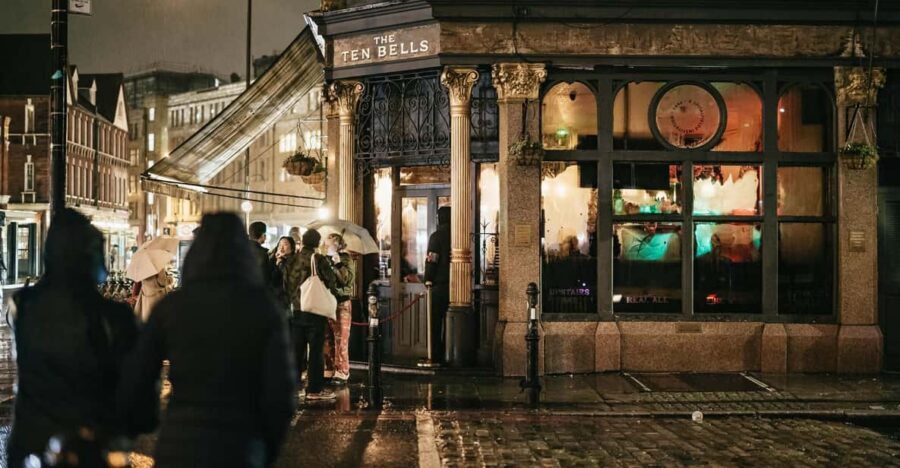
- Real stops in Whitechapel: Ten Bells, Christ Church, Mitre Square, Brick Lane, and more
- A Ripperologist guide on the ground: live interpretation and theories, not a prerecorded script
- Evidence-style storytelling: photographic clues and case context are part of the talk
- Sherlock Holmes connection: you’ll learn how culture shaped what later became fiction
- Old-vs-new street visuals: guides have used historic images to help you compare past and present
- Ten Bells included twice: you’ll pass it during the walk and finish there
Price and time: is a $24, 2-hour walk actually worth it?
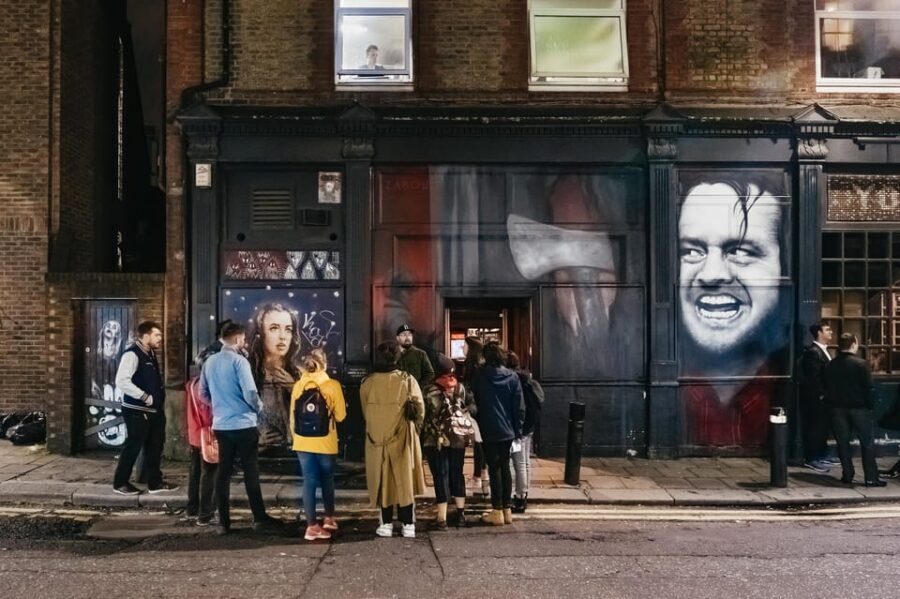
For $24 per person and about 2 hours, this tour hits a sweet spot: you get expert narration, a structured route, and multiple major East End landmarks—without needing extra museum tickets or long commutes. You’re paying for interpretation, not just sightseeing.
Whitechapel can be confusing on your own. Street names shift, neighborhoods evolve, and “the clues” in your head don’t line up with what you see outside. Here, the guide acts like a translator between history and the modern street map. That’s what makes the time feel efficient.
If you want a deep, multi-hour academic lecture, this isn’t that. But if you want a clear route, a strong narrative thread, and a couple of hours of focused detective walking, it’s good value.
You can also read our reviews of more tours and experiences in London.



Meeting at Altab Ali Park, then stepping into Whitechapel’s 1888 world

You’ll want to arrive early enough to find the group without stress. The meeting point is at the west entrance to Altab Ali Park, at the corner of White Church Lane and Whitechapel High Street, by the large iron arch gate. The guide will be holding a blue flag. The nearest Underground station is Aldgate East.
From there, the tour kicks off at the St Marys Whitechapel Church Memorial. Even if you’ve seen Jack the Ripper stories before, that opening matters. It sets the mood and gives you a starting reference point, so the rest of the walk feels like a path—not random wandering.
One practical note: the route is entirely outdoors. You won’t be ducking into shops or cafés to “wait out” the weather. Bring a layer if the evening is cool, and if rain’s possible, don’t bet your comfort on luck.
Whitechapel streets and the human side of the case
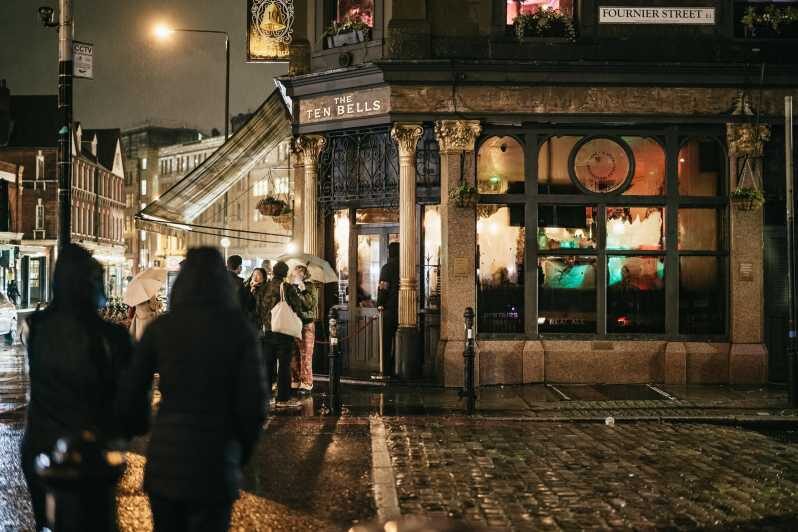
After the memorial, you’ll spend time in Whitechapel—the core setting where the legend took hold. This is where the tour gets more than just plot points. You learn about the neighborhood as it was: an impoverished area in the period when these murders became infamous.
That context is important. Jack the Ripper stories often get presented like they happened in a sealed-off fantasy world. On this walk, the guide frames the setting as lived-in reality. That makes the claims about victims and suspects feel tied to daily life, not just sensational headlines.
This is also the point where you’ll hear the guide’s approach to the “mystery.” You’re not being asked to blindly believe one version. You’re encouraged to weigh ideas, consider motives and opportunities, and listen for what evidence might have meant at the time.
Ten Bells Spitalfields: why that stop keeps mattering
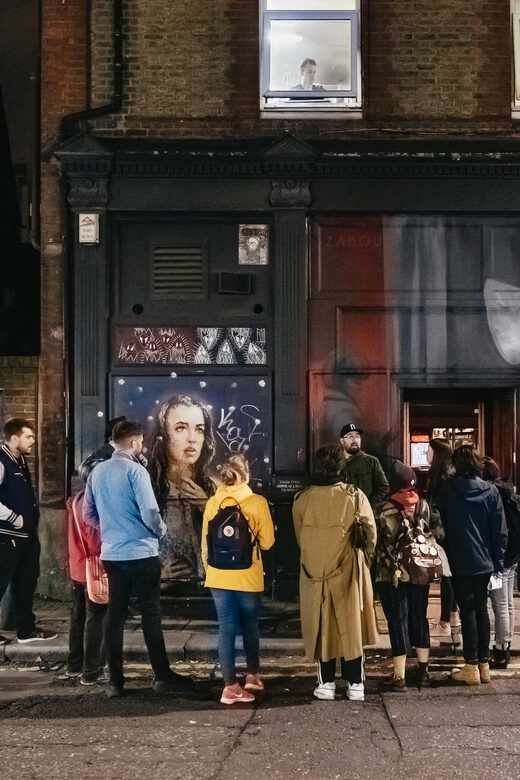
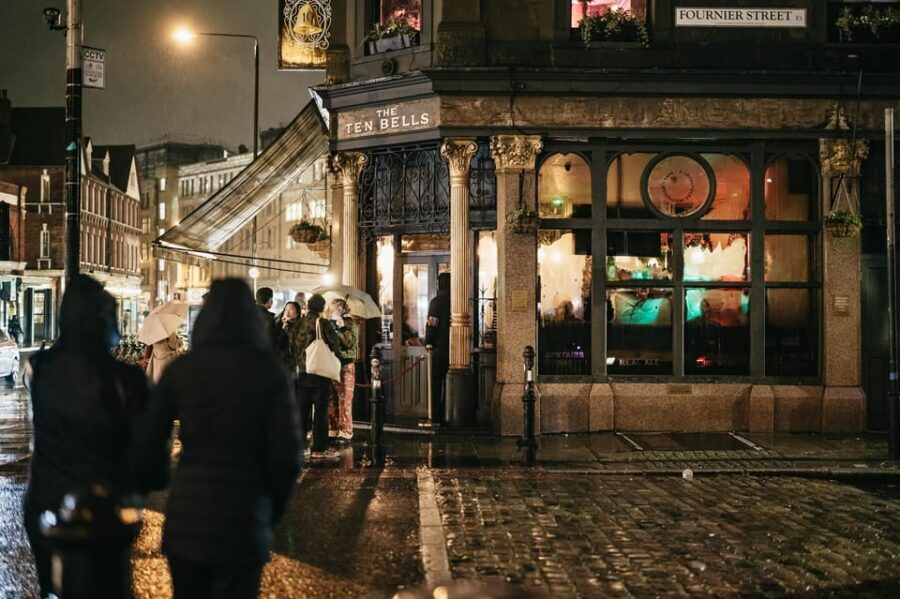
Ten Bells shows up as a major anchor on the route. You’ll pass it during the walk and then finish there at the end. That repeat visit is useful: it lets you leave the final stop with a clearer mental picture of how the story has been building toward it.
As a location, Ten Bells works well for a walking tour because it’s easy to spot and it feels like a real place people could have known—not a distant museum display. For this tour, it functions like a narrative marker: the guide uses it to connect the case details to the East End street layout.
If you like tours where the story has physical waypoints, this one delivers. If you’re the type who wants fewer stops and more lecture, note that the format is made for walking.
Passing Christ Church Chelsea: architecture as timeline
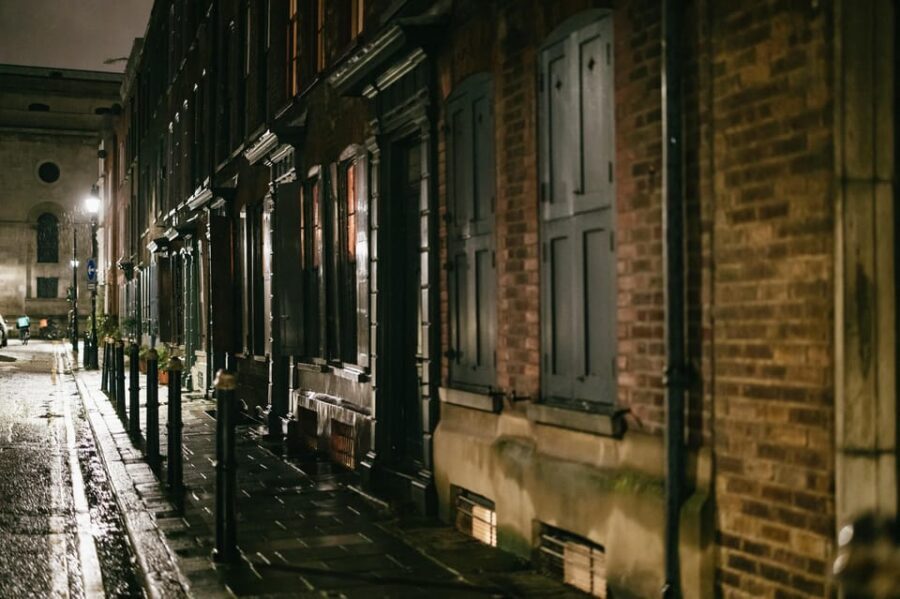
You’ll also pass by Christ Church (listed on the route as Christ Church Chelsea). Stops like this do two jobs on a tour like this.
First, they help you read the area as a timeline. You’re not just collecting crime-scene facts—you’re seeing how the built environment sits alongside the narrative. Second, churches and civic landmarks often carry layers of meaning in London. The guide uses that kind of place-based context to connect the murders to broader Victorian life.
Even if you don’t spend time inside any building (this is a street walk), the stop still matters. You’re training your eye to notice what remains, what changed, and what the neighborhood might have felt like when those streets were much rougher around the edges.




Mitre Square: where the route starts to feel like an evidence board
Next up is Mitre Square. Squares like this are great tour stops because they give you a sense of shape—how people might have moved, how an area could feel open or closed, and where witnesses might have noticed something.
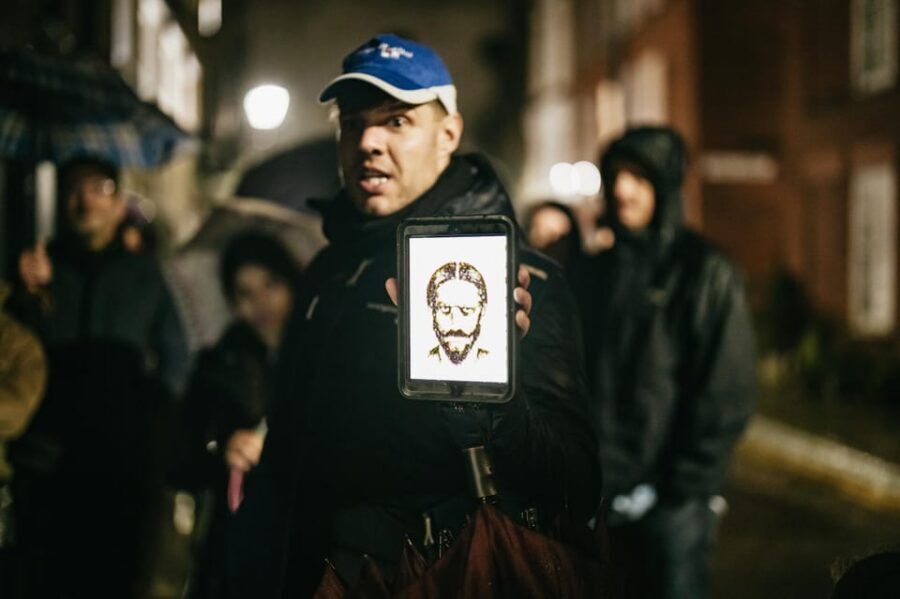
This is where the tour leans into investigative thinking. The guide talks through alleged perpetrators and the theories behind who might have been involved. You’ll also hear about photographic evidence and how investigators tried to piece things together.
I like this part because it shifts the tour from “scary stories” toward “case analysis.” You start thinking like a detective with limited information, which is exactly the point with a mystery that still doesn’t have a tidy final answer.
Brick Lane (and the surrounding market streets): East End change you can actually see
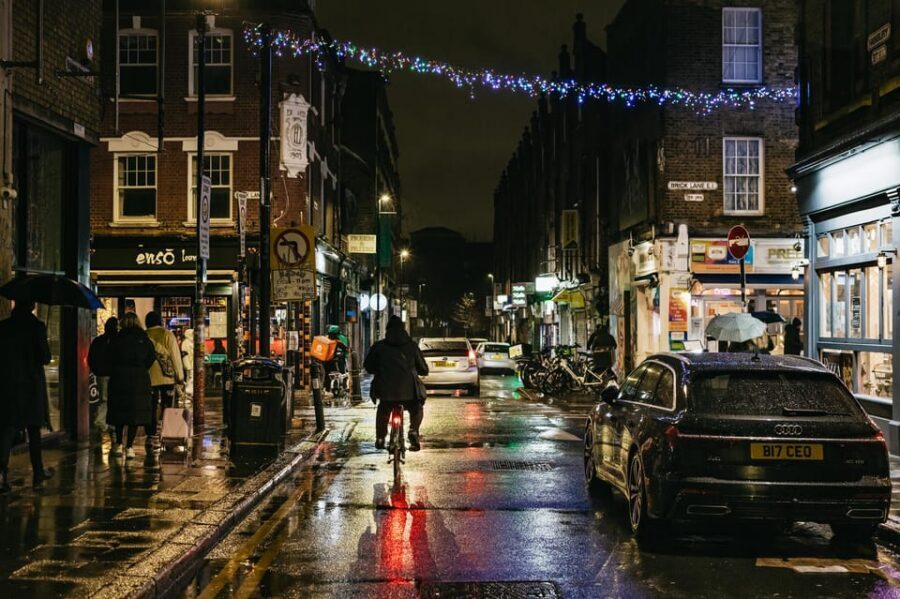
The walk includes Brick Lane and the broader Spitalfields area, including Spitalfields Market and Petticoat Lane in the list of stops. This is one of the most satisfying stretches of the route because you can physically watch London’s layers stacked on top of each other.
Why it’s valuable: East End neighborhoods change fast, but not evenly. On this walk, the guide helps you compare past and present so you’re not just standing in front of a hip street wondering what’s relevant. You’re learning how the “old Whitechapel” story connected to the kind of everyday commerce and movement you’d see around markets.
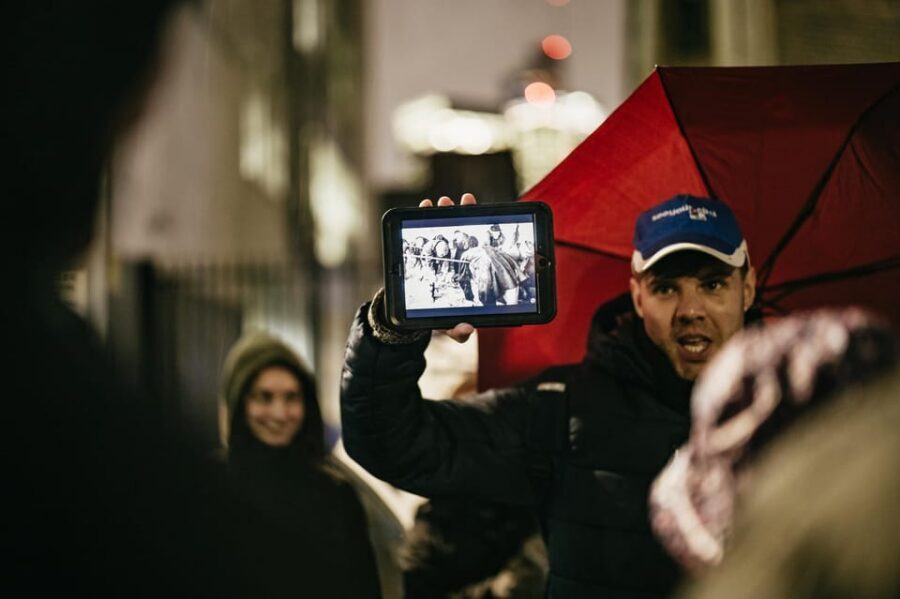
The guide may also use historic images to show how certain streets looked earlier. One review specifically praised the use of pictures from the past for comparing then-and-now. I’d treat that as a major plus: those visuals make the tour’s logic stick.
Also, Brick Lane is a fun place to end a thought. Even if the murder stories are heavy, the area itself is energetic—and you’ll leave with a clearer picture of why Whitechapel was such a complicated place to investigate.
Sherlock Holmes inspiration: how fiction grew from real surroundings
If you’ve read any Sherlock Holmes stories, you’ll like this part. The tour includes cultural context for Holmes—how the setting, the idea of detection, and the public fascination with crime helped shape what later became fiction.
This isn’t random name-dropping. The guide connects the themes—mystery, evidence, suspicion, and the city’s role—to why stories like Holmes caught on. You end up seeing a line from 19th-century London conditions to the cultural imagination that produced the detective myth.
In other words: you’re not just learning who people thought might have done it. You’re learning how the world learned to talk about crime—and how that talk turned into entertainment.
The storytelling style: listening, interpreting, and working with uncertainty
This tour is built around a live guide doing more than reciting facts. You’ll hear true-to-life narratives about victims and shady suspects, plus different theories about what investigators might have found and why.
It’s also framed as a puzzle: you’re asked questions like whether Jack could have been close to being caught, why Whitechapel became a focus, and where evidence was discovered. You don’t need to know any background before you start, but you do need to be willing to sit with uncertainty. That’s how real mysteries work.
Language-wise, it’s live and multilingual. The guide delivers the tour in German, with other language options available such as English, Spanish, Italian, and French. If you’re choosing the German version, you’ll still benefit from the visuals and the place-based storytelling, even if a few historical details are phrased differently than you’re used to.
In past experiences, guides have been noted for using old photos and for clear explanations—names like Bettina and Sara show up in reviews tied to those strengths. Even if you don’t get the same guide, the approach is clearly focused on explaining and showing, not just talking.
What you should bring (and what you won’t get)
This is outdoors. It takes place entirely on public paths, and the route is designed to avoid lots of stairs or steep inclines. Still, conditions can vary, so if you have limited mobility, plan for uneven pavement and normal city-walking realities.
The tour does not include food or drinks, so you’ll want water if it’s warm and a snack if you’re prone to low energy. It’s only two hours, but London weather and street walking can still add up.
Dress for the day, not for comfort in the moment. You’ll be outside, listening, stopping, and looking around—so layers beat a single hoodie gamble.
Who this tour is best for
I’d point this tour toward you if:
- you want a German-language walking experience focused on Jack the Ripper in real Whitechapel locations
- you like stories that connect crime to neighborhood context—victims, everyday life, and the neighborhood’s role
- you enjoy “case thinking,” where the guide talks theories and evidence rather than pretending there’s a single official ending
It’s also a solid pick if Sherlock Holmes is part of your London plan. The cultural link gives the walk an extra payoff beyond just the murders.
If you’re sensitive to graphic descriptions and visuals, you should skip this one. No shame—just choose something that fits your comfort level.
Should you book the German Jack the Ripper Tour with See Your City?
If you’re looking for a 2-hour, expert-led way to understand Jack the Ripper through Whitechapel streets, I think it’s an easy yes. The value comes from the combination: a guided route to recognizable spots, evidence-style storytelling, and context about the time period and the Sherlock Holmes cultural backdrop.
Book it if you want a focused walking tour that makes history feel concrete. Skip it if graphic details are a hard no for you, or if you prefer purely light, scenic sightseeing.
Overall, for $24 you get a structured experience with multiple landmark stops and a guide who explains clearly—exactly the kind of payoff that makes short tours feel worth your time.
FAQ
How long is the Jack the Ripper tour?
The tour lasts 2 hours.
Where do I meet the guide?
Meet at the west entrance to Altab Ali Park, at the corner of White Church Lane and Whitechapel High Street, by the large iron arch gate. The guide will be holding a blue flag.
What is the nearest Underground station?
Aldgate East is the nearest Underground station.
What does the tour cost?
The price is $24 per person.
Is food or drinks included?
No. Food and drinks are not included.
What languages are available for the live guide?
The live tour guide operates in German, English, Spanish, Italian, and French.
Does this tour include graphic details?
Yes. The tour contains graphic details and visual content, and participants under 18 must be accompanied by an adult.
What are some of the main stops?
You’ll pass or visit places such as St Marys Whitechapel Church Memorial, Ten Bells Spitalfields, Christ Church, Mitre Square, Brick Lane, Spitalfields Market, Petticoat Lane, and you finish at Ten Bells Spitalfields.