REVIEW · GLASGOW
Glasgow’s Music Mile Tour
Book on GetYourGuide →Operated by Glasgow Music City Tours · Bookable on GetYourGuide
Glasgow’s Music Mile turns a simple walk into a story you can follow. You’ll hit the city’s key music stops, from Royal Concert Hall to King Tut’s, with a guide who strings together the present scene and the ghosts of gigs gone by. I especially love how the tour mixes legend with real-world context, so places like the Apollo and King Tut’s feel meaningful, not just famous.
Two things I really liked: first, the way the tour brings the Apollo era and the long-gone Empire days to life with specific gig stories, not vague nostalgia. Second, the chance to line up for selfies on the King Tut’s stage if access allows, which makes the history feel hands-on. One possible drawback is the pace and terrain: there are stairs and inclines, and on top of that, the Scottish accent can be a bit tough if you’re a careful listener.
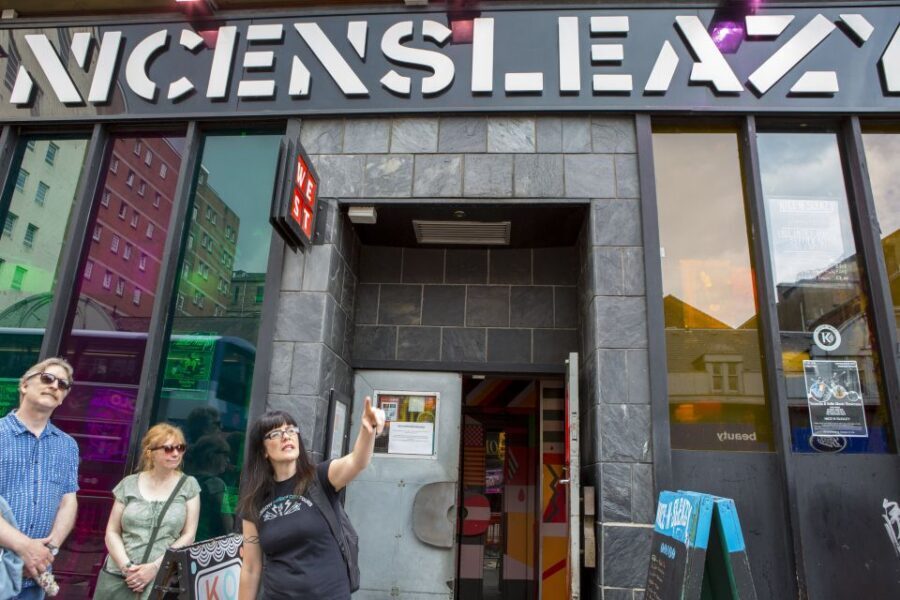
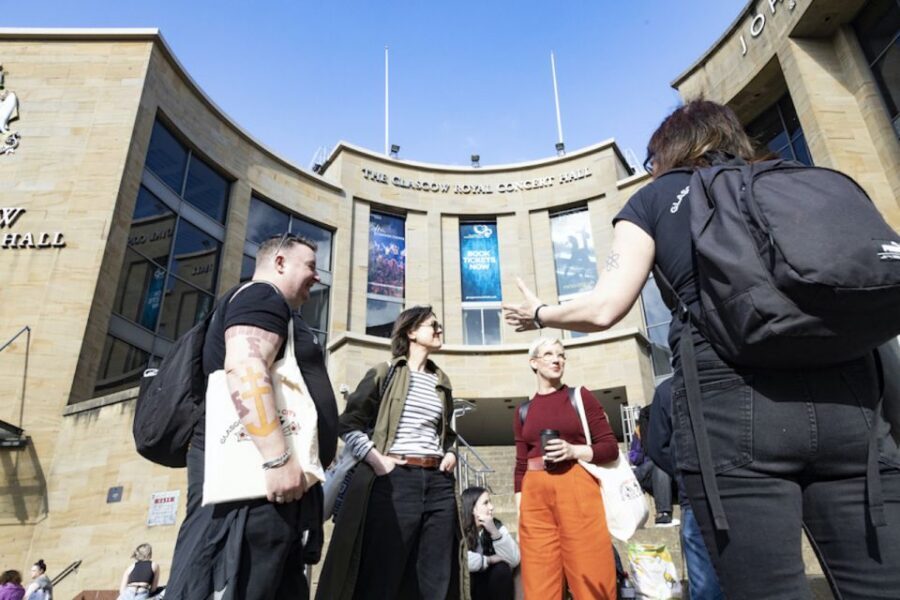
You’ll start at the steps of the Sauchiehall Street entrance to the Glasgow Royal Concert Hall, and you’ll spot your guide in a black Glasgow Music City Tours T-shirt with the logo. Guides such as Fiona and Phil are called out for keeping things fun and story-driven, so you’re not just reading plaques as you go.
In This Review
- Key highlights at a glance
- Why Glasgow’s Music Mile Works as a 2-Hour Walk
- Meeting at Glasgow Royal Concert Hall: the tour’s anchor point
- The Apollo stories: where Glasgow rock mythology gets explained
- Checking out the Celtic Connections home: festival power, explained
- Conservatoire and Glasgow School of Art: why education is part of the scene
- Centre for Contemporary Arts to Nice ’n’ Sleazy: genre shifts you can feel
- King Tut’s Wah Wah Hut: Oasis beginnings and stage selfie moment
- Price and value: what $26 buys you in Glasgow
- Who should book this Music Mile tour
- Tips to get the most out of the walk
- Should you book Glasgow’s Music Mile Tour
- FAQ
- How long is Glasgow’s Music Mile Tour?
- Where do I meet for the tour?
- What’s included in the price?
- Are drinks included?
- Is there a minimum age?
- What should I wear?
- Is the tour in English?
- FAQ
- Can I cancel for a full refund?
- Do I have to pay right away?
Key highlights at a glance
- Apollo legends and Empire-era rock stories that explain how Glasgow got its rock reputation
- King Tut’s Wah Wah Hut stage selfies (access-dependent) plus the early footsteps of big bands
- Nice ’n’ Sleazy refreshment stop that matches the tour’s lived-in, no-frills vibe
- Celtic Connections explained in plain terms, including how it grew into a major winter festival
- Conservatoire and Glasgow School of Art music links you can actually connect to the city today
- Genre-hopping across decades, from traditional jazz to punk, pop, and today’s guitar heroes
Why Glasgow’s Music Mile Works as a 2-Hour Walk
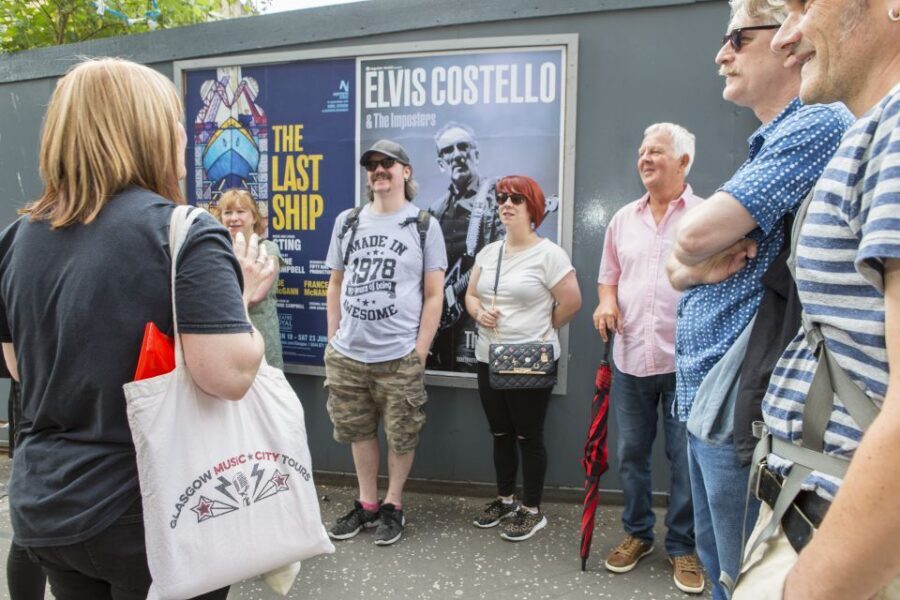
This is a 2-hour guided walk through Glasgow city center, built for people who want music culture without signing up for a full day. You get a fast route through multiple eras, but the guide keeps it grounded in what you can see outside your feet as you walk.
The smartest part is the balance. You’re not stuck in just one genre or one decade. One moment you’re hearing about rock gigs that have become local myth, and the next you’re hearing how newer musicians keep the city’s scene moving.
You can also read our reviews of more tours and experiences in Glasgow.



Meeting at Glasgow Royal Concert Hall: the tour’s anchor point
The tour begins on the steps of the Sauchiehall Street entrance to the Glasgow Royal Concert Hall. This matters because it gives you an immediate frame: you’re starting at a real performance landmark, not a random corner.
From there, you’ll work your way through the surrounding music cluster. The tour is designed as a whistle-stop guide around central venues, so you’ll spend less time debating where to go and more time understanding why these places matter.
Practical note: wear comfortable, flat shoes, and if you’re visiting in wetter weather, plan for waterproof layers. The tour includes stairs and inclines, and the route is timed for moving rather than lingering.
The Apollo stories: where Glasgow rock mythology gets explained
One of the tour’s early beats is the Apollo stories. You’ll hear tales of the late, lamented Apollo and its legendary rock gigs, plus the broader vibe from the Empire heyday. This isn’t just name-dropping. The guide’s job is to translate why those venues became turning points and what kinds of crowds showed up back then.
What I like about this section is how it changes your listening habits. After you hear the Apollo story arc, you’ll walk into the later stops with a better sense of cause and effect. It’s easier to understand how the city developed a reputation for rock, live performance, and venues that felt gritty in the best way.
If you’re the kind of person who enjoys hearing how scenes form, this is where the tour grabs you. If you prefer quiet, low-speed sightseeing, the early momentum might feel like a sprint, but the narration is built to keep pace tolerable.
Checking out the Celtic Connections home: festival power, explained
Next, you’ll check out the home of Celtic Connections and hear how it became one of the biggest winter music festivals in the world. That’s not a throwaway fact. The guide connects the festival’s growth to the city’s venues and creative institutions, so it doesn’t feel like a random success story.
This matters because it turns Celtic Connections from a name on a calendar into something you can picture on the ground. You’ll also get a sense of how Glasgow treats music as a year-round identity, not just a summer nightlife thing.
On the way, you’ll also pass through the wider orbit of the city’s training and creative energy, including the Conservatoire and the Glasgow School of Art. Even if you’re not a student, these stops help you understand why Glasgow keeps producing acts instead of only inheriting past ones.
Conservatoire and Glasgow School of Art: why education is part of the scene

The tour doesn’t treat music education as separate from nightlife and gigs. By building in the Conservatoire and Glasgow School of Art, it shows how the city’s musical output is supported by people learning craft, forming tastes, and connecting with other musicians.
In practice, this section gives your walk a little extra meaning. You’ll start seeing the city as an ecosystem: performances, festivals, and training all feed each other. If you’re visiting Glasgow and want more than just venue names, this is one of the more useful stops.
Just keep expectations realistic: you won’t be touring buildings in depth unless access allows. The value here is the street-level context your guide supplies while you’re moving.






Centre for Contemporary Arts to Nice ’n’ Sleazy: genre shifts you can feel
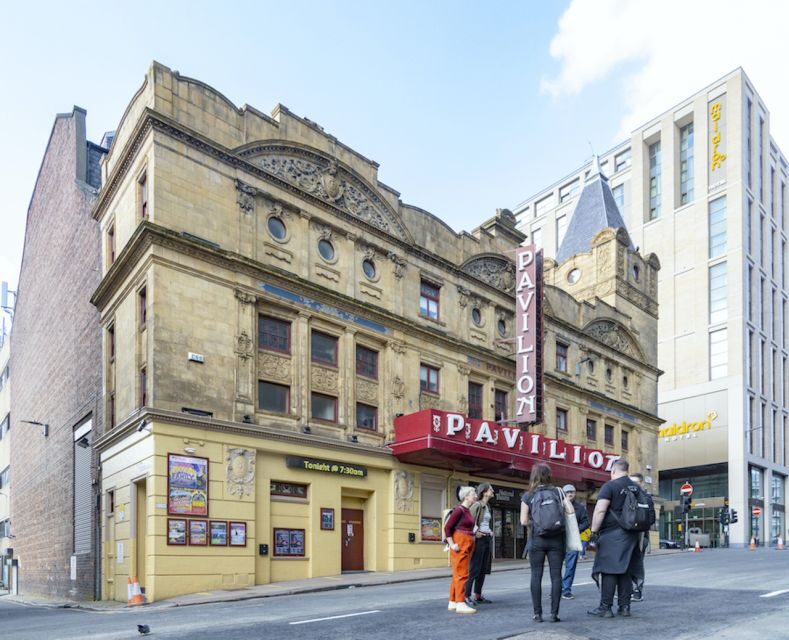
As you move on, you’ll cover the Centre for Contemporary Arts and then stop at Nice ’n’ Sleazy. The point of the change in venues is the change in sound. This part of the tour explicitly tackles different eras and genres, including dancehall and traditional jazz, plus punk, pop, and today’s guitar heroes.
I like this because it prevents the tour from becoming a one-note storyline. Glasgow’s music identity isn’t trapped in one style, and the route reflects that. Even if you mostly listen to one genre at home, you’ll come away with a few new reference points to chase later.
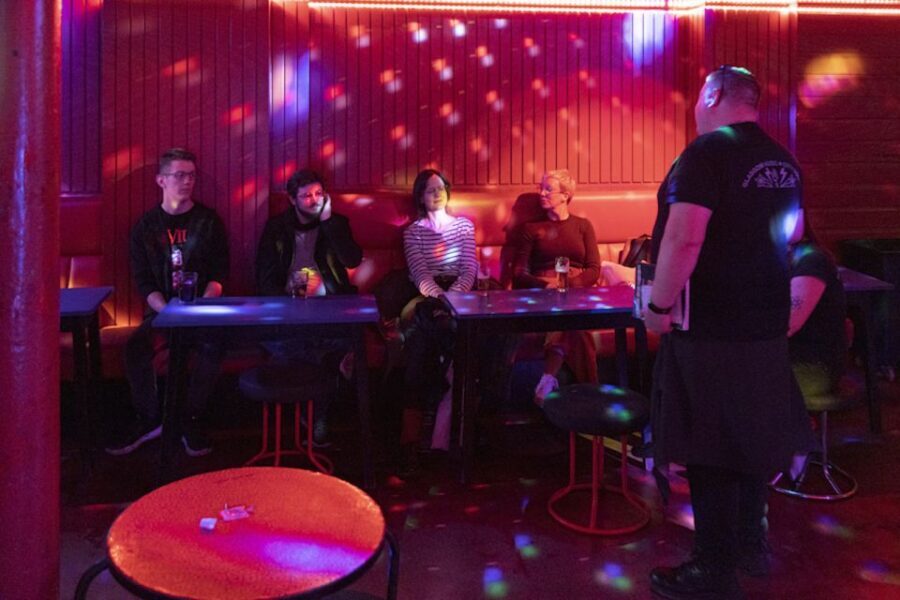
The Nice ’n’ Sleazy stop is also a nice real-life break. You’ll have a chance to grab a drink, and the tour includes a refreshment stop there. Drinks aren’t included in the price, so bring your own spending plan if you want a beer, cider, or a non-alcoholic option.
King Tut’s Wah Wah Hut: Oasis beginnings and stage selfie moment

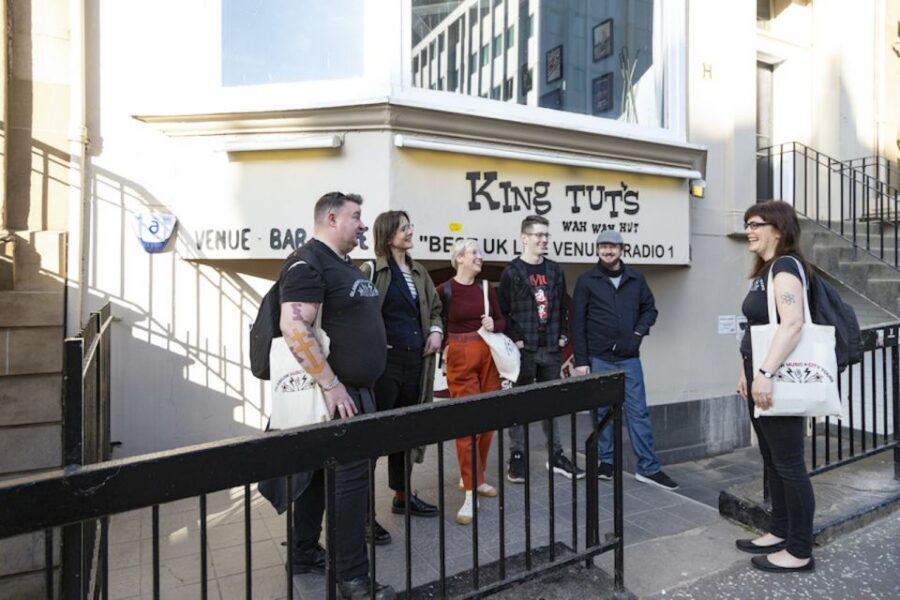
The tour finishes at King Tut’s Wah Wah Hut, and this is the closing crescendo. You’ll follow the early footsteps of Oasis, Blur, and the Manic Street Preachers, with the tour focused on how acts gained momentum from stages like this one.
What makes this stop special is the potential for stage access. Depending on access, you may be able to stand under the lights and grab a selfie on the stage that helped launch so many great acts. Even if access is limited on the day, the stop still lands because the guide frames it as a living point in Glasgow’s music timeline.
This ending is also a practical win. You’re concluding after about two hours with a venue that’s easy to understand and easy to revisit on your own later, since you can see exactly why people build their Glasgow plans around it.
Price and value: what $26 buys you in Glasgow
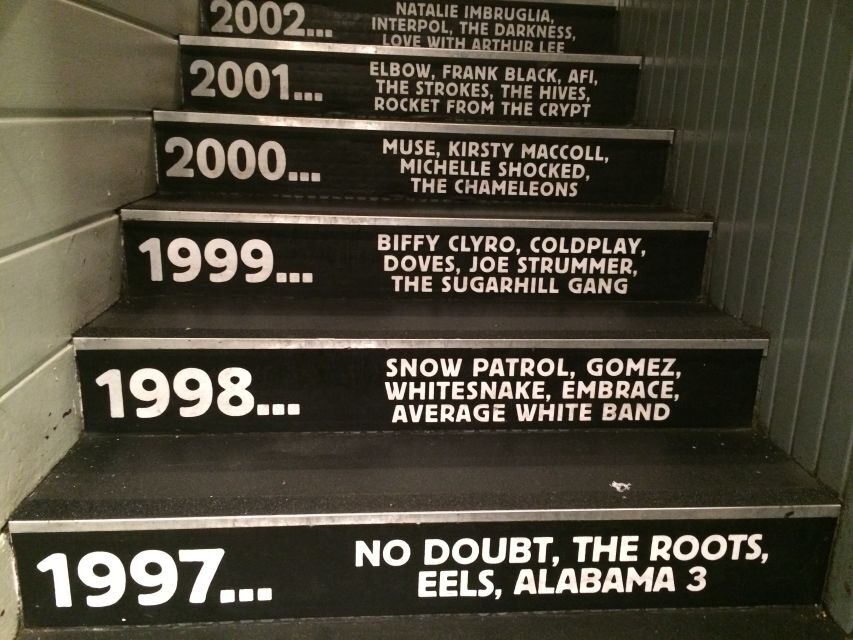
At about $26 per person for a 2-hour guided walk, this sits in the sweet spot for visitors who want local storytelling more than museum-level exhibits. You’re paying for:
- a guide with an active story style (people name Fiona and Phil for making it fun)
- a route that string-connects multiple music landmarks
- a refreshment stop at Nice ’n’ Sleazy
You’re not paying for drinks or meals, and that’s fine because it keeps the experience focused on the walk and narration. If you like music history told through real venues, this price can feel like a bargain compared to spending the same time hopping between places on your own with no context.
On the other hand, if you’re expecting a quiet, sit-down tasting of Glasgow’s music past, the short duration and on-the-go format might feel rushed. This tour is built for forward motion.
Who should book this Music Mile tour
This tour fits best if you:
- want an easy way to understand Glasgow’s music scene fast
- enjoy stories about live gigs and famous venues
- like walking tours that combine the present with the past
- want a concrete ending at King Tut’s, not just a vague finish point
It’s also a smart pick for first-time visitors because it touches a lot of major stops in a short time. And it works well for locals who want a different angle on familiar places, since the tour is designed to help you see them again with new connections.
One age note: due to licensing laws, the minimum age for the tour is 14 years.
Tips to get the most out of the walk
Here’s how to make the tour feel smoother and more fun:
- Wear flat shoes you can trust for uneven sidewalks and inclines.
- Bring a waterproof layer if rain is in the forecast; the tour recommends waterproof clothing.
- If you’re sensitive to accents, give yourself a little patience. Some people find the Scottish accent tricky at times, but the guide keeps the stories going through the route.
- Have your phone ready for the King Tut’s selfie moment. Access can vary, so you’ll want to be able to act quickly if the opportunity opens up.
Most of all, loosen your pace expectations. This is a walk where the narration drives the timing, not the sights alone.
Should you book Glasgow’s Music Mile Tour
I’d book it if you want a short, high-impact way to understand Glasgow through music venues. The tour’s strongest pull is the storytelling in the places that shaped the city, especially the Apollo section and the King Tut’s finale, plus the stop at Nice ’n’ Sleazy that makes it feel like a real night out even during daylight hours.
Skip it if you need a fully seated experience, or if you’re uncomfortable with stairs and inclines. Also consider whether you’re okay listening closely to a Scottish accent in real time while walking.
If your idea of a good Glasgow day includes live-music culture and you’re happy to cover a lot of ground in two hours, this is a solid, value-forward choice.
FAQ
How long is Glasgow’s Music Mile Tour?
The tour lasts 2 hours.
Where do I meet for the tour?
Meet on the steps of the Sauchiehall Street entrance to the Glasgow Royal Concert Hall.
What’s included in the price?
You get a 2-hour guided tour with an experienced guide, plus a refreshment stop in Nice ’n’ Sleazy.
Are drinks included?
No. The tour includes the refreshment stop, but any drinks or meals are not included.
Is there a minimum age?
Yes. Due to licensing laws, the minimum age is 14 years.
What should I wear?
Wear comfortable, flat shoes and waterproof clothing if needed. There will be stairs and inclines.
Is the tour in English?
Yes, the live tour guide speaks English.
FAQ
Can I cancel for a full refund?
You can cancel up to 24 hours in advance for a full refund.
Do I have to pay right away?
No. You can reserve now and pay later, keeping plans flexible.