REVIEW · LONDON
Jack the Ripper tour in Spanish
Book on GetYourGuide →Operated by See Your City · Bookable on GetYourGuide
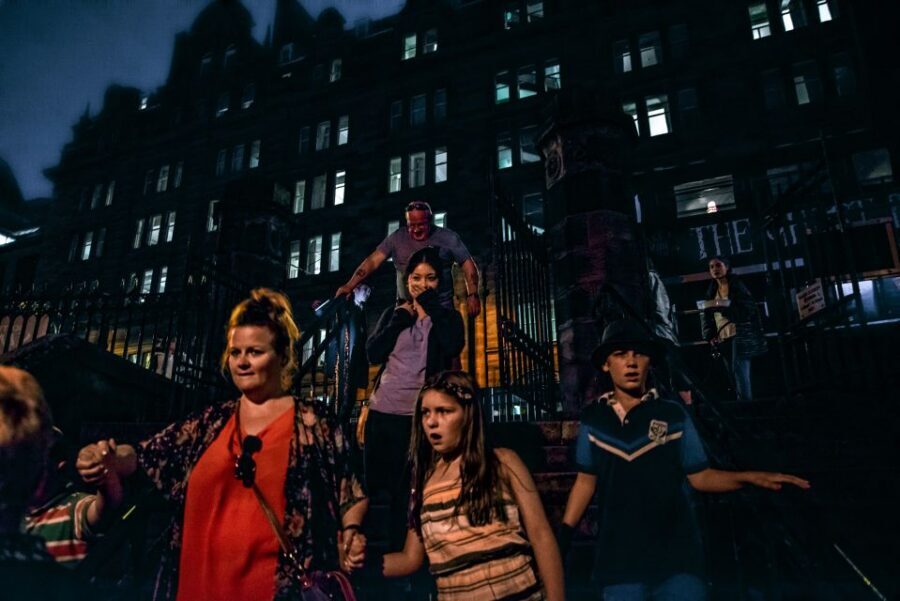
Victorian London gets under your skin fast. This Jack the Ripper walk takes you through Whitechapel after dark, linking famous locations with the fear and unanswered questions of 1888.
I especially like the way the Spanish guide (Iván) brings the case to life with lots of detail, plus a clear sense of the surrounding East End conditions. I also like the balance of real places and the tour’s urban-legend and paranormal angle, which makes the route feel more personal than a textbook.
One heads-up: this tour talks about real historical murders and includes graphic discussion, so it’s not the best fit for young children or anyone who gets bothered easily.
In This Review
- Key points to know before you go
- A 2-hour Spanish walk through Whitechapel’s Ripper streets
- Entering the route: meeting at Altab Ali Park
- Stop-by-stop: Memorial to Ten Bells Spitalfields
- 1) St Marys Whitechapel Church Memorial: setting the tone
- 2) Whitechapel (pass by): feeling the neighborhood, not just the story
- 3) The Ten Bells Spitalfields (pass by): a recurring landmark
- 4) Christ Church Chelsea (pass by): keep your eyes open for context
- 5) Mitre Square (pass by): where stories often cluster
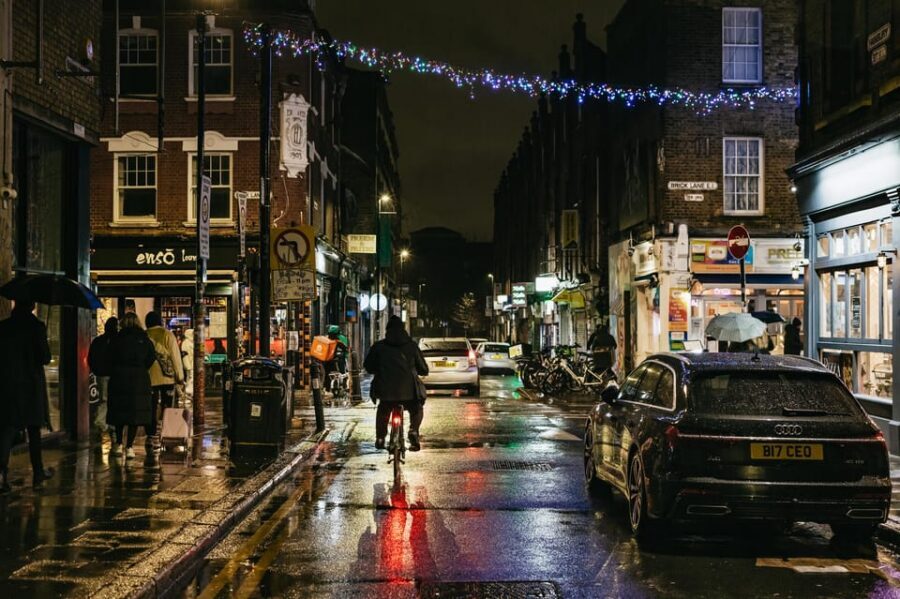
- 6) Brick Lane (pass by): where modern London meets old rumors
- 7) Finish at The Ten Bells Spitalfields
- What the guide actually emphasizes: victims, context, and the fear factor
- Urban legends and paranormal activity: fun, but keep the lens practical
- Price and value: is $24 fair for a 2-hour Ripper walk?
- Who should book this Jack the Ripper tour (and who should skip it)
- Practical tips to get the most from the evening
- Should you book this Jack the Ripper tour in Spanish?
- FAQ
- What language is the Jack the Ripper tour in?
- How long is the tour?
- Where do I meet the guide?
- Is the tour wheelchair accessible?
- Does the tour include food or drinks?
- Is it suitable for children?
Key points to know before you go
- 2 hours in the open air through Whitechapel, timed for an evening atmosphere
- Spanish guide (Iván) with a style that stays detailed and question-friendly
- Ripperologist-style storytelling focused on victims, fear, and social conditions
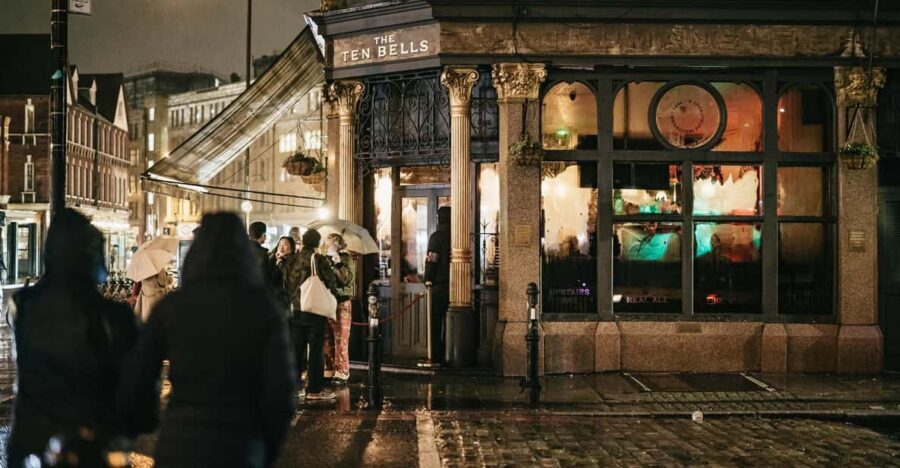
- Ten Bells Spitalfields is both a highlight and your finish point
- Urban legends plus paranormal activity stops add a spooky layer to the streets
- No food or drinks included, so plan to eat before you meet your guide
A 2-hour Spanish walk through Whitechapel’s Ripper streets
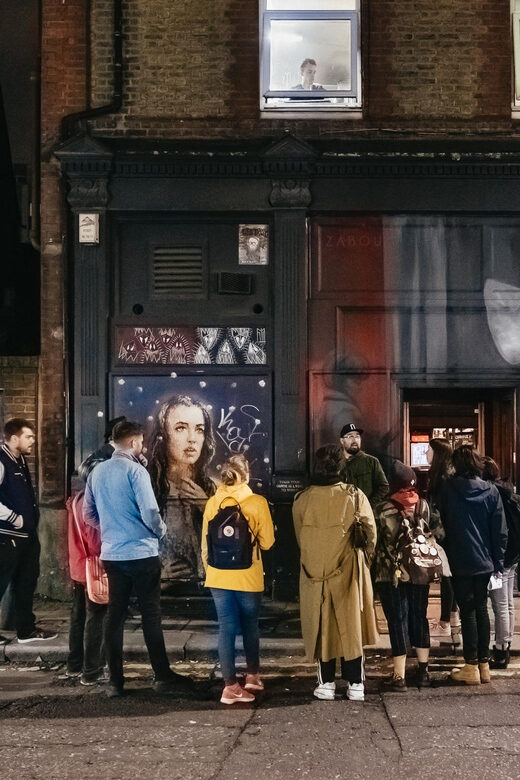
If you want Jack the Ripper in a way that feels local and street-level, this is a solid pick. You’re not bouncing between museums. You’re walking the East End itself, using well-chosen stops to explain how the murders fit into overcrowding, poverty, and the constant threat of crime.
The format is also a big part of the value. For $24 per person and 2 hours, you get a specialist-style guide leading you through the area’s key touchpoints, including famous Whitechapel connections and sites tied to paranormal-leaning stories. It’s long enough to feel like a real journey, short enough that you won’t lose your whole evening to walking.
Language matters too. This tour runs with a live guide in Spanish, so it’s a nice option if you want the story told naturally, without relying on translation apps. And as with any night walk in London, you’ll want to dress for the weather and keep an eye on where you’re stepping.
You can also read our reviews of more tours and experiences in London.


Entering the route: meeting at Altab Ali Park
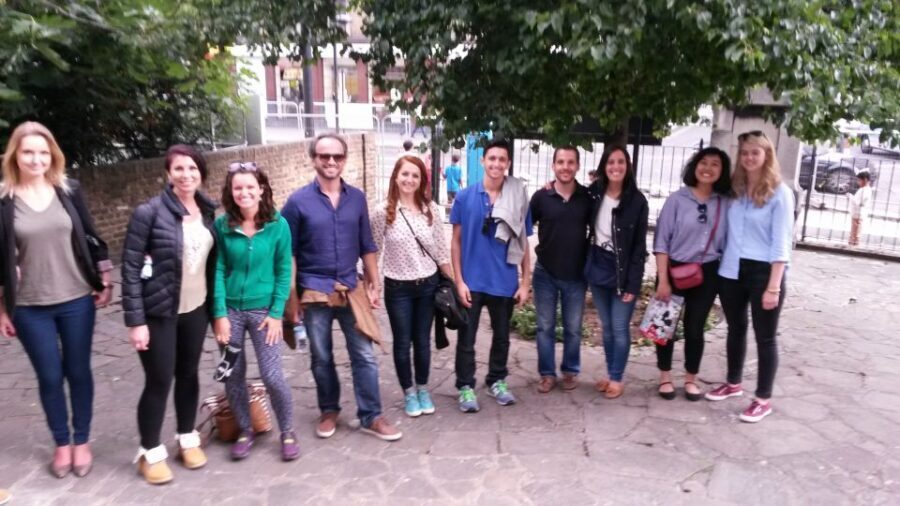
Your tour begins at the west entrance to Altab Ali Park, at the corner of White Church Lane and Whitechapel High Street. You’ll see your guide by the large iron arch gate marking the park entrance.
The nearest Underground station is Aldgate East, which is helpful if you’re building the rest of your evening around the tube. Since this is an outdoor walking tour, getting there a bit early pays off. You’ll have time to get oriented, use the loo nearby if needed, and settle into the mood before the first story.
You should also think about what you’ll carry. This experience is about the streets—photos are fine, but you’ll get more from listening than from rushing ahead to take pictures. A light jacket, comfortable shoes, and a phone with enough battery are the practical essentials.
Stop-by-stop: Memorial to Ten Bells Spitalfields
This route keeps you close to the heart of the story, using pass-by moments and specific landmarks to shape the narrative. You’ll hear the case explained in the context of 1888—why people were afraid, how the headlines traveled, and why the identity of the killer still draws theories.
1) St Marys Whitechapel Church Memorial: setting the tone
You start at the St Marys Whitechapel Church Memorial. This type of beginning matters. It gives you an anchor point before the tour turns into narrow streets and harder topics. You’re in the right part of town, and the guide can frame what you’re about to hear with the general reality of Victorian life.
From here, the walk builds momentum. You’re not just learning names—you’re learning what kind of neighborhood the East End was, and why fear moved fast.
Why it works: it’s a calm first step before the story gets darker.
2) Whitechapel (pass by): feeling the neighborhood, not just the story
Next you’ll pass by Whitechapel. Even when a stop is brief, it helps you understand the geography. Whitechapel isn’t only a place in a book—it’s a real area you can picture once you’ve walked near it.
This is where the tone can shift toward the urban legends. If you like true crime with atmosphere, this is one of the moments where the streets start to feel like part of the explanation, not just a backdrop.
Potential drawback: if you’re expecting every stop to be a long, detailed viewing moment, the pass-by segments mean you’ll want to stay attentive rather than waiting for a big photo stop.




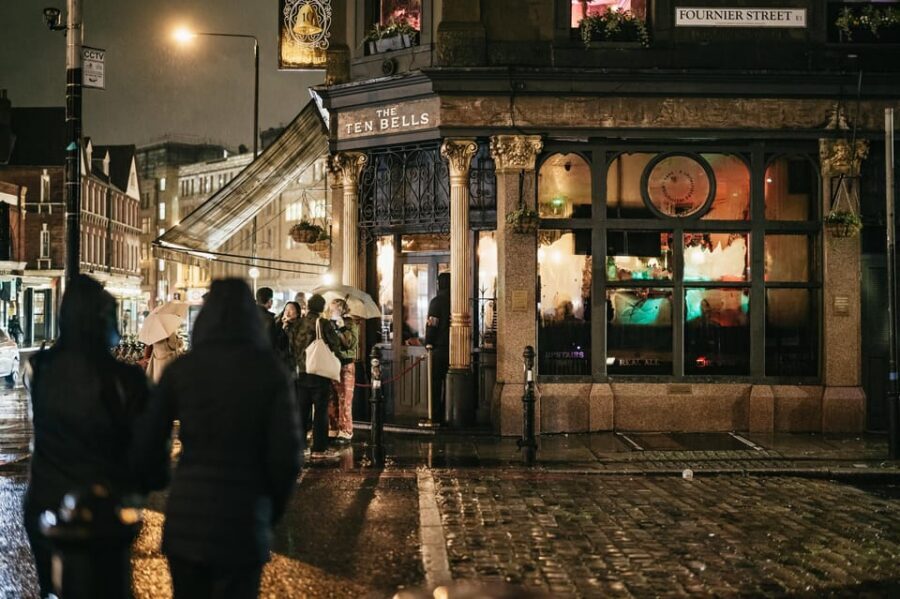
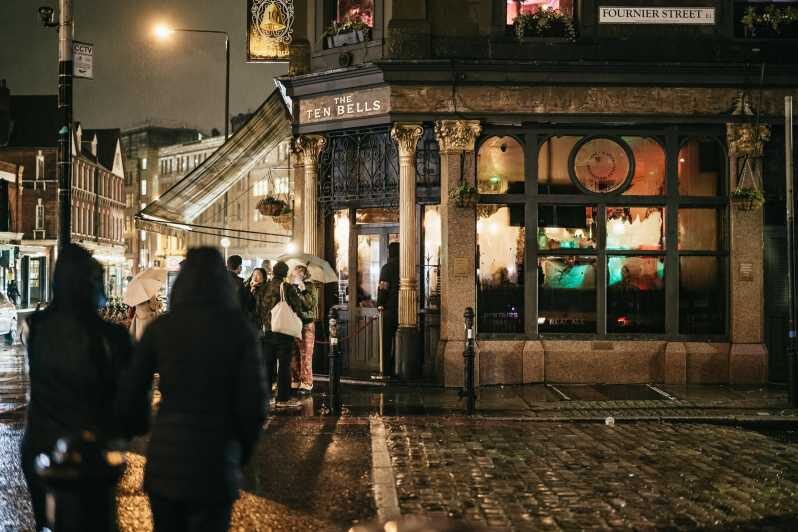
3) The Ten Bells Spitalfields (pass by): a recurring landmark
You’ll pass by The Ten Bells Spitalfields, and later you’ll also finish there. That repeat matters. It turns one location into a kind of narrative bookend, helping you connect the story’s themes to a specific, recognizable place.
Ten Bells is one of those London landmarks that draws attention even if you’re not a true crime fan. In this tour, it’s used as more than a pin on a map—it becomes part of the tour’s rhythm, where you can pause in your head and reset before the next stretch of the walk.
Why it’s a highlight: it’s a famous stop that anchors the evening.
4) Christ Church Chelsea (pass by): keep your eyes open for context
You’ll also pass by Christ Church Chelsea. The value of a pass-by location is mostly contextual: the guide uses it to shape your understanding of the area and the story’s reach, rather than asking you to memorize architecture.
If you’re the kind of person who likes facts that you can later look up, take a quick photo or note the name the moment you see it. That way, when the story mentions places and connections, you can tie it back to what you actually saw.
Tip: if you’re going to ask questions, this is a good time—early enough that you’re still fully fresh for the rest of the walk.
5) Mitre Square (pass by): where stories often cluster
You’ll pass by Mitre Square. Squares like this are useful in a tour like this because they create a sense of place. They help you picture how people moved through the neighborhood and why certain areas might show up again and again in recounting the case.
It’s also a natural moment to notice how the street layout influences the feeling of the evening. Narrow backstreets vs. open spaces changes the mood quickly. The guide’s storytelling uses that shift.
6) Brick Lane (pass by): where modern London meets old rumors
Then you’ll pass by Brick Lane. This is a fun, slightly contrast-rich segment because Brick Lane has a different vibe than many people expect from a Victorian true crime walk. The effect is useful: it reminds you that the East End evolved, while older stories still cling to specific locations.
When the guide brings in theories about the killer, police investigation, and suspects, the modern street feel can make the old fear seem sharper. You’re not just imagining the past—you’re walking through today’s version of it.
7) Finish at The Ten Bells Spitalfields
The tour ends at The Ten Bells Spitalfields. This makes planning easy: you’re not stuck trying to figure out where to go next at the end of your walk. It’s a convenient finish for continuing the evening on your own.
What the guide actually emphasizes: victims, context, and the fear factor
The best part of a Jack the Ripper tour isn’t just the gruesome subject. It’s the explanation of how a society under pressure reacts to shock.
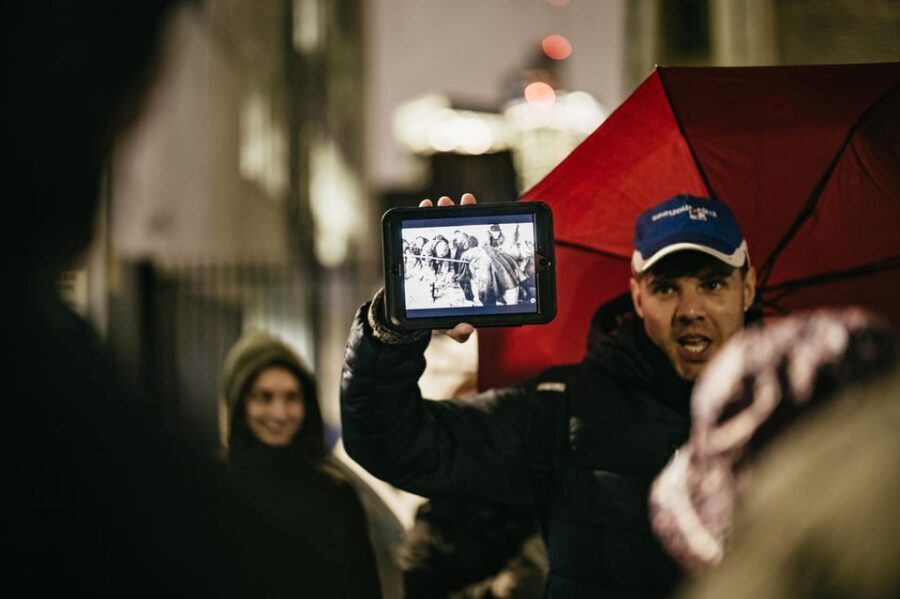
On this tour, you’ll hear about the victims and the social conditions of the time—poverty, overcrowding, and crime. You’ll also hear how fear spread as the murders made headlines around the world. That global attention piece is especially important: it’s one reason the case became a long-lasting mystery, not a short-lived local tragedy.
And yes, there’s the paranormal and urban legend layer. The goal here isn’t to tell you to believe every supernatural claim. It’s to show you how rumors, storytelling, and legend-making often grow in places already marked by hardship and fear.
If you’re the type who likes theory talk, this tour fits. The guide discusses chilling theories about the killer’s identity, plus details around the police investigation and suspects that have fascinated people for over a century.
Urban legends and paranormal activity: fun, but keep the lens practical
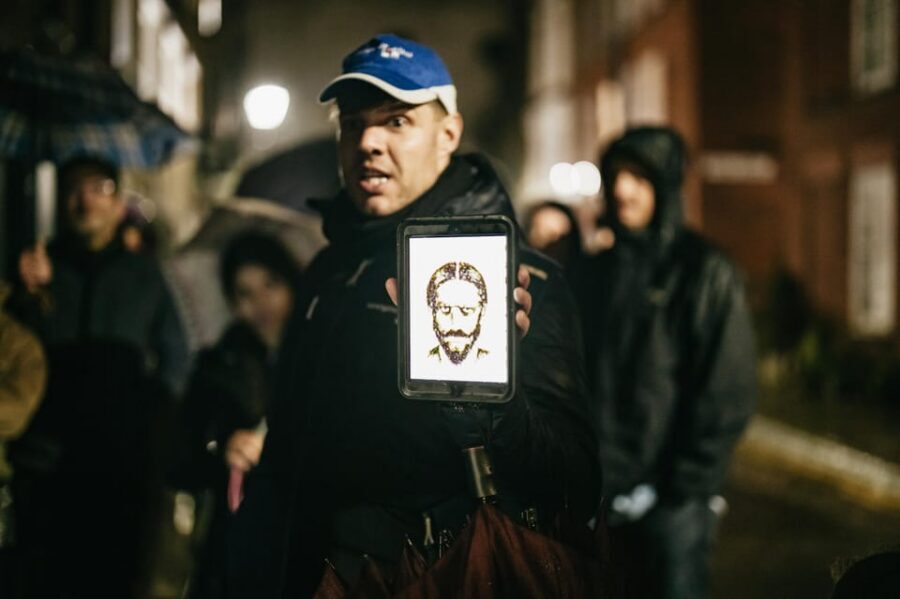
This tour includes urban legends and sites of paranormal activity. How you enjoy that part depends on your personal taste.
I like it best when you treat it like cultural history—how people in a neighborhood create stories to explain what they can’t understand. In that sense, the paranormal angle becomes a way to talk about fear and imagination, not just ghosts.
If you want to keep your head clear while the stories get darker, try this: listen for what changes. When the guide shifts from documented case detail to legend-based speculation, you’ll feel the difference. That helps you enjoy both without getting tangled in it.
And because the tour is in Spanish, you’ll likely catch the nuance more easily than you would in a language you’re less comfortable speaking.
Price and value: is $24 fair for a 2-hour Ripper walk?

At $24 per person for a 2-hour guided walking tour, the value comes from three things you can actually feel on the ground:
- A live specialist guide (the tour is led by a Ripperologist-style guide). This isn’t just a casual stroll with generic facts.
- Focused route time. Two hours is enough to move between key points without turning it into an all-night saga.
- Real locations plus story structure. You’re visiting and passing meaningful places, with enough repetition (especially around Ten Bells) that the story lands.
You do have to bring your own basics: no food or drinks are included. That’s not a deal-breaker, but it does affect how you should plan the rest of your evening. I’d eat before you go, then treat the tour as your main event.
Who should book this Jack the Ripper tour (and who should skip it)
This tour is a good match if you like:
- true crime and Victorian London with a strong storytelling voice
- hearing about victims and the social conditions that shaped the East End
- a mix of real locations and urban legend/paranormal discussion
- Spanish-language guiding rather than relying on audio or translation
It’s not a great match if:
- you’re traveling with young kids, because the tour includes graphic detail about real historical murders
- you’re very sensitive to violent true crime material
- you want a light, purely spooky night with no heavy content
Also remember: everything is outdoors. The tour is wheelchair accessible, and it does not involve stairs or many inclines, but public paths can have varying conditions. If you use mobility support, it’s worth wearing shoes that work well on uneven ground and going in with realistic expectations about the sidewalk surfaces.
Practical tips to get the most from the evening
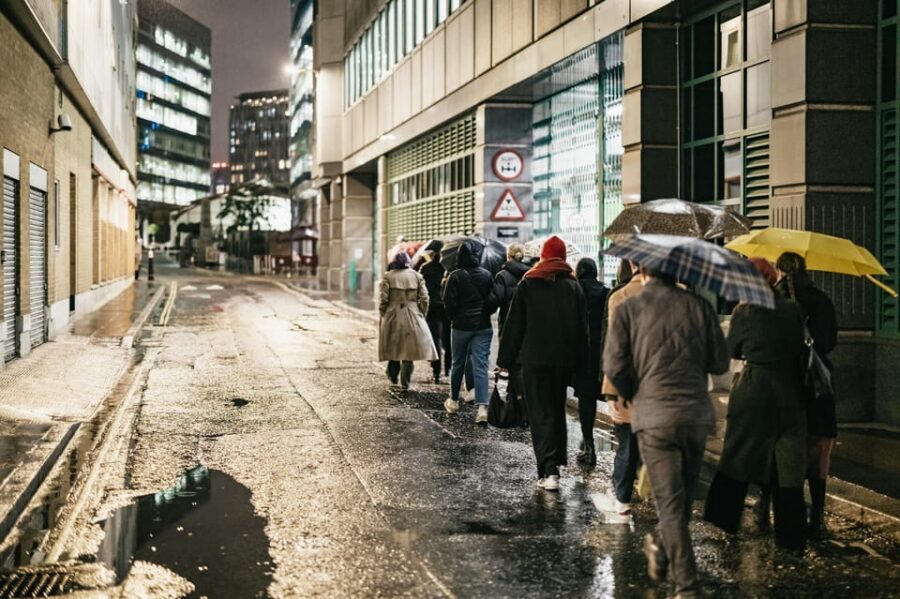
A few small moves make a big difference:
- Wear comfortable shoes. It’s a walking tour, and the point is to stay with the guide’s pace.
- Dress for the weather. The whole experience happens outdoors.
- Bring curiosity, not just fear. The tour works best when you let the guide explain not only the crimes, but the context around them.
- Use the story structure. You’ll hear about victims, police activity, and suspects, then see named locations tied to the narrative. Keeping track makes it click.
If your Spanish is strong enough to follow details, you’ll get extra value from how clearly Iván frames the story and how open the guide is to questions.
Should you book this Jack the Ripper tour in Spanish?
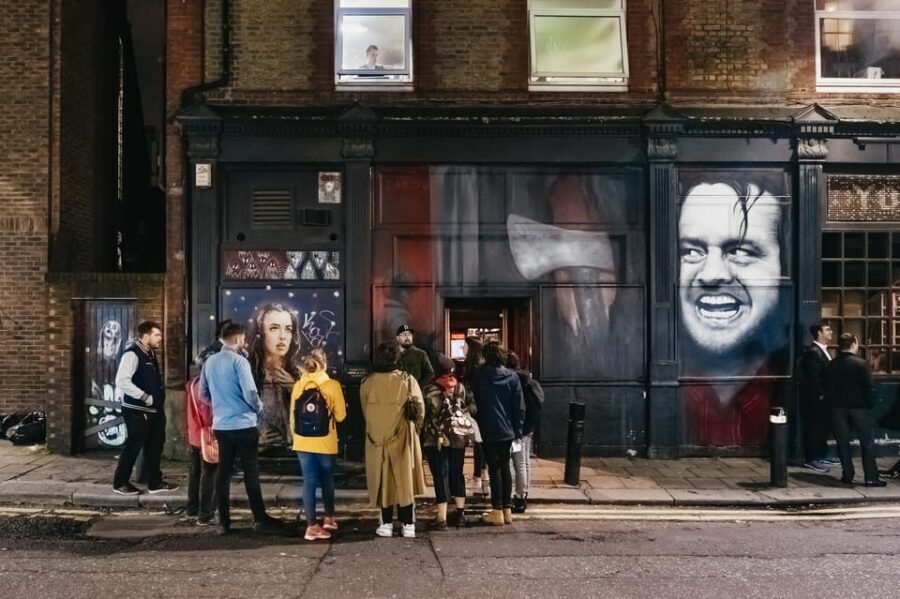
If you want a 2-hour, Spanish-language walk that connects Jack the Ripper to Whitechapel’s real places—and you’re comfortable with the darker side of true crime—this is an easy yes. The combination of a dedicated guide like Iván, a tight route, and the mix of history plus legends makes it a worthwhile use of an evening.
Skip it only if the idea of graphic discussion about real murders would take the fun out of your trip, or if you’re looking for a light activity.
If that sounds like your kind of night, book a spot and plan to eat beforehand. Then show up ready to let London’s streets do the talking.
FAQ
What language is the Jack the Ripper tour in?
The tour is guided live in Spanish.
How long is the tour?
The tour lasts 2 hours.
Where do I meet the guide?
Meet your guide at the west entrance to Altab Ali Park, by the large iron arch gate at the corner of White Church Lane and Whitechapel High Street.
Is the tour wheelchair accessible?
Yes. The tour is described as wheelchair accessible, and it takes place outdoors with no stairs or many inclines, though public path conditions can vary.
Does the tour include food or drinks?
No. Food and drinks are not included.
Is it suitable for children?
Participants under 18 must be accompanied by an adult. The tour includes discussion of real historical murders and may not be suitable for young children or sensitive audiences.