REVIEW · LIVERPOOL
Liverpool: A Walk Through Time: Full History Walking Tour
Book on GetYourGuide →Operated by Global City Experience · Bookable on GetYourGuide
Liverpool’s past walks right up to you. What makes this tour stand out is that it moves fast through big turning points, led by an academically trained local guide with a tight 1207-to-present story. I especially like the way you learn to read the city by looking closely at buildings, and I love that the guide keeps the pace friendly so questions don’t get brushed off. One drawback to plan for: it’s a lot of facts to hold in your head during a 2-hour walk.
You’ll start outside the Royal Liver Building at the black gate (river-facing entrance), then follow the story through the waterfront and city center, finishing at Castle Street. The route is built for most people on foot, and the tour is wheelchair accessible with English-speaking guides.
In several groups, guides like John and Dave bring serious credentials, with one mentioned as having a PhD in imperial and maritime history. That background matters, because the tour doesn’t feel like a list of dates; it feels like a guided explanation of how Liverpool became the place it is now, told with humor and a clear voice even on cold days.
In This Review
- Key highlights at a glance
- Starting at the black gate by the Royal Liver Building
- 1207 to today: the guide turns a timeline into street-level meaning
- Royal Liver Building, riverfront stories, and the first big landmarks
- Parish Church Gardens and Old Hall Chambers: civic Liverpool up close
- Town Hall, Castle Street, and Queen Victoria Monument: power changes hands
- Liverpool ONE and the Old Dock: seeing change without losing the plot
- Royal Albert Dock and the return to the river: port history made visible
- Time on your feet: what the 2 hours feels like
- Price check: why $22 can be a smart spend
- Who this Liverpool walk suits best
- Should you book this Walk Through Time tour?
- FAQ
- Where is the meeting point?
- How long is the tour?
- What does it cost?
- What language is the tour in?
- Is it wheelchair accessible?
- Can I reserve without paying right away?
- Can I cancel for a full refund?
Key highlights at a glance
- A 1207 to present-day storyline that tries to give you the whole arc in one sitting
- Start at the Royal Liver Building’s black gate and end up back near Castle Street
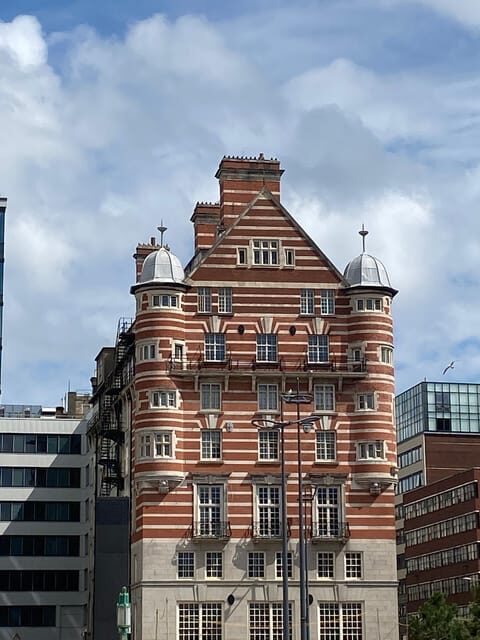
- Focus on iconic landmarks up close, including the waterfront and major civic buildings
- Architecture-first explanations that train your eyes on details you’d normally walk past
- Time for questions, with guides who answer fully and keep the group engaged
- Local food direction, including advice for where to try scouse after the walk
Starting at the black gate by the Royal Liver Building
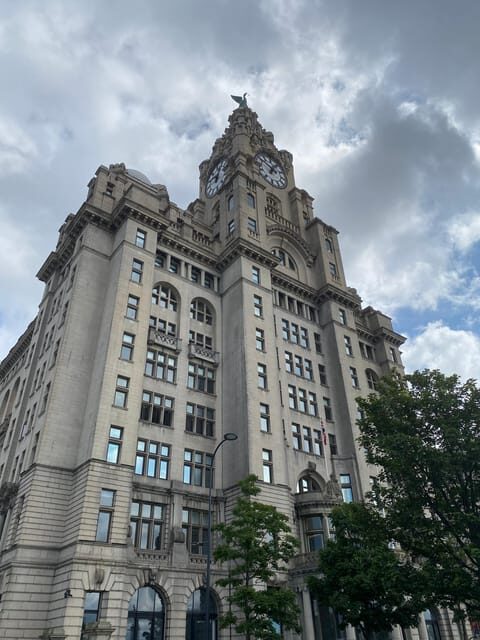
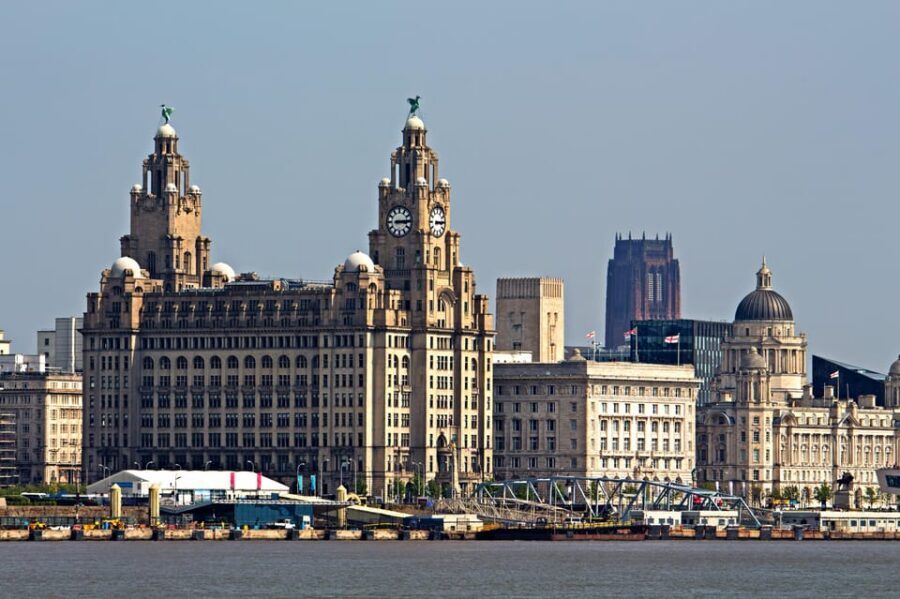
Your walk begins outside the Royal Liver Building, specifically at the entrance facing the river at the black gate. It’s a smart meeting point because you’re anchored immediately in one of Liverpool’s most recognizable symbols—so the whole tour starts with context, not confusion.
From there, you’re guided along a route that mixes landmark stops with short “look here” moments. You’ll be asked to pay attention to details on buildings and street corners, not just memorize names. That’s the kind of guidance that makes a city feel legible fast.
One practical tip: arrive a few minutes early, even if your group seems relaxed. If you show up at the last second, you can miss the quick setup the guide uses to orient everyone before the story really begins.
You can also read our reviews of more walking tours in Liverpool



1207 to today: the guide turns a timeline into street-level meaning
This tour’s promise is simple: how Liverpool developed from a medieval trading town into the second city of the British Empire, all from 1207 to present day. The reason that matters is that Liverpool’s architecture and street layout aren’t random. They’re physical leftovers from trade, industry, and changing power.
What I like about this style is that the guide’s academic training comes through in how the story is structured. You’re not just hearing dates; you’re getting explanations for why certain eras left visible marks—then walking to the places where those marks show up.
In reviews, guides are praised for answering questions in detail and speaking in a clear, easy-to-follow way. That’s important on a walking tour, because you only get one chance to catch the thread while you’re moving. If you tend to ask follow-ups, you’ll likely appreciate the open Q-and-A approach described by guests.
Possible drawback: if you’re the type who likes to skim tours leisurely, the pace may feel information-dense. It’s still enjoyable, but you’ll want to mentally switch on—this is a “learn the story” walk, not a “stroll and vibe” walk.
Royal Liver Building, riverfront stories, and the first big landmarks
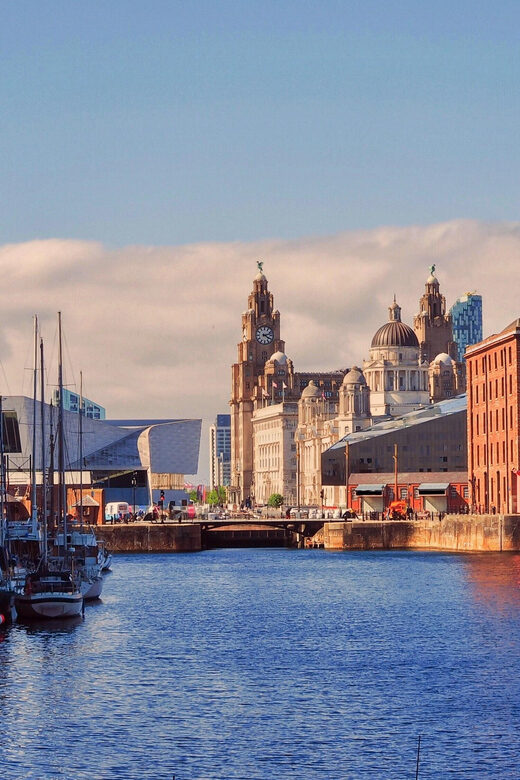
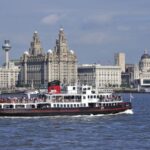
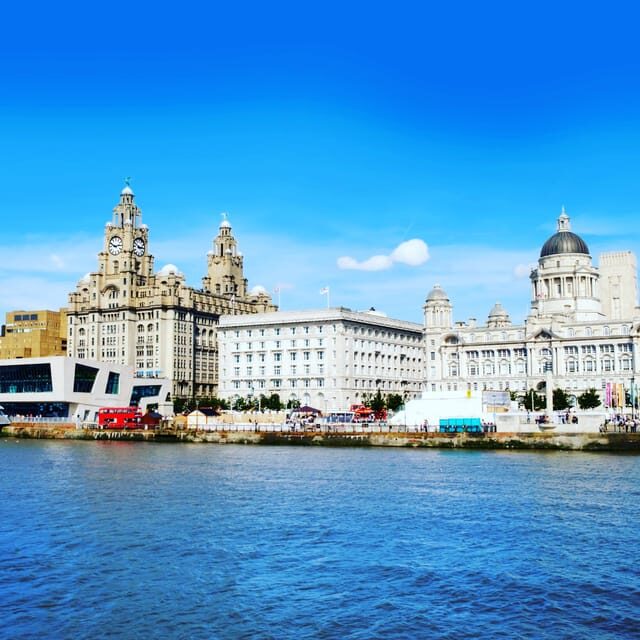
Right after the start, there’s a focused look at the Royal Liver Building itself. The goal is to connect the building to Liverpool’s larger story—how the city projected identity and importance as it grew. Even if you’ve seen the building in photos, a guided explanation helps you notice what you’d usually overlook.
Then the tour continues toward the Liverpool Waterfront, where the emphasis shifts from buildings as symbols to the waterfront as a working space in Liverpool’s development. You’re not asked to imagine abstract history. You’re walking through the geography that helped shape it.
This part is also where the guide’s humor and enthusiasm can make a difference. On tours like this, energy isn’t fluff—it helps you keep your attention when you’re outside and the weather turns on you.
Parish Church Gardens and Old Hall Chambers: civic Liverpool up close
A standout stop in the walk is the Liverpool Parish Church area (Our Lady and Saint Nicholas), plus the nearby parish church gardens. This is where the tour does something useful: it pulls you away from the “just the port” narrative and shows Liverpool’s civic side.
Next comes Old Hall Chambers. Places like this matter because they’re physical reminders that Liverpool wasn’t only shipping and building ships. It also developed institutions—spaces where decisions, governance, and community life shaped what happened next.
What you’ll likely enjoy here is the guide’s habit of encouraging you to look around. Reviews specifically note that the focus on architecture pushes people to look up and notice details they would have missed. That’s not just a neat trick; it’s a practical way to turn sightseeing into learning.
If you’re traveling with kids or teens, this section tends to land well because it’s visually varied—green space, church setting, then street-level historic architecture—so it breaks up the nonstop landmark rhythm.
Town Hall, Castle Street, and Queen Victoria Monument: power changes hands
After the church area, the route goes through more civic-heavy territory, including the Town Hall and the Queen Victoria Monument. These stops help you understand Liverpool as a city that grew into authority, not just commerce.
Castle Street is particularly important here because it sits at the heart of the city-center feel. The tour builds momentum by walking you along streets where history shows up in the mix of grand buildings and practical urban layout. It’s the kind of guidance that helps you connect what you’re seeing to the era being explained.
One reason I think this part of the tour is valuable is that it gives you a mental map of Liverpool’s hierarchy: where the city chose to place prestige, where it put its public face, and how the built environment reflects ambition.
If you want a quick way to remember things, pay attention during these stops to what the guide links together—street, building type, and the kind of role Liverpool was playing at the time.
You can also read our reviews of more historical tours in Liverpool






Liverpool ONE and the Old Dock: seeing change without losing the plot
The walk then moves toward Liverpool ONE and the Old Dock area. This is where Liverpool’s story stops being only about the past and starts becoming about transformation—how historic trade zones evolve as the city updates its identity.
You don’t have to be a history nerd to enjoy this. The guide’s job is to keep the timeline clear as the surroundings change from older civic forms to more modern commercial spaces.
I also like that the tour doesn’t treat the docks like a single static exhibit. The waterfront is presented as part of a living city story—one that continues to shape what Liverpool looks like today.
If you’re worried about being bored because the tour covers “modern” sections too, don’t. The point here is contrast. You’re seeing the same general area—ports and commerce—through different stages of development.
Royal Albert Dock and the return to the river: port history made visible
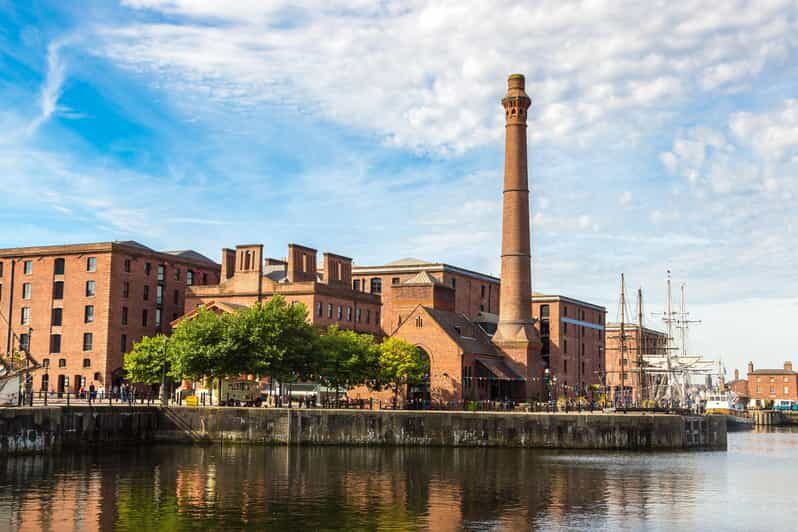
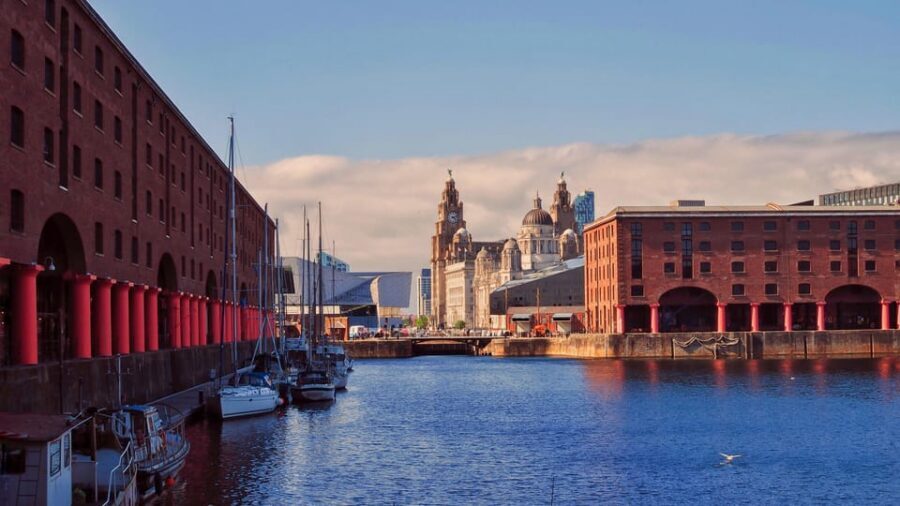
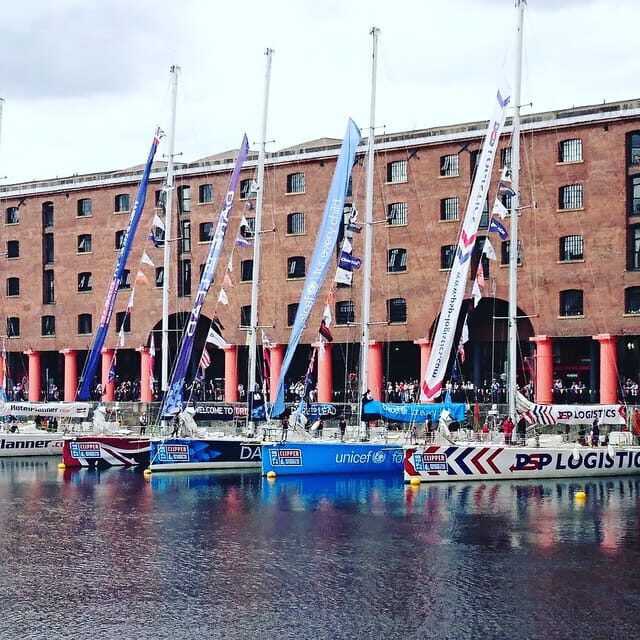
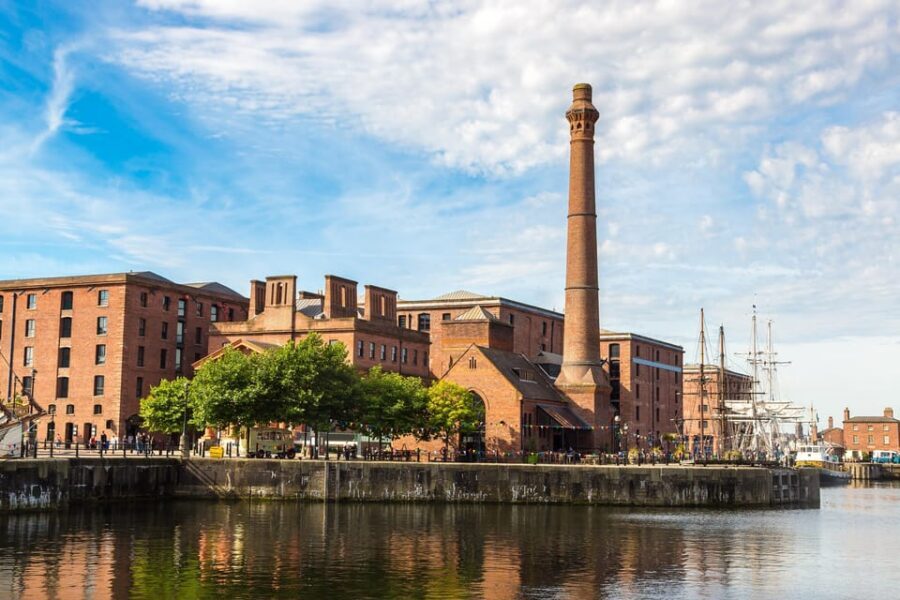
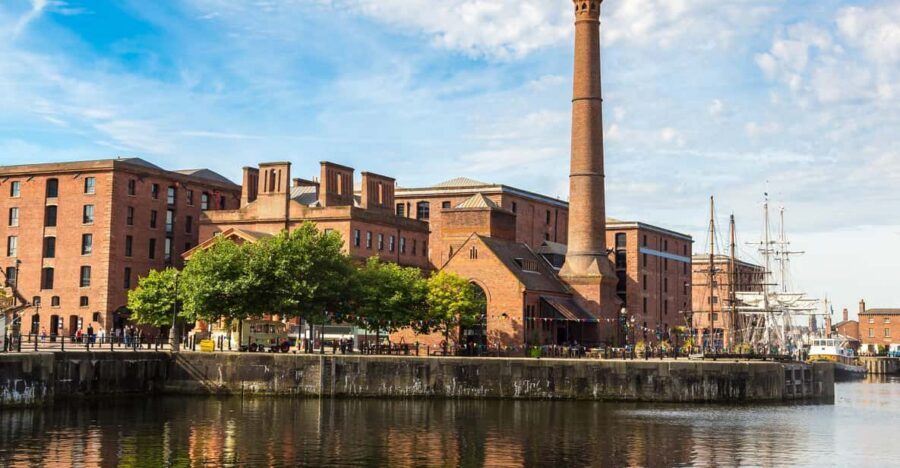
Near the end, you’ll spend time at the Royal Albert Dock. This is one of the tour’s most important “anchor” stops because it ties together everything you’ve learned about Liverpool’s growth as a trading powerhouse.
The best part of a guided stop here is that the guide can point out why the dock area reads the way it does—how port structures relate to the city’s economic engine. It’s much easier to understand once you’ve already been walked through the timeline.
Then you head back toward where you started at the Royal Liver Building. That loop matters. It helps you end with a sense of place, not just a list of landmarks.
In reviews, guests also mention that the guide’s explanations made Liverpool feel larger than the usual headline stories. Even if your first instinct is to focus on the waterfront, the tour keeps reminding you that Liverpool’s influence spread through trade networks and later into the wider UK story.
Time on your feet: what the 2 hours feels like
This is a 2-hour walking tour, with guided stops along the way. The pace is structured: longer at the start, then shorter spurts at key landmarks, then a proper wind-down toward the end.
If the weather is bad, you’ll feel it. It’s an outdoor city-center walk, so bring layers you can adjust. Comfortable shoes are non-negotiable; you’ll want to stay focused on the architecture cues and not just on where you’re stepping.
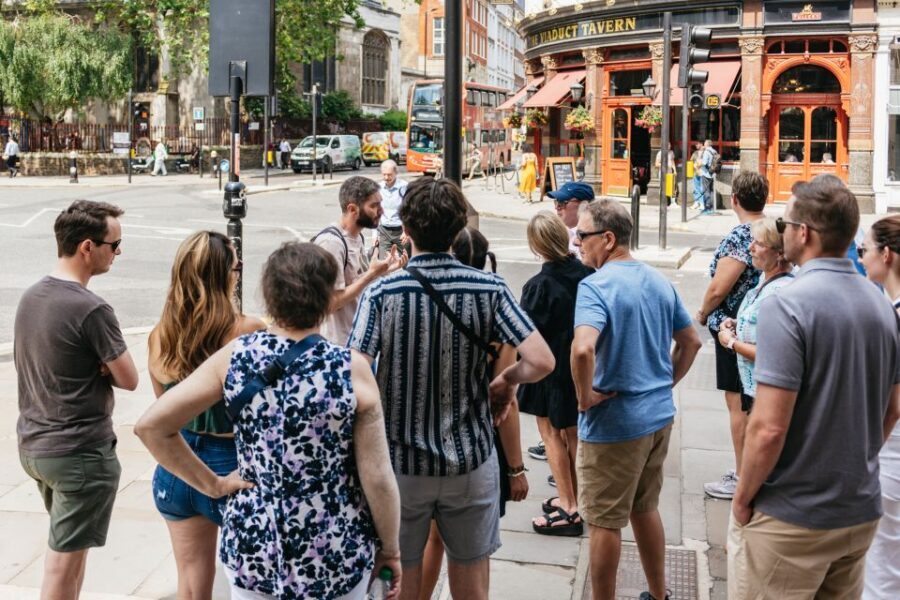
Group size can vary, but one verified account mentioned a group of about 10 people. That kind of size is usually ideal for questions without turning the sidewalk into a lecture hall.
Price check: why $22 can be a smart spend
At about $22 per person for a roughly two-hour guided history walk, the value depends on what you want from your day. If you’re the kind of traveler who likes to wander alone, museums and self-guided apps might feel cheaper.
But if you want a structured storyline with a guide who can answer questions and connect what you see to why it matters, this price makes sense. You’re paying for local expertise, clear narration, and time on the ground at several major landmarks in one block of time.
Another value point: because the tour covers the big arc from 1207 to the present day, it reduces the mental work you’d otherwise do later. Instead of piecing together Liverpool’s development from scratch, you get a guided framework you can build on during the rest of your trip.
Who this Liverpool walk suits best
This tour is a great fit if you want an organized overview and you like learning while you walk. It’s also a strong choice if you’re visiting for the first time and want quick bearings—Liverpool can feel different block to block, and the guide helps you connect the dots.
It’s also a good match for families, including teenagers who aren’t sure they’ll enjoy history. Reviews mention a teen who started skeptical and ended engaged, in part because the story kept moving and the guide answered questions.
If you only want photos and short stops, you might find the explanations take up too much time. If you prefer quiet sightseeing, this may feel like you’re always listening.
Should you book this Walk Through Time tour?
If your goal is to understand Liverpool beyond headlines, I think this is worth booking. The structure—starting at the Royal Liver Building, moving through civic landmarks, then out toward the waterfront and Royal Albert Dock—gives you a clear “city story” in one go.
I’d especially book it if you appreciate architecture, enjoy questions, and want a guide who can explain what you’re seeing while you’re standing in front of it. Just go in ready to absorb a lot of information in a short time, and you’ll leave with a much stronger sense of how Liverpool became Liverpool.
FAQ
Where is the meeting point?
Meet your guide outside the entrance of the Royal Liver Building (the entrance facing the river at the black gate).
How long is the tour?
The tour lasts about 2 hours.
What does it cost?
The price is $22 per person.
What language is the tour in?
The tour guide provides the tour in English.
Is it wheelchair accessible?
Yes, the walking tour is listed as wheelchair accessible.
Can I reserve without paying right away?
Yes. You can reserve now and pay later, keeping your travel plans flexible.
Can I cancel for a full refund?
Yes. Free cancellation is available up to 24 hours in advance for a full refund.