REVIEW · LONDON
London: Beyond Jack the Ripper Serial Killers Walking Tour
Book on GetYourGuide →Operated by City Secrets Walks · Bookable on GetYourGuide
Jack the Ripper is only the start here.
This London walking tour focuses on the psychology of murder and the work of law enforcement, using cinematic storytelling to move you through real cases—from Jack the Ripper to a surprise tenth killer. I like that it keeps the tone serious and respectful, never goofing around with the topic or turning victims into props.
Two things I especially like: the guide’s long-research approach and the participatory profiling exercises, which help you think the way investigators do. I also like the pacing—short story beats in side streets, then a breather, then a stronger push through Fleet Street and on to Holborn.
One possible drawback: the subject matter is scary, shocking, and disturbing, and the tour isn’t for people who get easily upset. It also involves walking about 2 miles, so come prepared for a steady 2-hour route.
In This Review
- Key things that make this tour worth your time
- Why This Tour Keeps Its Focus on Psychology (Not Shock Value)
- Barbican Meet-Up: Finding the Guide Without Panic
- The 2-Mile Walk: Barbican, Fleet Street, and the Finish at Holborn
- The Named Cases You’ll Hear About (and Why That Range Works)
- How the Guide Turns the Streets Into Clues
- Profiling Exercises: What You’re Actually Doing
- Price and Value: What $27 Buys in London
- Who Should Book This (and Who Should Skip It)
- Should You Book This London Serial Killer Tour?
- FAQ
- Where is the meeting point for the tour?
- How long is the walking tour?
- How far do you walk?
- What language is the tour conducted in?
- What killers and cases does the tour include?
- Does the tour focus on gore?
- Do you get to participate or is it just listening?
- Is this tour suitable for children?
- What should I bring?
- Can I cancel and get a refund?
- Is the tour wheelchair accessible?
Key things that make this tour worth your time
- Psychology over gore: you learn how behavior and patterns connect, not just gruesome details.
- Real cases named out loud: Jack the Ripper, Peter Sutcliffe, Dennis Nilsen, Joanne Dennehy, John Christie, and more.
- Declan’s storytelling style: cinematic delivery, plenty of detail, and time for questions.
- You take part in profiling: interactive exercises rather than passive listening.
- Barbican to Holborn route: a focused walk that includes Fleet Street and multiple short guided stops.
- A book at the end: the guide offers a best-selling book to keep digging after the tour.
Why This Tour Keeps Its Focus on Psychology (Not Shock Value)
If you’re choosing between serial killer tours in London, this one has a clear rule: it’s about understanding behavior. The stories center on the psychological aspects of the murders and profiling, with guidance that stays on the side of victims and law enforcement. That means you’re not treated to gore for entertainment, and you’re not asked to enjoy the killers as characters.
I also appreciate the tone: it is not tongue-in-cheek. The guide frames these cases seriously, and that matters because the walk is designed to feel unsettling even when the facts are presented carefully. You’ll still leave with questions—just not the kind you’d rather not have.
The content warning is not fluff. The operator clearly flags that this is scary, shocking, and disturbing material. If you don’t have an interest in serial killers—or if you’re easily disturbed—this is the wrong evening activity.
You can also read our reviews of more walking tours in London



Barbican Meet-Up: Finding the Guide Without Panic
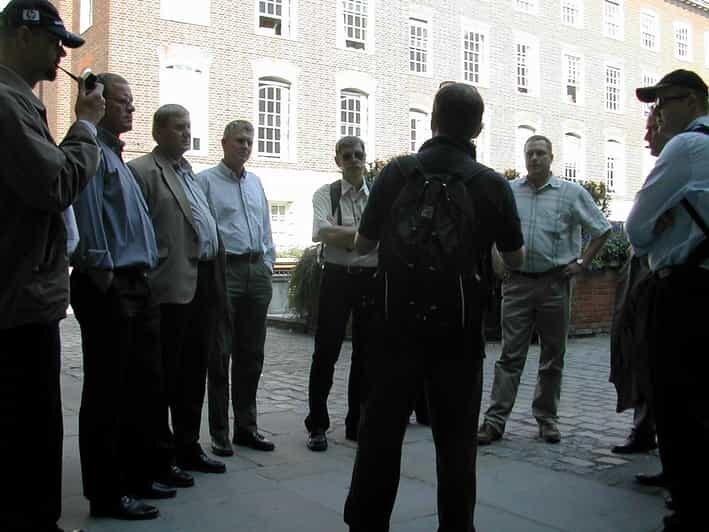
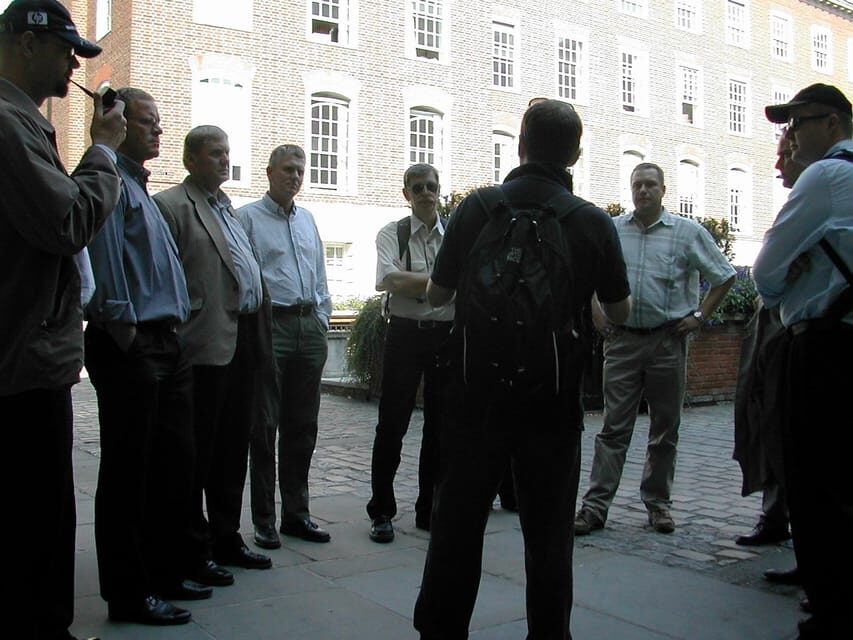
You start in Barbican, at the train station. There is only one exit at Barbican station, and your guide is waiting right outside that exit—about 20 feet away—with a sign on their backpack sitting on the ground.
This is the kind of meetup that’s easy if you show up early, and stressful if you try to “arrive on time” in London. The tour starts on schedule and latecomers can’t join once the group leaves. So build in a buffer, especially if your train is the kind that likes to change its mind.
What to wear is also part of the plan. Bring comfortable shoes for a two-mile walk, plus warm clothing and rain gear since this is an outdoors walking tour. If you take personal medication, have it with you—nothing ruins a dark-history walk like having to deal with preventable issues.
The 2-Mile Walk: Barbican, Fleet Street, and the Finish at Holborn
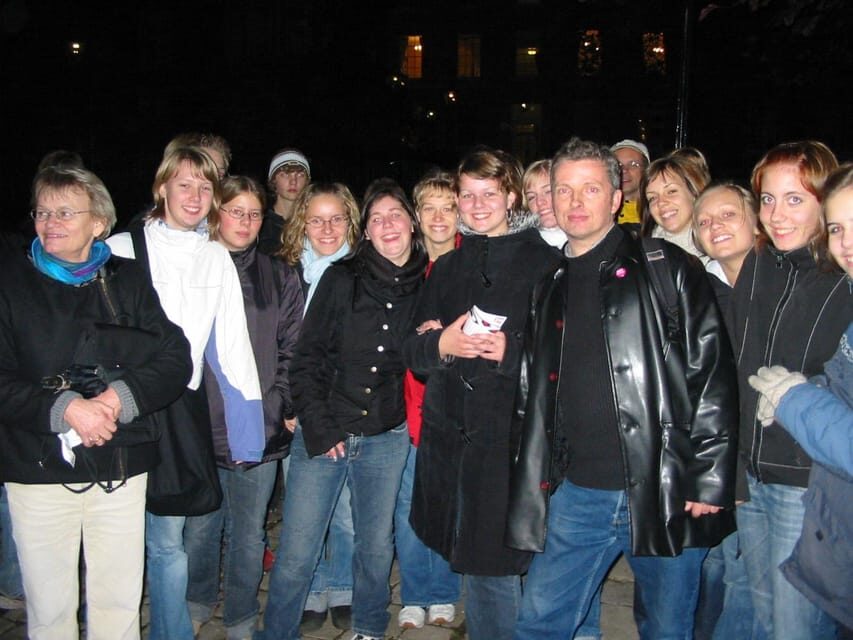
The route is about 2 miles (3.2 km) and runs for around 2 hours. It’s not a marathon, but it’s also not a sit-and-chat tour. You’re moving through the city as the story builds, with multiple short stops that keep the momentum.
Here’s how the walk typically plays out:
You begin at Barbican, then get a quick warm-up stop—short enough that you’re listening immediately, not hunting for context. After that, you’ll hit a viewpoint moment, then another secret stop, then another viewpoint. These quick segments matter because they create a rhythm: you hear a chunk of a case, you relocate, and then the guide ties the next point back into the investigation mindset.
After several tight story stops, you get a break (about 8 minutes). It’s a real breather, not a long reset, so don’t treat it like a full pause. Then the route pushes into the Fleet Street area, where the guided storytelling gets longer and the connection to London’s wider criminal history feels more pronounced.
Fleet Street shows up more than once during the walk, with guided portions that last around 12 minutes and again around 15 minutes. That signals a shift from short, punchy alley storytelling into more sustained case framing. After that, the tour continues through additional guided stops and viewpoints, then finishes in Holborn.
A practical note: because it’s structured as many stops, don’t plan to use your phone for long stretches as if you were sightseeing at your own pace. The tour is designed for walking and listening, and you’ll get more out of it if you keep your attention on the guide’s sequence.
The Named Cases You’ll Hear About (and Why That Range Works)
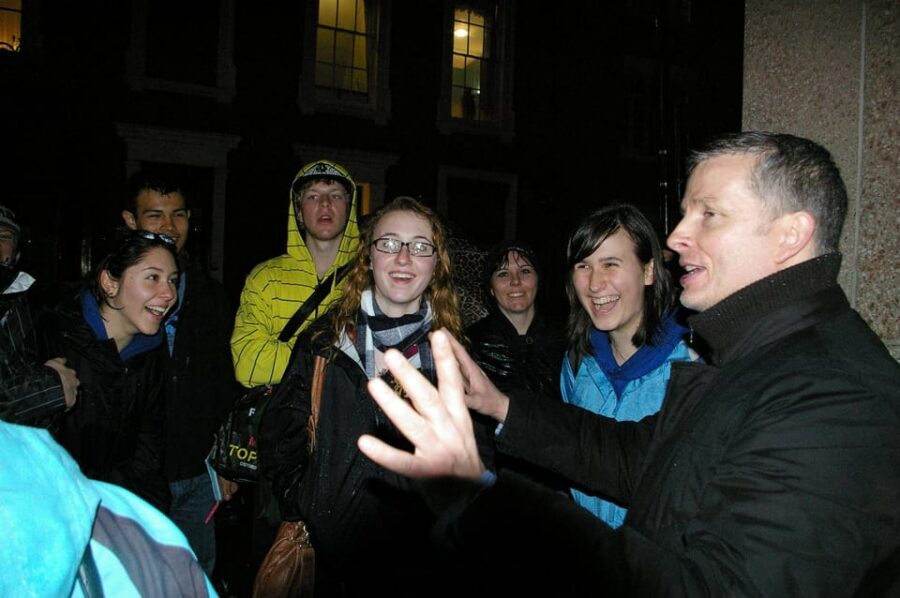
This tour doesn’t just say Jack the Ripper and stop there. You’ll cover multiple serial killer cases, including:
- Jack the Ripper
- Dennis Nilsen
- Peter Sutcliffe
- Joanne Dennehy
- Bishop and Head, an uncaught serial murderer of children
- Thomas Neil Cream
- John Christie
- Plus a surprise tenth killer
That list is one reason this experience can feel more valuable than a one-case tour. When you hear different cases named like this, you start noticing recurring themes—ways investigators think, how behavioral patterns can be interpreted, and how public fear and policing collide.
I also like that the tour doesn’t treat the subject like a trivia game. The guide’s focus is on how the murders are understood psychologically and how law enforcement responds. The cases are presented as real events, which keeps the learning grounded even when the atmosphere gets creepy.
If you’re a true-crime fan, you’ll probably recognize many of these names. If you’re not, you’ll still get a guided framework so you’re not drowning in headlines. The key is that you’re not just collecting names—you’re learning how profiling ideas fit each story.
How the Guide Turns the Streets Into Clues
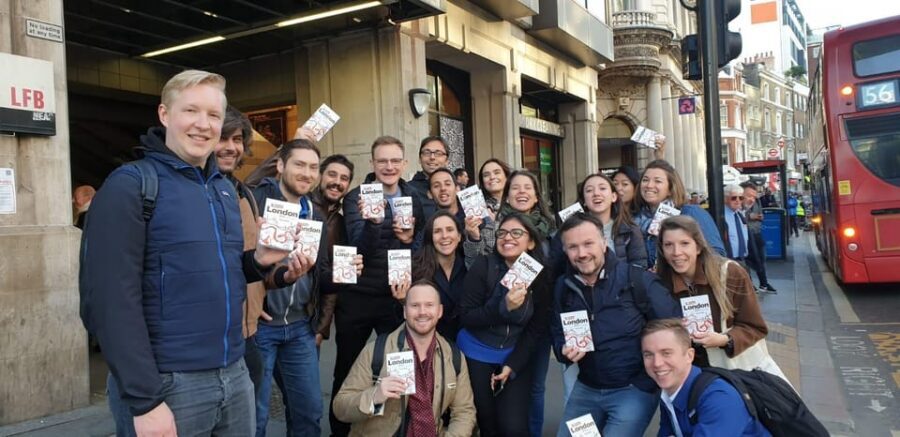
What changes this tour from a standard walk is the guide’s delivery. The experience is described as cinematic, and the guide is also presented as having 30 years of research into the topic. In practice, that shows up in the level of detail at each stop and the way the story moves like a timeline.
Declan is the guide name you’ll see mentioned most. People highlight that he’s personable and that he’s strong on storytelling—high detail, clear explanations, and a way of connecting the dots at each location. One of the standout review-style details is that he shows photos of suspects at points along the route, then discusses what is known about their life and psychology.
You should also expect interaction. The tour includes profiling exercises, so it’s not purely a lecture. You’ll be asked to think through behavior and patterns, which is a huge part of why the walk can stick with you after you leave.
Finally, you’ll have time for questions. People emphasize that he takes time to answer and that he articulates clearly enough for non-native English speakers to follow along. That’s a real quality-of-life detail if English isn’t your first language, especially on a topic this heavy.




Profiling Exercises: What You’re Actually Doing
The tour specifically says it uses a psychological approach and includes profiling exercises. That means you’re not just hearing that investigators look for patterns. You’re practicing the idea—at least in a guided way—so the discussion becomes active thinking rather than passive listening.
This is one reason I think the tour feels more “useful” than purely sensational story tours. When you’re asked to think like a profiler, you’re forced to pay attention to behavior: timing, patterns, and what signals might matter. Even if you never become an investigator (please don’t), the exercise helps you understand why certain theories gain traction.
It’s also why the tone matters. The tour keeps it anchored on victims and law enforcement. That prevents the profiling from turning into a puzzle that feels too fun. It stays serious, even when you’re doing something interactive.
Price and Value: What $27 Buys in London
At $27 per person for a 2-hour walking tour, the value is in three places.
First, you get a focused time window. You’re not paying for hours of roaming without structure; you’re paying for a guided narrative that’s built around short stops, a break, then longer segments through Fleet Street and the finish at Holborn.
Second, the topic is specialized. Not every London tour gives you psychology-first profiling exercises and a multi-case list that includes several major serial killer investigations. The named coverage—Jack the Ripper, Peter Sutcliffe, Dennis Nilsen, Joanne Dennehy, and others—suggests real work in organizing the material.
Third, you end with an optional purchase. The guide offers a best-selling book written by them on the same subject. If you want to keep learning after the tour, that’s a practical add-on rather than a random souvenir stop.
Who Should Book This (and Who Should Skip It)
This experience is a fit if you:
- Like serious true crime and are curious about psychological profiling
- Want a guided walk with many short stops and lots of detail
- Are comfortable with disturbing content and can handle a scary atmosphere
It’s also clear who should avoid it. It’s not suitable for:
- Children under 12
- People with heart problems
- People over 75
- People with low fitness
- People with mobility impairments
There’s also a strict content and conduct approach: no intoxication, and minors can’t join unless accompanied appropriately (unaccompanied minors are not allowed). If you’re likely to get emotionally overwhelmed, listen to that warning. The tour isn’t designed to protect your nerves—it’s designed to tell the truth as directly as possible.
One more reality check: it’s listed as wheelchair accessible, but the “not suitable” list also includes people with mobility impairments. If mobility is a concern for you, you’ll want to think carefully and ask questions before booking.
Should You Book This London Serial Killer Tour?
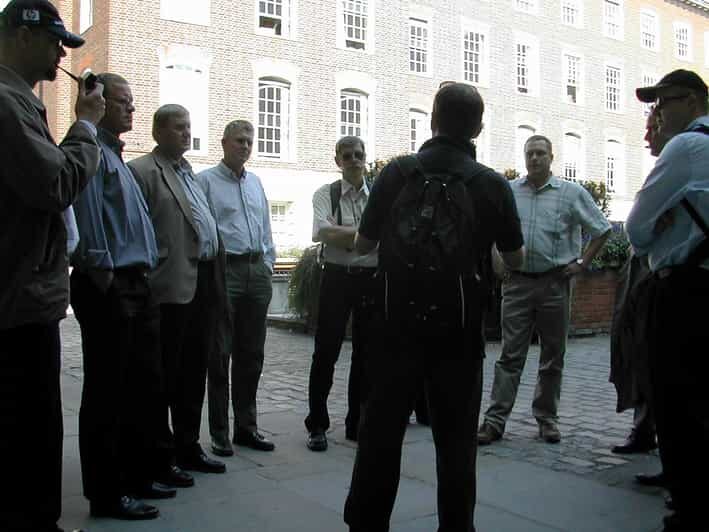
Book it if you want a psychology-first London experience that treats victims and law enforcement respectfully, with Declan’s detailed, interactive storytelling and profiling exercises. The route is manageable, the content is structured, and the pacing gives you short moments to absorb before the next case beat hits.
Skip it if disturbing stories would likely ruin your evening—or if walking 2 miles and staying focused for 2 hours sounds like a bad match. This isn’t the tour to take as a dare or a joke. It’s for people who genuinely want to understand how investigators think, not just to be startled.
FAQ
Where is the meeting point for the tour?
You meet at Barbican station. There is only one exit, and your guide waits right outside it (about 20 feet away) with a sign on their backpack on the ground.
How long is the walking tour?
The tour lasts 2 hours.
How far do you walk?
The walking tour covers about 2 miles (3.2 km).
What language is the tour conducted in?
The live tour guide speaks English.
What killers and cases does the tour include?
The tour covers cases including Jack the Ripper, Dennis Nilsen, Peter Sutcliffe, Joanne Dennehy, and others such as Bishop and Head, Thomas Neil Cream, John Christie, plus a surprise tenth killer.
Does the tour focus on gore?
No. It focuses on the psychological aspects of the murders rather than focusing on gore, and it does not glorify the murderers.
Do you get to participate or is it just listening?
You do participate. The tour includes profiling exercises as part of the experience.
Is this tour suitable for children?
No. It is not suitable for children under 12, and unaccompanied minors are not allowed.
What should I bring?
Bring comfortable shoes, warm clothing, rain gear, weather-appropriate outdoor clothing, and any personal medication you may need.
Can I cancel and get a refund?
Yes. You can cancel up to 24 hours in advance for a full refund.
Is the tour wheelchair accessible?
It is listed as wheelchair accessible, but it is also marked as not suitable for people with mobility impairments.