REVIEW · LONDON
London Blitz Tour – Explore City of London Wartime History
Book on GetYourGuide →Operated by Urban Saunters Ltd · Bookable on GetYourGuide
Blitz stories hit harder on foot. On this City of London walk, you move from St. Paul’s Cathedral surviving bomb hits to the far more personal aftermath of the Bank Station raid. I also love how the tour threads one theme through the whole route: Londoners kept going, even when the city felt unsafe. One heads-up: it’s a moving, mostly outdoors walking experience, so come ready for weather and make sure your shoes are up to the job.
The biggest reason this tour earns praise is the guide. Names like Nathan, Babs, Jo, and Francis show up in the kind of feedback you want to see: they answer questions, keep the pace lively, and connect the Blitz to wider London context. If you like learning through story (not a slide deck), you’ll probably enjoy the format.
And at $39 per person for about two hours with an expert guide and multiple landmark stops, it can feel like good value—especially if you’d otherwise spend that time hopping between sites solo. Just note that there’s no food included, so plan water and snacks on your own if your day needs it.
In This Review
- Key highlights you shouldn’t miss
- Blitz-era London on foot: why this 2-hour walk works
- Price and value: what $39 buys you in the City
- Where you start and what the walk feels like
- St. Paul’s Cathedral: survival you can see, and stories you can hear
- Bank Station raid: the City’s center becomes a target
- St Dunstan-in-the-East and Christ Church Greyfriars: calm gardens with heavy memory
- All Hallows by the Tower: sanctuary that survived
- Outside the Tower: Josef Jakobs and the personal side of war
- How to get more out of the tour (without making it harder)
- Who this tour is best for
- The overall vibe: moving from spectacle to understanding
- Should you book the London Blitz Tour?
- FAQ
- How long is the London Blitz Tour?
- How much does the tour cost?
- Is this a walking tour, and does the meeting point stay the same?
- What’s included in the price?
- What’s not included?
- What language are the tours offered in?
- Can I book a private group?
- Is the tour suitable for wheelchair users or people with mobility impairments?
- What should I bring, and are there any rules?
- What’s the cancellation policy?
Key highlights you shouldn’t miss
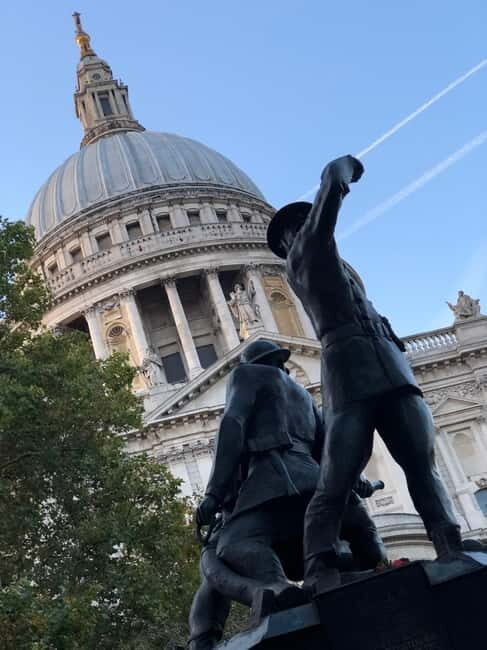
- St. Paul’s wartime survival: hear how the cathedral stayed standing and why the firemen mattered
- Bank Station bombing raid details: understand what was lost in the heart of the City
- Tranquil memorial gardens: St Dunstan-in-the-East and Christ Church Greyfriars bring memory into calm spaces
- All Hallows by the Tower: a church that survived and offered sanctuary
- Josef Jakobs story outside the Tower: a prisoner tale that adds a human layer
Blitz-era London on foot: why this 2-hour walk works
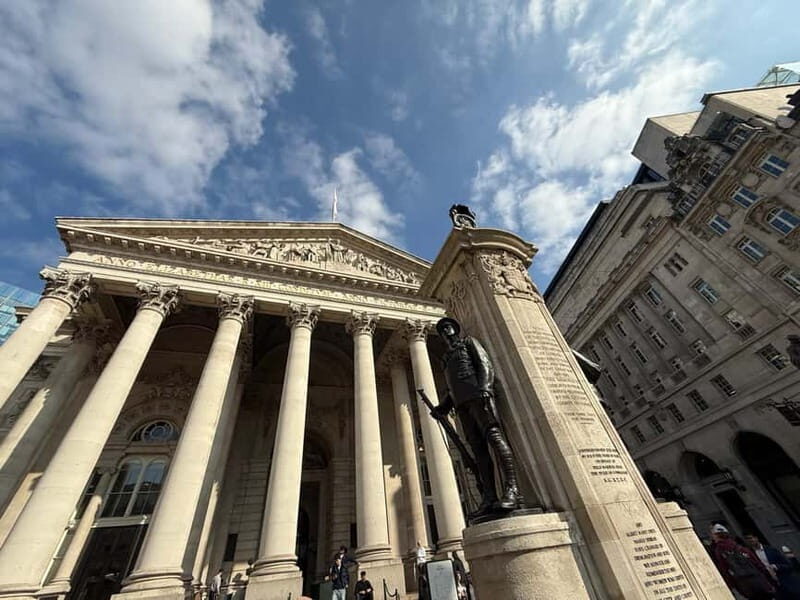
This tour is built for people who learn best with their feet. Instead of treating the Blitz like a chapter in a book, you see how it touched the City’s core—places you can still locate today, places that still shape how London feels.
I like that the tour keeps its focus on places with clear visual anchors: surviving buildings, ruined church remains, and memorial gardens. That matters because the Blitz was both huge and chaotic. Walking the route helps your brain sort the scale into something you can actually hold.
You also get a clear emotional arc: resilience first, tragedy in the middle, quiet remembrance at the end. It’s not morbid for sport. It’s more like, this is what happened, and this is what people did next.
You can also read our reviews of more city tours in London


Price and value: what $39 buys you in the City
At $39 per person for 2 hours, the value comes from three things: an expert English-speaking guide, guided storytelling, and multiple stops clustered in the City. If you tried to replicate this on your own, you’d likely spend time figuring out what to look for at each location—and still miss the specific wartime connections the guide brings.
Also, you’re not paying extra for frills. There’s no food bundled in, no hotel pickup included, and you keep the tour flexible as a walking experience. That can be a good deal if your schedule is already tight and you don’t want transportation overhead.
The one trade-off is that you’re paying for interpretation, not comfort stops. There aren’t details here about cafes or planned breaks, so if you tend to get slow from walking, bring water and pace yourself.
Where you start and what the walk feels like
The meeting point can vary depending on the option you book. So before you go, double-check your specific confirmation details so you don’t waste time trying to guess where the group is gathering.
Once you’re moving, the structure is straightforward: you walk between wartime landmarks and you stop often enough to keep the story grounded. Two hours goes by quickly when the guide is handling the pace well—something that shows up strongly in the feedback, where people say the time flew and the guide stayed engaging.
This is a walking tour, and it’s not designed for wheelchairs or people with mobility impairments. If you fall into that category, I’d skip it and look for a different format that matches your mobility needs.
St. Paul’s Cathedral: survival you can see, and stories you can hear
One of the tour’s anchors is St. Paul’s Cathedral—because it’s not just a famous landmark. It’s also a building that survived bomb hits, and the tour connects that endurance to the effort around it.
What you’ll likely focus on here is not only the fact of survival, but the people who helped protect it. The tour highlights the firemen who played a role in safeguarding the cathedral. That’s a powerful angle because it shifts the story from damage to action.
I like this stop because it’s a rare blend of scale and specificity. Even if you’re not a hardcore history person, you can still stand somewhere real and hear how the response unfolded. You’re not just looking at stone. You’re learning how people tried to keep something intact when the city was under threat.
Possible drawback: this part of the tour may feel more reflective and less dramatic than the bombing-focused stops. If you want only the hardest details, you might find yourself wanting more time on the raid sites. Still, the emotional tone makes sense in the tour’s overall flow.
Bank Station raid: the City’s center becomes a target
Then the story turns sharper at Bank Station, tied to a bombing raid where dozens of civilians perished. This is the stop that reminds you how war hits everyone, not just soldiers or distant front lines.
Why this matters for you: the City of London is often associated with finance and business. Walking here while talking through what happened changes how you interpret the everyday streetscape. It forces a reality check: even the most ordinary-looking blocks can be tied to mass loss.
A strong tour at this point does two things. First, it keeps the facts clear enough to be meaningful. Second, it avoids turning tragedy into spectacle. Based on the praise for the guides’ storytelling, that’s the vibe you’re most likely to get: human stories, careful context, and room for questions.
Practical note: because this is a sensitive topic, bring the right mindset. If you prefer light entertainment on vacation, you may not enjoy the emotional weight. If you want to understand the Blitz with respect, this stop is central.
You can also read our reviews of more historical tours in London



St Dunstan-in-the-East and Christ Church Greyfriars: calm gardens with heavy memory
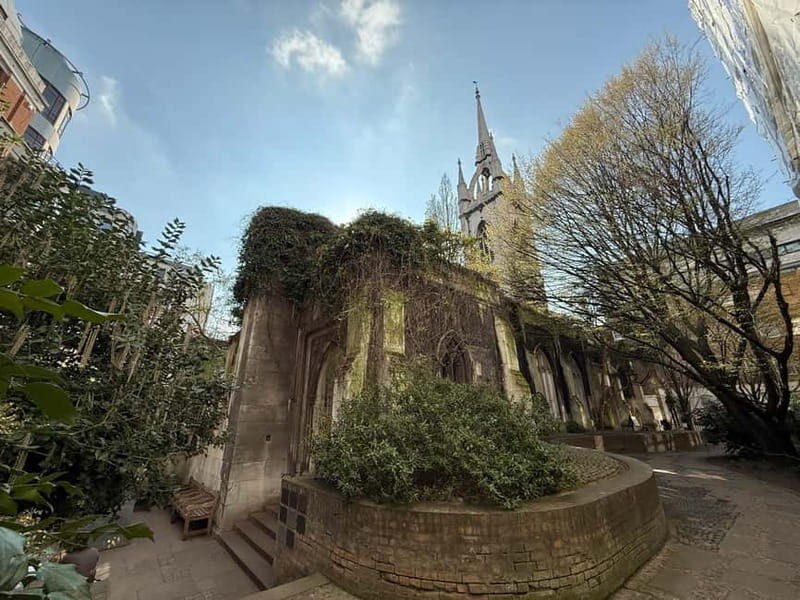
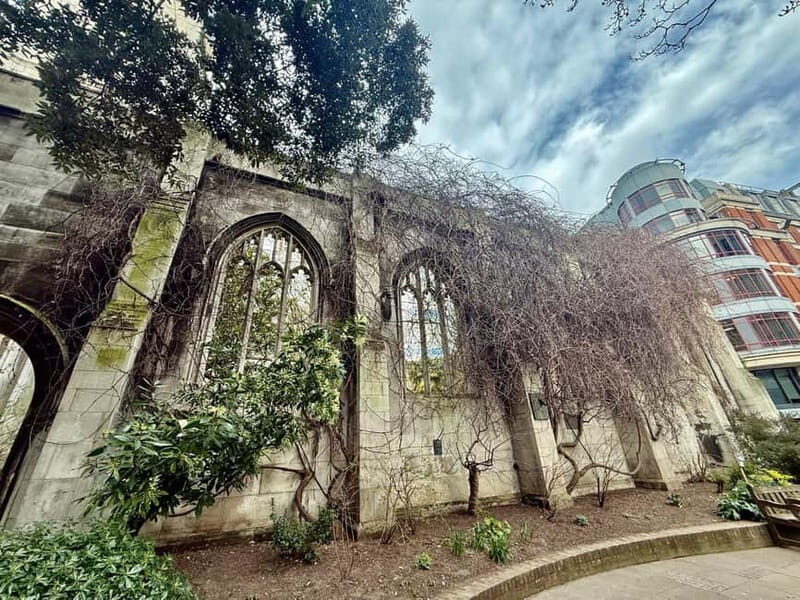
Next, the tour moves from raw history to quiet remembrance. St. Dunstan-in-the-East is included through its remains, now a tranquil garden. Then you’ll also visit Christ Church Greyfriars, whose ruins have become a peaceful garden memorial.
I love this shift. It’s not an escape from the story. It’s how the story carries forward. The gardens are a reminder that after destruction, people built spaces for memory rather than only focusing on what was lost.
This is also where the route feels genuinely “do-able” for most people. Gardens give you a chance to pause, look around, and absorb what you just learned. Even if your mind is still processing the tragedy, these spaces let you step back and think.
Possible drawback: because these stops are calmer, the experience can feel shorter or quieter than the more dramatic landmarks. If you’re expecting constant action, you might feel the energy dips. But that’s also the point. The tour balances grief with breathing room.
All Hallows by the Tower: sanctuary that survived
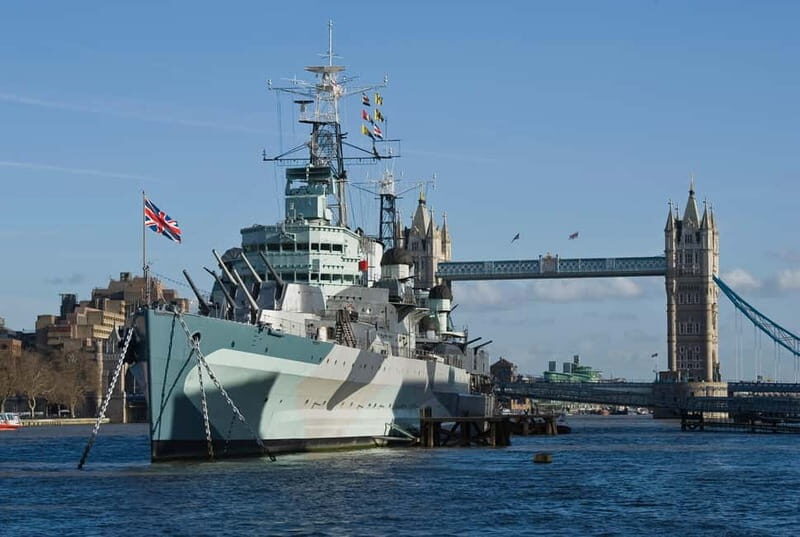
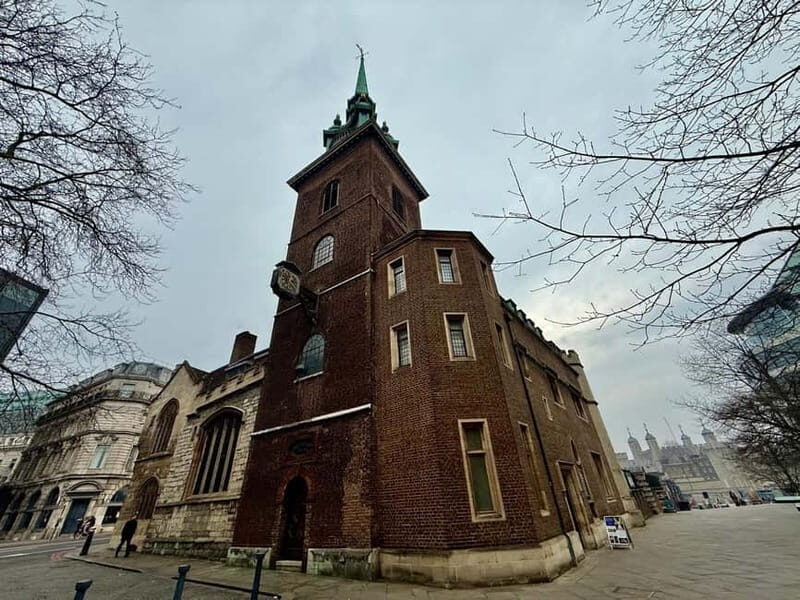
One of the most meaningful religious landmarks on the route is All Hallows by the Tower. The tour notes that it survived and offered sanctuary. That phrase is doing a lot of work, because it reframes the Blitz from destruction to protection—who helped, who sheltered, and how people tried to stay human under pressure.
If you care about how communities respond during crises, this stop is valuable. Churches often carry continuity in cities. In this case, the tour connects that continuity to wartime refuge.
I also think this stop is helpful for first-time London visitors, because it puts the Tower area into a wider emotional context. You’re not only thinking about fortifications and views. You’re thinking about what people needed to survive the night.
Outside the Tower: Josef Jakobs and the personal side of war
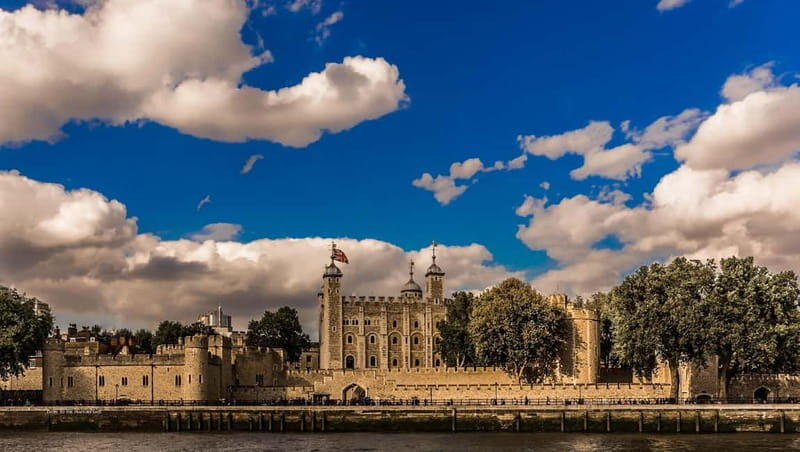
Outside the Tower, the tour includes tales of wartime prisoners, including Josef Jakobs. This is where the story can feel less like a citywide event and more like an individual timeline.
I like adding a prisoner story because it expands what the tour covers. The Blitz tour isn’t only about buildings. It’s also about how war moves through people—sometimes through systems of detention and confinement.
Keep in mind: this part depends on the guide’s narration and how much time they spend on questions. If you enjoy back-and-forth, this is often where you’ll get it. If you’re not in a questioning mood, the guide should still keep the story clear and well-paced.
How to get more out of the tour (without making it harder)
This tour asks you to be comfortable on foot. Here’s how to set yourself up well:
- Bring comfortable shoes. You’ll want support for uneven city surfaces.
- Bring water. Two hours can still feel long if you’re stopping, listening, and walking.
- Wear weather-appropriate clothing. The tour is a walking experience, so conditions will matter.
Also, a simple but important rule: no smoking. It’s one of those basics that keeps the group experience pleasant, especially when you’re standing close to other people at landmarks.
If you tend to get mentally tired from heavy topics, pace yourself. You can take a breath at the quieter garden memorials, then re-engage for the more intense story points.
Who this tour is best for
This is a good fit if you:
- want a walking tour that ties together key City landmarks with wartime meaning
- enjoy learning through a story-driven guide (the praise for Nathan, Babs, Jo, and Francis is very consistent around engagement and answering questions)
- like seeing how memory lives in the streets today—survival, ruins, gardens, and sanctuary
It may not be the best fit if you:
- need wheelchair access or mobility support (this tour isn’t suitable for that)
- don’t do well with emotionally heavy material about civilian deaths
- expect lots of breaks or food stops during the tour (none are included)
The overall vibe: moving from spectacle to understanding
The best part of this experience is the balance. You get the big, recognizable London landmarks, but you also get the smaller human scale: firemen protecting a building, civilians losing their lives, memorial gardens where the air feels quieter, and a prisoner story that makes war personal.
When a guide is strong, the tour doesn’t feel like reciting facts. It feels like you’re walking inside the meaning—without losing your bearings. Based on the feedback patterns, the guide experience is the tour’s main ingredient, and it’s the reason the two hours feel manageable and memorable.
Should you book the London Blitz Tour?
I’d book this tour if you want a guided, respectful way to understand the Blitz in the City of London without turning it into a long museum day. At $39 per person, you’re paying for expert interpretation and a route that hits both the dramatic and the reflective spaces.
I’d skip it if mobility is an issue, if you’re looking for entertainment only, or if you hate walking in any weather. Also, go in with the right expectations: this isn’t about light topics. It’s about how Londoners endured—sometimes through protection and resilience, sometimes through tragedy, and always through memory afterward.
If that sounds like your kind of London trip, this one is a strong use of two hours.
FAQ
How long is the London Blitz Tour?
The tour lasts 2 hours.
How much does the tour cost?
The price is $39 per person.
Is this a walking tour, and does the meeting point stay the same?
Yes, it is a walking tour. The meeting point may vary depending on the option booked.
What’s included in the price?
You get an expert English-speaking guide, the walking tour, and stories of resilience and determination.
What’s not included?
Food & drink are not included, and there is no hotel pick-up or drop-off.
What language are the tours offered in?
The tour guide speaks English.
Can I book a private group?
Yes, private group options are available.
Is the tour suitable for wheelchair users or people with mobility impairments?
No, it is not suitable for people with mobility impairments or for wheelchair users.
What should I bring, and are there any rules?
Bring comfortable shoes, water, and weather-appropriate clothing. Smoking is not allowed.
What’s the cancellation policy?
You can cancel up to 24 hours in advance for a full refund, and there’s also a reserve now & pay later option.