REVIEW · LONDON
London: Changing of the Guard Experience and Landmarks Tour
Book on GetYourGuide →Operated by My tour London · Bookable on GetYourGuide
Royal ceremonies meet practical walking. That’s the appeal of this London tour: you get Changing of the Horse Guards plus key sights, all tied together with guide talk you can actually use. I especially like how the route mixes iconic photo stops with quieter streets that feel more like what you’d wander on your own. I also like the guide energy—names you might hear include Barry and Morgane, both known for clear explanations and good humor. One possible drawback: it is mostly walking on sidewalks, and if rain or a special London disruption affects the parade area, you may see less of the exact ceremony than you hoped.
You’ll start near Green Park, then move through the palaces and power centers of central London at a human pace. The tour stays focused on what matters: what you’re seeing, why it exists, and how to spot the details without getting lost in the crowd.
In This Review
- Quick hits
- Meeting at Green Park: your easiest start point
- The Changing of the Horse Guards Parade: more than a photo
- St James’s Palace and St James’s Park: royal scenery with breathing room
- Parliament Square and London’s political center: making sense of the icons
- Four side-street stops: the stories that locals remember
- Buckingham Palace: what to look for when the crowds grow
- Westminster Abbey and the Big Ben finale: walking into the classic postcard
- Guides, group vibe, and how the tour stays fun
- Price and value: what $28 buys you in real terms
- Practical tips so you enjoy the full walk
- Who this tour suits best (and who should skip it)
- Should you book this London Changing of the Guard tour?
- FAQ
- Where do I meet the guide?
- How long is the tour?
- What’s included in the price?
- Are attraction entry tickets included?
- What languages are available?
- What should I bring?
- Is this tour suitable for people with mobility needs or babies?
Quick hits
- Start at Green Park: meet by the Constance Fund Fountain of Diana, about a minute from the Underground
- Changing of the Horse Guards: a traditional ceremony explained in plain language
- Palace-to-parliament route: St James’s Park, Buckingham Palace, and the Westminster area
- Four extra side-street stops: off-main-road stories plus a notable 18th-century winery
- Big Ben and Westminster Abbey: landmark highlights timed for a walking tour flow
Meeting at Green Park: your easiest start point
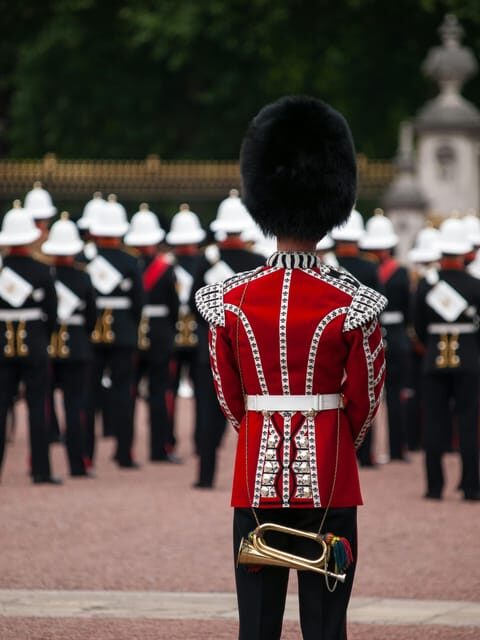
You meet at the Constance Fund Fountain of Diana, just a short walk from Green Park Underground Station. That matters more than it sounds. If you start near a major station, you waste less time arriving, especially if your hotel isn’t in the center.
What I like about this setup is that you’re not stuck with a complicated meetup location. In London, that can make or break an early tour. You also get to warm up with a little movement before the ceremony portion kicks in, which helps if you’re traveling across time zones.
You can also read our reviews of more tours and experiences in London.


The Changing of the Horse Guards Parade: more than a photo
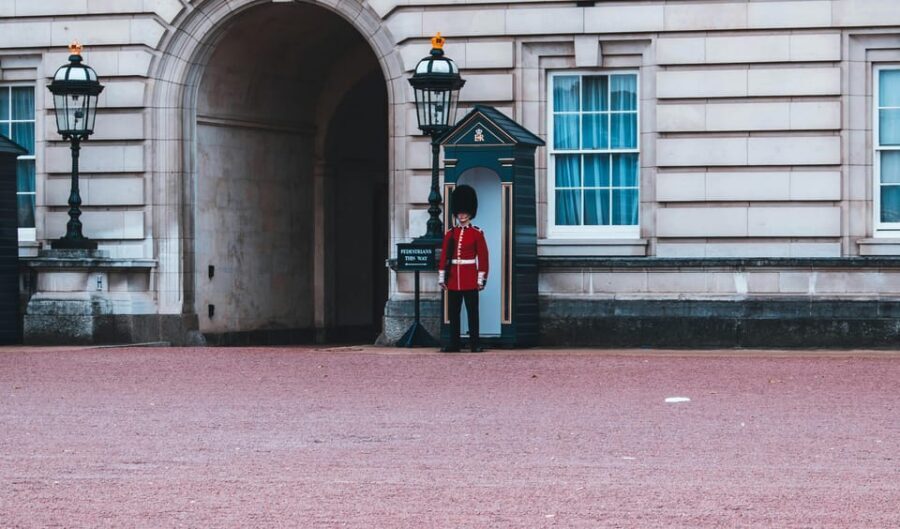
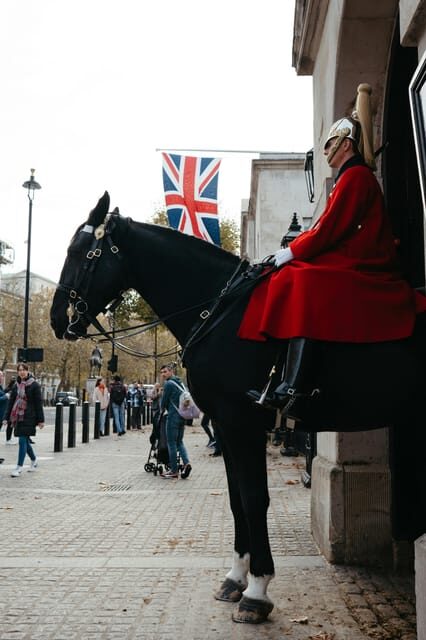
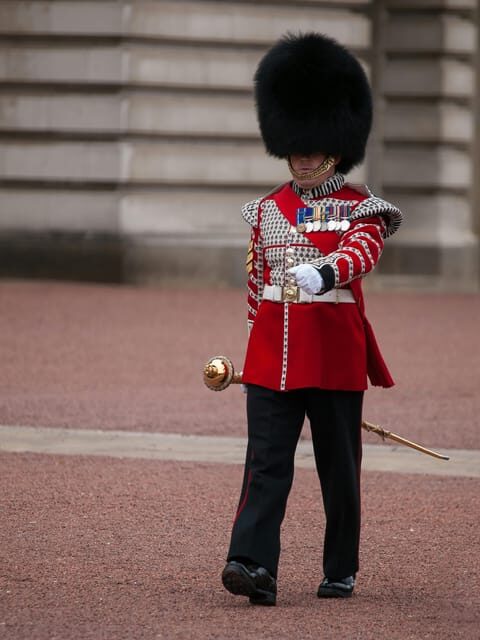
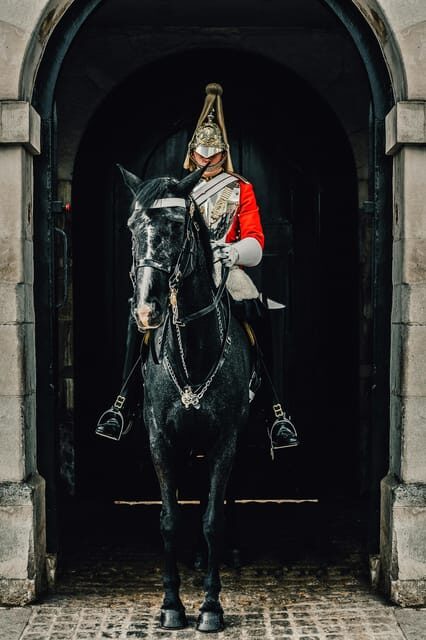
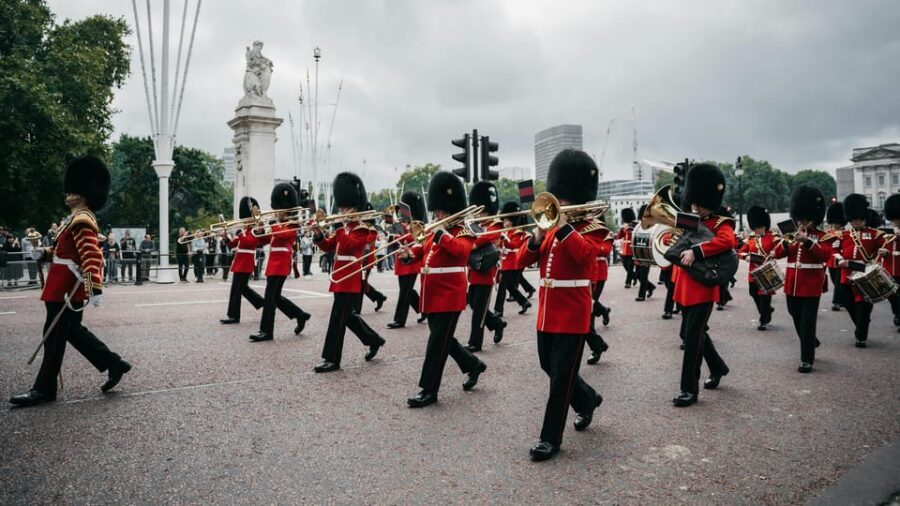
The main draw is the traditional Changing of the Horse Guards ceremony. You’re there to see it, sure—but the real value is what your guide adds as you watch. The guides focus on what the ceremony is, how it developed over time, and what you’re noticing when the parade forms and moves.
A common problem with London “watch this parade” plans is that people end up staring at the spectacle without understanding the context. This tour’s approach helps you connect the dots: who’s involved, what role this plays in the royal/ceremonial world, and why the pacing and pageantry are part of the point.
If you’re the type who likes learning while you stand still for a while, this section is ideal. If you’re mainly chasing an Instagram moment, you’ll still get it—but the difference here is that you’ll leave knowing what you just watched instead of shrugging and moving on.
St James’s Palace and St James’s Park: royal scenery with breathing room
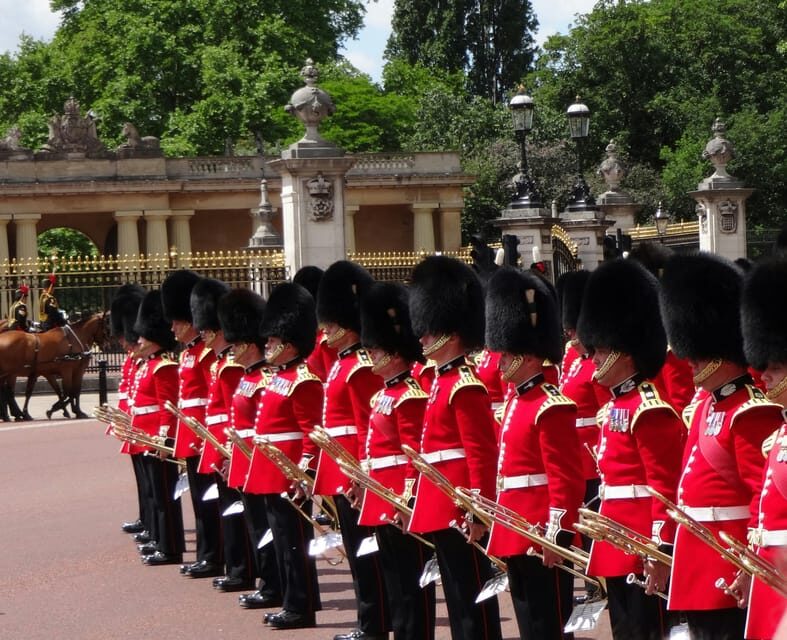
After the ceremony area, you shift into the palatial and park surroundings: St James’s Palace and St James’s Park are part of the flow. This is where the tour feels like central London without being trapped only in the busiest streets.
St James’s Park is a good contrast to the parade crowds. You get open views, green space, and architecture that feels different from the grand chaos around other landmark zones. Walking through this stretch also helps you orient yourself. You start to understand where the major royal sites sit relative to each other.
Your guide also points out landmarks along the way, so you’re not just passing them. You’ll see memorials like the Memorial to the Women of World War II, plus government buildings and the energy that comes from offices that never really stop.
Parliament Square and London’s political center: making sense of the icons
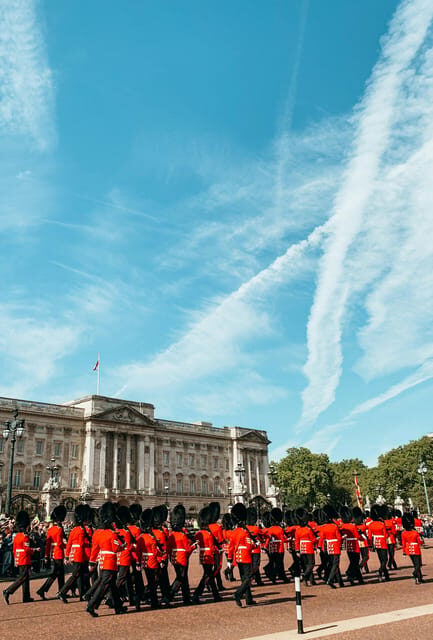
One of the strengths of this tour is that it doesn’t treat Westminster as a single blur of famous buildings. You move through the area with explanation, so Parliament Square becomes more than a photo stop.
This part of the walk helps you grasp the “why” behind the sight lines. When you understand the function of the buildings, the architecture starts to make sense. You’re not just seeing stone and statues—you’re seeing the setting where UK governance happens.
If you want your tour to feel useful (not just scenic), this is one of the best stretches. It’s also a good time to ask questions. Guides on this tour are known for staying approachable and answering on the spot, which is especially helpful if you’re visiting for only a short break and don’t want to rely solely on guidebooks.
Four side-street stops: the stories that locals remember
Here’s the part that tends to make people feel the tour was worth it. You don’t just do the headline sights—you also walk four streets and check out London details even locals may not know about.
These side stops are where the city starts to feel lived-in. You’ll notice how London’s layers show up street by street, and you’ll learn the small background stories that make a place feel real.
One standout stop is an 18th-century winery tied to the royal family’s wine purchasing. That kind of detail is exactly what turns a landmark into something memorable. Instead of thinking, Buckingham Palace equals postcard, you begin to think, Buckingham Palace also connects to daily supply chains, traditions, and the long timeline behind the royal world.
Even if you don’t care about wine specifically, it’s a great example of how the tour brings history into focus through everyday objects and routines.



Buckingham Palace: what to look for when the crowds grow
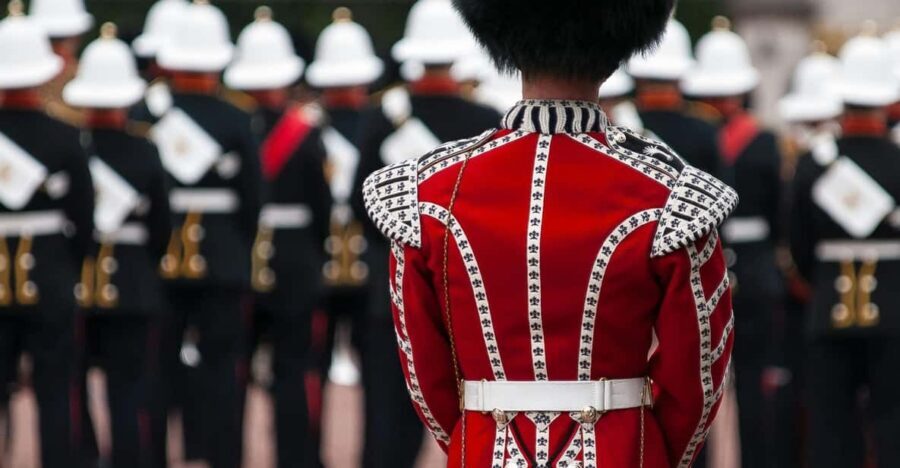
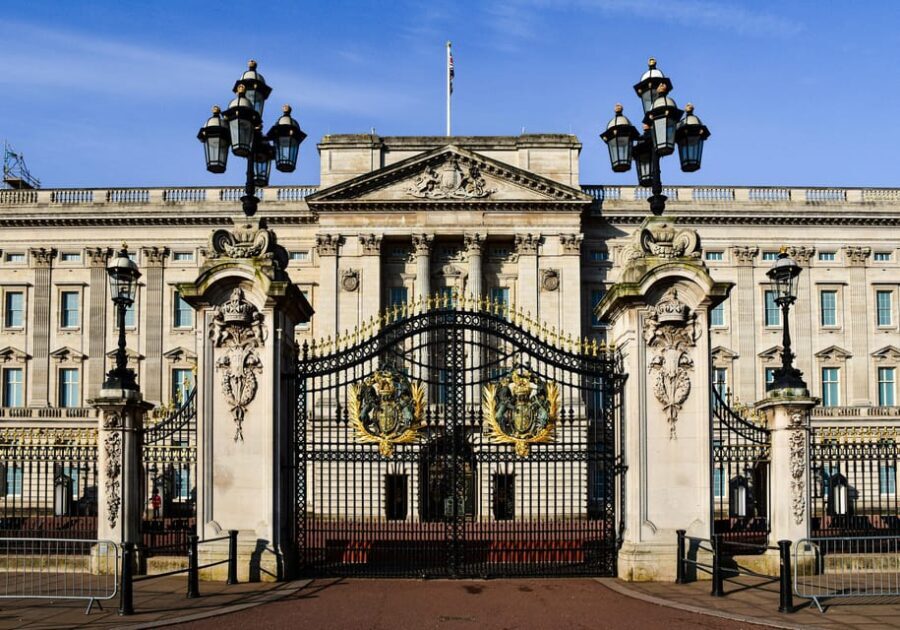
You’ll get to see Buckingham Palace as part of the walk. The tricky thing with Buckingham Palace is that it can become pure crowd-watching if you don’t have context.
This tour keeps it controlled. You’re not trying to “hunt” for the perfect view for 30 minutes. Instead, your guide helps you look intelligently—what features stand out, how the palace fits into the surrounding geography, and what ceremony connections you can expect nearby.
If your main goal is a quick, efficient taste of the palace area, this is a good option. If your goal is an extended palace visit with indoor rooms, note that this tour focuses on the exterior and walking views, not museum-style interior access.
Westminster Abbey and the Big Ben finale: walking into the classic postcard
The day closes with a finish near Big Ben. Along the way, you’ll also see Westminster Abbey, one of the most recognizable buildings in the UK.
This is where the route clicks into place. You’ve already seen royal grounds at St James’s and the political center at Parliament Square, so the Abbey and the Big Ben area feel less random. They land as the next chapter in the same story: power, tradition, and national identity, all in close walking distance.
Your guide also builds in a photo stop, so you get at least one well-timed chance to grab a clear shot without sprinting across the walkway.
The ending near Big Ben is also practical. Big Ben is a strong anchor point for getting back to transit or continuing your own sightseeing afterward.
Guides, group vibe, and how the tour stays fun
Part of the tour’s strength is simply the way guides communicate. Reviews highlight guides like Barry and Morgane for mixing clear explanations with humor, and you may notice that some guides use visuals on an iPad to make scenes easier to picture.
There’s also an element of play included—games—which sounds small, but it changes the mood. It breaks up long “stand and listen” moments and keeps families and mixed groups from getting restless.
You should also expect a live guide experience in Arabic, French, or English. If language support matters to you, this is a real advantage. It means you’re not stuck guessing through landmark signage while you’re trying to understand ceremony details.
Price and value: what $28 buys you in real terms
At $28 per person for about 2 hours, you’re paying for a guided walking experience that includes certified guiding, a structured route through major landmarks, and some extra stops beyond the obvious.
What makes this feel like value isn’t the headline sights by themselves. It’s the combination:
- ceremony viewing with context
- multiple iconic exterior landmarks
- extra side-street storytelling
- photo stop and light group interaction
Also, attraction entry tickets are not included. That’s common for walking tours, and it changes how you should plan your day. If you want indoor access to Westminster Abbey or other ticketed sites, you’ll still need separate plans.
If your goal is to get oriented fast, understand what you’re seeing, and see a tight set of highlights without spending an entire day locked into lines, this price-to-time ratio can work well.
Practical tips so you enjoy the full walk
This is a walking tour, and it’s central London, so you’ll want to plan like a walker.
Bring comfortable shoes first. Weather-appropriate clothing is next, because waiting around ceremony areas can mean you feel the wind and rain more than you expect.
A couple more practical ideas:
- Have your Underground plan ready. Green Park is easy, but you still want a fast exit plan after the tour.
- If you care deeply about the exact parade moment, build in flexibility. One disruption example from past operation was that the parade can be affected by city events, so conditions can change.
Who this tour suits best (and who should skip it)
This tour is a great fit if you:
- want a short London day plan
- like guided explanations while you walk
- enjoy royal and Westminster areas but don’t want a ticket-heavy day
- appreciate side-street stories beyond the standard postcards
It’s not suitable for people with mobility impairments or wheelchair users, and it’s also not for babies under 1 year. If you fall into any of those categories, you’ll likely find a walking tour approach too limiting.
If you’re traveling as a family, the included games and approachable pace can be a plus.
Should you book this London Changing of the Guard tour?
I’d book it if you want the most efficient way to see the royal ceremony area plus the Big Ben and Westminster highlights in a compact 2-hour walk—without paying for multiple ticketed attractions.
I’d think twice if you need fully accessible routes or if you’re only interested in the ceremony itself and nothing else. Walking tours can’t guarantee a perfect view in every weather or event scenario, so plan for some day-to-day reality.
If you like learning while you travel, and you want your photos to come with context, this one is a solid choice.
FAQ
Where do I meet the guide?
Meet at the Constance Fund Fountain of Diana, about one minute walk from Green Park Underground Station. You’ll be contacted via WhatsApp the morning before the tour.
How long is the tour?
The tour lasts about 2 hours.
What’s included in the price?
Included items are a certified guide, a sightseeing walking tour, a photo stop, and games.
Are attraction entry tickets included?
No. Attraction entry tickets are not included.
What languages are available?
The guide is available in Arabic, French, and English.
What should I bring?
Wear comfortable shoes and bring weather-appropriate clothing.
Is this tour suitable for people with mobility needs or babies?
It is not suitable for people with mobility impairments, wheelchair users, and babies under 1 year.