REVIEW · LONDON
London: Churchill and World War 2 Walking Tour in London
Book on GetYourGuide →Operated by See The Sights Tours · Bookable on GetYourGuide
Churchill’s London hits differently. This walking tour threads Winston Churchill’s life into the wartime streets you still see today, with major sights around Parliament and Whitehall. I like how it mixes big political landmarks with places of real mourning and remembrance, so the story doesn’t stay stuck in speeches.
Two stops I really enjoyed are Downing Street and the Cenotaph, because they frame the war from both sides: decision-making and the human cost. The personal details help too, especially around St Margaret’s Church, tied to Churchill’s marriage. The main thing to consider is that it’s a brisk city walk and isn’t built for low mobility or wheelchair users.
In This Review
- Key highlights worth your time
- Start at Embankment Station and find the yellow umbrella
- Downing Street and Whitehall: where wartime decisions were made
- The Cenotaph and Women of World War II Memorial: remembrance with context
- Parliament Square moments: Churchill’s statue, Houses of Parliament, and Big Ben
- HM Treasury: war meets money and policy
- St Margaret’s Church: Churchill as a person, not just a symbol
- Battle of Britain memorial: bravery you can point to
- Finish outside the Churchill War Rooms: decide if you want to go in
- Price and value: $18 for a story-heavy 150-minute walk
- Pace, comfort, and who this walk suits best
- Should you book the Churchill and World War 2 Walking Tour?
Key highlights worth your time
- Meet your guide at Embankment Station with a yellow umbrella and get moving right away
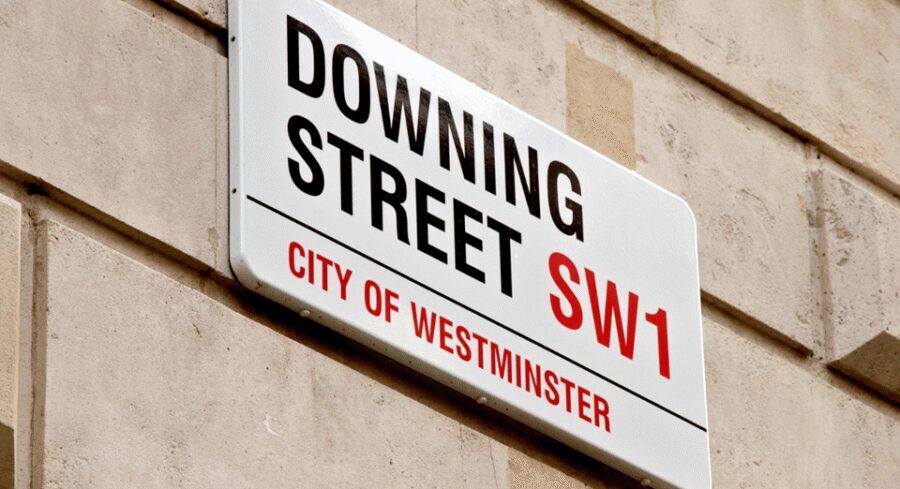
- Whitehall power walk through Downing Street, the Ministry of Defence, and the Cabinet Office
- Remembrance stops at the Cenotaph and the Women of World War II Memorial
- Iconic Parliament views from the Churchill statue area with Big Ben in sight
- Churchill’s personal connection at St Margaret’s Church (his wedding)
- Finish outside the Churchill War Rooms to decide if you want to add the museum entry later
Start at Embankment Station and find the yellow umbrella
The tour begins at Embankment Station, specifically the Embankment Pier Exit. This matters because the walk starts near the river and you’ll want to orient quickly—there’s no long preamble before you’re on the streets. I like that it’s an easy-to-find meeting point if you’re already using public transit around central London.
Look for your guide holding a yellow umbrella. That simple visual cue keeps things smooth, especially in a busy area where meeting groups can get chaotic.
This walk is scheduled for 150 minutes, so plan for a steady pace. Comfortable walking shoes are a smart move because you’re moving through several significant locations in a short window.
You can also read our reviews of more walking tours in London



Downing Street and Whitehall: where wartime decisions were made
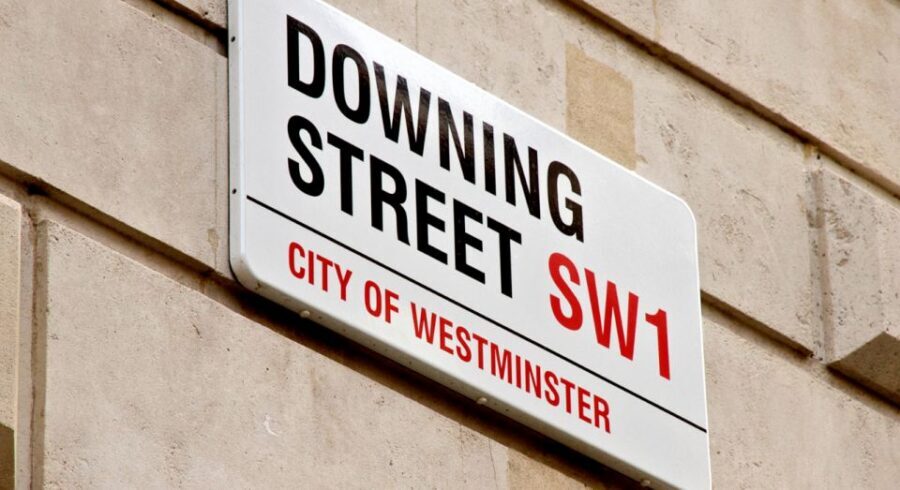
The heart of this tour is the Whitehall area, and you hit it early. You’ll see 10 Downing Street, the center of British political power and historically linked to Churchill’s wartime leadership. Seeing it from the street gives you a sense of scale—this is where policy talk became real-world outcomes.
From there, the tour continues through the government corridor, including the Ministry of Defence and the Cabinet Office. These stops help you understand that WWII wasn’t only fought overseas; it was also managed through daily decisions made in offices like these. Even if you don’t memorize every department name, you’ll start to connect what each place represents: military planning, coordination, and the constant flow of urgent information.
I also liked how the guide story-tells the city. In my experience, the best part isn’t that these buildings look important—it’s that the guide connects what you’re looking at to why Churchill mattered in the moment. When I got a guide named Adam, he was particularly strong at linking Churchill’s life story to what was happening around London as the war built momentum.
The Cenotaph and Women of World War II Memorial: remembrance with context
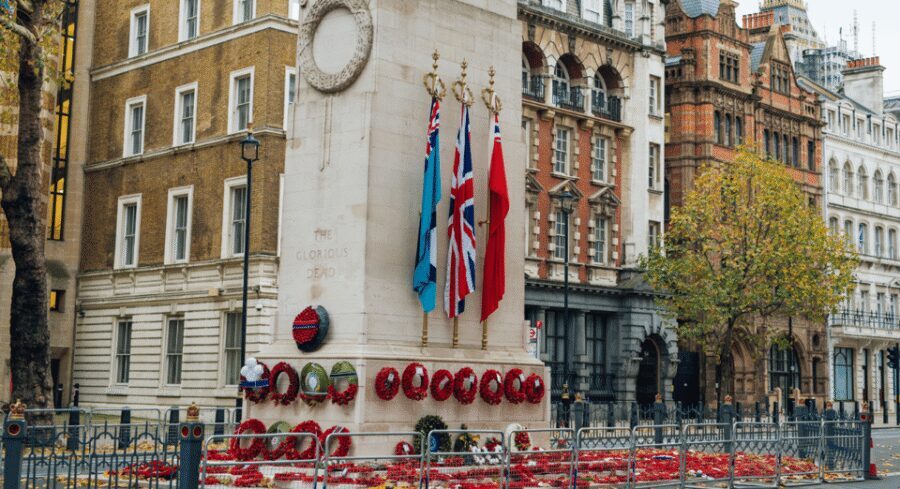
Then the tone shifts, in the right way. The tour moves to the Cenotaph, Britain’s most important war memorial for the lives lost in the World Wars. The Cenotaph stop is powerful because it turns the war into something personal and collective at the same time—one monument, many families’ grief.
Next comes the Women of World War II Memorial. I appreciate this pairing because it avoids a one-note view of wartime history. The message here is clear: women’s contributions weren’t an accessory to the war effort. You’ll get that reminder while standing in the middle of official London, where remembrance is part of daily life.
If you’re the kind of traveler who likes your history with empathy (not just dates and uniforms), these two stops are likely to be your emotional anchor points on the walk.
A practical note: these memorial areas can feel busy at certain times of day, so keep an eye on your footing and be ready to pause with the group.
Parliament Square moments: Churchill’s statue, Houses of Parliament, and Big Ben
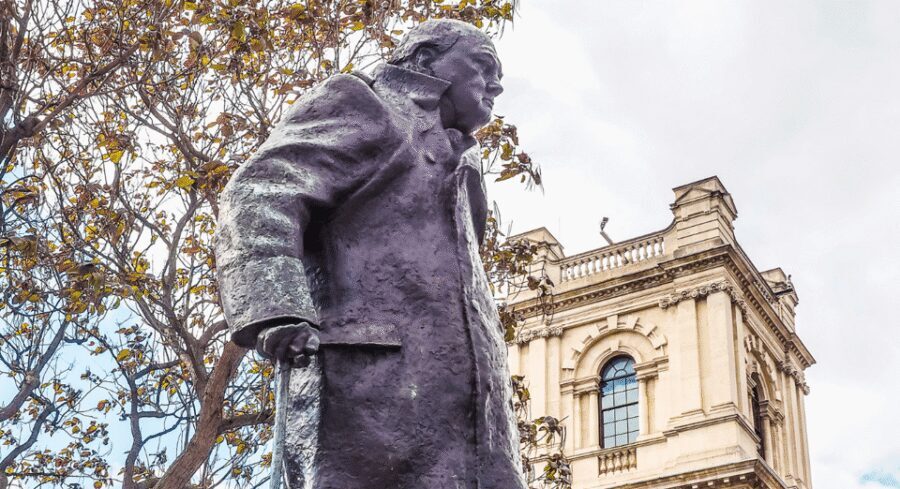
From the memorial sites, you move toward the iconic Parliament area. You’ll see the Winston Churchill statue, positioned with views toward the Houses of Parliament and Big Ben. This is one of those London combinations you can’t really fake with photos—the mix of stone, clocks, and political symbolism makes the area feel like the capital’s “main stage.”
The statue isn’t just a sightseeing photo op. It’s a visual way to connect Churchill with the British government machine: a reminder that leadership, for better or worse, is always public and always tied to institutions.
As you stand in this part of the city, it’s easier to understand why Churchill remains such a figure in British memory. He’s framed here not just as a wartime leader, but as someone forever linked to Parliament and national decision-making.
HM Treasury: war meets money and policy
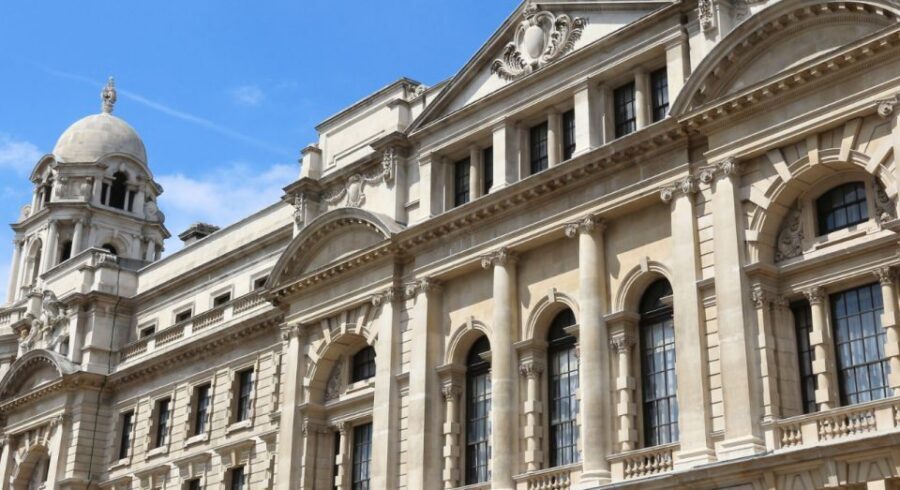
The tour also includes a stop at HM Treasury. It might sound less dramatic than the monuments, but this is where the story gets grounded. Wars don’t run on courage alone; they run on budgets, logistics, and strategy shaped by economics.
Even without a deep accounting lesson, seeing HM Treasury on a wartime walk helps you imagine the background work going on while speeches and battles dominate the headlines. It’s a reminder that political power and wartime planning depend on resources—money, coordination, and long-term thinking.
If you like history that connects “how it happened” with “what it required,” this stop gives you that angle.




St Margaret’s Church: Churchill as a person, not just a symbol
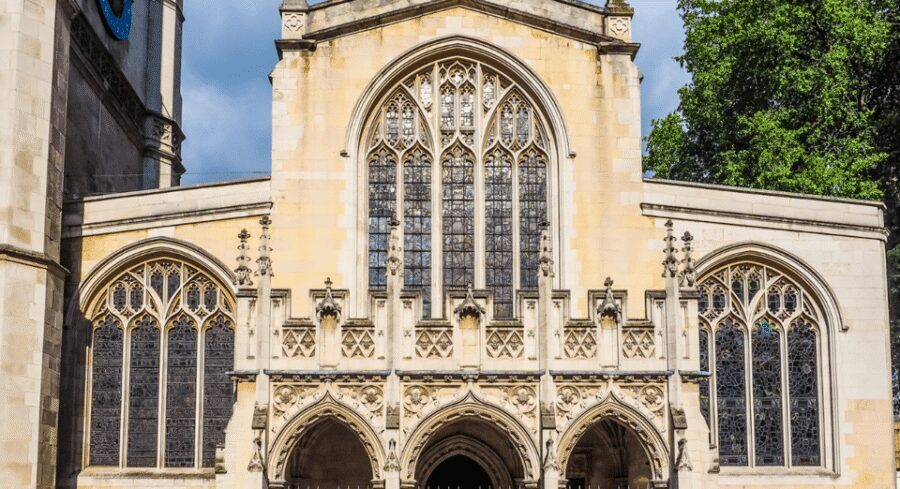
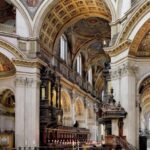
One of the tour’s more human turns is St Margaret’s Church, where Churchill married Clementine Hozier. Standing in a place tied to such a personal milestone adds a different layer to the day.
It’s also a helpful change of pace. After seeing state buildings and war memorials, the church makes Churchill feel less like a monument and more like a man with a life that extended beyond politics. That personal detail is the sort of thing you don’t get from a quick “WWII in London” slideshow.
This stop is especially valuable if you’ve ever wondered why Churchill’s voice and leadership style felt so familiar to the public. Context helps—so does seeing how his personal story overlaps the era he’s remembered for.
Battle of Britain memorial: bravery you can point to

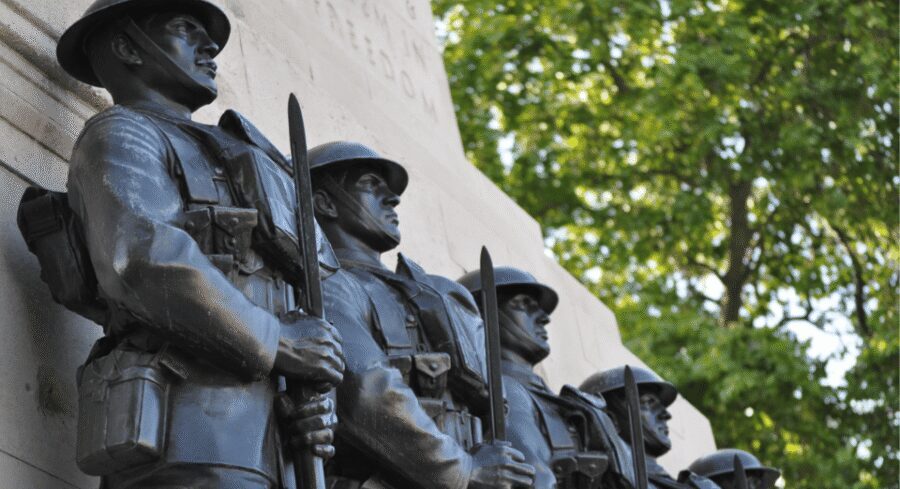
You’ll also visit the Memorial to the Battle of Britain. This is one of the strongest WWII themes to include on a walking tour because it connects the idea of defense with real names, real sacrifice, and real courage.
The Battle of Britain memorial isn’t about abstract heroism. It’s about what it took to keep Britain from invasion, and it gives the guide a way to talk about bravery in a concrete setting. If you’re building a mental map of WWII London, this stop helps you connect the war effort to the specific people and actions that mattered.
Finish outside the Churchill War Rooms: decide if you want to go in
The tour ends at the Churchill War Rooms, but entry isn’t included. You’ll see it from the outside, which still makes sense. In one short visit you get the location and the significance, then you can choose if you want museum time to go deeper.
This is a nice value move if you’re doing multiple things in London. You’re not forced into a long indoor add-on. If you want more, you’ll know where to go next; if you don’t, you won’t feel you paid extra for something you didn’t use.
Price and value: $18 for a story-heavy 150-minute walk
At $18 per person for a 150-minute guided walk, this is priced like a budget-friendly “smart history” activity rather than a premium museum day. And that’s the key: you’re paying for guidance, not tickets to big attractions.
The tour includes access to the big-name sites you’d otherwise piece together on your own—Downing Street, the Cenotaph, the Women of World War II Memorial, St Margaret’s Church, and the Churchill War Rooms exterior. Since the war rooms entry is not included, you’re getting the orientation and storytelling benefits without paying museum admission on top.
In practical terms, it’s good value if:
- you want context connecting Churchill’s life to wartime London
- you plan to spend the rest of your day exploring nearby sights on your own
- you’d rather pay for a guide than spend time figuring out routes and meaning
Pace, comfort, and who this walk suits best
This is a walking tour through central London, so it’s not ideal if you have mobility challenges. The tour is not suitable for wheelchair users, people with mobility impairments, or anyone with low fitness. Also, luggage or large bags aren’t allowed, so travel light.
If you can do a couple hours of moving around with occasional stops for photos and listening, you’ll probably enjoy it a lot. The stops are spread across meaningful areas—Whitehall, Parliament, memorial zones, and a church—so the variety keeps the story from feeling repetitive.
A small caution based on tour style: one attendee felt it was a bit random and not very structured. That doesn’t mean it’s bad; it may mean the flow depends heavily on the guide’s storytelling and what’s happening around the monuments that day. If you like tightly timed schedules with zero flexibility, be aware of that risk. If you like learning through a guide’s narrative, you’ll likely find the approach works.
Should you book the Churchill and World War 2 Walking Tour?
I’d book it if you want a well-guided, story-led route through the places where WWII leadership, remembrance, and public memory all intersect. The combination of Downing Street, Cenotaph, Women of World War II Memorial, Parliament views, and St Margaret’s Church gives you both the official and the personal sides of the era.
Skip it if you can’t handle a fair amount of walking, if you need wheelchair access, or if you’re looking for an indoor museum-focused experience (because the Churchill War Rooms entry is not included).
If you’re choosing one WWII-flavored activity in central London and you care about meaning as much as landmarks, this one is a strong pick.