REVIEW · LONDON
London: Guided Agatha Christie Walking Tour
Book on GetYourGuide →Operated by Brit Icon Tours · Bookable on GetYourGuide
Agatha Christie loved London, and this walk shows how. You’ll get a 2-hour guided route built around more than 10 places that shaped her life and writing, from Mayfair to Theatreland, and you’ll learn the behind-the-scenes details directly from a live expert guide. My favorite part is the tight focus on connections—people, institutions, and even her own work experiences—not just random famous spots. One thing to consider: this is real walking, and it’s not recommended if you have limited mobility or use a wheelchair.
The tour starts in a spot that’s easy to reach (just make sure it’s Euston Square, not Euston Mainline), and it keeps moving at a comfortable pace for a small group. Guides like Rory and Jonathan have a performance connection too, which adds extra texture when you’re talking about adaptations and theatre landmarks. If you’re expecting a “sit and lecture” style, you might prefer something else—one review noted it felt less informative than hoped.
Even with just 2 hours, you’ll come away with a sharper sense of why Christie’s stories feel so rooted in London. You’ll see the settings people associate with her work, plus the institutions and neighbourhoods that clearly fed her imagination.
In This Review
- Key things I’d bookmark before you go
- Why this Agatha Christie walk works in just 2 hours
- Entering London through Christie’s neighbourhoods
- The Garrick Club, British Museum, and University of London stops
- Christie’s real-life experiences behind the stories
- Theatreland and the St. Martin’s Theatre angle
- A guided route with small-group energy (and named guides)
- What you’ll actually do on the street
- Meeting point: where to stand before you start
- What to bring (so the tour feels easy)
- Who this tour suits best
- The one drawback to weigh
- Should you book the London Agatha Christie walking tour?
- FAQ
- How long is the London Agatha Christie walking tour?
- How much does the tour cost?
- Where do I meet the guide?
- What kind of group size is it?
- Is there a live guide?
- What should I bring?
- Does the tour include a stop connected to the Mousetrap?
- What areas of London does the tour cover?
- What’s included in the price?
- Is this tour suitable for wheelchair users or limited mobility?
Key things I’d bookmark before you go
- Over 10 real-life Christie reference points tied to her life and novels, not generic trivia
- Mayfair, Chinatown, Theatreland, and Bloomsbury in one focused route
- Big-name institutions along the way, including the British Museum and University of London
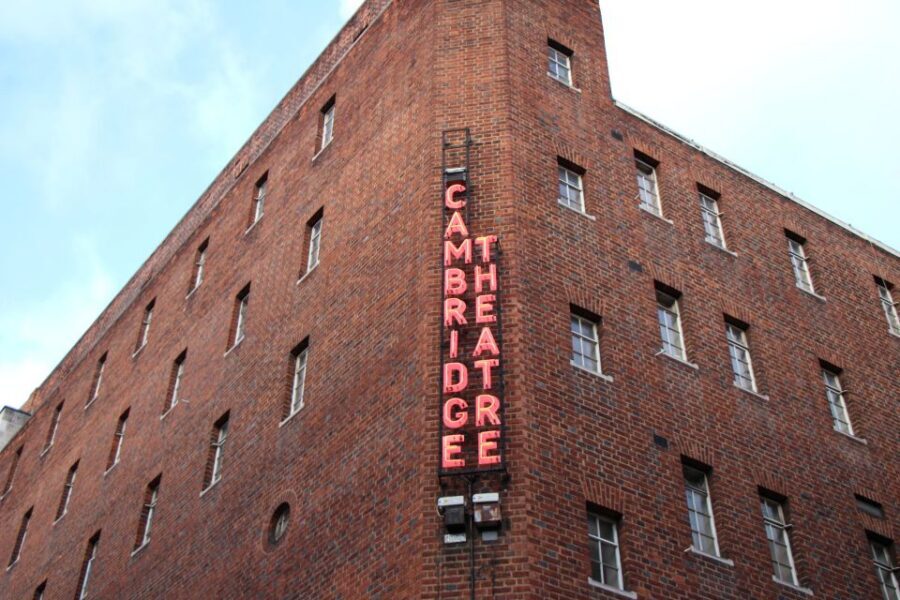
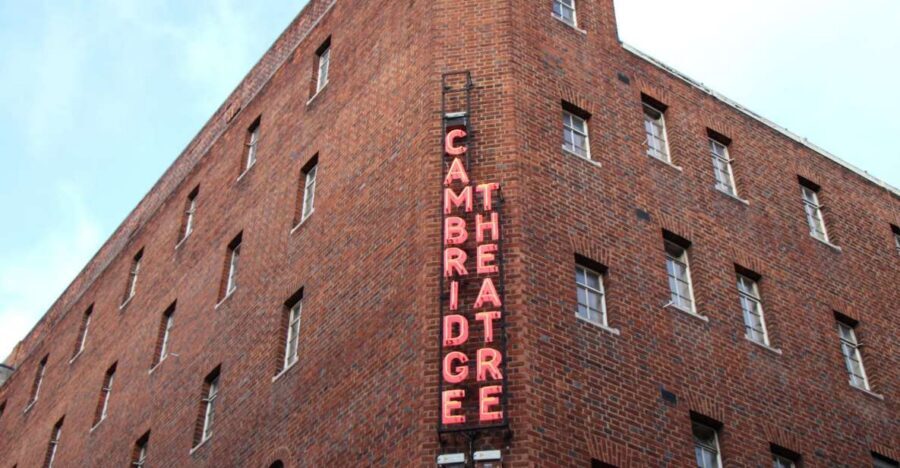
- A stop outside the Mousetrap plus theatre history tied to St. Martin’s Theatre
- Small group size (up to 10), which makes Q&A and back-and-forth easier
- Guide talent you’ll notice, including Rory and Jonathan, who bring depth from acting and adaptations
Why this Agatha Christie walk works in just 2 hours
This is a short tour, and that’s a good thing. In 2 hours you can cover meaningful ground without burning your day, which matters in London where there’s always another museum, pub crawl, or line to manage. The length also shapes the pacing: it’s built for walking, looking, and listening—then moving on quickly to the next connection.
At about $22 per person, the value comes from how tightly it’s themed. You’re not paying just to see a few landmark photos—you’re paying for an expert guide to explain why those landmarks mattered to Christie and to the kind of stories she wrote. And because the group is capped at 10 participants, it avoids the “lost in the crowd” problem that can happen on larger tours.
You can also read our reviews of more walking tours in London



Entering London through Christie’s neighbourhoods
The tour’s backbone is geography. It threads together neighbourhoods that show up in Christie’s world, while also explaining how London’s institutions and everyday people fed her imagination.
You’ll move through areas linked with her inspiration, including Mayfair, Chinatown, Theatreland, and Bloomsbury. Here’s what that means in practice:
- Mayfair gives you the flavour of London’s polished streets and elite social circles—exactly the kind of setting Christie loved to turn into suspense.
- Chinatown adds contrast. Christie’s London isn’t all drawing rooms and clubs; it’s also about bustle, characters, and street-level energy.
- Theatreland matters because Christie’s stories don’t live only on the page. Theatre is part of her afterlife, especially as you’ll learn when you reach the Mousetrap area.
- Bloomsbury connects to the wider intellectual London Christie would have recognized—writers, libraries, universities, and the broader culture around storytelling.
You’ll still get plenty of “where are we?” context, but the route is designed to help you see the city as Christie saw it: as a network of places where people meet, secrets form, and motives sharpen.
The Garrick Club, British Museum, and University of London stops
One of the best parts of this tour is that it doesn’t only chase famous street corners. You’ll also visit major institutions—places that help explain how Christie’s London functioned.
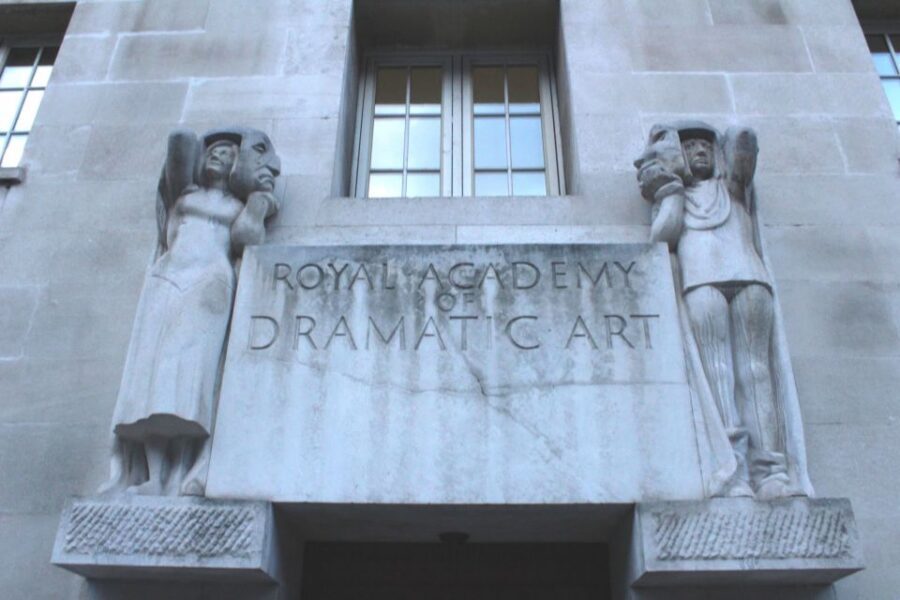
The tour includes stops associated with the Garrick Club, the British Museum, and the University of London. Even if you’re not going inside any building, these are powerful context anchors:
- A club like the Garrick Club instantly signals social structure—who belongs, who doesn’t, and how exclusivity creates tension. That’s useful when you’re thinking about Christie’s recurring themes around status and community.
- The British Museum represents the “information city” side of London: archives, learning, and how knowledge circulates. Christie’s plots often feel like they run on detail, and institutions like this help explain where that impulse comes from.
- University of London points to the academic and intellectual environment of the capital. When you pair that with stops around Bloomsbury, the city starts to feel like a place that produces writers, thinkers, and readers—not just characters.
This isn’t “museum-talking-points on the sidewalk.” The point is to translate these places into story logic: who might go there, what it signals about society, and why Christie could turn those signals into plot.
Christie’s real-life experiences behind the stories
What makes the tour more than a walking postcard is the way it connects Christie to her lived experiences.
You’ll learn about her background, including her work in a hospital dispensary, and also about her marriage to Max Mallowen. Those details matter because Christie didn’t write crime in a vacuum. When you’re listening to a guide connect these experiences to the kind of observations Christie made, London starts to feel less like scenery and more like a set of clues.
You’ll also hear about writers Christie admired, including Sir Arthur Conan Doyle. That gives you a useful lens. Even if you already know the basics of Christie’s place in crime writing, this adds the “who influenced her” thread—how she absorbed the genre, then steered it into something distinctly her own.
One review also highlighted that guide Jonathan had performed in multiple adaptations of Christie’s stories. That kind of guide can make these connections land better, because you’re hearing how narratives change across formats, not just reading history.
Theatreland and the St. Martin’s Theatre angle
If you like how Christie’s stories keep living on, Theatreland is where the tour shifts gears. You’ll explore the theatre world linked to Christie’s legacy, including St. Martin’s Theatre and a stop near where you’ll learn about the iconic Mousetrap.
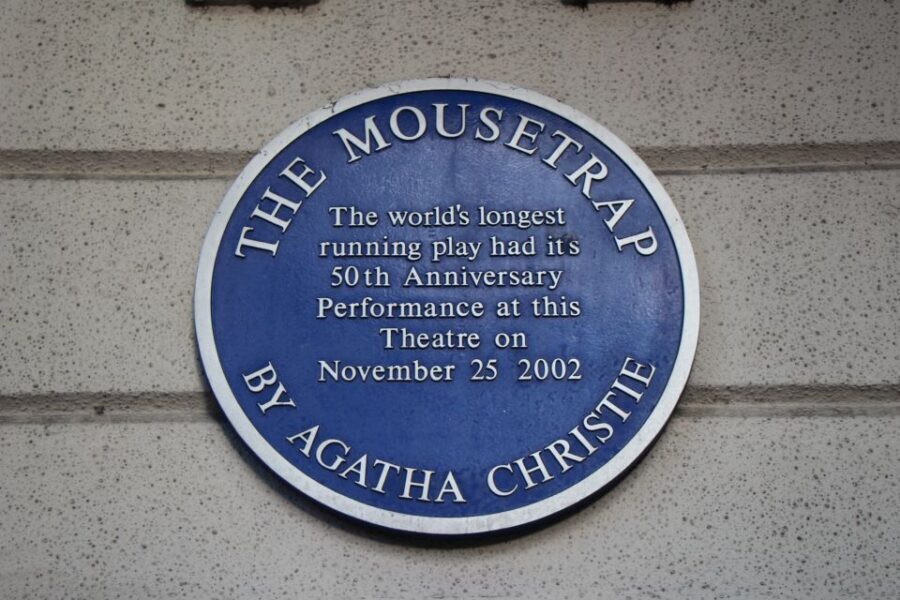
The tour includes a stop outside the Mousetrap, the longest-running play in the world. You’ll also learn that this famous murder mystery has a surprisingly royal origin. Even without going deep into performance specifics, that kind of fact changes your perspective. It’s not just a long-running show; it’s a landmark of British entertainment history with real institutional ties.
The St. Martin’s Theatre stop adds another layer: the theatre as a stage where famous acting careers overlap with Christie’s material. That’s a fun way to connect literature to real people you’ve seen on screens or heard about through awards and reviews—without needing to guess or speculate. It’s all handled by the guide.
You can also read our reviews of more guided tours in London





A guided route with small-group energy (and named guides)
This tour is run by Brit Icon Tours, and the small-group size (limited to 10 participants) is one of its practical strengths. With fewer people, you’re more likely to get your guide’s attention when you ask a question or want clarification.
The reviews put real focus on the guide experience. Rory gets repeated praise, with one person calling it a weekend highlight and another noting Rory did a great job. Jonathan also stands out, especially for his perspective through performing Christie adaptations. You can feel the difference between a guide who simply lists locations and one who can connect theatre, writing, and London’s social setting into one storyline you’ll actually remember.
What you’ll actually do on the street
You’ll be walking and stopping at each reference point, listening to a professional guide explain the link between place and story. The emphasis is on:
- Seeing locations tied to Christie’s life and works
- Learning how London’s events and people shaped her thinking
- Picking up facts you won’t get from a quick guidebook photo
Because it’s English-language and live, you can expect interactive moments—especially with a small group. The tour also works well if you like facts, but it’s not just bullet-point history. The guide’s job is to help you connect the dots so Christie’s London starts to make sense to you.
Meeting point: where to stand before you start
Meet outside the exit of Euston Square Underground Station (Metropolitan and Circle lines) on Gower Street. Double-check you’re at Euston Square, not Euston Mainline Station, even though they’re not far apart.
This matters because in London it’s easy to end up at the wrong rail station and waste time. If you’re coming from a hotel or planning to use the tube, give yourself a little buffer so you’re calmly waiting rather than rushing.
What to bring (so the tour feels easy)
This is a weather-dependent walking tour. Bring weather-appropriate clothing and plan for outdoor time even if London skies change fast.
Also, comfortable walking shoes are a smart move. The tour is only 2 hours, but London pavements aren’t always friendly, and you’ll want your feet to feel good so you can focus on listening.
Who this tour suits best
This works best if you:
- Love Agatha Christie (including Hercule Poirot fans)
- Want a London experience that’s themed around story inspiration and real-life connections
- Prefer a small-group format where you can actually hear your guide
It’s also a good option if you like theatre history. The Mousetrap stop and the St. Martin’s Theatre angle give you something beyond books.
If you’re someone who struggles with long walks or mobility limits, skip it. The tour is not recommended for people with limited mobility or wheelchair users based on the provided information.
The one drawback to weigh
The most honest drawback is that not everyone comes away feeling the same about depth. One review rated the tour 3 out of 5 and said it wasn’t actually that informative. That’s a signal that the guide style and the level of detail you want can make a difference.
If you’re a very detail-driven Christie superfan, consider this an active, conversation-style walk where you’ll trade some “deep lecture” time for more stops and story connections. You’ll get lots of place-and-plot links; if that’s what you want, you’ll likely be happy.
Should you book the London Agatha Christie walking tour?
I’d book it if you want a focused, story-driven London walk that hits the classic inspiration map: Mayfair, Bloomsbury, Theatreland, and major institutions like the British Museum and University of London, capped by a memorable stop outside the Mousetrap.
It’s also a strong pick for value: $22 for 2 hours is reasonable for a live guide, especially with the small-group cap and the fact you’ll see more than 10 meaningful locations tied to Christie’s life and work.
Skip it if you have mobility limitations, because the tour is not recommended for wheelchair users or limited mobility. And if you only enjoy tours that feel like a long, detailed classroom lecture, you may want to look for an option with more structured “sit and learn” time.
If you’re the kind of person who likes walking through story worlds and coming away with facts you can’t easily find in a quick read, this one fits.
FAQ
How long is the London Agatha Christie walking tour?
It lasts 2 hours.
How much does the tour cost?
The price is $22 per person.
Where do I meet the guide?
Meet outside the exit of Euston Square Underground Station on Gower Street (Metropolitan and Circle lines). Make sure it’s Euston Square, not Euston Mainline.
What kind of group size is it?
It’s a small group with a limit of 10 participants.
Is there a live guide?
Yes, it’s a live tour guide in English.
What should I bring?
Bring weather-appropriate clothing since it’s a walking tour outdoors.
Does the tour include a stop connected to the Mousetrap?
Yes. The route includes a stop outside the Mousetrap.
What areas of London does the tour cover?
You’ll pass through areas including Mayfair, Chinatown, Theatreland, and Bloomsbury.
What’s included in the price?
A professional guide is included.
Is this tour suitable for wheelchair users or limited mobility?
No. It is not recommended for people with limited mobility and is not suitable for wheelchair users.