REVIEW · LONDON
London: Legal Walking Tour of Inns of Court and Royal Courts
Book on GetYourGuide →Operated by Charterlegal · Bookable on GetYourGuide
Legal London has a surprisingly human side.
This walking tour traces the English Common Law from its roots in a tight London neighborhood to the world, and then brings you right into the Royal Courts of Justice to see the system working. I love how the tour connects big legal ideas to real places you can stand in, not just dates in a textbook.
I also like the Inns of Court angle because it’s not only architecture. You hear the traditions that shaped training there, including the famous dinner ritual and why lawyers wore wigs, plus stories tied to figures like Muhammad Ali Jinnah and Mahatma Gandhi. One thing to weigh: much of the experience is outdoors and focused on seeing the halls from the outside, so it’s not the best fit if you want lots of indoor access everywhere.
In This Review
- Key moments you’ll remember
- Walking the legal spine from Temple to Chancery Lane
- What you should plan for before you go
- Why the Inns of Court area matters for English Common Law
- A helpful way to think about this tour
- Temple Church: the medieval anchor in the Magna Carta story
- What to look for in this stop
- Middle Temple and Inner Temple: halls, gardens, and training rituals
- The “rules of the profession” angle
- The dinner tradition and why wigs weren’t a joke
- A practical caution on expectations
- Fleet Street connections: El Vino’s, Clifford’s Inn, and Staple Inn
- Royal Courts of Justice: Gothic Revival, Queen Victoria, and courts in action
- How this stop changes the whole tour
- Lincoln’s Inn and Gray’s Inn: prime ministers, Dickens, and a restored hall
- Making the most of this 3-hour legal walk
- Who this tour is ideal for
- Should you book this Legal Walking Tour of the Inns of Court?
- FAQ
- Where does the tour start?
- What time does it run, and how long is it?
- How big is the group?
- Where does the tour end?
- What’s included for the Inns of Court buildings?
- Will I go inside the Temple Church?
- Do you get inside the Royal Courts of Justice?
- Is food or drink included?
- Is this tour suitable for children?
Key moments you’ll remember
- English Common Law with global reach: you’ll connect London’s legal evolution to places like the US, India, Pakistan, Africa, and Australia.
- Temple Church + Magna Carta link: built in 1162 and consecrated in 1185, tied to King John’s negotiations.
- Inns of Court traditions: the tour explains the old training rules, including the dinner custom and wig culture.
- Royal Courts of Justice inside: you’ll see courts in action inside the Gothic Revival building.
- Literature and law intersect: Dickens, Shakespeare, and Bleak House all come into the story in specific stops.
Walking the legal spine from Temple to Chancery Lane
This is a 3-hour, small-group walk (limited to 8 people) through the most law-heavy corner of London. You meet outside Temple Underground Station under the MONCLE sign, then work your way on foot across the legal “campus” feel of the Inns of Court and nearby institutions. You end at Chancery Lane Underground Station, which is handy because it makes the last stretch easy to finish and then jump back into sightseeing.
The vibe is part museum, part neighborhood history lesson, and part “wait, this is still used.” The core value for me is that you’re moving through places that still matter to the profession, even if you’re not a law student. And if you’ve ever felt lost in London’s legal districts because the buildings look impressive but shut off, this kind of route gives you a map in your head.
You can also read our reviews of more walking tours in London



What you should plan for before you go
Wear comfortable shoes. The tour runs outdoors and there’s a lot of walking, plus it’s not suitable for people with mobility impairments. If the weather is iffy, dress for it. Also remember you’re not trying to sprint between stops; you’re there to hear the stories and connect them to what you see.
Why the Inns of Court area matters for English Common Law
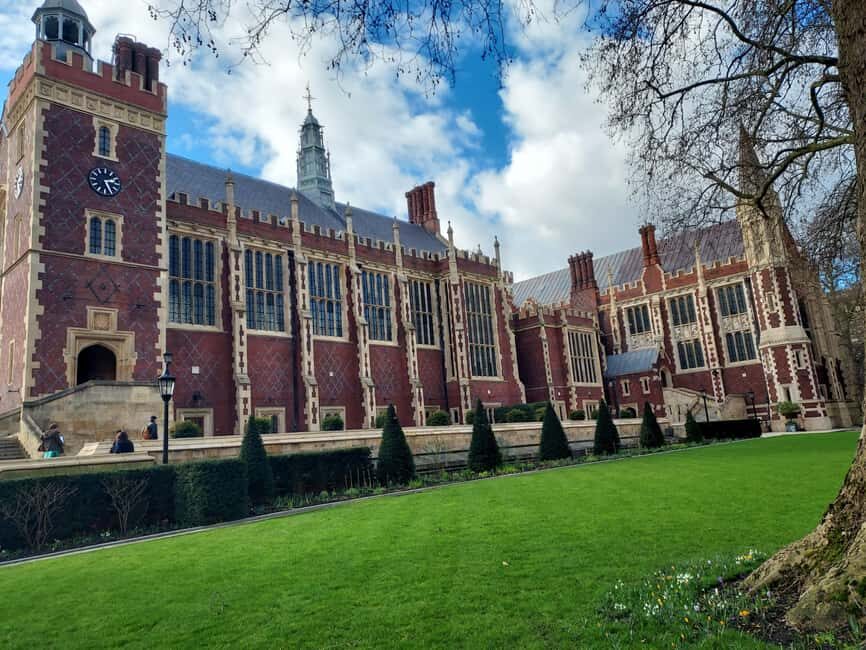
London’s Inns of Court are one of those places where the city’s past didn’t float away. It hardened into institutions. On this walk, you start with the idea of how English Common Law developed in a small area, then spread outward across the world. That global arc is one of the tour’s best hooks because it explains why you’re not just sightseeing old buildings—you’re learning how a legal system traveled.
You’ll also learn that the Inns weren’t only academic. They were places where influential people worked, lived, and trained, shaping legal thinking for generations. The tour ties the Inns to major historical figures, including seven signatories to the American Declaration of Independence, Muhammad Ali Jinnah, Mahatma Gandhi, Sir Francis Drake, and Sir William Blackstone. Even if you only remember a few names, you get a clearer picture of why this small district became a launchpad for ideas far beyond England.
A helpful way to think about this tour
Rather than treating legal history like sealed-off trivia, the guide connects rules, rituals, and training culture to the physical layout of the neighborhood. Once you see that link, the area makes more sense. It’s easier to read the city when you understand why lawyers built their world right here.
Temple Church: the medieval anchor in the Magna Carta story
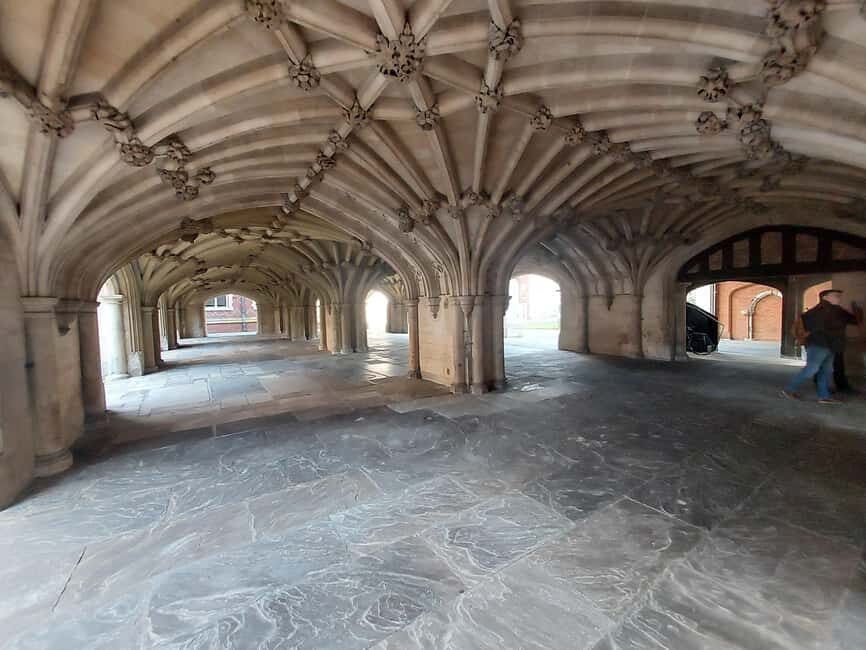
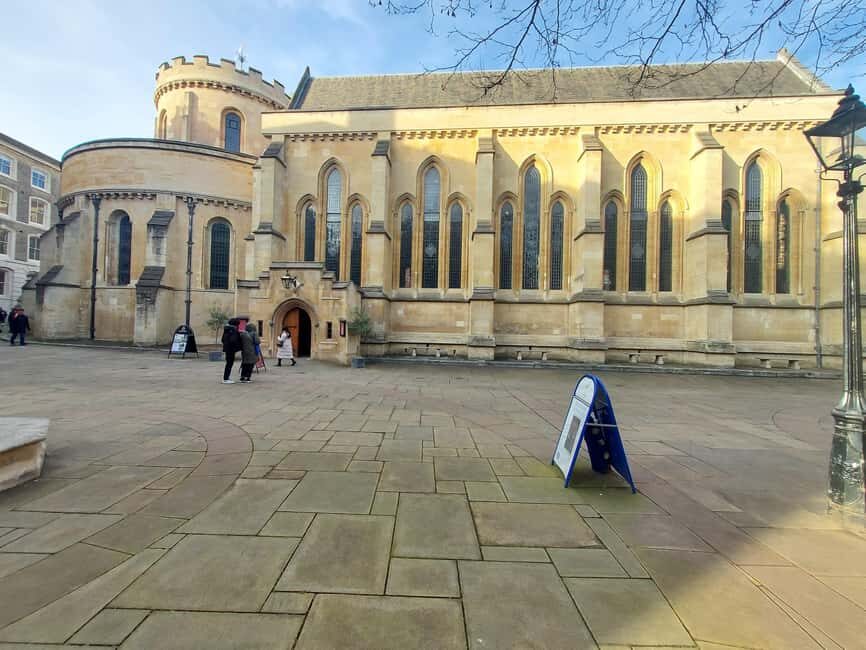
One of the most atmospheric stops is Temple Church. It dates to 1162 and was consecrated in 1185, and the tour connects it to King John’s role in the negotiations around the Magna Carta. That matters because it turns the church from a pretty landmark into a political crossroads point in your mental timeline.
You’ll view it as part of the guided walk, with the tour listing outside access for Temple Church. If you want to go deeper, there’s an extra option: you can visit after the morning tour for a fee of £5. This is a smart choice if you’re the type who likes to spend a little extra time with one meaningful stop instead of rushing everything.





What to look for in this stop
Treat Temple Church as your “origin checkpoint.” From there, the walk builds forward—traditions, training, and eventually the modern court system. It’s the bridge between medieval England and the legal world you see running in the courts later.
Middle Temple and Inner Temple: halls, gardens, and training rituals
The Inns of Court are the showpieces, and the tour spends time on both Middle Temple and Inner Temple. You’ll visit Middle Temple Gates and see Middle Temple Hall from the outside. The hall is built in 1573 and is described as the most perfect example of an Elizabethan building remaining in central London. That description isn’t just marketing; it helps you understand why people keep returning here—this isn’t generic old brick. It’s a carefully preserved piece of the era’s built culture.
Then comes Inner Temple Hall and the Inner Temple Gardens (if they’re open). This garden stop gives you a pause from the street noise and helps the Inns feel less like academic buildings and more like living spaces. The tour also ties this area to literature: Shakespeare’s Henry VI Part 1 suggests the War of the Roses began with the red and white roses picked in Temple Gardens. Even if you’re not a Shakespeare fanatic, that’s a memorable way to make the grounds feel “in use” in the imagination.
The “rules of the profession” angle
A big part of why this tour works is that it explains legal culture through odd-but-specific details:
- why lawyers wore wigs, and
- how qualification used to involve dinners in the halls.
One story worth noting is about Helena Normanton and the tradition around eating dinners to qualify as a lawyer. The tour also frames these traditions as part of how the profession enforced identity and training over centuries. It’s not about mocking the past; it’s about understanding how a profession builds continuity.
The dinner tradition and why wigs weren’t a joke
This tour has a playful streak, but it doesn’t treat tradition like a costume party. The dinner custom is explained as part of qualification, and the wig story gets told as a signal of the profession’s practices and status. The aim is to help you understand that law has always had its own way of marking insiders from outsiders.
When someone like a retired lawyer guides a group, you can feel the care in how stories get delivered. One named guide, Keith, is described as friendly and warm, and in at least one instance he provided umbrellas when there was a brief shower. That small detail matters because the tour is weather-dependent: comfort makes it easier to stay present for the explanations.
A practical caution on expectations
Most Inn buildings are outside visits. That’s still valuable for photos and context, but it does mean you shouldn’t expect to wander freely inside every hall. The one place where you should expect real “inside experience” is the Royal Courts of Justice later in the walk.
Fleet Street connections: El Vino’s, Clifford’s Inn, and Staple Inn
As you move along the route, the tour weaves in the neighborhood’s legal ecosystem rather than keeping everything locked inside the Inns of Court bubble. Fleet Street shows up in the story, and you’ll stop near places tied to the law world’s everyday rhythm.
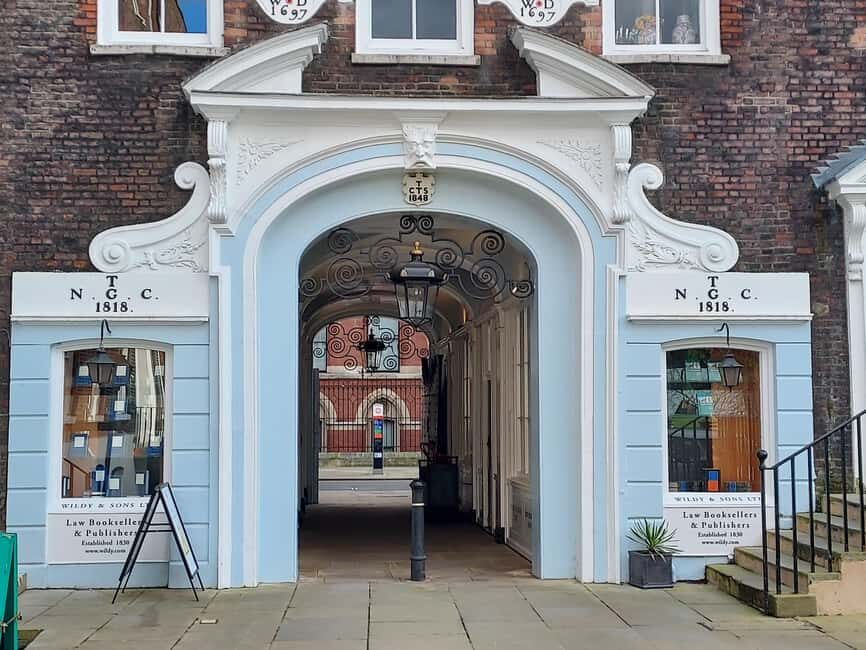
One standout stop is El Vino’s, described by Lord Justice Griffiths (1982) as no ordinary wine bar and a unique institution in Fleet Street. The point isn’t just that it’s a famous name—it’s that legal London has long had its social side, and certain venues became meeting points in the flow of work.
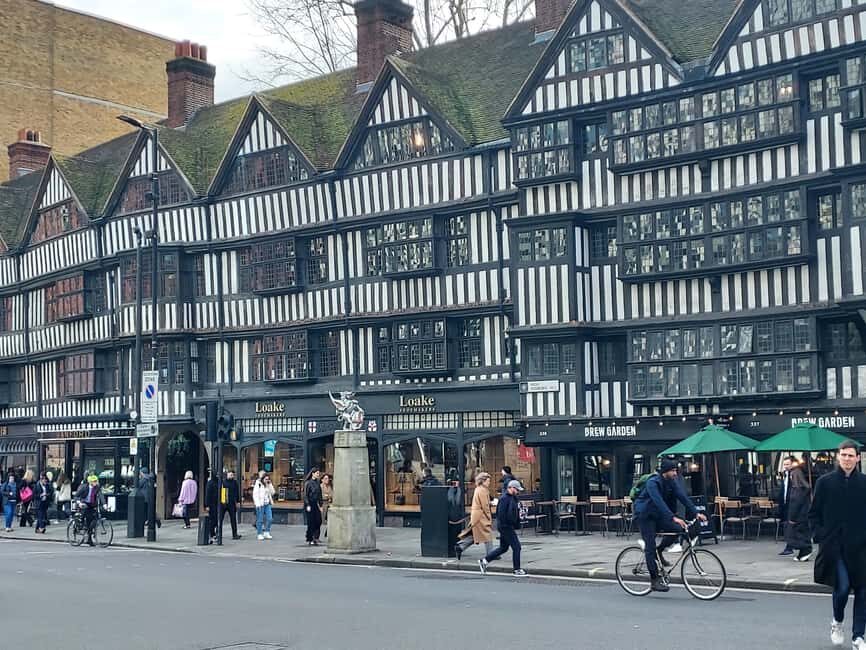
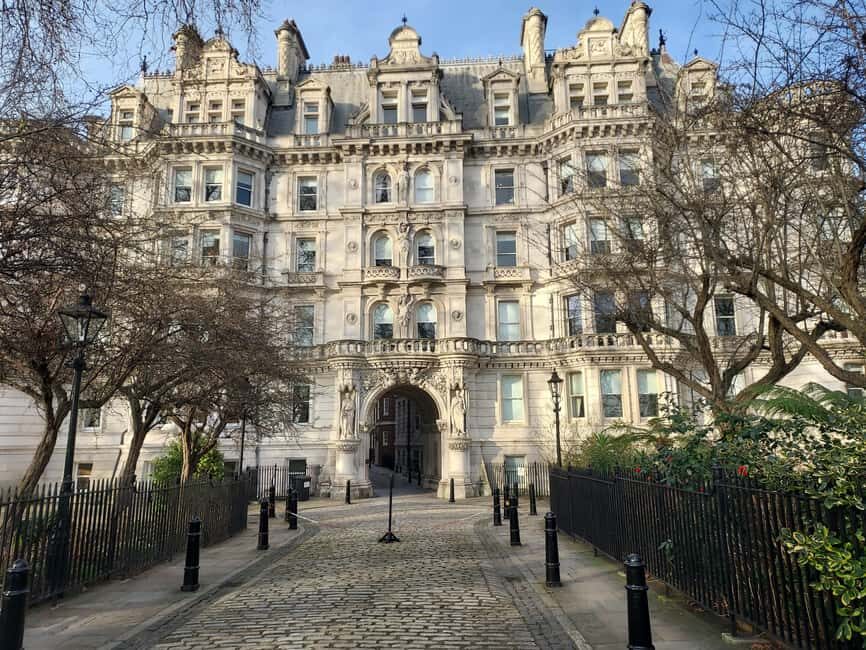
You’ll also see Clifford’s Inn and St. Dunstan’s Church (outside visit), plus Staple Inn (outside visit). Staple Inn is brought in as a Tudor timber-framed building, and the tour notes that it’s described by a leading architectural historian as the best example of its kind in London. If you’re the type who likes architecture, this stop can turn your eyes from “legal buildings” into “London buildings you actually want to look at.”
Royal Courts of Justice: Gothic Revival, Queen Victoria, and courts in action
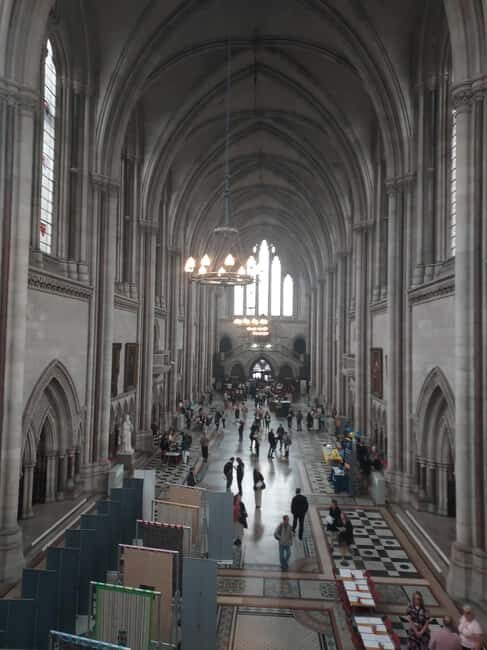
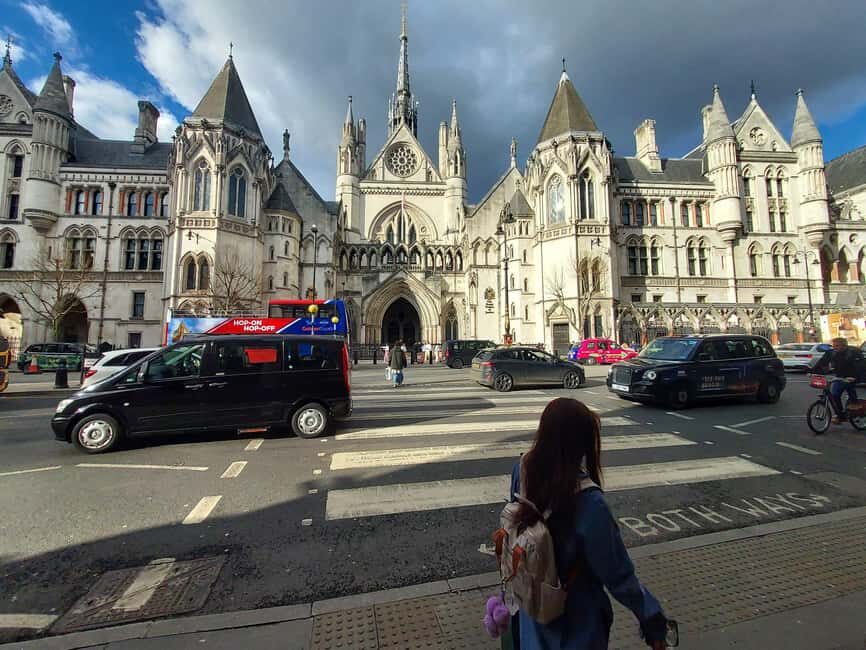
If you want one reason to pick this tour, it’s the Royal Courts of Justice inside access. The building opened in 1882 by Queen Victoria and was designed to house 19 courts. Today, there are around 100. That scale change tells a story of how the legal system expanded while keeping a grand public face.
The architecture is part of the appeal: the tour calls it a stunning Gothic Revival building, and when you’re inside, it’s easier to understand why people would want the courts to feel permanent and powerful. But the best payoff here is functional, not just visual. You’ll visit the Royal Courts of Justice and see the courts in action.
How this stop changes the whole tour
Earlier stops explain origins and training culture. This one shows you the modern endpoint of that long evolution. It’s where the tour’s theme clicks: law isn’t only old stone and rituals; it’s also living procedure happening in real time.
Lincoln’s Inn and Gray’s Inn: prime ministers, Dickens, and a restored hall
The tour also includes two more major Inns, and each one comes with a strong “London in context” story.
At Lincoln’s Inn, you’ll visit the Old Hall and Chapel from the outside. Lincoln’s Inn produced 15 prime ministers, including Tony Blair, Margaret Thatcher, Gladstone, and Disraeli. You’ll also hear how its Old Hall was built around 1490 and used as a court by the Lord Chancellor—so it ties directly into Dickens’ Bleak House. That’s a neat trick for making a literary work feel less like a random novel and more like a reflection of real legal spaces.
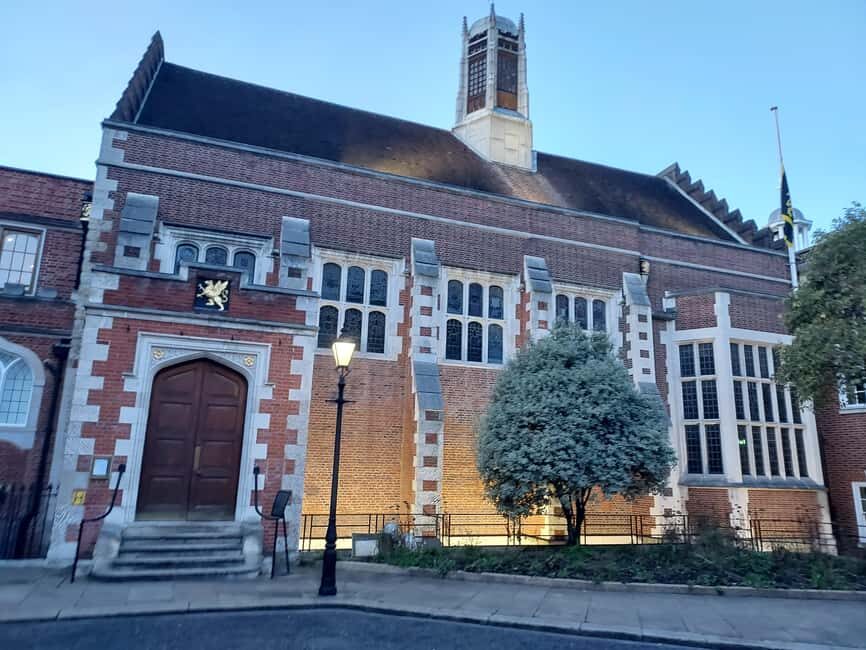
Then there’s Gray’s Inn. You’ll visit it via outside stops that focus on its ancient hall (built in 1558). The tour explains that the American Bar Association helped restore that hall after bomb damage, which adds a modern international layer to the Inns story. It also covers one of Gray’s Inn’s most famous former members: a Lord Chancellor convicted of 23 cases of corruption, with a statue in the Inn’s central square. The tour uses this contrast to show that institutions remember people in complicated ways, even when their reputations sour.
Finally, you’ll hear that Charles Dickens worked here as an office boy. That detail lands well because you’re already seeing Dickens everywhere once you’ve connected Lincoln’s Inn to Bleak House. Now you get the author as an actual participant in the legal world, not just a chronicler from the outside.
Making the most of this 3-hour legal walk
This is an information-heavy tour, so you’ll get the best results if you treat it like a guided orientation to legal London, not like a quick photo stop. Bring:
- Comfortable shoes (seriously—this is a walking tour through a compact area)
- Weather-appropriate clothing
- A curious mindset. The guide’s stories make sense when you connect them to what you’re seeing.
Also, if you’re traveling with someone who likes history, literature, or architecture, you’ll find plenty to share. Temple Church and the Inns grounds appeal to history and buildings. Fleet Street stops add variety. And the Royal Courts of Justice gives you the modern “why this matters now” moment.
Who this tour is ideal for
It’s a great fit if you:
- want more than general London landmarks and like focused themes,
- have an interest in English Common Law or how legal training works,
- enjoy story-driven walking tours with odd details that actually connect to meaning,
- like meeting guides who can explain the system with real-world context (Keith is mentioned as a barrister and guide with extensive experience).
It’s also a good parent-planning choice if someone in your group is considering law at university level, since the tour frames training culture in a way that feels practical and grounded.
Should you book this Legal Walking Tour of the Inns of Court?
I think this is worth booking if you want a guided way to understand London’s legal spine in a short time. At $34 per person for about 3 hours, you’re paying for an expert-led narrative plus a key inside stop at the Royal Courts of Justice where you can see courts in action. That combination is strong value because it’s not only exterior sightseeing of old buildings.
Skip it if you:
- can’t handle a lot of walking outdoors,
- expect to go inside most Inn buildings (the tour is mostly outside for the Inns), or
- want food and drink included (it’s not).
If your ideal London day includes history that connects directly to how the system functions today, this tour hits that sweet spot fast. You’ll leave with a clearer mental map of where the law “began,” how it trained people, and why this neighborhood still carries weight.
FAQ
Where does the tour start?
You meet outside Temple Underground Station under the MONCLE sign.
What time does it run, and how long is it?
The tour lasts 3 hours, with starting times based on availability.
How big is the group?
It’s a small group limited to 8 participants.
Where does the tour end?
The tour ends at Chancery Lane Underground Station.
What’s included for the Inns of Court buildings?
The tour includes visits to areas like Middle Temple Gates and outside viewing of Middle Temple Hall and Inner Temple Hall, plus the Inner Temple Gardens if they are open.
Will I go inside the Temple Church?
Temple Church is listed as an outside visit during the tour. You can visit it after the morning tour for an additional fee of £5.
Do you get inside the Royal Courts of Justice?
Yes. The Royal Courts of Justice visit includes going inside and seeing courts in action.
Is food or drink included?
No. Food and drinks are not included.
Is this tour suitable for children?
No. The tour is not suitable for children under 16 years.