REVIEW · LONDONDERRY DERRY
Derry: History and Politics Private City Walking Tour
Book on GetYourGuide →Operated by Tours of Derry · Bookable on GetYourGuide
Walls and murals tell the story fast. This Derry history and politics tour centers on two big emotional anchors: the Bogside murals and the city’s famous walls. I like how the guide explains what you’re seeing in plain language, not just as scenery.
You’ll also get a very human angle by following the narrative through the eyes of someone who grew up there. The trade-off to keep in mind is that this tour is tight on time, and one guest noted it can run about 1.5 hours, with less mural detail than hoped.
Start point is Cultúrlann Uí Chanáin, and the guide conversation tends to go beyond facts into meaning: why “Free Derry” mattered, how the Siege of Derry shaped identity, and where places like Free Derry Corner fit in. In at least one case, the guide suggested readers try a Bobby Sands book to go further.
In This Review
- Key things I’d watch for
- Entering Derry’s story at Cultúrlann Uí Chanáin
- Bogside murals and Free Derry Wall: read the politics in color
- Free Derry Corner: a small spot with big meaning
- Walking Derry’s 400-year-old walls: more than a viewpoint
- The Siege of Derry and the Crucible of the Troubles
- St Columb’s Cathedral and gothic landmarks on the route
- Marching traditions, apprentice boys, and the local rhythm
- Bloody Sunday and the Battle of Bogside: where street history happens
- Founding, immigration, and why Derry changed fast
- How long is it, and what kind of pace fits you?
- Price and value: what you’re really paying for
- Who this tour is for (and who it isn’t)
- Should you book the Derry history and politics walking tour?
- FAQ
- Where does the tour start?
- How long is the Derry history and politics private city walking tour?
- What does the tour include?
- What languages is the live guide available in?
- Is the tour wheelchair accessible?
- What will I see during the walk?
- How much is it and is it a private group?
Key things I’d watch for
- Bogside murals you can actually interpret, not just photograph
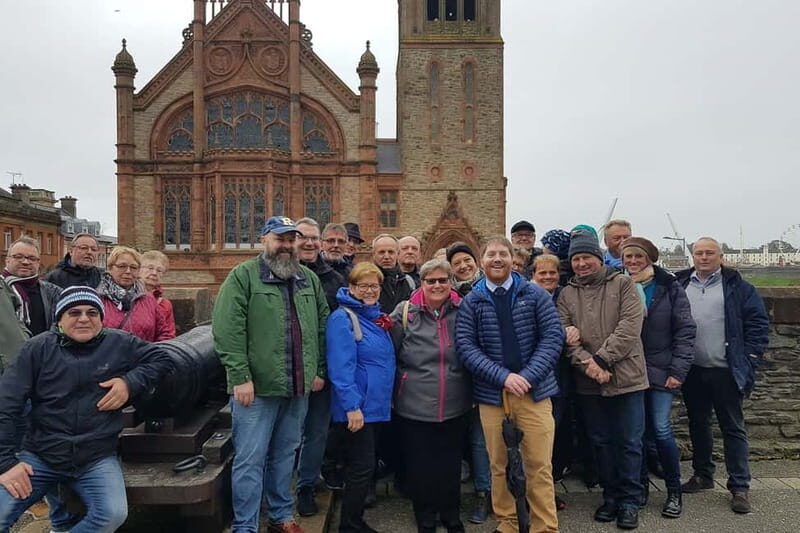
- 400-year-old walls with the politics and siege context attached
- Free Derry Corner as a clear marker of the city’s older autonomy
- Stories that connect landmarks to events like Bloody Sunday and the Battle of Bogside
- Cannons and city defenses explained as part of one long arc, not random objects
- A guide with local credibility, including recommendations like Bobby Sands for deeper reading
Entering Derry’s story at Cultúrlann Uí Chanáin
This tour begins at Cultúrlann Uí Chanáin, which is a good launch pad because it signals you’re stepping into a city that values language, culture, and memory. From the start, the mood is more reflective than strictly sightseeing. That matters, because Derry is one of those places where the “what” and the “why” are inseparable.
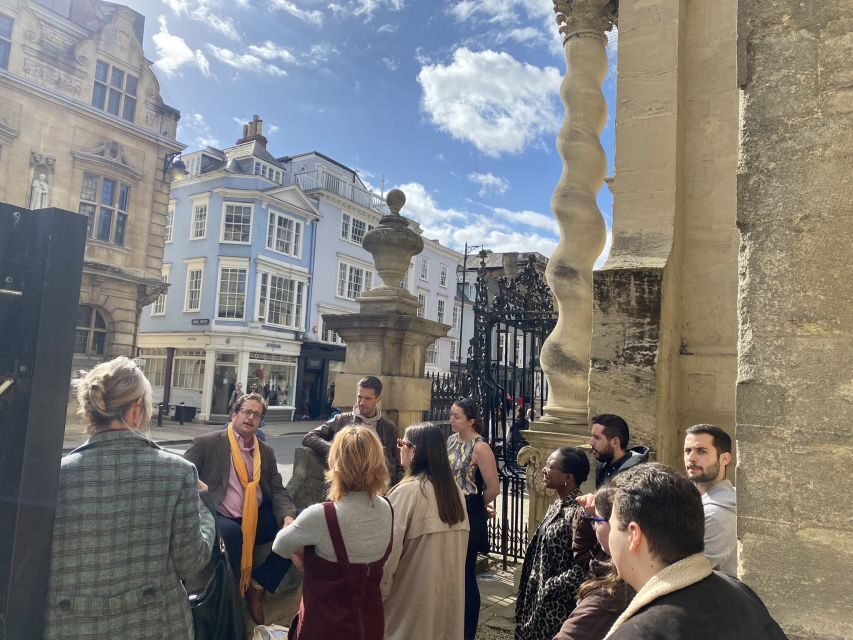
You’ll move on foot for about two hours (private group, so the pace can be adjusted). Wear shoes you trust: you’re walking along historic streets and walls, and the route is all about layering context onto what you see.
Since the tour is political and historical, your guide’s tone sets everything. In one shared example, Ruairi was singled out for being both informative and generous, even recommending a Bobby Sands book so guests could continue learning after the walk.
You can also read our reviews of more walking tours in Londonderry Derry
Bogside murals and Free Derry Wall: read the politics in color
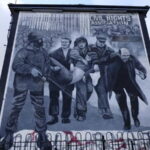
If you care about Derry’s modern history, the Bogside murals and the Free Derry Wall are the heart of this experience. These aren’t just pretty images. They’re public storytelling: a visual record of identity, conflict, and community response.
On the walk, you’ll spend time at the People’s Gallery of Murals, and you’ll also hear how these works connect to specific moments and movements. Expect the guide to explain what the murals are pointing at and why certain symbols show up. That’s where a local guide really helps—you get a sense for what people mean when they talk about memory.
One practical note: this is a short tour, and one guest wished there was more information focused specifically on the mural art itself. So if murals are your main obsession, I’d ask your guide at the start to give extra attention to interpreting the panels and the themes behind them.
Free Derry Corner: a small spot with big meaning
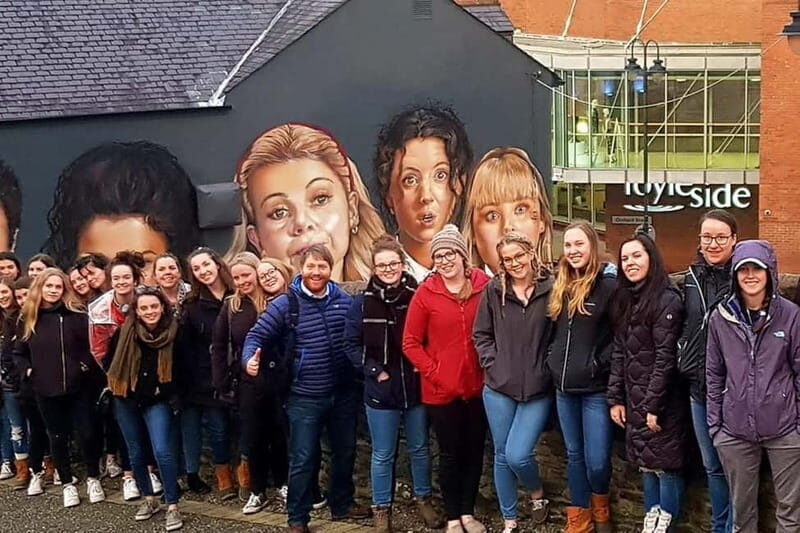
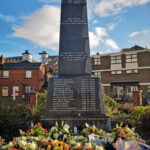
You’ll also see Free Derry Corner, a key stop that commemorates the old autonomous region of the city. This is the kind of place where a quick photo doesn’t do the job. The point is to understand why Derry’s autonomy became such a charged idea during the Troubles, and how the city’s residents used local structures and collective action to define themselves.
What I like here is that the tour doesn’t treat autonomy like a headline. You’re shown as part of a longer story—Derry as a place that was constantly re-defining itself through political pressure.
Walking Derry’s 400-year-old walls: more than a viewpoint
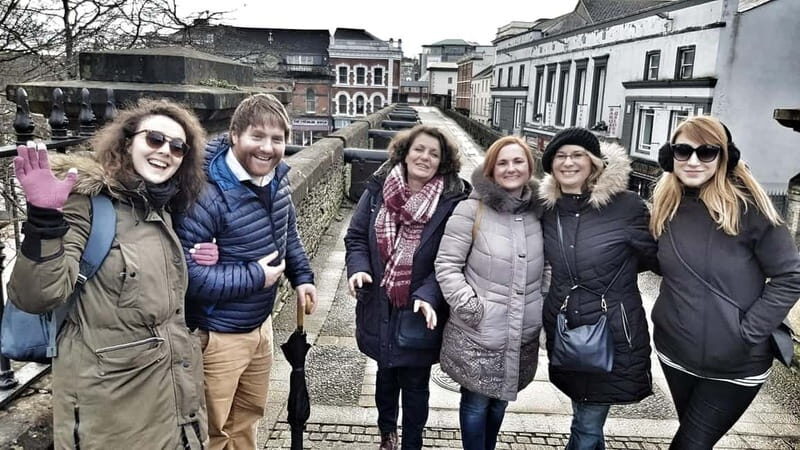
Derry’s walls are famous for views, but on this walk they’re framed as lived history. You’ll stroll along the city’s walls and hear how the defenses were shaped by the Siege of Derry, often described as the longest siege in Ireland. That siege story matters because it explains why the city walls aren’t just architecture—they’re identity.
You’ll also see and hear about a collection of cannons. The tour’s value is in how those objects are placed into context: why they existed, what they represented, and how they link to the broader political struggle. Instead of seeing cannons as random museum pieces, you’re taught to see them as part of a city trying to survive.
Timing wise, this portion is one of the most memorable because it ties together multiple themes at once: military history, community resilience, and the way the Troubles inherited older patterns of conflict.
The Siege of Derry and the Crucible of the Troubles
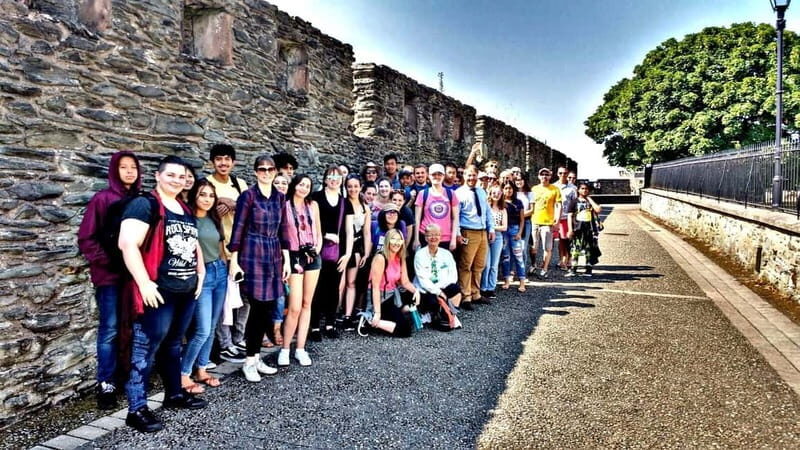
The guide’s big through-line is how older events created the emotional and political groundwork for what came later—what the tour calls the Crucible of the Troubles. You’ll hear about the Siege of Derry as a core chapter, but also how later generations carried those stories forward.
What you should expect here is cause-and-effect storytelling. The guide connects the city’s physical defenses to its social ones: who had power, how communities organized, and why certain sites became symbols. Even if you already know the headline version, hearing it tied to the walls and landmark viewpoints makes it stick.
If you want to get the most out of this segment, bring a question of your own: what does a place mean when people argue over it? Then listen for how your guide explains Derry as a contested space, not just a battleground.
You can also read our reviews of more city tours in Londonderry Derry



St Columb’s Cathedral and gothic landmarks on the route
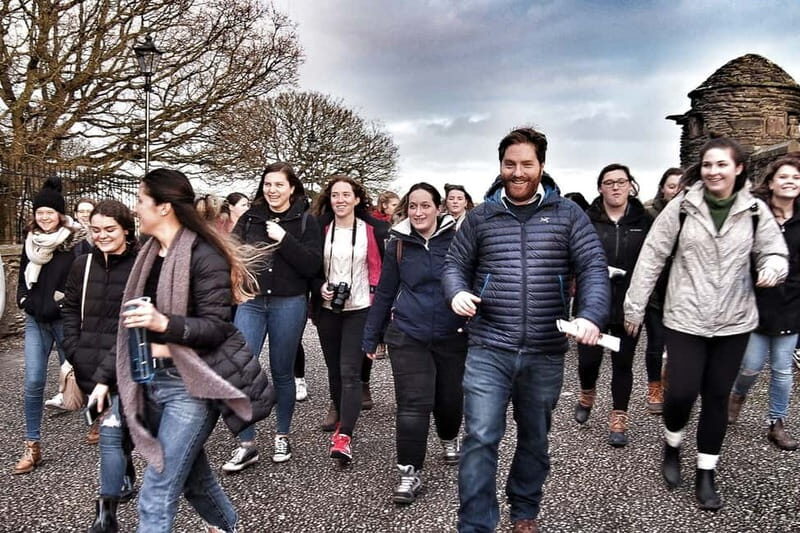
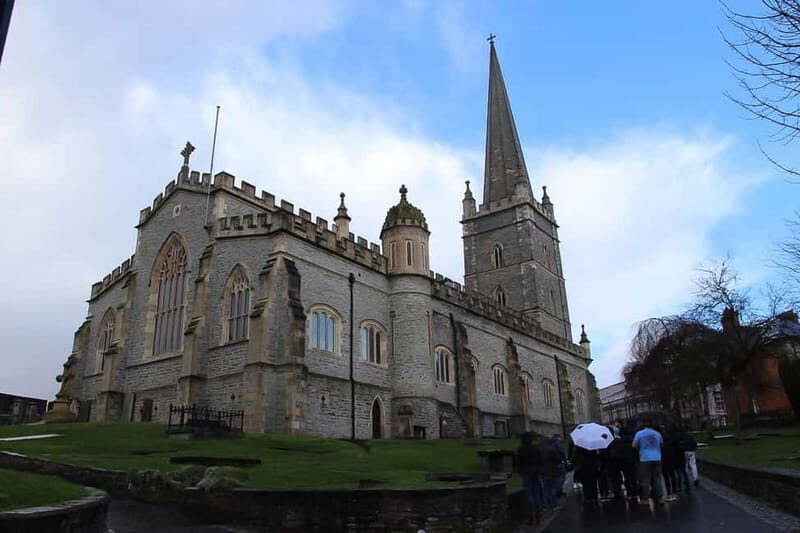
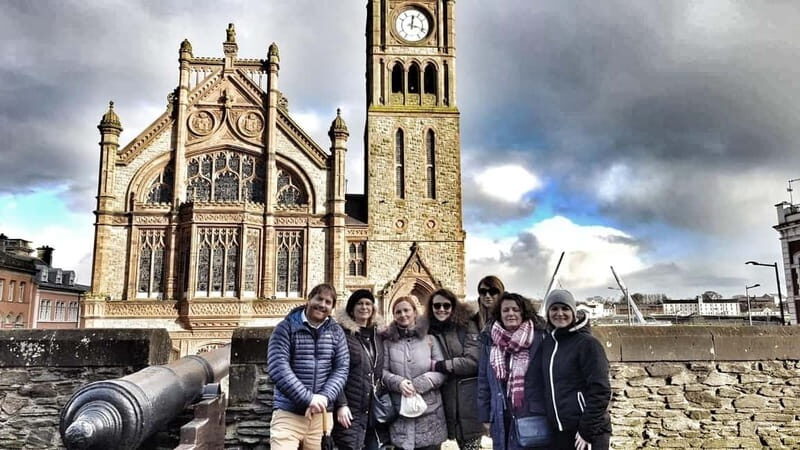
On the walk, you’ll also admire St Columb’s Cathedral and pass historic gothic buildings. This isn’t included just for postcard variety. The religious and architectural landmarks help show how Derry’s identity formed around institutions, community traditions, and competing narratives.
Seeing these landmarks while the guide talks about siege-era history and the later Troubles gives you a fuller picture of why the city’s symbols carried weight. A cathedral isn’t only a building here. It becomes a reference point in the larger story of belonging.
The downside is that cathedral viewing time can be limited in a walking tour format, so don’t expect a long interior visit unless the guide provides that informally. Still, even from the outside, the architecture gives you a sense of scale and permanence against the churn of political events described on the route.
Marching traditions, apprentice boys, and the local rhythm
A tour like this works best when it connects big events to everyday patterns. Here, you’ll hear about marching season traditions and the history of the apprentice boys. Those pieces can be tricky if you only know the conflict as a set of dates, so it helps to hear them explained as living tradition.
The point isn’t to take sides—it’s to understand how identity gets performed and passed along. If you’re curious about why certain days, routes, or rituals matter, this is one of the most useful segments of the walk.
Bloody Sunday and the Battle of Bogside: where street history happens
You’ll also hear about Bloody Sunday and the Battle of Bogside, plus the Civil Rights movement. These are heavy topics, and the tour frames them through specific locations you can stand near, which changes the experience from abstract learning to something more immediate.
The way to get value here is to listen for the guide’s structure. A good explanation connects the movement’s goals to the reality on the street, then ties that to how the city reacted. It also helps you understand why the murals matter so much afterward—because public art became a kind of testimony.
I found it especially helpful when the guide links the political argument to physical places. You start to notice how Derry itself organizes memory: what’s visible, what’s commemorated, and what’s contested.
Founding, immigration, and why Derry changed fast
The tour includes discussion of Derry’s founding and its role in the mass immigration from Ireland. That context is important because it helps you understand why the city’s population shifts weren’t just demographic. They were political and cultural pressure points.
This part of the walk gives you background that makes later events easier to follow. Without it, the Troubles can feel like a disconnected chain of incidents. With it, you start to see patterns: how settlement, power, and identity collided over time.
Even if you’re not a history buff, immigration context often does one simple thing well: it explains why people cared so intensely about control of land, institutions, and future direction.
How long is it, and what kind of pace fits you?
Plan on a 2-hour private walk, but keep in mind that at least one guest experienced around 1.5 hours. That doesn’t mean it’s a bad tour. It means the guide may adjust pace based on group needs, questions, or how the route unfolds.
If you tend to ask a lot of questions, you’ll likely get more value, but you might also feel the last stops come quickly. If you’re quiet and want efficient coverage, you’ll probably be happy.
Because it’s private (up to a group size of 50 for the pricing model), you should also think about your comfort with walking pace and topic intensity. This isn’t a casual “see the sights” stroll. It’s a guided interpretation of politics, conflict, and memory.
Price and value: what you’re really paying for
At $202 per group up to 50, the pricing looks high in absolute terms, but it can be fair when you factor what you’re buying: a local guide, a tight route through multiple symbolic sites, and guided interpretation of complex history.
This isn’t a ticket to a museum. You’re paying for human context—the guide’s ability to connect murals, walls, cannons, and major events into a single story you can walk. If you compare this to doing it alone, you’d spend time piecing together meaning from different sources. Here, the guide does that synthesis for you.
The best value comes when your group has strong interest in history and politics. If your priority is pure sightseeing with minimal context, you might find it heavy for the price and time. If your priority is understanding, the cost starts to look more reasonable.
Who this tour is for (and who it isn’t)
You’ll love this tour if you want the big ideas explained with real places attached: the Siege of Derry, Bloody Sunday, the Battle of Bogside, civil rights momentum, and the role of murals as testimony. It also suits you if you like walking experiences where the route itself is part of the lesson, not an afterthought.
You might want a different format if you want lots of time for photo stops, extended reading on the art, or a slow pace through one site. The tour is short, and one guest wanted more mural information, which tells you where attention may be traded off.
Should you book the Derry history and politics walking tour?
Book it if you want a compact, guided way to understand why Derry’s walls, murals, and commemorative corners matter. The strongest reason to go is the combination of art (murals) plus place (walls, cannons, landmarks) plus story (Troubles, siege, civil rights), delivered by a guide with real local credibility.
Skip it or consider another option if you mostly want light sightseeing or you’re hoping for extended time focused solely on mural details. In a two-hour walk, the best approach is to treat it as a strong primer—then, if it sparks your interest, follow up with the kind of deeper reading a guide like Ruairi might recommend.
FAQ
Where does the tour start?
The meeting point is Cultúrlann Uí Chanáin.
How long is the Derry history and politics private city walking tour?
It lasts about 2 hours.
What does the tour include?
A local guide is included.
What languages is the live guide available in?
The live tour guide is available in Spanish, Irish, and English.
Is the tour wheelchair accessible?
Yes, it is wheelchair accessible.
What will I see during the walk?
You’ll see expressive Bogside murals, the Free Derry wall and Free Derry Corner, Derry’s city walls, a collection of cannons, St Columb’s Cathedral, and landmarks connected to events like the Siege of Derry, Bloody Sunday, the Battle of Bogside, and the Civil Rights movement.
How much is it and is it a private group?
It costs $202 per group up to 50, and it’s a private group.