REVIEW · LONDONDERRY DERRY
Bogside Political Tour
Book on GetYourGuide →Operated by Guide Derry Italiano · Bookable on GetYourGuide
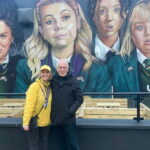
Murals on the street tell a political story. I love the way the Bogside murals turn ordinary walls into a readable timeline of the Troubles, with clear explanations that keep the emotions in check. The result is history you can see, not just hear.
I also like the pacing: you stop at major spots like Free Derry Corner and the Bloody Sunday Memorial, so the story lands where it belongs. The guide’s job is to connect big events to daily life in Derry, and that connection is the heart of the tour.
One consideration: this is an entirely on-foot route, so you’ll want to plan for time on your feet and bring rain gear if the weather turns.
In This Review
- Key highlights to look for
- Entering the Bogside: When Walls Become a Street-Level Text
- Meeting at the Guildhall: Getting Oriented Fast
- Bogside Murals: Reading a Neighborhood Like a Timeline
- Free Derry Corner: A Photo Stop With Real Political Weight
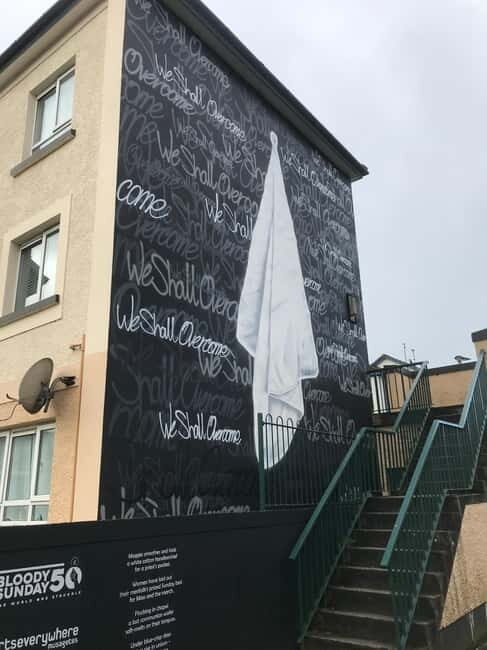
- Bloody Sunday Memorial: Why This Event Still Shapes Derry
- How the Tour Explains the Troubles Without Turning It Into Noise
- Italian-Language Guides and the Personal Touch
- Price and Value: Is $34 Worth 1.5 Hours?
- What to Bring: Rain Gear and Comfortable Footwear
- Who This Tour Suits Best (and Who Might Skip It)
- Should You Book This Bogside Political Tour?
- FAQ
- How long is the Bogside Political Tour?
- How much does it cost?
- Where do I meet the guide?
- What language are the tours offered in?
- Is the tour on foot?
- What does the tour include?
- What should I bring?
- Is it suitable if I have mobility impairments?
- Can I cancel for a refund?
Key highlights to look for
- A mural stop at each turning point: you don’t just pass them—you pause, read, and get the context.
- Free Derry Corner as a political symbol: it’s treated as more than a photo stop.
- Bloody Sunday gets careful attention: the guide frames why it mattered for the city and beyond.
- Native Italian-speaking guidance: you’ll hear the Troubles explained in fluent, natural Italian.
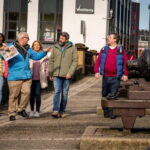
- Small, private-group feel: the walk moves at a human pace, with room for questions.
- Monuments and neighborhood details: you learn what to look for as you go.
Entering the Bogside: When Walls Become a Street-Level Text
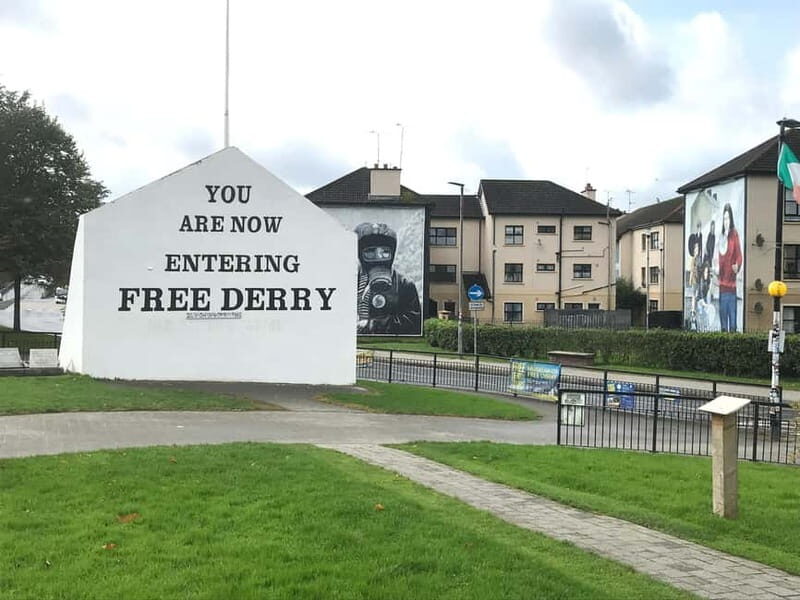
The Bogside is one of those places where politics isn’t stuck in books. It’s on buildings, on corners, and in the way people talk about what happened. On this tour, you walk through the neighborhood as if you’re following a timeline written by artists—murals that point to causes, conflicts, and consequences during the Northern Irish Troubles.
What makes it work is that the guide doesn’t treat the neighborhood like a museum. Instead, you’re shown how these artworks and memorial points relate to the reasons the conflict escalated in Northern Ireland and what followed for the community in Derry. You come away with a stronger sense of why these images mattered then—and why they still matter now.
And because the tour is built around stops near murals and monuments, you’re always grounded in place. That’s a big difference from generic history tours that rattle off dates while you drift from one location to the next.
You can also read our reviews of more tours and experiences in Londonderry Derry.
Meeting at the Guildhall: Getting Oriented Fast
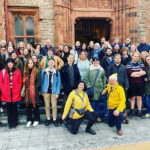
You’ll meet in front of the Guildhall (di fronte al municipio). From there, the walk starts and you settle into the route that focuses on the Bogside neighborhood.
The tour lasts 1.5 hours, so it’s not trying to cover every chapter of Irish history. It concentrates on the Troubles through a local lens, using the street art as your guide. This is helpful if you only have a short time in Derry and want your visit to feel focused instead of rushed.
Because it’s a walking tour, the best approach is simple: wear shoes you trust, and give yourself a little time to arrive before the start. When the group is ready, the guide takes over and keeps the flow steady—no long transport breaks, just forward movement through the neighborhood.
Bogside Murals: Reading a Neighborhood Like a Timeline
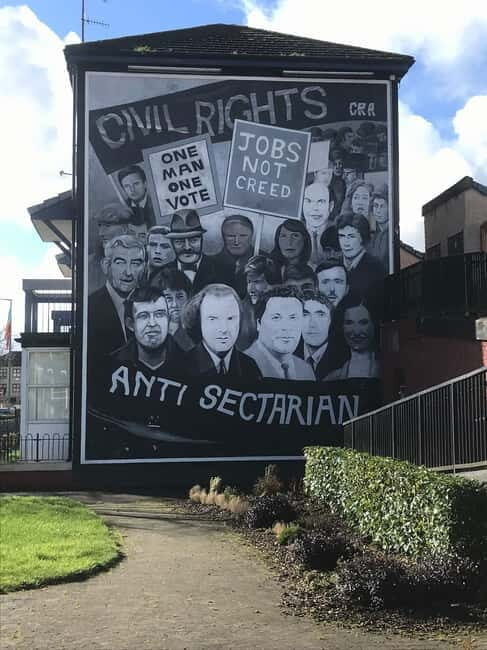
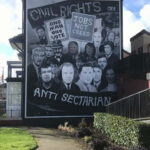
The core of the experience is the Bogside murals—with a stop near each one so you can understand what you’re looking at. You’re not just collecting selfies. You learn what triggered the Northern Irish civil conflict and how the community experienced the fallout, all anchored in the imagery.
Here’s the practical value: murals are visual arguments. They show what people wanted to remember, what they wanted others to understand, and what they wanted to never forget. Seeing them in sequence helps you notice the logic—how one theme leads to another—and how public art can become a form of collective memory.
This is also where the guide’s approach really matters. In Derry, the past can feel heavy. The guides on this tour are described as respectful and careful with sensitive topics, explaining complex events with clarity while keeping the human side in view. That style helps you process what you’re hearing without feeling steamrolled by politics.
Free Derry Corner: A Photo Stop With Real Political Weight
One of the tour’s standout stops is Free Derry Corner. It’s the kind of place that looks straightforward at first—then you realize it’s loaded with meaning.
On this tour, it’s treated as a symbol, not a landmark you rush through. You’ll get the story behind why this corner became associated with local identity and resistance during the Troubles, and how that kind of messaging fit into the wider conflict. It’s a reminder that political movements aren’t only about battles. They’re also about slogans, signs, and shared language.
If you like experiences that make you look twice at something you might otherwise ignore, this stop is for you. And if you’re the type who enjoys connecting the dots—between events, reactions, and lasting community sentiment—you’ll appreciate how the guide frames it as part of the broader narrative.
Bloody Sunday Memorial: Why This Event Still Shapes Derry
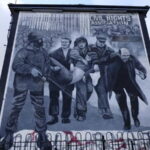
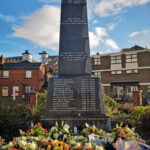
The tour gives particular attention to Bloody Sunday, which makes sense. This is presented as a critical turning point in the city’s history, one that shaped consequences far beyond the original moment.
Expect the guide to slow down here and place the event in context: what it meant to people at the time and how it influenced the city’s relationship with the wider conflict. The aim isn’t sensational storytelling. It’s understanding—why it was so fundamental to Derry’s history and how that understanding still shows up in the neighborhood.
This stop is also where the “human stories” element comes through. The guides are praised for connecting past and present, so you don’t just learn what happened—you learn why it reverberates. That’s what makes the memorial section more than a checkmark on a route.
How the Tour Explains the Troubles Without Turning It Into Noise
You’ll hear both the “why” and the “what followed.” The tour focuses on the reasons that triggered the Northern Irish civil war and the consequences that followed, using the murals and nearby monuments as anchors.
That matters because the Troubles can feel like a knot of names, factions, and events. The route helps you organize the story. Each mural stop acts like a page heading. Together they build a structured understanding rather than a scattered timeline.
Another thing I appreciate: the guides are described as handling sensitive material with respect. That doesn’t mean it turns gentle. It means the guide keeps clarity at the center and gives you space to understand, not just react. In a place where history is tied to lived experience, that approach helps the tour feel credible and thoughtful.
Italian-Language Guides and the Personal Touch
This is a live tour with an Italian-speaking guide, and that’s a big deal for value. If you’re an Italian speaker, you’re not stuck following through translation gaps. You can catch nuance, tone, and the little context details that often get lost on English-language tours.
In the reviews, the guide David comes up repeatedly for being engaging and passionate about Derry’s history of the Troubles, and for answering questions with clarity. Another guide name that shows up is Francescassima, also praised for preparedness. Even if you’re not sure which guide you’ll get, the key point is consistent: these are native Italian-speaking guides who know how to explain a complicated past in a way that feels grounded.
Also, the tour is listed as a private-group experience. That often means the walk stays flexible enough to fit your curiosity, especially if you’re the kind of person who likes to ask follow-up questions as you go.
Price and Value: Is $34 Worth 1.5 Hours?
At $34 per person for 1.5 hours, the price sits in the “reasonable and focused” category. Here’s what you’re really paying for:
- A guided narrative tailored to the Bogside’s mural trail, rather than a general Derry overview.
- Stops at multiple key sites (murals, Free Derry Corner, Bloody Sunday Memorial), so the time isn’t wasted in transit.
- Live Italian language interpretation from a native speaker, which is often the difference between a good tour and a tour you actually understand.
If you only have a short stay and you want your Derry time to feel meaningful, this price makes sense because it concentrates on high-impact locations. If you’re someone who prefers reading on your own and doesn’t want a guide’s framing, then a self-guided route might be cheaper. But if you want context and structure, $34 is a fair trade for the amount of explanation you get in a compact time window.
What to Bring: Rain Gear and Comfortable Footwear
This tour is on foot, with stops near murals and monuments across the neighborhood. That means your comfort matters.
The activity notes are clear: bring rain gear. Weather in Northern Ireland can change quickly, and you’ll be happier if you don’t arrive hoping for perfect skies. Pair that with comfortable walking shoes, because even a 1.5-hour stroll can feel longer if your feet are unhappy.
Also, plan for short breaks at each stop. The whole point is pausing near the murals and monuments, not sprinting to the next corner.
Who This Tour Suits Best (and Who Might Skip It)
This Bogside Political Tour is a strong match if you want:
- A walking experience tied to what’s actually on the streets.
- A guide-led explanation of why the Troubles escalated and what the consequences were for the community.
- Italian-language storytelling from a native speaker, especially if you’re traveling without a strong English comfort level.
There’s also a note about access: it lists wheelchair accessibility, yet it also states it’s not suitable for people with mobility impairments. That inconsistency is worth taking seriously. If mobility is an issue for you, I’d check directly with the provider before booking so you understand what route and stopping points will look like in practice.
Should You Book This Bogside Political Tour?
I think you should book this tour if you care about understanding Derry’s identity through the streets themselves. The Bogside murals are more than visuals here—they’re your guide through causes and consequences in the Troubles, with special focus on Bloody Sunday and stops like Free Derry Corner that carry real political weight.
It’s also a good pick for short stays. In just 1.5 hours, you get a coherent narrative built around meaningful local points, led by native Italian-speaking guides such as David (and praised guides like Francescassima). If you’re comfortable walking and want history explained with clarity and respect, this is a smart use of your time in Derry.
If you’re not interested in political and historical context, or you’re worried about mobility and weather, then you might prefer a different kind of Derry visit. But for most people who want a grounded, street-level understanding, this is one of the better ways to see the city’s past where it still lives.
FAQ
How long is the Bogside Political Tour?
The tour runs for 1.5 hours.
How much does it cost?
The price is $34 per person.
Where do I meet the guide?
You meet in front of the Guildhall (di fronte al municipio).
What language are the tours offered in?
The live tour guide speaks Italian.
Is the tour on foot?
Yes, the tour takes place entirely on foot.
What does the tour include?
Included stops cover the Bogside murals, Free Derry Corner, and the Bloody Sunday Memorial.
What should I bring?
Bring rain gear.
Is it suitable if I have mobility impairments?
The information includes both wheelchair accessibility and a note saying it is not suitable for people with mobility impairments, so it’s best to verify directly with the provider.
Can I cancel for a refund?
Yes. Free cancellation is available if you cancel up to 24 hours in advance.