REVIEW · LONDON
London: Little Venice, Regents Canal on Camden Walking Tour
Book on GetYourGuide →Operated by GO London · Bookable on GetYourGuide
Canals and city views in one walk. I love the calm of Little Venice and the wide-open skyline from Primrose Hill on this 150-minute stroll. The main catch is it’s still a walking route, so you’ll want solid shoes and a water plan since food isn’t included.
I also like how the walk turns into a living map of London: houseboats on the Regent’s Canal, a big-name landmark hotel that never got the railway future it hoped for, and then Camden Lock at the end where the vibe shifts from quiet water to markets and music. If you hate crowds, you’ll still get plenty of breathing room along the canal, but Camden’s a more active finish.
In This Review
- Key points to know before you go
- Finding the tour fast: Paddington Station Platform 1 and the Paddington Bear
- Paddington Basin to Little Venice: when rail noise gives way to water calm
- A practical timing note
- Little Venice houseboats and Browning’s Pool: what you’re really seeing
- The Regent’s Canal story: from coal and timber to a walk you can enjoy
- Crocker’s Folly and Maida Hill Tunnel: architecture with a plot twist
- Small photo tip
- Lisson Grove Moorings, the Upside Down House, and the look at everyday quirk
- Regent’s Park villas: John Nash’s refined vision in walking distance
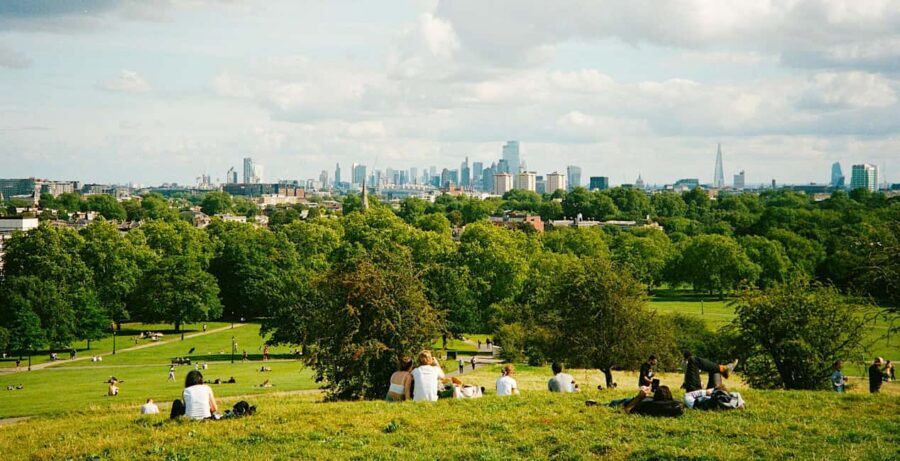
- Primrose Hill skyline: the climb that makes the whole walk feel worth it
- Gilbey’s Yard to Camden Lock: from creative live-work space to market energy
- End-of-walk connection
- Price and value: why $33 can make sense here
- Pace, weather, and what to wear so the walk stays fun
- Avoid the easy mistakes
- Who this walk suits (and who should skip it)
- Guides and the tone of the experience: why it earns a high rating
- Should you book the London Little Venice and Camden Walking Tour?
- FAQ
- Where exactly is the meeting statue at Paddington?
- How long is the tour?
- What does the tour include?
- Is food and drinks included?
- What should I bring?
- Is it okay to bring a pet?
Key points to know before you go
- Paddington Station start is super specific: meet on Platform 1 under the station clock beside the bronze Paddington Bear.
- Little Venice is the star act: colourful houseboats, narrowboats, and the gentle feel of Paddington Basin to Regent’s Canal.
- Regent’s Canal has real-world impact: it was built in the early 1800s to move goods across industrial London.
- You’ll get standout photo stops on the route: Crocker’s Folly, Maida Hill Tunnel, and the quirky Upside Down House.
- Primrose Hill earns the climb: one of the walk’s best skyline moments.
- Camden Lock closes the loop: you finish near Camden Town Tube with time to explore Camden Market.
Finding the tour fast: Paddington Station Platform 1 and the Paddington Bear
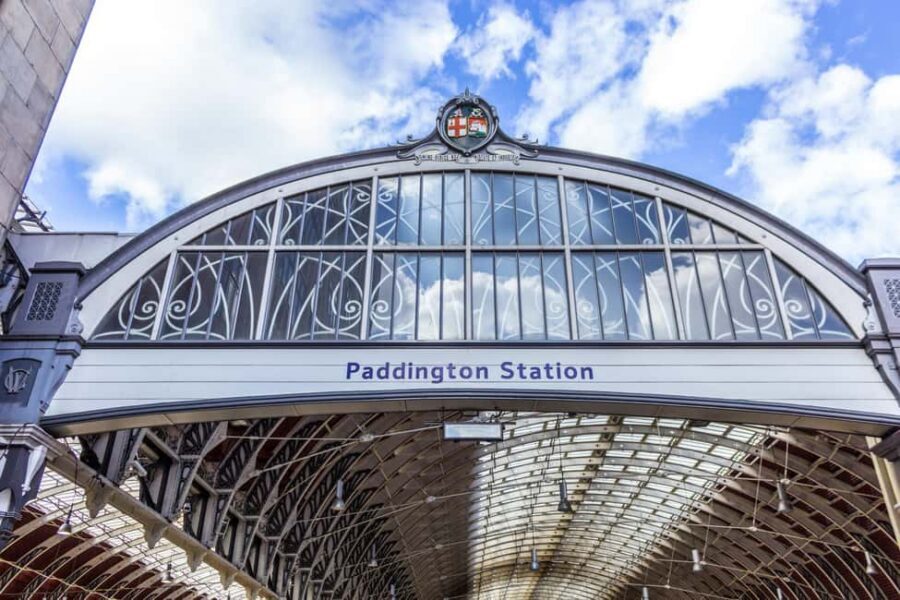
If you’ve ever wandered a big London station while a tour is leaving, you know the stress. The good news here is the meeting point is clear: head into Paddington Station via the main concourse, then find Platform 1 with the large station clock.
The statue is on Platform 1, roughly halfway down the platform, directly under the clock. Look for the bronze Paddington Bear seated next to the clock on a plinth with a suitcase and tag. I love meeting points like this because you don’t need guesswork, and you can get settled before the walk starts.
You can also read our reviews of more walking tours in London



Paddington Basin to Little Venice: when rail noise gives way to water calm
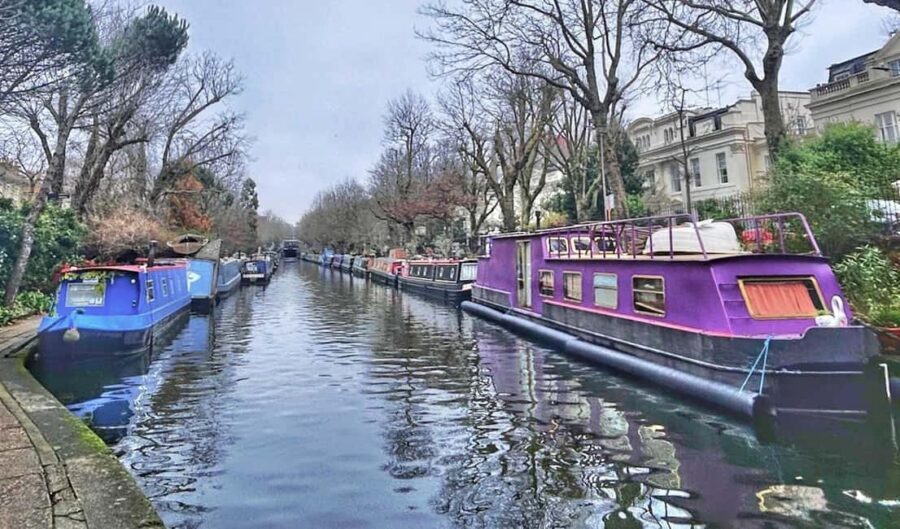
The walk begins at Paddington Basin, where trains and timetables feel close—then the mood shifts as you move toward the canal. This is one of those London transitions that feels instantly noticeable, even if you never touch a museum or ticketed attraction.
From there, you head toward Little Venice, a quieter pocket where houseboats gently sway and narrowboats line the canal like floating cottages. The effect is less about famous landmarks and more about everyday charm: moored boats, canal-side paths, and the kind of calm you don’t usually get in central London.
A practical timing note
This tour runs about 150 minutes, so plan to keep your stops efficient. The best photos often happen while you’re moving, not when you’re stuck waiting for the perfect moment.
Little Venice houseboats and Browning’s Pool: what you’re really seeing
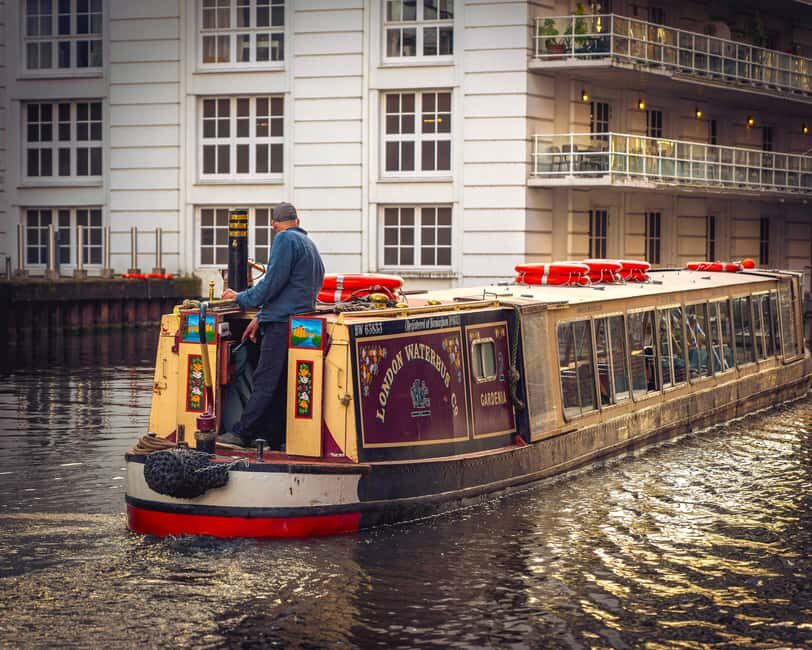
At Little Venice, the “postcard” views come from the canal itself and the mix of boat types. You’ll see colourful houseboats and the narrowboats that hug the water’s edge like an ongoing parade.
One detail included on the route is Browning’s Pool, which helps explain why this area looks the way it does—these basins and junctions shape how boats sit, turn, and connect. If you pay attention to the waterline and the moorings, you’ll understand the canal not just as scenery, but as an actual working system.
And yes, it’s scenic, but it’s also real. This isn’t a themed set; it’s a lived-in water neighborhood, which is why it feels restful even when the city is nearby.
The Regent’s Canal story: from coal and timber to a walk you can enjoy
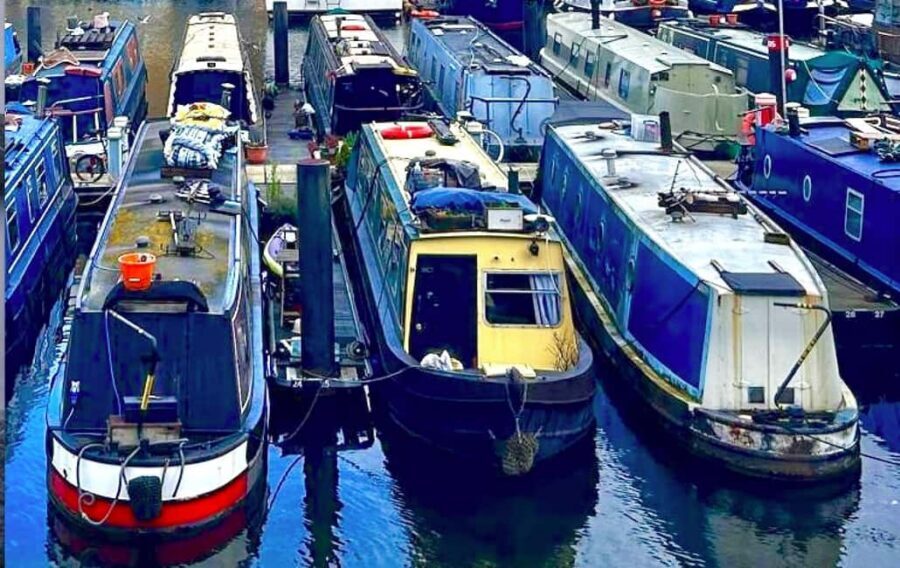
You won’t just pass the canal—you’ll understand it. Regent’s Canal was commissioned by the Prince Regent (later George IV) and opened in 1820. It linked the Grand Junction Canal in Paddington with the River Thames at Limehouse, and it changed how goods moved through industrial London.
That matters because it reframes what you see. Instead of treating the canal as a backdrop for photos, you’ll notice how it fits into the city’s old logistics network. It’s one of those rare tours where you walk through something beautiful and also learn why it was built.
If you like city planning, architecture, or “how did they do that back then” questions, this is where the walk rewards your attention.



Crocker’s Folly and Maida Hill Tunnel: architecture with a plot twist
Once you’re further along, you’ll spot Crocker’s Folly, described as a Northern Renaissance-style hotel built in hopeful anticipation of a nearby railway terminus that never materialized. That’s a great setup for sightseeing because it turns a building into a story about ambition, timing, and missed connections.
Then comes the canal’s Maida Hill Tunnel, noted as the canal’s second-longest tunnel. You won’t be inside it the whole time, but you’ll get the visual and directional cues that help you grasp where the canal disappears and reappears. It’s an easy stop to appreciate because London doesn’t often slow down enough for you to think about underground infrastructure.
Small photo tip
Keep your camera ready when you approach the tunnel sections. The perspective from the canal path can give you a strong “you are here” feeling.
Lisson Grove Moorings, the Upside Down House, and the look at everyday quirk
The walk also passes Lisson Grove Moorings, which is the kind of place that usually looks plain at first glance—until you notice how mooring design, boat placement, and canal width all affect daily life.
Then you’ll come to a quirky stop on the route: the Upside Down House. This is one of those interruptions that keeps the walk from becoming purely historical. It’s fun, a little weird, and it gives you a break from the more formal architecture.
The best part about stops like this is that they keep your attention sharp. After a couple of landmarks, your brain needs a reset point, and an eccentric building works perfectly.
Regent’s Park villas: John Nash’s refined vision in walking distance
Next up is Regent’s Park, including the Regency villas tied to architect John Nash’s 19th-century vision for a more refined London. Even if you’re not an architecture nerd, these buildings can help you read the city differently.
Look for how the canal-side route carries you toward a different mood: cleaner lines, more planned residential character, and a feeling of London that feels measured rather than industrial.
This stretch is also a nice balance. You’ve had canals, boats, and tunnels—now you get a calmer, more residential architectural beat.
Primrose Hill skyline: the climb that makes the whole walk feel worth it
One of the best payoff moments is Primrose Hill. You climb for one of London’s finest panoramic views, and this is where the tour turns from “nice sights” into “wow, I get why people chase these views.”
From up here, you’ll see London as a layered city: rooftops, spires, and the way neighborhoods stack together. The point isn’t just taking a photo; it’s understanding distance and direction. After you’ve walked through canals and parks, the skyline makes the city feel navigable.
If the weather is clear, don’t overthink it—take a few minutes, find a viewpoint angle that lets you include both “city” and “park,” then move on.
Gilbey’s Yard to Camden Lock: from creative live-work space to market energy
On the way back toward the end, the route includes Gilbey’s Yard, once connected to the Gilbey family’s wine and spirits empire. Today it’s described as a creative live-work community, which is a nice example of London reusing industrial spaces instead of wiping them out.
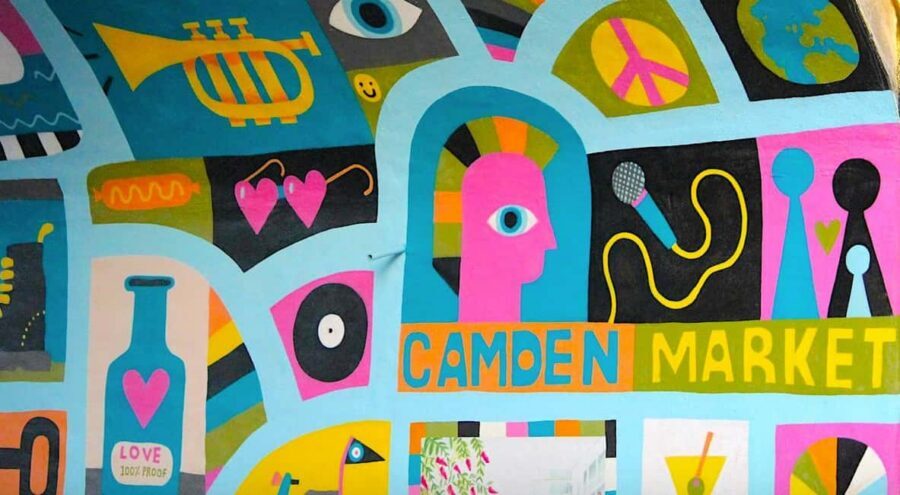
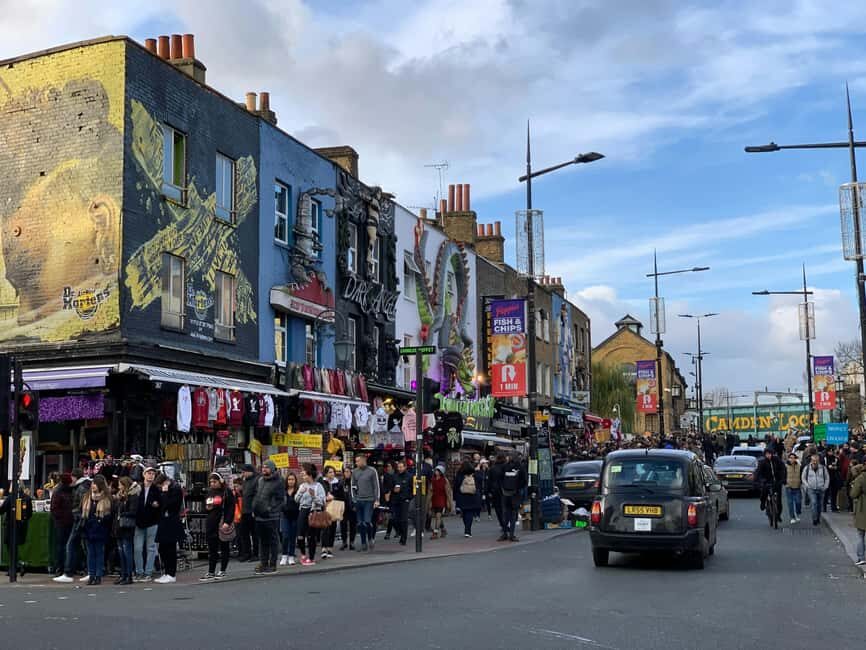
Then you arrive at Camden Lock, where the mood changes fast. The canal area once handled cargo boats, but now it hums with market stalls, music, and food. This is the finish that feels the most like modern London entertainment, and it’s also where you get freedom.
You’re timed so you can explore Camden Market after the tour ends, so you’re not trapped into one fixed shopping lane. Camden is busy by nature, but having your own time slot at the end is a smart trade.
End-of-walk connection
The tour ends near Camden Town Tube Station, where you can continue your day without needing another long transfer.
Price and value: why $33 can make sense here
At $33 per person for about 150 minutes, this doesn’t feel like a “pay for transit and regret later” tour. It’s priced more like a walking experience with built-in context.
Here’s the value logic I’d use:
- You get multiple visual anchors in one route: Little Venice, Regent’s Canal, Primrose Hill, and Camden Lock.
- You also get interpretation of why these places exist, like Regent’s Canal’s 1820 logistics purpose and the story behind Crocker’s Folly.
- Food isn’t included, but the walk structure still works because you can eat on your own after the tour near Camden.
If your London schedule is tight and you want to see several distinct neighborhoods without changing days, the price-to-time ratio usually feels fair.
Pace, weather, and what to wear so the walk stays fun
This is a walking tour, so your comfort matters more than your clothing label. Bring comfortable shoes first. If you hate blisters, treat this like a footwear day, not a fashion day.
The practical pack list is simple and useful:
- Umbrella (London weather enjoys surprises)
- Water
- Camera and a charged smartphone
- Sunscreen, and the note about biodegradable sunscreen is worth taking seriously if you’ll be around water
Also consider your clothing layers. Even in calmer seasons, canal-side air can feel cooler than the street.
Avoid the easy mistakes
High heels aren’t a fit here, and oversized luggage doesn’t match the walking format. If you’re traveling light, you’ll enjoy the route more.
Who this walk suits (and who should skip it)
This tour is a good match if you want:
- A less touristy feel that still hits major photo moments
- A walk with real city texture, not just official attractions
- Stops that mix history, architecture, and quirky fun, like Crocker’s Folly and the Upside Down House
It’s not a great fit if you have mobility impairments or if you fall into the categories noted as not suitable. Also, there’s a wide set of restrictions around items and behavior, including no pets (assistance dogs allowed).
Age-wise, it’s listed as not suitable for children under certain ages, with a minimum of 2 years.
Guides and the tone of the experience: why it earns a high rating
The best part of this style of walk is the guide’s ability to make the city feel readable. In the feedback, a guide named Gary comes up as friendly and very informed, especially on local London history and architecture.
That kind of guiding matters on a canal walk because you’re surrounded by details, and it helps when someone points out what to look for and explains why it matters. You end up walking with a better sense of cause-and-effect, from industrial transport to today’s houseboat neighborhoods.
Should you book the London Little Venice and Camden Walking Tour?
I’d book this if you want an easy win: a walk that combines serene canal scenery, smart context about Regent’s Canal, a real skyline payoff at Primrose Hill, and a flexible end near Camden Market.
Skip it if you’re looking for a museum-heavy day, or if you don’t do well with sustained walking. Also skip it if you need included meals, because this experience doesn’t include food or drinks.
If you’re the type who likes to wander with a plan—then this route is a good use of time. You’ll leave with photos, but more importantly, you’ll understand how London’s water routes shaped the city you’re seeing today.
FAQ
Where exactly is the meeting statue at Paddington?
Meet on Platform 1 under the station clock, about halfway down the platform. The statue is the bronze Paddington Bear with a suitcase and tag, positioned next to the clock on a plinth.
How long is the tour?
The duration is 150 minutes.
What does the tour include?
It includes a historical walk, visits to Paddington Basin and Little Venice, walking along Regent’s Canal, viewpoints including Crocker’s Folly, Maida Hill Tunnel, Lisson Grove Moorings, Upside Down House, Regent’s Park villas, and the London skyline from Primrose Hill. It also includes visiting Camden Lock and walking down Camden High Street.
Is food and drinks included?
No. Food and drinks are not included.
What should I bring?
Bring comfortable shoes, an umbrella, a camera, sunscreen (biodegradable if possible), water, weather-appropriate clothing, and a charged smartphone. Also pack any personal medication you need.
Is it okay to bring a pet?
Pets are not allowed. Assistance dogs are allowed.