REVIEW · MANCHESTER
Manchester: Sightseeing Walking Custom Tour with a Guide
Book on GetYourGuide →Operated by Guydeez Tours · Bookable on GetYourGuide
Manchester street corners change fast. In three hours, this guided walk stitches together industrial roots and city-center style in a way that’s easy to follow on foot.
I like the format because it’s private and customizable, so you can steer the focus toward what you care about—architecture, the city’s past, or today’s neighborhoods. I also like that you’re not sent off alone; you get a live guide who keeps the route moving, gives context at every stop, and shares practical suggestions for what to do next.
One possible drawback: this tour focuses on sights you see from outside or via short guided stops, so if you’re hoping for museum entries to be included, you’ll need to plan on paying separately for tickets and entry.
In This Review
- Key highlights to know before you go
- Why a private walking tour works so well in Manchester
- Value at $82 for 3 hours: what you’re paying for
- Pickup, pace, and how the route keeps moving
- Town Hall: the civic heartbeat of central Manchester
- John Rylands Library: architecture with a learned, public feel
- The Royal Exchange: commerce meets heritage
- The Northern Quarter: where today’s culture shows on the streets
- Science and Industry Museum: the city’s working past made visible
- Manchester Cathedral: history you can feel in the bones of the city
- What your guide should be doing (and how to get the most out of it)
- How to plan your day around this tour
- Who this tour suits best
- Should you book this Manchester private walking tour?
- FAQ
- How long is the Manchester sightseeing walking tour?
- Is this tour private?
- Where does the tour start?
- What languages are the guides available in?
- Is the tour wheelchair accessible?
- Does the price include museum or monument entry fees?
- Are food and drinks included?
- Does the tour include walking and public transport?
- Can the tour help with tickets?
Key highlights to know before you go
- Private and customizable route so you’re not stuck with a rigid script
- Hotel pickup within Manchester (and a city-center meeting point if you’re outside)
- Six major stops that map the city from civic center to creative neighborhoods
- Guide-led context linking Manchester’s industrial story to what you see now
- Wheelchair accessible for people who need that level of access
- Ticket help on request even though entry fees aren’t included
Why a private walking tour works so well in Manchester
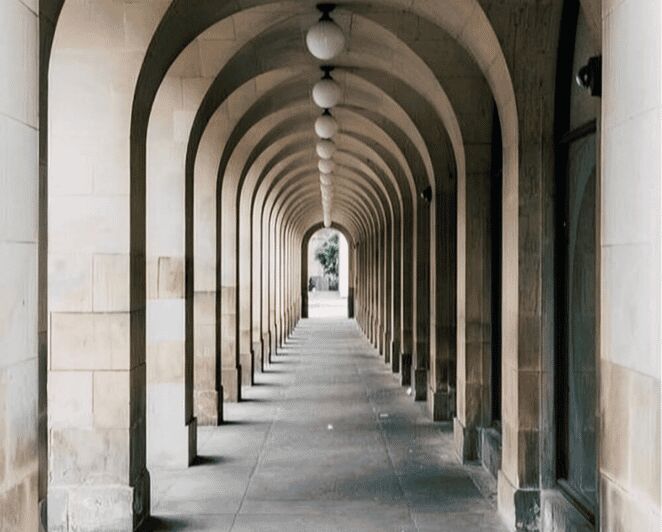
Manchester can feel big and layered. A walking format helps because you see the transitions in real time: older brickwork and grand civic buildings, then modern commercial streets, and then neighborhoods where you can still feel the city’s working identity.
The private setup matters. When the guide can adapt, the tour becomes less about collecting landmarks and more about understanding how Manchester’s different eras talk to each other. And because it’s a short, three-hour window, it’s a strong first or mid-trip activity—good for orientation, but also useful when you only have a small pocket of time.
You can also read our reviews of more walking tours in Manchester


Value at $82 for 3 hours: what you’re paying for

At about $82 per person for a three-hour private tour, you’re paying for time with a local guide plus logistics that make it smoother—like pickup when you’re staying in Manchester and help booking tickets if you want to add on something ticketed.
Here’s the value equation to keep in mind:
- You’re not paying for museum entry inside the price. Entry and attractions tickets are not included.
- You are paying for guided interpretation at major photo stops and guided visits, plus walking support and public-transport use if needed between areas.
- The tour includes customization, which can make the price feel more worthwhile if your interests are specific.
If you want a checklist tour with included entrances, this probably won’t match your expectations. If you want a local-led sense of Manchester’s “why,” it’s priced in a sensible way for a private experience.
Pickup, pace, and how the route keeps moving

The tour starts with pickup in Manchester. If your hotel is in the city, the guide meets you there; if you’re outside Manchester, you’ll get a convenient city-center meeting point arranged.
The pacing is built around repeated 30-minute blocks at each highlight. Expect photo opportunities, short guided visits, and a continued walk. That structure keeps you from lingering too long in one place, but it can also mean you’ll have limited time if you spot something you really want to linger over.
Because it’s primarily a walking tour, you’ll want decent shoes. You won’t be relying on a car for local transport, and the itinerary expects you to cover multiple areas by foot, with public transport used as part of the plan when it makes sense.
Town Hall: the civic heartbeat of central Manchester
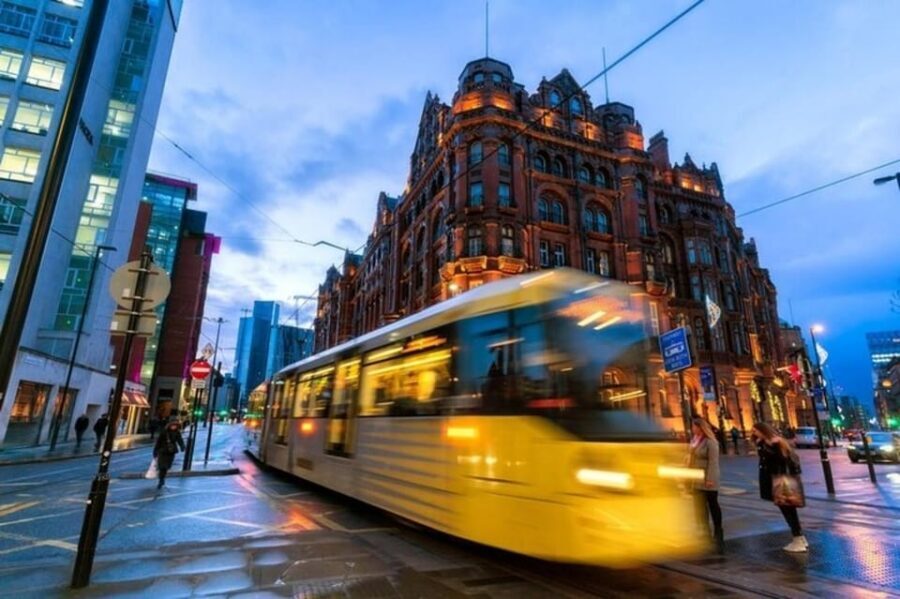
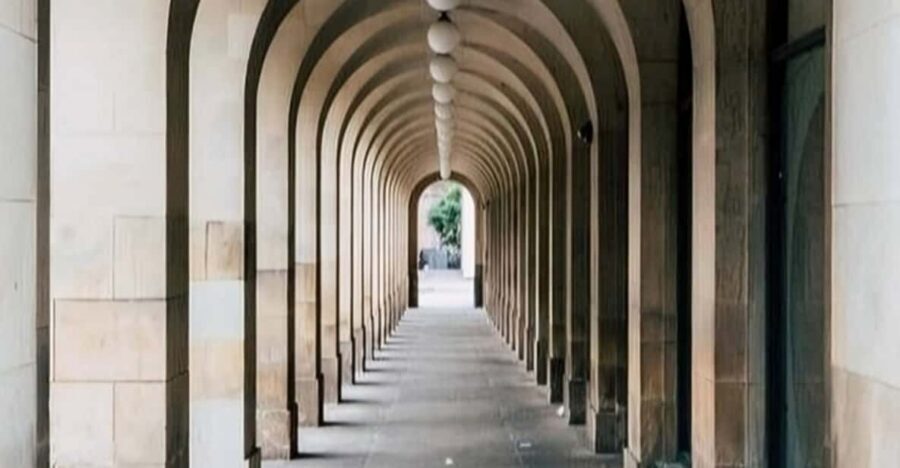
Town Hall is a good first stop because it frames Manchester as a city that builds with intention. You’ll get a photo stop and a guided look, and it’s the kind of place that helps you understand why the city’s architecture feels proud and formal.
I like this start for two reasons. First, it sets context fast—this is the civic center energy, not the trendy-by-default shopping streets. Second, it’s visually strong even if you’re not an architecture fan; the building style reads clearly at street level.
Practical consideration: if you’re sensitive to stairs, crowded sidewalks, or short waits for photos, keep that in mind. This is a photo-and-visit style stop rather than a slow “sit and absorb” experience.
John Rylands Library: architecture with a learned, public feel
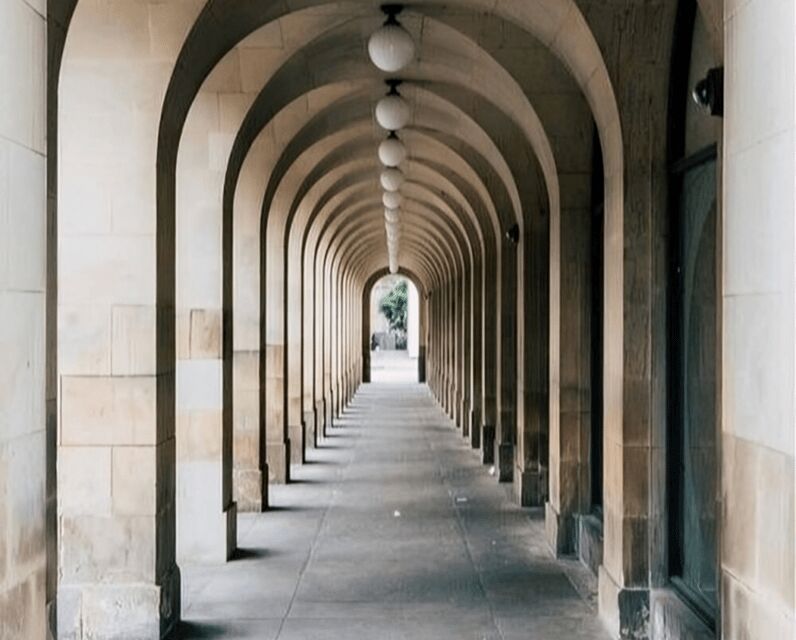
Next up is John Rylands Library, another stop that works as a story anchor. Gothic details and a library’s public role often come together in ways that feel more meaningful than the building alone.
This stop is also a reminder that Manchester’s identity isn’t just industry and warehouses. The city invested in culture and learning, and the library is a tangible example. You’ll get another photo moment plus a guided visit, then continue walking.
One thing to consider: entry to museums and monuments isn’t included in the tour price. That doesn’t mean you’ll miss out on what you need—the guided stop is designed to show you key elements—but if you plan to go inside, you may need tickets and extra time beyond the walk blocks.
You can also read our reviews of more guided tours in Manchester





The Royal Exchange: commerce meets heritage
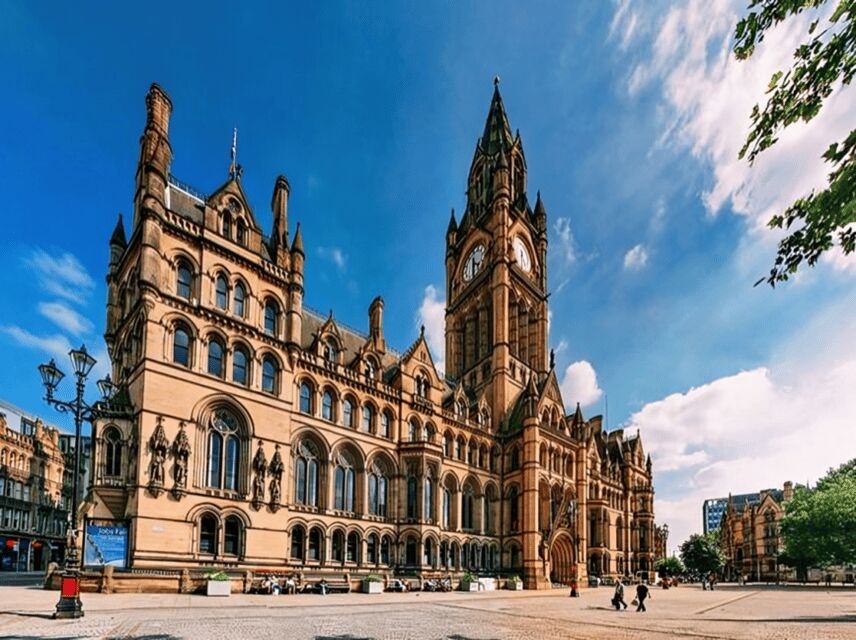
The Royal Exchange Manchester is a classic Manchester layer: where business history shows up in stone and street presence. This stop is useful because it helps connect the city’s industrial wealth to its later commercial identity.
You’ll have a photo stop and guided tour elements here too. It’s not just a pretty facade moment; it’s a chance to understand how Manchester’s economic story shaped the way the center of town developed.
If you love history but hate feeling stuck in long explanations, this stop is a solid middle ground. The guide’s job is to keep it moving while still giving you the “what does this mean?” piece.
The Northern Quarter: where today’s culture shows on the streets
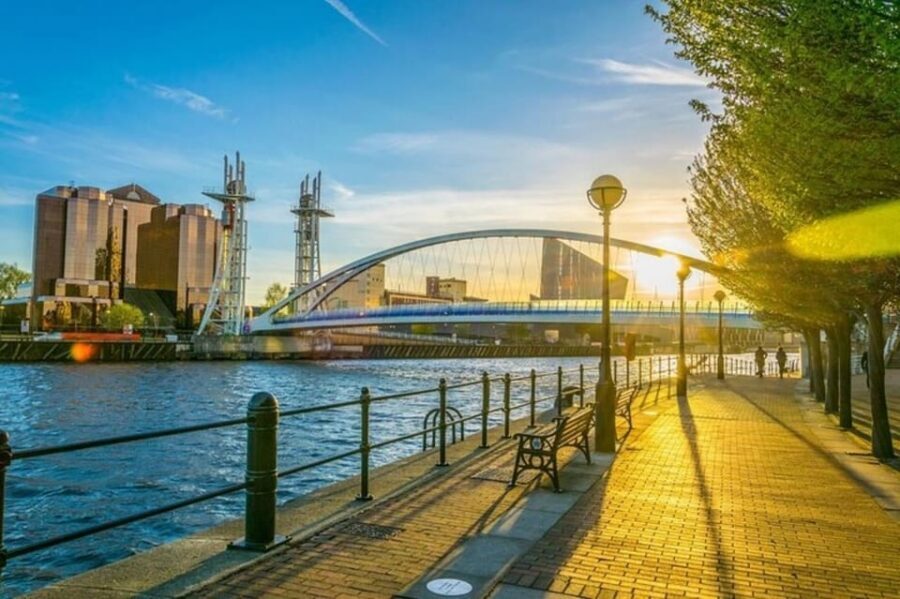
Then you hit the Northern Quarter, and the tour shifts tone. Instead of civic grandeur, this area leans into the city’s modern creative personality—street-level vibe, neighborhood texture, and cultural momentum you can actually feel while walking.
I like this switch because it prevents the tour from becoming one-note. Manchester is famous for its revolutionary spirit, and that shows up in how old industrial power fed new ideas, new art, and new social spaces.
Practical note: the Northern Quarter can be lively, and that’s part of the point. For a smoother experience, keep your phone handy for quick photo references, and be ready for sidewalks that feel more crowded than the civic center blocks.
Science and Industry Museum: the city’s working past made visible
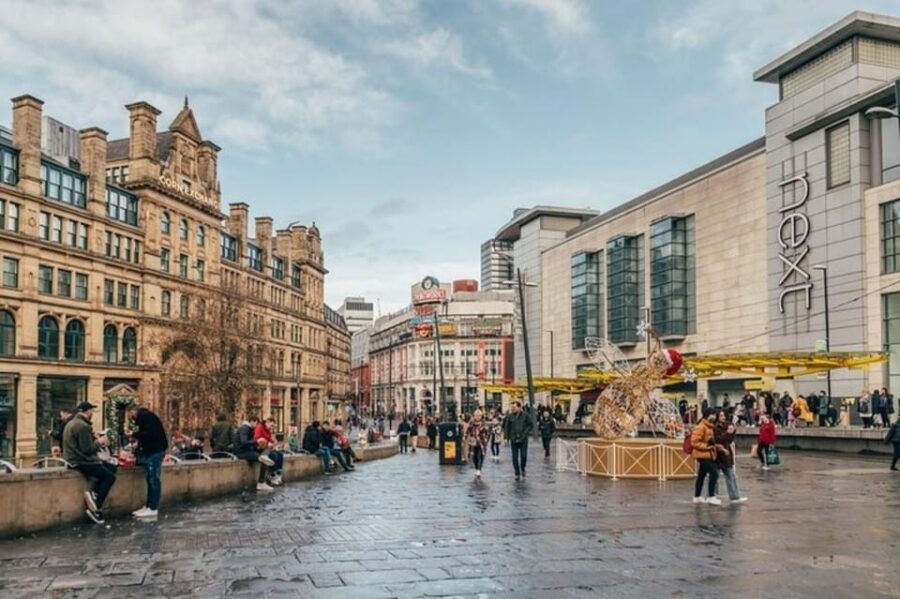
The Science and Industry Museum stop is where Manchester’s industrial identity becomes more literal. Even if you don’t go inside, the museum setting helps you anchor the tour’s theme: innovation wasn’t abstract here—it was part of the city’s daily machinery and future-building.
This is another photo stop plus guided context and then you’re moving again. Since museum entry isn’t included, the guide can help you decide what would be worth your time if you want to come back later under your own schedule.
If you’re traveling with kids or you like hands-on learning, this is the area where you might want to plan an extra visit. The walking tour gives you the direction; it doesn’t replace a museum day.
Manchester Cathedral: history you can feel in the bones of the city
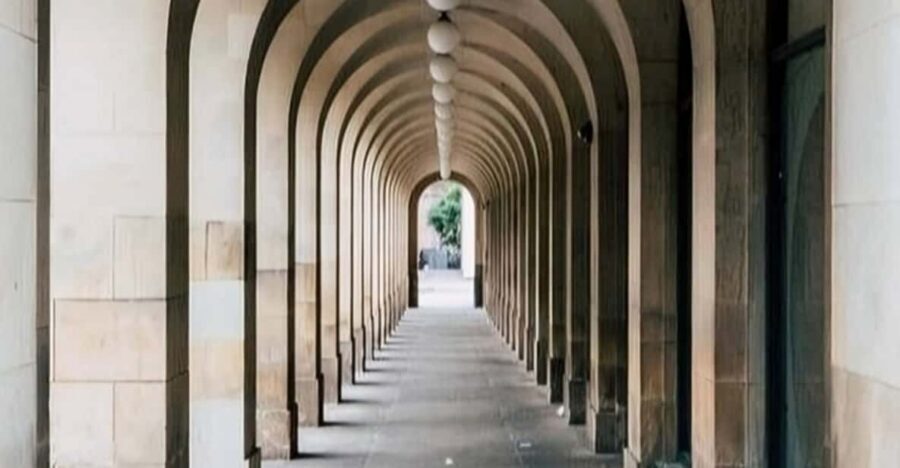
The final major stop is Manchester Cathedral. This is a strong closing choice because cathedral architecture tends to calm the pace in a good way. It also ties the city’s long timeline together—religious, civic, and cultural strands all in one place.
You’ll get another photo stop and guided visit element, plus time to walk afterward. It’s a good capstone for the tour’s story arc: Manchester’s evolution isn’t only industrial growth; it’s also the way communities organized, worshipped, and built over centuries.
Practical consideration: plan for weather. Cathedrals and city centers often mean open spaces, and even short waiting moments can feel colder or wetter than you expect in Greater Manchester.
What your guide should be doing (and how to get the most out of it)
A walking tour lives or dies by the guide’s ability to explain the “why” without burying you in facts. The strongest feedback for this experience points to guides who are friendly and helpful, with stories and anecdotes that keep the tour lively.
There’s also at least one complaint about guide competence and experience, so here’s my practical advice: before the tour starts, tell your guide what you want most. If your priorities are architecture, industrial history, or modern neighborhoods, say so early. For a customizable tour, clarity up front gives you a better chance of getting a smooth match.
If you’re bilingual, note the tour guide is available in English and Spanish. That matters when you want explanations that feel natural rather than translated at high speed.
How to plan your day around this tour
This tour is three hours, private, and designed for city-center sightseeing. That makes it an excellent lead-in to your other Manchester plans.
Here’s a simple way to use it:
- Book it early in your stay for orientation and story context.
- Or book it mid-trip when you want the “connect-the-dots” effect—industrial past to present-day neighborhoods.
- Use your guide’s dining and follow-up recommendations immediately after the tour, while the route is still fresh in your mind.
Also, because entry to museums and monuments isn’t included, you’ll want a flexible mindset. Treat the tour as your guided map, then choose ticketed stops later based on what you found most interesting.
Who this tour suits best
This experience is a great match if you:
- want a private walk with a guide rather than a group shuffle
- like learning through street-level context
- have limited time and want coverage across central Manchester
- prefer a plan you can tweak to your interests
It’s less ideal if you:
- expect all major attractions to be entered with included tickets
- want a slow, sit-down museum day built into the schedule
- hate walking for short blocks between stops
Should you book this Manchester private walking tour?
I’d book it if you want a guided, story-led way to understand how Manchester went from industrial power to modern identity. The route hits key anchors—Town Hall, John Rylands Library, the Royal Exchange, the Northern Quarter, the Science and Industry Museum area, and Manchester Cathedral—so you’ll leave with a mental map, not just photos.
I’d be cautious if your dream day is mostly indoor attractions with guaranteed entry. Since entry fees and tickets aren’t included, you may end up paying extra for the places you most want to see inside. Also, because guide experience can vary, set expectations early and ask for the angle you care about.
If you’re okay treating this as your guided foundation and then customizing what you add later, this is a smart, efficient use of time in Manchester.
FAQ
How long is the Manchester sightseeing walking tour?
It lasts 3 hours.
Is this tour private?
Yes. It’s a private tour, and there won’t be anyone else in your group.
Where does the tour start?
The pickup is in Manchester, and you’ll be met at your hotel if it’s located in the city. If your hotel is outside Manchester, a meeting point in the city center is arranged.
What languages are the guides available in?
The live guide is available in English and Spanish.
Is the tour wheelchair accessible?
Yes, it is wheelchair accessible.
Does the price include museum or monument entry fees?
No. Entry to monuments and museums is not included.
Are food and drinks included?
No. Drink or food is not included.
Does the tour include walking and public transport?
Yes, walking is part of the tour, and public transport is included as well, except if you select an option that changes that.
Can the tour help with tickets?
Yes. The team can help you book tickets for the visits you want, but tickets and entries are still not included in the base price.