REVIEW · MANCHESTER
Manchester City Highlights Walking Tour
Book on GetYourGuide →Operated by Walking Tours In · Bookable on GetYourGuide
Manchester grabs you fast. This 90-minute highlights walk strings together Vikings, Romans, suffragettes, and today’s music and LGBTQ+ scenes.
What I like most is the local, story-led guiding and the fact that you hit major landmarks plus side streets without it feeling like a checklist. Names like Gordon, Sam, David Hey, and Rebecca show up in the guide line-up, and the common thread is a friendly, chatty approach that makes questions feel normal.
One thing to plan for: it runs rain or shine, so you’ll want genuinely comfortable shoes and weather-ready layers.
In This Review
- Key things that make this Manchester walk work
- A fast way to get your bearings in Manchester
- $18 value check: what you get for the money
- The tour’s big theme: time travel without the museum lines
- Manchester Central Library: civic pride and a starting-point mindset
- St Peter’s Square: where the story turns into street-level reality
- Sackville Gardens and the Gay Village: culture you can track on foot
- The Mediaeval Quarter: older streets, smarter pacing
- Manchester Printworks: where industry meets what people do now
- Local street art: Manchester’s public voice in a single walk
- Hidden treasures with a local guide: why the “extras” matter
- Rain or shine: timing, pace, and what to wear
- Who should book this Manchester highlights walk?
- Should you book this Manchester highlights walking tour?
- FAQ
- How long is the Manchester City Highlights Walking Tour?
- How much does the tour cost?
- Where does the tour meet?
- Is the tour in English?
- Does the tour run in bad weather?
- What should I bring?
- Is there free cancellation?
- Is it wheelchair accessible and are private groups available?
Key things that make this Manchester walk work
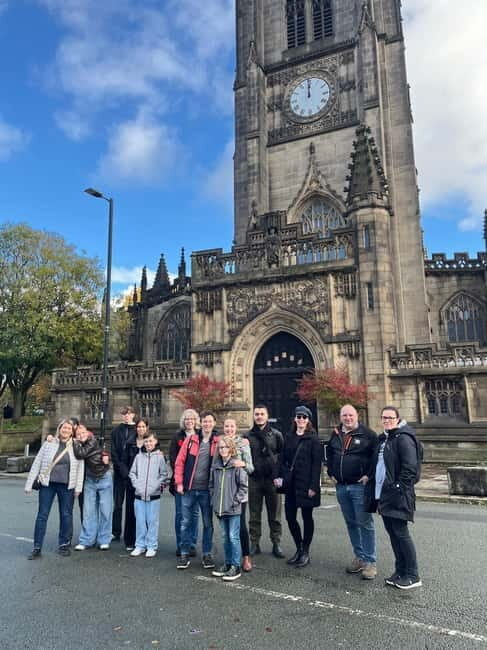
- A tight 90-minute route that still covers big time periods, from Roman roots to modern Manchester
- St Peter’s Square + Manchester Central Library as anchors for the city’s civic story
- Sackville Gardens/Gay Village where LGBTQ+ culture is part of the conversation, not a footnote
- Mediaeval Quarter streets that help you feel how older Manchester survives in the center
- Manchester Printworks + street art connecting industry, music, and protest through what you see
- Guides who keep a steady pace and make time for questions, even on a short tour
A fast way to get your bearings in Manchester
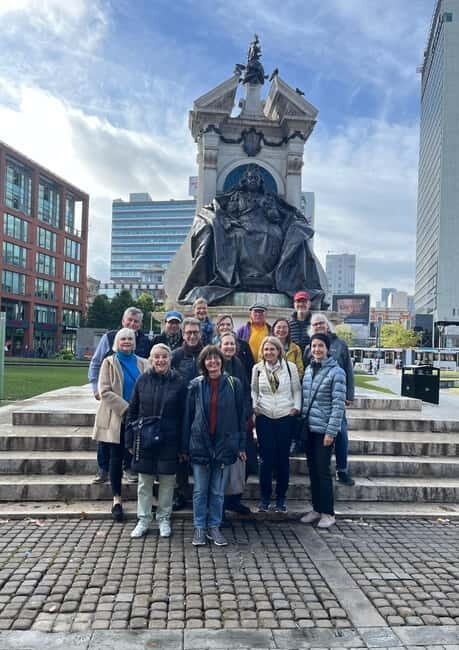
Manchester isn’t laid out like one “main attraction” city. It’s more like layers—Roman-era beginnings, industrial growth, rights movements, and the city’s creative scenes today. This tour helps you stitch those layers into one walking storyline, so you leave with a mental map, not just photos.
You’re getting 90 minutes with a live guide, which is ideal if you want to understand the city before you wander off on your own. I also like that the guide approach comes across as social and conversational, not lecture-mode. That matters because Manchester is best understood while you’re walking and asking quick questions.
The route is built around a mix of well-known sites and streets where the city’s identity shows up in small details—especially through history topics, street culture, and public art. And yes, it all happens at a walking pace you can keep up with without feeling rushed every two minutes.
You can also read our reviews of more walking tours in Manchester


$18 value check: what you get for the money
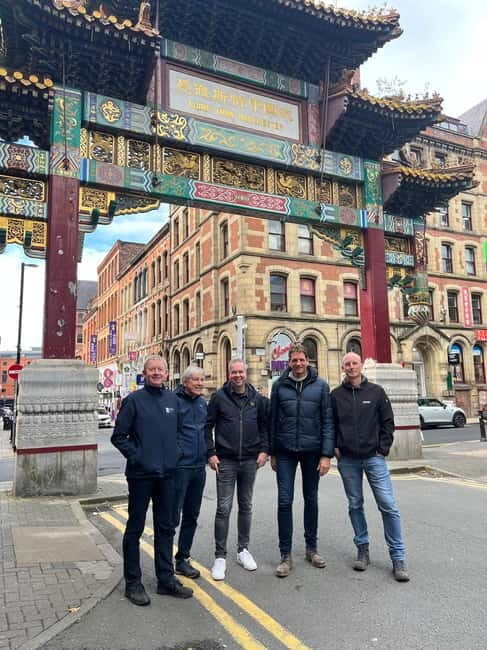
At $18 per person, the value is less about “cheap entertainment” and more about time saved. If you tried to self-guide, you’d likely spend extra time figuring out what connects Roman foundations, suffragettes, and modern creative scenes to the exact places you’re standing in.
Here’s what makes it feel fair for the price:
- A local guide is included, and that’s the real cost driver
- You see key sights (not just one neighborhood) in a short, focused session
- The walk includes hidden treasures, meaning the guide points out what you might otherwise miss
- It’s live and in English, so you’re not piecing things together from plaques alone
Also, multiple guides highlighted through the experience are described as fun, relaxed, and quick to answer questions. That kind of guiding turns a short walk into something that feels worth repeating later—when you notice the same themes around the city on your own.
The tour’s big theme: time travel without the museum lines
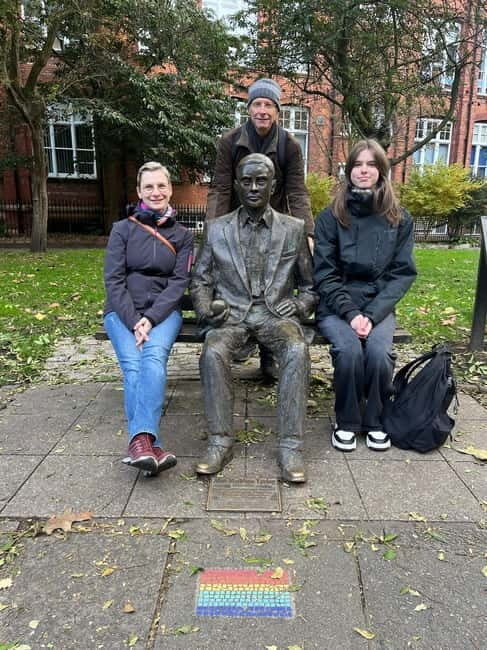
This isn’t a single-subject walk. It’s a Manchester timeline you can walk through.
You start with the idea of Manchester’s older roots—walking in the footsteps of Vikings and Romans—then the guide moves toward later identity shifts: the industrial boom, major social change such as the fight for women’s rights, and the city’s ongoing cultural energy. By the end, you’re also looking at the music and LGBTQ+ scenes as part of Manchester’s modern self-image.
What I like about this structure is that it gives you context while you’re still close to the sights. Instead of saving the “why it matters” for later research, the guide builds it right into your route. And because the tour is only 90 minutes, it stays energetic rather than getting heavy.
Manchester Central Library: civic pride and a starting-point mindset
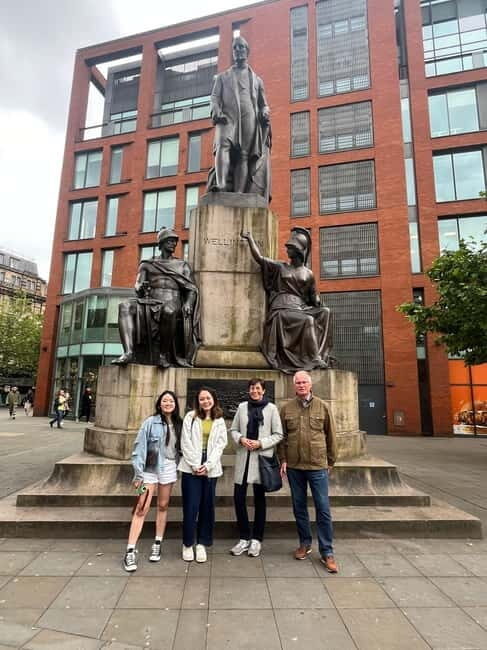
One of the best tricks on a highlights tour is starting with a strong “anchor.” Manchester Central Library does that job well. It’s the kind of place that signals civic identity—how Manchester likes to frame itself as a city of ideas, learning, and public life.
From there, the guide typically helps you connect what you’re seeing with how Manchester changed over time. Even if you’re not a history fanatic, this stop works because it sets expectations: the tour isn’t just about famous streets, it’s about why those streets mattered.
Practical tip: libraries and big public buildings are also good for brief orientation. You’ll often get a clearer sense of the route direction right away, which helps you enjoy the rest of the walk instead of constantly re-checking where you are.
St Peter’s Square: where the story turns into street-level reality
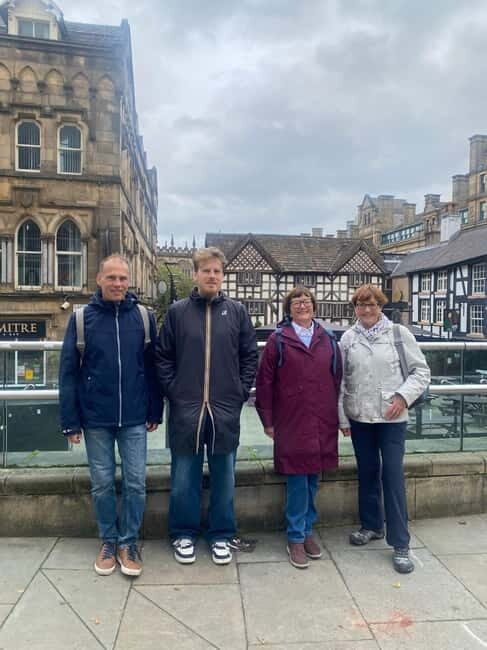
St Peter’s Square is central, easy to recognize, and naturally becomes a hub in any walking plan. What makes it useful on this tour is how it supports the guide’s transitions between eras and themes. Squares like this help you absorb the city’s scale while still feeling “in the center of things.”
This is also a good moment to slow down mentally. As you stand in a civic space, the guide can frame what came before the modern look you see around you. You’ll likely hear about commerce, social change, and the kind of civic energy that helped Manchester grow into the identity people associate with it today.
If you like tours where you can ask questions without feeling awkward, this is usually the part where that conversation starts flowing. It’s open enough to keep moving, but structured enough that you’re not being blindsided by a sudden sprint to the next stop.
You can also read our reviews of more city tours in Manchester



Sackville Gardens and the Gay Village: culture you can track on foot
When a tour includes Sackville Gardens / Gay Village, it’s doing more than covering a landmark name. It signals that modern Manchester’s social story matters—especially the LGBTQ+ community and the city’s attitude toward creative expression.
What I like here is that it’s framed as culture you can see in real time, not just culture you read about. The guide helps you connect what you’re seeing now to the broader theme of Manchester’s rights and identity shifts over the years.
Practical note: this is still a walking tour, so you’ll want to be ready for street-level navigation—crowds, side streets, and changing sidewalks. Comfort shoes win again. If you’re taking photos, plan on keeping your camera ready but also take a few seconds to look up as you walk. A lot of the meaning here is in the street feel, not only the signs.
The Mediaeval Quarter: older streets, smarter pacing
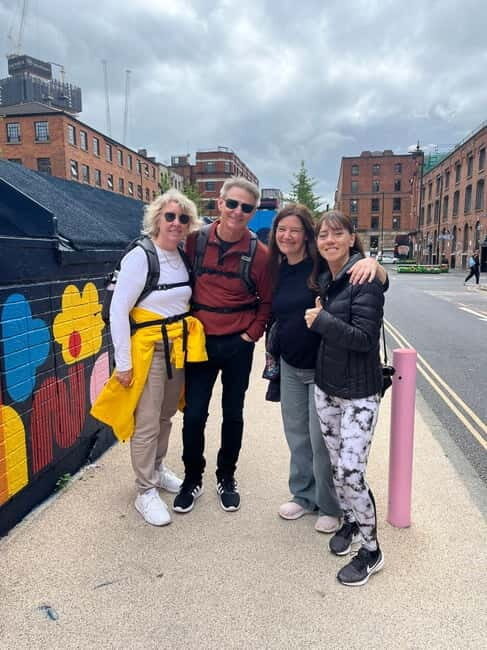
The Mediaeval Quarter section adds texture. Instead of only standing at big, famous points, you get older-feeling streets that help you understand how Manchester layering works at street level.
This stop is ideal if you enjoy the “how did the city stay itself?” question. The guide uses the change in street character to make the historical thread feel real. It’s the kind of segment that can make you slow down naturally—less because you’re forced to, more because the environment invites it.
One drawback to keep in mind: older sections of city centers can mean uneven pavement or tighter walking spaces. It’s not a problem if you’re wearing comfortable shoes, but it’s worth taking seriously if your feet get cranky easily.
Manchester Printworks: where industry meets what people do now
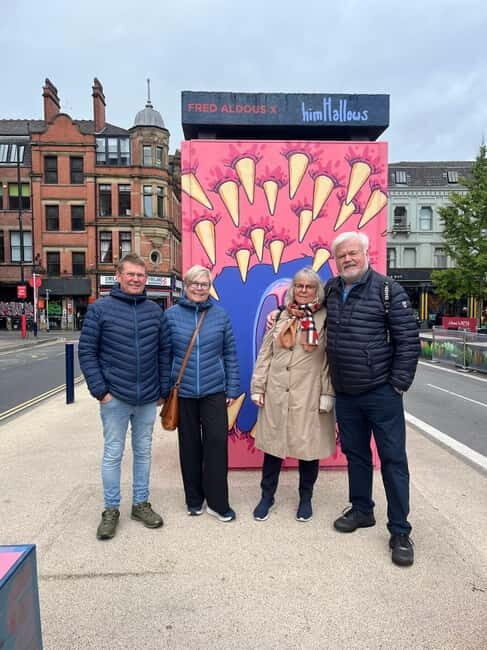
Manchester Printworks brings the tour back toward the industrial-to-modern arc. The name alone hints at how older industry and newer uses can share the same space or story thread. In this section, the guide typically ties the city’s growth and work culture to what Manchester looks like today.
I like this stop because it gives you a “bridge” moment. You’re not bouncing straight from ancient roots to modern nightlife; you’re seeing how work, commerce, and the city’s creative life have always been entangled here.
If you enjoy cities where entertainment has roots in real industry, this part lands. And if you don’t care about factories or printing specifically, you’ll still get the bigger point: Manchester’s identity didn’t appear out of nowhere—it grew through labor, trade, and constant change.
Local street art: Manchester’s public voice in a single walk
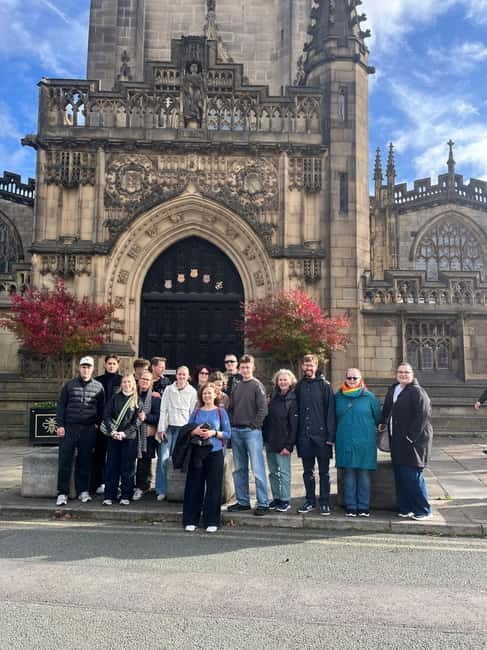
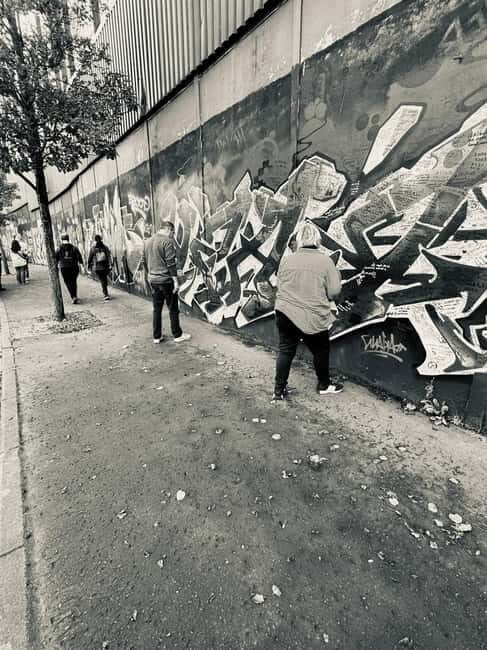
Street art is one of the fastest ways to understand a city’s mood. This tour includes local street art, and it’s not just there for aesthetics. It ties directly into Manchester’s reputation for creativity, music, and public expression—including the kind of messages people put on walls when they want to be seen.
The guide’s job here is to make the street art feel connected to the rest of the story you’ve been learning: social change, modern identity, and the city’s creative community. You’ll also likely hear about legendary street artists, which helps you place what you’re seeing in a broader cultural context.
Two practical tips:
- Give yourself permission to look up. A lot of the message is vertical, and it’s easy to miss while focusing on foot placement.
- If your group is lively, keep moving—but pause for 20 to 30 seconds at each main piece so you actually read the scene.
Hidden treasures with a local guide: why the “extras” matter
The tour explicitly includes hidden treasures, and that’s where the local guide earns their fee. Big landmarks are easy. The value is in what you don’t know to look for: small streets, details on facades, and connections the guide brings up that you wouldn’t find from a map.
This is also where the guide’s personality shows. Some guides named in the experience are described as funny, warm, and willing to talk off-script, which makes these extra stops feel like conversation rather than “and now we’re done.”
If you want to get the most out of these extras, come prepared with one or two questions. For example:
- What part of Manchester history do you think visitors usually miss?
- Where do locals go for a proper pint after a day out?
Even on a short walk, good guides tend to answer in a way that gives you next steps for your independent time.
Rain or shine: timing, pace, and what to wear
This tour happens rain or shine, so your clothing choice is part of the experience. I’d rather see you dressed for real walking weather than “tour photos.” Bring a layer you can shed, and choose shoes that won’t punish you after an hour.
The pace is designed for a 90-minute highlights loop, which means it should stay active but not chaotic. Several guides mentioned are praised for not rattling off facts too fast, and for keeping the right amount of information so the city stays enjoyable rather than overwhelming.
Language is English, and clarity matters—especially if you’re traveling from outside the UK. The guides highlighted in the experience are noted for being easy to understand, which keeps you focused on the story instead of fighting the accent.
Who should book this Manchester highlights walk?
This tour is a great match if you want:
- A first-time Manchester overview that doesn’t skip modern culture
- A mix of history themes and street-level sights
- Time for questions and a guide who keeps things friendly
- A short plan that helps you decide where to go next
It may not be the best fit if you want only one subject, like deep museum archaeology or a full-on football deep dive. At 90 minutes, you’ll get meaning and context, but you won’t get hours and hours of detail.
Also, it’s listed as wheelchair accessible, and private group options are available if you want a more controlled pacing. That flexibility is a plus for families or groups traveling with specific needs.
Should you book this Manchester highlights walking tour?
If you’re heading to Manchester with limited time, I think this is an easy yes. For $18, you get a live local guide, multiple central stops, and a storyline that covers the big themes people come to Manchester for—Roman-era roots, social change, creative energy, and the city’s modern scenes.
Book it if you like walking tours that give you context, not just directions. And if you tend to enjoy guides who chat, crack a few jokes, and answer questions, this tour format fits that style really well.
One last reason I’d lean toward booking: the tour is structured so you can leave and explore with confidence. You’ll know where you are, what you’re looking at, and why it matters—before your day turns into random wandering.
FAQ
How long is the Manchester City Highlights Walking Tour?
The tour lasts 90 minutes.
How much does the tour cost?
The price is listed as $18 per person.
Where does the tour meet?
The meeting point may vary depending on the option booked.
Is the tour in English?
Yes, the live tour guide speaks English.
Does the tour run in bad weather?
Yes, it runs rain or shine.
What should I bring?
Bring comfortable shoes and weather-appropriate clothing.
Is there free cancellation?
Yes. You can cancel up to 24 hours in advance for a full refund.
Is it wheelchair accessible and are private groups available?
It is wheelchair accessible, and private group options are available.