REVIEW · LONDON
London: Medieval Tales and Martyrs Walking Tour
Book on GetYourGuide →Operated by Hidden Catholic LTD · Bookable on GetYourGuide
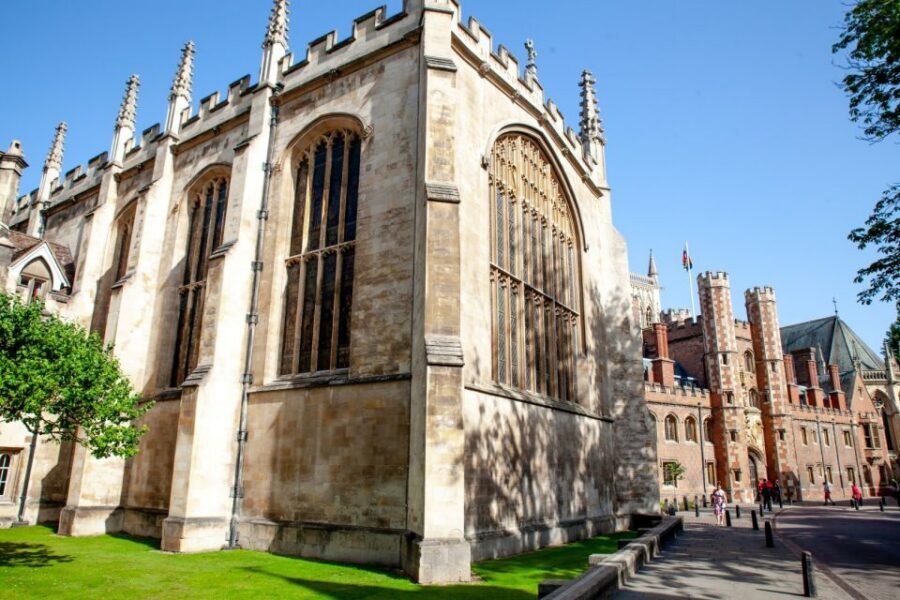
Medieval London feels close-up on this walk. You’ll trade big-bus sightseeing for saints, martyrs, and faith under pressure, told through streets and churches that are still here. It’s a 2.5-hour route that focuses on meaning, not speed, with a local guide setting the stories in real places you can see.
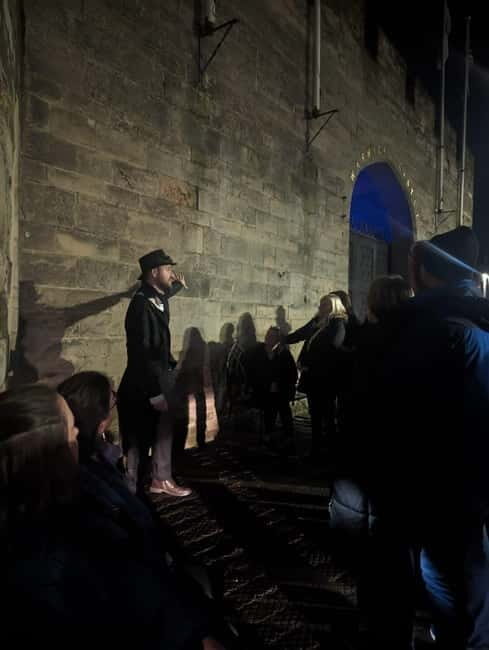
I really like the way this tour gives you time in two of London’s oldest churches, so the buildings aren’t just backdrops—they’re part of the story. I also love the small-group feel, which makes it easier to ask questions and keep the focus on what you’re standing in front of, not what you’re trying to photograph.
One consideration: you’re on your feet for about 2.5 hours and it’s not suitable for wheelchair users, so comfortable shoes and a steady pace matter.
In This Review
- Key highlights I’d prioritize
- Medieval tales on London sidewalks
- Where you start matters: Charterhouse Square and the Hidden Catholic sign
- Charterhouse: the stop that sets the tone
- Smithfield Market: a quick glance with bigger context
- St. Bartholomew the Great: an ancient church you can actually sit with
- St. Etheldreda’s Church: faith stories in a quieter setting
- Old Bailey pass-by: keeping the persecution theme in view
- Finishing at St. Paul’s Churchyard: decide what you want to do next
- Price and value: $24 for guided storytelling and church time
- Pace, comfort, and weather reality checks
- Who this tour suits best (and who should pick something else)
- Should you book Hidden Catholic’s Medieval Tales and Martyrs tour?
- FAQ
- How long is the London Medieval Tales and Martyrs walking tour?
- How much does it cost?
- Where does the tour start and where does it end?
- Which sites are included on the walk?
- Is entry to St. Paul’s Cathedral included?
- What should I bring?
- Is the tour available every day?
- Is the tour wheelchair accessible?
- Can I get a refund if I need to cancel?
Key highlights I’d prioritize
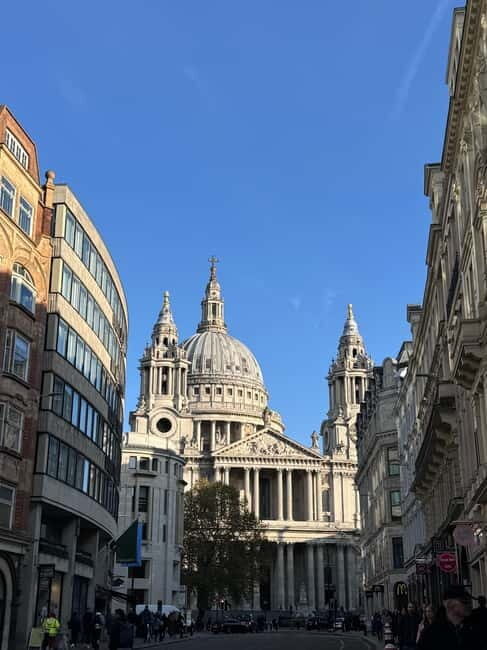
- Charterhouse Square to St. Paul’s Churchyard: a historic walk that ends in a place most people only use as a quick stop
- Two of London’s oldest churches: you get more than a glance—your guide gives you context for what you’re looking at
- Martyrs and faith during persecution: the theme ties together multiple stops so it feels like a single story
- Smithfield Market and the Old Bailey area: you see lesser-noticed parts of central London while staying on-theme
- Small group storytelling: the tour works best when you’re curious and want to ask questions
- English-language live guide: practical, spoken explanations instead of audio-only history
Medieval tales on London sidewalks
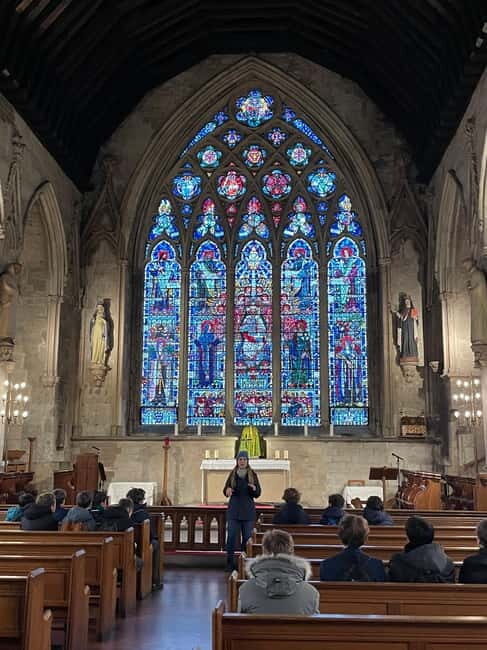
This tour is for people who enjoy when history has teeth. Instead of treating medieval London like a museum display, you follow a theme: courage and faith during times of persecution, plus the quieter side—ordinary people, not only famous names.
You’ll also appreciate how the tour’s Catholic angle shapes what you notice. Even if you’re not traveling with a religious background, the human part lands: why people held on to beliefs, what it cost, and how London absorbed those tensions over time. It’s the kind of walk where the city feels layered, not just old.
The best part is that you’re not rushing through landmarks to check boxes. You’re visiting churches and historic corners where the guide can point out details and connect them to the stories you came for.
You can also read our reviews of more walking tours in London



Where you start matters: Charterhouse Square and the Hidden Catholic sign
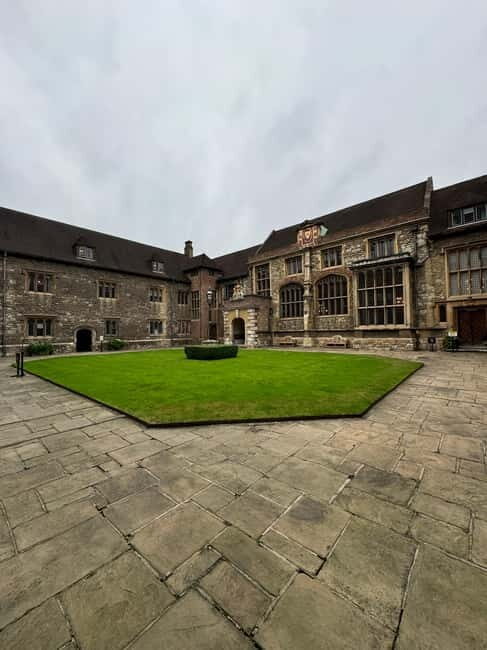
You meet in the middle of Charterhouse Square, outside the main entrance, and your guide is holding a sign that says Hidden Catholic. That’s helpful because this is one of those London squares where you can easily end up a few steps off from where the group is gathering.
Plan to arrive a few minutes early so you can get your bearings fast and not feel flustered before you start walking. The tour runs in English and is designed as a live, guided experience, so it helps to be present from the first story.
From the start, the route is geared toward walking in a logical arc. You’re not just moving from one photo spot to another—you’re traveling through a sequence that keeps the theme consistent until the finish.
Charterhouse: the stop that sets the tone
Charterhouse is one of the bigger blocks of time on the walk—about 30 minutes, and it’s a standout for a reason. You’re in an area tied to London’s longer timeline, and the guide uses that setting to launch the medieval-and-martyrs theme in a way that sticks.
This is also where you get the feel of the tour’s style. You’ll likely notice the guide isn’t only listing dates. The best moments tend to be the ones where a place becomes a clue: what happened there, who would have been around, and why that matters for understanding faith and persecution in the city.
If you’re the type who likes learning from a slow, spoken walkthrough—especially early in the tour—start strong. Your first half hour helps you read the rest of the route with more clarity.
Practical note: this is a walking tour, so wear shoes you can keep comfortable for several hours. You’ll do better if you’re not thinking about blisters.
Smithfield Market: a quick glance with bigger context
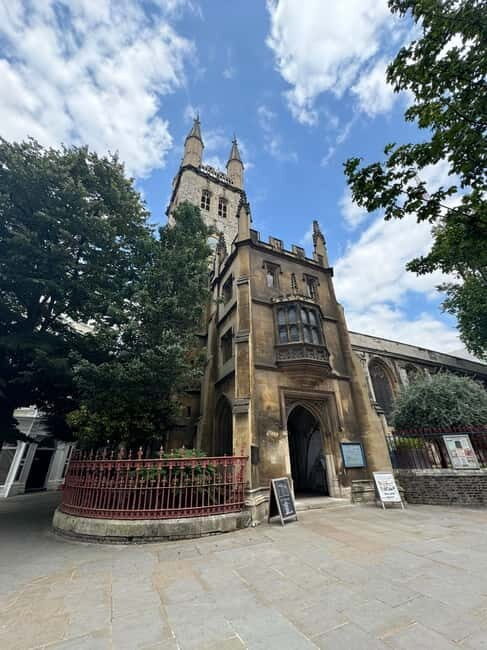
After Charterhouse, you head toward Smithfield Market. The stop here is short—around 5 minutes, more “see and understand” than “sit and tour.”
Smithfield works well in the overall story because it places you in a part of London that people remember for daily life as much as for famous events. Even in a brief moment, your guide can connect the market-area setting to the broader theme of people living their lives while larger religious tensions played out around them.
Don’t expect a long, deep church-style explanation here. Treat Smithfield as a pace-reset and a context marker—then you move on to the deeper stops.
St. Bartholomew the Great: an ancient church you can actually sit with
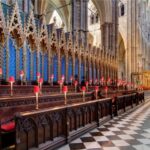
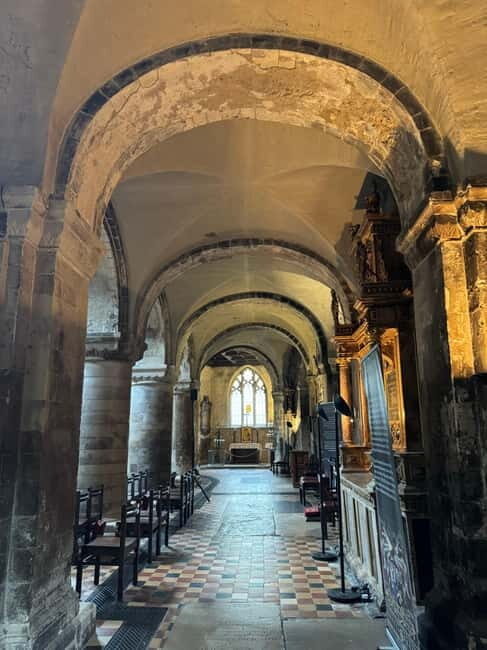
One of the most important visits is St. Bartholomew the Great, where you’ll spend about 20 minutes. This is one of the tour’s major “oldest church” moments, and it’s worth taking your time.
Why this matters: churches like this aren’t just pretty stones. They’re anchors. When you know the theme the guide is following—faith, persecution, survival—your attention shifts from surface details to meaning. You start to notice how a place can serve as both a spiritual site and a public statement.
In a good guided format, you don’t leave with a single fact—you leave with a better way to look at what’s in front of you. St. Bartholomew the Great is set up to do exactly that: you get a human-scale visit that stays focused.
Tip: if you want photos, pick moments when the guide is speaking less. Otherwise, listen first and shoot second.




St. Etheldreda’s Church: faith stories in a quieter setting
Next is St. Etheldreda’s Church, also about 20 minutes. This stop feels intentionally different from the bigger, louder sites people rush through on typical London days.
You’re there long enough to absorb the guide’s framing and notice how religious identity shows up in the physical space. Even if the building’s details are smaller or less famous to you at first, the stories connected to it make the experience feel personal rather than academic.
This is also where the tour’s tone can become especially moving. The theme is persecution and courage, and a place like this gives those themes a quiet, grounded stage.
If you like tours where the “story stops” are real places—not just streets with plaques—this is the part that usually feels most satisfying.
Old Bailey pass-by: keeping the persecution theme in view
You’ll pass by Old Bailey for a short moment. The time is brief—about 5 minutes—but it fits the overall narrative. It’s one of those London landmarks that adds weight to the theme because you’re staying connected to the ideas of consequence and conflict tied to faith.
Don’t expect a full stop-and-explain session here. Think of it as a moving “bridge” in the story: you see the area, the guide connects it to the bigger message, and you keep moving.
That works surprisingly well in a 2.5-hour tour. You avoid turning it into a sprint, but you still pick up the context that ties everything together.
Finishing at St. Paul’s Churchyard: decide what you want to do next
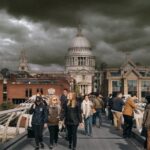
The walk ends at St. Paul’s Churchyard. The tour does not include entry to St. Paul’s Cathedral, so you’ll finish with the cathedral area in view rather than inside it.
This is a smart way to manage time. You get a dramatic finish zone without forcing you to spend extra money or time on an entrance you might not care about. If you do want the interior, you can decide on the spot based on your energy and what you’ve already done that day.
St. Paul’s Churchyard is also a good “release valve.” After 2.5 hours of stories, you can stand, regroup, and let the city’s scale do its thing. If you’re traveling with someone who loves photos, it’s also an easy place to pause.
Price and value: $24 for guided storytelling and church time
At $24 per person for 2.5 hours, this is good value if you want a guided route that uses multiple important sites without forcing you into extra admissions.
Here’s why the value holds up:
- You’re paying for a local guide who explains what you’re seeing, not just for time on a sidewalk.
- Major stops include churches and historic areas where admission fees aren’t required for the visit portions you’re doing.
- You also get a small-group experience, which tends to make the storytelling feel more personal and less generic.
The one “cost consideration” is that St. Paul’s Cathedral entrance isn’t included. If you plan to go inside, budget for that separately. If you’re happy with the exterior and the finish in the churchyard, you’ll likely feel like you got exactly what you paid for.
Pace, comfort, and weather reality checks
This is a walking tour, and the total time is about 2.5 hours. That means your comfort affects how much you enjoy the stories.
Bring:
- Comfortable shoes
- Water
- A raincoat or umbrella if the weather looks questionable
Also note:
- Smoking isn’t allowed during the tour.
- The tour isn’t available on Sundays or Mondays.
- It’s not suitable for wheelchair users.
If you’re doing this on a day with lots of other sightseeing, plan it as one of your main history blocks. The tour is built around context, and you’ll feel the difference if you don’t schedule it back-to-back with heavy museum time.
Who this tour suits best (and who should pick something else)
This tour fits you if you like:
- Medieval and early London themes with real locations
- Religious history told in a human way, not only as dates and labels
- Walking routes that avoid the loudest tourist crowds and focus on places with meaning
- A guide who stays engaged and energetic with the group
It may be less ideal if:
- You need wheelchair accessibility (the tour is not suitable)
- You want nonstop stops to explore major attractions in depth (the route includes a mix of longer church visits and shorter pass-by moments)
- You dislike walking for a sustained stretch, since this is a genuine foot-and-story experience
Should you book Hidden Catholic’s Medieval Tales and Martyrs tour?
If you enjoy London best when it feels lived-in—streets where the past still shows through—this is an easy yes. The value is strong for $24, and the format lets you spend real time in churches rather than just passing by.
The biggest reason I’d recommend booking is the tour’s focus: saints, martyrs, and faith under pressure connected to actual sites. If that theme clicks for you, you’ll likely come away with a London you don’t get from standard sightseeing routes.
One final deciding factor: if you’re excited to walk, listen, and ask questions, you’ll enjoy the small-group feel. If you want a quiet, passive stroll with no story time, this probably won’t match your style.
FAQ
How long is the London Medieval Tales and Martyrs walking tour?
The tour runs for 2.5 hours.
How much does it cost?
It’s $24 per person.
Where does the tour start and where does it end?
It starts at Charterhouse Square (outside the main entrance in the square), and it ends at St. Paul’s Churchyard.
Which sites are included on the walk?
You’ll visit Charterhouse, Smithfield Market, St. Bartholomew the Great, St. Etheldreda’s Church, and you’ll see St. Paul’s Cathedral (entrance not included). You’ll also pass by Old Bailey and another stop along the route.
Is entry to St. Paul’s Cathedral included?
No. St. Paul’s Cathedral entrance is not included.
What should I bring?
Bring comfortable shoes and water. If weather is questionable, bring a raincoat or umbrella.
Is the tour available every day?
No. The tour is not available on Sundays or Mondays.
Is the tour wheelchair accessible?
No. It is not suitable for wheelchair users.
Can I get a refund if I need to cancel?
Yes—free cancellation is available up to 24 hours in advance for a full refund.