REVIEW · LONDON
London: Museum of Brands Skip-the-Line Ticket
Book on GetYourGuide →Operated by Museum of Brands · Bookable on GetYourGuide
Brands have a backstory worth seeing. This skip-the-line ticket takes you through London’s Museum of Brands, where consumer culture becomes a timeline you can walk through. The big draw is the Time Tunnel, a chronological route that links everyday products to major moments like Victorian life, the world wars, and the digital age.
I especially like how the museum connects branding to real changes in daily life, from new transport like railways and cars to entertainment shaped by cinema, radio, and TV. I also love finishing with the award-winning memorial garden, because it turns the visit from frantic looking into a calm break. One thing to consider: if you want only hands-on tech or modern fashion, you may find the focus on packaging, advertising, and historical brands a bit more niche.
In This Review
- Key things to know before you go
- Notting Hill Location: Why Portobello Road Makes This Easy
- Skip-the-Line Ticket and the Time Tunnel Start
- The 200-Year Route: Victorian to Digital Life
- Entertainment, Travel, and Leisure: How Marketing Followed Tech
- Past TV Ads and Themed Temporary Displays
- Award-Winning Memorial Garden Break (Cake and Prosecco Options)
- What You Actually Get for Around $18
- Practical Tips for a Smooth, Enjoyable Visit
- Who This Is Best For (And Who Might Prefer Something Else)
- Should You Book This Museum of Brands Ticket?
- FAQ
- Where is the Museum of Brands located?
- What’s included with the skip-the-line ticket?
- How long is the ticket valid for?
- What’s the main attraction inside the museum?
- Are food and drinks included?
- What are the opening hours?
- Is the museum wheelchair accessible?
- Is free cancellation available?
Key things to know before you go
- Time Tunnel runs on a chronological story of consumer life and tech changes
- You’ll see 12,000+ items, with brands shown in their historical context
- Old TV adverts and themed temporary displays add surprise between eras
- The museum includes time to rest in the award-winning memorial garden
- A short walk puts you near Portobello Road, so you can pair this with nearby wandering
Notting Hill Location: Why Portobello Road Makes This Easy
The Museum of Brands sits in Notting Hill on Lancaster Road, with the kind of location that works well even if your day is already planned. You’re about a five-minute walk from Portobello Road, which means you can turn this into a “museum first, market second” kind of outing.
I like this area because it’s straightforward to navigate on foot. Even if you’re not doing Portobello Road that day, you still get a neighborhood feel before you enter the museum, instead of arriving to something isolated.
If you’re building your own day, I’d treat this museum as a solid anchor and then add nearby sights afterward. That flexibility matters because museum visits can run longer or shorter depending on how closely you look at labels, packaging, and ads.
A few more London tours and experiences worth a look

Skip-the-Line Ticket and the Time Tunnel Start
This is a one-day ticket that’s valid from your first activation, and it’s designed to get you into the museum without the waiting hassle. That doesn’t mean you’ll skip every line forever, but it does help you use your time on the fun parts instead of standing around.
Once inside, the core experience is the Time Tunnel. It’s laid out chronologically, so you’re not bouncing randomly between decades. You follow the story of how society’s habits changed as consumer culture expanded over roughly 200 years.
Think of the entrance as a promise: you’re about to see everyday things—brand names, packaging styles, and marketing—explained in the context of how people actually lived. The museum doesn’t treat branding like trivia. It treats it like a mirror of technology, entertainment, and transport.
The 200-Year Route: Victorian to Digital Life
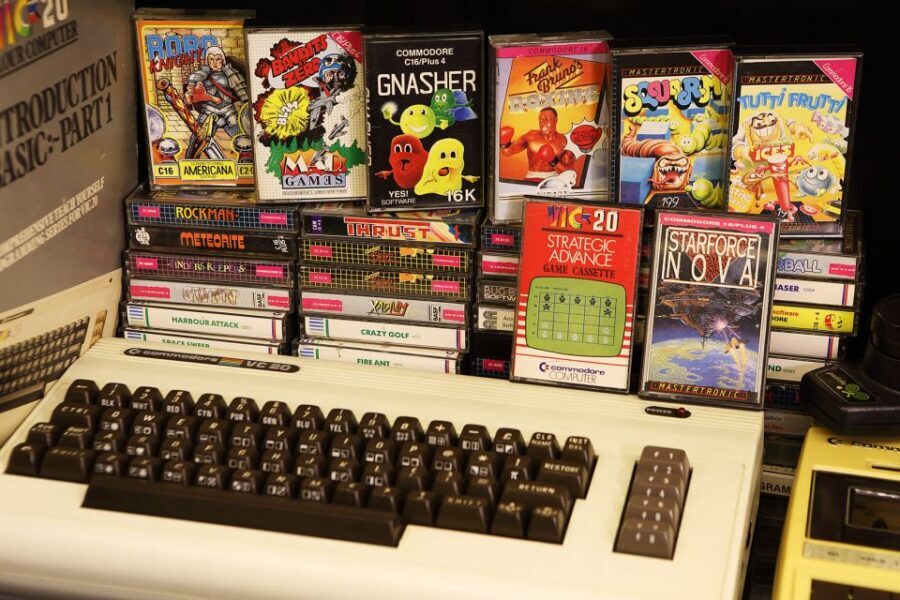
The Time Tunnel is the heart of the visit, and it’s built to make the timeline feel like one continuous story. You start with earlier periods and then move forward through big social changes, with brands shown as part of the era they belonged to.
What I find smart is how the museum ties branding to more than just taste. It connects products to inventions and systems that changed movement and communication—especially the railway, the motor car, and the airplane. That matters because it helps you see why brands and packaged goods spread the way they did.
You also see how major world events shaped the backdrop of consumer life. The museum references royal coronations, two world wars, and the moment man landed on the moon, right alongside evolving brand styles. The result is that advertising feels less like random nostalgia and more like a cultural record.
If you’re the type who likes spotting how design changes over time—fonts, colors, packaging layouts—you’ll likely enjoy the way the museum lets you compare eras back-to-back. It’s the kind of visual storytelling that rewards slow looking.
Entertainment, Travel, and Leisure: How Marketing Followed Tech
A key theme here is that consumer culture didn’t grow in a vacuum. The museum focuses on areas that changed how people spent time—entertainment, travel, and leisure—and then shows how advertising latched onto those changes.
You’ll encounter the shift from earlier forms of entertainment to things like cinema, radio, and television. The museum’s approach helps you understand why certain brands became more visible once mass media did. It also makes you notice how marketing adapted as audiences gained new ways to watch, listen, and consume.
Travel and transport come in again through the timeline. Railways, cars, and airplanes didn’t just move people. They made it easier for products and brand identities to travel with them, building recognition far beyond a single neighborhood.
This is where the museum can feel extra satisfying, even if you aren’t a collector. You start connecting dots: how a new invention changes lifestyle, how lifestyle changes what people buy, and how brands respond with packaging and promotion.
Past TV Ads and Themed Temporary Displays
After the Time Tunnel, you get a chance to watch television adverts from the past. This is a high-value stop because it turns static packaging into something more human. You see how the tone of advertising worked for its time, from what it emphasized to how it tried to persuade.
Then there are temporary displays, which add that nice sense of variation even if you’re visiting as a repeat museum-goer. The museum has, at different times, focused on 1950s toys, the London punk scene, chocolate brands, and biscuit tins.
I like having these rotating angles because they prevent the visit from feeling like one long lecture. The themed displays act like mini chapters—each one helps you focus your attention and compare how different categories of products were marketed.
If you love nostalgia, this part can feel like a walk through memories you didn’t know you had. Even if you’re not from the era being highlighted, the packaging and ad style often bring back a sense of how everyday life used to look and sound.
You can also read our reviews of more museum experiences in London

Award-Winning Memorial Garden Break (Cake and Prosecco Options)
When you’re done with the main displays, don’t rush out. The museum includes time to unwind in its award-winning memorial garden, which is a rare treat in a place built for looking closely at objects.
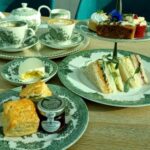
In the garden, you can have cake with coffee, or a refreshing glass of Prosecco, but both are at your own expense. This is a good moment to slow down, reset your brain, and let your eyes rest after hours of reading labels, dates, and brand details.
Even if you’re not ordering anything, the garden helps you finish the visit with a different kind of experience than the museum floors. It turns the day into something lighter than a typical indoor-only attraction.
If you’re planning the timing, I’d aim to leave the garden as your final stop. That way, you get the best contrast: structured timeline inside, calm break outside.
What You Actually Get for Around $18
At about $18 per person, this ticket isn’t just paying for a room full of objects. You’re buying a guided-feeling experience through a structured timeline, plus temporary displays and garden time.
Here’s where the value comes from:
- Skip-the-line access helps you start sooner and keeps the day from slipping.
- 12,000+ items means there’s a lot to spot even if you don’t read every label.
- The museum includes the Time Tunnel as the organizing spine, so your visit doesn’t become random wandering.
- The included garden stop gives you a built-in payoff, not just a last-door exit.
You’ll still want to budget for drinks or snacks because food and drinks aren’t included. But if you plan for a coffee or a small bite, that cost stays predictable.
To get your money’s worth, I’d focus on one or two themes while you walk: transport and travel, entertainment and media, or how packaging changed decade by decade. That keeps you from trying to absorb everything at once, while still making the story feel personal.
Practical Tips for a Smooth, Enjoyable Visit
This experience works best if you treat it like a slow sprint, not a marathon. You can scan quickly to get the arc, then go back for closer looks at the parts that catch your attention.
Because the museum is chronological, I’d recommend staying oriented as you move forward. If you catch yourself drifting, the easiest fix is to pick one “era landmark” and anchor your memory from there.
Also, plan a little breathing space around the temporary displays. They’re designed to feel like detours inside the bigger story, so letting them land naturally makes the visit more fun.
Finally, pair it with Portobello Road if you have the time. It’s only minutes away, and it makes the day feel fuller without requiring extra ticketed attractions.
Who This Is Best For (And Who Might Prefer Something Else)
I think this museum is a great fit if you enjoy design, packaging, advertising, and how everyday life changes with technology. The timeline approach makes it especially rewarding if you like patterns—how promotions evolve, how product categories reflect social change, and how media shaped what people paid attention to.
It’s also a strong pick if you like nostalgia, including toys and food brands from earlier decades. The museum’s temporary themes like 1950s toys and biscuit tins lean into that feeling without depending on any one generation.
If you mostly want modern art, live performances, or interactive science-style exhibits, this may feel more like a themed museum of objects and media history. In that case, you might want to check that you truly enjoy reading about brands and viewing old packaging and adverts.
Should You Book This Museum of Brands Ticket?
Book it if you want a practical, time-efficient visit with a clear story line and plenty of visual material to absorb. The combination of skip-the-line entry, a structured Time Tunnel, rotating themed displays, and an actual place to relax afterward makes it a good value choice for a day in London.
If your ideal museum day is hands-on learning or purely contemporary exhibits, you might skip it or pair it with something different so you don’t feel like you’re forcing the theme. But if brands, packaging, and how advertising reflected real life sound like your kind of curiosity, this is a visit that tends to leave you smiling at how much has changed since the Victorian era.
FAQ
Where is the Museum of Brands located?
The museum is in Notting Hill on Lancaster Road. It’s about five minutes from Portobello Road.
What’s included with the skip-the-line ticket?
Your ticket includes entrance to the museum, temporary displays, and access to the memorial garden.
How long is the ticket valid for?
It’s valid for 1 day from your first activation.
What’s the main attraction inside the museum?
The Time Tunnel is the centerpiece, with a chronological journey showing how consumer culture evolved over time. It also includes a chance to watch TV adverts from the past.
Are food and drinks included?
No. Food and drinks are not included. You can have cake with coffee or Prosecco in the memorial garden at your own expense.
What are the opening hours?
Monday to Saturday: 10:00 AM to 6:00 PM. Sunday and Bank Holidays: 11:00 AM to 5:00 PM.
Is the museum wheelchair accessible?
Yes, the museum is wheelchair accessible.
Is free cancellation available?
Yes. You can cancel up to 24 hours in advance for a full refund.