REVIEW · LONDON
London: Private Underground and Tube Tour
Book on GetYourGuide →Operated by Brit Icon Tours · Bookable on GetYourGuide
Tube stations have stories, and this tour proves it. I like how the route starts at Paddington Station and pairs real rides with the kind of details you normally miss, especially the lesson about the Circle line direction and what that meant before everything became simplified. I also love the ghost-station angle and the way the guide helps you spot quirks in plain sight, so you don’t just pass through stations anymore—you read them.
This is a private, guided experience, so it works best when you’re okay with station walking and crowds in transit areas. One drawback to plan for: the tour isn’t suitable for wheelchair users or parents with prams, and there may not be a dedicated toilet stop along the way.
Expect about 165 minutes of London Underground history, from the opening era through why electric trains replaced steam. The tour is built around an active network, so the exact route can shift slightly when there’s improvement work happening.
In This Review
- Key points to know before you go
- 150 years of the London Underground in one practical private route
- Meeting at Paddington: how the tour gets oriented
- The ride on London’s oldest stretch: where history meets motion
- Tube map reality check: what the lines really mean
- Circle line direction: why it mattered more than you’d think
- Ghost stations and the quirks you’ll start noticing everywhere
- Rival companies, steam to electric: the big technology and ownership shifts
- Stops and transitions: what the 165 minutes feels like in real life
- Price and value: how $84.86 stacks up
- What you need for Tube access: Oyster/Travel card and expectations
- Who should book this Underground tour (and who should skip)
- Should you book this private Underground history tour?
- FAQ
- How long is the London Private Underground and Tube Tour?
- Where does the tour start?
- Where does the tour end?
- Is the tour private or group-based?
- What’s included in the price?
- Are travel costs included?
- Do I need an Oyster card or a Travel card?
- Is the tour available in English?
- Is it wheelchair accessible?
- Can parents bring prams or baby carriages?
- What is the cancellation policy?
Key points to know before you go
- Paddington Platform 1 start under the clock, so you can find the group fast
- 150 years of Underground history with the reasons behind big changes, not just dates
- Circle line direction lessons that explain how route knowledge mattered
- Ghost stations and Tube quirks so the system feels like a living puzzle
- Oldest stretch railway ride plus stops at deeper, famous stations
- Ends around Westminster, based on the tour description
150 years of the London Underground in one practical private route
London’s Tube can feel like you’re just speeding from A to B. This tour flips that. It’s designed to show you how the Underground grew, line by line, and why the network once behaved like a set of separate worlds rather than one smooth machine.
You get a story-driven route with a clear purpose: understand how London received its underground, why some lines used to be owned by rival companies, and what changed when electricity took over. That context matters, because once you understand the logic of the system, the stations stop being random architecture and start making sense as design choices.
And because this is a private group with a professional guide, you’ll get more attention than you would on a big bus-tour style group. If you like asking questions (and you will), the format gives you room to do that.
You can also read our reviews of more private tours in London



Meeting at Paddington: how the tour gets oriented
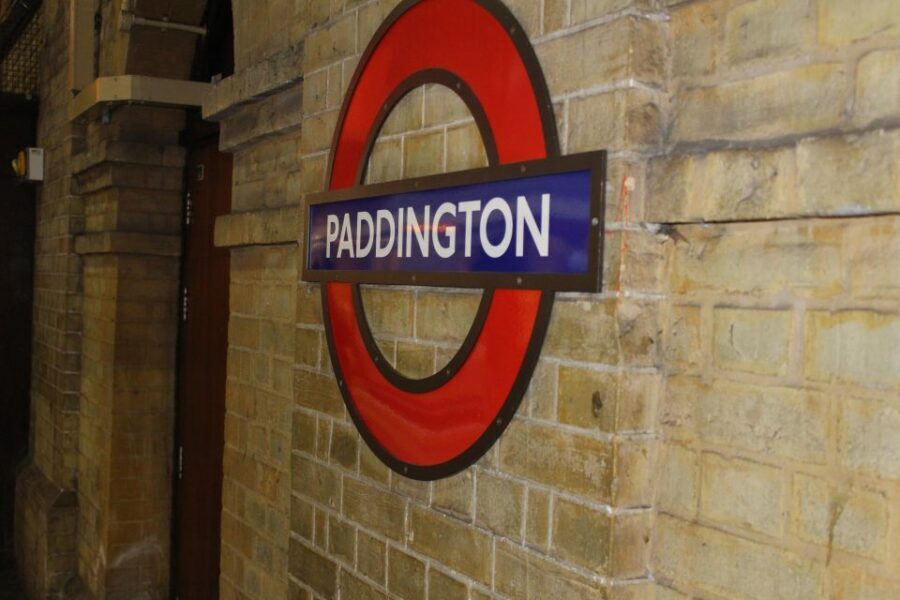
You meet at Paddington Station, underneath the clock on Platform 1. That’s a big deal, because the Underground can swallow people fast. A clear meeting point helps you avoid the classic London start-stress.
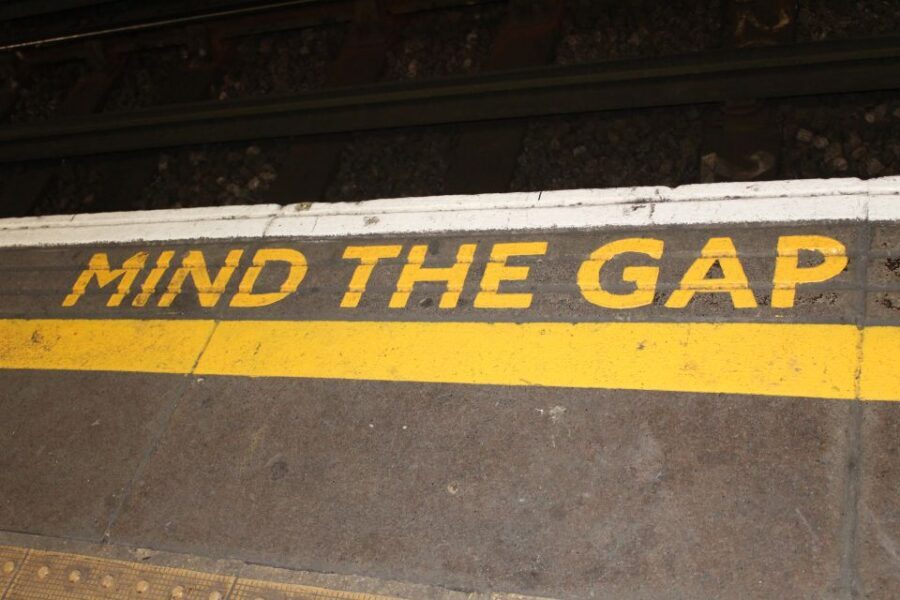
From there, the guide sets the tone: mind the gap, watch your footing, and pay attention to what you’re seeing. The opening minutes are about orientation—how the network evolved, why the route choices weren’t always obvious, and what to look for as you move through stations.
This is where the Underground becomes more than transit. You’ll begin picking up patterns: signage habits, station layouts, and the way different lines feel physically connected even when they once weren’t.
The ride on London’s oldest stretch: where history meets motion
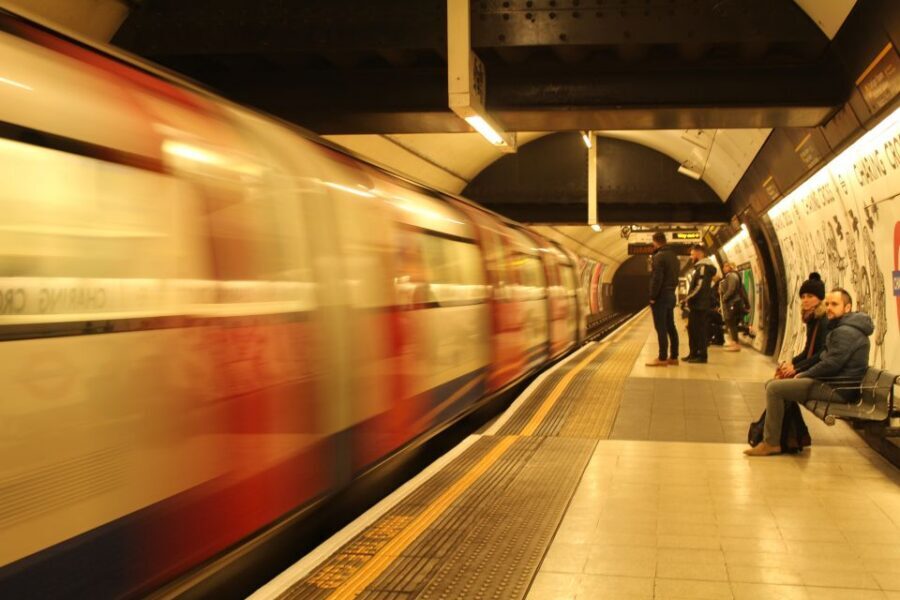
One of the stated highlights is traveling along London’s oldest stretch of railway line. That’s the kind of detail that turns a ride into a moment you remember, because you’re experiencing a piece of the network that predates the modern idea of how Tube travel should feel.
You can expect a mix of riding and walking. The walking parts matter, because they’re where the guide can point out quirks you’d normally ignore—little design choices and oddities you only notice when someone asks you to look.
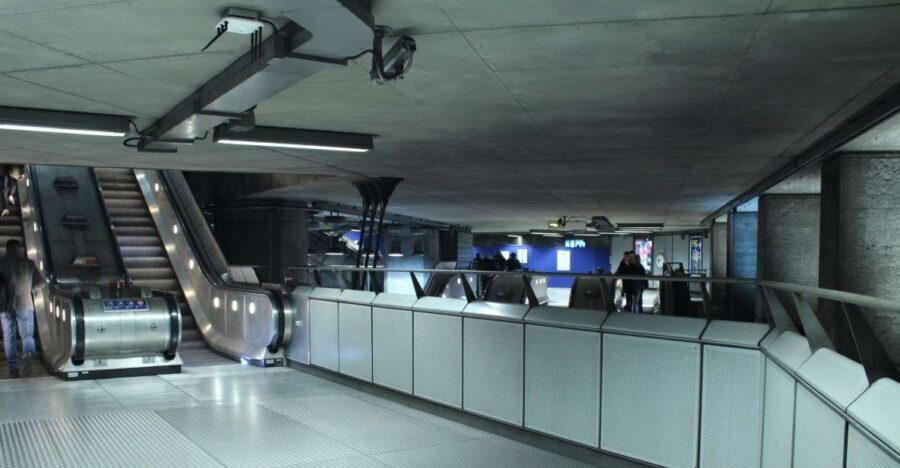
You’ll also spend time on stations described as some of the oldest, deepest, famous, beautiful, and peculiar. That wording isn’t marketing fluff. Deep stations in particular tend to have a physical personality: stairs, platform shapes, tunnels, and lighting all feel different from what you get at more straightforward stops.
Practical tip: wear shoes you can stand in for a while. Even if the tour isn’t long on paper, you’ll be moving constantly.
Tube map reality check: what the lines really mean
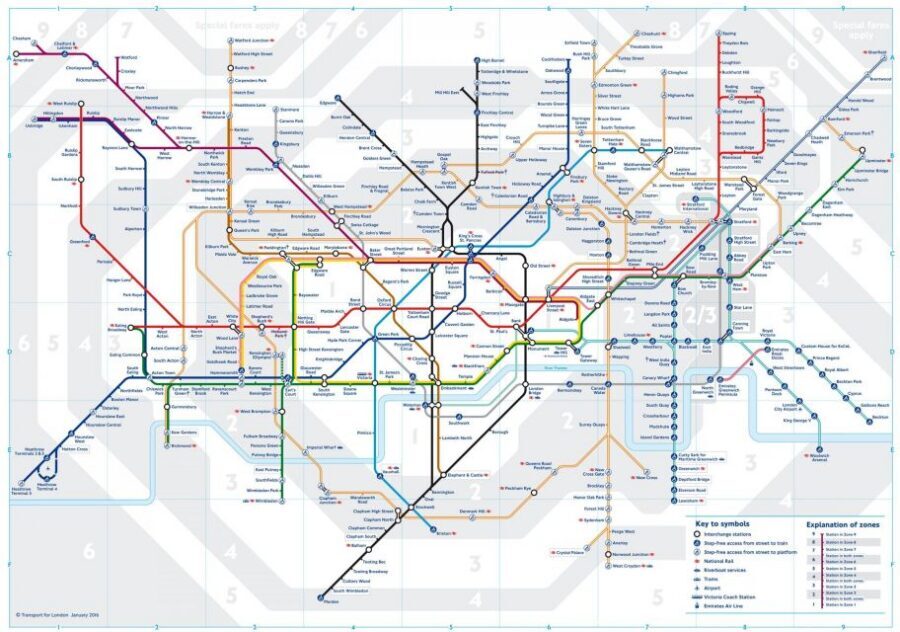
A fun, surprisingly useful part of the tour is learning how accurate (or not) the Tube map really is. The map is a lifesaver, but it can also trick your brain. Lines look uniform and the connections feel equal, even when real distance and station depths don’t always match the graphic.
This tour helps you understand that mismatch. You’ll see how the map simplifies things for readability, then you’ll travel through enough different stations that the simplification becomes obvious.
Once you’ve had that explanation, your next day in London feels easier. You’ll have a better sense of whether a route is likely to involve a climb, a long corridor, or a change that takes time even if the map says it should be quick.
Circle line direction: why it mattered more than you’d think
The tour has a specific highlight about why it was important to know which way to travel on the Circle line. Most of us treat the Circle line as a simple loop. This tour explains that the system wasn’t always as foolproof as the labels make it seem, and direction knowledge could save you from turning the wrong way.
That’s more than trivia. It’s the kind of lesson that changes how you plan rides once you’re out on your own. When you understand why direction mattered historically, you’re also more likely to notice how the system flows now—where trains are headed and how station positioning affects your choice.
This section also tends to make you pay attention to the rhythm of the network. You’ll start recognizing that time on the Tube isn’t only about waiting—it’s about the route logic too.






Ghost stations and the quirks you’ll start noticing everywhere
Then comes one of the most memorable themes: ghost stations. London has places that feel like they exist on the edge of your vision—parts of the network that aren’t part of daily travel the way you expect.
You’ll learn about the concept of ghost stations and why they matter to the story of the Underground. Even without getting overly technical, the guide connects the dots between changing demand, redevelopment, and how rail lines evolve. The result is that your brain starts filing stations into categories: active, altered, repurposed, or abandoned.
On top of that, you’ll get a tour of the quirks that go unnoticed in regular travel. That can mean weird sightlines, unexpected platform behavior, or just the way the Underground hides details in plain view. The best part is what it does to your future rides: after this, you’ll likely start spotting oddities on your own instead of taking the system at face value.
If you like London oddities, this is the section that rewards you most.
Rival companies, steam to electric: the big technology and ownership shifts
A major part of the tour is explaining how London received its underground and how lines once belonged to rival companies. This matters because it explains why the Tube can feel inconsistent. Some lines have their own personality, and station designs can reflect that legacy.
You also learn why electric trains replaced steam engines. That shift wasn’t just a switch in motive power. It changed the feel of the system—what it took to run, how stations were used, and how the network expanded and modernized.
I like these sections because they make the Underground’s physical differences feel intentional, not random. You’re not just learning what happened—you’re learning why it happened, which makes the Underground history feel more human and less like a museum label.
Stops and transitions: what the 165 minutes feels like in real life
The tour is scheduled for 165 minutes, and the exact start times depend on availability. That’s enough time to build a coherent story and still keep the pace energetic.
Expect a pattern that looks like:
- start at Paddington with orientation
- ride part of the route, then connect via stations and walking
- focus on specific history lessons along the way (Circle direction, map accuracy, ownership and tech shifts)
- finish at Westminster Station, based on the tour description
One practical consideration: plan ahead for the lack of a dedicated toilet stop. Some people have flagged that as a downside. If you’re sensitive about bathroom timing, you’ll feel better if you handle it before you meet.
Also note that route improvements can cause small changes to the route on different days. That’s normal for any live transit network, but it does mean the tour is adaptable rather than frozen on a single, guaranteed set of stops.
Price and value: how $84.86 stacks up
At $84.86 per person for a roughly 165-minute private guided tour, you’re paying for three things at once: a professional guide, a curated story, and access to a route that’s meaningful rather than just a generic “see the sights” walk.
Is it cheap? No. But here’s why it can be good value:
- You’re getting private-group attention during a time when Tube navigation can eat your energy.
- The history is focused on real operational ideas: rival ownership, electric conversion, and how direction and routing used to matter.
- The ghost stations and Tube map reality check add experiences you probably won’t stumble into on your own.
It also helps that the tour is positioned as a walking-and-riding experience through multiple stations rather than just a single stop. If you’re the kind of traveler who enjoys turning everyday transit into a learning moment, the cost starts to feel reasonable.
One catch: travel costs aren’t included, so you’ll need to plan for your Tube fares.
What you need for Tube access: Oyster/Travel card and expectations
You’ll want a Zone 1 travel card or an Oyster card topped up with at least £7 of pay-as-you-go credit. That’s the key practical requirement listed for joining.
In real terms, that means you should arrive with your card loaded and ready before you meet. Don’t treat it like a last-minute add-on. Underground stations move fast, and it’s easy to lose time sorting out payment once you’re on the platform.
Also remember what’s not allowed: baby carriages aren’t permitted. And the tour isn’t accessible for wheelchair users or for parents with prams. The Underground can be a maze of stairs and tight corridors, so this tour is best for people comfortable navigating station environments.
Who should book this Underground tour (and who should skip)
I’d especially recommend it if you:
- like London history that’s tied to everyday places
- enjoy learning how transportation systems really work
- want a guided explanation rather than reading signs and guessing
- prefer a private-group pace where you can ask questions
From a comfort standpoint, it’s best for travelers who can handle standing and walking in busy station areas. If you need step-free access, this is not the right fit based on the stated accessibility limits.
If you’re traveling with a stroller, a wheelchair, or anyone who relies on step-free routes, look for a different format. The tour’s core experience depends on station movement and specific Underground locations.
Should you book this private Underground history tour?
Book it if you want your next London Tube ride to feel smarter and more interesting. This tour is built around the Underground as a system—how it grew, how it changed, and why details like Circle line direction and the Tube map’s accuracy matter. The ghost-station theme adds a true London flavor that’s hard to replicate on your own.
Skip it if accessibility needs limit you, or if you dislike guided walking segments with minimal built-in breaks. Also, if you’re the type who only wants surface-level highlights, this may be more explanation than you’re looking for.
If you do book, come with the mindset that you’re about to learn how London moves. Then you’ll get the payoff: you won’t just pass through stations—you’ll understand them.
FAQ
How long is the London Private Underground and Tube Tour?
The duration is 165 minutes (about 2 hours 45 minutes). Starting times vary, so you’ll need to check availability.
Where does the tour start?
It starts underneath the clock on Platform 1 of Paddington Station.
Where does the tour end?
The tour description says it concludes at Westminster Station. The activity details also state it ends back at the meeting point, so confirm the exact end location when you book.
Is the tour private or group-based?
It’s a private group.
What’s included in the price?
A professional guide is included.
Are travel costs included?
No. Travel costs are not included.
Do I need an Oyster card or a Travel card?
Yes. A Zone 1 travel card or an Oyster card topped up with at least £7 of pay-as-you-go credit is required.
Is the tour available in English?
Yes, the live tour guide is English.
Is it wheelchair accessible?
No. It is not accessible for wheelchair users.
Can parents bring prams or baby carriages?
Baby carriages are not allowed, and it is also not accessible for parents with prams.
What is the cancellation policy?
Free cancellation is available up to 24 hours in advance for a full refund.