REVIEW · LONDON
London Royal Walking Tour
Book on GetYourGuide →Operated by Good View Tours Ltd · Bookable on GetYourGuide
Royal London hits fast on foot. You’ll start by Green Park Station and move through the city’s royal and political center, seeing the big-name landmarks without waiting around for entry lines. It’s a tight 2-hour route that mixes photo stops with real context you can use right away.
I especially like how the tour pairs two different Londons: court life near Buckingham and the power corridors around Parliament. I also like the stop on Jermyn Street, where the focus shifts to British design and craftsmanship before you head back into sightseeing mode.
One consideration: this tour keeps things outside-only. You’ll view the sights from the street, so if you’re craving interior visits, you’ll need a different plan.
In This Review
- Key highlights at a glance
- Royal London begins at Green Park Station
- Piccadilly Circus to Jermyn Street: street energy plus British style
- St James’s Palace exterior: the oldest royal residence feel
- Buckingham Palace and The Mall: processional route to Trafalgar Square
- Downing Street and Parliament Square: the political heart with Big Ben in sight
- The traditional pub finish: relax, but buy your own drinks
- What to do with the 2-hour time window
- Who this London Royal Walking Tour suits best
- How the value stacks up for a 2-hour royal walk
- Should you book this Royal Walking Tour?
- FAQ
- How long is the London Royal Walking Tour?
- Where do I meet the guide?
- Where does the tour end?
- Does the tour include entry to Buckingham Palace or Parliament?
- Will I visit Piccadilly Circus and Big Ben?
- What stops are included during the walk?
- Are drinks included at the pub?
- What should I bring, and is it suitable for wheelchair users?
Key highlights at a glance
- Meet at the red post box outside Green Park Station on Stratton Street, easy to spot.
- Buckingham Palace and St James’s Palace exteriors give you royal context without ticket time.
- Jermyn Street craftsmanship and high-end shops add a more human, artistic side of London.
- The Mall to Trafalgar Square gives you a classic processional route to pace your photos.
- Downing Street and Parliament Square line up the most famous UK political views, including Big Ben.
- End at a traditional pub for a relaxed finish (drinks not included).
Royal London begins at Green Park Station
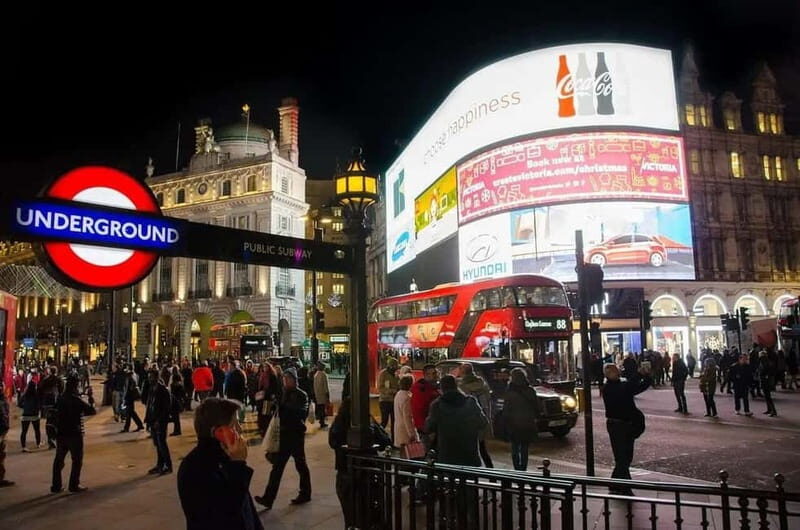
Your day starts in a simple, no-fuss way: meet your guide next to the red post box outside the exit to Green Park Station on Stratton Street. It’s a strong choice because you’re already positioned near the royal belt of central London. From the first minutes, the tour feels like it’s orienting you, not just walking you from one landmark to the next.
The tour runs for about two hours, so expect a brisk but manageable pace. You’re not doing a long hike. You’re doing that sweet spot where you can see a lot of iconic architecture and street scenes without your legs giving up halfway. The tradeoff, though, is that you’ll need to stay alert and move when your guide signals—this is a guided walk, not a sit-and-stare museum loop.
Practical tip: bring comfortable shoes and a folding umbrella. London weather can change fast, and since you’re spending the whole time outdoors, “maybe rain” still means “pack an umbrella.” Also dress for the moment, not the forecast—if the clouds look dramatic, you’ll be glad you didn’t go light.
You can also read our reviews of more walking tours in London


Piccadilly Circus to Jermyn Street: street energy plus British style
After you start near Green Park, the route heads toward Piccadilly Circus. This part of the walk is built for atmosphere. Piccadilly is loud, bright, and instantly recognizable—great for getting your bearings. More importantly, it gives your guide a chance to set up the contrast: you’ll go from the flash of a major city intersection to quieter, more ceremonial and historical areas as the tour progresses.
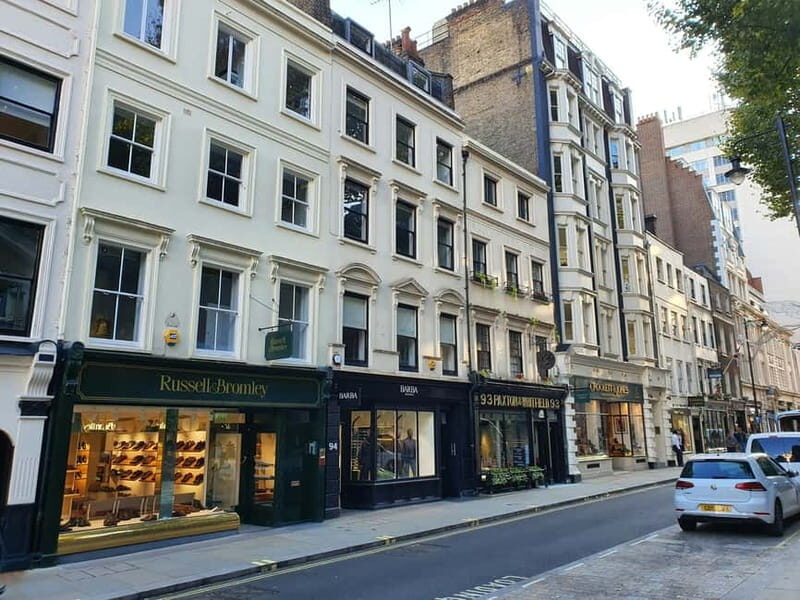
Then you continue down Jermyn Street, which is a smart pivot. Instead of staying locked into royal and political landmarks, the tour shifts to a more refined London story: high-end retailers and the kind of British artistry you can only really notice when someone points it out. You’ll walk through the area that’s known for craftsmanship and polished design, so even if you’re not shopping, you’ll feel the difference in the streetscape.
What this segment gives you: a reminder that London isn’t just about monuments. It’s also about the smaller layers—trades, design, and the way places earn their reputation over time. If you like walking tours that explain how a neighborhood works, this is a good moment to lean in and listen.
One small reality check: because Jermyn Street is known for retail, it can feel busy and crowded depending on the time of day. That’s not a problem, but it does affect walking speed and where you can stand for photos. Wear shoes that can handle stopping and starting in a lively area.
St James’s Palace exterior: the oldest royal residence feel
Next comes St James’s Palace, described as the oldest royal residence in London. Whether you’ve visited before or this is your first taste of royal London, this stop matters because it keeps the royal theme grounded in place. You’re not just seeing the most famous facade—you’re seeing a piece of the story that predates the modern spotlight.
From the street, you’ll pass and view key royal scenery without moving through crowds inside. That works well for people who want history, but don’t want to spend their time in queues, security lines, or timed-entry logistics. Your guide’s job here is to connect what you’re seeing—exteriors, street layout, and nearby landmarks—to what those spaces have meant over time.
The value for you: you’ll come away understanding that Buckingham isn’t the only “royal” address that shaped London. It’s helpful for building mental geography. After this, Buckingham Palace won’t feel like a single photo moment—it’ll feel like part of a larger chain of royal sites.
Buckingham Palace and The Mall: processional route to Trafalgar Square
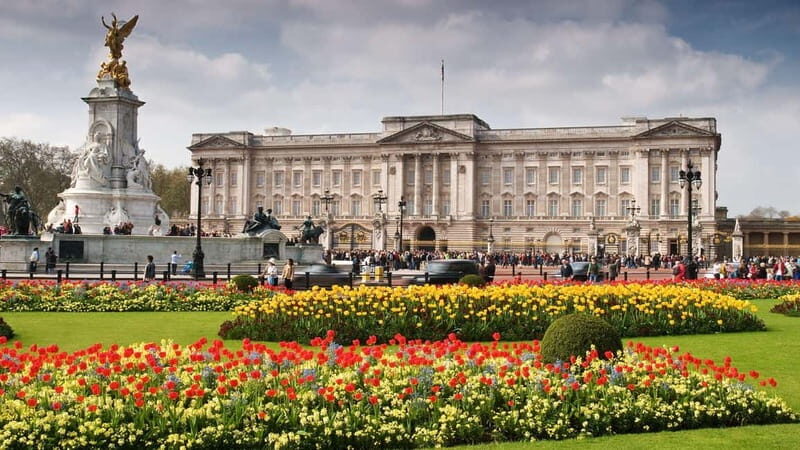
From St James’s Palace, the walking route continues toward Buckingham Palace. Expect to see it from the outside only. That’s not a downside by default—especially if your guide is good at explaining how the palace’s setting functions in the city. You’ll learn about royal history as you look at the palace facade, and you’ll also get a better sense of where it sits within London’s ceremonial geography.
Then comes one of the most satisfying stretches of the entire walk: The Mall. This is the tree-lined processional route that connects the royal zone to the grand public spaces beyond. Walking it on foot changes the experience. From a bus window or a quick drive-by, The Mall can feel like just another road corridor. On foot, it becomes a long, straight line you can actually follow—like you’re stepping into the structure of a formal London day.
After The Mall, the route leads onward to Trafalgar Square. This is where the walk starts to shift from royal ceremony to public space. Trafalgar Square is the kind of place that anchors central London in your mind: a wide open area, major sightlines, and an easy reference point for the rest of the day.
What you’ll notice as you move through: how the tour stitches together different kinds of “importance.” The palace exterior signals tradition and monarchy. The Mall signals ceremony and movement. Trafalgar Square signals civic life and public gathering. That’s a lot of meaning packed into a short walk.
Downing Street and Parliament Square: the political heart with Big Ben in sight
As you continue, the tour moves toward the political heart of London. A key highlight here is Downing Street—you’ll see where the Prime Minister resides. The street itself is relatively understated compared to what people imagine from photos, so having context really matters. Seeing it from the right vantage point helps you understand why the UK government’s central address is both famous and carefully managed.
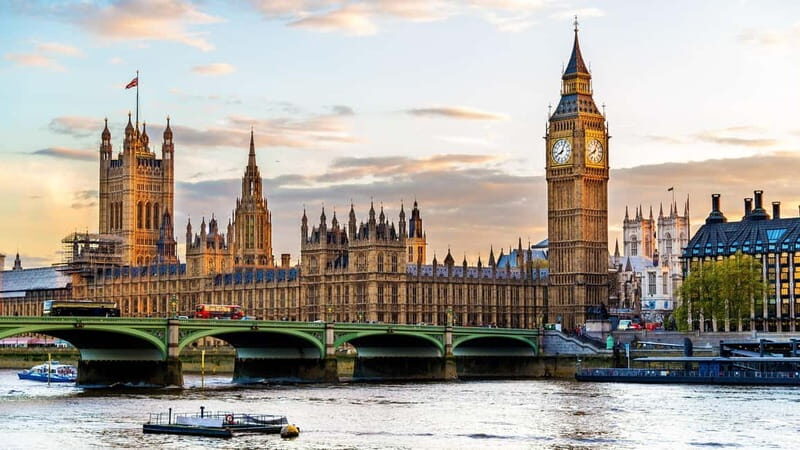
Next comes Parliament Square, and with it, the scene most people come to London for: Big Ben and the Houses of Parliament. Even from the outside, this is the kind of skyline moment that resets your expectations for scale. It doesn’t feel like just another monument; it feels like a functioning national institution.
This is also where your guide’s facts tend to make the biggest difference. When you’re standing near Big Ben, it’s easy to treat the view like a postcard. A good guide helps you look past the photo and notice details: how the buildings relate to each other, the way the square frames the scene, and why these landmarks became symbols of power.
Practical note: Parliament Square and nearby roads can be active. If you want a clean photo, don’t rush. Pause where your guide positions you and take the shot when the group settles. That’s how you avoid elbow-to-elbow chaos and still get a decent view.


The traditional pub finish: relax, but buy your own drinks
The tour ends in a traditional British pub. This part isn’t just a “nice ending”—it’s a useful way to slow down after concentrated sightseeing. When the walking is done, you can finally process what you learned instead of chasing the next stop.
Important detail: drinks are not included, so you’ll need to purchase them separately. That keeps the experience straightforward and flexible. If you don’t want alcohol, you can still grab something non-alcoholic and settle in.
What to expect from the mood: less sprinting, more conversation, and a chance to reset before you head back out into London. If you’re the type who likes to walk, watch people, and check the feel of a neighborhood, this is a good way to end.
What to do with the 2-hour time window
Two hours sounds short until you see how much central London concentrates here. This tour is built for focus: it gives you a loop through royal landmarks, royal-adjacent ceremonial spaces, and the government core, then hands you off to a pub to decompress.
Because you’re viewing everything from the outside, you’ll spend less time stuck at entrances and more time actually walking the route. That’s a real advantage if your schedule is tight. It’s also why the tour suits people who enjoy history but don’t want a full day plan.
Still, do plan around a few key realities:
- You’ll be mostly outdoors, so weather matters.
- You’ll need comfortable shoes and the willingness to keep moving.
- Exteriors are great for orientation, but they don’t replace ticketed indoor visits.
Who this London Royal Walking Tour suits best
This is a strong fit if you want your London in a concentrated, story-driven format. It’s especially good for people who enjoy history and want the context delivered while you’re standing in the right locations.
I’d also point it toward you if:
- You like guided walks where someone explains what you’re seeing instead of just naming sights.
- You want a fast route that covers Buckingham Palace, Piccadilly Circus, Downing Street, and Parliament Square in one go.
- You’re comfortable viewing major landmarks from the outside and using the stops for orientation and photo time.
Two groups should take note of limitations. The tour is not suitable for people with mobility impairments and not suitable for wheelchair users. If that’s you, consider a different style of tour that matches your needs.
How the value stacks up for a 2-hour royal walk
There’s no “value” equation that works for everyone, but here’s the practical way to judge this one: you’re paying for a guide and a route that covers high-impact landmarks efficiently.
You’ll feel the value most if:
- You appreciate context. The guide’s facts about royal and political landmarks turn scenery into understanding.
- You want a clean itinerary without entering attractions. That saves time and keeps the flow smooth.
- You want the walk to organize your map of central London. By the end, you’ve connected Green Park to Piccadilly, Jermyn Street to royal palaces, The Mall to Trafalgar, and Downing Street to Parliament.
Where the value might not be for you: if you specifically want to enter Buckingham Palace grounds, step inside historic buildings, or spend time touring interiors. Since the tour does not enter the attractions, you’d need a separate add-on for that experience.
Should you book this Royal Walking Tour?
Book it if you want a guided, efficient walk through London’s most famous royal and political scenery, with enough explanation to make the sights feel connected. It’s a smart first pass for central London: you’ll leave with a mental map and a better sense of what each place represents.
Skip or supplement it if you’re chasing interior access. Since everything stays outside, treat this as orientation and storytelling, not a full museum-style visit. And if you’re the kind of person who needs everything to run like clockwork, build in a little patience: walking tours depend on meeting the right spot on time, and one past experience described a missed guide at the meeting point. So confirm you have the correct pickup location and arrive early.
If that all sounds like your style, this is an excellent way to see iconic London without burning half your day in transit.
FAQ
How long is the London Royal Walking Tour?
The tour lasts about 2 hours.
Where do I meet the guide?
Meet your guide next to the red post box outside the exit to Green Park Station on Stratton Street.
Where does the tour end?
The activity ends back at the meeting point.
Does the tour include entry to Buckingham Palace or Parliament?
No. The tour does not enter any attractions visited, and buildings are viewed from the outside.
Will I visit Piccadilly Circus and Big Ben?
Yes. You’ll go past Piccadilly Circus and admire Big Ben and the Houses of Parliament from the area of Parliament Square.
What stops are included during the walk?
You’ll see Buckingham Palace, Piccadilly Circus, Jermyn Street, St James’s Palace, The Mall toward Trafalgar Square, Downing Street, and Parliament Square.
Are drinks included at the pub?
No. You’ll end at a traditional British pub, but drinks are not included and must be purchased separately.
What should I bring, and is it suitable for wheelchair users?
Bring comfortable shoes and an umbrella (and dress for the weather). The tour is not suitable for people with mobility impairments or wheelchair users.