REVIEW · LONDON
London: Secrets of the London Underground Walking Tour
Book on GetYourGuide →Operated by Evan Evans Tours · Bookable on GetYourGuide
The Tube hides stories under your feet. This 2.5-hour walking tour turns Baker Street Station into a living lesson on how the Underground became the city’s moving heart.
Two things I love about it are the chance to see an Underground station that opened in 1863, and the way the guide connects the Tube to real-life crises and reuses—especially during the Blitz. Guides like John and Aaron also bring the material with humor and clear storytelling that never feels like a lecture.
One drawback to plan for: there’s a moderate amount of walking and lots of steps, so it’s not a good match for anyone who needs step-free access.
In This Review
- Key highlights at a glance
- Baker Street to the London Transport Museum: why this tour feels special
- The 1863 station moment: seeing how old the Tube really is
- From steam trains to electrified rails: what you’ll actually notice
- Haunted and disused stations: fun legends with real place-based context
- Abandoned, repurposed, and used in wartime: the Tube’s second life
- Logistics and value: what you pay for (and what you must bring)
- Who this London Underground secrets tour suits best
- Should you book the Secrets of the London Underground Walking Tour?
- FAQ
- Where does the tour start?
- How long is the London Underground Secrets tour?
- What does the $40 price include?
- What do I need to bring with me?
- Do I need to buy an Underground ticket separately?
- Where does the tour finish?
- Is the tour suitable for wheelchair users or reduced mobility?
- Are strollers or large bags allowed?
- Is the guide language only English?
- What cancellation options are available?
Key highlights at a glance
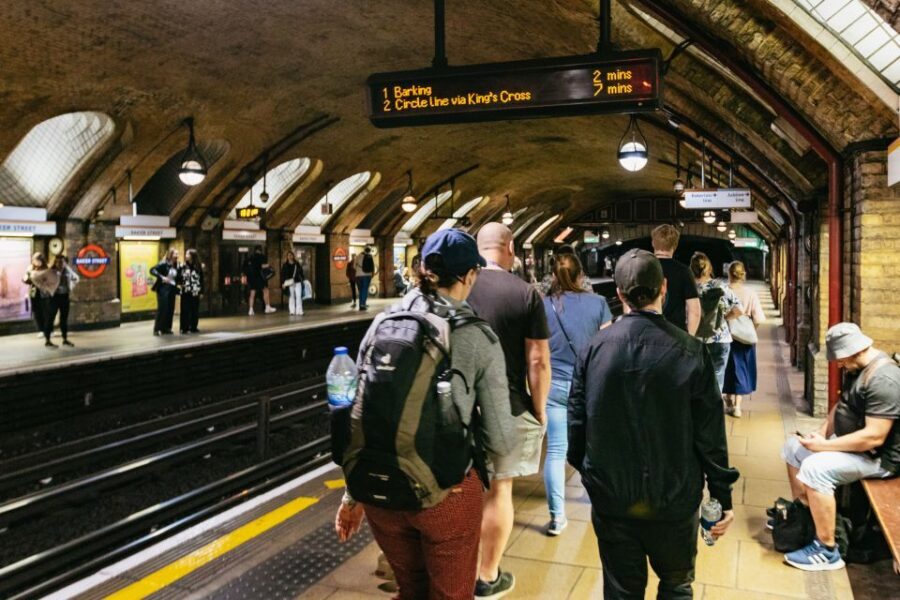
- Baker Street start at a famous rail landmark tied to the early Metropolitan Railway
- A station opened in 1863, giving you a rare sense of how far the Tube goes back
- Steam to electric, plus how early tunnels were actually built
- Disused and abandoned station stories, including why so many platforms never fully lived on
- WWII reuses and survival roles, from refuge to industrial and museum storage
- Haunted-station legends told with a wink, including tales tied to a Pharaoh’s daughter and a nun
Baker Street to the London Transport Museum: why this tour feels special
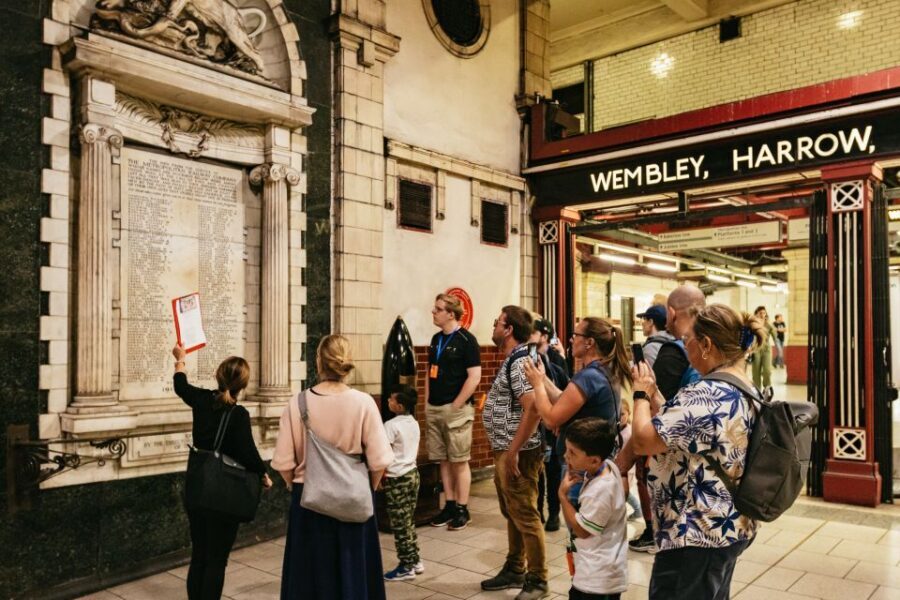
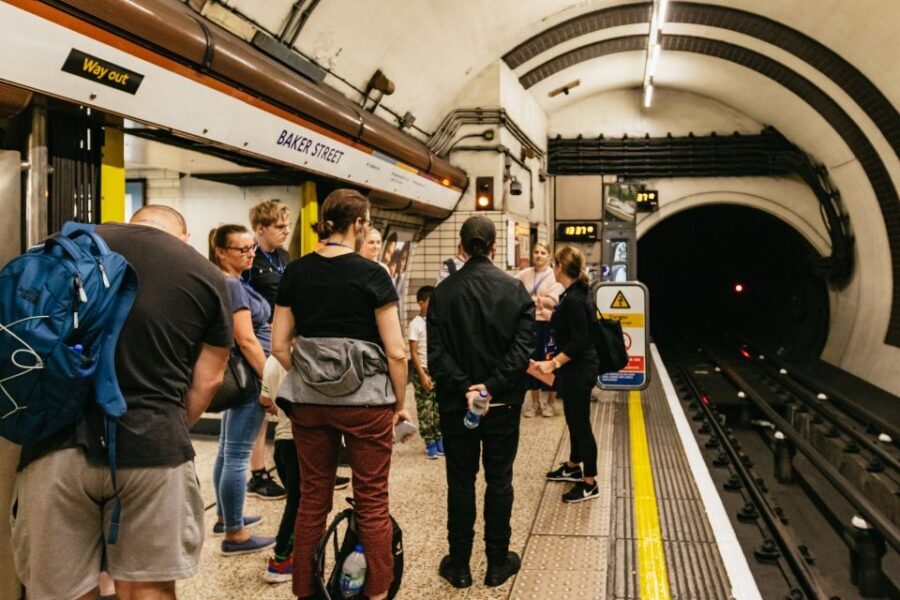
If you’ve ridden the London Underground a hundred times, you still miss most of what makes it London. This tour fixes that by starting at Baker Street—one of the Underground’s original stops on the Metropolitan Railway—and then guiding you from station to station with a clear theme: how the system was built, what it became, and what happens to parts of it when the city outgrows them.
The vibe is part history walk, part station-spotting game. You’ll listen through a headset (included), so you’re not relying on hearing the guide over platform noise. It’s especially helpful when you’re moving through busy public areas and you want the details to land without shouting.
Then you’ll hit the London Transport Museum. That stop matters because it helps you connect what you’re seeing in the tunnels and corridors to the bigger story of how London designed and redesigned its transit. Even if you already know the Tube map, this is the kind of grounding that makes the underground experience make more sense.
You can also read our reviews of more walking tours in London



The 1863 station moment: seeing how old the Tube really is
The tour’s most memorable payoff for me is how quickly it builds credibility. You don’t just get a modern “theme park” version of London. You get the real timeline feeling—starting with stops tied to the early Underground era.
One of the key promises is an original station opened in 1863. That’s not a trivia flex. It changes your perspective. When you stand in the vicinity of something that old, you start noticing architectural cues and design choices that explain why the Tube looks the way it does today—narrower spaces, older layouts, and the sense that some parts were built for a different era’s passengers and technology.
The guide also frames the Underground’s evolution as a series of practical upgrades:
- how trains transitioned from steam power to electrified rails
- how early tunnels were built (not just that they existed)
- how the Underground’s identity formed over time, including the story of the famous roundel symbol
If you like transportation history—or you just like understanding why a city built what it built—this section is the core. It’s where the tour stops being “cute stories” and becomes a real explanation of engineering choices.
From steam trains to electrified rails: what you’ll actually notice
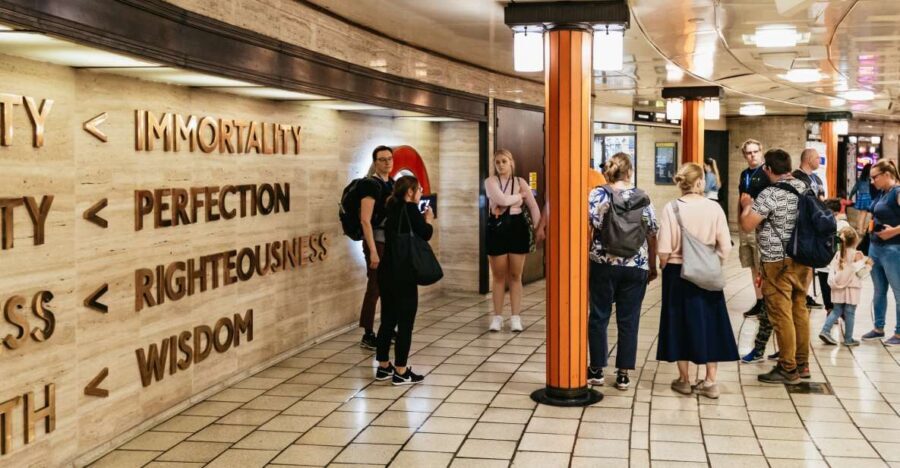
A lot of London history tours tell you facts. This one aims for a different result: you should be able to look at the system and recognize the idea behind it.
As you move through the Underground network, the guide explains how the shift from steam to electricity changed more than just the ride. It affects noise, air quality, power delivery, maintenance, and even how spaces were adapted for new equipment. You’ll also hear about the first tunnels and the early construction logic—why certain routes made sense, and how the city’s geography and growth shaped the lines.
This is where I think the audio headset earns its keep. It lets the guide keep a steady pace while you’re still getting the fine points. In real life, you’re often trying to read signage, watch footing, and navigate crowds at the same time. With the headset, you don’t lose the story when you’re focused on where you’re going.
Haunted and disused stations: fun legends with real place-based context
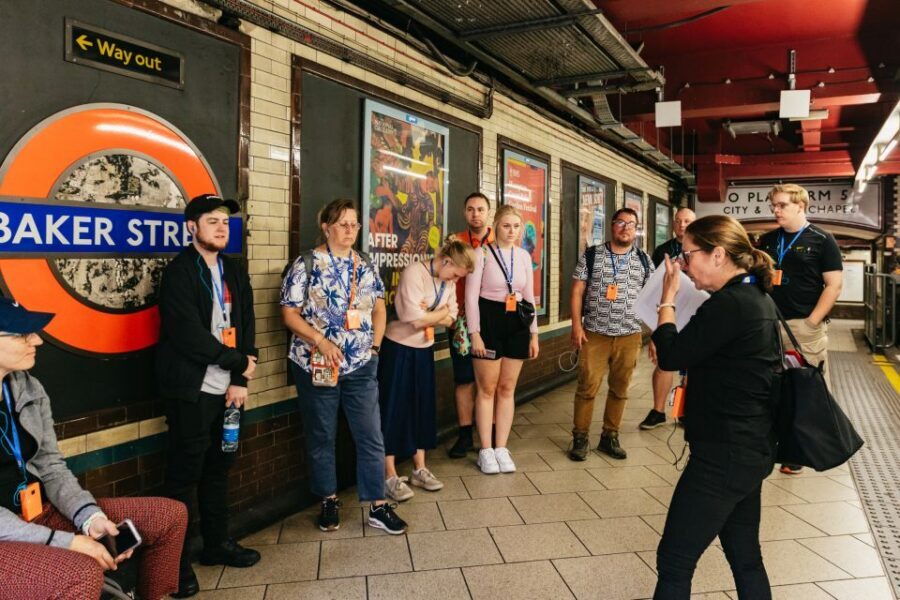
The title includes Secrets, and part of those secrets is the Underground’s reputation for the eerie. You’ll hear about haunted and disused stations, including legends tied to a Pharaoh’s daughter and—yes—a nun.
Now, I’ll keep this practical: this is not a horror tour. You’re not promised access to locked-off tunnels. In fact, one clear consideration is that the tour may not take you into a disused station area even if you’re hoping for an up-close, inside-the-closed-doors look. You’ll still learn the “what happened here and why it changed” side of the story, but the experience stays grounded in what’s accessible and safe.
The haunted-station legends work best when you treat them like London folklore—an extra layer that makes you look around more carefully. When you’re listening for specific stories, you start noticing details you would normally walk past: old markings, odd layout choices, and the way stations have been repurposed over decades.
Abandoned, repurposed, and used in wartime: the Tube’s second life
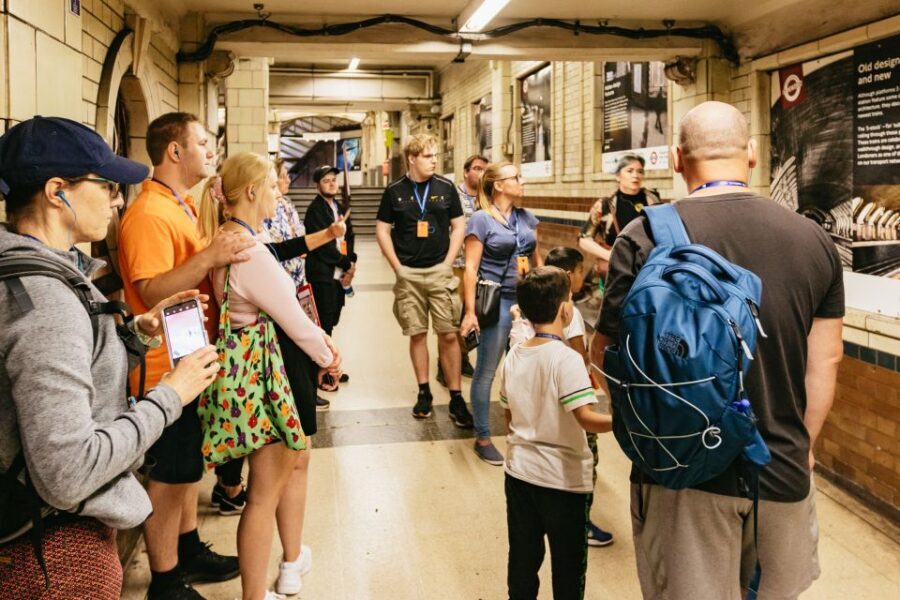
One of the most compelling parts of the tour is how the Underground gets framed as a system with multiple roles. It’s not just transport. The Tube has been:
- left abandoned in places as needs changed
- repurposed as the city reworked space
- used during the Blitz as refuge
- used as an aircraft factory
- used as storage for treasures of the British Museum
That set of facts is startling because it flips the usual mental image. You start thinking of the Underground as infrastructure built to move people—but also infrastructure that London could repurpose fast when survival demanded it.
The tour also includes the darker curiosity of what sits above older remains, including a station described as lying over the remains of 1000 bodies. Whether you find that detail shocking or simply historically grim, it’s the kind of information that makes the Tube feel less like a sleek system and more like a living record of the city.
And then there’s the reason behind the abandoned count. You’ll hear about why more than 40 stations have been left disused. That’s not a single mystery solved—it’s a mix of planning changes, ridership shifts, network redesigns, and political decisions over time. The guide ties those themes together so it feels coherent rather than random.






Logistics and value: what you pay for (and what you must bring)
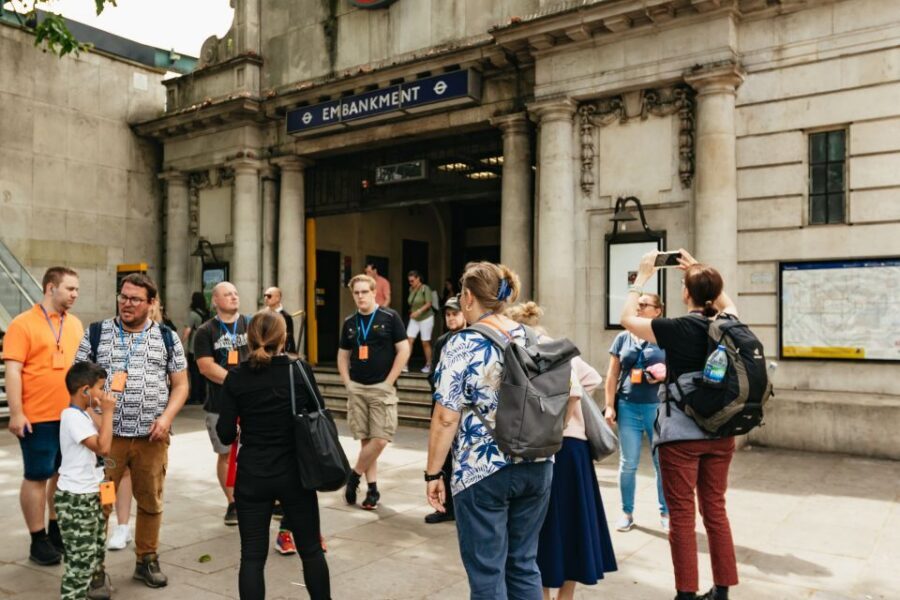
This tour is priced at $40 per person for a 2.5-hour experience. What you’re getting for that price is the guide and audio headset. What you’re not getting is the Underground ticket itself.
That matters. You’ll need a travel card (Zones 1–2) or an Oyster card before you start. If you show up without that sorted, you’ll slow down and potentially lose time on the group’s schedule. The tour also includes Tube travel plus walking between stops, so having your fare ready is one less thing to manage.
What else you should plan around:
- Bring a public transport ticket (required)
- There’s a moderate amount of walking
- The tour isn’t suitable for customers with reduced mobility and it’s not for wheelchair users due to the number of steps
- No baby strollers
- No luggage or large bags
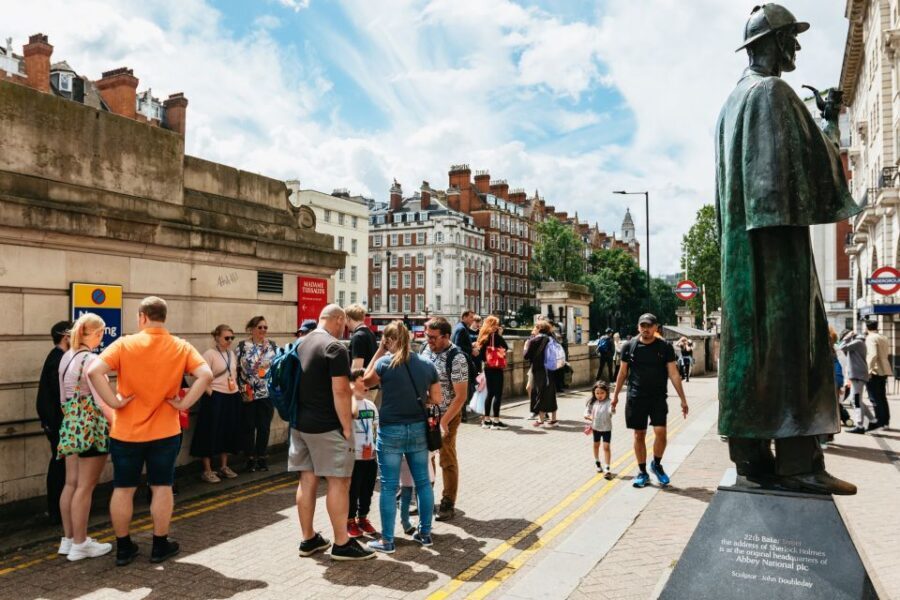
The meeting point is clear: meet the guide by the Sherlock Holmes statue outside Baker Street Station. The finish is at 10B Bridge St, Westminster. That end location is handy because it puts you close to the central sightseeing zone—useful if you want to turn the tour into a longer day.
As for the quality of delivery, the overall tone from recent guides is that it’s entertaining as well as informative. John and Aaron get named repeatedly for being fun, funny, and good at answering questions. You also get equipment in the form of headsets; one recurring theme is that it helps you hear the guide clearly even with platform noise (with occasional minor audio issues reported outdoors).
Who this London Underground secrets tour suits best

This is a great choice if you fit one of these profiles:
- You love history, but you prefer it told through places you can stand in, not through slides
- You use the Tube a lot and want to understand how it became what you see today
- You’re curious about how London reused infrastructure in emergencies and wars
- Your group enjoys stories—haunted legends included—but wants them tied to real station context
It’s also a good family option for adults who don’t mind walking. One guide was specifically praised for handling questions from an inquisitive child, and that’s a good sign that the tone stays approachable.
If you need step-free routes or have mobility limitations, this isn’t your best match. Save that energy for another London Underground option that’s designed with accessibility in mind.
Should you book the Secrets of the London Underground Walking Tour?
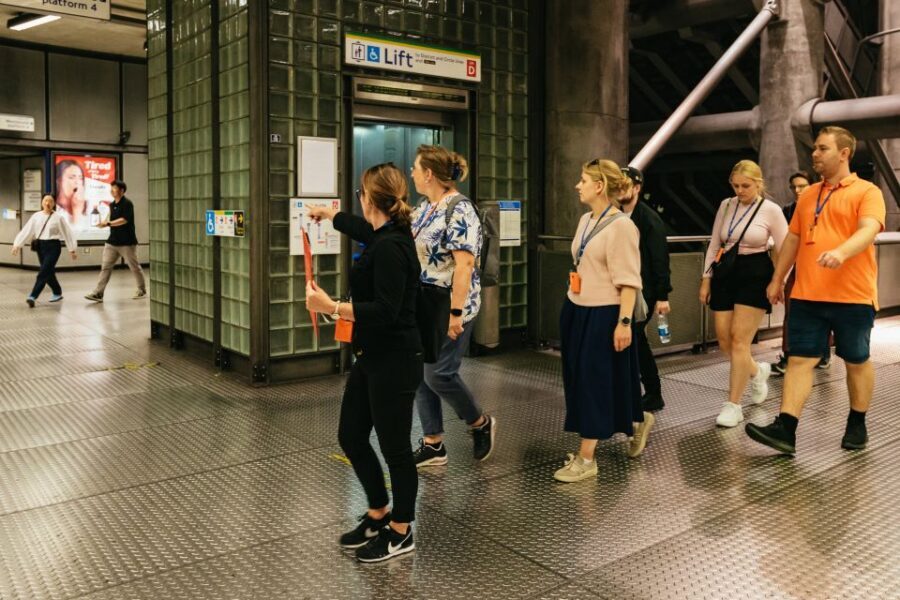
I’d book it if you want to see London’s Tube as more than a commute. You’re paying for a focused, guided walk that connects engineering changes, wartime reuse, and station legends into one thread—from the Metropolitan Railway start at Baker Street to the museum stop and onward to Westminster.
Skip it if you’re hoping for lots of off-limits access or guaranteed entry into disused underground spaces. The tour’s “secret” angle is strongest in storytelling and station context, not in dramatic underground detours.
If your group is comfortable with walking and stairs, and you can sort your Zones 1–2 travel card or Oyster card before meeting at Baker Street, this is a smart use of a half-day. It’s the kind of tour that changes how you look at the Tube afterward.
FAQ
Where does the tour start?
It starts at Baker Street Station. Please meet the guide by the Sherlock Holmes statue outside the station.
How long is the London Underground Secrets tour?
The duration is 2.5 hours.
What does the $40 price include?
The price includes a tour guide and audio headset.
What do I need to bring with me?
You’ll need a public transport ticket. A travel card (Zones 1–2) or an Oyster card is required for the tour.
Do I need to buy an Underground ticket separately?
Yes. London Underground tickets (including travel cards or Oyster) are not included in the tour price.
Where does the tour finish?
The tour finishes at 10B Bridge St, Westminster, London SW1A 2JR, UK.
Is the tour suitable for wheelchair users or reduced mobility?
No. It involves a moderate amount of walking and the Underground system has many steps, so it’s not suitable for customers with reduced mobility or wheelchair users.
Are strollers or large bags allowed?
No. Baby strollers are not allowed, and luggage or large bags are not allowed.
Is the guide language only English?
Yes. The live tour guide operates in English.
What cancellation options are available?
There is free cancellation up to 24 hours in advance for a full refund.