REVIEW · LONDON
London: The Lost Tunnels of Euston Station Guided Tour
Book on GetYourGuide →Operated by London Transport Museum · Bookable on GetYourGuide
Euston’s underground world still breathes. This guided tour takes you into disused passageways under the station, mixing transport history with a real look at what’s changing above your head. I especially like the chance to see long-hidden details like concealed vintage advertising and underground infrastructure, and I love how the guides keep it lively and photo-friendly. One thing to plan for: it’s a lot of walking in low light, with stairs and uneven ground.
What I like most is the story you get while you’re walking—why these spaces were closed, what the station has done to improve Tube service, and how Euston’s role is evolving with High Speed 2. I also enjoy the hands-on feeling of standing where the public once moved, then comparing that old layout to what you can imagine coming next.
The main drawback is comfort and safety fit. There are no toilets, the lighting is low, and the tour isn’t suitable for people with mobility impairments or claustrophobia.
In This Review
- Key Things You’ll Notice on the Lost Tunnels Tour
- Meeting at Euston Square: Finding the Station Before the Station
- 75 Minutes Underground: How the Disused Tunnels Work as a Walking Route
- Vintage Poster Remnants and Leslie Green Traces You Can Actually See
- Euston’s Humble Origins and the HS2 Future Story
- The Secret Ventilation Shaft: Looking Down at the Victoria Line
- How Much Walking and Uneven Ground You Should Plan For
- Who Should Book This Euston Tunnels Tour (and Who Should Skip It)
- Value at $60.61: What You’re Really Paying For
- Practical Tips for a Smooth Tour Day
- Should You Book the London Lost Tunnels of Euston?
- FAQ
- How long is the London: The Lost Tunnels of Euston Station Guided Tour?
- Where do I meet my guide for the Euston tunnels tour?
- Is the tour suitable for children?
- What accessibility limitations should I know about?
- Are there toilets during the tour?
- Is food, drink, or luggage allowed on the tour?
Key Things You’ll Notice on the Lost Tunnels Tour
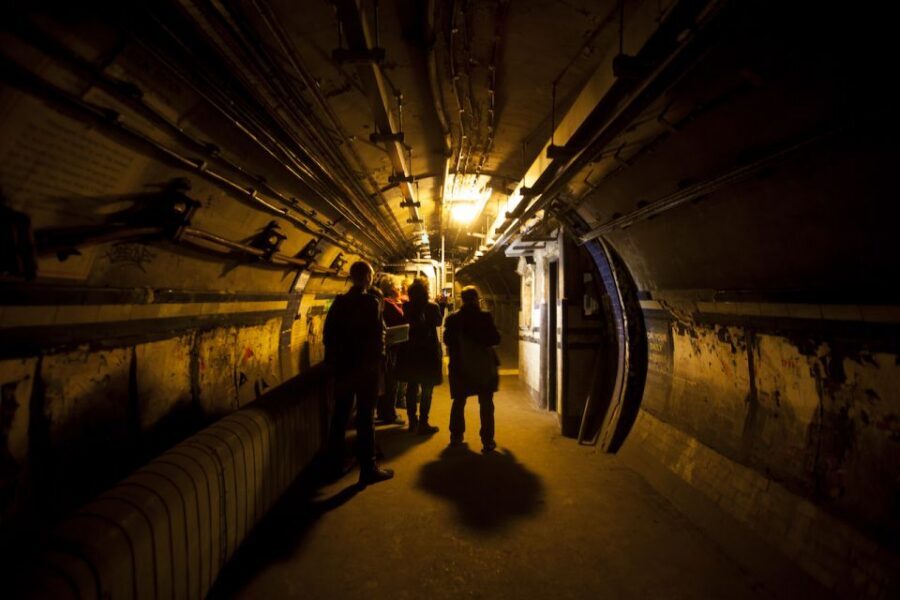
- Hidden Euston under your feet: you’ll walk through disused tunnels and passageways, not just see photos
- Concealed vintage posters: remnants of advertising posters that were hidden from sight for over 50 years
- Leslie Green station details: you’ll spot the iconic historic look and surroundings before they’re changed by new works
- HS2 context: you’ll hear how Euston will act as the London terminus for the brand-new HS2 line to the Midlands
- A secret ventilation shaft: you’ll head to a ventilation opening and look down toward Victoria Line trains
- Small-group energy: some groups are quiet enough that you can take photos and ask follow-ups
Meeting at Euston Square: Finding the Station Before the Station
The tour starts at the south exit of Euston Square station (NW1 2BF), at the corner of Gower Street and Gower Place. The meeting point is the entrance with the glass façade on the hospital side of Euston Road.
If you like to arrive early and get your bearings, I’d do it here. The area is busy, and you’ll want a couple of minutes to confirm you’ve got the right entrance so you don’t feel rushed before heading underground. Also, plan your outfit with the tunnel part in mind; you’ll be on your feet for the full session.
One practical plus: the tour ends back at the same meeting point, so you’re not trying to regroup across London while your brain is still processing what you just saw below.
You can also read our reviews of more guided tours in London



75 Minutes Underground: How the Disused Tunnels Work as a Walking Route
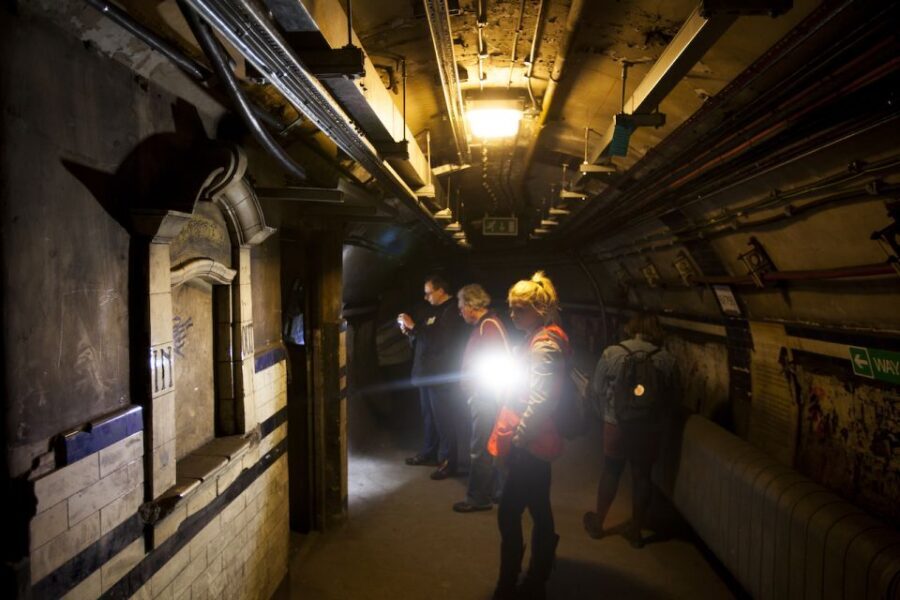
This is a walking tour with a 75-minute length, and the time matters because it shapes the pace. The format is built around a continuous route: you move, stop briefly, listen, and then move again through passageways and stair sections.
Low lighting is part of the experience. It’s not just dark for drama; it’s dark because you’re in disused spaces with dusty, older surfaces and narrow corridors. That makes good footwear more important than you might expect. Comfortable, grippy shoes beat anything “fashionable,” and open-toed shoes aren’t allowed.
Another thing to expect: you’ll go up and down stairs and navigate uneven ground at points. Even if you’re comfortable walking across London sidewalks, tunnels can feel different because the surfaces and edges don’t forgive slips. If you’re the type who gets tense in tight spaces, this one may be harder than it sounds—claustrophobia is explicitly called out as a no-go.
The upside is the realism. Instead of looking at a model or a single “photo spot,” you get the sense of a station under station: corridors built for people, later closed off, now repurposed for storytelling.
Vintage Poster Remnants and Leslie Green Traces You Can Actually See
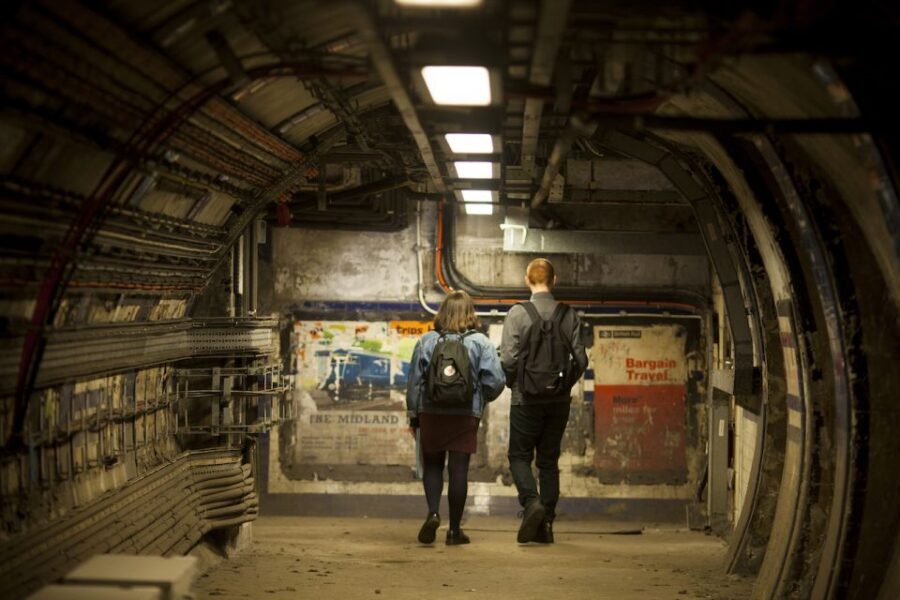
One of the most memorable parts is the moment when the tour shifts from “tunnels” to “things hidden in plain sight.” Euston has remnants of vintage advertising posters that were concealed for over 50 years, and seeing that physical layer of old London marketing changes how you think about the station.
Posters like these were meant to be noticed. When they get hidden and sealed away, they become time capsules. The effect is subtle but powerful: you don’t just learn history, you see the stubborn evidence of what was once there.
Then there’s the iconic Leslie Green station presence. The tour route includes viewing the station look and surroundings that connect Euston’s older identity to its modern function. Even if you’re not a hardcore architecture fan, it’s an eye-opener to understand how the design language of early tube stations fits into the infrastructure under your feet.
I also like that the tour doesn’t treat these moments as random “cool stuff.” The guides tie the visuals to the station’s changing role and explain what’s being altered and why. That turns what could be a photo walk into a guided understanding.
Euston’s Humble Origins and the HS2 Future Story
Euston isn’t just a station you pass through. It’s a place that’s about to change its job description. The tour explains the station’s humble beginnings on the corner of Melton and Drummond Streets, then connects that origin story to what’s coming.
High Speed 2 (HS2) is the big driver here. You’ll hear how Euston is set to become the London terminus for the brand-new HS2 line up to the Midlands. Even if you don’t plan to ride HS2, this matters because it changes why Network Rail and the Tube system have to rethink space, circulation, and passenger flow.
One of the best values of this section is perspective. The station already serves over 42 million passengers each year, so it’s not some quiet museum building—it’s a living system. When you understand that, the “disused” tunnels stop feeling like dead ends and start feeling like pieces of a larger puzzle.
Also, the guide portion includes why certain areas were closed and what has been done (and will be done) to improve Tube service. That’s a useful angle because it links history to present-day reliability, not just nostalgia.
The Secret Ventilation Shaft: Looking Down at the Victoria Line
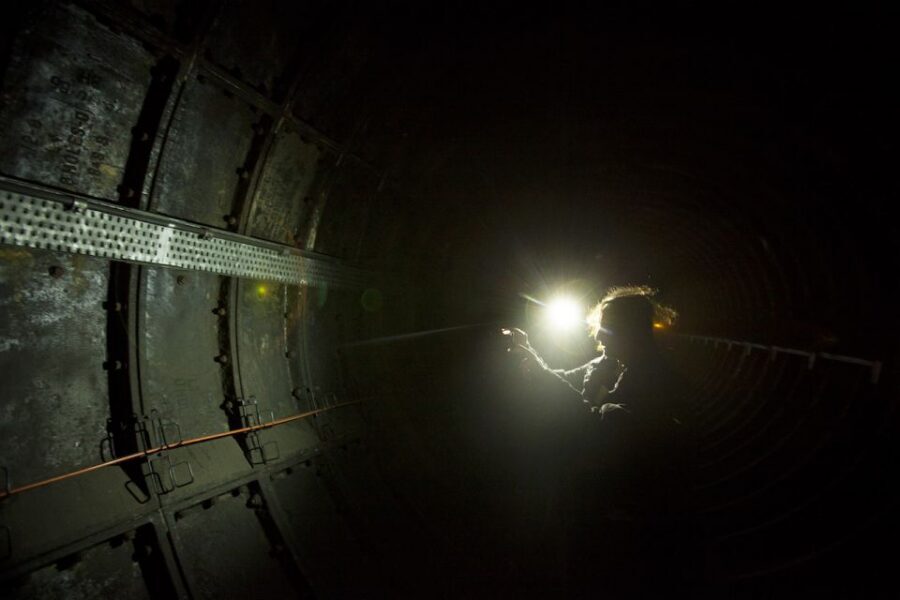
A standout moment is heading to a secret ventilation shaft and looking down to see Victoria Line trains. This is the kind of stop that sounds gimmicky until you’re standing there and realize you’re using a working piece of station infrastructure—just in a way most people never get.
What makes it special is the visual connection between “old underground passageways” and “active Tube lines.” You’re not only learning about what’s been unused for decades; you’re also seeing how the station still functions in real time.
If you care about photography, this is likely one of your best chances for a different angle. The guide style can help too—some guides are known for taking time so you can get pictures and ask quick questions without the group feeling hurried.
A small note: because it’s an underground viewpoint, you may feel the tunnel environment more intensely here. If you’re sensitive to cramped spaces or strong enclosed-feeling areas, this portion may be the one to watch out for.





How Much Walking and Uneven Ground You Should Plan For
This tour is not a sit-down lecture. It’s a physical experience in a functioning station-adjacent environment with real steps, real uneven patches, and real low light.
Here’s what you should take seriously before you book:
- You’ll spend time walking through corridors and passageways.
- You’ll go up and down stairs.
- You’ll deal with low lighting.
- The ground may be uneven in places.
You should also know that there are no toilets on the tour. That affects timing. If you’re doing this early or mid-day, handle bathroom breaks before you arrive at the meeting point.
Food and drinks are not allowed, and luggage or large bags aren’t allowed either. That’s a good rule for safety and space in the tunnels, but it also means you should travel light. If you’re used to carrying a daypack everywhere, it should still be fine—just avoid bulky items.
Open-toed shoes aren’t allowed, so go with something you can move comfortably in. And do bring ID or a passport, since it’s required.
Who Should Book This Euston Tunnels Tour (and Who Should Skip It)
I think this tour is a great fit if you like transport details, station design, and stories tied to how cities actually work. If you enjoy seeing how past infrastructure influences today’s passenger experience, you’ll get a lot out of the HS2 angle and the explanations for why certain tunnels ended up disused.
It’s also a solid choice if you enjoy guided storytelling rather than DIY sightseeing. The value is in the route and interpretation—standing in the spaces and hearing how the station evolved.
On the other hand, I wouldn’t book it if you have:
- Claustrophobia (explicitly not suitable)
- Mobility impairments (explicitly not suitable)
- Anyone under 10 years old (not suitable)
If you’re traveling with kids, there’s a specific guideline: a maximum of four children aged 10–15 per adult. Also, because of uneven ground, stairs, and low lighting, I’d treat the age guideline as the minimum, not a guarantee that it’ll feel easy for younger teens.
Value at $60.61: What You’re Really Paying For
$60.61 per person is not cheap, so it’s fair to ask what you actually get for the money. For me, the value is the access and the combination.
You’re paying for guided access into disused tunnels under Euston, plus structured stops like the hidden poster remnants and the ventilation shaft look-down. That’s not the kind of experience you can recreate with a quick walk around the station.
You’re also paying for interpretation that connects the old underground spaces to what’s happening now and what HS2 will bring next. When the guide ties it together—origin story, closures, passenger volume, and future expansion—the tour feels like more than a novelty.
Finally, the duration helps. Seventy-five minutes is long enough to feel like a real circuit, but short enough that it doesn’t turn into a grind—especially with stairs and low-light conditions.
Practical Tips for a Smooth Tour Day
A few details make the difference between a good outing and a stressful one.
First: wear comfortable shoes that handle uneven ground and stairs. Skip anything with slick soles or delicate straps. The tour explicitly bans open-toed shoes.
Second: dress for the weather. You’ll start at street level, then move into darker, cooler spaces. Comfort is more important than style here.
Third: travel light. Food and drinks are not allowed, and luggage or large bags are not allowed. If you’re carrying a big backpack, plan to keep it minimal.
Fourth: bring ID or a passport. It’s a small step, but it’s required.
And fifth: expect no toilet stop during the tour. Plan to use facilities before you meet your guide.
If you’re hoping for a leisurely pace, you’ll want to arrive a few minutes early and mentally give yourself permission to slow down at photo points. Some guides, including those like Scott and Anthony who have led the tour, are known for being friendly and giving time for pictures.
Should You Book the London Lost Tunnels of Euston?
Yes—if you want something more than a standard “tube station with interesting facts” stop. I’d book it if you like grounded history, physical access to unusual spaces, and practical explanations of what’s changing at Euston with HS2.
I wouldn’t book it if you need step-free routes, struggle with tight or low-lit spaces, or you’re worried about walking up and down stairs. The tour’s not set up for that, and the no-toilet reality makes it easier to choose the wrong day and regret it.
Best of all, if you come in curious rather than expecting a theme park, this tour gives you exactly what you came for: a different side of Euston that most people never see.
FAQ
How long is the London: The Lost Tunnels of Euston Station Guided Tour?
The tour lasts 75 minutes. Starting times vary, so you’ll want to check availability for the slot you prefer.
Where do I meet my guide for the Euston tunnels tour?
Meet your guide at the south exit of Euston Square station (NW1 2BF), on the corner of Gower Street and Gower Place. The meeting entrance has a glass façade on the hospital side of Euston Road.
Is the tour suitable for children?
The tour isn’t suitable for children under 10. For ages 10–15, there’s a limit of four children per adult.
What accessibility limitations should I know about?
The tour is not suitable for people with mobility impairments and it’s not suitable for people with claustrophobia.
Are there toilets during the tour?
No. There are no toilets available during the experience.
Is food, drink, or luggage allowed on the tour?
Food and drinks are not allowed. Luggage or large bags aren’t allowed either, and open-toed shoes are not allowed.