
REVIEW · LONDON
London: British Museum Guided Tour
Book on GetYourGuide →Operated by My tour London · Bookable on GetYourGuide
The British Museum can feel endless. This 2-hour tour makes it manageable with a licensed guide who helps you focus on the most important rooms fast. You get structure, not a maze.
I love the way the tour builds one clear story across continents. You’ll move from ancient Egypt’s big ideas (including the Rosetta Stone) to the arts and power of Greece and Rome without feeling like you’re rushing through random display cases.
One thing to consider: sound and crowding can make it harder to hear in the busy galleries, and the tour may run in two languages at once depending on demand. If you’re sensitive to noise, plan for that.
5 key reasons this tour works
- Skip-the-line express security helps you start the museum visit sooner
- A tailor-made route keeps you on the highest-impact highlights
- Strong focus on interpretation, including contentious objects and why they matter
- Stops span Egypt → Greece → Rome, then surprise turns to Sutton Hoo and Easter Island
- Reviews repeatedly praise guides like Filomena, Stuart, Tara, Lucia, Rebekka, and Maya for making the museum feel navigable
In This Review
- Two Hours to Turn the British Museum Into a Story
- Meeting Point, Timing, and How Express Security Helps
- Egypt First: Rosetta Stone Meaning in Human Terms
- Ancient Greece: Philosophy, Art, and Parthenon Clues
- Rome’s Engineering and Emperors: Art With a Purpose
- The Elgin Marbles and Other Contentious Objects: Seeing Context
- Sutton Hoo and Hoa Hakananai’a: When the Route Gets Surprising
- Global Artifacts: The Museum’s Big Point of View
- What You’ll Notice While Walking the Route
- Price and Value: Is $39 Worth It?
- Small Group Moments (and Why They Matter)
- Who This Tour Fits Best
- Should You Book the British Museum Guided Tour?
Two Hours to Turn the British Museum Into a Story
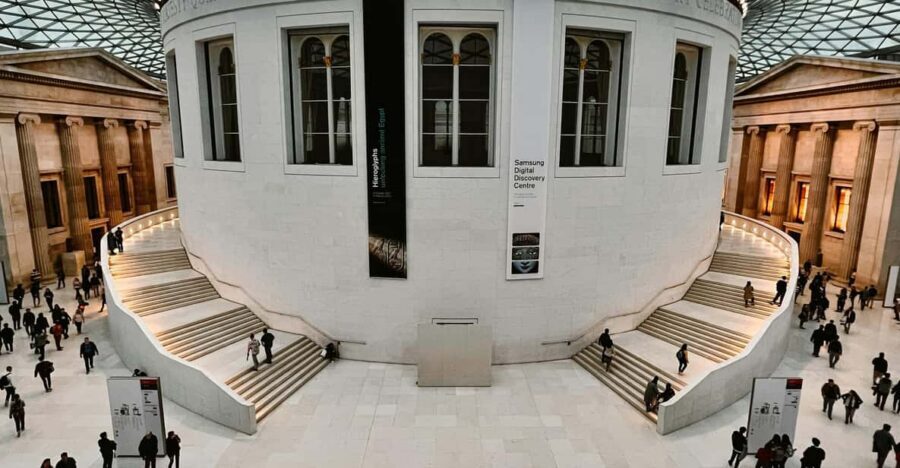
The British Museum’s scale is a real thing. You can walk all day and still feel like you barely scratched the surface. What makes this tour useful is that it gives you a path, then gives you a point of view for what you’re seeing.
I like that the guide doesn’t treat this as a checklist of statues and artifacts. Instead, you get “why this matters” in plain language—how one civilization’s ideas echo forward. One review even called out how helpful it is for a huge, complex museum when you’d otherwise spend your time squinting at labels.
Your group meets in a very specific place: inside the museum area, right after security. Meet your guide in front of the museum portals on the stairs near the pillars after you pass security (not outside the gates). Tickets are typically sent by WhatsApp about 1 hour before the tour; if you don’t use WhatsApp, you can contact the operator by email so they can send your entry tickets instead.
And yes, you still need to wear comfortable shoes. The route is short in time, but the building is long in walking.
Meeting Point, Timing, and How Express Security Helps

The tour runs for 2 hours, so every minute matters. The big practical win here is express security—you’re not stuck waiting in the longest line before you even start. That’s especially valuable at peak visiting hours when the museum can be packed.
Plan to arrive a bit early and treat the meeting point instructions as real instructions. “After security” matters. If you’re waiting outside the gates, you’ll miss your guide and add stress to the start of your day.
Also pay attention to the language setup. The tour is available in English, French, and Italian, and it may include two languages at the same time depending on demand and tickets. If you’re booking for a particular language, it’s smart to be ready for the possibility that you might hear another language in the background.
You can also read our reviews of more guided tours in London



Egypt First: Rosetta Stone Meaning in Human Terms
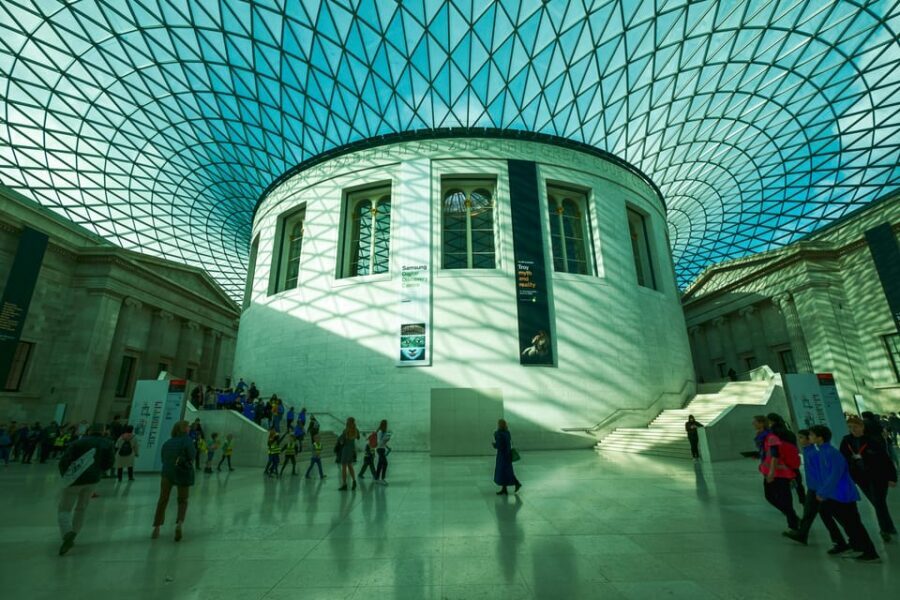
The tour opens in ancient Egypt, which is a great move because Egypt’s materials are often the most emotionally vivid to modern eyes. You’ll see relics tied to pharaohs and Egypt’s lasting image of power and belief. Then comes the moment people remember: the Rosetta Stone.
Here’s what I appreciate: this is not just “a rock with writing.” The guide’s job is to explain the key idea behind how hieroglyphs were deciphered. When you understand why the writing could be read at all, you stop treating it like decoration and start seeing it as communication.
This is also a good time to train your looking. In a self-guided visit, it’s easy to rush to the headline object. On this tour, you get enough context that you can slow down once you’re there, notice the surface details, and connect the objects to broader Egyptian worldviews.
Ancient Greece: Philosophy, Art, and Parthenon Clues
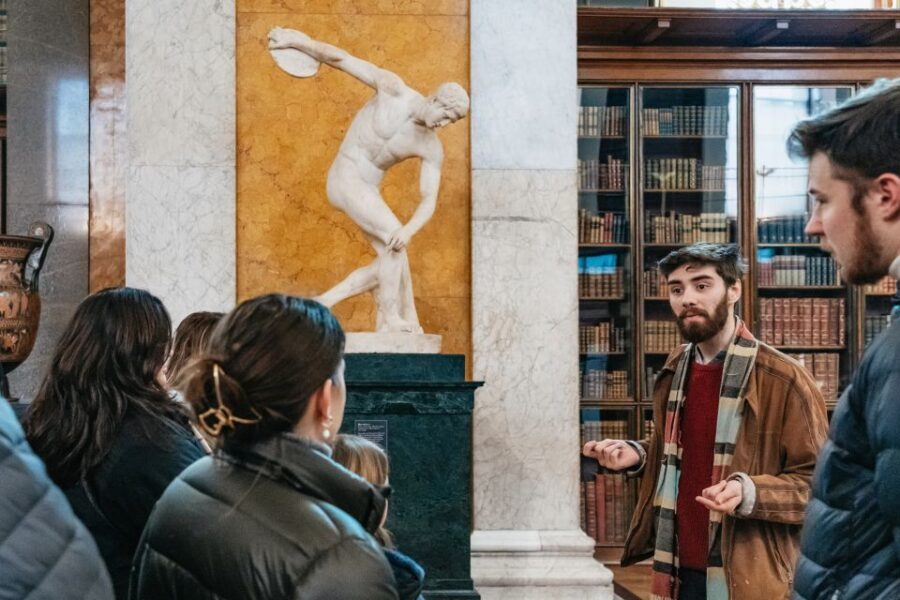
From Egypt you move into ancient Greece, where the tour focuses on how philosophy and art developed together. This is where the museum stops feeling like “a collection” and starts feeling like “an argument.”
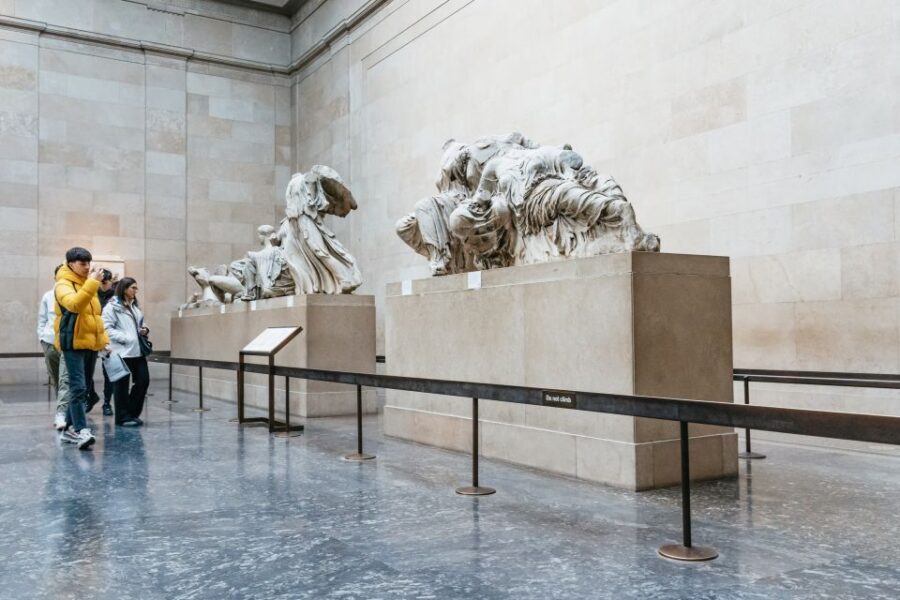
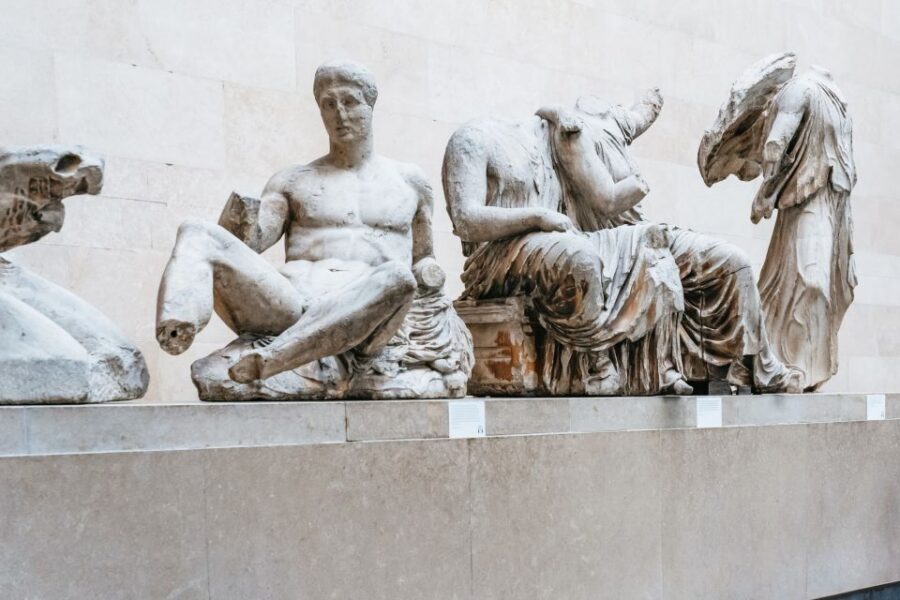
You’ll see iconic Parthenon-related sculptures and hear about marble inscriptions that shaped later Western thought. That matters because the Parthenon objects aren’t just aesthetic. They’re tied to identity—how Greek culture wanted to represent itself, and how later societies kept rewriting that influence.
A practical tip: in a museum, “famous” can sometimes mean “you think you know it already.” The guide’s role is to help you notice what’s still surprising. Greece is a perfect example. You may have studied names in school, but you likely haven’t been shown how the physical details support the ideas.
Rome’s Engineering and Emperors: Art With a Purpose
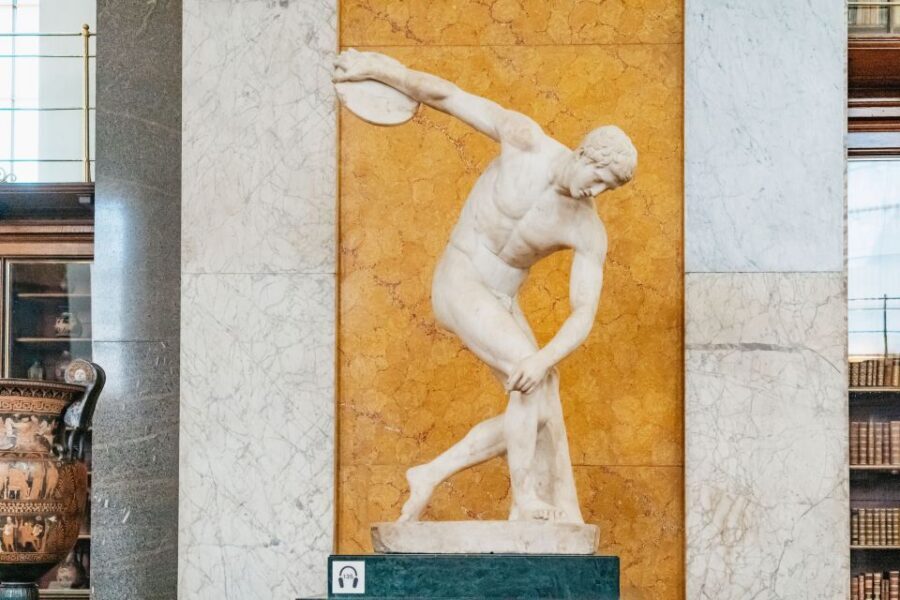
Next comes ancient Rome, and the tour keeps the story moving with rulers, engineering, and public display. You’ll spend time with mosaics and statues connected to gods and heroes, and you’ll also get explanations for why Roman art often feels both theatrical and practical.
This part of the museum can be easy to overlook if you’re wandering alone. Rome’s objects are everywhere in the British Museum, but they can blur together—unless someone gives you a route and a theme. Here, the theme is authority and how Rome projected power through art, architecture, and myth.
I like that Rome doesn’t get treated as “just copies of Greece.” The guide helps you see Rome as its own system—taking older forms and building its own message on top.
The Elgin Marbles and Other Contentious Objects: Seeing Context

One of the strongest moments in the tour is how it handles controversial pieces. In particular, you’ll encounter the Elgin Marbles. This is where a guide earns their fee.
Instead of pretending the objects exist outside politics, the tour highlights why the debate is even possible. Another review specifically praised how the guide stayed conscientious about the looted or stolen nature of some displays and called out contentious objects such as the Benin bronzes and Greek marble.
For you, the value is simple: you get to look at something famous without only repeating what you already heard online. You learn what questions people ask, and you understand why those questions matter for how we think about museums today.
You can also read our reviews of more museum experiences in London





Sutton Hoo and Hoa Hakananai’a: When the Route Gets Surprising
Not every highlight tour includes Sutton Hoo and Easter Island in the same breath. This one does, and that’s a smart way to keep the experience from turning into a single-region lecture.
You’ll head to Sutton Hoo, where Anglo-Saxon treasures offer a glimpse into early English life. It’s a different scale from the ancient Mediterranean. The culture feels closer to the story of Britain itself, which gives your “timeline in your head” a satisfying anchor.
Then comes the wild card: Hoa Hakananai’a, a moai from Easter Island. It’s an eye-opener because it changes the direction of the museum’s attention. You’re reminded that human culture isn’t a straight line from “then” to “now” in one location. It’s many places solving spiritual, artistic, and social problems in their own ways.
This pairing—Anglo-Saxon treasure plus moai sculpture—can feel like a leap on paper. On the tour, the guide’s job is to stitch it into the larger idea of shared human expression across time.
Global Artifacts: The Museum’s Big Point of View
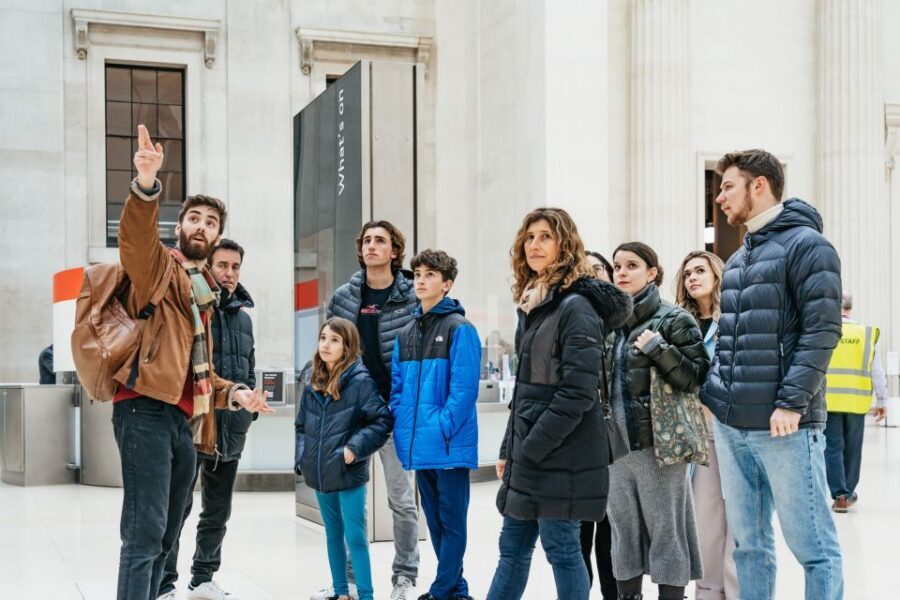
After the standout stops, you’ll still have time to see artifacts from around the globe. The goal isn’t to “cover the world.” It’s to help you leave understanding the British Museum’s central argument: human culture is diverse, connected, and deeply worth comparing.
This is where guides like Filomena and Stuart get repeated praise in reviews: they don’t just point at objects. They help you understand what to notice so the museum feels like a guided conversation, not a forced march.
If you’ve ever felt stuck in “sign-reading mode,” this part can be refreshing. With a good guide, you stop needing to interpret everything on your own. You get the stories that make the visuals click.
What You’ll Notice While Walking the Route
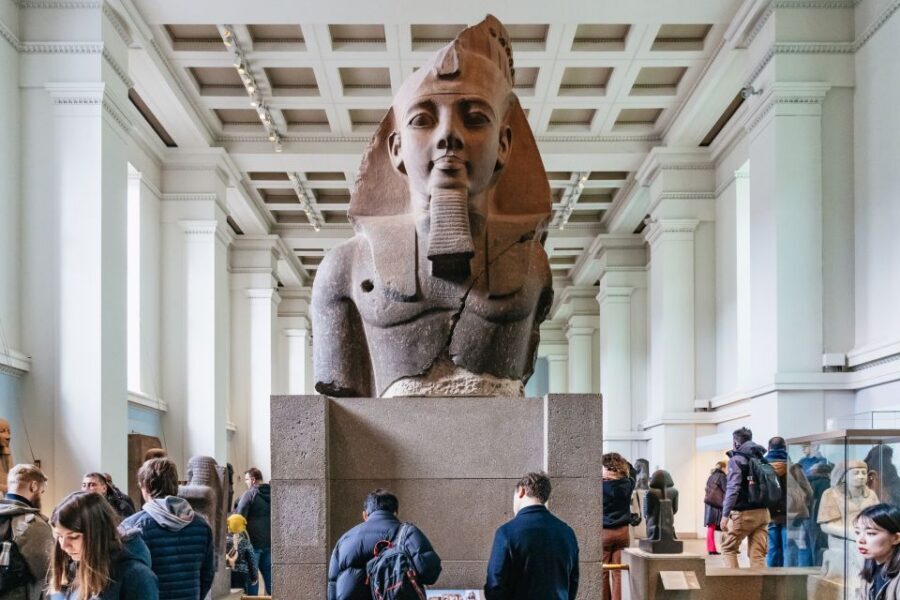
Because this is a guided tour, you’ll experience the museum with momentum. You won’t have time to sit in front of everything. So you should use the tour for what it does best: turning your attention into priorities.
Here are the practical benefits you can expect:
- You’ll see the museum’s biggest anchors first, so you don’t miss the objects that define how the museum tells its story
- You’ll get “where to look” moments—like what to focus on in sculptures, inscriptions, or mosaics
- You’ll get guidance for navigating a complex building without getting lost in floor-to-floor wandering
One review even mentioned how the cost felt like well-worth it value for the time saved inside such a huge space. Another review noted the guide helped guests see beyond the most obvious highlights and still keep the visit short and satisfying.
Price and Value: Is $39 Worth It?
At $39 per person for a 2-hour guided visit, the value depends on how you like to travel.
If you’re the type who gets overwhelmed by giant museums, this price is often a bargain. A guide basically saves you from choosing wrong priorities. You also benefit from express security and a route tailored to what’s most remarkable, which is hard to replicate efficiently on your own.
If you prefer a slow, self-directed day—reading every label, taking long breaks, and wandering into side galleries—then $39 can feel like paying to skip freedom. One review even advised that if you love wandering, you can do it alone and still enjoy the museum. That’s true.
But for most people, this tour hits a sweet spot: enough time to feel “oriented” and enough interpretation to make the highlights meaningful. And because many reviews mention guides being friendly, flexible, and willing to adjust the experience (including cases that felt like near-private tours when group size was small), it’s easy to see why the rating is strong.
Small Group Moments (and Why They Matter)
This tour can feel more personal than you might expect. Some reviews describe occasions where the group was small enough that it basically turned into a private tour feel. That’s a real advantage because the guide can slow down, answer questions, and help you see what you actually care about.
Even when it’s not private, you’ll likely get a sense of attention. Reviews mention guides checking in, helping guests feel comfortable, and even taking extra time when possible so guests could see more artifacts.
Just remember: even in a smaller group, the museum is a noisy public space. One review mentioned hearing was difficult due to crowds and audio clarity. If you’re a light sleeper—or you just hate struggling to hear—bring earbuds and plan to stand closer when you can.
Who This Tour Fits Best
This guided tour is a great match if you:
- want the big highlights without losing time in a maze of galleries
- care about meaning and context, not just object descriptions
- like history told as a story with links across cultures
- want a guide who addresses difficult topics rather than skipping them
It’s less ideal if you:
- dislike group tours or prefer silence
- need perfect audio for narration and Q&A
- want to spend a full day slowly following your own curiosity
Should You Book the British Museum Guided Tour?
I’d book it if your goal is to leave the British Museum feeling oriented and impressed, not exhausted and unsure what you just saw. At $39 for 2 hours, the guide gives you something you can’t easily buy with self-walking: interpretation, a tight route, and a thoughtful approach to famous and contested objects like the Elgin Marbles.
You might skip it if you already know you love slow gallery wandering and you plan to spend hours reading labels. In that case, you can absolutely enjoy the museum on your own.
But if you want the museum’s best stories—Egypt to Greece to Rome, plus Sutton Hoo and Easter Island—this tour is one of the smartest ways to do it fast, with enough context to make it stick.