REVIEW · MANCHESTER
Manchester: SEA LIFE Entrance Ticket
Book on GetYourGuide →Operated by Merlin Entertainment (Sea Life) Ltd · Bookable on GetYourGuide
A trip to SEA LIFE Manchester turns an ordinary ticket into an underwater walk-through. You’ll see sharks, jellyfish, and rays overhead as you move through 11 themed zones, with the Ocean Tunnel putting you right at sea-bed level looking up.
What I like most is the mix of big-view exhibits and hands-on moments, so kids get both wow and involvement. I also like how the place highlights real animals, not just cartoons.
The second standout for me is the interactive rockpool. You can touch creatures like starfish, crab, and scarlet cleaner shrimps, which makes the whole visit feel more than a slideshow.
I’m also a fan of the 3D Turtle Beach show, with Ernie and Cammy the resident giant green sea turtles anchoring the experience.
One drawback to consider is time. Even with a relaxed pace, most people plan for about 1.5 to 2 hours, and one review noted it can feel short if you expect to linger for much longer.
In This Review
- Key things to know before you go
- Your first look at SEA LIFE Manchester: what kind of visit it is
- Ocean Tunnel: the star exhibit and why it works
- The interactive rockpool: the hands-on moment people remember
- Turtle Beach 3D: what the sea turtle life-cycle show does for families
- Rocky Hideout caves and the Japanese Spider Crab highlight
- How long SEA LIFE Manchester takes (and how to pace it)
- Ticket value: what you’re paying for (and where the value is)
- Who this is best for (and who may find it less satisfying)
- Final verdict: should you book SEA LIFE Manchester?
- FAQ
- How long does SEA LIFE Manchester take?
- What’s included in the ticket?
- Is there on-site food and drinks available?
- Is SEA LIFE Manchester wheelchair accessible?
- Can kids under 2 enter for free?
- What can I see and do during the visit?
- Is it refundable if my plans change?
- Can I reserve now and pay later?
Key things to know before you go
- Ocean Tunnel views: Walk into a glass-and-water tunnel with sea life swimming overhead.
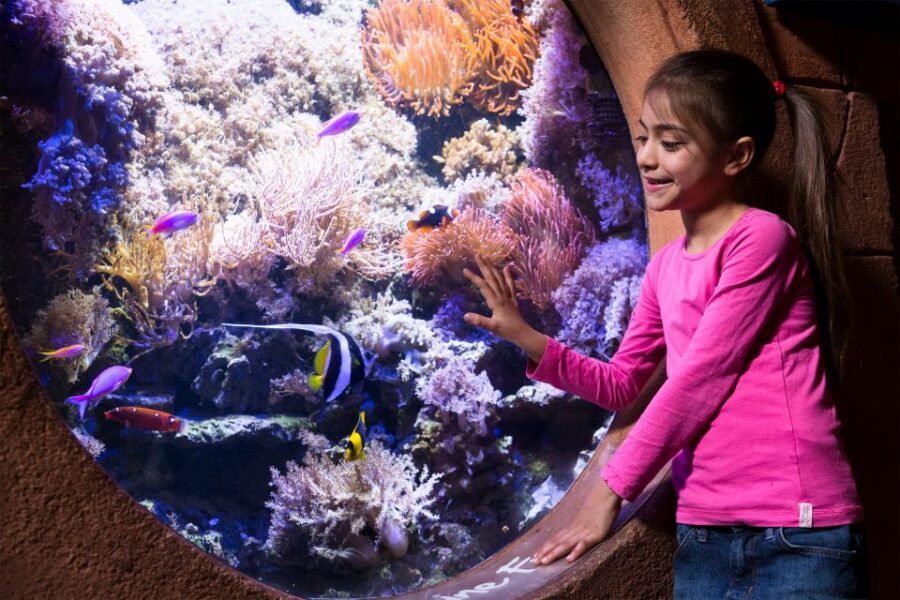
- Rockpool touch experience: Starfish, crab, and scarlet cleaner shrimps give you a hands-on moment.
- Turtle Beach 3D show: A projection experience that walks you through a sea turtle’s life cycle.
- 11 themed zones: The layout keeps you moving from coast-like scenes to deeper ocean areas.
- Rocky Hideout caves: Mini caves and immersive tank displays focus on smaller, stranger species.
- Japanese Spider Crab highlight: A standout creature with claws reaching about 3 meters claw to claw.
Your first look at SEA LIFE Manchester: what kind of visit it is
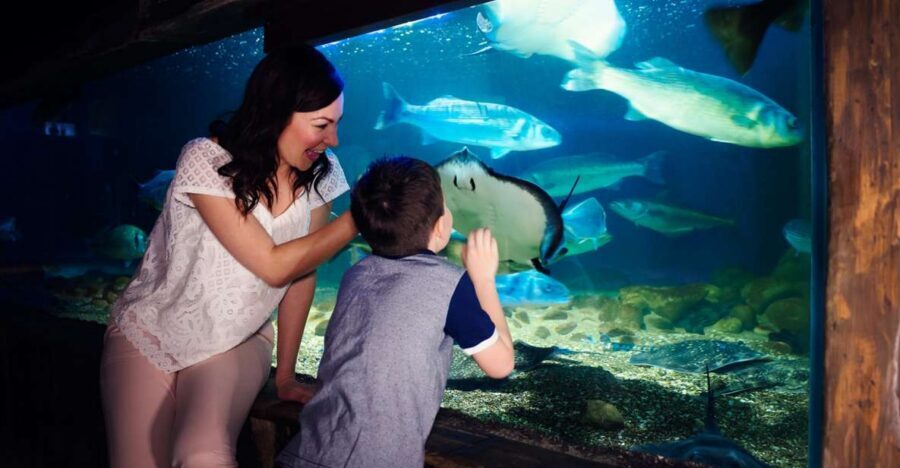
SEA LIFE Manchester is the kind of attraction that works best when you treat it like a guided route through a living set of habitats. The ticket isn’t just about seeing tanks in a row. It’s about pacing yourself through 11 themed zones, so each turn feels like a new scene rather than repeated glass boxes.
If you’re bringing kids, you’ll appreciate the way the exhibits change the pace. There are long viewing moments (the Ocean Tunnel) and then short, hands-on stops (the rockpool). That keeps energy from draining too early, especially for younger visitors who lose interest fast when everything is just watching.
For parents, the big practical point is planning around time and food. There are no on-site food and drink facilities where you can buy lunch, so decide where your meal happens before or after you go in.
A few more Manchester tours and experiences worth a look


Ocean Tunnel: the star exhibit and why it works
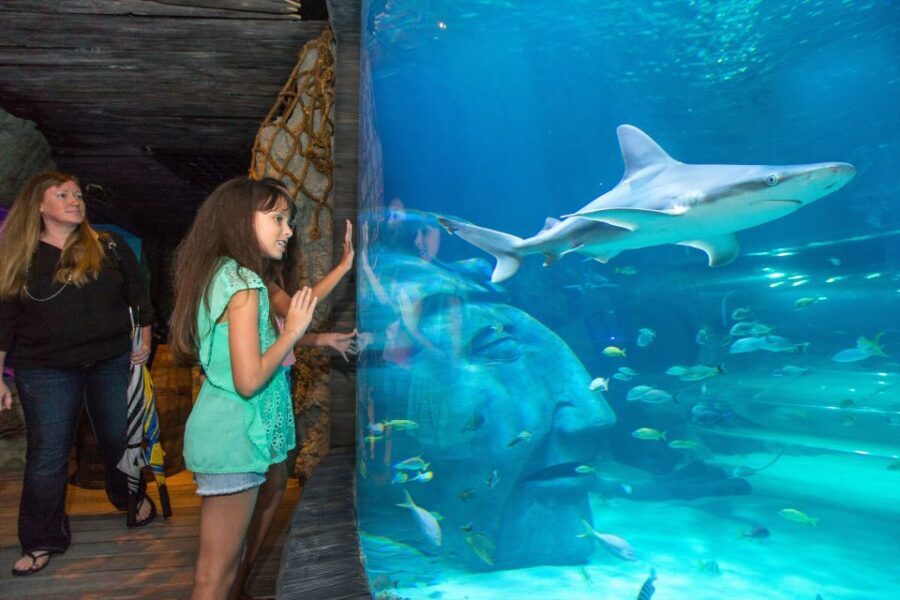
The headline experience is the Ocean Tunnel, where you can soak up views from the sea bed with tropical creatures swimming overhead. This is the part that makes the underwater theme feel real, because you’re not just facing one tank wall. You’re inside a passage while water life moves above you.
Here’s why that matters for value. Big tunnels create instant, shared excitement. Even if a child is picky at first, the moment they see sharks or rays overhead, the whole group’s attention snaps into place. It also gives you photos without the stress of chasing a single animal. The action is spread across the tunnel so there’s usually something to look at every few steps.
Plan to slow down here and do a quick scan first, not a sprint. If you rush, you miss the small details that make it satisfying. When you’re traveling with kids, giving yourself 10 minutes to really look helps the rest of the route go smoother.
The interactive rockpool: the hands-on moment people remember
The interactive rockpool experience is one of the best reasons to choose this visit over a standard aquarium browse. You get the chance to touch creatures such as starfish, crab, and scarlet cleaner shrimps.
Why this is such a big deal: touch turns knowledge into memory. Seeing an animal in a tank is interesting, but touching it changes the whole experience for children. It helps them connect names with texture and shape, and it gives you something to talk about afterward that isn’t just I saw a fish.
A practical note: because this is an interactive area, you’ll want to keep your expectations realistic. The goal is short, guided interaction, not extended play time. If you come expecting a half-hour science lab, you may feel rushed. But if you want one memorable hands-on stop, this is exactly that.
Turtle Beach 3D: what the sea turtle life-cycle show does for families
In addition to the animal exhibits, you’ll find Turtle Beach, an interactive 3D projection experience focused on the sea turtle life cycle—from egg to the sea. It’s built to give the animals a story, not just a location.
This matters because kids often understand best when they can connect stages. Eggs, hatchlings, and survival themes are easier to remember when they’re shown in sequence. The show is also a good use of indoor time on a gray day, since the format is controlled and doesn’t depend on animals being active.
The experience is especially relevant to the venue’s star resident turtles: Ernie and Cammy, the giant green sea turtles. Even if you’re not a turtle expert, having recognizable animal characters makes the show feel grounded in the same world you’re walking through.
If your child is more into shows than walking around, Turtle Beach is often the moment that keeps attention from wandering.
Rocky Hideout caves and the Japanese Spider Crab highlight
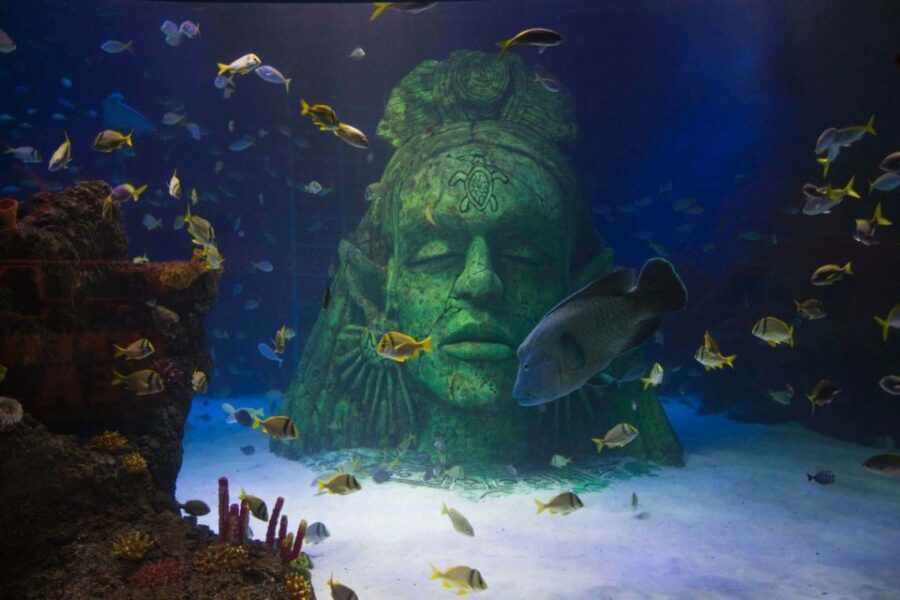
Not every part of SEA LIFE Manchester tries to recreate the ocean as a postcard. Some zones lean into “mystery underwater,” and two areas in particular make that theme feel fun instead of scary.
In Rocky Hideout, the focus is the underwater cave system. You’ll find mini caves and immersive tank displays that let you get up close to weird and wonderful species. For children, cave-style exhibits tend to create natural interest because it feels like exploring. For adults, it’s a nice change from the usual open-water views.
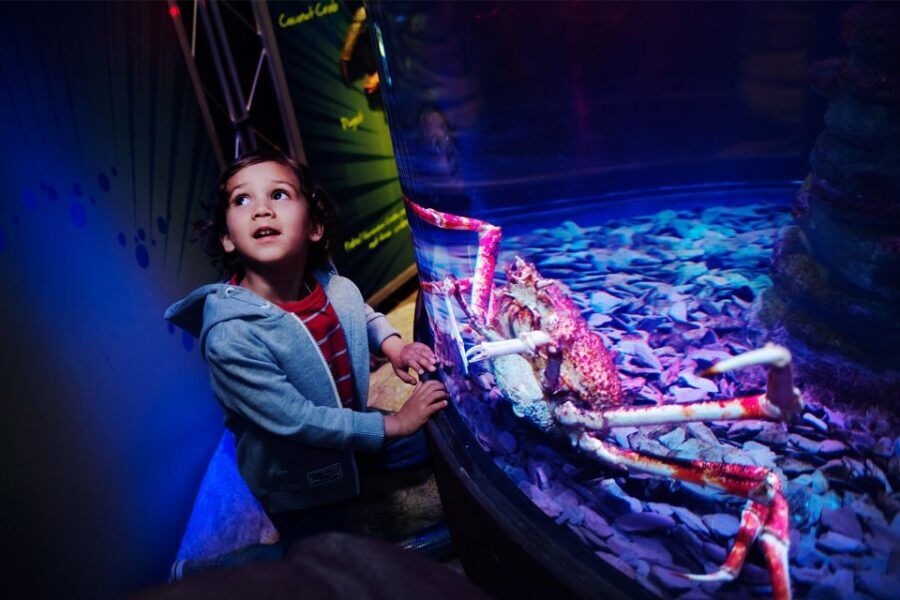
Then there’s the lair of the Japanese Spider Crabs. This is a standout “wow” moment because the crabs have claws that measure about 3 meters claw to claw. That scale is hard to get from a distance, so the exhibit works best when you pause long enough to process the size.
If you’re trying to keep a group happy, this is where you’ll likely win points. It’s a clear visual hook, and it gives kids a simple talking point. You can point and ask questions like what the crab’s reach would mean in the wild.






How long SEA LIFE Manchester takes (and how to pace it)
The full experience is typically planned for 1.5 to 2 hours. That time window is short enough that you won’t be stuck in lines all day, but long enough to include both main attractions and a few extra stops.
I’d pace it like this:
- Start with the Ocean Tunnel so you get the biggest early payoff while everyone’s attention is fresh.
- Follow with the rockpool since it’s the type of interaction people tend to remember.
- Work in Rocky Hideout and the spider crab area as the route moves deeper into themed sections.
- Save Turtle Beach for when you need an organized indoor break, especially with younger kids.
The “consideration” part is simple: if you try to do everything at a sprint, you’ll still finish quickly, but it won’t feel like a full experience. One review noted it can feel too short, which makes sense if you expect to spend extra time replaying shows or returning for multiple passes.
Your best move: go in knowing it’s a focused visit. Treat it as a strong morning or afternoon stop, not an all-day plan.
Ticket value: what you’re paying for (and where the value is)
At about $21 per person, SEA LIFE Manchester sits in a mid-range category for family attractions. The value depends on what you want from it.
If your family likes hands-on moments, the ticket makes more sense. The interactive rockpool and the 3D Turtle Beach show are not just add-ons. They’re core parts of what makes the visit feel complete.
If your group is purely tank-watchers who want to linger, you might feel the price quicker, because the average visit time is 1.5 to 2 hours. That doesn’t mean it’s small, though. It means the attraction is designed for a tight route.
Also remember what isn’t included: food and drinks are not available for lunch on-site. So your true day cost might include a meal somewhere nearby before or after. Factor that in and you’ll avoid the surprise of paying extra outside your ticket budget.
Who this is best for (and who may find it less satisfying)
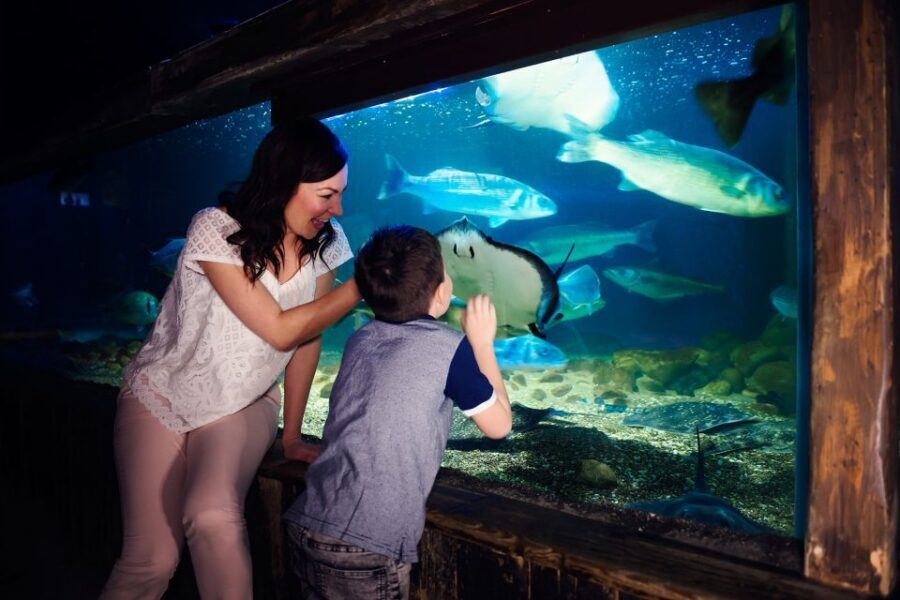
This works especially well for families with kids who enjoy animals but need more than just standing still. The mix of big set pieces (tunnel and spider crabs), tactile fun (rockpool), and a structured show (Turtle Beach) makes it friendly for varied ages.
You’ll also enjoy it if you like clear, easy-to-follow attractions with strong visuals. The 11 themed zones help you feel like the visit has flow instead of random wandering.
If your group is looking for a long, slow museum-style experience, you may find it too short. And if you’re planning a full day out, the no on-site lunch detail means you’ll need to plan food around the visit.
Final verdict: should you book SEA LIFE Manchester?

Book it if you want a family-friendly aquarium visit with real highlights: the Ocean Tunnel, a true hands-on rockpool touch experience, and the 3D Turtle Beach life-cycle show featuring Ernie and Cammy. For the typical 1.5 to 2 hours spend time, the ticket value is solid, especially if your kids are the kind that light up at animals you can see and touch.
Skip it only if you’re expecting an all-day plan, or if you’re budgeting around needing food on-site during the visit. The experience is well-designed for a short, memorable outing—so go in with that mindset and you’ll leave happy rather than rushed.
FAQ
How long does SEA LIFE Manchester take?
On average, plan for 1.5 to 2 hours to enjoy the full experience.
What’s included in the ticket?
Your ticket includes entrance to SEA LIFE Manchester.
Is there on-site food and drinks available?
No. There are no on-site food and drink facilities where you can buy lunch.
Is SEA LIFE Manchester wheelchair accessible?
Yes, the attraction is wheelchair accessible.
Can kids under 2 enter for free?
Yes. Children under 2 years old visit for free.
What can I see and do during the visit?
Expect 11 themed zones, including the Ocean Tunnel, an interactive rockpool touch experience, and Turtle Beach, an interactive 3D projection about the sea turtle life cycle.
Is it refundable if my plans change?
Yes. There is free cancellation up to 24 hours in advance for a full refund.
Can I reserve now and pay later?
Yes. The option reserve now & pay later is available so you can book and pay nothing today.