REVIEW · OXFORD
Oxford: History of Medicine Tour – by Uncomfortable Oxford™
Book on GetYourGuide →Operated by Uncomfortable Oxford · Bookable on GetYourGuide
Medicine left scars on Oxford. This 1.5-hour tour uses Oxford’s own buildings to trace the history of medicine and the hard questions around public health. You get a guided story from university researchers, not a dry list of dates.
I especially love how the tour connects medieval epidemic disease to later university medical work, including the tensions around dissection and learning anatomy. I also like that it keeps the conversation human and present-day—stories tied to empire, race, class, and gender aren’t tacked on, they explain why health policy and medical practice have always been political.
One consideration before you go: if you’re hoping for a classic “medical landmarks” route with famous specific rooms and houses, this one stays outside and keeps returning to ethics and inequities. That approach is valuable, but if you want more hands-on sightseeing, it may feel like a lecture—especially in cold, wet weather.
In This Review
- Key things that make this tour worth your time
- Getting oriented at the Hertford Bridge (Bridge of Sighs)
- New College: How a university city shapes medical study
- Bodleian Quadrangle: Plagues, patterns, and the politics of health
- Clarendon Building and the anatomy ethics thread
- Kings Arms Pub stop: When medical debate meets real life
- Oxford University Museum of Natural History: Evidence, specimens, and meaning
- War Memorial Garden to St Luke’s Chapel: Medicine, memory, and contested rights
- The guide style: university researchers with performance skills
- Price and time: is $29 for 1.5 hours good value?
- Who this tour is best for (and who should think twice)
- Should you book this Oxford history of medicine tour?
- FAQ
- Where do I meet the guide?
- How long is the tour, and how much walking is involved?
- Does the tour go inside any colleges or libraries?
- What stops are included on the route?
- Is the tour wheelchair accessible?
- What ages is the tour suitable for?
- Can I cancel or pay later?
Key things that make this tour worth your time
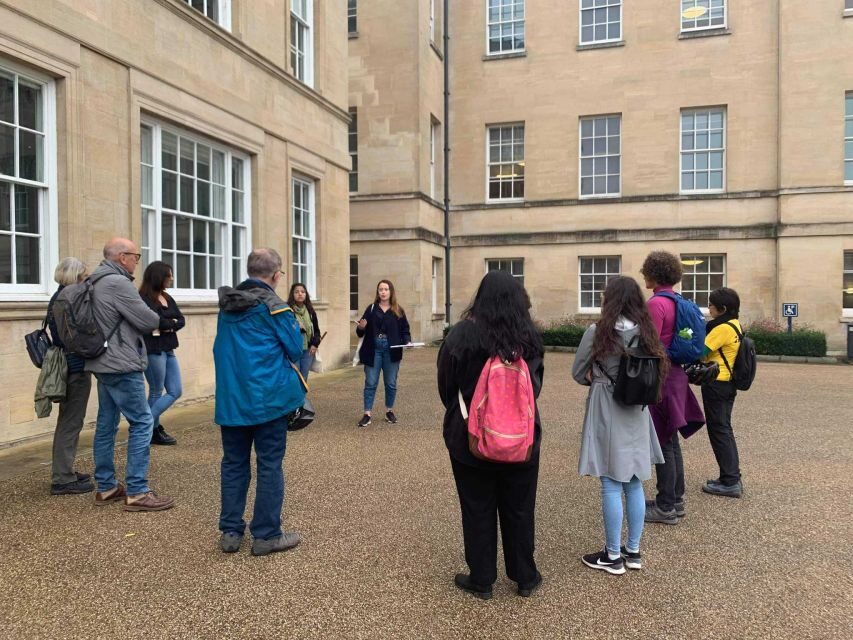
- A 2 km, 90-minute walk that’s built around themes, not museum stops
- University-researcher guides trained in Uncomfortable Oxford’s approach
- Outside-only route that still connects to dissection, anatomy teaching, and early penicillin
- Public health vs individual rights as a recurring storyline, not a side topic
- Oxford’s built environment as evidence, including “health geographies” and resistance to policy
Getting oriented at the Hertford Bridge (Bridge of Sighs)
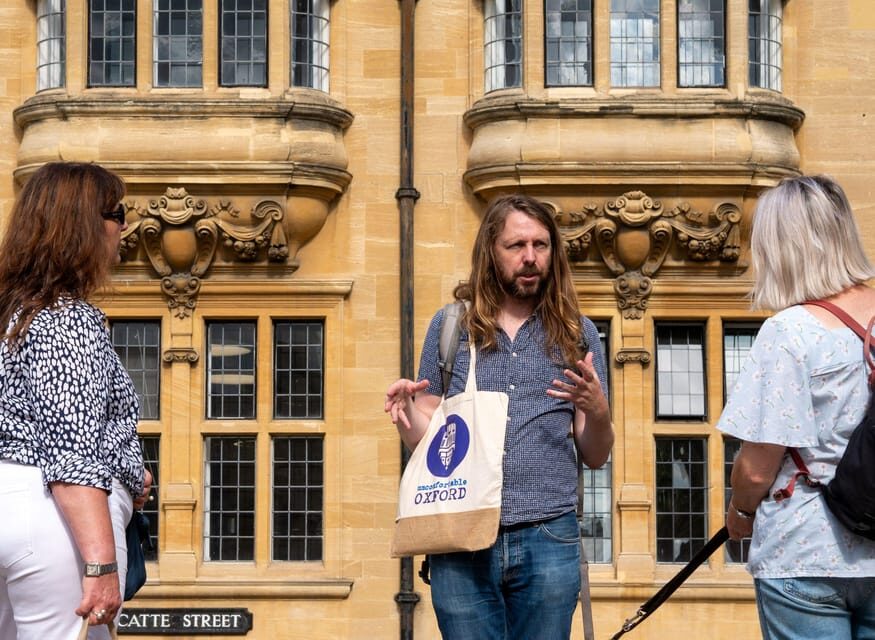
You start under the Bridge of Sighs, also called Hertford Bridge. It’s a strong place to begin because the tour immediately frames medicine as something shaped by institutions, not just hospitals and doctors.
What I like here is the tone. The guide sets expectations that this is an uncomfortable topic tour, but it’s still practical and easy to follow. You’re walking, seeing recognizable Oxford architecture, and hearing how disease spread and how societies tried to manage it.
Also, this start makes it easy to decide what kind of tour you’re in. If you want soothing “progress” stories, you won’t get them. If you’re okay with the messier truth—how medicine intersects with power—you’re in the right place.
You can also read our reviews of more historical tours in Oxford


New College: How a university city shapes medical study
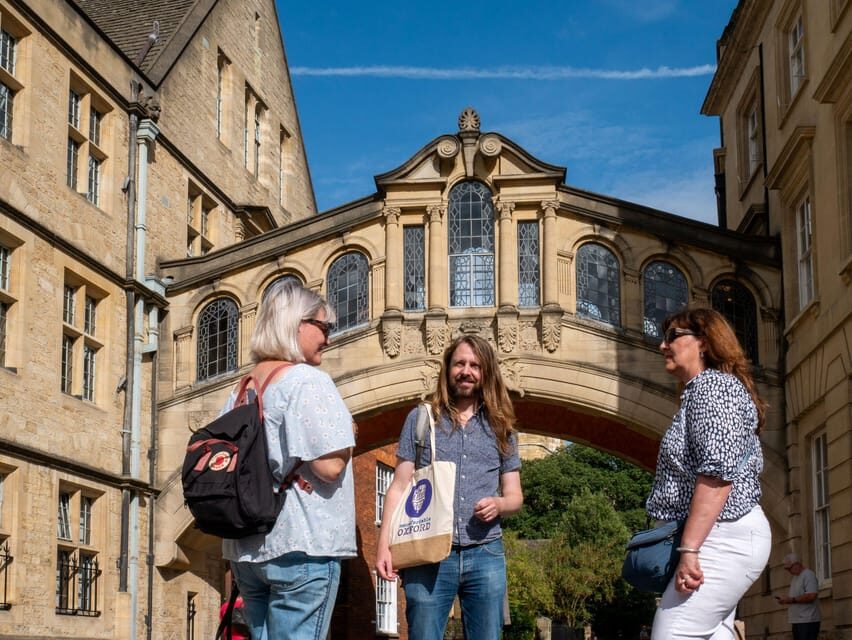
Your next stop is New College, reached after a short walk. Even without entering any buildings, you get a sense of Oxford as an engine for knowledge—and knowledge as a force that affects real bodies.
This tour uses those Oxford landmarks to talk about learning anatomy and the uncomfortable realities around how medical understanding advanced. Expect the story to include tensions tied to dissection and study—where the drive for medical knowledge runs into questions about consent, boundaries, and who gets protected when disease hits.
I found this part helpful because it explains why Oxford matters for medicine. It’s not only about what researchers discovered; it’s about how the university system decided what counts as legitimate evidence and whose bodies were treated as “material.”
Drawback check: you won’t be inside New College. If you were picturing a sight-by-sight “medicine tour” that feels like a sightseeing scavenger hunt, this section won’t scratch that itch. It’s more interpretation than access.
Bodleian Quadrangle: Plagues, patterns, and the politics of health
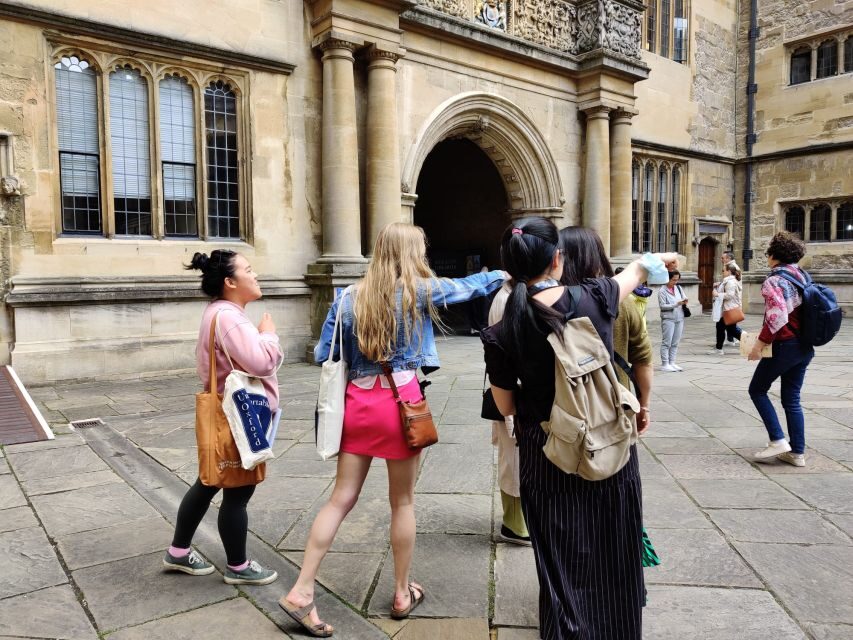
From there, you move to the Bodleian Quadrangle. Again, it’s an outside stop, but the themes keep tightening: epidemics aren’t random events; they travel along social routes.
This is where you’ll likely hear about medieval outbreaks and the way disease created pressure on public health decisions. The tour’s running focus on health geographies matters here. It pushes you to think about how neighborhoods, institutions, and movement patterns influence who gets exposed—and who gets help first.
I like that the conversation isn’t just “disease history.” It keeps returning to resistance—people and communities didn’t always accept public health measures. That’s one of the most useful takeaways for today, because it shows that conflicts over control of the body aren’t new. They’re a long-running debate between policy makers and individuals.
If you’re the type who gets impatient with big themes, you might want to pay attention during the walk. The tour relies on you connecting dots as you go, rather than on you getting a steady stream of dramatic “this is exactly what happened here” moments.
Clarendon Building and the anatomy ethics thread
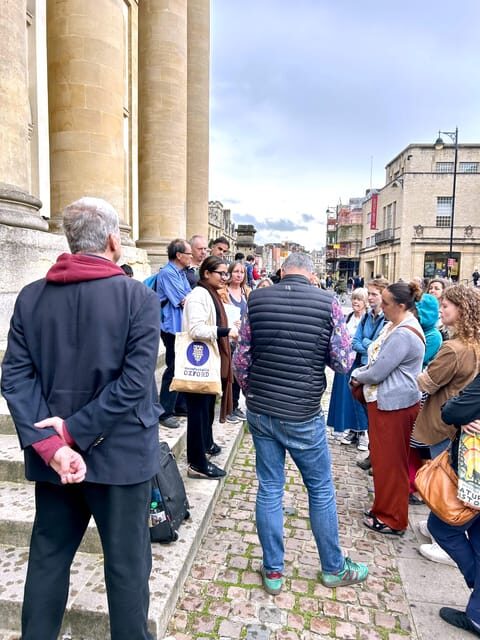
Next up is the Clarendon Building. Here, the tour tends to link education, institutions, and medical ethics more directly. You’re essentially following a question: how does a university build medical authority, and what ethical lines does it cross while doing it?
The tour highlights cases of dissection and the study of anatomy at the University. That’s inherently uncomfortable, and the guide doesn’t treat it as shock value. The goal is to show the broader tension: medical progress can depend on choices that raise questions about rights and dignity.
This section is also where the guide’s training shows. Uncomfortable Oxford guides go beyond facts and into the “how do we interpret this?” space. You’re not just learning that anatomy study happened—you’re being asked to consider who had agency, who didn’t, and how those patterns echo later medical research.
Practical tip: if you have trouble concentrating in Oxford wind and drizzle, take breaks when seating is offered during the route. The tour includes places to sit throughout, and using them keeps the last half from feeling like one long talk.
Kings Arms Pub stop: When medical debate meets real life
At some point on the route, you’ll make a stop at the Kings Arms Pub. This pause matters more than it sounds. A conversation about epidemic disease and rights can get heavy, and the pub stop gives your brain somewhere to reset without ending the tour.
Even though this isn’t presented as a formal “medical history pub crawl,” the setting helps underline a key idea: public health debates are never only about science. They’re social negotiations that happen in ordinary spaces, with ordinary people.
This is also where the tour’s theme of conflicts around control of the body becomes easier to grasp. You’ll be thinking about how policy, trust, and fear collide—then you’re standing in a lived-in Oxford street scene. That contrast makes the discussion feel less abstract.
If you’re hoping the pub stop is a deep dive into specific drinks or a meal included in the price, don’t expect that. Your main value is staying on topic and keeping the narrative moving.





Oxford University Museum of Natural History: Evidence, specimens, and meaning
The route continues to the Oxford University Museum of Natural History. Like the other stops, this is part of the outside experience, but it’s a smart choice because it points to how scientific evidence is collected and displayed.
This tour connects that idea to epidemic disease history and medical progress. You’ll likely hear how the “evidence” of medicine can be shaped by what institutions decide to study—and how those choices can reflect social bias.
One theme the tour leans into is the clash between public health goals and individual rights. Standing near a museum associated with natural history encourages you to think about medicine as observation and interpretation. But it also reminds you that observation doesn’t happen in a vacuum; it happens inside a society with rules about who gets to speak and who gets heard.
I like that this stop supports a bigger interpretation: medicine doesn’t only treat illness. It also decides how to classify people, risks, and vulnerability. That’s why topics like race, class, and gender show up in the tour narrative. The guide isn’t randomly listing modern issues; they’re tracing how long those patterns run.
War Memorial Garden to St Luke’s Chapel: Medicine, memory, and contested rights
Later you’ll reach the War Memorial Garden and then the Radcliffe Observatory Quarter area, finishing at St Luke’s Chapel. This end stretch shifts from “how Oxford learned medicine” to “how societies carry those lessons forward.”
The tour keeps returning to ethical friction—public health measures versus individual rights, medical authority versus public trust. But by the time you’re near the chapel, the tone tends to feel more reflective. It’s a good way to close, because medicine history includes both discovery and harm, plus the consequences that last long after an outbreak fades.
This ending also lines up with the tour’s stated focus on histories of empire and the long shadow those systems cast on modern lives. Even if you’re not a medical-history person, that connection tends to land because it reframes medicine as part of human governance. Who controls the story of disease often reflects who holds power.
Important for your comfort: the route runs in all weather. If you’re doing this on a cold day, you’ll feel it during the walk segments. Wear layers, and bring water if you need it—Oxford days can be deceptively tiring even when you’re not walking far.
The guide style: university researchers with performance skills
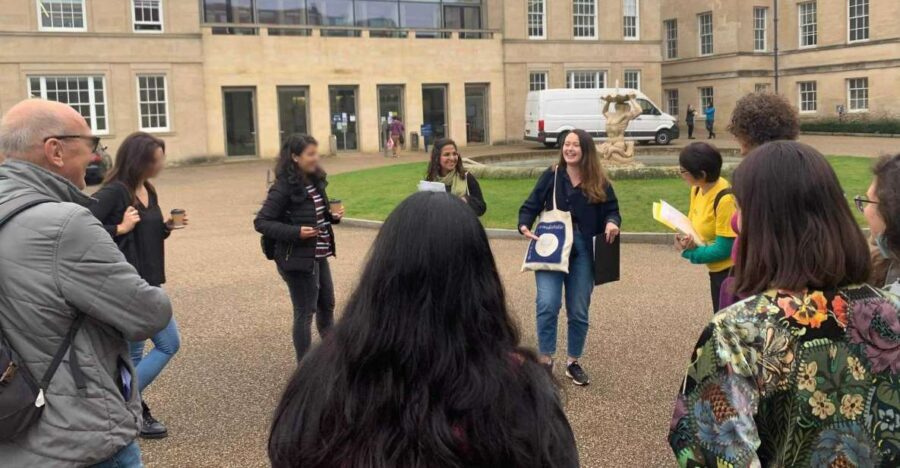
A big value point is the people leading the tour. Uncomfortable Oxford says all guides are university researchers trained in their official programme. They’re not only subject experts; they’re also trained to explain clearly and keep the pace lively.
In practice, this means you should expect discussion, not just recitation. The tour doesn’t treat medicine as a tidy timeline. It treats it like a conversation about ethics, bias, and who benefits from medical progress.
I also think this guide approach fits the Oxford setting. You’re standing among the visual “evidence” of old institutions. A performance-trained guide helps you read what you’re seeing without turning it into a museum audio device.
If you want a tour that’s mostly site facts—who lived where, what lab did what, which room holds which artifact—this might not meet that desire. But if you want meaning, and you’re okay with uncomfortable questions, the format is a strong match.
Price and time: is $29 for 1.5 hours good value?
At $29 per person for about 1.5 hours, this is priced like a budget-friendly tour, not a premium museum add-on. The reason it can still feel like good value is the guide quality and the tight storyline. You get an expert who ties multiple medical themes together while you walk a short route around Oxford landmarks.
You’re also getting what many longer tours try to do, but in less time: medieval epidemics, dissection and anatomy study at the University, tensions over rights in public health, and references to early penicillin trials. You won’t cover all of Oxford’s medical story in one sitting—but you’ll leave with a framework that makes other medical history you encounter make more sense.
If you’re deciding whether it’s worth it for you, use this quick test:
- If you want a themed walk that challenges how medicine is practiced and governed, $29 is a fair deal.
- If you’re mainly chasing specific famous medical sites and expect lots of “inside” access, you may feel like you paid for interpretation more than landmark access.
Either way, the duration is short enough that you’re not gambling a full afternoon in weather you can’t control.
Who this tour is best for (and who should think twice)
This is a good fit for people aged 12 and older who don’t mind tough subject matter. If you like history that connects to today—health equity, ethics, and the politics of bodies—this tour should feel relevant.
It’s also a strong choice if you enjoy walking Oxford’s core areas and want your route to mean something beyond pretty buildings. The tour is about using the city as evidence, so you’ll likely enjoy it more if you like noticing details and asking why institutions are where they are.
I’d think twice if:
- You’re hoping for a classic medicine sites checklist with lots of specific “this is the exact penicillin thing” sightseeing.
- You strongly prefer tours that stay strictly in chronology and avoid debates about race, class, gender, empire, and bias.
- You don’t want to spend a chunk of a rainy Oxford hour in discussion mode.
One more practical note: the tour lasts 1.5 hours and covers about 2 km. If your walking tolerance is low, plan for slow pacing and use the sitting opportunities. Even though it’s wheelchair accessible, there can be mild uneven cobblestones and busy weekend streets.
Should you book this Oxford history of medicine tour?
Book it if you want a short, smart walk that connects Oxford’s medical past to ethical questions that still matter. I especially think it’s worth it for the way the tour ties together epidemic disease, anatomy study and dissection themes, and the long fight over public health versus individual rights.
Skip it or choose a different option if your main goal is traditional medical landmark sightseeing with inside access and a more conventional “what happened next” timeline. This route is outside-only, and it leans into interpretation and discomfort more than sight-specific storytelling.
If you’re curious and open-minded, this tour gives you a new lens for seeing Oxford—and it does it without asking you to spend all day.
FAQ
Where do I meet the guide?
Meet your guide under the Bridge of Sighs, also called the Hertford Bridge. The guide will be wearing a bright blue vest and holding an Uncomfortable Oxford branded tote bag.
How long is the tour, and how much walking is involved?
The tour lasts about 1.5 hours and covers roughly 2 km, with seating points along the way.
Does the tour go inside any colleges or libraries?
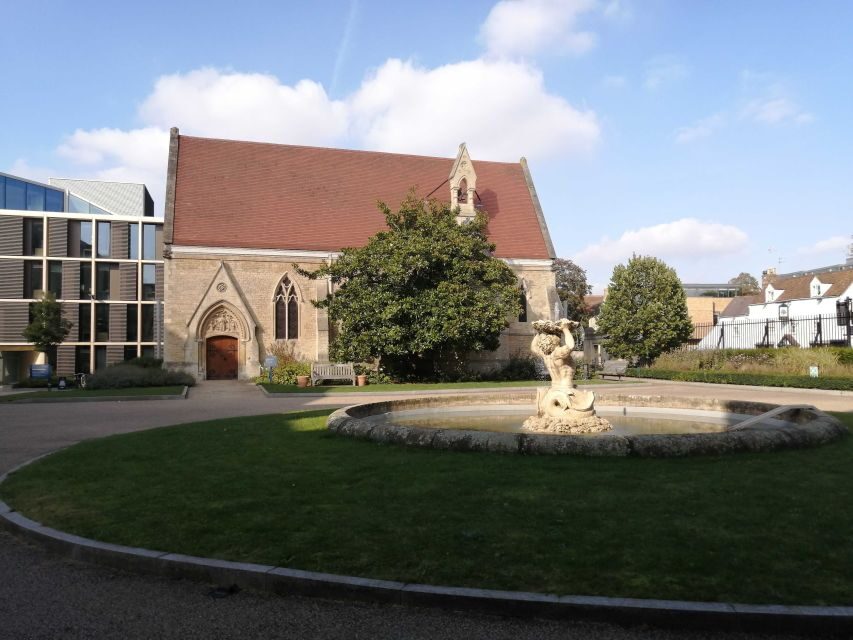
No. The tour does not go inside any colleges or libraries. It stays outside during the walk between stops.
What stops are included on the route?
You’ll visit or pass key areas including the Bridge of Sighs (Hertford Bridge), New College, the Bodleian Quadrangle area, the Clarendon Building, Kings Arms Pub, the Oxford University Museum of Natural History, the War Memorial Garden, and the Radcliffe Observatory Quarter, finishing at St Luke’s Chapel.
Is the tour wheelchair accessible?
It is wheelchair accessible, but expect mild uneven cobblestones and busy streets on weekends.
What ages is the tour suitable for?
The tour is recommended for ages 12 and older.
Can I cancel or pay later?
Yes. You can cancel up to 24 hours in advance for a full refund. You can also reserve now and pay later.