REVIEW · OXFORD
Oxford: Inspector Morse Lewis Endeavour Small Group Tour
Book on GetYourGuide →Operated by Visit Oxford Tours · Bookable on GetYourGuide
Oxford feels different when detectives lead the way. This Inspector Morse, Lewis and Endeavour small-group tour strings together real Oxford University and city spots tied to the shows, so the streets start to make sense fast. The best part is how it turns famous filming locations into a walk you can follow, even if you’re only a casual fan.
I especially like two things: the chance to see inside a University of Oxford college (or the Divinity School), and the built-in stops at Morse-focused pubs, including the bar named after Morse that Colin Dexter frequented. You also get a detailed map to carry with you, which is handy when you want to keep exploring after the tour ends.
One drawback to plan around: college entry isn’t guaranteed on graduation dates or during the Christmas period (about Dec 21 to Jan 3). If your travel dates land during those windows, you’ll want to be mentally flexible about what’s inside versus what’s only viewed from outside.
In This Review
- Key things I’d circle before you go
- Starting on Broad Street: where your Oxford story begins
- Inside a college: what you’re really getting from the University stop
- Morse’s favorite pubs and the Colin Dexter connection
- The filming-location walk: how Morse, Lewis, and Endeavour become street-level
- Seeing John Dexter’s characters with fresh eyes
- Guide impact: Tom’s style, plus familiar faces like Renata and Peter
- Price and value: is $53 worth it?
- Practical tips so the walk works for you
- Who this tour fits best (and who might want a different one)
- FAQ
- FAQ
- Where do we meet for the Oxford Morse, Lewis and Endeavour tour?
- What places are included inside, and is there an entry fee?
- How long is the tour?
- How much does the tour cost?
- Can we always enter the college or Divinity School?
- Is the tour wheelchair accessible?
- Should you book this Oxford Morse, Lewis and Endeavour tour?
Key things I’d circle before you go

- Broad Street meeting point made easy: meet outside the empty shop at 15–16 Broad St, with your guide in a red lanyard.
- A real Oxford University interior, if available: Exeter, Balliol, St John’s, or the Divinity School.
- Morse-linked pub time: including the bar named after Morse, associated with Colin Dexter.
- Focused show-to-street connections: places used across roughly 100 Oxford locations tied to the series.
- John Dexter’s characters get human scale: you’ll hear how the writing informs what you’re seeing.
- Small-group pacing with adaptable guiding: Tom is the primary guide, with others like Renata and Peter also leading departures.
Starting on Broad Street: where your Oxford story begins

The tour starts at 15–16 Broad St. You’ll meet your guide outside the empty shop next to the Oxfam shop at 17 Broad Street, and your guide will be wearing a red lanyard.
This matters more than it sounds. Broad Street is one of Oxford’s busy connectors, and having a clear street-level meeting point helps you avoid the usual “are we in the right place?” scramble. It also sets the tone: this is a walking tour built around staying oriented as you move between university buildings, streets, and pub corners.
The tour runs about two hours, but plan for a little extra time for questions and photo stops. That’s especially true if you’re a fan and want the guide to point out specific scenes as you walk.
You can also read our reviews of more tours and experiences in Oxford.



Inside a college: what you’re really getting from the University stop

One of the biggest upsides of this tour is that it includes a college interior stop—when available. You’ll see inside either Exeter, Balliol, St John’s, or the Divinity School, and the tour notes that a maximum of £3 entry fee per person is included.
That “one interior” choice is important for your expectations. Oxford colleges are private institutions, so access depends on the day and what’s happening on campus. Even when you can’t go inside, you still get the University context—traditions, history, and why these spaces matter—but the real emotional payoff is seeing rooms that TV can only hint at.
Also, don’t underestimate what a college interior changes for a show fan. When you’ve only seen a place on screen, it can feel flat. Seeing it in real space turns the fiction into something you can physically locate, so the filming locations start clicking into place in your mind.
One practical heads-up: entry can’t be guaranteed on graduations or during the Christmas closure window (roughly Dec 21 to Jan 3). If your trip overlaps those dates, the tour still has value, but you’ll want to expect outside viewing may replace the inside portion.
Morse’s favorite pubs and the Colin Dexter connection

Oxford isn’t short on pubs, but this tour is selective in a fun way. You’ll discover Morse-linked pub stops, including a bar named after Morse—one that Colin Dexter frequented.
For me, this is where the tour becomes more than trivia. A pub stop gives you a moment to reset while still staying in the story world. You can ask questions, compare what you watched on screen with what you’re seeing in streetscape, and let the guide’s explanations settle.
Even if you’re not deep into the series, the pub component is still a solid Oxford move. Walking tours can blur together fast, and one well-timed pause helps you remember what matters: the University spaces, the street corners, and the way the guide connects each place to what the characters do.
Expect the tone to be light. Guides like Tom and Renata (and others who lead departures) bring a humor-and-story approach, and the pub stops feel like part of that rhythm rather than just a sales pitch for a drink.
The filming-location walk: how Morse, Lewis, and Endeavour become street-level

The tour follows locations used across roughly 100 Oxford filming sites tied to Inspector Morse, Lewis, and Endeavour. That’s a lot of material, and the guide has to help you organize it while you’re walking.
Here’s what you’ll likely notice: the route is built around turning “I saw this on TV” into “I understand why this works here.” You’ll learn how the University setting and Oxford city layout support the series’ mood and movement, and you’ll get a sense of how John Dexter shaped these characters through place.
You’ll also get repeated reinforcement of the key theme: these detectives aren’t just acting in Oxford. Oxford is part of the storytelling. Even the quick turns between streets and buildings become meaningful once the guide labels what you’re seeing.
A balanced point: if you’re coming for pure University architecture or pure Oxford walking, you might want to think of this as a hybrid tour. It’s anchored in the TV series, but the guide also uses those spots as springboards to broader Oxford context—University heritage and college life traditions—so it doesn’t feel like a single-track checklist.
Seeing John Dexter’s characters with fresh eyes

A big promise of this tour is that you’ll get closer to John Dexter’s characters and a new perspective on the show. That works because the walk isn’t only about recognizing places; it’s about understanding how character and setting relate.
So what does that look like on the ground? You’ll hear explanations that connect what you’re seeing to what the characters tend to notice, value, or avoid. The guide’s job is to help you read Oxford like the series reads Oxford—through the lens of personality.
If you’re a die-hard fan, this is where you’ll feel the payoff. You’ll get pointed interpretation, not just location names. If you’re newer to the world, it still helps, because it gives you a guide through the show’s atmosphere without requiring you to know every episode.
There’s also room for other Oxford-literary connections depending on your guide’s style. Several guides associated with these departures tend to weave in wider author ties you can then follow up on later, including mentions that fans often enjoy like J.K. Rowling and Tolkien. It’s not the core of the tour, but it’s part of why people keep recommending the experience for more than one audience.




Guide impact: Tom’s style, plus familiar faces like Renata and Peter
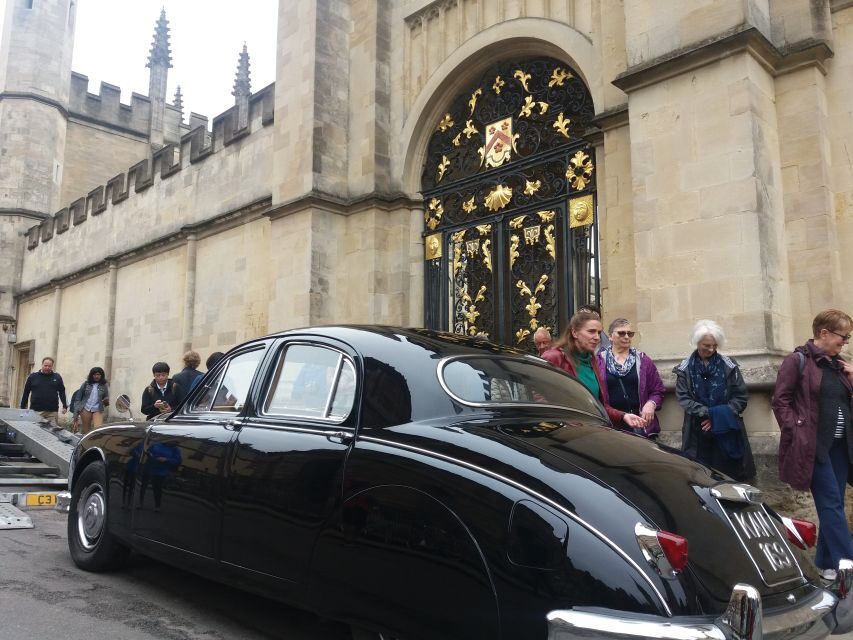
Guides are the difference between a sightseeing walk and a story-led tour, and this one leans hard on that.
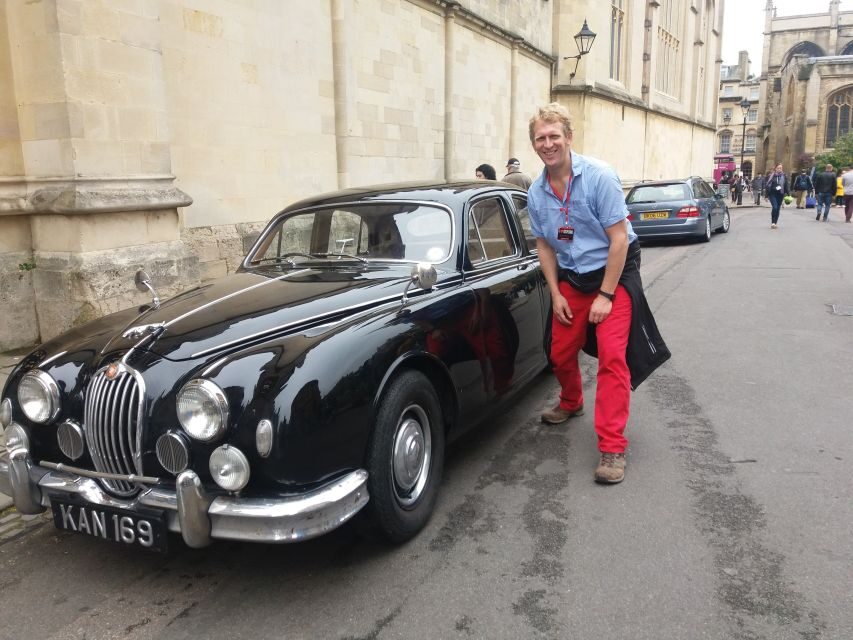
Tom is listed as the primary guide, and the tour information emphasizes high ratings from many clients. Other guides you may see leading departures include Renata, Peter, and Jim. Across these guides, the shared pattern is that the tour doesn’t feel rushed, and the narration adapts to what you care about.
You’ll also notice something that makes a small group tour feel worth it: your questions don’t get brushed off. If you ask about a specific show moment, the guide can usually connect it back to the place you’re standing in. That kind of back-and-forth is hard to get on larger group buses, and it’s one reason fans rate the experience so highly.
A small practical benefit: when the guide is confident, the group doesn’t feel like it’s being dragged from stop to stop. Instead, the pace feels conversational. That matters because Oxford is best when you can look up, not just keep moving.
Price and value: is $53 worth it?
At about $53 per person for a two-hour walk, the value comes from three practical ingredients.
First, you’re paying for guided interpretation. Left on your own, it’s easy to do a decent Oxford stroll and still miss the “why” behind filming spots and how the University functions as a living tradition.
Second, you’re paying for a chance at an interior visit. The tour includes one of the college options (or the Divinity School) with a capped entry fee of up to £3 per person included. That alone can make this feel like more than a standard street tour.
Third, you get a detailed map with Oxford city center colleges, attractions, and sights. That’s useful even if you don’t plan to do more detective-themed stops afterward—you can use it to steer yourself to the next thing while the tour’s context is still fresh.
Would this be overpriced for someone who wants a strict museum-style route? Maybe. But for fans of Inspector Morse, Lewis, and Endeavour—and for people who want Oxford with a story lens—it’s a fair price for a guided, structured experience.
Practical tips so the walk works for you

Oxford is walkable, but comfort counts. Wear shoes you can handle for a couple of hours of city streets and university-area paths.
Bring your curiosity. This is a tour that works best when you’re willing to ask, point, and connect what you see to what you remember from the shows. The guides also tend to tailor the pacing to your interests, so you’ll get more out of it if you tell them early what you want most.
Timing can also affect access. Since college entry can’t be guaranteed on graduations or during the late-December closure window, don’t plan any “must-see inside” moment without flexibility.
One more detail that matters for planning: during low season, the operator notes a policy with a minimum group of three people to keep tours from running at a loss. The tour still allows bookings with fewer people, but it may require booking in threes during those periods.
Who this tour fits best (and who might want a different one)
This is ideal if you:
- Love Inspector Morse, Lewis, or Endeavour and want to see the real filming world around Oxford.
- Want Oxford University context without spending your whole day hunting locations on your own.
- Prefer small-group walking where the guide can respond to your questions.
It can also work for non-fans. Even if you’re not deeply into Morse lore, the college interior option and the broader University heritage framing make it a decent Oxford primer, just with a detective-flavored focus.
If you’re the type who wants only architecture facts and none of the TV tie-in, you might feel this is more story-driven than you expect. But if you like pairing place with narrative, this format is a strong fit.
FAQ
FAQ
Where do we meet for the Oxford Morse, Lewis and Endeavour tour?
Meet your guide outside the empty shop at 15–16 Broad Street. The guide will wear a red lanyard and the shop is located next to the Oxfam shop at 17 Broad Street.
What places are included inside, and is there an entry fee?
The tour includes seeing inside one of these options: Exeter, Balliol, St John’s College, or the Divinity School. A maximum of £3 entry fee per person is included for that interior.
How long is the tour?
The tour is listed at 2 hours.
How much does the tour cost?
The price is listed as $53 per person.
Can we always enter the college or Divinity School?
No. Entry can’t be guaranteed on graduation dates and during the Christmas period from about December 21 to January 3.
Is the tour wheelchair accessible?
Yes, the tour is listed as wheelchair accessible.
Should you book this Oxford Morse, Lewis and Endeavour tour?
Book it if you want Oxford with a built-in narrative and you like the idea of connecting real streets and university spaces to what John Dexter’s detectives do on screen. The combo of an interior college stop, Morse-linked pub time (including the Morse-named bar associated with Colin Dexter), and a guide-led route makes it a practical way to get more from limited time in town.
Skip it or switch expectations if your trip falls during the graduation/late-December closure window and you’re counting on specific inside access. Otherwise, it’s a strong choice for fans, and a fun Oxford orientation for anyone who enjoys place-based stories as they walk.