REVIEW · LONDON
Royal London: from Saxons to Tudors & Stuarts Walking Tour
Book on GetYourGuide →Operated by Reign of London · Bookable on GetYourGuide
Royal power hits different when you’re on the street. This small-group walking tour strings together centuries of monarchy—from the Saxon world to the Stuarts—using real locations you can stand on and real stories that explain why they still matter. I especially like how the guide keeps the timeline clear, and I love the humor that shows up when big names get mixed up in power plays. One thing to consider: it’s fully outdoors, so you’ll need comfy shoes and rain planning.
The walk starts at the Waterstones bookshop near Trafalgar Square, which is a handy base if you’re already in central London. You’ll hear what William the Conqueror changed, how Edward the Confessor fits into the puzzle, and then you’ll move into Tudor and Stuart eras through the kind of details that feel like backstage gossip. I also like that the group is limited to six, so questions don’t disappear into the crowd. The trade-off is simple: because it stays outside the whole time, you won’t get indoor breaks or museum-style pacing.
In This Review
- Key Highlights Worth Caring About
- Meeting at Trafalgar Square: A Tight 2-Hour Royal Sprint
- From Saxons to Edward the Confessor: The Start of the Thread
- Tudor England: Where Henry VIII and Anne Boleyn’s Love Story Became Politics
- The Stuart Era Stop: Shakespeare’s Premier Stage Through a Royal Lens
- Charles I’s Final Day: Standing Where Power Turned Into Consequence
- The Value Play: Why $29 for a Two-Hour Walk Can Feel Like More
- What It Feels Like With the Right Guide (Natalie or Nichole Style)
- Who Should Book This Walking Tour (and Who Should Skip It)
- Tips to Make the Two Hours Easier
- Should You Book Royal London: Saxons to Tudors & Stuarts?
- FAQ
- Where is the meeting point for the tour?
- How long is the walking tour?
- Is the tour inside or outside?
- What group size should I expect?
- What language is the tour guide?
- What should I bring?
- Is the tour suitable for children or wheelchair users?
- Is free cancellation available?
Key Highlights Worth Caring About
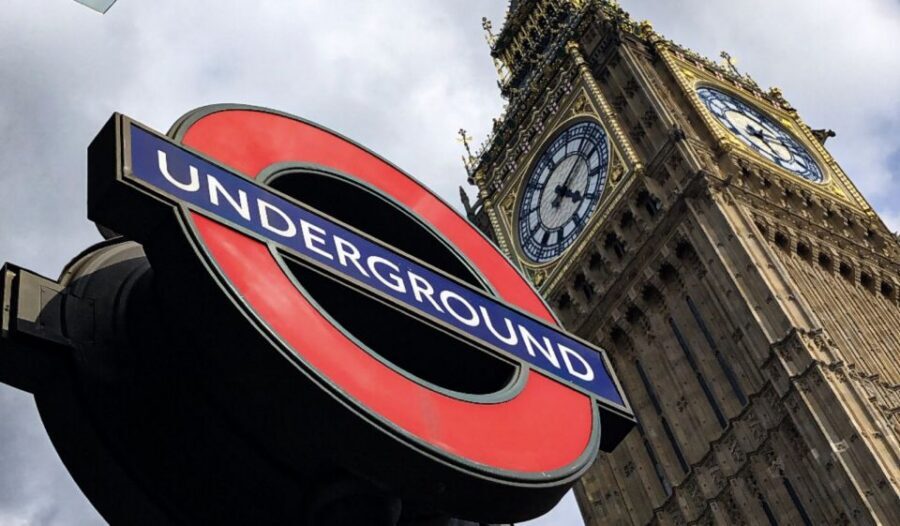
- Largest royal palace site: You’ll explore where a massive palace once dominated the area, not just a random wall.
- A Stuart-era stop tied to Shakespeare premieres: You’ll connect a famous playwright to the royal world that shaped his stage.
- Charles I’s execution location: You’ll walk away with the human story behind the political headline.
- Henry VIII and Anne Boleyn’s marriage setting: You’ll see where this turning point happened on the ground.
- Saxons through Tudors to Stuarts: You get a continuous thread instead of separate, disconnected facts.
Meeting at Trafalgar Square: A Tight 2-Hour Royal Sprint
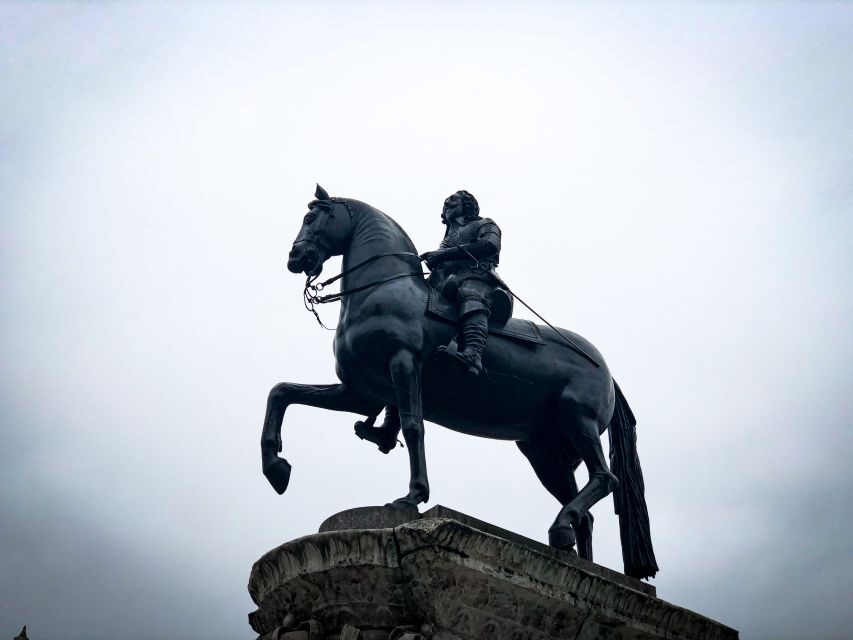
This tour is built for people who want the royal story without spending half a day inside. It runs for two hours, outdoors the entire time, and it’s priced around $29 per person. That price makes sense if you compare it to the cost of a museum entry plus a generic “big highlights” overview. Here, you’re paying for a guide to do the heavy lifting: turning scattered eras into one line you can actually follow.
The meeting point is easy: Waterstones bookshop at Trafalgar Square (WC2N 5EJ). Your guide is described as a quirky short lady, and that comes through in the way the tour is taught—lively, direct, and ready to answer questions without making you feel silly for asking. With a group size capped at six attendees, you’re not shouting over strangers, and the guide can slow down when the story gets dramatic.
Practical note: since you’re outside for the full two hours, plan for rain. The tour runs rain or shine, and you’ll do better if you bring an umbrella and a water bottle. There are toilets in Trafalgar Square, but opening hours can change, so don’t count on them as a guaranteed mid-walk stop.
You can also read our reviews of more walking tours in London



From Saxons to Edward the Confessor: The Start of the Thread
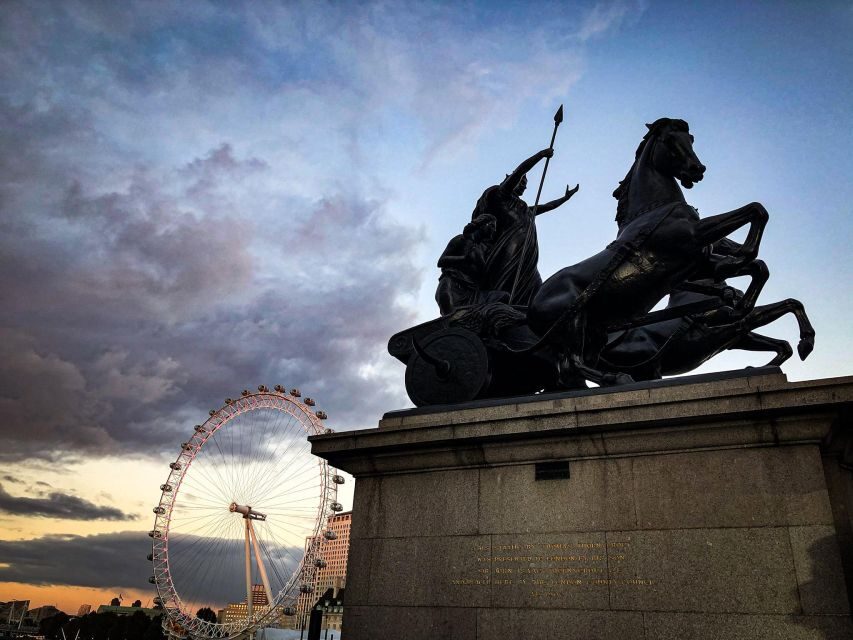
What I like about tours that cover this much time is that they prevent the common mistake of treating monarchy like separate textbooks. On this one, the guide helps you start with the earlier foundations—where England’s power structure was still taking shape.
You’ll get time with the question that always matters for early medieval London: what did William Conquer? You’ll also hear where Edward the Confessor fits into the story, which is useful even if you only know him from the idea of “old England.” The point isn’t memorizing dates. The point is understanding how early rulers set up later claims, institutions, and prestige.
If you’re the kind of person who loves seeing how power changes hands, this is a good match. You’ll start to notice patterns: why certain areas become magnets for royal life, how legitimacy gets marketed, and how later monarchs quietly borrow authority from earlier ones.
Tudor England: Where Henry VIII and Anne Boleyn’s Love Story Became Politics
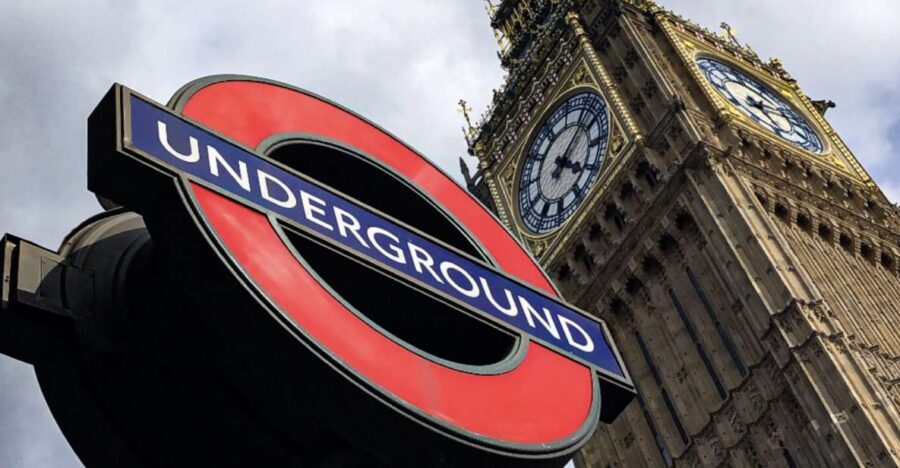
Tudor history is where drama becomes policy, and this tour treats it that way. You’ll learn where Henry VIII married Anne Boleyn, and you’ll also get context for why the marriage mattered so much beyond romance. Tudor marriages were never just personal. They were legal, religious, and political acts—usually with consequences that moved faster than anyone wanted.
This is where the tour becomes especially satisfying if you’re a fan of period dramas. The way it’s paced makes it feel like the TV series plot—except grounded in what happened in real places. You’re not just hearing that someone fell out of favor. You’re learning why people had to choose sides and what the monarchy needed the public to believe.
A small drawback to keep in mind: the tour is information-heavy, and because it’s only two hours, the guide can move quickly between major turning points. If you want to linger on every detail, ask early. The group is small, so you can steer the conversation.
The Stuart Era Stop: Shakespeare’s Premier Stage Through a Royal Lens
One of the tour’s standout promises is a Stuart gem where Shakespeare premiered his plays. Even if you’ve seen Shakespeare performed a hundred times, the surprise is realizing how often the royal world acted like a producer—funding, approving, and shaping what “counts” as successful theater.
On this part of the walk, the guide connects the dots between the play world and the Stuart court. You’ll hear what kind of audience Shakespeare had, and how royal tastes affected the kinds of productions that rose to the top. For me, this is one of those moments where you stop thinking of Shakespeare as just literature and start thinking of him as part of the machine of power and culture.
This is also a smart way to understand the Stuarts. They weren’t just monarchs in portraits. They were rulers living in a high-pressure environment where politics and public image kept colliding.
Charles I’s Final Day: Standing Where Power Turned Into Consequence
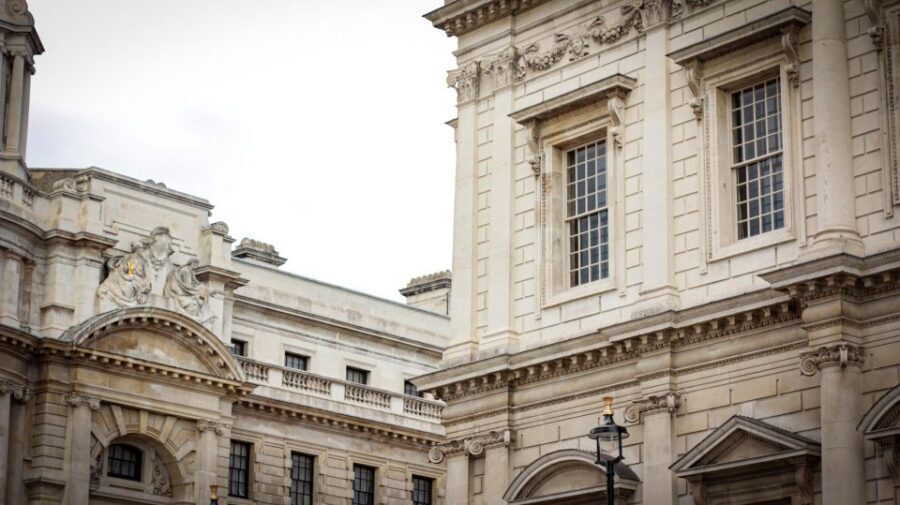
The most serious part of the tour is also one of the most memorable: learning where Charles I lost his head. The guide doesn’t treat it like a horror-story fact. Instead, you’ll hear the logic behind why it happened, and how quickly monarchy can flip from sacred to suspect.
That matters because executions often get simplified into one sensational moment. Here, you’re shown that it was the end of a chain—pressure building, trust breaking, and politics hardening. Once you understand that, the location feels less like a trivia stop and more like the finish line of a long fight.
Be mentally ready for the mood shift. This part lands heavier than the Tudor love-story portion. It’s still presented in an engaging way, but it’s clearly aimed at helping you understand the stakes, not just repeat a date later.





The Value Play: Why $29 for a Two-Hour Walk Can Feel Like More
Price is always tricky in London. At around $29 per person, you might wonder if you’re just paying for “a guide talking on the pavement.” The difference here is focus.
This tour includes:
- A live English guide
- A fully outdoors walking format
- A tight two-hour structure that connects centuries in one flow
- A small group cap of six
And it does not include visits to ticketed sights. So if your goal is museum time, this won’t replace that. But if your goal is to get oriented and understand what happened where, this format is strong. You’re buying clarity. You’re buying a story you can carry with you the next time you see a royal building or a plaque.
Also, the small group size is real value. With fewer people, the guide can answer follow-ups. That’s where you often get the good stuff: the extra meaning behind a name, the reason a ruler took a certain step, the way one event set up another.
What It Feels Like With the Right Guide (Natalie or Nichole Style)
A tour lives or dies by the guide, and the guides on this walk have a clear tone: strong storytelling, real confidence, and a sense of humor that keeps the darker turns from feeling like a lecture.
Some guides—like Natalie and Nichole—are known for mixing history with humor and giving explanations that feel like a personal lesson, not a scripted monologue. One guide style detail I really appreciate is how they handle questions. When the group is small, the answers don’t get squeezed into a single sentence. You get room to ask why something matters, not just what happened.
If you end up with a guide who also uses a podcast-style approach, you may find the tour follows a rhythm: hook, context, payoff. That helps the two-hour time window feel even more productive.
Who Should Book This Walking Tour (and Who Should Skip It)
This one is best for you if:
- You like royal period dramas and want the real-world connections behind the plotlines.
- You want a central London orientation to monarchy without hunting down sites on your own.
- You enjoy walking history with a guide who keeps the timeline moving.
It’s not for you if:
- You need wheelchair access or mobility-friendly routing. The tour is not suitable for people with mobility impairments, and it also isn’t set up for wheelchair users.
- You’re bringing kids under 13. The tour isn’t suitable for children under that age.
- You’re hoping for indoor shelter or museum pacing.
The outdoor nature is the biggest make-or-break factor. If you can handle that, you’ll likely enjoy the pace.
Tips to Make the Two Hours Easier
This is a “show up and walk” tour, so your main job is comfort.
Bring:
- Comfortable shoes (non-negotiable for a two-hour stomp)
- A bottle of water (hydration helps, especially if it’s warm or windy)
- An umbrella if there’s any chance of rain
Wear:
- Something you can move in. If your shoes are even slightly uncomfortable, London pavements will make you regret it fast.
And manage expectations:
- Because the tour is outdoors and doesn’t include ticketed stops, you won’t linger for long at one spot. Ask questions while you’re there—don’t save them for later when the group has moved on.
Should You Book Royal London: Saxons to Tudors & Stuarts?
I’d book this tour if you want a focused, story-driven way to understand British monarchy from Saxons through Tudors and into the Stuarts in just two hours. The small group size, the guide-led context, and the way the tour ties major royal moments—Henry VIII and Anne Boleyn, Shakespeare’s royal-stage connection, and Charles I’s execution—to places you can see make it feel like real value.
Skip it if you need accessibility accommodations, you’re bringing a child under 13, or you’re not comfortable walking outdoors in changing weather. Otherwise, it’s a smart choice for first-time visitors and a fun way to add meaning if you’ve been to London before and want a better grasp of what you’re looking at.
FAQ
Where is the meeting point for the tour?
Please meet at the entrance to Waterstones bookshop, Trafalgar Square, WC2N 5EJ, UK.
How long is the walking tour?
The tour lasts 2 hours.
Is the tour inside or outside?
It takes place outside for the entire time and does not include visits to places of interest.
What group size should I expect?
The tour is limited to a small group of up to six participants.
What language is the tour guide?
The tour is English.
What should I bring?
Wear comfortable shoes. It’s also recommended to bring a bottle of water, and the tour runs rain or shine so an umbrella can help.
Is the tour suitable for children or wheelchair users?
It is not suitable for children under 13, people with mobility impairments, or wheelchair users.
Is free cancellation available?
Yes—there is free cancellation, with a full refund if you cancel up to 24 hours in advance.