REVIEW · BELFAST
Belfast: Ulster Transport Museum Entry Ticket
Book on GetYourGuide →Operated by National Museums NI · Bookable on GetYourGuide
Big machines tell surprisingly human stories. The Ulster Transport Museum on the outskirts of Belfast uses engineering feats to explain how people in this part of Ireland adapted, traded, and moved through modern life. I love that the museum feels big and ambitious without being hard to tackle, and it lays out a clear story across two gallery buildings.
Two things I really like: the Road Gallery and Rail Gallery walk you through changing ways of getting around and shipping essentials, and the museum’s scale means you can spend real time with the machinery. I also like that the TitanicA exhibition doesn’t just show a ship story in theory, it centers original artefacts recovered from the icy Atlantic and pairs them with personal stories of builders and passengers.
One possible drawback: this ticket is for a self-guided visit, so if you crave guided explanations, you may wish you had a tour voice in your ear.
In This Review
- Key highlights worth planning around
- Why this museum works for a full day near Belfast
- Ticket value: what you pay for at $16 per person
- Getting there and where to start (so you don’t lose time)
- Gallery A and B: the museum’s two-building story method
- Road Gallery: vehicles and the everyday side of transport change
- Rail Gallery: Ireland’s largest railway collection and steam locomotion
- TitanicA: original ship artefacts and people’s stories from the Atlantic
- Museum of Innovation: how science engineering shaped modern life
- Our Place in Space trail: a cosmic break outdoors
- How to pace a self-guided visit without getting tired
- Who should book this museum ticket
- Practical tips that make the day easier
- Should you book the Ulster Transport Museum ticket?
Key highlights worth planning around
- Two-gallery setup (A & B): you’ll want time to move between buildings instead of rushing one big room.
- Rail Gallery steam collection: it’s Ireland’s largest railway collection, with steam locomotion front and center.
- Road Gallery transport changes: you get a hands-on look at how everyday travel and freight evolved.
- TitanicA with recovered artefacts: the exhibition highlights original finds plus personal stories of the ship’s people.
- Museum of Innovation: science and engineering pioneers connect land, sea, and sky to your modern world.
- Outdoor Our Place in Space trail: a bonus trail that adds a lighter, cosmic angle to the day.
Why this museum works for a full day near Belfast
The Ulster Transport Museum is designed for people who like big ideas and big machines, but it also stays approachable for normal museum visitors. The museum spans two gallery buildings (A & B), so you’re not stuck in one long hallway. You can pace your day and still cover the main story: how transport shaped daily life and social change since the start of the modern era.
It’s also in a smart location for a Belfast visit. You’re not fighting downtown crowds just to see something unusual; you can combine Belfast sightseeing with a day focused on engineering and history. If you enjoy understanding how technology changes society—rather than only admiring objects—this is a strong match.
A few more Belfast tours and experiences worth a look

Ticket value: what you pay for at $16 per person
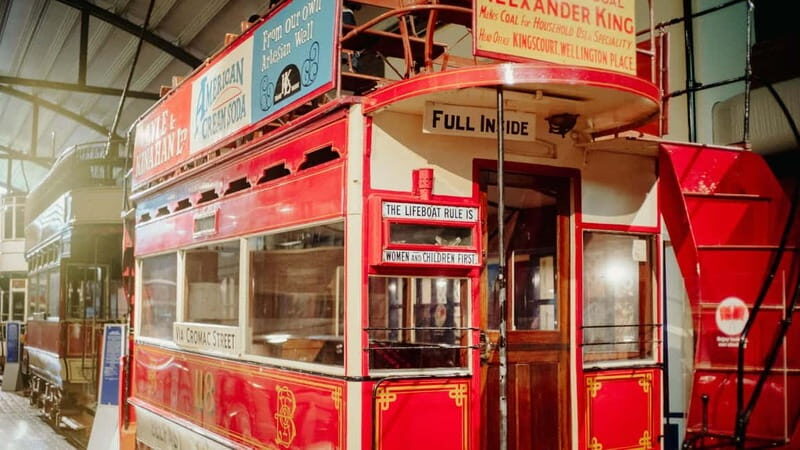
At $16 per person, the ticket price is straightforward, and the value comes from what’s included. Your entry covers the self-guided visit, access to both gallery buildings, and the key extras that make the day smoother: on-site car parking, a complimentary visitor map, and no time limit to your visit on the day.
That no-time-limit detail matters more than it sounds. Transport museums often have “stand and stare” exhibits, especially with trains, vehicles, and large objects you can get up close to. If you’re the type who reads labels, you’ll likely stretch your time here. If you’re short on time, you can still move faster, but the museum won’t push you out.
Also note the practical scheduling angle: the ticket is valid for 1 day, and starting times depend on availability. So it’s worth picking a time that fits your day, not just grabbing the first slot.
Getting there and where to start (so you don’t lose time)
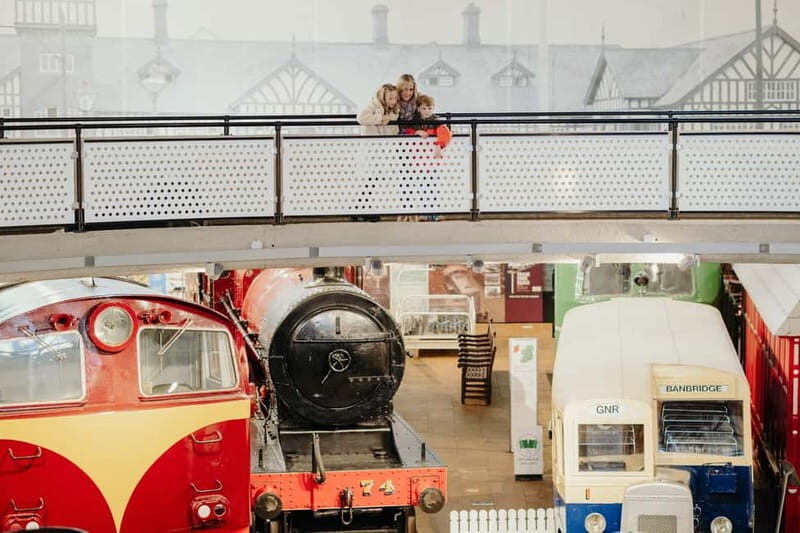
Plan to go to the main Ulster Transport Museum car park first. When you arrive, your check-in point is the Ticket Kiosk, where you should proceed upon arrival.
The museum provides a visitor map for your self-guided route, which helps you avoid that common problem of wandering without a plan. Since there’s a two-building layout, a quick look at your map at the start can save you from backtracking later.
If you’re driving, the fact that parking is on-site is a real convenience. This museum experience is the kind where you’ll probably want time to browse, and easy parking makes it less stressful.
Gallery A and B: the museum’s two-building story method
Instead of one mega space, the Ulster Transport Museum spreads things across Gallery A and Gallery B. That design gives you natural breaks, and it helps the subject matter feel organized. You can treat it like a mini “transport journey” across different modes—road, rail, sea, and innovation—rather than one continuous exhibit marathon.
Here’s the practical approach I suggest: start with your interests, then fill in the rest. If you’re most excited by trains, prioritize the railway-focused areas first so you’re fresh. If you’re more drawn to Titanic artifacts and ships, aim for that exhibit early enough that you still have energy for the rest of the day.
Road Gallery: vehicles and the everyday side of transport change
The Road Gallery focuses on transport you’ll recognize from daily life: automobiles and the movement of people and goods. You can walk through years of change and see how transport evolved from practical tools into symbols of modern life.
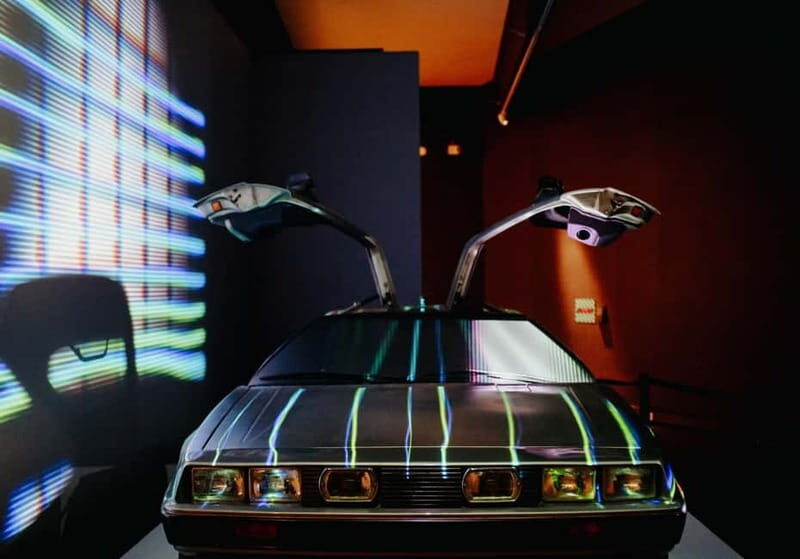
One standout you should plan around is the chance to get up close to the iconic DeLorean. If you like cars, this single exhibit can become the anchor of your day, the thing you’ll remember later when you think back on the museum.
The big takeaway from the Road Gallery is that transport history isn’t only about speed or design. It’s about how daily routines changed—work, errands, travel patterns, and access. Even without a guided explanation, the exhibit structure makes the “why” feel logical as you move through time.
You can also read our reviews of more museum experiences in Belfast

Rail Gallery: Ireland’s largest railway collection and steam locomotion
If you’re a train person, this is the main event. The museum has Ireland’s largest railway collection, and the focus on the titans of steam locomotion turns the Rail Gallery into a visual “wow” zone.
Railways changed everything: how goods moved, how towns developed, and how far people could travel for jobs and family. This gallery connects that social impact to the physical hardware—the engines, the scale, and the engineering behind how steam power worked.
Even if you don’t know much about locomotives, the Rail Gallery is set up so you can still appreciate it. Look for how the exhibits show progress and adaptation. When objects are large, you can’t help but learn by looking closely.
TitanicA: original ship artefacts and people’s stories from the Atlantic
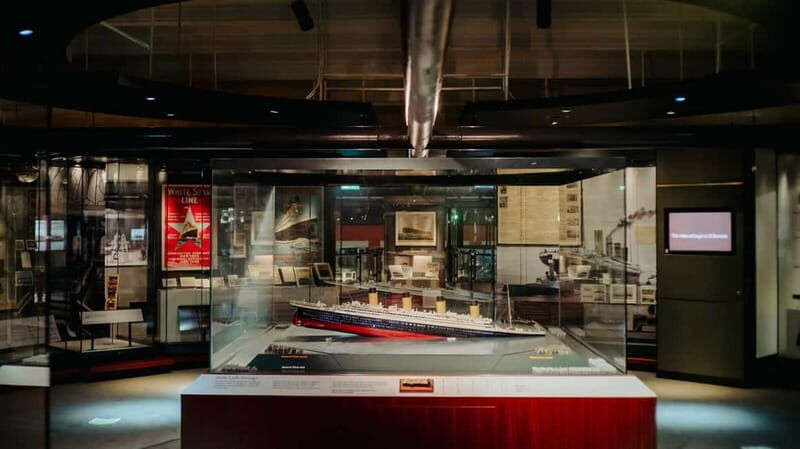
The TitanicA exhibition is where transport history turns emotional. Instead of treating the ship as a distant legend, it’s grounded in original artefacts recovered from the icy Atlantic. That single detail makes the exhibition feel more immediate.
You’ll also encounter personal stories that connect the builders and the passengers who embarked on the maiden voyage. This is the part of the museum where context matters: technology is huge, but the human side is what gives the story weight.
Why it’s valuable for your visit: it helps you connect transport technology to real stakes. After looking at machinery in the Road and Rail Galleries, TitanicA shows what happens when engineering, decision-making, and risk intersect.
If Titanic is your priority, schedule extra time here. It’s the kind of exhibit that rewards reading carefully and pausing before you move on.
Museum of Innovation: how science engineering shaped modern life
The Museum of Innovation is a smart contrast to the heavier historical exhibits. Here, the focus is on pioneers of science and engineering, and the goal is to show how inventions across land, sea, and sky have shaped the modern world.
This portion works well for families and for anyone who likes the “then and now” connection. The message isn’t just that clever people existed; it’s that engineering habits and problem-solving methods keep evolving—and you’re living with those results today.
It’s also a good way to refresh your brain during the day. If you’ve been reading about transport history and staring at large objects, the innovation section can feel lighter, even when it’s still serious.
Our Place in Space trail: a cosmic break outdoors
After the galleries, the museum adds an outdoor option: Our Place in Space, a trail designed to be a cosmic adventure. It invites you to explore the wonders of the universe and connect them to your place within it.
This isn’t presented as a separate tour—it’s a trail included as part of the museum experience. For planning, think of it as a “stretch your legs” component that balances all the heavy transport themes.
Even if you’re not a space enthusiast, the outdoor setting helps reset the day. You’ll also appreciate it more if you like hands-on learning or visual experiences that feel different from indoor halls.
How to pace a self-guided visit without getting tired
Because this is self-guided, your success depends on pacing. The museum includes a map and access to both gallery buildings, but no guided route is built in. That’s why you should decide how you want to experience it.
A simple pacing plan:
- Start with one big passion area (rail, TitanicA, or cars) so you’re energized.
- Use the rest of the galleries to fill in transport modes and social change.
- Save the outdoor Our Place in Space trail for later, so it feels like a reward.
If you’re the type who reads every label, plan on taking breaks. If you tend to scan quickly, you can cover everything in a comfortable day, because the museum gives you the flexibility with no time limit.
Who should book this museum ticket
This ticket is a great fit if you like:
- Engineering and transport history that connects objects to social change
- Big collections—especially trains and cars
- Titanic-related exhibitions grounded in original artefacts
It’s also a solid choice if you’re traveling with a mix of interests. One family member can focus on trains or automobiles, another can spend time in TitanicA or innovation, and you can still meet back up easily in the shared spaces.
If you’re only looking for a quick stop, be careful. With two buildings and multiple thematic exhibits, the museum is better as a full-day plan than a “drop by for 30 minutes” detour.
Practical tips that make the day easier
- Start at the Ticket Kiosk when you arrive at the main car park, so you don’t waste time hunting.
- Use the visitor map early—two buildings can trick your sense of direction.
- If your top priorities are TitanicA or the railway collection, give those sections extra time first.
- Bring patience for reading. This museum works best when you slow down and connect the machines to the people and changes behind them.
Should you book the Ulster Transport Museum ticket?
Yes, if you want a full-day museum near Belfast that blends rail and road history, the TitanicA exhibition with recovered artefacts, and a tech-forward Museum of Innovation—plus a fun outdoor science trail. At $16 per person, the value is in the variety and the flexibility, especially with access to both gallery buildings and no time limit.
Skip it only if you strongly prefer guided tours or you only have time for a short indoor stop. Since there’s no guided tour included, self-guided visitors will get the most satisfaction by choosing what they want to see and pacing themselves.